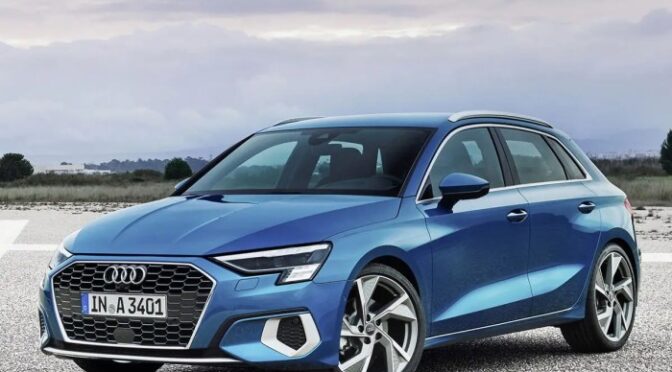
Audi isn’t abandoning diesel just yet; instead, they’re doubling down with new TDI engines, incorporating mild-hybrid technology to create a driving experience that rivals electric motors. This move signifies a strategic pivot in the automotive landscape, blending the tried-and-true efficiency of diesel with the benefits of electrification. Prepare to explore how Audi is pushing the boundaries of diesel technology.
This discussion will delve into Audi’s commitment to diesel, detailing the historical context and the factors driving this continued investment. We’ll examine the core features of the new TDI engines, from their architecture and fuel injection systems to the integration of mild-hybrid technology. We’ll also explore performance characteristics, emissions control, and how these engines compare to both traditional diesels and electric motors.
Finally, we’ll look at the models featuring these engines, Audi’s market strategy, and their future outlook.
Audi’s Commitment to Diesel Technology
Audi’s continued investment in diesel technology, despite the global shift towards electrification, highlights a strategic commitment to powertrain diversity and efficiency. The company is leveraging its expertise in TDI (Turbocharged Direct Injection) engines, combined with mild-hybrid systems, to offer compelling performance and reduced emissions. This approach allows Audi to cater to diverse customer needs while meeting stringent environmental regulations.
Historical Context of Audi’s Diesel Engine Development
Audi’s journey with diesel engines is marked by significant innovation and a dedication to improving performance and efficiency. Early diesel engines were often associated with noise and sluggish performance, but Audi has consistently worked to overcome these limitations.
- 1970s: Audi introduced its first diesel-powered passenger car, marking the beginning of its diesel engine development.
- 1989: The introduction of the Audi 100 TDI marked a turning point, showcasing the potential of diesel technology for performance and fuel efficiency.
- 1990s: Audi’s TDI engines gained popularity for their smooth operation, strong torque, and fuel economy.
- 2000s: Audi continued to refine its TDI technology, incorporating features like common-rail fuel injection and particulate filters to reduce emissions.
- 2009: Audi introduced the 3.0 TDI clean diesel engine, demonstrating its commitment to meeting stricter emissions standards. This engine, featuring advanced emissions control systems, showed the brand’s efforts to balance performance and environmental responsibility.
Factors Driving Audi’s Diesel Technology Investment
Several key factors motivate Audi’s continued investment in diesel technology. These include the pursuit of optimal fuel efficiency, the desire to provide a diverse range of powertrain options, and the need to meet varying regional regulations.
- Fuel Efficiency: Diesel engines offer inherently high fuel efficiency, which is attractive to customers and helps reduce overall CO2 emissions. For example, a modern Audi TDI engine can achieve significantly better fuel economy compared to a gasoline engine of similar power output.
- Performance: TDI engines are known for their strong torque delivery, providing brisk acceleration and a responsive driving experience. This is especially advantageous for larger vehicles and those used for towing.
- Powertrain Diversity: Offering diesel engines allows Audi to cater to a wider range of customer preferences and driving needs. This is particularly important in regions where diesel remains a popular choice.
- Compliance with Regulations: By continually improving its TDI technology, Audi aims to meet and exceed increasingly stringent emissions regulations globally. The combination of advanced diesel engines and mild-hybrid technology helps achieve this goal.
Timeline of Audi’s TDI Engine Innovations
Audi’s TDI engines have evolved significantly over the years, incorporating numerous advancements in efficiency and emissions control. The evolution showcases Audi’s commitment to continuous improvement.
- Early TDI Engines: These engines focused on improving fuel efficiency compared to gasoline engines of the time. While offering good torque, they were relatively basic in terms of emissions control.
- Common-Rail Fuel Injection: This technology, introduced in the late 1990s and early 2000s, significantly improved fuel atomization, leading to better combustion, reduced noise, and lower emissions. This was a crucial step in making diesel engines more refined.
- Particulate Filters (DPF): DPFs were introduced to capture soot particles from the exhaust, dramatically reducing particulate emissions. This was a critical step in meeting stricter emissions standards.
- Advanced Emissions Control Systems: Modern TDI engines incorporate a range of technologies, including selective catalytic reduction (SCR) with AdBlue injection, to further reduce NOx emissions. The use of SCR, which converts NOx into harmless nitrogen and water, has become standard.
- Mild-Hybrid Integration: Audi is now combining TDI engines with mild-hybrid systems, such as a belt-driven starter generator (BSG). This system allows for energy recuperation during braking and coasting, further improving fuel efficiency and reducing emissions. For example, the Audi A6 and A7 models offer TDI engines with 48-volt mild-hybrid technology, showcasing this integration.
New TDI Engines
Source: wikimedia.org
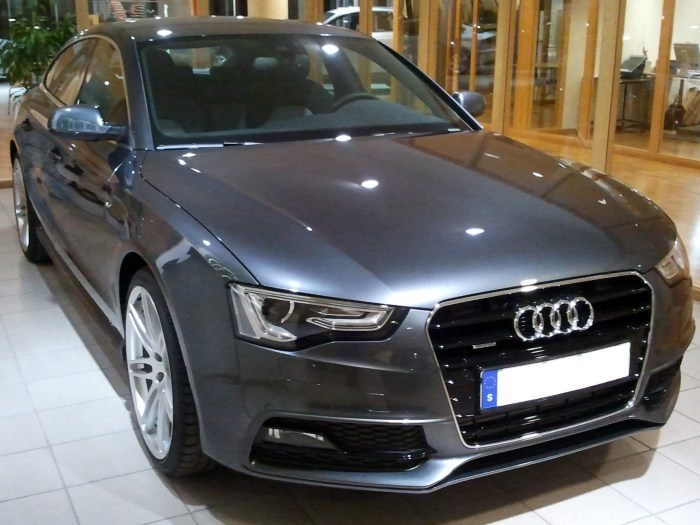
Audi’s commitment to diesel technology is underscored by the development of new TDI engines, representing a significant investment in internal combustion engine (ICE) innovation. These engines are designed to meet stringent emission standards while delivering enhanced performance and efficiency. This commitment allows Audi to provide customers with diverse powertrain options, ensuring they can choose the best fit for their needs.
Core Features of the New TDI Engines
The new TDI engines incorporate several technological advancements aimed at improving efficiency, reducing emissions, and enhancing driving dynamics. These improvements are crucial for the continued relevance of diesel technology in the automotive industry.
- Advanced Combustion Processes: The new TDI engines utilize advanced combustion processes. These processes optimize the fuel-air mixture, leading to more efficient combustion and reduced emissions. This includes innovations in the design of the combustion chambers and the use of sophisticated control algorithms.
- Mild-Hybrid Technology Integration: These engines are often paired with mild-hybrid systems, featuring a belt-driven starter generator (BSG). This system assists the engine during acceleration, allows for coasting at higher speeds, and enables more efficient start-stop functionality. The BSG recovers energy during braking, further enhancing fuel economy. This combination allows for a smoother driving experience, reduces fuel consumption, and lowers emissions.
- Selective Catalytic Reduction (SCR) Systems: To minimize NOx emissions, the new TDI engines are equipped with advanced SCR systems. These systems inject a urea-based solution (AdBlue) into the exhaust stream, converting harmful nitrogen oxides into harmless nitrogen and water. The efficiency of the SCR system is crucial for meeting current and future emission regulations.
- Reduced Friction Technologies: The engines incorporate various friction-reducing technologies, such as low-friction piston rings, optimized valve train designs, and advanced engine oils. These measures minimize internal friction, leading to improved fuel efficiency and reduced wear.
Engine Architecture
The architecture of the new TDI engines is designed to balance performance, efficiency, and packaging constraints. Audi offers a range of engine configurations and displacement options to cater to various vehicle models and customer preferences.
- Cylinder Configurations: The new TDI engines are offered in various cylinder configurations, including inline-four and V6 layouts. The choice of configuration depends on the vehicle’s size, performance requirements, and the available space under the hood. For example, the inline-four configuration is commonly used in smaller models like the A3 and Q3, while the V6 configuration is used in larger models like the A6, A7, and Q7.
- Displacement Options: Audi provides several displacement options for its TDI engines. These options allow for a balance between power, fuel economy, and emissions. Common displacement options include 2.0-liter and 3.0-liter engines. The 2.0-liter TDI engines are designed for fuel efficiency, while the 3.0-liter TDI engines offer more power and torque.
- Modular Design: The engines often utilize a modular design, allowing for the sharing of components and technologies across different engine families. This modular approach streamlines production, reduces costs, and facilitates the development of new engine variants.
Fuel Injection Systems
The fuel injection system is a critical component of the new TDI engines, directly impacting performance and emissions. Audi utilizes advanced fuel injection technologies to optimize combustion and meet stringent emission standards.
- Common Rail Fuel Injection: The new TDI engines employ common rail fuel injection systems. These systems deliver fuel to the injectors at extremely high pressures, allowing for precise control of fuel delivery and improved combustion efficiency.
High injection pressures (up to 2,500 bar) are typical.
- Multiple Injection Events: The fuel injection systems can execute multiple injection events per combustion cycle. This allows for better control over the combustion process, leading to reduced emissions and improved fuel economy. Pilot injections help to preheat the combustion chamber, while post-injections can assist in exhaust aftertreatment.
- Advanced Injector Technology: The injectors themselves are highly sophisticated, featuring precise control mechanisms and optimized spray patterns. These injectors are designed to deliver fuel in a fine mist, promoting thorough mixing with air and efficient combustion. The design of the injector nozzles plays a critical role in controlling emissions and maximizing performance.
Mild-Hybrid Technology Integration

Source: pngimg.com
Audi’s commitment to diesel extends beyond just refining the engine itself. A key component of their strategy involves integrating mild-hybrid technology to significantly improve fuel efficiency and reduce emissions. This combination allows Audi to retain the benefits of diesel engines while addressing environmental concerns.
Role of Mild-Hybrid Technology in TDI Engines
The mild-hybrid system in Audi’s new TDI engines plays a crucial role in several areas. It primarily assists the combustion engine, providing a boost in specific driving scenarios and enabling features like extended coasting. This integration contributes to better overall performance and efficiency.
Enhancements in Fuel Efficiency and Emission Reduction
The mild-hybrid system directly contributes to enhanced fuel efficiency and lower emissions. It achieves this through several mechanisms.
- Energy Recovery: The system captures energy during deceleration and braking, storing it in a small lithium-ion battery. This stored energy can then be used to power the car’s electrical systems, reducing the load on the engine.
- Extended Coasting: The system allows the engine to shut off completely at speeds between 55 and 160 km/h (approximately 34 to 99 mph) when the driver lifts off the accelerator. The car then coasts, saving fuel. This feature can save up to 0.7 liters of fuel per 100 kilometers in real-world driving conditions, according to Audi.
- Start-Stop System Improvements: The mild-hybrid system provides a quicker and smoother start-stop function. The engine restarts almost instantaneously, improving driver comfort and reducing emissions in stop-and-go traffic.
Operational Differences Between Audi’s Mild-Hybrid System and Other Hybrid Approaches
Audi’s mild-hybrid system differs from full hybrid or plug-in hybrid systems in several key aspects. It is a less complex and more cost-effective approach.
- Battery Size and Electric Motor Power: Unlike full hybrids, Audi’s mild-hybrid system uses a smaller battery and a less powerful electric motor. This means it cannot drive the car solely on electric power for extended distances. Instead, the electric motor primarily assists the diesel engine.
- Focus on Assistance: The system is designed to provide assistance to the diesel engine rather than replacing it. This approach is well-suited for diesel engines, which excel in efficiency at highway speeds and long distances.
- Cost and Complexity: Mild-hybrid systems are generally less expensive and complex to implement than full hybrids. This allows Audi to offer the technology across a wider range of its models, making fuel-saving technology more accessible to consumers.
- Integration with Diesel Engine Characteristics: The system is specifically tailored to complement the characteristics of a diesel engine. The electric motor provides additional torque at low speeds, improving acceleration and reducing turbo lag.
Performance Characteristics and Driving Experience
Audi’s renewed commitment to diesel technology, particularly with the integration of mild-hybrid systems, significantly impacts the performance and driving dynamics of its vehicles. This section will delve into the specific performance figures, driving experience enhancements, and comparisons with both traditional diesel and gasoline engines.
Horsepower, Torque, and Acceleration of New TDI Engines
The new TDI engines, coupled with mild-hybrid technology, offer improved performance figures compared to their predecessors. These advancements are a direct result of optimized combustion processes, enhanced turbocharging systems, and the added boost from the mild-hybrid system.
- Horsepower: The horsepower figures vary depending on the specific engine configuration and vehicle model. However, expect to see increases in peak horsepower compared to previous generations. For example, the 3.0-liter TDI in the Audi A6, A7, and Q7 models, with mild-hybrid technology, often sees a horsepower increase compared to the non-hybrid versions.
- Torque: Diesel engines are renowned for their high torque output, and the new TDI engines continue this tradition. The integration of mild-hybrid technology further enhances torque delivery, particularly at lower engine speeds. This provides a strong “off-the-line” acceleration feel. The immediate torque availability is one of the key selling points for the new TDI engines.
- Acceleration: Acceleration times (0-60 mph or 0-100 km/h) are noticeably improved. The combination of increased horsepower, enhanced torque, and the responsiveness of the mild-hybrid system contribute to quicker acceleration. The mild-hybrid system can provide an electric boost during acceleration, further improving performance.
Driving Experience with Diesel and Mild-Hybrid Technology
The integration of mild-hybrid technology significantly enhances the driving experience, making the new TDI engines more responsive, smoother, and more efficient. The mild-hybrid system acts as a support system for the diesel engine, improving various aspects of its operation.
- Responsiveness: The mild-hybrid system contributes to improved responsiveness, especially at low speeds. The electric motor can provide instant torque, reducing turbo lag and providing quicker acceleration from a standstill. This creates a more immediate and engaging driving experience.
- Smoothness: The mild-hybrid system helps to smooth out the engine’s operation. It can assist in engine start-stop cycles, making them virtually seamless. The electric motor can also provide additional power during acceleration, reducing strain on the diesel engine and improving overall refinement.
- Efficiency: The mild-hybrid system contributes to improved fuel efficiency. It allows for regenerative braking, capturing energy that would otherwise be lost. This energy is then used to power the electric motor, which can assist the diesel engine and reduce fuel consumption.
Comparison with Traditional Diesel and Gasoline Engines
Comparing the new TDI engines with traditional diesel and gasoline engines highlights the advancements in performance, efficiency, and driving experience.
- Compared to Traditional Diesel: The new TDI engines offer several advantages over traditional diesel engines. The mild-hybrid system provides improved responsiveness, smoother operation, and enhanced fuel efficiency. The added electric boost makes the new TDI engines feel more lively and easier to drive in various conditions.
- Compared to Gasoline Engines: The new TDI engines offer strong torque and excellent fuel economy compared to gasoline engines. While gasoline engines may offer quicker acceleration in some cases, the TDI engines provide a more relaxed and efficient driving experience, particularly on long journeys. The immediate torque available with the TDI engine is a key difference.
- Examples of Improvements:
- Turbo Lag Reduction: The electric motor in the mild-hybrid system helps to reduce turbo lag, a common characteristic of diesel engines. This results in quicker and more immediate power delivery.
- Fuel Economy: The new TDI engines with mild-hybrid technology often achieve better fuel economy than comparable gasoline engines, especially in real-world driving conditions.
- Driving Dynamics: The enhanced torque delivery and improved responsiveness of the new TDI engines create a more engaging and enjoyable driving experience.
Emissions Control and Compliance
Audi’s commitment to diesel technology wouldn’t be complete without addressing the crucial aspect of emissions control and compliance with increasingly stringent regulations. The new TDI engines are engineered to meet and exceed current and future emission standards, ensuring their longevity and environmental responsibility. This involves a suite of advanced technologies working in concert to minimize harmful pollutants.
Technologies for Reducing Emissions
The core of Audi’s emissions strategy revolves around reducing both nitrogen oxides (NOx) and particulate matter (PM). This is achieved through a combination of in-engine and after-treatment systems.
- Selective Catalytic Reduction (SCR) with AdBlue: This system is a cornerstone of NOx reduction. AdBlue, a urea-based solution, is injected into the exhaust stream. The urea reacts with NOx in the catalytic converter, converting it into harmless nitrogen and water. The efficiency of SCR systems has been significantly improved in the new TDI engines. For example, Audi claims that the latest SCR systems can achieve NOx conversion rates of up to 90% under real-world driving conditions, as tested in accordance with the WLTP (Worldwide Harmonized Light Vehicles Test Procedure) cycle.
- Diesel Particulate Filter (DPF): The DPF is highly effective at trapping particulate matter, also known as soot. The new TDI engines feature advanced DPF designs with improved filtration capabilities. These filters are capable of removing over 99% of particulate matter from the exhaust. Audi also uses advanced regeneration strategies to maintain the DPF’s efficiency over its lifespan.
- Advanced Engine Management: Sophisticated engine control units (ECUs) precisely manage the combustion process, minimizing the formation of pollutants in the first place. This includes optimizing fuel injection timing, combustion chamber design, and exhaust gas recirculation (EGR). The new TDI engines feature highly precise fuel injection systems, capable of multiple injection events per combustion cycle, to further reduce emissions.
- Exhaust Gas Recirculation (EGR): EGR recirculates a portion of the exhaust gas back into the intake manifold. This reduces peak combustion temperatures, which in turn lowers the formation of NOx. Audi’s EGR systems are highly efficient and precisely controlled.
Emissions Levels Comparison
To illustrate the progress made in emissions control, a comparison table showcasing the emissions levels of the new TDI engines compared to older diesel engines and competitor offerings is provided below. Please note that these figures are representative and may vary depending on specific engine configurations and testing procedures.
| Engine Type | NOx (mg/km) | Particulate Matter (mg/km) | CO2 (g/km) |
|---|---|---|---|
| New Audi TDI (Euro 6d-ISC-FCM) | Below 80 (WLTP) | Below 0.005 (WLTP) | Varies based on model and driving conditions |
| Older Audi TDI (Euro 5) | Up to 180 (NEDC) | Up to 0.005 (NEDC) | Typically higher than Euro 6d-ISC-FCM |
| Competitor Diesel Engine (Euro 6d) | Varies, often above 80 (WLTP) | Varies, typically around 0.01 (WLTP) | Similar to or slightly higher than Audi TDI (Euro 6d-ISC-FCM) |
| Gasoline Engine (Direct Injection) | Typically lower than diesel, but can vary with aftertreatment | Negligible with modern particulate filters | Similar to or slightly higher than Audi TDI (Euro 6d-ISC-FCM) |
Note: NOx and Particulate Matter figures are based on WLTP testing unless otherwise specified. CO2 emissions vary based on the specific vehicle model, engine configuration, and driving style. NEDC (New European Driving Cycle) is an older testing standard, while WLTP (Worldwide Harmonized Light Vehicles Test Procedure) is a more realistic and stringent standard.
Comparison with Electric Motors
Audi’s new TDI engines, paired with mild-hybrid technology, are designed to offer a driving experience that shares several key characteristics with electric vehicles (EVs). This section explores the similarities and differences between these advanced diesel engines and the performance of electric motors, highlighting how Audi is leveraging technology to bridge the gap.
Operational Behavior of TDI Engines and Electric Motors
The operational behavior of the new TDI engines and electric motors, while fundamentally different in their power source, share similarities in how they deliver power to the wheels. Electric motors are renowned for their instant torque, providing immediate acceleration from a standstill. The new TDI engines, through the integration of mild-hybrid systems, aim to replicate this responsiveness. However, there are inherent differences due to the combustion process in the diesel engine.
Mimicking Electric Motor Characteristics with Mild-Hybrid Technology
The mild-hybrid system in the new Audi TDI engines plays a crucial role in mimicking the behavior of electric motors. This is achieved through several technological implementations:
- Instant Torque Delivery: The electric motor within the mild-hybrid system can provide immediate torque at low speeds, filling in the initial lag often associated with traditional diesel engines. This gives the car a more responsive feel, similar to the quick acceleration of an EV.
- Enhanced Low-End Performance: The electric motor assists the diesel engine during acceleration, particularly from a standstill or at low speeds. This results in improved performance and a more seamless driving experience.
- Smooth Start/Stop Functionality: The mild-hybrid system enables a smoother and faster start/stop function. The electric motor can restart the engine almost instantaneously, eliminating the jerky restarts sometimes experienced in conventional stop-start systems.
- Regenerative Braking: The system captures energy during deceleration and braking, storing it for later use. This enhances fuel efficiency and contributes to the overall performance of the vehicle.
Torque Curve Comparison: TDI Engine vs. Electric Motor
The following is a description of a visual representation comparing the torque curves of a new TDI engine and an electric motor:The visual representation is a graph with two distinct lines representing torque output versus engine/motor speed (RPM). The x-axis represents engine/motor speed, ranging from 0 RPM to a higher value representing the maximum operating speed. The y-axis represents torque, with units of Newton-meters (Nm) or pound-feet (lb-ft).The electric motor’s torque curve starts with a steep, almost vertical climb from 0 RPM, reaching its peak torque very quickly and maintaining it over a wide range of low to mid-range speeds.
This indicates instant torque delivery. The torque then begins to decrease as the motor speed increases, reflecting the motor’s operating characteristics.The TDI engine’s torque curve shows a more gradual increase from 0 RPM. The torque builds up, reaching a peak at a mid-range RPM. This peak torque value is typically less than the peak torque of the electric motor at the low end.
The TDI engine’s torque then gradually decreases as the engine speed increases. The mild-hybrid system enhances the initial torque delivery of the TDI engine, making the curve somewhat more similar to the electric motor’s.The graph clearly demonstrates the key difference: the electric motor’s instant torque delivery compared to the more gradual torque build-up of the diesel engine, even with mild-hybrid assistance.
However, the mild-hybrid technology provides an experience closer to that of an electric vehicle.
Models and Applications
Source: innaturale.com
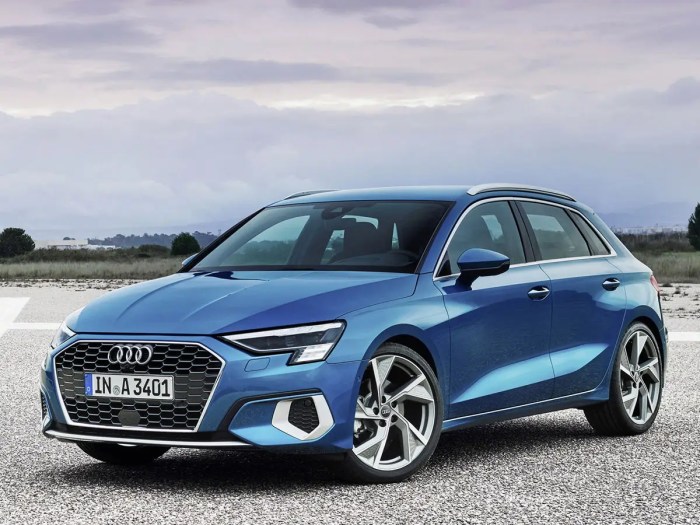
Audi’s commitment to diesel technology is not just theoretical; it’s being implemented in real-world vehicles. The new TDI engines, coupled with mild-hybrid technology, are set to appear in a range of Audi models, targeting diverse customer needs and global markets. This rollout demonstrates Audi’s strategic approach to providing efficient and performance-oriented powertrains across its lineup.
Audi Models Featuring New TDI Engines
The integration of the new TDI engines will span across Audi’s core model range, ensuring a broad appeal. This strategy allows Audi to cater to various customer preferences and market demands, from compact SUVs to executive sedans.
- Audi A4 and A5: These models, known for their blend of practicality and sporty driving dynamics, will likely be among the first to receive the updated TDI engines. This will provide customers with an efficient powertrain option for everyday driving and longer journeys.
- Audi A6 and A7: Positioned higher in the Audi lineup, these models offer a premium experience. The new TDI engines, particularly with their mild-hybrid integration, will enhance the driving experience with improved fuel economy and responsiveness.
- Audi Q5 and Q7: As popular SUVs, the Q5 and Q7 are essential to Audi’s sales success. The updated TDI engines will be crucial for offering customers a fuel-efficient option with the necessary power for various driving conditions, including towing.
- Audi Q8: The flagship SUV will also benefit from the new TDI technology, appealing to customers seeking a blend of luxury, performance, and efficiency. The mild-hybrid system will further contribute to the vehicle’s refined driving characteristics.
Specific Applications and Target Markets
The applications of these new TDI engines are multifaceted, designed to cater to diverse customer needs and global regulations. Audi is strategically positioning these engines to meet specific market demands.
- European Market: The European market remains a critical focus, where diesel engines have traditionally been popular due to their fuel efficiency and torque. The new TDI engines are designed to comply with the latest Euro emission standards, ensuring their continued relevance in this region.
- Long-Distance Driving: The inherent efficiency of diesel engines makes them ideal for long-distance driving. The new TDI engines, combined with mild-hybrid technology, offer excellent fuel economy, reducing the need for frequent refueling and making them attractive to drivers who cover significant distances.
- Fleet Customers: The improved fuel efficiency and lower operating costs of the new TDI engines make them appealing to fleet customers, such as businesses and rental car companies. This is particularly important in markets where fleet sales constitute a significant portion of the automotive market.
- Performance-Oriented Models: The new TDI engines will also be available in performance-oriented models, such as the S and SQ variants. The combination of high torque and advanced technology will provide a thrilling driving experience.
Trim Levels and Equipment Options
Audi typically offers its vehicles with various trim levels and equipment options to cater to a wide range of customer preferences and budgets. The new TDI engines will be available across different trim levels.
- Base Trim Levels: Even in the base trim levels, customers can expect to find the new TDI engines offering improved fuel economy and performance compared to older diesel engines. These models provide a cost-effective entry point into the Audi lineup.
- Mid-Range Trim Levels: Mid-range trim levels will likely offer a balance of features and performance, with the TDI engines providing a compelling combination of efficiency and power. These models often include upgraded interior features and advanced driver-assistance systems.
- High-End Trim Levels: High-end trim levels will provide the most luxurious experience, with the new TDI engines complementing the premium features and advanced technologies. These models may include exclusive design elements, advanced infotainment systems, and enhanced performance capabilities.
- Equipment Options: Customers can personalize their vehicles with various equipment options, such as different wheel designs, interior materials, and technology packages. The availability of these options allows customers to tailor their vehicles to their specific needs and preferences.
Market Position and Strategy
Audi’s continued investment in diesel technology, despite the rise of electric vehicles and stringent emissions regulations, is a strategic decision rooted in several key factors. This strategy aims to leverage diesel’s strengths while addressing its weaknesses, ensuring Audi remains competitive across diverse market segments.
Strategic Rationale for Diesel Investment
Audi’s decision to refine and re-introduce TDI engines is a calculated move designed to maintain a strong presence in the market. This approach is not merely about preserving a legacy; it’s a strategic maneuver designed to capitalize on the strengths of diesel while simultaneously mitigating its weaknesses.
- Meeting Diverse Customer Needs: Diesel engines offer excellent fuel efficiency and torque, particularly beneficial for long-distance driving and towing. This caters to a specific customer base that prioritizes these characteristics. By continuing to offer TDI options, Audi retains these customers.
- Transitional Technology: While electric vehicles (EVs) are gaining traction, the infrastructure for widespread EV adoption is still developing. Diesel engines provide a viable alternative during this transition period. They offer a familiar and readily available fueling infrastructure.
- Global Market Considerations: Diesel remains popular in certain global markets, such as Europe. Maintaining a strong diesel offering allows Audi to cater to these regions effectively.
- Technological Advancements: The integration of mild-hybrid technology significantly improves fuel economy and reduces emissions in the new TDI engines. This addresses concerns about diesel’s environmental impact.
Positioning TDI Engines Against Competitors
Audi strategically positions its new TDI engines to compete with both gasoline engines and electric vehicles, emphasizing specific advantages for different consumer needs.
- Against Gasoline Engines: Audi highlights the superior fuel efficiency and torque of its TDI engines compared to gasoline counterparts. This is particularly appealing to consumers who prioritize cost-effectiveness and performance, especially in vehicles used for long journeys. For example, Audi might showcase fuel consumption figures in real-world driving conditions, demonstrating the TDI’s advantage in terms of miles per gallon.
- Against Electric Vehicles: Audi acknowledges the environmental benefits of EVs but emphasizes the practical limitations of current EV technology, such as range anxiety and charging infrastructure availability. The TDI engines offer a more convenient solution for consumers who frequently travel long distances or lack easy access to charging stations. Audi’s marketing often stresses the familiar refueling process and the extensive range of TDI-equipped vehicles.
- Hybrid Integration: The addition of mild-hybrid technology in the new TDI engines helps to bridge the gap between diesel and electric vehicles. This integration provides a driving experience that mimics the immediate torque delivery of an electric motor while maintaining the fuel efficiency of diesel.
Communicating Benefits to Consumers
Audi employs a multifaceted communication strategy to convey the advantages of its new TDI engines to consumers, emphasizing performance, efficiency, and environmental responsibility.
- Highlighting Performance and Efficiency: Audi uses performance data, such as acceleration times and fuel consumption figures, to showcase the capabilities of the new TDI engines. Marketing materials often feature real-world driving scenarios to illustrate the engine’s responsiveness and fuel economy.
- Emphasizing Environmental Responsibility: Audi focuses on the emissions reductions achieved through the integration of mild-hybrid technology and advanced exhaust treatment systems. They communicate these improvements through advertising campaigns and detailed technical specifications.
- Transparency and Trust: Following past emissions controversies, Audi is committed to transparency. This includes providing clear and accessible information about emissions testing and compliance with regulations.
- Targeted Marketing: Audi tailors its marketing messages to different consumer segments. For example, consumers interested in long-distance travel might see advertisements highlighting the TDI’s range and fuel efficiency. Those concerned about environmental impact might see advertisements focusing on the engine’s reduced emissions.
- Test Drives and Experiential Marketing: Audi provides opportunities for potential customers to experience the new TDI engines firsthand through test drives. This allows consumers to feel the performance and evaluate the fuel efficiency for themselves.
Future Outlook and Development
Audi is not resting on its laurels with its new TDI engines and mild-hybrid technology. The company has ambitious plans for the future, aiming to continuously improve its diesel powertrains and integrate them seamlessly with other technologies to meet evolving emissions standards and customer demands. This ongoing development is crucial for maintaining diesel’s relevance in the automotive landscape.
Refinement of Diesel and Mild-Hybrid Technology
Audi’s future development strategy focuses on incremental improvements to both diesel engines and the mild-hybrid systems. These improvements are geared towards maximizing fuel efficiency and minimizing emissions, ensuring compliance with increasingly stringent regulations.
- Advanced TDI Engine Development: Audi is investing in further refining its TDI engines. This includes optimizing combustion processes, reducing friction, and employing advanced exhaust gas aftertreatment systems. These advancements are aimed at achieving higher power output with improved fuel economy and reduced emissions.
- Enhanced Mild-Hybrid Integration: The integration of mild-hybrid technology will become even more sophisticated. Audi plans to refine the interaction between the electric motor and the diesel engine, allowing for more extended periods of electric-only driving, improved energy recuperation, and enhanced performance characteristics.
- Software Optimization: Significant focus is placed on software optimization to control engine management systems, the mild-hybrid components, and the overall powertrain. Advanced algorithms will be developed to ensure optimal performance, fuel efficiency, and emissions control under various driving conditions.
Potential Advancements in Fuel Efficiency and Emissions Reduction
The pursuit of enhanced fuel efficiency and emissions reduction is a key driver behind Audi’s future development plans. The company anticipates achieving significant improvements through a combination of engine refinements, mild-hybrid system optimization, and the use of advanced materials.
- Increased Fuel Efficiency: Audi expects to further improve the fuel economy of its TDI engines. By optimizing combustion, reducing friction, and enhancing energy recuperation, Audi aims to achieve higher miles per gallon (MPG) figures, reducing fuel consumption and operating costs for customers. For instance, in real-world driving, improvements in fuel efficiency can translate into significant savings over the lifetime of a vehicle.
- Reduced Emissions: The company is committed to reducing emissions across its diesel engine range. This includes minimizing nitrogen oxide (NOx) and particulate matter (PM) emissions. Audi will continue to refine its exhaust gas aftertreatment systems, such as selective catalytic reduction (SCR) and diesel particulate filters (DPF), to meet future emissions standards.
- Use of Sustainable Fuels: Audi is also exploring the use of sustainable fuels in its diesel engines. The company is investigating the potential of using renewable diesel fuels, which can significantly reduce greenhouse gas emissions. This strategy aligns with Audi’s broader sustainability goals.
Audi’s long-term vision encompasses a multi-faceted powertrain strategy: “We see a future where diesel, hybrid, and electric technologies coexist and complement each other. Our focus is on providing customers with the best possible driving experience while minimizing environmental impact. We will continue to invest in TDI technology to ensure its competitiveness, while also expanding our portfolio of hybrid and fully electric vehicles to meet the diverse needs of our customers and the demands of the global market.”
Closing Summary
In conclusion, Audi’s new TDI engines represent a compelling blend of diesel efficiency and mild-hybrid innovation. By mimicking the responsiveness of electric motors while retaining diesel’s fuel economy, Audi is offering a compelling alternative in a changing automotive world. This strategic approach highlights Audi’s commitment to diverse powertrain solutions, ensuring a future where performance, efficiency, and sustainability converge. Audi’s diesel engines, enhanced by mild-hybrid technology, are set to continue making a mark in the automotive industry.
Key Questions Answered
What is mild-hybrid technology, and how does it work in these new TDI engines?
Mild-hybrid technology in these engines uses a small electric motor to assist the diesel engine. This motor can provide extra torque during acceleration, improve fuel efficiency by allowing the engine to shut off during coasting and braking, and smooth out the stop-start system. It’s a less complex and less expensive approach than a full hybrid system.
How do these new TDI engines compare to Audi’s previous diesel engines in terms of emissions?
The new TDI engines incorporate advanced emissions control technologies, such as selective catalytic reduction (SCR) and improved fuel injection systems, to significantly reduce NOx and particulate matter emissions. They are designed to meet or exceed current and future emissions regulations, offering cleaner performance than older diesel engines.
Which Audi models will feature these new TDI engines?
While the exact model lineup may vary, expect to see these new TDI engines in various Audi models, including SUVs, sedans, and wagons. These engines will likely be available in different trim levels and with various equipment options to cater to different customer preferences.
What are the main benefits of choosing a TDI engine with mild-hybrid technology over a gasoline engine?
The primary benefits of the TDI engine with mild-hybrid technology include improved fuel economy, particularly on long drives, and strong low-end torque, which provides a responsive driving experience. The mild-hybrid system also contributes to reduced emissions compared to older diesel engines and improves overall efficiency.