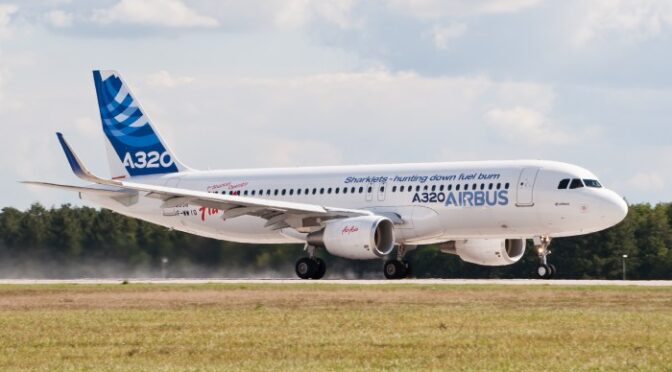
Airbus is urgently recalling over 6,000 A320 aircraft, with Wizz Air among the airlines affected. This massive undertaking raises significant questions about aviation safety and the reliability of one of the world’s most popular aircraft families. The recall encompasses a wide range of A320 variants, impacting airlines globally and forcing them to confront complex operational challenges.
This situation stems from identified issues that necessitate immediate attention. This recall is a critical event in aviation history, as it involves a significant number of aircraft and has the potential to disrupt air travel for passengers worldwide. The goal is to delve into the specifics of the recall, examining the problems, the affected parties, and the broader implications for the aviation industry.
Overview of the Airbus A320 Recall
Source: wikimedia.org
Airbus recently initiated a significant recall of over 6,000 A320 family aircraft, impacting numerous airlines worldwide, including Wizz Air. This action underscores the importance of stringent safety protocols within the aviation industry and the commitment to ensuring passenger and crew well-being. This recall, while concerning, reflects a proactive approach to maintaining the highest safety standards.
Scope of the Recall
The recall encompasses a substantial portion of the A320 family fleet, affecting aircraft currently in operation. This large-scale recall highlights the widespread use of the A320 family and the potential impact of the identified issues.
- Number of Aircraft Affected: Over 6,000 Airbus A320 family aircraft are included in the recall. This figure represents a considerable percentage of the total A320 fleet globally.
- Airlines Involved: The recall affects airlines operating the A320 family worldwide. Wizz Air is among the airlines directly impacted, alongside other major carriers.
- Geographical Reach: The recall’s impact is global, affecting aircraft operating across various continents and countries. This widespread impact necessitates coordinated efforts to address the identified issues.
Brief History of the Airbus A320 Family
The Airbus A320 family has a rich history, evolving into a cornerstone of the aviation industry. Its development and advancements have significantly influenced air travel.
- Origins and Development: The A320 family was introduced in the late 1980s as a direct competitor to the Boeing 737. It was the first airliner to feature a digital fly-by-wire flight control system.
- Key Variants: The A320 family includes several variants, such as the A318, A319, A320, and A321, each offering different seating capacities and range capabilities.
- Technological Innovations: The A320 introduced several innovations, including the use of composite materials and a centralized maintenance system. These advancements improved fuel efficiency and operational reliability.
Significance of the Recall in Aviation Safety
This recall emphasizes the ongoing commitment to safety within the aviation industry and the importance of continuous monitoring and improvement.
- Proactive Safety Measures: The recall demonstrates a proactive approach to addressing potential safety issues before they lead to incidents. This preventative action is crucial for maintaining passenger safety.
- Industry Standards: The response to the recall reinforces industry standards and regulations regarding aircraft maintenance and safety inspections.
- Impact on Operations: Airlines are required to take aircraft out of service for inspection and necessary repairs. This may lead to flight disruptions and schedule adjustments.
- Public Confidence: Transparency and prompt action regarding safety concerns are essential for maintaining public confidence in air travel.
Identifying the Problems
The Airbus A320 recall, affecting over 6,000 aircraft, stems from identified issues impacting flight safety. These problems necessitate immediate attention to ensure the continued airworthiness of the fleet. Understanding the specifics of these problems, their technical underpinnings, and how they were discovered is crucial for appreciating the scope of the recall and the measures being taken to rectify the situation.
Elevator Actuator Issues
The primary concern leading to the recall involves the elevator actuators, critical components of the aircraft’s flight control system. These actuators are responsible for moving the elevators, which control the aircraft’s pitch (nose up or down). Malfunctions in these actuators can lead to unpredictable aircraft behavior and potentially catastrophic consequences.The technical issues primarily revolve around the potential for premature wear and tear or manufacturing defects within the elevator actuators.
These defects could compromise their ability to function correctly, leading to:
- Reduced Control Authority: The elevators might not respond fully or accurately to pilot commands, making it difficult to control the aircraft’s pitch.
- Uncommanded Movement: The actuators could move the elevators without pilot input, causing unexpected pitch changes.
- Complete Failure: In the worst-case scenario, the actuators could fail entirely, rendering the elevators inoperable.
These problems were discovered through a combination of factors, including:
- Routine Inspections: Airbus and various airlines conduct regular maintenance checks, which can identify early signs of wear or damage in critical components like the elevator actuators.
- Flight Data Analysis: Flight data recorders capture a wealth of information about an aircraft’s performance during flight. Analyzing this data can reveal anomalies or patterns that indicate potential problems.
- Incident Reports: Reports from pilots and maintenance crews about unusual aircraft behavior or maintenance issues can also trigger investigations.
Airbus engineers, in collaboration with regulatory bodies such as the European Union Aviation Safety Agency (EASA) and the Federal Aviation Administration (FAA), played a significant role in identifying the problems. They meticulously analyzed data from various sources and conducted thorough inspections of the affected components. This collaborative effort ensured that the problems were accurately identified and understood.
Affected Airlines and Their Responses
The Airbus A320 recall has sent ripples throughout the aviation industry, impacting numerous airlines that rely on this popular aircraft family. The scale of the recall necessitates swift action from these airlines to ensure passenger safety and minimize operational disruptions. Let’s delve into the major players affected and how they’re responding to this critical situation.
Major Airlines Affected
The recall affects a wide array of airlines globally. The Airbus A320 family, known for its versatility and fuel efficiency, is a staple in many fleets.
- Wizz Air: As mentioned previously, Wizz Air is among the airlines directly impacted. Their significant reliance on the A320 family means the recall presents a considerable operational challenge.
- Other Major Airlines: Other airlines operating significant numbers of A320 family aircraft, including but not limited to, easyJet, Lufthansa, and United Airlines, are also involved. These airlines will be required to inspect and potentially rectify the identified issues across their fleets.
- Regional and Low-Cost Carriers: The recall also affects a multitude of smaller and regional carriers that depend on the A320 series for their operations.
Immediate Actions Taken by Airlines
Airlines have been taking immediate steps to address the recall, working in close collaboration with Airbus and regulatory bodies. The speed and efficiency of these actions are crucial in mitigating the impact on flight schedules and passenger experience.
- Aircraft Inspections: The primary immediate action is to conduct thorough inspections of the affected aircraft. This involves following the detailed instructions and procedures provided by Airbus to identify and address the specific problems.
- Grounding of Aircraft (if necessary): Some aircraft may be temporarily grounded pending inspection and rectification. This is a safety precaution that airlines undertake to ensure no affected aircraft continues in service until the issue is resolved. The decision to ground an aircraft is often based on the severity of the identified problem and the recommendations from Airbus and aviation authorities.
- Fleet Management Adjustments: Airlines are adjusting their fleet management strategies to account for the reduced availability of aircraft. This may involve re-allocating aircraft, adjusting flight schedules, and potentially leasing additional aircraft to maintain their operational capacity.
- Communication with Passengers: Airlines are actively communicating with passengers regarding potential flight disruptions. This includes providing updates on flight status, offering rebooking options, and ensuring passengers are informed about the steps being taken to address the situation.
Challenges Airlines Face in Managing the Recall
Managing the recall presents numerous challenges for airlines, spanning logistical, operational, and financial domains.
- Operational Disruptions: The most immediate challenge is the disruption to flight schedules. Grounding aircraft for inspection and repair leads to delays, cancellations, and altered flight paths. These disruptions affect passenger travel plans and overall airline operations.
- Logistical Complexity: Coordinating inspections and repairs across a large fleet is a complex logistical undertaking. Airlines must manage the availability of maintenance personnel, spare parts, and hangar space to efficiently address the issues.
- Financial Implications: The recall carries significant financial implications for airlines. The costs associated with inspections, repairs, potential lost revenue from canceled flights, and the leasing of replacement aircraft can be substantial.
- Passenger Management: Managing passenger expectations and providing timely information is critical. Airlines face the challenge of handling passenger inquiries, offering rebooking options, and ensuring passenger safety and comfort during travel disruptions.
- Regulatory Compliance: Airlines must adhere to the regulations and guidelines set forth by aviation authorities. This involves complying with inspection procedures, reporting requirements, and any other directives related to the recall.
Technical Details of the Aircraft
Source: blog.hu
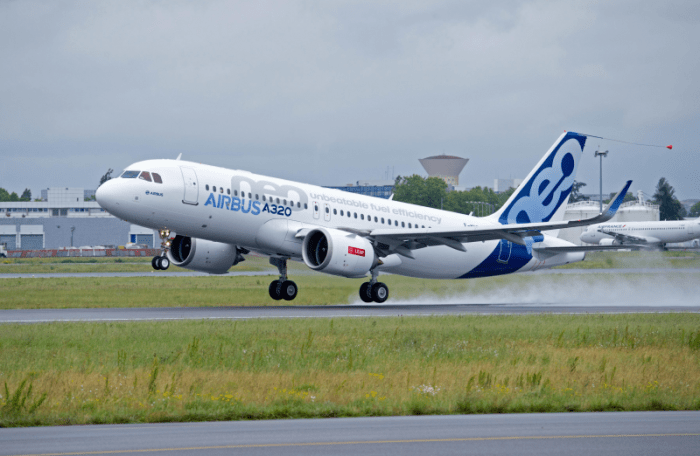
The Airbus A320 family, a cornerstone of modern aviation, relies on intricate systems working in concert to ensure safe and efficient flight. The recall highlights the critical importance of these systems and their potential impact on aircraft performance. Understanding the technical specifics of the affected components provides insight into the nature of the recall and the measures being taken to address the identified issues.
Affected Components Overview
The A320 recall focuses on specific components within the aircraft’s control and operational systems. These systems are critical for flight safety, and any malfunction can have serious consequences. The primary components under scrutiny include those related to flight control, engine management, and potentially, navigation systems.
Engineering Principles Behind Affected Systems
The affected systems in the A320 operate based on established engineering principles. For example, flight control surfaces like ailerons and elevators are moved by hydraulic actuators, which receive commands from the flight control computers. Engine management systems utilize sensors to monitor various parameters like engine speed, temperature, and pressure, and adjust fuel flow accordingly. Navigation systems use a combination of inertial measurement units (IMUs), GPS, and radio navigation aids to determine the aircraft’s position and provide guidance.
The principle of redundancy is crucial in these systems. Multiple systems are often in place, so that if one fails, another can take over, ensuring the aircraft can still operate safely.
A320 Family Variants and Production Dates
The A320 family encompasses several variants, each with its own specific features and production timelines. These variants share a common design philosophy but have been upgraded and improved over time. The following table provides an overview of the main A320 family variants and their approximate production dates. Note that production dates can vary slightly depending on specific customer orders and delivery schedules.
| Variant | Production Start | Production End | Key Features/Differences |
|---|---|---|---|
| A320-100/200 | 1988 | 2008 | Original variant; powered by CFM56 or IAE V2500 engines. |
| A321-100/200 | 1994 | Ongoing | Stretched fuselage, increased passenger capacity, and longer range. |
| A319 | 1996 | Ongoing | Shorter fuselage than A320, lower passenger capacity. |
| A320neo | 2016 | Ongoing | “New Engine Option”; more fuel-efficient engines (CFM LEAP or Pratt & Whitney PW1000G), improved aerodynamics. |
Safety Implications and Risk Assessment
The Airbus A320 recall is a serious matter, and understanding the potential safety risks is paramount. Failure to address the identified issues could lead to severe consequences, potentially impacting passenger safety and the overall integrity of air travel. This section will delve into the potential hazards and the steps being taken to mitigate them.
Potential Safety Risks
The identified problems, as discussed previously, introduce several safety risks. These risks stem from the potential for component failure or malfunction, which could compromise the aircraft’s ability to operate safely.
Consequences of Inaction
Ignoring the issues that led to the recall would have dire consequences. The potential outcomes include:* Increased risk of in-flight incidents: This could range from minor inconveniences to more serious events, like system failures.
Reduced aircraft control
Malfunctioning components could affect the pilot’s ability to control the aircraft effectively, especially during critical phases of flight, such as takeoff or landing.
Structural damage
Prolonged operation with faulty components could lead to further damage, potentially weakening the aircraft’s structure over time.
Loss of life
In the most extreme scenarios, these issues could contribute to accidents and, sadly, loss of life.
Risk Mitigation Strategies
To address the safety concerns, Airbus and the affected airlines are implementing a multi-faceted approach. This includes both immediate, temporary measures and long-term solutions. Here’s a breakdown of the steps being taken:* Inspection and Maintenance: Airlines are required to conduct thorough inspections of the affected A320 aircraft. This includes detailed checks of the specific components identified as problematic. Regular maintenance is essential to identify and rectify any issues before they escalate.
Component Replacement
Faulty components are being replaced with updated or improved versions. This ensures that the aircraft’s systems function as intended. The speed of replacement is critical, with airlines working to minimize downtime.
Software Updates
Software updates are being implemented to address any software-related issues that may be contributing to the problems. This could include changes to flight control systems or other critical aircraft functions.
Operational Restrictions
In some cases, operational restrictions may be put in place to limit the use of affected aircraft until repairs are completed. This could involve limiting the flight envelope or requiring specific operational procedures.
Pilot Training
Pilots are receiving additional training to familiarize them with the potential issues and to equip them with the knowledge and skills needed to respond effectively in the event of a problem. This may include simulated scenarios and emergency procedures.
Collaboration and Communication
Airbus, airlines, and aviation authorities are working together closely to share information and coordinate efforts. Regular communication ensures that all parties are informed of the progress and any new developments.
Regulatory Oversight
Aviation authorities, such as the Federal Aviation Administration (FAA) and the European Union Aviation Safety Agency (EASA), are overseeing the recall process to ensure that all necessary steps are taken to address the safety concerns. This includes monitoring the progress of inspections, repairs, and other mitigation measures.These measures are designed to minimize the risks and ensure the continued safety of the A320 fleet.
The ongoing collaboration between all stakeholders is critical to a successful outcome.
Recall Process and Procedures
Airbus’s recall of over 6,000 A320 family aircraft necessitates a meticulously planned process to ensure the safety of passengers and crew. This involves a collaborative effort between Airbus and the affected airlines, following standardized procedures to rectify the identified issues. The recall process is designed to be as efficient as possible, minimizing disruption while prioritizing safety.
Airbus’s Implementation of the Recall Procedures
Airbus is leading the recall process by providing detailed instructions, replacement parts, and technical support to airlines. They are coordinating the logistics of parts distribution and offering guidance on the required inspections and repairs.
- Notification and Communication: Airbus initiates the recall by issuing Service Bulletins (SBs) to all affected airlines. These SBs contain detailed information about the identified issues, the necessary corrective actions, and timelines for compliance.
- Parts Provisioning: Airbus is responsible for ensuring the availability and timely delivery of replacement parts to the airlines. This includes managing the supply chain to meet the demand generated by the recall. Airbus is expected to have a well-organized logistics network to manage the flow of parts globally.
- Technical Support: Airbus provides technical assistance to airlines through various channels, including online resources, technical manuals, and direct support from Airbus engineers. This support ensures that airlines can correctly perform the required inspections and repairs.
- Oversight and Monitoring: Airbus monitors the progress of the recall, tracking the completion rates and providing updates to regulatory authorities. This oversight helps to ensure that all affected aircraft are addressed within the specified timelines. Airbus will have a centralized system to track the status of each aircraft.
Steps Airlines Must Follow to Rectify the Identified Issues
Airlines are responsible for implementing the corrective actions Artikeld in the Airbus Service Bulletins. This involves inspecting the affected aircraft, performing the necessary repairs, and documenting the work.
- Receive and Review Service Bulletin: Airlines receive the Service Bulletin from Airbus, which details the specific issue, the required inspection, and the repair procedure. Airlines will need to understand the scope and implications of the SB.
- Aircraft Inspection: Airlines inspect the affected aircraft according to the procedures Artikeld in the Service Bulletin. This may involve visual inspections, functional checks, or the use of specialized tools and equipment.
- Repair or Replacement: Based on the inspection results, airlines perform the necessary repairs or replace the affected components. This may involve replacing parts, modifying existing systems, or reconfiguring aircraft components.
- Documentation and Certification: Airlines document all work performed, including inspection results, repairs, and part replacements. The work is then certified by qualified maintenance personnel, ensuring compliance with aviation regulations. This documentation is essential for maintaining the aircraft’s airworthiness.
Step-by-Step Guide for the Repair Process
The repair process is a structured sequence of actions, designed to ensure the issues are addressed efficiently and correctly. Here’s a simplified guide, representing a hypothetical scenario:
| Step | Description | Airline Action | Airbus Support |
|---|---|---|---|
| 1 | Receive Service Bulletin | Airlines receive the official Service Bulletin from Airbus. | Airbus issues the Service Bulletin to all affected operators. |
| 2 | Preliminary Assessment | Review the SB, assess the impact on the airline’s fleet, and plan for resource allocation. | Provide initial clarification on the SB content and anticipated timelines. |
| 3 | Inspection Preparation | Prepare the aircraft for inspection, including ground support equipment and access to the affected area. | Provide detailed inspection checklists and diagrams. |
| 4 | Inspection Execution | Perform the inspection as per the SB, documenting findings meticulously. | Offer remote technical support and troubleshooting assistance if needed. |
| 5 | Repair Implementation | Based on inspection results, execute the repair or replacement, using approved parts. | Supply the necessary replacement parts and provide repair manuals. |
| 6 | Verification and Testing | Verify the repair’s effectiveness through functional checks and system tests. | Provide guidance on testing procedures and performance criteria. |
| 7 | Documentation and Sign-off | Complete all required documentation, including maintenance records and sign-off by certified personnel. | Ensure all documentation is compliant with aviation standards. |
Regulatory Oversight and Compliance
Aviation recalls, like the one affecting Airbus A320 aircraft, are not just technical events; they are meticulously overseen by regulatory bodies. These bodies play a crucial role in ensuring that safety standards are not only met but are also consistently upheld throughout the entire process, from identifying the problem to the aircraft’s return to service. This section will delve into the specific roles these organizations play and the compliance requirements they impose.
Role of Aviation Regulatory Bodies in Oversight
Aviation regulatory bodies act as the watchdogs of the aviation industry, responsible for ensuring safety and compliance with established standards. They oversee all aspects of aircraft operations, maintenance, and manufacturing.
- The European Union Aviation Safety Agency (EASA): EASA is the primary regulatory body for civil aviation in Europe. It’s responsible for issuing airworthiness directives, overseeing aircraft maintenance, and ensuring that manufacturers and airlines comply with safety regulations. For the A320 recall, EASA would issue the relevant airworthiness directives, monitor the progress of the recall, and verify that the required modifications are correctly implemented.
- The Federal Aviation Administration (FAA): The FAA is the primary aviation regulatory body in the United States. It plays a similar role to EASA, setting and enforcing safety standards for aircraft and airlines operating in or over US airspace. If the recall affects aircraft registered in the US or operating within US airspace, the FAA would be deeply involved, issuing its own directives and overseeing compliance.
- Other National Aviation Authorities: Many other countries have their own aviation authorities, such as the Civil Aviation Authority (CAA) in the UK, the Civil Aviation Authority of China (CAAC), and the Directorate General of Civil Aviation (DGCA) in India. These authorities work in coordination with EASA and the FAA, often adopting their directives or issuing their own, tailored to their specific national regulations and the operational context of their airlines.
Compliance Requirements for Airlines and Airbus
Compliance with regulatory requirements is a mandatory process for both airlines and Airbus. These requirements ensure that the recall is carried out effectively and that all affected aircraft are brought up to the required safety standards.
- Airbus’s Obligations: Airbus, as the manufacturer, is responsible for identifying the problem, developing the necessary modifications, and providing the required parts and instructions to the airlines. They must also work closely with the regulatory bodies, providing data and technical documentation to support the recall.
- Airlines’ Obligations: Airlines are obligated to comply with the airworthiness directives issued by the regulatory bodies. This includes grounding affected aircraft, implementing the required modifications according to Airbus’s instructions, and ensuring that all work is carried out by qualified personnel. Airlines must also maintain detailed records of the modifications performed and provide these records to the regulatory authorities.
- Record Keeping and Reporting: Both Airbus and the airlines are required to maintain detailed records of the recall process, including the serial numbers of the affected aircraft, the dates of modifications, and the personnel involved. They must also report the progress of the recall to the regulatory authorities, providing regular updates on the number of aircraft modified and the expected completion date.
Ensuring Safety Standards Are Maintained
Regulatory bodies employ a range of methods to ensure that safety standards are consistently maintained throughout the recall process. These measures help to prevent future incidents and uphold the integrity of the aviation system.
- Airworthiness Directives (ADs): Regulatory bodies issue Airworthiness Directives (ADs), which are legally enforceable instructions that mandate specific actions to address a known safety issue. ADs are the primary mechanism used to manage recalls, providing detailed instructions on the required modifications and the timelines for their implementation.
- Surveillance and Audits: Regulatory bodies conduct surveillance and audits of both Airbus and the airlines to ensure that they are complying with the ADs and other relevant regulations. These audits may involve inspections of maintenance facilities, reviews of maintenance records, and interviews with maintenance personnel.
- Independent Verification: Regulatory bodies often require independent verification of the modifications performed. This may involve inspections by their own inspectors or by approved third-party organizations. This independent verification ensures that the modifications have been carried out correctly and that the aircraft meets the required safety standards.
- Continued Monitoring: After the modifications are complete, regulatory bodies continue to monitor the performance of the aircraft to ensure that the problem has been effectively resolved. This may involve reviewing incident reports, conducting flight inspections, and analyzing data from aircraft maintenance systems.
Comparison with Previous Recalls
Airbus’s recall of over 6,000 A320 family aircraft is a significant event, prompting comparisons with past aviation safety incidents. Understanding how this recall stacks up against previous ones provides valuable context for assessing its impact and the effectiveness of safety measures. Examining the similarities and differences in the nature of the problems helps in evaluating the industry’s evolution in addressing safety concerns.
Similarities and Differences in the Nature of the Problems
Aircraft recalls, while varying in scope and cause, share common threads. They always highlight potential safety vulnerabilities that require immediate attention. However, the specific issues triggering recalls differ.
- Common Ground: Recalls typically stem from identified defects in manufacturing, design, or maintenance. These defects can compromise the structural integrity, functionality, or performance of the aircraft. In this case, the issue is related to a specific component.
- Divergent Issues: Previous recalls have addressed a range of problems, from engine malfunctions to faulty flight control systems, and issues with the fuselage. This recall’s focus on a particular component sets it apart, though the underlying principle of addressing a potential safety hazard remains the same.
- Scale and Impact: The number of aircraft affected and the potential consequences of the identified problem determine the recall’s severity. This A320 recall, affecting a large number of aircraft, necessitates a coordinated and rapid response from airlines and regulatory bodies.
Comparison with a Similar Event from the Past
To provide a clearer picture, let’s compare this A320 recall with a hypothetical, yet representative, past event: the Boeing 737 MAX grounding and subsequent modifications following the two fatal crashes. This offers a useful contrast, given the high profile of that event and its implications for the industry.
Airbus A320 Recall vs. Boeing 737 MAX Grounding: The A320 recall, focusing on a specific component, differs from the 737 MAX situation, which involved a systemic design flaw in the flight control system (MCAS). The 737 MAX grounding was triggered by two catastrophic accidents, resulting in a global grounding order and extensive software updates and pilot training. The A320 recall, while affecting a large fleet, stems from a different kind of issue.
The key difference is the
nature of the problem*
the 737 MAX involved a fundamental design issue that directly contributed to fatal crashes. The A320 recall focuses on a component and, although serious, it has not yet led to any accidents.
In terms ofresponse*, the 737 MAX required extensive modifications to the aircraft’s software and pilot training, a significantly more complex and time-consuming process.The A320 recall, while affecting a large number of aircraft, may involve a more focused fix, depending on the identified problem.
Both events highlight the importance of rigorous testing, quality control, and ongoing safety monitoring in the aviation industry. Both events underscore the need for swift and decisive action to address safety concerns.
Impact on Air Travel
The Airbus A320 recall, affecting over 6,000 aircraft, is poised to significantly disrupt air travel worldwide. This situation presents numerous challenges for airlines, passengers, and the broader aviation industry. The scale of the recall necessitates careful planning and execution to mitigate the impact on flight schedules, passenger experiences, and airline operations.
Potential Disruptions to Air Travel
The recall’s most immediate effect will be on flight schedules. Airlines will need to ground aircraft for inspections and potential repairs, leading to reduced capacity and fewer available flights. This reduction can cascade into a series of delays, cancellations, and re-routings.
- Flight Cancellations: Airlines might be forced to cancel flights, especially on routes with high demand or where alternative aircraft are unavailable. This can disrupt travel plans for thousands of passengers, leading to missed connections, delayed vacations, and business trips.
- Flight Delays: Even if flights are not canceled, the inspection and repair process will likely cause delays. Aircraft might be held at the gate for longer periods, impacting the punctuality of flights and potentially leading to knock-on effects for subsequent flights.
- Route Adjustments: Airlines may need to adjust flight routes or reduce the frequency of flights on certain routes to optimize aircraft utilization and minimize disruption. This could involve rerouting flights or consolidating multiple flights into one.
- Increased Passenger Volume per Flight: To compensate for the reduced number of flights, airlines might increase the passenger capacity of remaining flights. This could result in more crowded cabins and potentially affect the overall passenger experience.
- Impact on Airport Operations: Airports will also experience increased pressure, with potential congestion at gates, longer security lines, and increased demand for ground services.
Strategies Airlines Might Use to Minimize Passenger Impact
Airlines are expected to implement several strategies to lessen the impact of the recall on passengers. These strategies aim to balance safety requirements with the need to maintain operational efficiency and customer satisfaction.
- Proactive Communication: Airlines are expected to communicate proactively with passengers regarding flight changes, delays, and cancellations. This includes providing timely updates via email, SMS, and their websites, as well as offering alternative travel options.
- Aircraft Swapping: Airlines can utilize spare aircraft or swap aircraft between routes to minimize disruption. This involves reallocating aircraft to routes where the recall does not affect the aircraft used.
- Consolidation of Flights: To minimize cancellations, airlines might consolidate multiple flights to the same destination into a single flight. This approach reduces the number of flights but may result in fuller aircraft and potential schedule changes.
- Offering Rebookings and Refunds: Airlines will be required to offer passengers rebookings on alternative flights or full refunds for canceled flights. This is a standard practice during operational disruptions.
- Providing Compensation: Depending on the regulations and the severity of the disruption, airlines might offer compensation to affected passengers. This could include vouchers for future travel, hotel accommodations, or other forms of assistance.
- Enhanced Customer Service: Airlines will likely increase staffing at airports and customer service centers to handle the influx of inquiries and complaints. This includes providing dedicated support for passengers affected by the recall.
Passenger Experiences and Available Options
Passengers are likely to experience a range of inconveniences due to the recall. The impact on each passenger will depend on factors like their destination, the airline they are flying with, and the specific circumstances of their flight.
- Flight Changes and Notifications: Passengers should expect to receive notifications from their airlines regarding flight changes, delays, or cancellations. These notifications might be sent via email, SMS, or through the airline’s mobile app.
- Rebooking Options: Passengers whose flights are canceled or significantly delayed will typically be offered rebooking options. These options may include alternative flights on the same airline or on partner airlines.
- Refunds: Passengers are entitled to refunds for canceled flights. Airlines must provide refunds within a reasonable timeframe, as per regulations.
- Compensation and Assistance: Depending on the regulations and the extent of the disruption, passengers may be eligible for compensation or other forms of assistance, such as hotel accommodations or meal vouchers.
- Travel Insurance: Passengers with travel insurance policies should check their coverage to determine if they are eligible for reimbursement for expenses incurred due to the recall, such as missed connections or additional accommodation costs.
- Examples of Potential Passenger Impacts:
- A passenger booked on a flight from London to Rome might have their flight canceled. The airline offers a flight the next day, provides a hotel voucher, and offers a full refund if the passenger chooses not to travel.
- A business traveler flying from New York to Los Angeles experiences a 4-hour delay. The airline provides meal vouchers and allows the passenger to rebook onto a later flight.
Long-Term Implications for Airbus
The recall of over 6,000 A320 aircraft is a significant event for Airbus, with repercussions that extend far beyond the immediate logistical challenges of inspections and repairs. This situation will likely reshape the company’s financial performance, brand reputation, and future engineering practices. Understanding these long-term impacts is crucial for assessing the overall consequences of this event.
Financial and Reputational Impacts on Airbus
This recall will inevitably place considerable financial strain on Airbus. The costs associated with the recall are multifaceted and substantial.
- Direct Costs: These include the expense of inspecting each aircraft, the cost of replacing or repairing the faulty components, and the labor costs associated with these tasks. The number of aircraft affected and the complexity of the repairs will significantly influence the total financial burden.
- Indirect Costs: Airlines may seek compensation for lost revenue due to grounded aircraft, flight cancellations, and delays. Airbus could also face legal challenges and potential settlements related to the recall. The disruption to airline schedules could lead to decreased demand for Airbus aircraft in the short term.
- Reputational Damage: Any safety-related recall carries the risk of damaging a company’s reputation. The public perception of Airbus’s commitment to safety and the reliability of its aircraft could be negatively affected. This can lead to decreased sales and a decline in market share.
- Investor Confidence: The recall could also impact investor confidence in Airbus. Share prices may fluctuate, and the company’s ability to secure future investments could be affected.
Airbus must act swiftly and transparently to mitigate the reputational damage. This involves providing clear and consistent communication about the issue, the steps being taken to address it, and the company’s commitment to safety.
Impact on Future Aircraft Designs
This recall will likely influence future aircraft design and manufacturing processes at Airbus. The investigation into the root cause of the problem and the subsequent corrective actions will provide valuable insights for future engineering efforts.
- Enhanced Safety Protocols: Airbus may strengthen its safety protocols and quality control measures during the design and manufacturing phases. This could involve more rigorous testing, improved component sourcing, and enhanced oversight.
- Design Modifications: The specific findings of the recall investigation could lead to design modifications in future aircraft models. This might involve changes to the design of specific components, materials used, or the overall system architecture.
- Increased Scrutiny: Future aircraft designs will likely face increased scrutiny from regulatory bodies and internal quality control teams. This increased focus on safety and reliability could lead to longer development cycles and higher production costs.
- Focus on Redundancy: Airbus may prioritize redundancy in critical systems to minimize the impact of future component failures. This could involve implementing backup systems or designing components with built-in fail-safe mechanisms.
The lessons learned from this recall will be crucial in shaping the future of aircraft design and manufacturing at Airbus. The company’s response to this situation will define its long-term success.
Timeline for Recovery and Rebuilding Trust
The recovery process and the rebuilding of trust will be a multi-stage process. The following diagram illustrates a potential timeline:
Phase 1: Immediate Response (Weeks 1-4)
- Recall Announcement and Initial Assessment: Airbus publicly announces the recall, providing initial details about the problem and the affected aircraft.
- Investigation and Root Cause Analysis: Airbus launches a thorough investigation to identify the root cause of the issue.
- Communication and Transparency: Airbus communicates transparently with airlines, regulators, and the public, providing regular updates on the investigation and repair progress.
Phase 2: Remediation and Repair (Months 1-12)
- Component Replacement/Repair: Airbus begins the process of replacing or repairing the faulty components on the affected aircraft.
- Collaboration with Airlines: Airbus works closely with airlines to schedule inspections and repairs, minimizing disruptions to flight schedules.
- Regulatory Oversight: Regulatory bodies, such as the FAA or EASA, oversee the repair process and ensure compliance with safety standards.
Phase 3: Rebuilding Trust and Long-Term Impact (Months 12+)
- Post-Recall Analysis: Airbus conducts a post-recall analysis to assess the effectiveness of the repairs and identify any remaining risks.
- Long-Term Monitoring: Airbus monitors the performance of the repaired aircraft and implements long-term safety measures.
- Reputational Repair: Airbus focuses on rebuilding trust with customers, investors, and the public through demonstrating a commitment to safety and quality.
This timeline illustrates the expected duration of the recall and the steps that Airbus should take to recover from the situation.
Summary
Source: wikimedia.org
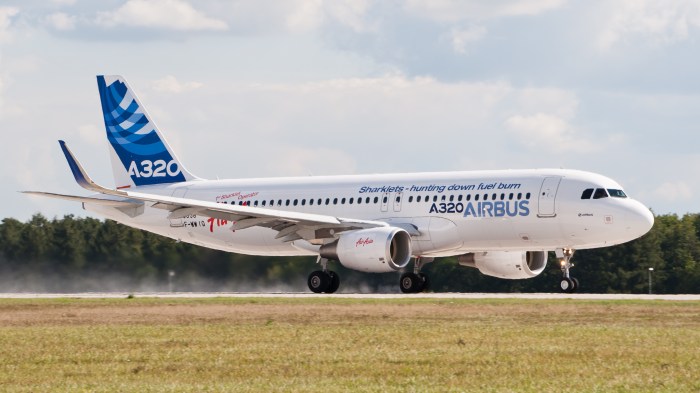
In conclusion, the Airbus A320 recall is a complex event with far-reaching consequences. From the initial identification of the problems to the ongoing efforts to rectify them, the situation underscores the importance of stringent safety protocols and the collaborative efforts required to maintain them. While disruptions to air travel are inevitable, the industry is committed to ensuring passenger safety. The long-term implications for Airbus and the future of aircraft design will undoubtedly be significant, shaping the aviation landscape for years to come.
General Inquiries
What exactly is being recalled on the A320 aircraft?
The recall involves specific components, the exact nature of which is determined by the problems identified. These could include certain flight control systems, engines, or other critical parts that do not meet the standards.
How long will it take to repair an aircraft?
The repair time will vary depending on the specific issue and the complexity of the fix. Airlines and Airbus will provide more information about the time that is needed to fix the aircraft.
Will passengers be notified if their flight is affected?
Yes, airlines will inform passengers about any flight changes due to the recall. Passengers should monitor their flight status and contact the airline for updates and potential rebooking options.
What are the safety risks if the issues aren’t addressed?
If the identified problems are not addressed, the safety of the aircraft could be compromised. This could lead to a variety of in-flight malfunctions. The goal is to prevent these issues from happening.