
Will pills solve our ills? It’s a question that sits at the heart of modern healthcare, a query as complex as the human body itself. We’re surrounded by pills, from the daily vitamins we pop to the powerful medications that treat serious illnesses. Pharmaceutical companies market these solutions with promises of relief and recovery, but are pills truly the answer to all our ailments?
This exploration delves into the multifaceted world of medication, examining its benefits, risks, and the broader implications for our health and society.
We’ll journey through the rise of pharmaceutical solutions, the promise and peril of pills for both physical and mental well-being, and the economic and social impact of our reliance on them. We’ll also consider ethical dilemmas, future innovations, and the crucial role of patients and doctors in making informed decisions. From antibiotics to pain relievers, and the placebo effect to holistic approaches, we’ll uncover a nuanced perspective on whether these little capsules hold the key to a healthier future.
The Allure of Pharmaceutical Solutions
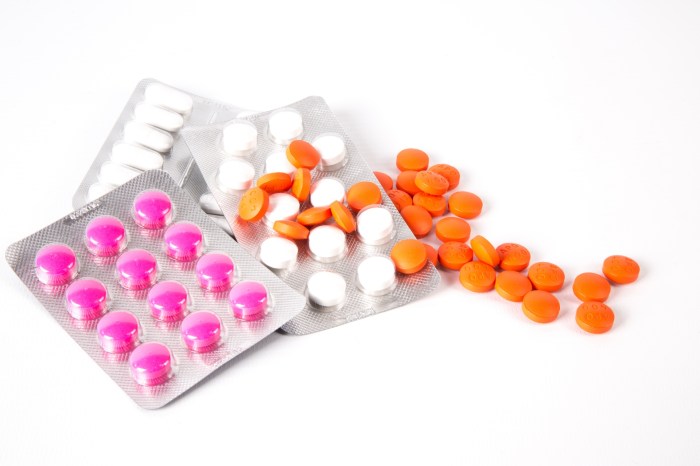
Source: publicdomainpictures.net
The modern world has embraced pharmaceuticals as a cornerstone of healthcare. Pills, in particular, have become ubiquitous, offering seemingly simple solutions to a vast array of health problems. Their convenience and targeted action make them an attractive option for both patients and healthcare providers. This widespread acceptance is fueled by a complex interplay of scientific advancements, effective marketing, and a societal desire for quick fixes.
Common Ailments and Corresponding Pills
Many common ailments are now routinely managed with pharmaceutical interventions. These pills address symptoms and, in some cases, attempt to cure underlying conditions. The effectiveness and availability of these medications have significantly altered the landscape of healthcare.Here are some examples:
- Headaches: Over-the-counter pain relievers like ibuprofen and acetaminophen are widely used to alleviate headaches. Migraines are often treated with prescription medications such as triptans.
- High Blood Pressure (Hypertension): Medications like ACE inhibitors, beta-blockers, and diuretics are prescribed to manage high blood pressure, reducing the risk of stroke and heart disease.
- High Cholesterol: Statins are a common prescription for lowering cholesterol levels, helping to prevent cardiovascular problems.
- Depression and Anxiety: Selective serotonin reuptake inhibitors (SSRIs) and other antidepressants are used to treat depression and anxiety disorders. Benzodiazepines may be prescribed for short-term anxiety relief.
- Diabetes: Metformin and other medications are used to manage blood sugar levels in people with type 2 diabetes. Insulin is used for type 1 diabetes and sometimes for type 2.
- Allergies: Antihistamines are used to combat allergy symptoms such as sneezing and itching.
- Infections: Antibiotics are prescribed to treat bacterial infections. Antivirals are used to treat viral infections, such as influenza and herpes.
Marketing Strategies of Pharmaceutical Companies
Pharmaceutical companies employ sophisticated marketing strategies to promote their products to both healthcare professionals and consumers. These strategies aim to increase brand awareness, highlight the benefits of their medications, and influence prescribing habits.Some common marketing techniques include:
- Direct-to-Consumer Advertising (DTCA): In countries where it’s permitted, pharmaceutical companies advertise directly to consumers through television, print, and online media. These ads often highlight the benefits of a medication while potentially downplaying the risks.
- Detailing: Pharmaceutical representatives, also known as “detailers,” visit doctors to provide information about their company’s products. They often provide samples, educational materials, and sometimes, incentives.
- Sponsorship of Medical Conferences and Events: Companies sponsor medical conferences and events to promote their products to healthcare professionals. This can include funding for research, travel, and accommodation.
- Clinical Trial Data: Companies emphasize the results of clinical trials to demonstrate the efficacy and safety of their medications.
- Partnerships with Patient Advocacy Groups: Pharmaceutical companies often partner with patient advocacy groups to raise awareness of specific diseases and promote their products.
“The modern drug industry, as we know it, began in the late 19th and early 20th centuries. Before this, medicine was largely a mix of herbal remedies, home-brewed concoctions, and surgical interventions with limited effectiveness. The rise of industrial chemistry allowed for the mass production of drugs, and this coincided with a shift in the way people perceived health and illness. The emergence of scientific medicine, with its emphasis on diagnosis and targeted treatments, paved the way for the pharmaceutical revolution. Companies like Bayer and Merck, among others, rapidly expanded, creating a market for standardized medications. This period saw the introduction of aspirin, insulin, and various antibiotics, which dramatically improved health outcomes and set the stage for the industry’s continued growth.”
The Promise and Peril of Pills
Medications are a cornerstone of modern healthcare, offering the potential to alleviate suffering and improve the quality of life for millions. However, alongside the benefits of pharmaceutical interventions lie potential risks and complexities that require careful consideration. Understanding both the promises and the perils associated with pill usage is crucial for making informed decisions about our health.
Managing Chronic Conditions with Medication
Chronic conditions, such as diabetes, hypertension, and arthritis, often require long-term management strategies, and medications play a vital role in this. These medications are designed to control symptoms, slow disease progression, and prevent complications.For instance:
- Diabetes: Insulin and oral hypoglycemic agents help regulate blood sugar levels, preventing long-term damage to organs. The American Diabetes Association (ADA) provides guidelines for medication use and monitoring.
- Hypertension: Antihypertensive drugs, such as ACE inhibitors and beta-blockers, help lower blood pressure, reducing the risk of stroke and heart disease. The American Heart Association (AHA) offers recommendations for blood pressure management.
- Arthritis: Medications like NSAIDs and disease-modifying antirheumatic drugs (DMARDs) can reduce inflammation and pain, improving joint function and mobility. The Arthritis Foundation provides information on various treatment options.
These medications are often highly effective in managing chronic conditions, significantly improving the quality of life for those affected. Without these interventions, many individuals would experience more severe symptoms and complications.
Comparing Pill Effectiveness with Alternative Therapies
The effectiveness of pills versus alternative therapies varies depending on the specific illness and individual circumstances. While medication often provides rapid relief and targeted treatment, alternative therapies may offer different approaches and benefits. It’s important to consider both options.For example:
- Depression: Antidepressants are commonly prescribed, and studies, such as those published in the
-Journal of the American Medical Association*, have demonstrated their efficacy. However, therapies like cognitive behavioral therapy (CBT) and mindfulness-based stress reduction (MBSR) can also be effective, especially for mild to moderate depression. - Chronic Pain: Opioid pain relievers can provide significant pain relief, but they carry risks of addiction and side effects. Alternative therapies, such as acupuncture, physical therapy, and chiropractic care, can also be effective in managing chronic pain, as demonstrated in research published in
-The Cochrane Database of Systematic Reviews*. - Anxiety: Anti-anxiety medications, such as benzodiazepines, can provide quick relief from anxiety symptoms. However, they can be habit-forming. Alternative therapies, including yoga, meditation, and herbal remedies like chamomile and lavender, may help manage anxiety symptoms with fewer side effects.
The choice between medication and alternative therapies often depends on the severity of the condition, individual preferences, and potential risks and benefits. A combination of approaches may be the most effective strategy.
Potential Side Effects and Long-Term Health Risks of Prolonged Pill Use
While medications can be life-saving, prolonged use carries potential side effects and long-term health risks. It’s crucial to be aware of these risks and discuss them with a healthcare provider.Potential side effects and risks can include:
- Gastrointestinal issues: Many medications, such as NSAIDs, can cause stomach ulcers and bleeding. Proton pump inhibitors (PPIs), used to treat acid reflux, have been linked to an increased risk of bone fractures and kidney disease with long-term use.
- Cardiovascular problems: Some medications, like certain antidepressants and stimulants, can increase the risk of heart problems. Long-term use of high doses of NSAIDs can also increase the risk of heart attack and stroke.
- Kidney and liver damage: Some medications, like acetaminophen (Tylenol) and certain antibiotics, can cause liver damage with prolonged use. Certain medications can also lead to kidney damage.
- Drug interactions: Taking multiple medications simultaneously can increase the risk of drug interactions, leading to adverse effects. Older adults are particularly vulnerable due to polypharmacy.
- Dependence and withdrawal: Some medications, like opioids and benzodiazepines, can lead to dependence and withdrawal symptoms upon cessation.
Regular monitoring by a healthcare professional is crucial to mitigate these risks. This includes periodic blood tests, monitoring for side effects, and adjusting dosages as needed. Patients should always communicate any concerns or changes in their health to their doctors.
Pills and Mental Well-being
Mental health is a critical aspect of overall well-being, and medication plays a significant role in managing and treating various mental health disorders. While not a cure-all, psychiatric medications can provide substantial relief from symptoms, allowing individuals to function more effectively and improve their quality of life. The effectiveness of these medications, however, varies depending on the specific disorder, the individual, and other factors.
The Role of Medication in Treating Mental Health Disorders
Medication serves as a cornerstone of treatment for many mental health conditions. It’s often used in conjunction with psychotherapy, lifestyle changes, and other therapeutic interventions. The primary goal of medication is to alleviate symptoms, such as depression, anxiety, hallucinations, or mood swings. By addressing these symptoms, medication can help individuals regain control over their lives and engage in activities they may have found difficult or impossible due to their condition.
Medication can also prevent relapses and hospitalizations, contributing to long-term stability and improved outcomes.
Different Types of Psychiatric Medications and Their Mechanisms of Action
Psychiatric medications work by influencing the complex chemical processes in the brain, particularly the neurotransmitter systems. These systems involve chemicals that transmit signals between nerve cells. Different medications target specific neurotransmitters and pathways to achieve their therapeutic effects.
- Antidepressants: Primarily used to treat depression, but also effective for anxiety disorders, obsessive-compulsive disorder (OCD), and other conditions. They typically work by increasing the levels of certain neurotransmitters, such as serotonin, norepinephrine, and dopamine, in the brain.
- Selective Serotonin Reuptake Inhibitors (SSRIs): These are among the most commonly prescribed antidepressants. They work by blocking the reabsorption (reuptake) of serotonin in the brain, making more serotonin available.
Examples include fluoxetine (Prozac), sertraline (Zoloft), and paroxetine (Paxil).
- Serotonin-Norepinephrine Reuptake Inhibitors (SNRIs): These medications increase the levels of both serotonin and norepinephrine. Examples include venlafaxine (Effexor) and duloxetine (Cymbalta).
- Tricyclic Antidepressants (TCAs): Older antidepressants that affect multiple neurotransmitters. They can be effective but often have more side effects than newer medications. Examples include amitriptyline and imipramine.
- Monoamine Oxidase Inhibitors (MAOIs): These are typically reserved for cases where other antidepressants haven’t worked, due to their potential for serious interactions with certain foods and other medications. They work by inhibiting the enzyme monoamine oxidase, which breaks down neurotransmitters. Examples include phenelzine (Nardil) and tranylcypromine (Parnate).
- Selective Serotonin Reuptake Inhibitors (SSRIs): These are among the most commonly prescribed antidepressants. They work by blocking the reabsorption (reuptake) of serotonin in the brain, making more serotonin available.
- Anxiolytics: Used to treat anxiety disorders, such as generalized anxiety disorder (GAD), panic disorder, and social anxiety disorder.
- Benzodiazepines: These medications are fast-acting and can provide rapid relief from anxiety symptoms. They work by enhancing the effects of the neurotransmitter GABA, which has a calming effect on the brain. Examples include diazepam (Valium), alprazolam (Xanax), and lorazepam (Ativan). Due to the risk of dependence and withdrawal, they are often used for short-term treatment.
- Buspirone: A non-benzodiazepine anxiolytic that works by affecting serotonin receptors. It takes longer to take effect than benzodiazepines but is generally less likely to cause dependence.
- Mood Stabilizers: Primarily used to treat bipolar disorder, they help to stabilize mood swings, preventing both manic and depressive episodes.
- Lithium: A naturally occurring salt that is a highly effective mood stabilizer. It requires careful monitoring of blood levels to ensure safety.
- Anticonvulsants: Some medications originally developed to treat seizures, such as valproic acid (Depakote) and lamotrigine (Lamictal), are also effective mood stabilizers.
- Antipsychotics: Used to treat psychotic disorders, such as schizophrenia and bipolar disorder with psychotic features. They work by blocking dopamine receptors in the brain, reducing psychotic symptoms such as hallucinations and delusions.
- First-generation antipsychotics (FGAs): Also known as typical antipsychotics, these were the first antipsychotic medications developed. Examples include haloperidol (Haldol) and chlorpromazine (Thorazine). They can be effective but often have more side effects.
- Second-generation antipsychotics (SGAs): Also known as atypical antipsychotics, these medications generally have fewer side effects than FGAs. Examples include risperidone (Risperdal), quetiapine (Seroquel), and olanzapine (Zyprexa).
- Stimulants: Primarily used to treat attention-deficit/hyperactivity disorder (ADHD). They increase the levels of dopamine and norepinephrine in the brain, improving focus and attention. Examples include methylphenidate (Ritalin, Concerta) and amphetamine (Adderall).
Scenarios Where Medication Might Be Beneficial, and Others Where It Might Be Less So
Medication can be highly beneficial in a variety of situations, but its effectiveness is not universal, and its use requires careful consideration.
- Beneficial Scenarios:
- Severe Depression: In cases of severe depression, where symptoms significantly impair daily functioning and pose a risk of self-harm, antidepressants can provide crucial relief and allow individuals to engage in therapy and other recovery strategies. For instance, in a study published in
-The Lancet*, it was shown that severely depressed patients who took a combination of medication and psychotherapy had significantly better outcomes than those who only had psychotherapy. - Psychotic Disorders: Antipsychotic medications are often essential for managing symptoms of schizophrenia and other psychotic disorders, helping individuals to reduce or eliminate hallucinations, delusions, and disorganized thinking.
- Bipolar Disorder: Mood stabilizers are critical for managing the mood swings associated with bipolar disorder, preventing both manic and depressive episodes.
- Anxiety Disorders: Medications like SSRIs and SNRIs can be highly effective in treating anxiety disorders, allowing individuals to manage their symptoms and live more fulfilling lives.
- Severe Depression: In cases of severe depression, where symptoms significantly impair daily functioning and pose a risk of self-harm, antidepressants can provide crucial relief and allow individuals to engage in therapy and other recovery strategies. For instance, in a study published in
- Less Beneficial Scenarios or Situations Requiring Caution:
- Mild to Moderate Symptoms: In cases of mild to moderate depression or anxiety, lifestyle changes, psychotherapy, and other non-pharmacological interventions may be sufficient. Medication may be considered if these approaches are not effective or if symptoms worsen.
- Risk of Side Effects: Some medications have significant side effects, and the potential benefits must be weighed against the risks. The decision to use medication should involve a careful assessment of the individual’s overall health and the potential for adverse reactions.
- Pregnancy and Breastfeeding: The use of psychiatric medications during pregnancy and breastfeeding requires careful consideration due to potential risks to the fetus or infant. The benefits of treatment must be carefully weighed against the risks.
- Dependence and Withdrawal: Certain medications, such as benzodiazepines, can lead to dependence and withdrawal symptoms. Long-term use of these medications should be carefully monitored.
- Lack of Comprehensive Treatment: Medication is often most effective when combined with other treatments, such as psychotherapy and lifestyle changes. Relying solely on medication without addressing underlying issues can limit the potential for long-term recovery.
Beyond the Bottle: Holistic Approaches to Health
We’ve explored the world of pills and their impact on our well-being. Now, let’s shift our focus to a different paradigm: holistic health. This approach recognizes that true health isn’t just about treating symptoms with medication; it’s about nurturing the interconnectedness of our mind, body, and spirit. It’s about empowering ourselves to take proactive steps towards vibrant living.
The Importance of Lifestyle Factors in Overall Health
Lifestyle factors play a crucial role in our overall health. They are the foundation upon which our well-being is built. Consider them as the building blocks of a healthy life, influencing everything from our physical resilience to our mental clarity.Diet is a fundamental pillar of health. A diet rich in whole, unprocessed foods, including fruits, vegetables, lean proteins, and whole grains, provides the essential nutrients our bodies need to function optimally.
This dietary approach reduces the risk of chronic diseases such as heart disease, type 2 diabetes, and certain cancers. A study published in the
Journal of the American Medical Association* showed a significant reduction in cardiovascular events among individuals following a Mediterranean diet.
Exercise is another essential component. Regular physical activity strengthens our cardiovascular system, improves mood, and helps maintain a healthy weight. The Centers for Disease Control and Prevention (CDC) recommends at least 150 minutes of moderate-intensity or 75 minutes of vigorous-intensity aerobic activity per week, along with muscle-strengthening activities on two or more days a week. Consistent exercise has been shown to boost immune function and increase lifespan.Sleep is often underestimated but profoundly important.
Adequate sleep allows our bodies to repair and rejuvenate. During sleep, the brain consolidates memories and clears out toxins. Chronic sleep deprivation can lead to a weakened immune system, increased risk of chronic diseases, and impaired cognitive function. Most adults need 7-9 hours of quality sleep per night.
Comparing the Effectiveness of Different Holistic Approaches to Managing Stress
Stress is a pervasive element in modern life. Fortunately, various holistic approaches can effectively manage stress and promote well-being. The effectiveness of these methods can vary depending on individual needs and preferences.Here’s a table comparing several common holistic approaches to stress management:
| Approach | Description | Benefits | Potential Drawbacks |
|---|---|---|---|
| Meditation | Practicing mindfulness or focused attention to calm the mind. | Reduced anxiety, improved focus, increased self-awareness, lower blood pressure. Studies published in
|
Requires consistent practice, may be difficult for beginners to quiet the mind. |
| Yoga | Combining physical postures, breathing techniques, and meditation. | Improved flexibility, strength, and balance; reduced stress and anxiety; enhanced mood. Research in the
|
Requires some physical ability; may not be suitable for everyone. |
| Deep Breathing Exercises | Practicing controlled breathing techniques to calm the nervous system. | Rapid stress reduction, improved oxygenation, increased relaxation. A meta-analysis published in the
|
May require guidance to learn proper techniques. |
| Spending Time in Nature | Engaging in outdoor activities like hiking, gardening, or simply being in a natural environment. | Reduced stress hormones (cortisol), improved mood, increased feelings of well-being. Research published in
|
Weather dependent; may not be accessible for everyone. |
Resources for Incorporating Holistic Practices into Daily Life
Numerous resources are available to guide individuals in incorporating holistic practices into their daily routines. These resources offer information, support, and practical tools to help people embark on their journey towards holistic well-being.Here’s a list of resources:
- Websites and Apps: Websites and apps offer guided meditations, yoga classes, and stress-management techniques. Some examples include:
- Headspace
- Calm
- Insight Timer
- Books: Numerous books provide in-depth information on holistic health, including nutrition, exercise, mindfulness, and stress management. Some well-known examples include:
- *Wherever You Go, There You Are* by Jon Kabat-Zinn (mindfulness)
- *The Body Keeps the Score* by Bessel van der Kolk (trauma and the body)
- Local Community Centers and Workshops: Community centers often offer yoga classes, meditation workshops, and other holistic health programs.
- Healthcare Professionals: Consulting with a doctor, therapist, or registered dietitian can provide personalized guidance and support.
- Online Courses: Platforms like Coursera and Udemy offer courses on various aspects of holistic health, providing structured learning experiences.
The Economic and Social Impact of Pharmaceutical Reliance
The widespread use of prescription medications has profound effects that extend far beyond individual health. It shapes healthcare systems, influences public policy, and impacts societies globally. Understanding these economic and social implications is crucial for a balanced perspective on the role of pharmaceuticals in our lives.
Costs Associated with Prescription Medications and Their Impact on Healthcare Systems
The financial burden of prescription drugs is a significant concern, impacting individuals, insurance providers, and governments alike. Rising prices, coupled with increasing utilization, contribute to escalating healthcare costs, potentially limiting access to necessary medications and other medical services.
- Direct Costs to Patients: These include co-pays, deductibles, and the full cost of medications for those without insurance or with limited coverage. The price of medications can be a major financial strain, forcing individuals to make difficult choices about their healthcare. For instance, in the United States, the average annual cost of prescription drugs per person has steadily increased, placing a disproportionate burden on those with chronic conditions or limited incomes.
- Impact on Insurance Premiums: As pharmaceutical costs rise, insurance premiums also tend to increase. This affects the affordability of health insurance for individuals and businesses, potentially leading to fewer people being insured or to the reduction of benefits offered. The escalating cost of medications is a primary driver behind rising healthcare premiums, making insurance coverage less accessible.
- Government Healthcare Spending: Public healthcare programs, such as Medicare and Medicaid, bear a significant portion of prescription drug costs. This can strain government budgets, potentially leading to cuts in other essential healthcare services or to increased taxes. Governments worldwide grapple with the challenge of managing pharmaceutical expenditures while ensuring access to necessary medications.
- Economic Impact on the Healthcare System: The pharmaceutical industry’s influence on healthcare spending extends beyond direct drug costs. This includes the costs of administering medications, managing side effects, and treating complications arising from drug use. The overall financial impact ripples through the healthcare system, affecting resource allocation and the availability of care.
Pharmaceutical Companies’ Influence on Healthcare Policies
Pharmaceutical companies wield considerable influence over healthcare policies through various means, impacting drug development, pricing, and access. This influence often involves lobbying, campaign contributions, and the funding of research and advocacy groups.
- Lobbying Efforts: Pharmaceutical companies actively lobby government officials to influence legislation and regulations related to drug development, pricing, and reimbursement. This can shape policies in ways that benefit the industry, such as extending patent protection or delaying generic drug competition.
- Campaign Contributions: Political donations from pharmaceutical companies can influence the political landscape and affect the decisions made by elected officials. These contributions can help shape policies that favor the industry’s interests.
- Funding of Research and Advocacy Groups: Pharmaceutical companies often fund research studies and advocacy groups, which can influence public perception and policy debates. This funding can shape the narrative surrounding drug benefits and risks, as well as the need for certain medications.
- Direct-to-Consumer Advertising: In countries where it is permitted, direct-to-consumer advertising can increase demand for prescription medications. This marketing strategy influences patient demand, and healthcare professionals are often compelled to prescribe branded drugs.
- Pricing Strategies and Negotiations: Pharmaceutical companies employ various pricing strategies, including price increases, that can impact the cost of medications. They negotiate with insurance companies and government agencies to determine drug prices, often with significant leverage.
Visual Representation of Global Pill Consumption
To illustrate the global distribution of pill consumption, imagine a world map where each country is colored based on its per capita pharmaceutical consumption. The color intensity varies based on the amount of pills consumed per person per year.
- North America and Western Europe: These regions are depicted in the darkest shades, indicating the highest per capita consumption of pills. The United States, in particular, might be shown in a very dark color due to its high prescription drug usage rates.
- Australia and New Zealand: These countries are also represented in darker shades, reflecting relatively high levels of pharmaceutical consumption.
- South America: Countries here show a gradient of colors, with some nations appearing in moderate shades, reflecting a lower but still significant consumption level.
- Eastern Europe: These countries are generally illustrated in lighter shades compared to Western Europe, but still with a notable level of consumption.
- Asia: The representation here is diverse, with some countries like Japan and South Korea showing moderate consumption levels, while others, like India and China, may appear in lighter shades, indicating lower but rapidly increasing consumption.
- Africa: The majority of African nations are depicted in the lightest shades, indicating lower levels of pill consumption, but this also reflects challenges in access to medicines.
This visual representation highlights the uneven distribution of pharmaceutical consumption worldwide. The illustration underscores the relationship between wealth, healthcare access, and pharmaceutical reliance, illustrating the complexities of global health trends.
Ethical Considerations in Pill Usage

Source: co.uk
The widespread use of pills raises complex ethical questions that affect healthcare providers, patients, and society as a whole. Balancing the benefits of medication with potential risks requires careful consideration and a commitment to responsible practices. This section delves into the ethical dilemmas associated with pill usage, including overprescription, misuse, addiction, and the importance of patient advocacy.
Overprescription and Its Dilemmas
Overprescription of medications is a significant ethical concern, often driven by a combination of factors. These include pressure from patients, time constraints in medical consultations, and aggressive marketing by pharmaceutical companies. Overprescription can lead to unnecessary exposure to side effects, increased healthcare costs, and the development of antibiotic resistance.
The ethical principle of “non-maleficence” – to do no harm – is central to this issue. Overprescribing potentially violates this principle.
Examples of overprescription include:
- Antibiotics for viral infections: These medications are ineffective against viruses, yet they are sometimes prescribed, contributing to antibiotic resistance.
- Opioid painkillers for chronic pain: While these drugs can be effective for acute pain, their long-term use carries a high risk of addiction.
- Sedatives and sleeping pills: Overuse of these can lead to dependence and other adverse effects.
Misuse and Addiction Potential
Certain types of pills, particularly opioids, benzodiazepines, and stimulants, carry a high potential for misuse and addiction. Misuse involves taking medication in a way that is not prescribed, such as taking higher doses, using it for non-medical purposes, or obtaining it from sources other than a doctor. Addiction is a chronic, relapsing brain disease characterized by compulsive drug seeking and use, despite harmful consequences.The consequences of misuse and addiction are severe, including:
- Overdoses: This can lead to serious health problems, including death.
- Health complications: These can include liver damage, heart problems, and mental health issues.
- Social and economic costs: This includes lost productivity, healthcare expenses, and the burden on the criminal justice system.
The misuse of prescription stimulants, like Adderall or Ritalin, by students to enhance performance in academics is a growing concern. While these drugs can improve focus and attention in individuals with ADHD, their use by those without the condition can lead to adverse effects, including anxiety, insomnia, and cardiovascular problems.
Guidelines for Responsible Pill Consumption and Patient Advocacy
Responsible pill consumption and patient advocacy are crucial for mitigating the ethical concerns associated with medication use. Patients have a right to information and should be actively involved in their healthcare decisions. Healthcare providers have a responsibility to prescribe medications judiciously and to educate patients about potential risks and benefits.Here are guidelines for responsible pill consumption and patient advocacy:
- Open Communication with Healthcare Providers: Patients should discuss all medications, including over-the-counter drugs and supplements, with their doctors. They should also ask questions about the risks and benefits of any prescribed medication.
- Adherence to Prescriptions: Patients should take medications exactly as prescribed, following dosage instructions and the duration of treatment.
- Safe Storage and Disposal: Medications should be stored safely, out of reach of children and pets. Unused medications should be disposed of properly, often through take-back programs or pharmacies.
- Awareness of Side Effects: Patients should be aware of potential side effects and report any adverse reactions to their doctor promptly.
- Patient Advocacy: Patients should advocate for their health by seeking second opinions, researching medications, and participating in shared decision-making with their healthcare providers.
- Healthcare Provider Responsibilities: Doctors must prioritize the patient’s well-being and provide comprehensive information about the medication’s use, including side effects and potential risks.
Future of Medicine and Pill Development

Source: wuestenigel.com
The future of medicine is rapidly evolving, driven by advancements in technology and a deeper understanding of human biology. This evolution promises to reshape how we treat and prevent illnesses, moving beyond the traditional reliance on pills to a more personalized and holistic approach. The pharmaceutical industry is at the forefront of this change, constantly exploring new avenues for drug development and delivery.
Emerging Technologies in Drug Development and Delivery
Several innovative technologies are revolutionizing the way drugs are discovered, developed, and delivered to patients. These advancements aim to increase efficacy, reduce side effects, and improve patient outcomes.
- Artificial Intelligence and Machine Learning: AI and machine learning are being used to accelerate drug discovery. These technologies can analyze vast datasets of biological information to identify potential drug targets, predict drug efficacy, and optimize clinical trial design. For example, companies are using AI to identify new uses for existing drugs, potentially fast-tracking treatments for diseases like cancer.
- Nanotechnology: Nanotechnology involves the manipulation of matter at the atomic and molecular scale. In drug delivery, nanoparticles can be engineered to carry drugs directly to diseased cells, bypassing healthy tissues and minimizing side effects. These nanoparticles can be designed to release drugs in a controlled manner, providing sustained therapeutic effects. A notable example is the use of nanoparticles to deliver chemotherapy drugs directly to tumors, improving treatment efficacy and reducing systemic toxicity.
- Gene Therapy and CRISPR Technology: Gene therapy aims to treat diseases by modifying a patient’s genes. CRISPR (Clustered Regularly Interspaced Short Palindromic Repeats) technology allows for precise gene editing, offering the potential to correct genetic defects that cause diseases. Clinical trials are underway using CRISPR to treat conditions like sickle cell anemia and inherited blindness.
- 3D Printing of Pharmaceuticals: 3D printing allows for the creation of customized pills with specific dosages and release profiles. This technology can improve medication adherence by creating pills that are easier to swallow or that contain multiple drugs in a single dose. This is particularly useful for patients who require complex medication regimens.
Potential Advancements in Personalized Medicine and Its Impact on Pill Usage
Personalized medicine tailors medical treatment to the individual characteristics of each patient, based on their genetic makeup, lifestyle, and environment. This approach has the potential to dramatically improve the effectiveness and safety of drug treatments.
- Pharmacogenomics: Pharmacogenomics studies how genes affect a person’s response to drugs. By analyzing a patient’s genetic profile, doctors can predict which drugs will be most effective and which are likely to cause side effects. This can help to avoid unnecessary treatments and reduce adverse drug reactions. For example, genetic testing can guide the selection of antidepressants, ensuring that the patient receives the most appropriate medication.
- Companion Diagnostics: Companion diagnostics are tests used to identify patients who are most likely to benefit from a particular drug. These tests are often used in cancer treatment to select patients for targeted therapies. For example, a diagnostic test might identify patients whose tumors have a specific genetic mutation that makes them susceptible to a particular drug.
- Wearable Sensors and Remote Monitoring: Wearable sensors and remote monitoring devices can collect real-time data on a patient’s health, such as heart rate, blood pressure, and activity levels. This data can be used to personalize treatment plans and monitor the effectiveness of medications. This allows for more proactive management of chronic conditions and can help to prevent hospitalizations.
- Adaptive Clinical Trials: Adaptive clinical trials are designed to be flexible and efficient. They allow researchers to modify the trial design based on interim results, potentially speeding up the drug development process and increasing the likelihood of success. This approach is particularly valuable in personalized medicine, where treatments are often tailored to specific patient populations.
Ongoing Research into Non-Pharmaceutical Interventions for Common Ailments
While pills remain a cornerstone of modern medicine, there is growing recognition of the importance of non-pharmaceutical interventions for treating and preventing common ailments. These interventions often focus on lifestyle changes and holistic approaches to health.
- Lifestyle Modifications: Lifestyle modifications, such as diet, exercise, and stress management, can be highly effective in treating a wide range of conditions, including heart disease, diabetes, and depression. For example, studies have shown that regular exercise can be as effective as medication in treating mild to moderate depression.
- Mind-Body Therapies: Mind-body therapies, such as yoga, meditation, and mindfulness, can help to reduce stress, improve mental well-being, and manage chronic pain. These therapies can be used as standalone treatments or as adjuncts to medication. For instance, mindfulness-based stress reduction has been shown to be effective in reducing anxiety and improving sleep quality.
- Nutritional Interventions: Nutritional interventions involve dietary changes and supplementation to address specific health concerns. For example, a diet rich in fruits, vegetables, and whole grains can reduce the risk of heart disease and certain cancers. Specific supplements, such as vitamin D, may also be beneficial for certain conditions.
- Digital Therapeutics: Digital therapeutics are evidence-based therapeutic interventions delivered through software or digital platforms. These interventions can provide personalized support for managing chronic conditions, such as diabetes and insomnia. For example, digital cognitive behavioral therapy (CBT) programs are available for treating insomnia.
Examining Specific Pill Categories
The pharmaceutical landscape is vast and complex, with pills playing a significant role in managing and treating various health conditions. Understanding the different categories of pills, their mechanisms of action, and their impact on society is crucial for informed decision-making regarding healthcare. This section delves into specific pill categories, providing an overview of their functions, societal implications, and common usage.
Antibiotics and Their Functions
Antibiotics are medications specifically designed to combat bacterial infections. They work by either killing bacteria (bactericidal) or inhibiting their growth and reproduction (bacteriostatic). The development and use of antibiotics have revolutionized medicine, significantly reducing mortality rates from infectious diseases.There are several types of antibiotics, each with a specific mechanism of action and spectrum of activity:
- Penicillins: These antibiotics, such as amoxicillin and penicillin G, work by interfering with the synthesis of the bacterial cell wall, leading to bacterial death. They are effective against a range of Gram-positive bacteria and some Gram-negative bacteria. Penicillins were among the first antibiotics discovered and are still widely used.
- Cephalosporins: Similar to penicillins, cephalosporins also target the bacterial cell wall. They are broader spectrum than penicillins and are often used to treat infections resistant to penicillins. Cephalosporins are classified into generations, with each generation having different properties and spectrum of activity. Examples include cephalexin and ceftriaxone.
- Tetracyclines: Tetracyclines, such as doxycycline and tetracycline, inhibit bacterial protein synthesis. They are effective against a wide range of bacteria, including those causing respiratory infections, acne, and sexually transmitted infections. However, they can cause side effects like tooth discoloration in children and should be used with caution.
- Macrolides: Macrolides, such as azithromycin and erythromycin, also inhibit bacterial protein synthesis. They are often used as an alternative to penicillins for patients with allergies. Macrolides are effective against various respiratory and skin infections.
- Quinolones: Quinolones, such as ciprofloxacin and levofloxacin, interfere with bacterial DNA replication. They are broad-spectrum antibiotics used to treat various infections, including urinary tract infections and pneumonia. However, overuse of quinolones has led to the development of antibiotic resistance.
- Sulfonamides: Sulfonamides, such as sulfamethoxazole, inhibit the synthesis of folic acid, which is essential for bacterial growth. They are often used in combination with other antibiotics, like trimethoprim, to treat urinary tract infections and other bacterial infections.
Antibiotic resistance is a growing concern. Overuse and misuse of antibiotics have led to bacteria evolving and becoming resistant to these drugs. This makes infections harder to treat and can lead to increased morbidity and mortality. Public health initiatives focus on promoting responsible antibiotic use, including appropriate prescribing practices and infection control measures, to combat antibiotic resistance.
Pain Relievers and Their Impact on Society
Pain relievers, also known as analgesics, are medications designed to alleviate pain. They are among the most commonly used medications globally, playing a crucial role in managing acute and chronic pain conditions. The impact of pain relievers on society is multifaceted, encompassing both positive and negative aspects.There are several categories of pain relievers:
- Nonsteroidal Anti-Inflammatory Drugs (NSAIDs): NSAIDs, such as ibuprofen (Advil, Motrin) and naproxen (Aleve), reduce pain, inflammation, and fever. They work by inhibiting the production of prostaglandins, which are involved in inflammation and pain signaling. NSAIDs are widely used for various conditions, including headaches, muscle aches, and arthritis. However, long-term use can lead to gastrointestinal issues and cardiovascular risks.
- Acetaminophen: Acetaminophen (Tylenol) is a common pain reliever and fever reducer. Its exact mechanism of action is not fully understood, but it is believed to work in the central nervous system. Acetaminophen is generally considered safe when used as directed but can cause liver damage if taken in excessive doses.
- Opioid Analgesics: Opioids, such as morphine, codeine, and oxycodone, are powerful pain relievers derived from opium. They work by binding to opioid receptors in the brain and spinal cord, reducing the perception of pain. Opioids are effective for managing severe pain but carry a high risk of addiction and overdose. The opioid crisis in many countries has highlighted the devastating consequences of opioid misuse and addiction.
- Other Analgesics: Other pain relievers include topical analgesics, such as creams and patches containing capsaicin or lidocaine, and adjuvant analgesics, such as antidepressants and anticonvulsants, which can be used to treat neuropathic pain.
The widespread use of pain relievers has significantly improved the quality of life for individuals suffering from pain. They enable people to function more effectively, participate in daily activities, and recover from injuries or surgeries. However, the overuse and misuse of pain relievers, particularly opioids, have led to significant societal challenges, including addiction, overdose deaths, and healthcare costs. Public health efforts focus on promoting responsible pain management practices, including appropriate prescribing guidelines, patient education, and addiction treatment and prevention programs.
Commonly Prescribed Pills and Their Purposes
The following table provides an overview of some of the most commonly prescribed pills and their purposes. This is not an exhaustive list, but it highlights some of the most frequently used medications.
| Medication | Purpose | Common Side Effects | Important Considerations |
|---|---|---|---|
| Lisinopril | Treats high blood pressure and heart failure | Dizziness, cough, fatigue | Monitor blood pressure regularly; may cause angioedema (swelling) |
| Metformin | Treats type 2 diabetes | Nausea, diarrhea, abdominal pain | Take with meals; monitor kidney function |
| Atorvastatin | Lowers cholesterol | Muscle pain, fatigue, nausea | Monitor liver function; avoid grapefruit juice |
| Levothyroxine | Treats hypothyroidism (underactive thyroid) | Anxiety, insomnia, weight changes | Take on an empty stomach; monitor thyroid hormone levels |
The Placebo Effect and Pill Efficacy
The placebo effect is a fascinating and complex phenomenon in medicine, highlighting the powerful influence of the mind on the body. It demonstrates that a person’s belief in a treatment, even if that treatment is inactive, can lead to real physiological changes and improvements in their condition. Understanding the placebo effect is crucial for evaluating the true effectiveness of any medical intervention, including pills.
The Concept of the Placebo Effect
The placebo effect is the beneficial impact a treatment has on a patient, stemming not from the treatment’s inherent properties, but from the patient’s expectation or belief in its effectiveness. This effect can manifest in various ways, including pain reduction, improved mood, and even changes in physical symptoms. The power of suggestion, the doctor-patient relationship, and the context in which the treatment is administered all contribute to the placebo effect.
The placebo effect is not simply “all in the patient’s head”; it involves actual physiological changes.
Studies Demonstrating the Placebo Effect
Numerous studies have demonstrated the placebo effect’s impact across a range of conditions. These studies often compare the effects of an active treatment to a placebo, which is an inactive substance or procedure.
- Pain Management: Studies on pain relief frequently showcase the placebo effect. For instance, in trials for pain medication, a significant portion of patients receiving a placebo (e.g., a sugar pill) report a reduction in pain. This happens because their belief in the treatment triggers the release of endorphins, the body’s natural painkillers.
- Depression Treatment: Antidepressant trials often include a placebo group. Research consistently shows that a substantial number of individuals taking a placebo experience improvement in their depressive symptoms. The therapeutic relationship with the doctor, the expectation of feeling better, and the ritual of taking a pill all contribute to this outcome.
- Irritable Bowel Syndrome (IBS): Placebos have been shown to be effective in managing IBS symptoms. Patients receiving a placebo often report a decrease in abdominal pain, bloating, and other IBS-related issues. This is believed to be related to the patient’s belief that the treatment will help and can influence the gut-brain axis.
How the Placebo Effect Complicates Evaluation of Pill Effectiveness
The placebo effect poses a significant challenge when assessing the true effectiveness of pills. Because patients may improve due to their belief in the treatment, researchers must carefully design studies to isolate the specific effects of the medication from the placebo effect.
- Clinical Trial Design: The gold standard for evaluating pill effectiveness is the randomized, double-blind, placebo-controlled trial. In these trials:
- Participants are randomly assigned to either receive the active medication or a placebo.
- Neither the participants nor the researchers know who is receiving the active medication.
This design helps to minimize bias and ensure that any observed differences in outcomes are likely due to the medication itself, rather than the placebo effect.
- Separating True Effect: To determine if a pill is truly effective, the improvement seen in the active treatment group must be significantly greater than the improvement seen in the placebo group. If the results are similar, it suggests that much of the observed benefit is attributable to the placebo effect.
- Challenges and Limitations: Even with rigorous trial designs, the placebo effect can complicate interpretation. Factors like the patient’s pre-existing beliefs, the severity of their condition, and the doctor-patient relationship can all influence the outcome, making it difficult to completely isolate the medication’s effects. Furthermore, the placebo effect varies across different conditions and individuals, adding to the complexity of evaluating pill effectiveness.
The Role of the Patient and Doctor
The relationship between a patient and their doctor is crucial, especially when it comes to medication. Effective treatment relies on a strong partnership built on trust and open communication. Both the patient and the doctor have important roles to play to ensure the safe and effective use of pills.
Open Communication Regarding Medication
Open and honest communication between patients and doctors about medication is fundamental for successful treatment outcomes. This involves a two-way exchange where both parties actively participate in sharing information and addressing concerns.The doctor’s responsibility includes clearly explaining the medication’s purpose, potential benefits, side effects, dosage instructions, and any necessary precautions. They should also provide information about alternative treatments and answer the patient’s questions thoroughly.
The patient, in turn, needs to be forthcoming about their medical history, current symptoms, allergies, and any other medications or supplements they are taking. They should also communicate any concerns or side effects they experience while taking the medication. This open dialogue helps the doctor make informed decisions and tailor the treatment plan to the individual patient’s needs. For example, if a patient reports experiencing nausea after taking a new antidepressant, the doctor can adjust the dosage, change the time of day the medication is taken, or prescribe an anti-nausea medication.
This level of personalized care is only possible with effective communication.
Informed Consent in Pill Prescriptions
Informed consent is a critical ethical and legal principle that ensures patients are actively involved in their healthcare decisions. It means that before a doctor prescribes a medication, the patient must understand the treatment’s potential benefits, risks, and alternatives.The process of obtaining informed consent involves several key steps. The doctor must provide the patient with comprehensive information about the medication, including its purpose, how it works, potential side effects, and alternative treatment options.
The patient should have the opportunity to ask questions and discuss their concerns. The doctor must ensure the patient understands the information provided and is able to make a voluntary decision about whether to accept the medication. Informed consent protects the patient’s autonomy and empowers them to make choices aligned with their values and preferences. A patient, for example, might decline a medication if the side effects, such as drowsiness, would significantly impact their ability to work or drive.
Patient Checklist for Doctor Appointments Regarding Medication
Preparing for a doctor’s appointment about medication can significantly improve the quality of care and ensure patients receive the information they need. Using a checklist can help patients organize their thoughts, remember important details, and actively participate in the conversation with their doctor.Here’s a checklist patients can use:
- Bring a list of all current medications: Include the names of the medications, dosages, and how often you take them. This also applies to over-the-counter medications, vitamins, and supplements.
- Prepare a list of questions: Write down any questions you have about your medications, such as the purpose of the medication, potential side effects, and how long you need to take it.
- Note any symptoms or side effects: Keep a record of any symptoms or side effects you’ve experienced since starting or changing your medication. Include when the symptoms started, how severe they are, and whether anything makes them better or worse.
- Gather your medical history: Be prepared to discuss your medical history, including any past illnesses, surgeries, allergies, and family history of medical conditions.
- Bring a support person: If possible, bring a family member or friend to the appointment for support and to help take notes.
- Ask about alternative treatments: Inquire about alternative treatments, such as lifestyle changes, other medications, or therapies, to ensure you are aware of all your options.
- Understand the dosage instructions: Clarify the dosage instructions and ask any questions you have about how to take your medication correctly.
- Ask about potential interactions: Inquire about potential interactions between your medications and other substances, such as alcohol or other drugs.
- Discuss any concerns: Voice any concerns you have about your medication, such as cost, accessibility, or side effects.
- Confirm follow-up plan: Confirm the follow-up plan, including when you should return for another appointment and any tests you need to have.
Conclusive Thoughts
In conclusion, the answer to “will pills solve our ills?” isn’t a simple yes or no. Pills undoubtedly play a vital role in modern medicine, offering life-saving treatments and relief from suffering. However, the reliance on pills also presents challenges, from potential side effects and addiction to the broader economic and social impacts. A balanced approach, considering both the benefits of medication and the importance of lifestyle factors, open communication, and informed decision-making, is crucial.
The future of health likely lies not just in the pills we take, but in the choices we make, the conversations we have, and the holistic well-being we strive for.
Questions and Answers
What are the main differences between generic and brand-name pills?
Generic pills contain the same active ingredients as brand-name pills and are required to have the same effect. However, they are often less expensive because the manufacturers don’t have the research and marketing costs of the original brand.
How can I ensure I’m taking my medication correctly?
Always read the label carefully, follow your doctor’s instructions, and use a pill organizer if needed. Ask your pharmacist if you have any questions.
What should I do if I miss a dose of my medication?
It depends on the medication and the time you missed it. Always consult the label or your doctor’s instructions. In some cases, you may need to take the missed dose as soon as you remember; in others, you may need to skip it.
Can I take pills that were prescribed to someone else?
No, it’s dangerous to take medication that wasn’t prescribed to you. It could lead to side effects, allergic reactions, or interactions with other medications you are taking.
How do I dispose of unused medication safely?
Check with your local pharmacy or health department for medication disposal guidelines. Many pharmacies offer safe disposal programs. You can also mix pills with undesirable substances (like coffee grounds) and dispose of them in a sealed bag.