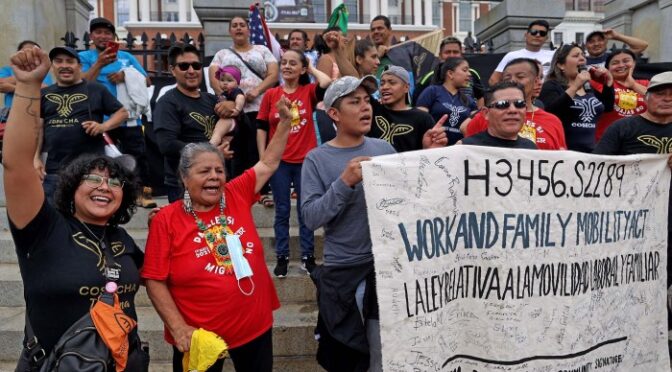
The term “unwelcome immigrants” sparks immediate debate, often laden with assumptions and strong opinions. It’s a phrase that immediately raises questions about belonging, security, and the very fabric of society. This discussion delves into the complexities surrounding this label, exploring the various perspectives and the realities faced by those who might be categorized as such.
We’ll unpack the public perceptions, economic impacts, and cultural integration challenges linked to “unwelcome immigrants.” We’ll examine the legal frameworks, security concerns, and historical contexts that shape this complex issue. Ultimately, the goal is to provide a balanced overview, acknowledging the multifaceted nature of the topic and the human stories at its core.
Public Perception and Attitudes

Source: alamy.com
Public perception of “unwelcome immigrants” is often shaped by a complex interplay of factors, including pre-existing biases, media portrayals, economic anxieties, and political rhetoric. Understanding these influences is crucial for analyzing the challenges faced by immigrants and the societal responses they encounter. The attitudes and beliefs held by the public significantly impact immigration policies, social integration efforts, and the overall climate of acceptance or rejection.
Negative Stereotypes
Negative stereotypes frequently associated with “unwelcome immigrants” contribute to prejudice and discrimination. These stereotypes often paint a distorted picture, generalizing about entire groups of people and ignoring individual differences.
- Economic Burden: The perception that immigrants are a drain on public resources, such as social welfare programs, healthcare, and education. This stereotype often portrays immigrants as taking jobs away from native-born citizens. For example, studies have sometimes been misinterpreted to suggest that all immigrants receive government assistance, overlooking the contributions they make through taxes and their economic activity.
- Criminality: The belief that immigrants are more likely to commit crimes. This stereotype is often fueled by isolated incidents and media sensationalism, ignoring the fact that crime rates among immigrant populations are often lower than those of native-born populations.
- Cultural Threat: The fear that immigrants will not assimilate into the host culture and will undermine national identity. This stereotype often involves anxieties about language, religion, and social customs, and it can be used to justify discriminatory practices.
- Lack of Skills: The assumption that immigrants lack the skills and education necessary to contribute to the economy. This overlooks the diverse skill sets and educational backgrounds of immigrants, including those with advanced degrees and specialized training.
- Disease Carriers: Historically, and sometimes still, immigrants are stereotyped as carriers of diseases, posing a threat to public health. This fear is often linked to anxieties about border control and national security, as well as a lack of understanding about public health protocols.
Media’s Role in Shaping Public Opinion
The media plays a significant role in shaping public opinion regarding “unwelcome immigrants,” often amplifying existing biases or creating new ones. The way immigrants are portrayed in news reports, entertainment, and social media can profoundly influence how they are perceived by the public.
- Sensationalism and Framing: Media outlets often focus on negative stories about immigrants, such as crime or economic hardship, while neglecting positive contributions. The framing of these stories can reinforce stereotypes and create a sense of threat. For example, a news report might highlight a crime committed by an immigrant without providing context about the broader immigrant community or the factors contributing to the crime.
- Stereotypical Representation: Immigrants are often portrayed in stereotypical roles, such as criminals, welfare recipients, or unskilled laborers. This lack of diverse representation reinforces negative perceptions and limits understanding of the complexities of immigration.
- Political Influence: Media outlets can be influenced by political agendas, often portraying immigrants in a way that supports specific policy positions. This can involve using inflammatory language, promoting misinformation, or selectively reporting on events.
- Social Media’s Impact: Social media platforms can accelerate the spread of misinformation and hate speech about immigrants. Algorithms can create echo chambers, reinforcing existing biases and limiting exposure to diverse perspectives.
Societal Attitudes Across Demographic Groups
Societal attitudes toward “unwelcome immigrants” vary significantly across different demographic groups. Factors such as age, education, political affiliation, and socioeconomic status influence these attitudes.
| Demographic Group | Common Attitudes | Potential Influencing Factors | Examples/Evidence |
|---|---|---|---|
| Older Adults | Often express greater concerns about cultural change and economic competition. May be more likely to hold traditional values and have less direct exposure to immigrant communities. | Historical experiences, conservative political views, lower levels of education in some cases, limited exposure to diverse communities. | Surveys showing higher levels of concern about immigration among older age groups. Anecdotal evidence of resistance to cultural changes in communities. |
| Younger Adults | Generally more accepting of immigrants, often valuing diversity and multiculturalism. More likely to have diverse social networks and exposure to different cultures. | Higher levels of education, greater exposure to diverse communities, liberal political views, increased use of social media. | Studies showing higher levels of support for immigration among younger generations. Examples of youth-led activism supporting immigrant rights. |
| Highly Educated Individuals | Often hold more positive views of immigration, recognizing its economic and social benefits. More likely to understand the complexities of immigration policies and the contributions of immigrants. | Higher levels of education, greater exposure to diverse perspectives, professional interactions with immigrants, understanding of global issues. | Research demonstrating a positive correlation between education level and favorable attitudes toward immigration. Examples of professionals advocating for immigration reform. |
| Individuals with Lower Education Levels | May express greater concerns about economic competition and cultural change. Could be more susceptible to misinformation and negative stereotypes. | Economic anxieties, limited exposure to diverse communities, less understanding of immigration policies, reliance on certain media outlets. | Surveys indicating higher levels of opposition to immigration among those with lower levels of education. Examples of economic anxieties being linked to negative attitudes toward immigrants. |
Economic Impact and Concerns
The economic impact of “unwelcome immigrants” is a complex and often debated topic. Concerns frequently arise regarding potential negative effects on employment, social services, and overall economic stability. However, it’s crucial to acknowledge the multifaceted nature of this issue and consider the various perspectives involved.
Job Displacement
One of the primary economic concerns revolves around the potential for “unwelcome immigrants” to displace native-born workers. This argument suggests that immigrants, often willing to work for lower wages, may take jobs away from citizens or legal residents, thereby increasing unemployment or suppressing wage growth for certain sectors.The core of this argument is based on the assumption that the labor market is a zero-sum game, where one person’s gain inevitably means another’s loss.
Critics often point to specific industries, such as construction, agriculture, and low-skilled service jobs, where immigrants are often employed. They argue that an influx of immigrant labor can lead to increased competition for these positions, potentially driving down wages and making it harder for native-born workers to find employment.However, the reality is often more nuanced. Economists debate the extent to which job displacement occurs, with some studies showing minimal impact and others finding localized effects.
Factors such as the skill level of immigrants, the overall health of the economy, and the responsiveness of the labor market all play a role. For instance, in times of economic expansion, there might be enough jobs for both native-born workers and immigrants, mitigating displacement concerns. Conversely, during economic downturns, the competition for jobs can intensify, potentially exacerbating displacement issues.
It is important to consider the skills and education level of the immigrants in question, as well. Highly skilled immigrants are less likely to compete for the same jobs as low-skilled native-born workers.
Strain on Social Services
Another significant concern is the potential strain “unwelcome immigrants” may place on social services. This argument posits that immigrants, particularly those with limited resources or legal status, may rely heavily on public assistance programs such as healthcare, education, and welfare, thereby burdening taxpayers and diverting resources from native-born citizens.This argument often highlights the immediate costs associated with providing services to newly arrived immigrants, such as the initial expense of healthcare and education for children.
It also considers the potential long-term costs associated with providing social assistance to those who may struggle to find employment or integrate into the workforce. Critics also emphasize the potential impact on public infrastructure, such as schools and hospitals, which may become overcrowded or under-resourced due to increased demand.It’s important to recognize that the impact on social services can vary significantly depending on the immigrant population’s characteristics and the specific policies in place.
Immigrants who are highly skilled and employed are less likely to require extensive social assistance. Additionally, the amount of taxes paid by immigrants, including income tax, sales tax, and property tax, can offset the costs of social services. Some studies have shown that immigrants contribute more in taxes than they consume in social services over their lifetimes. The impact also varies depending on the region, as some areas may experience greater strain on their social services than others due to higher concentrations of immigrants.
Economic Contributions
Despite the concerns, “unwelcome immigrants” frequently contribute to a country’s economy in various ways. These contributions can be significant and should be considered when evaluating their overall economic impact.
- Filling Labor Shortages: Immigrants often fill labor shortages in sectors where native-born workers are unwilling or unable to work. This can prevent bottlenecks in the economy and keep production costs down. For example, in many developed countries, immigrants play a vital role in agriculture, hospitality, and healthcare.
- Boosting Economic Growth: Immigrants can contribute to economic growth by increasing the labor supply, stimulating demand for goods and services, and fostering innovation. Their presence can also lead to increased investment and entrepreneurship.
- Paying Taxes: Immigrants pay taxes, including income tax, sales tax, and property tax, which contribute to government revenue. Even those with lower incomes or limited legal status often pay taxes, though perhaps not at the same rate as higher earners.
- Creating Jobs: Immigrants can create jobs by starting businesses and hiring employees. Immigrant-owned businesses are often a significant source of employment, particularly in certain industries.
- Driving Innovation: Immigrants often bring new skills, ideas, and perspectives, which can foster innovation and entrepreneurship. They can also contribute to the development of new products, services, and technologies. For example, the United States has benefited from the entrepreneurial spirit and innovative contributions of immigrants, particularly in the tech sector.
- Contributing to Social Security and Pension Systems: Immigrants, especially those who are younger, can help support social security and pension systems by paying taxes and contributing to the workforce. This can help offset the costs of an aging population.
Cultural Integration and Assimilation
The process of cultural integration and assimilation is often a complex and challenging journey for immigrants, particularly those perceived as “unwelcome.” It involves navigating a new cultural landscape, learning new customs and social norms, and often, adapting to a different language. This section explores the specific hurdles faced, potential misunderstandings, and different approaches countries have taken to facilitate this process.
Challenges in Integrating into a New Society
Immigrants, especially those facing societal resistance, encounter several obstacles to successful integration. These challenges can significantly impact their well-being and their ability to fully participate in their new communities.
- Language Barriers: Inability to communicate effectively hinders access to education, employment, and social services. Limited proficiency can also lead to isolation and misunderstandings.
- Discrimination and Prejudice: “Unwelcome immigrants” frequently face bias in housing, employment, and social interactions, leading to feelings of marginalization and hindering their progress.
- Cultural Differences: Divergences in values, customs, and social norms can create friction and misunderstandings. For instance, differing views on family structure, gender roles, or social etiquette can lead to conflicts.
- Loss of Social Support Networks: Leaving behind established support systems and family can result in loneliness and difficulty adapting, especially in the initial stages of migration.
- Access to Resources: Limited access to essential services such as healthcare, education, and legal assistance can further complicate the integration process.
Examples of Cultural Misunderstandings
Cultural misunderstandings are common and can range from minor social blunders to more serious conflicts. These arise from different interpretations of behaviors, communication styles, and values.
- Communication Styles: Direct communication versus indirect communication. For example, in some cultures, it is considered impolite to disagree openly, while in others, it is expected. This can lead to misinterpretations and perceived rudeness.
- Nonverbal Cues: Different cultures interpret gestures, body language, and personal space differently. A handshake that is too firm, or a lack of eye contact, can be seen as disrespectful or insincere.
- Dining Etiquette: Customs surrounding food and dining can vary greatly. Using the wrong utensils, refusing food offered, or eating at the “wrong” time can cause offense.
- Social Hierarchy: Varying expectations on how to address individuals based on age, social status, or profession. A lack of awareness of these hierarchies can lead to awkward or disrespectful interactions.
- Religious Practices: Disagreements or lack of understanding regarding religious holidays, dietary restrictions, or dress codes can lead to conflict and tension.
Strategies for Assimilation
Countries have adopted various strategies to encourage the assimilation of immigrants. These approaches vary in their emphasis on cultural preservation versus adaptation. The following table compares some common approaches.
| Strategy | Description | Examples | Potential Challenges |
|---|---|---|---|
| Multiculturalism | Emphasizes the preservation of diverse cultures within a society, encouraging immigrants to maintain their cultural identities. | Canada’s official multiculturalism policy, which promotes the integration of immigrants while recognizing their cultural heritage. | Can lead to social fragmentation if groups remain isolated and fail to develop a shared sense of national identity. |
| Integration | Aims to help immigrants adapt to the new society while still retaining some aspects of their cultural identity. This involves a balance between assimilation and cultural preservation. | Germany’s integration courses, which provide language training and cultural orientation to immigrants, encouraging participation in the workforce. | Requires a delicate balance; it can be challenging to determine which aspects of culture are acceptable to maintain and which ones are not. |
| Assimilation | Encourages immigrants to adopt the cultural norms and values of the host society, often requiring significant cultural adaptation. | France’s historical emphasis on assimilation, requiring immigrants to learn French and adopt French customs. | Can lead to the loss of cultural heritage and can be perceived as discriminatory, especially if it pressures immigrants to abandon their identities. |
| Civic Integration | Focuses on the importance of immigrants learning the language, understanding the laws, and participating in the civic life of the host country. | The Netherlands’ integration program, which emphasizes language acquisition and civic education to promote social cohesion. | May not address underlying prejudices or discrimination and can be seen as overly focused on compliance rather than genuine inclusion. |
Legal and Political Frameworks
The legal and political landscape surrounding “unwelcome immigrants” is complex and varies significantly across different countries and jurisdictions. This framework shapes how individuals are defined, treated, and processed within a nation’s borders. Understanding these frameworks is crucial for comprehending the broader societal implications of immigration policies and their impact on individuals deemed “unwelcome.”
Legal Definitions of “Unwelcome Immigrant”
Defining who is considered an “unwelcome immigrant” isn’t a universally agreed-upon concept. Legal definitions are specific to each country and often evolve based on political climates, economic conditions, and security concerns. These definitions typically encompass several categories.
- Violation of Immigration Laws: This is a common criterion. Individuals who enter a country without authorization (e.g., crossing borders illegally) or overstay their visas are often considered “unwelcome.” This includes those who are caught attempting to enter a country surreptitiously or using fraudulent documents.
- Criminal Activity: Individuals with a criminal record, particularly those convicted of serious offenses, are frequently deemed “unwelcome.” The severity of the crime and the length of the sentence can influence the decision. Many countries have provisions for deporting immigrants convicted of certain crimes, regardless of their length of residency.
- Security Threats: Individuals perceived as threats to national security, such as those involved in terrorism, espionage, or organized crime, are often considered “unwelcome.” This category can be highly subjective and subject to debate, as it often relies on intelligence gathering and assessments.
- Public Health Risks: Immigrants with communicable diseases that pose a significant public health risk can be deemed “unwelcome” and may be subject to quarantine or deportation. This is especially relevant during pandemics or outbreaks of infectious diseases.
- Economic Burden: Some countries may consider immigrants who are likely to become a burden on public resources (e.g., relying on welfare benefits) as “unwelcome.” This is often a factor in assessing visa applications and can vary depending on the country’s economic policies.
Immigration Policies and Their Effects on “Unwelcome Immigrants”
Immigration policies are the practical mechanisms by which governments regulate the entry, stay, and departure of non-citizens. These policies directly impact individuals classified as “unwelcome.” The effects are wide-ranging.
- Border Control and Enforcement: Increased border security measures, such as enhanced surveillance, increased patrols, and physical barriers, are often implemented to prevent the entry of “unwelcome immigrants.” This can lead to increased detention rates and, in some cases, human rights violations.
- Detention and Deportation: “Unwelcome immigrants” are often subject to detention, either pending deportation or while their cases are being processed. Deportation involves the forced removal of an individual from a country. The conditions of detention and the deportation process itself are often subject to legal challenges and international scrutiny.
- Restrictions on Rights and Services: “Unwelcome immigrants” may face restrictions on their rights and access to essential services. This can include limitations on employment, access to healthcare, education, and social welfare programs. These restrictions are often justified on the grounds of national security or public order.
- Legal Challenges and Appeals: “Unwelcome immigrants” have the right to challenge deportation orders and other immigration decisions through legal channels. This can involve appealing to higher courts and seeking judicial review of government actions. The success of these legal challenges depends on various factors, including the specific laws and regulations in place and the availability of legal representation.
- International Cooperation: Immigration policies are often influenced by international agreements and cooperation. Countries may work together to share information, coordinate border control efforts, and manage the flow of immigrants. This can involve agreements on extradition, asylum, and the repatriation of “unwelcome immigrants.”
Process for an “Unwelcome Immigrant”: Flow Chart
The process an “unwelcome immigrant” might face can be complex and involve multiple stages. The following flow chart illustrates the potential steps involved, highlighting the potential for legal challenges and outcomes.
Flow Chart Description:
1. Initial Contact/Apprehension
The process begins with initial contact, which could be at a border crossing, during a police check, or through an immigration raid.
2. Screening/Identification
Individuals are screened to determine their identity and immigration status. This involves document checks and, potentially, interviews.
3. Determination of “Unwelcome” Status
Based on the screening, a determination is made as to whether the individual meets the criteria for being considered “unwelcome” (e.g., illegal entry, criminal record).
4. Detention (If Applicable)
If deemed “unwelcome,” the individual may be detained pending further proceedings.
5. Notice of Removal/Deportation Proceedings
The individual is served with a notice of removal or deportation proceedings, which Artikels the charges against them and the legal process they must follow.
6. Legal Representation
The individual has the right to seek legal representation to challenge the removal proceedings.
7. Hearings and Appeals
Legal proceedings may involve hearings before immigration judges or administrative bodies. The individual can appeal unfavorable decisions to higher courts.
8. Legal Challenges and Outcomes
- Challenges: The individual’s legal team may file appeals and challenge the evidence against them.
- Favorable Outcome (e.g., Granted Asylum, Visa Approved): If the challenges are successful, the individual may be granted asylum, a visa, or allowed to remain in the country.
- Unfavorable Outcome (Deportation Order): If the challenges fail, a deportation order is issued, and the individual is removed from the country.
9. Deportation/Removal
If all legal avenues are exhausted and a deportation order is in place, the individual is deported.
Security and Safety Concerns
The debate surrounding “unwelcome immigrants” often highlights security and safety as primary concerns. These concerns span from local crime rates to national security threats, and are frequently used to justify stricter immigration policies. This section will delve into these specific aspects, examining the arguments and evidence presented on both sides of the issue.
Arguments Linking ‘Unwelcome Immigrants’ to Increased Crime Rates
A common argument posits that an influx of “unwelcome immigrants” leads to a rise in crime. This argument often rests on the assumption that immigrants are inherently more prone to criminal behavior, or that their arrival strains resources, leading to increased crime rates due to economic hardship or lack of social integration. It is important to evaluate the validity of these claims.
- Economic Strain and Crime: Some argue that immigrants, particularly those with limited skills or facing discrimination, may struggle to find employment, leading to poverty and desperation, which in turn, can drive them towards criminal activities. This argument is often made in conjunction with claims of overpopulation or strain on social services.
- Cultural Differences and Crime: Proponents of this view suggest that cultural differences, particularly in areas like social norms and respect for the law, can lead to increased crime rates. This perspective often overlooks the complex realities of cultural integration and the fact that crime rates are influenced by many factors beyond an individual’s background.
- Criminal Networks and Organized Crime: Another argument focuses on the potential for “unwelcome immigrants” to be involved in organized crime, such as drug trafficking or human smuggling. This argument sometimes links specific groups or nationalities to criminal activities, perpetuating harmful stereotypes.
Concerns about National Security Related to ‘Unwelcome Immigrants’
National security is frequently cited as a significant concern in the context of “unwelcome immigrants.” The focus here is on the potential for terrorists, spies, or other individuals with malicious intent to enter a country under the guise of seeking asylum or economic opportunity. This concern often drives stricter border controls, enhanced surveillance, and increased scrutiny of immigration applications.
- Terrorism and Extremism: A major concern is the potential for “unwelcome immigrants” to be involved in terrorist activities. This fear is often fueled by high-profile attacks, leading to heightened security measures and increased vetting processes for immigrants. The challenge lies in balancing national security with the rights of individuals and avoiding discriminatory practices.
- Espionage and Intelligence Gathering: Another concern involves the possibility that “unwelcome immigrants” may be involved in espionage or intelligence gathering for foreign governments. This can involve individuals seeking to obtain sensitive information about a country’s infrastructure, defense capabilities, or political processes.
- Border Security and Illegal Entry: The ease with which individuals can cross borders illegally is a persistent security concern. This issue highlights the importance of robust border security measures, including physical barriers, surveillance technology, and effective screening procedures, to prevent unauthorized entry and address potential threats.
Expert Opinions on the Relationship Between Immigration and Public Safety
The relationship between immigration and public safety is a complex one, and expert opinions on the matter vary. However, a general consensus has emerged based on studies conducted by criminologists and other social scientists.
“Research consistently shows that, on average, immigrants are less likely to commit crimes than native-born populations. However, this relationship can be influenced by various factors, including the characteristics of immigrant groups, the context of their reception, and the specific types of crimes being examined.”
Historical Context and Evolution
Understanding the evolution of the concept of “unwelcome immigrants” requires examining how societies have defined and treated newcomers throughout history. These definitions and treatments have varied dramatically based on political, economic, social, and cultural factors. Examining this historical context provides crucial insights into the present-day debates surrounding immigration.
Changing Definitions of “Unwelcome Immigrant” Over Time
The criteria for labeling someone an “unwelcome immigrant” have shifted significantly across different eras and cultures. Early definitions often centered on religious, ethnic, or racial characteristics, while later definitions incorporated economic considerations and security concerns.
- Ancient Times: In ancient societies, the welcome extended to foreigners often depended on their perceived usefulness or threat. Those who were enemies, or brought different religious beliefs, were often viewed with suspicion or hostility. The Roman Empire, for example, had a complex relationship with foreigners, often incorporating conquered peoples while also restricting certain groups.
- Medieval Period: During the medieval period, religious affiliation was a primary determinant of acceptance. Religious minorities, such as Jews and Muslims in Christian Europe, faced persecution and were often considered unwelcome. Guild systems and feudal structures also influenced who could settle and work in specific areas.
- Early Modern Era: The rise of nation-states led to the development of citizenship laws and the concept of national identity. This era witnessed the beginnings of immigration controls based on nationality and origin. Economic factors, such as competition for jobs and resources, also became increasingly important in shaping attitudes toward immigrants.
- 19th and 20th Centuries: This period saw the development of more formal immigration policies, often driven by economic cycles, social anxieties, and eugenics. Restrictions based on race, ethnicity, and physical or mental health were common. The Chinese Exclusion Act of 1882 in the United States and similar policies in other countries exemplify this trend. The rise of fascism and Nazism in Europe led to the persecution and expulsion of Jews and other minorities, further demonstrating the devastating consequences of discriminatory immigration policies.
- Contemporary Period: Today, definitions of “unwelcome immigrants” are often based on factors such as legal status, criminal records, and perceived threats to national security. Economic considerations, such as the potential impact on employment and social welfare systems, also play a significant role. The rise of anti-immigrant sentiment is frequently linked to concerns about cultural integration and national identity.
Historical Examples of Policies Targeting “Unwelcome Immigrants”
Throughout history, governments have implemented a wide range of policies aimed at restricting or expelling those deemed “unwelcome.” These policies often reflect the prevailing social, economic, and political climate of the time.
- The Chinese Exclusion Act of 1882 (United States): This law, enacted in the United States, prohibited the immigration of Chinese laborers. It was a direct response to economic anxieties and racial prejudice. The act was in effect for over six decades, highlighting the enduring impact of discriminatory immigration policies.
- The Alien and Sedition Acts of 1798 (United States): Passed during a period of heightened tensions with France, these acts restricted immigration and allowed for the deportation of non-citizens deemed dangerous. This legislation reflected concerns about national security and political dissent.
- Nazi Germany’s Policies (1933-1945): The Nazi regime implemented a series of policies designed to persecute and expel Jews, Roma, and other groups. These policies included discriminatory laws, forced emigration, and ultimately, genocide. This represents one of the most extreme examples of state-sponsored persecution based on ethnicity and ideology.
- The White Australia Policy (Australia): This policy, which lasted for much of the 20th century, aimed to restrict non-European immigration to Australia. It was based on racial prejudice and a desire to maintain a predominantly white population.
- Contemporary Border Control Measures: Many countries today employ strict border control measures, including increased surveillance, detention centers, and expedited removal processes, to manage and control immigration. These measures often target those who are deemed to be entering the country illegally or who pose a security risk.
Timeline of Key Events and Policies Related to “Unwelcome Immigrants”
A timeline provides a visual representation of how policies and attitudes towards immigrants have evolved. This helps to understand the historical context and the connections between different events.
| Year | Event/Policy | Description |
|---|---|---|
| 1798 | Alien and Sedition Acts (United States) | Restricted immigration and allowed for the deportation of non-citizens deemed dangerous. |
| 1882 | Chinese Exclusion Act (United States) | Prohibited the immigration of Chinese laborers. |
| 1907 | Immigration Act of 1907 (United States) | Expanded the list of individuals excluded from entering the U.S., including those with physical or mental disabilities. |
| 1924 | National Origins Act (United States) | Established quotas based on national origin, heavily favoring immigrants from Northern and Western Europe. |
| 1930s-1940s | Nazi Germany’s Policies | Persecution and expulsion of Jews, Roma, and other minorities. |
| Post-WWII | Development of International Refugee Laws | Establishment of legal frameworks to protect refugees, although implementation has varied. |
| 1965 | Immigration and Nationality Act (United States) | Abolished the national origins quotas, leading to significant changes in the demographics of immigration. |
| Late 20th – Early 21st Centuries | Increased Border Control Measures | Increased surveillance, detention centers, and stricter enforcement of immigration laws in many countries. |
| 2010s-Present | Rise of Anti-Immigration Sentiment | Increased political discourse and policies reflecting concerns about immigration and cultural integration in many Western countries. |
Human Rights and Ethical Considerations
The very act of labeling individuals as “unwelcome immigrants” carries significant ethical and human rights implications. Such language dehumanizes individuals, potentially fostering prejudice, discrimination, and a climate where their basic rights are more easily disregarded. This section explores these ethical dimensions and the human rights that are often violated in the context of immigration.
Ethical Implications of Labeling
The use of the term “unwelcome immigrants” creates a pre-emptive judgment, framing individuals as inherently problematic or undesirable before any assessment of their circumstances or actions. This framing can lead to several ethical concerns. It can contribute to a sense of otherness, making it easier to justify discriminatory practices. This can result in policies and actions that prioritize the interests of the existing population over the human rights of the labeled group.
Furthermore, it can silence dissenting voices, as individuals and organizations may be reluctant to advocate for the rights of those perceived as unwelcome. The ethical implications extend to the responsibility of the media and public figures who use such language, as they shape public opinion and can influence the treatment of immigrants.
Human Rights Violations
“Unwelcome immigrants” often face a range of human rights violations. These violations stem from the perception that they are not deserving of the same rights and protections as citizens or other residents.Some examples include:
- Arbitrary Detention: Immigrants, especially those without proper documentation, may be detained for extended periods without due process. The length of detention can sometimes be excessive, and the conditions of detention may be substandard.
- Discrimination: Immigrants may be denied access to employment, housing, healthcare, and education due to their immigration status or perceived “unwelcomeness.” This discrimination can be overt or subtle, but its impact can be significant.
- Exploitation: Immigrants are often vulnerable to exploitation in the workplace, including low wages, dangerous working conditions, and the denial of labor rights. This exploitation is often fueled by their fear of deportation and their lack of legal recourse.
- Family Separation: Immigration policies can separate families, either through deportation or restrictions on family reunification. This separation can have devastating emotional and psychological consequences.
- Violence and Abuse: Immigrants, particularly those who are undocumented or marginalized, may be victims of violence, including hate crimes and police brutality. They may also be targeted by human traffickers.
International Human Rights Laws
Several international human rights laws are relevant to the protection of “unwelcome immigrants.” These laws establish fundamental rights that apply to all individuals, regardless of their immigration status.Here are some key international human rights laws:
- Universal Declaration of Human Rights (UDHR): This declaration, adopted by the United Nations in 1948, sets out the fundamental human rights to be universally protected. Articles relevant to immigrants include the right to life, liberty, and security of person (Article 3), the right to freedom from arbitrary arrest and detention (Article 9), and the right to equality before the law (Article 7).
- International Covenant on Civil and Political Rights (ICCPR): This covenant, also adopted by the UN, further elaborates on the rights Artikeld in the UDHR. It protects the right to non-discrimination (Article 2), the right to freedom of movement (Article 12), and the right to due process (Article 14).
- International Covenant on Economic, Social and Cultural Rights (ICESCR): This covenant addresses economic, social, and cultural rights. It guarantees the right to work (Article 6), the right to education (Article 13), and the right to an adequate standard of living (Article 11).
- International Convention on the Elimination of All Forms of Racial Discrimination (ICERD): This convention prohibits discrimination based on race, color, descent, or national or ethnic origin. It is relevant to immigrants as it protects them from discrimination in various areas, including employment, housing, and access to public services.
- Convention on the Rights of the Child (CRC): This convention protects the rights of children, including immigrant children. It guarantees the right to education, healthcare, and protection from exploitation and abuse.
- Convention Relating to the Status of Refugees: This convention defines who is a refugee and Artikels the rights of refugees. It prohibits the return of refugees to countries where they face persecution (non-refoulement).
Social and Community Impacts
The presence of “unwelcome immigrants” can significantly reshape the social fabric of communities, leading to both challenges and opportunities. Understanding these impacts is crucial for developing effective integration strategies and fostering social cohesion. The dynamics are complex and influenced by various factors, including the scale of immigration, the existing social and economic conditions, and the attitudes of both the immigrant and host populations.
Social Cohesion Effects
The arrival of “unwelcome immigrants” can strain social cohesion, potentially leading to increased social divisions and conflict. This strain arises from several factors, including competition for resources, cultural differences, and pre-existing prejudices. However, it’s important to recognize that social cohesion is not static and can be strengthened through proactive integration efforts.
- Increased Social Divisions: When large numbers of “unwelcome immigrants” arrive, particularly in areas with limited resources, competition for jobs, housing, and social services can intensify. This competition can fuel resentment and animosity between different groups, leading to increased social divisions. For example, in certain European cities, the influx of immigrants has been linked to increased support for far-right political parties that capitalize on anti-immigrant sentiment.
- Cultural Clashes: Differences in cultural norms, values, and practices can lead to misunderstandings and conflicts. Language barriers, religious differences, and differing social customs can make it difficult for immigrants and long-term residents to interact and build relationships. This can create a sense of “otherness” and reinforce negative stereotypes.
- Erosion of Trust: Perceptions of unfairness, such as when immigrants are seen as receiving preferential treatment or benefits, can erode trust between different groups. This can lead to a decline in social capital, making it harder for communities to work together and address common challenges.
- Integration Challenges: The degree to which immigrants integrate into the host society is a key factor in social cohesion. If immigrants remain isolated and segregated, they may be less likely to interact with long-term residents, perpetuating social divisions. Conversely, successful integration can foster understanding, empathy, and a sense of shared identity.
Parallel Societies and Ghettos
The potential for the creation of parallel societies or ghettos is a serious concern. When “unwelcome immigrants” are marginalized, they may be forced to live in segregated areas, lacking access to mainstream institutions and opportunities. This can lead to the development of distinct social structures, norms, and values, further isolating them from the broader community.
- Concentration of Poverty: In many instances, “unwelcome immigrants” settle in areas with affordable housing, which are often characterized by high levels of poverty, unemployment, and inadequate public services. This concentration of disadvantage can exacerbate social problems and limit opportunities for upward mobility.
- Limited Access to Services: Segregated communities may experience disparities in access to essential services, such as education, healthcare, and law enforcement. This can create a cycle of disadvantage, where residents are less likely to receive the support they need to succeed.
- Development of Informal Economies: In the absence of formal employment opportunities, some segregated communities may rely on informal economies, which can be vulnerable to exploitation and criminal activity.
- Social Isolation: Physical and social barriers can isolate residents of segregated communities from the broader society. This can lead to a lack of social interaction, limited opportunities for integration, and a sense of alienation.
- Examples: The existence of “banlieues” (suburbs) in France, characterized by high concentrations of immigrant populations and social problems, serves as a prominent example of potential segregation. Similarly, some neighborhoods in major cities across Europe and North America demonstrate patterns of residential segregation based on ethnicity and socioeconomic status.
Community Resource Impacts
The presence of “unwelcome immigrants” can impact community resources in both positive and negative ways. The effects are multifaceted and depend on various factors, including the size of the immigrant population, the existing capacity of the resources, and the policies and programs in place to support integration.
| Resource | Positive Impacts | Negative Impacts | Mitigation Strategies | Examples |
|---|---|---|---|---|
| Schools |
|
|
|
In some areas of the United States, school districts with large immigrant populations have seen increased funding, allowing for the hiring of additional teachers and the implementation of specialized programs, such as English as a Second Language (ESL) classes. Conversely, in some European countries, school systems have struggled to cope with the influx of immigrant children, leading to overcrowded classrooms and a shortage of qualified teachers. |
| Hospitals and Healthcare |
|
|
|
In areas with high immigrant populations, hospitals may experience increased patient volume and a need for specialized medical services. For example, some hospitals in the United States have developed specific programs to address the healthcare needs of immigrant communities, such as providing culturally sensitive care and language assistance. However, some hospitals have also reported increased strain on emergency room services. |
| Housing |
|
|
|
The influx of immigrants can exacerbate existing housing shortages, particularly in areas with high demand and limited supply. In some cities, this has led to increased housing costs and overcrowding. Conversely, in some declining neighborhoods, the arrival of immigrants has spurred revitalization efforts, with immigrants purchasing and renovating properties, leading to improved housing conditions. |
| Social Services |
|
|
|
Immigrants often rely on social services, such as welfare, food assistance, and language training. This can increase the demand on these services, potentially straining existing resources. In some cases, this has led to increased waiting times and reduced service quality. However, the presence of immigrants can also bring new perspectives and skills to the social services workforce. |
Methods of Exclusion and Control
Governments and various entities have employed a range of methods to control and exclude individuals deemed “unwelcome immigrants.” These methods often evolve over time, adapting to changing political climates, economic pressures, and technological advancements. They can be broadly categorized, but often overlap in practice, creating complex systems of control.
Surveillance Techniques
Surveillance plays a significant role in monitoring and controlling “unwelcome immigrants.” These techniques are used to track individuals, gather information about their activities, and potentially identify those who may be subject to deportation or other forms of control. The scope and intrusiveness of these surveillance methods have raised significant ethical and legal concerns.Surveillance techniques include:* Biometric Data Collection: This involves collecting and storing biometric data, such as fingerprints, facial recognition data, and iris scans.
This information is used to identify and track individuals, often linked to databases that can be accessed by law enforcement and immigration agencies. For example, the U.S. Customs and Border Protection (CBP) uses facial recognition technology at ports of entry to identify individuals, including non-citizens, against its databases.* Electronic Monitoring: This involves the use of GPS tracking devices, often ankle bracelets, to monitor the movements of individuals awaiting immigration hearings or subject to deportation orders.
This allows authorities to ensure compliance with restrictions and to quickly locate individuals if necessary.* Data Mining and Profiling: Governments and agencies analyze vast amounts of data, including financial records, social media activity, and travel history, to identify patterns and predict potential risks. This can lead to profiling, where individuals are targeted based on their characteristics, such as country of origin or religious affiliation.* Intelligence Gathering: This includes the use of informants, undercover operations, and wiretapping to gather information about individuals and groups suspected of violating immigration laws or engaging in other activities deemed undesirable.* Increased Border Surveillance: Technology, such as drones, cameras, and sensors, is used to monitor borders and detect illegal crossings.
This is often coupled with increased patrols and the construction of physical barriers.
Legal and Illegal Deportation Methods
Deportation is a primary method used to remove “unwelcome immigrants” from a country. The methods used can range from legally sanctioned procedures to those that operate in a gray area or are outright illegal.Legal methods of deportation include:* Expedited Removal: This allows immigration officials to quickly deport individuals who are apprehended near the border or at ports of entry without a hearing before an immigration judge.* Deportation Orders Issued by Immigration Courts: Individuals found to have violated immigration laws, such as overstaying a visa or committing certain crimes, are subject to deportation orders issued by immigration courts.* Voluntary Departure: Individuals may choose to leave the country voluntarily to avoid deportation proceedings.
This option often carries less severe consequences than a formal deportation order.* Criminal Convictions: Conviction of certain crimes, depending on the severity and jurisdiction, can trigger mandatory deportation. This includes a wide range of offenses, from drug-related crimes to violent felonies.Illegal or ethically questionable methods include:* Racial Profiling: Targeting individuals for immigration enforcement based on their race, ethnicity, or national origin.* Family Separation: Separating families, often parents from their children, during immigration enforcement processes.
This practice has been widely criticized for its detrimental effects on children and families. An example of this is the “zero tolerance” policy implemented by the Trump administration.* Detention without Due Process: Detaining individuals for extended periods without providing adequate legal representation or access to a fair hearing.* Coercion and Misrepresentation: Using tactics such as intimidation, threats, or misleading information to coerce individuals into signing voluntary departure agreements or waiving their rights.* Secret Deportations: Deporting individuals without notifying their families or providing them with adequate legal recourse.
This practice is often used to deport individuals quickly and quietly, often with limited oversight.
Counter-Narratives and Advocacy
Source: s-nbcnews.com
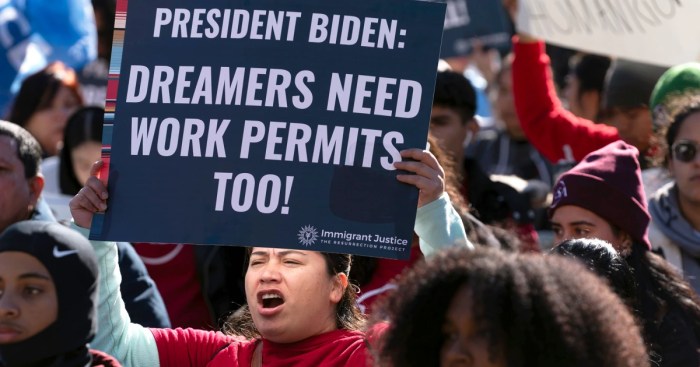
Challenging the notion of “unwelcome immigrants” requires actively promoting alternative perspectives and supporting the rights of those often marginalized. This involves dismantling harmful stereotypes, highlighting the contributions of immigrants, and advocating for just and equitable policies. Counter-narratives are essential to shift public perception and foster a more inclusive society.
Common Arguments Challenging the Concept
The idea of “unwelcome immigrants” is often contested by highlighting the positive aspects of immigration and exposing the flaws in the arguments used to justify exclusion. Several key counter-narratives are employed.
- Economic Contributions: Immigrants often contribute significantly to the economy, filling labor shortages, starting businesses, and paying taxes. Studies frequently demonstrate that immigrants, both documented and undocumented, boost economic growth.
- Cultural Enrichment: Immigrants bring diverse cultures, traditions, and perspectives that enrich society. This cultural exchange fosters creativity, innovation, and understanding.
- Humanitarian Considerations: Many immigrants are fleeing persecution, violence, or poverty, and have a right to seek asylum and refuge. Denying them entry violates fundamental human rights.
- Challenging Stereotypes: Counter-narratives actively combat negative stereotypes, such as the idea that immigrants are criminals or a burden on society. Instead, they highlight immigrants’ positive roles and contributions.
- Exposing Xenophobia and Discrimination: Critiques of the “unwelcome immigrant” concept often expose the underlying xenophobia, racism, and discrimination that fuel anti-immigrant sentiment. This involves analyzing the motivations behind such attitudes.
Organizations Advocating for Immigrant Rights
Numerous organizations work to protect the rights of immigrants, providing legal aid, advocating for policy changes, and raising public awareness. These organizations are critical in challenging the narrative of “unwelcome immigrants.”
- The American Civil Liberties Union (ACLU): The ACLU defends the rights of all people in the United States, including immigrants. They challenge discriminatory immigration policies and provide legal representation.
- National Immigration Law Center (NILC): NILC works to advance the rights of immigrants and promote justice and inclusion. They engage in policy advocacy, litigation, and public education.
- United We Dream: This is the largest immigrant youth-led network in the United States. They advocate for the rights of young immigrants and fight for policies that support them.
- Human Rights Watch: Human Rights Watch investigates and reports on human rights abuses worldwide, including those affecting immigrants. They advocate for fair treatment and protection.
- Refugees International: This organization advocates for the rights of refugees and displaced people around the world. They conduct research, advocate for policy changes, and provide assistance to refugees.
Key Messages of Advocacy Groups
Advocacy groups utilize specific messages to shape public perception and influence policy. These messages often emphasize human rights, economic benefits, and the contributions of immigrants.
“Immigrants are not a threat; they are an asset. Welcoming immigrants strengthens our communities, boosts our economies, and enriches our cultures. We must stand against discrimination and advocate for just and humane immigration policies that protect the rights of all.”
Final Summary
Source: bu.edu
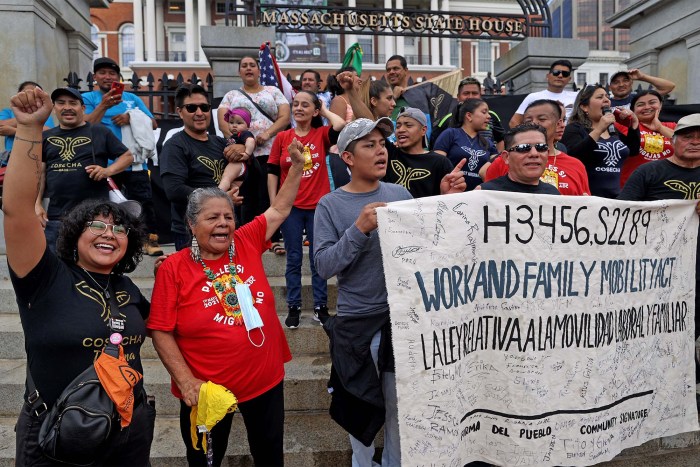
In conclusion, the concept of “unwelcome immigrants” is a deeply nuanced one, influenced by historical events, societal anxieties, and economic considerations. While concerns about security and social integration are valid, it’s crucial to approach this topic with empathy and a commitment to human rights. Understanding the complexities, challenging stereotypes, and promoting informed dialogue are essential steps toward creating more inclusive and just communities.
The discussion around “unwelcome immigrants” is far from over, and a continuous reassessment of our perspectives is necessary.
FAQ Resource
What defines an “unwelcome immigrant”?
There isn’t a universally agreed-upon definition. It’s often a subjective term, influenced by a combination of factors like legal status, cultural background, perceived threat, and public sentiment. It can also be applied based on economic circumstances, such as perceived strain on social services.
Are “unwelcome immigrants” always illegal?
Not necessarily. While the term is often associated with those lacking legal documentation, it can also encompass individuals who are legally present but viewed negatively by segments of the population. This could be due to cultural differences, economic competition, or other factors.
What rights do “unwelcome immigrants” have?
Regardless of their legal status, all individuals are entitled to basic human rights. These include the right to life, freedom from torture, and the right to due process. However, the extent to which these rights are protected can vary significantly depending on the country and the specific circumstances.
How do “unwelcome immigrants” affect the economy?
The economic impact is complex. Some argue they take jobs and strain social services, while others highlight their contributions through labor, taxes, and entrepreneurship. The reality often depends on factors like the skills of the immigrants, the economic climate, and government policies.
What are the main arguments against “unwelcome immigrants”?
Common arguments include concerns about job displacement, strain on social services, increased crime rates, and cultural erosion. There are also national security concerns, particularly in the context of terrorism and border control.