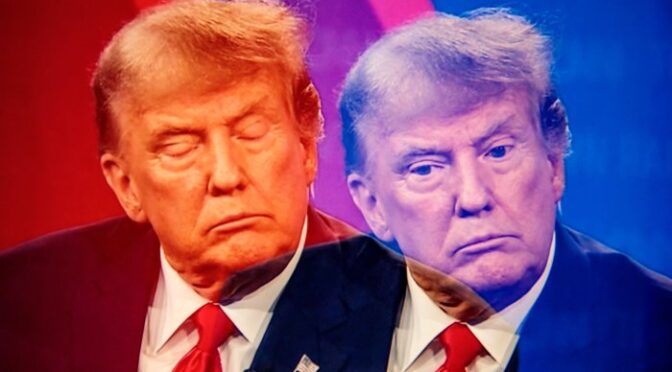
The announcement by Trump and his administration that immigration from “third world” countries will be halted and green cards for 19 nationalities will be reviewed has ignited a firestorm of debate. This policy shift, with its far-reaching implications, demands a thorough examination of its legal, economic, and societal ramifications. Understanding the historical context and potential international responses is crucial to grasping the full scope of this significant change in U.S.
immigration policy.
This comprehensive analysis will delve into the immediate consequences of the announcement, including the reasons cited for the policy and the specific nationalities affected by the green card review. We’ll explore potential legal challenges, economic impacts across various sectors, and the societal repercussions, focusing on family reunification and cultural diversity. Furthermore, we’ll examine international reactions, historical precedents, and the role of media coverage in shaping public perception.
Finally, the long-term effects, implementation challenges, and potential for unintended consequences will be assessed, providing a complete overview of this complex issue.
Announcement Overview
The Trump administration announced a significant shift in U.S. immigration policy, focusing on restrictions from specific countries. This policy change, framed as a measure to protect American interests, has immediate and far-reaching implications for both potential immigrants and existing green card holders.
Immediate Implications of the Immigration Halt
The most immediate impact of the announcement is the effective halt of immigration from countries categorized as “third world.” This broad term, often used to describe developing nations, encompasses a diverse range of countries. This policy change affects visa applications, travel, and the overall ability of individuals from these nations to legally enter the United States for the purpose of immigration.
Stated Reasons Behind the Policy Change
The administration cited several reasons for implementing this policy. These justifications included concerns about national security, economic strain, and the perceived strain on social services. The administration argued that the current immigration system was not adequately protecting American citizens and that a temporary pause was necessary to assess and reform the process. They also emphasized the importance of prioritizing immigrants who can contribute to the U.S.
economy and society.
Nationalities Listed for Green Card Review
In addition to the halt on immigration, the announcement included a review of green cards for individuals from 19 specific nationalities. This review aims to assess the validity of existing green cards and potentially revoke them if certain criteria are not met. The following table details the nationalities included in the review:
| Nationality | |||
|---|---|---|---|
| Afghanistan | |||
| Bangladesh | |||
| Chad | |||
| Democratic Republic of the Congo | |||
| Egypt | |||
| El Salvador | |||
| Ghana | |||
| Haiti | |||
| Iran | |||
| Kenya | |||
| Libya | |||
| Nigeria | |||
| North Korea | |||
| Pakistan | |||
| Somalia | |||
| South Sudan | |||
| Sudan | |||
| Syria | |||
| Yemen |
Legal and Constitutional Challenges
The announcement regarding immigration restrictions and green card reviews is almost certain to face a barrage of legal challenges. These challenges will likely center on constitutional grounds, specifically questioning the limits of executive power and the potential for discriminatory practices. Understanding the legal landscape requires examining the relevant constitutional amendments, precedents, and the scope of executive orders.
Constitutional Amendments and Potential Violations
Several constitutional amendments could be invoked in legal challenges to this immigration policy. These amendments serve as cornerstones of individual rights and government limitations.* The Fourteenth Amendment: This amendment is a frequent point of contention in immigration cases. The Equal Protection Clause within the Fourteenth Amendment prohibits states from denying any person within its jurisdiction the equal protection of the laws.
This could be used to argue that the policy discriminates against individuals based on their country of origin. The Due Process Clause is another key element of the Fourteenth Amendment. It could be argued that the policy violates due process if it deprives individuals of their right to immigrate or seek a green card without fair procedures.
The Fifth Amendment
This amendment contains a due process clause that applies to the federal government. Similar to the Fourteenth Amendment, it could be used to challenge the policy on the grounds of unfair procedures or discriminatory practices.
The First Amendment
While less direct, challenges might argue that the policy infringes on freedom of association or religion if it disproportionately affects individuals from certain countries, potentially hindering family reunification or religious practices.
Legal Precedents
Several legal precedents would likely be cited in court cases challenging this immigration policy. These cases establish legal principles that could be used to support or refute the legality of the policy.* *Trump v. Hawaii* (2018): This Supreme Court case upheld a revised version of the travel ban. However, it is crucial to note that the court’s decision was based on national security concerns, and the ruling does not automatically validate any immigration restriction.
This case establishes a precedent for executive authority in immigration matters, but it is not unlimited.
*Yick Wo v. Hopkins* (1886)
This landmark Supreme Court case established the principle of equal protection under the law. The court found that a San Francisco ordinance, which was enforced in a discriminatory manner against Chinese laundry owners, violated the Fourteenth Amendment. This case would be used to argue that the immigration policy is enforced in a discriminatory manner.
*Kerry v. Din* (2009)
This case focused on the government’s power to deny a visa to the spouse of a U.S. citizen. The Supreme Court upheld the government’s authority, but this case could be used to illustrate the limits of the government’s power when it comes to the rights of U.S. citizens.
Executive Orders and Their Limitations
The policy, likely implemented through executive orders, will face scrutiny regarding the scope and limitations of presidential power. Executive orders are directives issued by the President that manage operations of the federal government.* Executive orders have the force of law but are subject to legal challenges. They cannot contradict existing laws passed by Congress or violate the Constitution.
- The scope of executive power is often debated. While presidents have broad authority in foreign affairs and national security, their actions are still subject to judicial review.
- The “non-delegation doctrine” restricts Congress from delegating its legislative powers to the executive branch. This doctrine could be invoked if the executive order is seen as exceeding the president’s authority.
For example, if the executive order attempts to rewrite immigration laws passed by Congress, it could be challenged on this basis.
Examples of challenged executive orders
The original travel ban issued by the Trump administration faced multiple legal challenges and was eventually revised after being blocked by the courts. This case highlights the potential for judicial review to limit the scope of executive orders.
President Biden’s executive orders on immigration have also been challenged, demonstrating that any administration’s actions can be subject to legal scrutiny.
Economic Impact
The policy of halting immigration from “third world” countries and reviewing green cards for certain nationalities would trigger significant economic shifts within the United States. These changes would impact various sectors, potentially altering labor market dynamics, consumer spending, and overall economic growth. Understanding these potential effects requires analyzing both the immediate and long-term consequences.
Modeling the Labor Market Effects
A simplified model can illustrate the potential labor market effects. This model focuses on supply and demand dynamics, assuming that reduced immigration directly impacts the supply of labor. The model considers two primary scenarios: one where the policy significantly reduces the labor supply, and another where the reduction is less pronounced.In the first scenario, a substantial decrease in the labor supply, particularly in low-skilled sectors, could lead to increased wages for existing workers in those sectors.
However, it could also create labor shortages, potentially hindering production and increasing costs for businesses.In the second scenario, a more moderate reduction in the labor supply might result in less dramatic wage increases and fewer labor shortages. The impact would depend on the elasticity of labor demand in different sectors and the ability of businesses to adapt through automation or other means.The model also needs to consider the impact on the demand side.
Reduced immigration could lead to decreased consumer spending, as the population base shrinks. This could, in turn, affect the demand for goods and services, potentially slowing economic growth.
Sector-Specific Impacts
The economic impacts would vary significantly across different sectors. Here’s a breakdown:
- Agriculture: The agricultural sector, heavily reliant on immigrant labor for seasonal work, could face significant challenges. Labor shortages could lead to increased production costs, potentially increasing food prices. For example, the California agricultural industry has repeatedly voiced concerns about labor shortages and their effects on crop production due to stricter immigration policies. This impact is particularly noticeable in harvesting seasons.
- Technology: The technology sector, which often relies on highly skilled immigrants, particularly those with advanced degrees, might experience a slowdown in innovation and development. Reduced access to talent could hinder the growth of tech companies and their ability to compete globally. Companies like Google and Microsoft have previously advocated for more lenient immigration policies, citing the importance of foreign-born workers in driving innovation.
- Healthcare: The healthcare sector, already facing shortages of nurses and doctors in certain areas, could be further strained. Reduced immigration could exacerbate these shortages, potentially leading to increased healthcare costs and reduced access to care, particularly in underserved communities. For instance, the American Medical Association has often pointed out the role of foreign-born physicians in addressing healthcare shortages.
- Construction: The construction industry, which depends on both skilled and unskilled immigrant labor, could face rising labor costs and project delays. This could increase the price of housing and infrastructure projects.
- Manufacturing: Manufacturing industries that rely on immigrant workers, especially in low-skill roles, may face similar challenges to agriculture, including labor shortages and increased costs.
Comparison with Past Policies
Comparing this policy to similar past policies provides insights into potential economic outcomes. The Immigration Act of 1924, which significantly restricted immigration, offers a historical point of reference.The 1924 Act, which introduced quotas based on national origin, resulted in a significant decrease in the immigrant population. This led to labor shortages in certain sectors, increased wages for some workers, and arguably, slowed economic growth overall.
However, the economic impact was also influenced by the Great Depression, making it difficult to isolate the effects of the immigration restrictions.Another relevant example is the impact of stricter immigration enforcement measures in the early 2000s, particularly in states like Arizona. These measures led to labor shortages in the agricultural and construction sectors, as well as a decrease in the overall economic activity in those states.
Comparing this policy to these historical examples indicates the potential for labor market disruptions, wage fluctuations, and impacts on economic growth, the severity of which would depend on the specifics of the policy implementation and the responsiveness of the economy.
Societal Ramifications

Source: co.uk
This immigration policy shift, impacting arrivals from “third world” countries and reviewing green cards for specific nationalities, has the potential to significantly reshape American society. The changes could impact community cohesion, family structures, and the overall cultural landscape of the United States.
Community Impacts
The policy could lead to increased social fragmentation and strain on community resources. Established immigrant communities, often vital parts of local economies and social networks, might experience considerable disruption.
- Increased social isolation for individuals and families. The policy might separate individuals from their support systems, hindering integration.
- Potential for heightened discrimination and prejudice. Policies perceived as discriminatory can fuel xenophobia and create environments where bias thrives.
- Strain on community services. Local organizations providing assistance to immigrants, such as language classes, legal aid, and social services, could face increased demand and limited resources.
- Economic decline in specific areas. Some communities rely heavily on immigrant labor and businesses. A decline in immigration could lead to workforce shortages and economic downturns.
Family Reunification and Cultural Diversity
Restrictions on immigration can directly impact family reunification, a core principle of U.S. immigration law, and threaten the country’s rich cultural diversity. The policy’s effects could reverberate across generations.
- Delays or denials in family-based immigration petitions. Family members seeking to join relatives in the U.S. from affected countries could face significantly longer wait times or outright denials.
- Emotional distress and family separation. Families separated by immigration policies often experience significant emotional and psychological stress. The policy could lead to prolonged separations, impacting children and other family members.
- Reduced cultural exchange and diversity. A decline in immigration from specific regions could lead to a less diverse cultural landscape, potentially diminishing the variety of perspectives and experiences within American society.
- Erosion of the “American Dream”. The promise of a better life for oneself and one’s family has long drawn immigrants to the U.S. This policy could undermine that dream for many, creating a sense of hopelessness.
Narratives of Impacted Individuals and Communities
The following examples illustrate the potential human cost of the policy. These are hypothetical scenarios based on real-world experiences.
- The Garcia Family: Maria Garcia, a U.S. citizen, sponsors her parents from a country affected by the policy. Their green card application, already in process, is delayed indefinitely due to the review. Maria, a single mother, relies on her parents for childcare, and the uncertainty creates immense stress.
- The Patel Community: A vibrant Indian community in a mid-sized city sees a decline in new arrivals from India. The local Indian grocery store struggles, the community center experiences a drop in attendance, and the cultural celebrations feel less lively. The community, once thriving, begins to feel the effects of isolation and stagnation.
- The Legal Aid Lawyer’s Perspective: A lawyer specializing in immigration law sees a dramatic increase in clients seeking help with complex legal challenges. They report a surge in cases of family separation and increased instances of people fearing deportation. The lawyer witnesses the human cost of the policy daily.
- The Refugee Family’s Struggle: A family fleeing persecution in a targeted nation is denied asylum due to the policy’s restrictions. They are forced to return to their country, facing an uncertain and potentially dangerous future. Their hopes for safety and a new life are shattered.
International Relations

Source: nyt.com
The announcement regarding immigration restrictions and green card reviews is poised to significantly impact the United States’ relationships with countries worldwide. This policy shift, targeting specific nations and potentially affecting international norms, will likely trigger a range of reactions, affecting both diplomatic ties and economic partnerships. The ripple effects could reshape the global landscape and challenge established international frameworks.
Potential Reactions from Affected Countries
Countries whose citizens are directly impacted by the immigration halt and green card reviews are highly likely to express strong disapproval and concern. The nature of these reactions will vary depending on the affected country’s relationship with the United States, its economic dependence on remittances from the U.S., and the political climate within the nation.
- Official Protests and Diplomatic Demands: Governments will likely issue formal protests through diplomatic channels. This may involve summoning the U.S. ambassador, issuing public statements condemning the policy, and demanding clarifications or revisions. For example, if a major trading partner, like Mexico, were heavily affected, the Mexican government would likely lodge a strong protest.
- Reciprocal Measures: Some countries might retaliate by implementing their own immigration restrictions targeting U.S. citizens or reviewing existing trade agreements. This could include increased visa requirements or the suspension of preferential trade terms. The specific actions would depend on the perceived severity of the U.S. policy and the affected country’s leverage.
- International Legal Challenges: Affected nations could pursue legal avenues to challenge the U.S. policy, potentially bringing cases before international courts or tribunals. This is more likely if the policy is perceived as discriminatory or violates international human rights laws.
- Public Outcry and Civil Society Responses: Within the affected countries, there could be widespread public outrage, leading to protests, demonstrations, and campaigns by civil society organizations. This public pressure could further influence government responses and complicate diplomatic relations.
Impact on International Trade and Diplomatic Relations
The immigration policy is expected to generate significant strain on international trade and diplomatic relations. These effects could be direct, stemming from specific retaliatory measures, or indirect, resulting from a general erosion of trust and goodwill.
- Trade Disruptions: The policy could lead to trade disruptions, particularly if affected countries retaliate with tariffs or other trade barriers. This would harm U.S. businesses and consumers. For instance, if a country reliant on U.S. agricultural exports retaliated with tariffs, it could lead to reduced demand and economic losses for American farmers.
- Damage to Diplomatic Trust: The policy could erode trust and goodwill between the United States and other nations, making it harder to cooperate on shared challenges like climate change, global health, and counterterrorism. This breakdown in trust can undermine established diplomatic channels and complicate negotiations on various fronts.
- Challenges to International Agreements: The policy could undermine the U.S.’s credibility in upholding international agreements and commitments. This could impact the U.S.’s ability to negotiate new trade deals or maintain existing alliances. For example, if the U.S. is seen to be disregarding its obligations under international law, other countries may be less willing to engage in future agreements.
- Increased Geopolitical Tensions: The policy could exacerbate existing geopolitical tensions, particularly if it is perceived as part of a broader shift towards isolationism or protectionism. This could lead to a more fragmented and unstable international order. For example, if the policy is seen as a sign of the U.S. withdrawing from global leadership, it could embolden rival powers.
Possible Responses from International Organizations
International organizations are likely to respond to the immigration policy, albeit with varying degrees of action depending on their mandates and the specific circumstances. Their reactions can range from issuing statements to initiating investigations or offering humanitarian assistance. The table below Artikels some possible responses.
| International Organization | Possible Response | Likely Impact | Examples |
|---|---|---|---|
| United Nations (UN) |
|
|
The UN Human Rights Council could launch an investigation into whether the policy violates the rights to freedom of movement or family reunification. The UN Refugee Agency (UNHCR) might offer assistance to those fleeing affected countries. |
| European Union (EU) |
|
|
The EU could suspend or review its trade negotiations with the U.S. and potentially impose sanctions. The European Parliament might hold hearings to discuss the policy’s impact. |
| World Trade Organization (WTO) |
|
|
If the U.S. policy leads to retaliatory tariffs, the WTO could be called upon to mediate the dispute or rule on the legality of the measures. |
| International Monetary Fund (IMF) |
|
|
The IMF could offer emergency loans to countries experiencing economic downturns due to trade disruptions or decreased remittances. The IMF could also publish reports analyzing the policy’s macroeconomic consequences. |
Historical Context
This policy decision, restricting immigration from certain countries, inevitably draws comparisons to past U.S. immigration policies. Understanding these historical precedents, the evolution of immigration laws, and the implications of using terms like “third world” is crucial for a comprehensive understanding of the present situation. This section explores these aspects.
Similar Immigration Restrictions in U.S. History
The U.S. has a history of implementing immigration restrictions, often targeting specific nationalities or groups. Comparing the current policy to these past measures reveals both similarities and crucial differences.The Chinese Exclusion Act of 1882, for example, completely barred Chinese laborers from entering the United States. This act, driven by economic anxieties and racial prejudice, represents a stark example of targeted exclusion.
The current policy, while potentially impacting specific nationalities, does not explicitly target a single racial or ethnic group in the same manner. However, critics may argue that the focus on “third world” countries disproportionately affects certain racial and ethnic groups.The National Origins Formula, implemented in the 1920s, established quotas based on national origins, heavily favoring immigrants from Northern and Western Europe.
This system, in effect, discriminated against immigrants from Southern and Eastern Europe, as well as Asia and Africa. The current policy differs from this in that it does not explicitly use a quota system based on national origins. Instead, it appears to rely on a broader categorization based on perceived country characteristics.The Immigration and Nationality Act of 1952, while attempting to codify existing immigration laws, also retained discriminatory elements.
It maintained the national origins quota system, albeit with some modifications. This act, like the earlier restrictions, reflects a desire to control the composition of the U.S. population.The key differences between the current policy and past restrictions include the specific criteria used for exclusion. While past policies often relied on race, ethnicity, or national origin, the current policy appears to be based on a broader assessment of country characteristics, potentially encompassing factors like economic stability, security concerns, or government structure.
The legal and constitutional challenges, however, may be similar to those faced by earlier restrictive immigration laws.
The Historical Context of the Term “Third World”
The term “third world” originated during the Cold War. It was used to categorize countries that were not aligned with either the capitalist “first world” (primarily the U.S. and its allies) or the communist “second world” (the Soviet Union and its allies). These “third world” countries were often characterized by economic underdevelopment, political instability, and post-colonial legacies.Using this term in the context of immigration policy is complex.
It risks oversimplifying the diverse realities of the countries included. It also carries the potential for perpetuating outdated stereotypes and reinforcing a hierarchy of nations. The term’s relevance to the current policy lies in its implication of a perceived difference between the countries included and the United States, potentially framing them as posing a greater risk or challenge to national interests.
Evolution of U.S. Immigration Policies
U.S. immigration policies have undergone significant changes throughout history, reflecting evolving economic, social, and political circumstances. The motivations behind these changes have varied, ranging from labor demands to national security concerns.The following bullet points highlight key eras and their associated motivations:
- Early America (Pre-1875): Generally open immigration policies, driven by the need for labor and the ideals of a young nation.
- Late 19th and Early 20th Centuries: Increased restrictions, fueled by nativism, economic anxieties, and concerns about social cohesion. Examples include the Chinese Exclusion Act and the Immigration Act of 1917, which restricted immigration from a “Asiatic Barred Zone”.
- 1920s: The National Origins Formula, aimed at restricting immigration from Southern and Eastern Europe, reflecting a preference for immigrants from Northern and Western Europe.
- Post-World War II (1945-1965): Gradual dismantling of the national origins quota system, reflecting a shift towards more inclusive policies and a recognition of the contributions of diverse immigrant groups.
- 1965 Immigration and Nationality Act: Abolished the national origins quota system, establishing a preference system based on skills and family reunification, leading to a significant shift in the composition of the immigrant population.
- Late 20th and Early 21st Centuries: Increased focus on border security and enforcement, alongside debates about legal immigration levels and pathways to citizenship. This includes policies related to visa programs, asylum, and deportation.
Political Reactions
The announcement regarding immigration restrictions is certain to ignite strong reactions across the political spectrum. This policy shift will be a major talking point, shaping debates and influencing legislative agendas for the foreseeable future. Various political actors and interest groups will respond based on their ideologies, constituencies, and strategic goals.
Reactions from Political Parties and Interest Groups
The responses from political parties and interest groups are expected to be highly polarized.
- Democrats: Democrats are likely to strongly condemn the policy, framing it as discriminatory and inconsistent with American values. They may emphasize the economic benefits of immigration and highlight the potential negative impact on families and communities. Expect calls for legislative action to overturn the policy, along with support for legal challenges.
- Republicans: Republicans are likely to be divided. Some will enthusiastically support the policy, aligning with the administration’s stance on border security and national interests. Others, particularly those representing districts with significant immigrant populations or those prioritizing economic concerns, may express reservations or advocate for modifications.
- Immigration Advocacy Groups: Organizations like the American Civil Liberties Union (ACLU), the National Immigration Law Center (NILC), and the American Immigration Council are expected to lead the opposition. They will likely launch public awareness campaigns, organize protests, and file lawsuits challenging the legality of the policy.
- Business Groups: Business groups, such as the U.S. Chamber of Commerce, may express concerns about the potential labor shortages and economic impacts of the policy. Some may advocate for exemptions or modifications to protect specific industries.
- Religious Organizations: Religious groups, particularly those with strong humanitarian values, are likely to voice opposition, citing moral and ethical concerns about the policy’s impact on vulnerable populations.
Use in Political Campaigns and Debates
The immigration policy announcement will become a central issue in upcoming political campaigns and debates.
- Presidential Campaigns: Candidates will use the policy to differentiate themselves and mobilize their base. Supporters will likely emphasize the importance of border security and national sovereignty, while opponents will focus on human rights and the economic benefits of immigration.
- Congressional Elections: The policy will be a key talking point in congressional races, with candidates using it to appeal to voters on both sides of the issue. Candidates may be forced to take clear stances on the policy, which could affect their chances of winning.
- Debates: Debates at all levels of government will feature extensive discussion of the policy’s merits and demerits. Candidates will be challenged to explain their positions and defend their records on immigration.
Potential Legislative Actions
The following table Artikels potential legislative actions that could follow the announcement.
| Action | Description | Likely Supporters | Likely Opponents |
|---|---|---|---|
| Legislation to Overturn the Policy | Bills introduced in Congress to repeal or modify the executive order or related regulations. This could involve attempts to defund the policy or create exceptions. | Democrats, immigration advocacy groups, some moderate Republicans | Administration, conservative Republicans |
| Legislation to Strengthen Border Security | Bills introduced to increase funding for border security measures, such as wall construction, increased personnel, and enhanced surveillance technologies. | Administration, conservative Republicans | Democrats, some moderate Republicans |
| Judicial Appointments | Efforts to appoint judges who align with the administration’s views on immigration law. This could involve prioritizing the confirmation of conservative judges. | Administration, conservative Republicans | Democrats, immigration advocacy groups |
| Legislative Hearings and Investigations | Congressional committees holding hearings and investigations into the policy’s implementation, impact, and potential abuses. | Democrats, some moderate Republicans | Administration, conservative Republicans |
Media Coverage and Public Perception
The announcement regarding immigration restrictions and green card reviews will inevitably trigger a multifaceted response from the media, which in turn will heavily influence public perception. Understanding how different news outlets frame the story, the potential for misleading information, and the role of social media is crucial to grasping the overall impact of the policy.
Analyzing Media Reporting Framework
A structured approach is needed to analyze media coverage, as various outlets will present the story differently. This framework involves several key components.
- Outlet Categorization: Classifying media outlets based on their perceived political leanings (e.g., conservative, liberal, centrist) is essential. For instance, outlets like Fox News (conservative) and MSNBC (liberal) are likely to present contrasting viewpoints.
- Framing Analysis: Examining how the announcement is framed. This includes identifying the central narrative, the language used (e.g., “protecting American jobs” versus “discriminatory policies”), and the sources cited. For example, a conservative outlet might emphasize national security concerns, while a liberal outlet might focus on human rights violations.
- Source Selection: Analyzing which sources are quoted and how they are portrayed. Are government officials, immigration experts, or affected individuals given more prominence? The choice of sources significantly shapes the narrative.
- Visuals and Graphics: Assessing the use of images, charts, and infographics. Visuals can powerfully reinforce a particular message. A photograph of a crowded border crossing, for example, might be used to evoke a sense of crisis.
- Tone and Sentiment Analysis: Determining the overall tone of the reporting (e.g., supportive, critical, neutral). This can be achieved by analyzing the language used and the types of stories highlighted.
Potential for Misinformation and Disinformation
The complex nature of immigration policies and the emotionally charged political climate create fertile ground for misinformation and disinformation. Several factors contribute to this risk.
- Selective Reporting: Media outlets may selectively report facts or emphasize certain aspects of the policy while downplaying others. This can lead to a skewed understanding of the situation. For instance, a news source might focus exclusively on potential economic benefits while ignoring the humanitarian concerns.
- Misleading Statistics: The use of inaccurate or misinterpreted statistics is a common tactic. For example, figures on crime rates among immigrants can be presented in a way that exaggerates the risk.
- Emotional Appeals: News articles can employ emotionally charged language and imagery to manipulate public opinion. This can involve using fear-mongering tactics or portraying immigrants in a negative light.
- Social Media Amplification: Social media platforms can quickly spread misinformation. False or misleading claims can go viral before they can be corrected, particularly if they align with pre-existing biases.
Shaping Public Opinion through Media and Social Media
Media coverage and social media discussions play a crucial role in shaping public opinion. The way the policy is presented influences how the public perceives it.
- Agenda-Setting: Media outlets can determine which issues are considered important by the public. By focusing on specific aspects of the immigration policy, they can influence the public’s perception of its significance.
- Priming: Media coverage can prime the public to think about an issue in a particular way. For example, if a news outlet repeatedly emphasizes the economic costs of immigration, the public is more likely to view the policy through an economic lens.
- Framing Effects: The way a policy is framed can significantly affect public opinion. For example, framing the policy as a measure to protect American jobs is likely to garner more support than framing it as a restriction on human rights.
- Social Media’s Role: Social media platforms facilitate rapid information dissemination and allow for direct engagement between individuals, news sources, and political figures. This can lead to echo chambers where users are primarily exposed to information that confirms their existing beliefs, reinforcing biases and potentially amplifying misinformation. The spread of hashtags and viral content can significantly influence public sentiment.
Implementation and Enforcement
Implementing and enforcing a policy that halts immigration from specific countries and reviews green cards presents significant logistical and legal hurdles. The practical steps, agency roles, and potential challenges are complex and require careful consideration to ensure effective execution.
Practical Steps in Implementation
The implementation process would involve several key steps across various government agencies.
- Issuance of Executive Order or Policy Directive: The initial step would be the formal announcement of the policy through an Executive Order or a directive from the Department of Homeland Security (DHS). This document would Artikel the specific countries affected, the criteria for the green card review, and the effective date of the policy.
- Inter-Agency Coordination: A coordinated effort would be necessary between DHS, the Department of State (DOS), and the Department of Justice (DOJ). The DOS would be responsible for consular processing overseas, while DHS would handle border enforcement and internal immigration matters. The DOJ would likely be involved in any legal challenges and potential litigation.
- Development of Implementation Guidelines: Detailed guidelines would be needed for immigration officers, consular officials, and other relevant personnel. These guidelines would provide clarity on how to apply the policy, including definitions, exceptions, and procedures.
- Training of Personnel: Extensive training would be required for all personnel involved in implementing the policy. This training would cover the legal basis of the policy, the procedures for screening and reviewing applications, and the handling of sensitive situations.
- System Modifications: Existing immigration systems, such as the US Customs and Border Protection (CBP) systems and the DOS’s Consular Consolidated Database, would need to be updated to reflect the new policy. This could involve modifying forms, creating new screening protocols, and adjusting data entry fields.
- Public Communication: Clear and concise communication with the public would be essential. This would involve informing affected individuals about the policy, providing instructions on how to comply, and establishing channels for questions and concerns.
- Review and Processing of Green Cards: The review process for existing green cards would involve scrutinizing the applications and supporting documentation of individuals from the 19 designated nationalities. This could involve interviews, background checks, and potential revocation of green cards if individuals are found to have violated immigration laws or presented fraudulent information.
Role of Government Agencies
Several government agencies would play crucial roles in enforcing the policy.
- Department of Homeland Security (DHS): DHS, primarily through US Citizenship and Immigration Services (USCIS), would be responsible for reviewing green card applications and conducting background checks. US Customs and Border Protection (CBP) would enforce the border restrictions and screen individuals seeking entry into the United States. Immigration and Customs Enforcement (ICE) might be involved in identifying and detaining individuals whose green cards are revoked.
- Department of State (DOS): The DOS, through its consular offices abroad, would be responsible for implementing the travel ban and screening visa applicants from the affected countries. Consular officers would be tasked with denying visas to individuals subject to the policy.
- Department of Justice (DOJ): The DOJ, specifically the Immigration and Naturalization Service (INS) or its successor agencies, would be involved in defending the policy against legal challenges. The DOJ might also be involved in prosecuting individuals who violate immigration laws.
- Department of Health and Human Services (HHS): HHS might be involved in providing healthcare and social services to individuals affected by the policy, particularly those who are detained or face deportation.
Potential Challenges in Enforcement
Enforcing the policy would present a number of challenges, which could lead to delays, errors, and legal disputes.The following table Artikels these challenges with illustrative examples:
| Challenge | Description | Example | Potential Impact |
|---|---|---|---|
| Legal Challenges | The policy is likely to face legal challenges based on claims of discrimination, due process violations, and exceeding executive authority. | Lawsuits filed by civil rights organizations, advocacy groups, and individuals affected by the policy, alleging violations of the Equal Protection Clause of the Fourteenth Amendment. | Lengthy court battles, potential injunctions, and revisions to the policy based on judicial rulings, leading to uncertainty and delays in implementation. |
| Logistical Difficulties | Implementing a policy affecting multiple countries and individuals requires significant resources, including personnel, technology, and infrastructure. | The need to rapidly train immigration officers, consular officials, and other personnel on new procedures, screen a large number of applications, and update existing databases. | Backlogs in processing applications, delays in border crossings, and potential errors in screening, leading to frustration for travelers and applicants. |
| Discrimination and Bias | The policy could be perceived as discriminatory or biased against certain nationalities or ethnic groups, leading to unfair treatment and potential human rights violations. | Reports of immigration officers targeting individuals based on their country of origin or perceived ethnicity, leading to unfair denials of entry or revocation of green cards. | Erosion of public trust, increased scrutiny from international organizations, and potential diplomatic tensions with affected countries. |
| Operational Complexity | The policy’s implementation may be difficult due to the need to interpret and apply complex regulations, handle exceptions, and manage competing priorities. | Determining the precise criteria for the green card review, handling cases involving dual citizenship, and addressing unforeseen circumstances or emergencies. | Inconsistencies in enforcement, potential for errors in decision-making, and increased opportunities for abuse of power. |
Long-Term Effects
This policy, if implemented, would likely trigger a cascade of long-term consequences, impacting everything from the nation’s demographics to its global standing. Understanding these potential shifts is crucial to grasping the full scope of the administration’s actions. The following sections explore the possible repercussions.
Demographic Shifts
The policy’s primary goal is to reshape the demographic makeup of the United States. This will not happen overnight, but the effects would become increasingly apparent over time.
- Altered Population Growth: A significant reduction in immigration from “third-world” countries would likely slow overall population growth. Birth rates, while important, would not offset the loss of potential new residents. This could lead to a decline in the labor force, impacting economic productivity.
- Age Structure Changes: With fewer young immigrants entering the country, the median age of the U.S. population would likely increase. This could place a greater strain on social security and healthcare systems, as the proportion of older citizens grows relative to the working-age population.
- Ethnic and Racial Composition: The policy’s focus on specific countries could alter the racial and ethnic makeup of the population over several decades. The relative proportions of various groups would shift, potentially creating new social dynamics and challenging existing cultural norms.
- Geographic Distribution: Immigrants often concentrate in specific regions and cities, contributing to population density and economic activity in those areas. A restriction on immigration could alter this pattern, potentially leading to slower growth in certain areas and affecting housing markets and infrastructure needs.
Unintended Consequences
Policy changes rarely unfold exactly as planned. Unforeseen outcomes, both positive and negative, are almost inevitable.
- Brain Drain from Targeted Countries: While the policy might aim to reduce immigration, it could also encourage highly skilled individuals from targeted nations to seek opportunities elsewhere, resulting in a loss of talent and expertise for their home countries. This “brain drain” can hamper economic development and innovation in those regions.
- Rise of Illegal Immigration: Restricting legal pathways could inadvertently drive more people to seek entry into the U.S. through unofficial channels, increasing the risk of exploitation and human trafficking, and potentially increasing the burden on border security and law enforcement.
- Impact on Remittances: Immigrants often send money back to their families in their home countries (remittances), a vital source of income for many developing nations. Reduced immigration could decrease these flows, negatively impacting the economies of those countries and potentially increasing poverty levels.
- Erosion of Soft Power: The U.S. has long benefited from its image as a welcoming nation. This policy could damage its reputation and influence in the international community, potentially weakening its ability to forge alliances and promote its values.
Impact on Innovation and Economic Growth
The relationship between immigration and economic prosperity is complex. Policies that restrict immigration can have a tangible effect on innovation and growth.
| Area | Potential Impact | Supporting Evidence | Considerations |
|---|---|---|---|
| Labor Force | Reduced immigration could lead to a smaller labor force, potentially slowing economic growth. A shortage of workers, especially in low-skilled sectors, could lead to increased labor costs and decreased productivity. | The National Academies of Sciences, Engineering, and Medicine found that immigrants contribute significantly to the labor force and economic growth. The Congressional Budget Office has also noted the impact of immigration on the labor force. | The impact could vary depending on the specific industries affected and the availability of domestic workers to fill the gaps. Automation could also mitigate some labor shortages. |
| Innovation | Immigrants are often highly represented in STEM fields and contribute significantly to innovation and entrepreneurship. Restrictions could reduce the flow of new ideas and talent, hindering technological advancement and economic growth. | Studies by the Kauffman Foundation show that immigrants are more likely to start businesses than native-born Americans. Research from the National Bureau of Economic Research highlights the significant contributions of immigrants to patenting and innovation. | The extent of the impact depends on the specific skill sets of immigrants and the overall climate for innovation. Policies that encourage investment in education and research could partially offset any negative effects. |
| Entrepreneurship | Immigrants are often more likely to start their own businesses, creating jobs and driving economic activity. A decrease in immigration could lead to fewer new businesses and less economic dynamism. | Research from the Small Business Administration shows that immigrants are a significant source of new business formation. Data from the Census Bureau demonstrates the economic impact of immigrant-owned businesses. | The impact could vary depending on the industry and the availability of capital. Policies that support entrepreneurship, regardless of immigration status, could help mitigate the effects. |
| Long-Term Competitiveness | A decline in immigration could reduce the long-term competitiveness of the U.S. economy. By limiting access to global talent, the U.S. could fall behind other countries that embrace immigration and actively seek skilled workers. | The World Economic Forum’s Global Competitiveness Report highlights the importance of talent mobility for national competitiveness. The Organization for Economic Cooperation and Development (OECD) has also published research on the link between immigration and economic performance. | The U.S. needs to balance immigration restrictions with policies that promote education, training, and innovation to maintain its global economic leadership. |
Final Review

Source: nyt.com
In conclusion, the Trump administration’s immigration policy change, involving a halt on immigration from “third world” countries and a green card review for 19 nationalities, presents a multifaceted challenge. From legal battles and economic adjustments to societal impacts and international repercussions, this policy will reshape the landscape of U.S. immigration. Its long-term effects on innovation, demographic shifts, and economic growth remain to be seen, making this a pivotal moment in American history, demanding continued scrutiny and thoughtful discourse.
Answers to Common Questions
What is the definition of “third world” in the context of this policy?
The term “third world” is a Cold War-era classification that generally refers to developing countries, often with lower levels of economic development, higher poverty rates, and less political stability. The specific countries targeted by the policy would likely be those meeting these criteria, although the administration would define this more precisely.
What legal avenues are available to challenge this policy?
The policy could be challenged on several grounds, including violations of the Equal Protection Clause of the Fourteenth Amendment, which prohibits discrimination, and potential conflicts with existing immigration laws. Lawsuits could also argue the policy exceeds the president’s authority or violates due process rights.
How will this policy be enforced at the border and at ports of entry?
Enforcement would likely involve increased scrutiny of visa applications and entry documents from affected countries. Border patrol agents and immigration officials would likely be given new guidelines and training to implement the policy, potentially leading to increased wait times and more thorough screening processes.
What is the impact on individuals with existing green cards from the affected nationalities?
The policy would likely trigger a review process for existing green card holders from the 19 listed nationalities. The specific implications for these individuals would depend on the nature of the review, which could include additional interviews, document checks, or other forms of scrutiny. The policy’s full impact would be determined by the details of the review process.