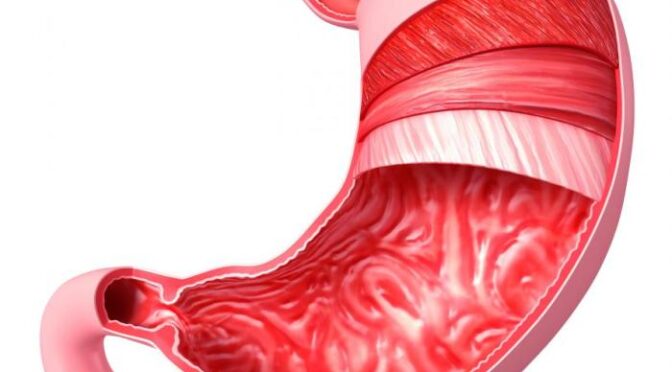
Stomach Cancer Awareness Day is a crucial opportunity to shed light on a disease that affects millions worldwide. Stomach cancer, also known as gastric cancer, is a serious illness, and early detection is key to improving outcomes. Raising awareness about the symptoms is the first step towards early diagnosis and effective treatment.
This initiative aims to educate individuals about the warning signs of stomach cancer. The goal is to empower people to recognize potential problems and seek medical attention promptly. By understanding these symptoms, we can collectively work towards a future where stomach cancer is detected and treated earlier, ultimately saving lives.
Stomach Cancer Awareness Day
Stomach Cancer Awareness Day is a dedicated time to spotlight this significant global health concern. It’s a day to educate the public, support those affected, and promote early detection and prevention strategies. Raising awareness is crucial for improving outcomes and reducing the burden of this disease.Stomach cancer, also known as gastric cancer, is a significant health issue worldwide. It’s the fifth most common cancer globally, and the fourth leading cause of cancer-related deaths.
The World Health Organization (WHO) estimates that over one million new cases are diagnosed annually, with significant variations in incidence across different regions. Mortality rates are often high due to late-stage diagnosis.
The Purpose of Raising Awareness About Stomach Cancer Symptoms
Early detection is key to successful treatment of stomach cancer. The primary goal of raising awareness is to empower individuals to recognize potential symptoms and seek medical attention promptly. By understanding the signs, people can advocate for their health and increase their chances of early diagnosis, which significantly improves the likelihood of effective treatment and survival.
Early Warning Signs
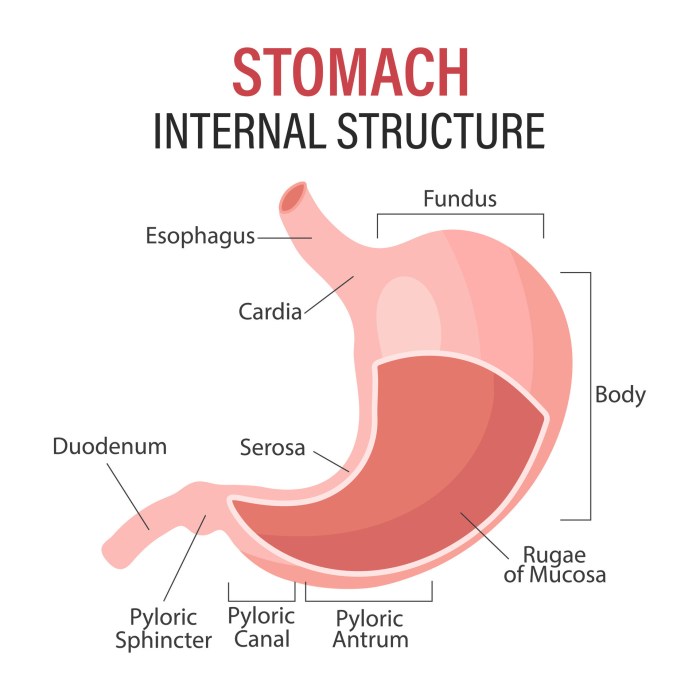
Source: vecteezy.com
Persistent indigestion and heartburn, while common, can sometimes signal a more serious underlying condition like stomach cancer. Recognizing the difference between typical symptoms and those that warrant medical attention is crucial for early detection and treatment. Understanding these early warning signs can significantly improve outcomes.
Persistent Indigestion and Heartburn as Indicators
Persistent indigestion and heartburn are often dismissed as minor inconveniences. However, when these symptoms become chronic or change in character, they can be indicators of stomach cancer. The cancer may irritate or obstruct the stomach, leading to these digestive issues.
Differentiating Typical Symptoms from Those Warranting Attention
Typical indigestion and heartburn are usually temporary and related to dietary choices or lifestyle factors. They often resolve with over-the-counter medications or lifestyle adjustments. Symptoms that warrant medical attention are those that persist for more than a few weeks, worsen over time, or are accompanied by other concerning symptoms.
Factors Increasing Risk of Symptoms
Several factors can increase the risk of experiencing persistent indigestion and heartburn, potentially increasing the risk of stomach cancer. These factors can contribute to the development of stomach cancer.
- Age: The risk of stomach cancer increases with age, with most diagnoses occurring in people over 60.
- Diet: A diet high in processed foods, salt-cured meats, and smoked foods can increase the risk. Conversely, a diet rich in fruits and vegetables may offer some protection.
- Smoking: Smoking increases the risk of stomach cancer and can exacerbate heartburn and indigestion.
- Excessive Alcohol Consumption: Heavy alcohol use is linked to an increased risk of stomach cancer and can irritate the stomach lining.
- Family History: Having a family history of stomach cancer increases the risk.
- Chronic Helicobacter pylori (H. pylori) Infection: Long-term infection with H. pylori, a bacterium that infects the stomach, is a significant risk factor.
- Obesity: Obesity is associated with an increased risk of gastroesophageal reflux disease (GERD), which can lead to chronic heartburn and potentially increase the risk of stomach cancer.
- Previous Stomach Surgeries: Individuals who have had previous stomach surgeries may have an increased risk.
- Ethnicity: Stomach cancer is more common in certain ethnic groups, such as people of Asian, Hispanic, and South American descent.
Unexplained Weight Loss

Source: turbosquid.com
Unexplained weight loss is a concerning symptom that can be associated with various health issues, including stomach cancer. It’s a significant red flag that warrants prompt medical attention. Understanding the connection between weight loss and stomach cancer, and the underlying mechanisms, is crucial for early detection and effective treatment.
Mechanisms of Weight Loss
Stomach cancer can lead to weight loss through several mechanisms. The disease often affects the body’s ability to absorb nutrients and properly process food.
- Tumor Growth and Metabolic Demands: As the cancer cells grow, they consume a significant amount of the body’s energy and nutrients. This increased metabolic demand can lead to weight loss, even if the individual maintains a normal diet. The tumor itself requires energy to survive and proliferate, diverting resources away from the body’s normal functions.
- Reduced Food Intake: Stomach cancer can cause symptoms such as nausea, vomiting, and early satiety (feeling full after eating very little). These symptoms can significantly reduce a person’s appetite and food intake, leading to a calorie deficit and subsequent weight loss. The physical presence of the tumor can also obstruct the stomach, making it difficult for food to pass through.
- Malabsorption: Stomach cancer can interfere with the normal digestive processes, leading to malabsorption of nutrients. The stomach plays a crucial role in breaking down food and preparing it for absorption in the small intestine. Cancer can damage the stomach lining or disrupt its function, preventing the body from effectively absorbing essential nutrients like proteins, fats, and vitamins.
- Cancer Cachexia: This is a complex metabolic syndrome characterized by a loss of muscle mass, with or without fat loss. It is a common complication of advanced cancers, including stomach cancer. Cachexia is often associated with inflammation, altered metabolism, and the release of substances by the tumor that promote muscle breakdown.
Importance of Medical Advice
Experiencing significant weight loss without any deliberate effort to lose weight is a serious symptom that demands immediate medical evaluation.
- Early Detection: Weight loss can be an early sign of stomach cancer, making prompt diagnosis and treatment possible. Early detection significantly improves the chances of successful treatment and a better prognosis.
- Diagnostic Testing: A doctor will conduct a thorough examination, including a review of medical history and physical assessment. Further investigations such as blood tests, imaging scans (like an endoscopy or CT scan), and potentially a biopsy of the stomach, will be performed to determine the cause of the weight loss.
- Treatment Options: Early diagnosis opens the door to a wider range of treatment options, including surgery, chemotherapy, radiation therapy, and targeted therapies. These treatments are often more effective when initiated in the early stages of the disease.
- Improved Outcomes: Seeking medical advice promptly can lead to earlier interventions and better outcomes. For instance, in a study published in the
-Journal of the American Medical Association* (JAMA), patients with early-stage stomach cancer who received timely treatment had significantly higher survival rates compared to those diagnosed at later stages.
Abdominal Pain and Discomfort
Abdominal pain can be a symptom of various conditions, including stomach cancer. Understanding the nature of this pain and how it differs from other causes is crucial for early detection and appropriate medical intervention. This section will delve into the characteristics of abdominal pain associated with stomach cancer, providing a clear understanding of its potential indicators.
Characteristics of Stomach Cancer-Related Abdominal Pain
Abdominal pain linked to stomach cancer often manifests in specific ways. It’s essential to recognize these characteristics to differentiate it from other, less serious causes of discomfort.The pain may be:
- Persistent: Unlike transient aches, pain associated with stomach cancer tends to linger.
- Located in the upper abdomen: Frequently felt in the area between the breastbone and the navel.
- Variable in intensity: It can range from a dull ache to a sharp, intense pain. The pain’s severity may fluctuate over time.
- Worsened after eating: Eating, especially large meals, can exacerbate the pain.
- Accompanied by other symptoms: Such as bloating, nausea, vomiting, or a feeling of fullness even after eating small amounts.
Differentiating Abdominal Pain: Common Causes vs. Stomach Cancer
Abdominal pain can stem from numerous causes, making accurate diagnosis essential. Distinguishing between common ailments and the potentially serious indication of stomach cancer involves careful consideration of symptoms.Here is a comparison table to help differentiate between various causes of abdominal pain and the symptoms of stomach cancer:
| Cause | Common Symptoms | Location of Pain | Additional Indicators |
|---|---|---|---|
| Indigestion/Heartburn | Burning sensation, bloating, belching | Upper abdomen, chest | Often follows meals; relieved by antacids. |
| Irritable Bowel Syndrome (IBS) | Cramping, bloating, changes in bowel habits (diarrhea, constipation) | Varies; often lower abdomen | Symptoms may be triggered by stress or certain foods. |
| Gallstones | Sudden, intense pain in the upper right abdomen | Upper right abdomen, may radiate to the back | Often accompanied by nausea and vomiting, especially after fatty meals. |
| Stomach Cancer | Persistent pain, loss of appetite, unexplained weight loss | Upper abdomen | May include nausea, vomiting, feeling full after eating small amounts, and difficulty swallowing. |
Nausea and Vomiting
Persistent nausea and vomiting can be incredibly disruptive and are unfortunately sometimes associated with stomach cancer. Recognizing the characteristics of these symptoms and knowing when to seek immediate medical attention is crucial for early detection and improved outcomes. This section delves into the specifics of nausea and vomiting related to stomach cancer, highlighting key warning signs and providing a practical guide for action.
Characteristics of Nausea and Vomiting Linked to Stomach Cancer
Nausea and vomiting associated with stomach cancer can manifest in several ways. It’s important to understand the different aspects of these symptoms.
- Timing: The timing of these symptoms can vary. Nausea might occur shortly after eating, especially after consuming larger meals or foods high in fat. Vomiting may be more frequent in the morning or throughout the day, depending on the stage and location of the tumor.
- Frequency: The frequency of nausea and vomiting can range from occasional episodes to persistent, daily occurrences. Increased frequency is often a sign of progression or a more advanced stage of the disease.
- Content: Vomit may contain undigested food, blood (hematemesis), or a coffee-ground-like substance, indicating bleeding in the stomach. The presence of blood is a particularly concerning sign.
- Associated Symptoms: Nausea and vomiting may be accompanied by other symptoms such as abdominal pain, bloating, loss of appetite, and unexplained weight loss. The presence of multiple symptoms should raise suspicion.
- Response to Medication: Unlike nausea and vomiting caused by other conditions, those related to stomach cancer might not respond well to over-the-counter anti-nausea medications. This lack of response is another reason to seek medical evaluation.
When to Seek Immediate Medical Evaluation
Certain scenarios involving nausea and vomiting warrant immediate medical attention. Delaying evaluation can lead to complications and potentially worsen the prognosis.
- Blood in Vomit: The presence of blood in vomit, whether bright red or resembling coffee grounds, is a critical sign that requires immediate medical attention. This indicates bleeding in the upper gastrointestinal tract.
- Severe or Persistent Vomiting: Frequent or uncontrollable vomiting, especially if it leads to dehydration, should be evaluated promptly.
- Inability to Keep Down Food or Liquids: If a person cannot keep down food or liquids for an extended period, leading to potential malnutrition and dehydration, immediate medical intervention is necessary.
- Vomiting Accompanied by Severe Abdominal Pain: Severe abdominal pain alongside vomiting could indicate a blockage or other serious complications that require immediate medical attention.
- Nausea and Vomiting with Other Warning Signs: When nausea and vomiting are accompanied by other symptoms such as unexplained weight loss, fatigue, and loss of appetite, it warrants prompt medical evaluation.
Flowchart: Steps to Take for Persistent Nausea and Vomiting
This flowchart provides a visual guide for the steps to take if you are experiencing persistent nausea and vomiting.
Start: Experiencing Persistent Nausea and/or Vomiting
1. Assess Severity and Associated Symptoms
Are there any of the following?
- Blood in vomit?
- Severe abdominal pain?
- Inability to keep down food or liquids?
- Other concerning symptoms (weight loss, etc.)?
2. If YES to any of the above, go to Step 4 (Seek Immediate Medical Attention).
If NO to all of the above, Monitor and Manage Symptoms:
Try over-the-counter anti-nausea medications (follow instructions).
Stay hydrated with clear liquids (water, broth, etc.).
Eat small, bland meals.
– Rest.
Monitor symptoms closely.
4. Seek Immediate Medical Attention
Go to the nearest emergency room or urgent care clinic.
Describe your symptoms in detail to the healthcare provider.
Provide your medical history and any medications you are taking.
5. Follow Medical Advice
Undergo diagnostic tests (blood tests, imaging, endoscopy, etc.).
Receive appropriate treatment based on the diagnosis.
End
This flowchart illustrates a logical progression, starting with symptom assessment and then proceeding to medical intervention if necessary. The flowchart’s structure is designed to guide individuals through the decision-making process when faced with persistent nausea and vomiting. The prompt response is crucial for prompt diagnosis and intervention.
Changes in Bowel Habits: A Sign to Watch For
Changes in your regular bowel movements can sometimes indicate underlying health issues, and it’s crucial to pay attention to these changes. While many factors can influence bowel habits, persistent alterations warrant a discussion with your healthcare provider. Early detection is key when it comes to any potential health concern, including stomach cancer.
Bowel Changes and Stomach Cancer
Stomach cancer can sometimes lead to noticeable shifts in bowel habits. This happens because the tumor can interfere with the normal digestive process.
- Diarrhea: The presence of a tumor can disrupt the normal movement of food through the digestive tract, potentially leading to frequent, loose stools.
- Constipation: Conversely, the tumor might cause a blockage or narrowing in the stomach or intestines, making it difficult for waste to pass, resulting in constipation.
- Changes in Stool Appearance: The appearance of your stool may also change. You might notice dark, tarry stools (melena), which can be a sign of bleeding in the upper digestive tract. The stool may also appear black, and if the cancer has advanced it can be accompanied by blood.
It’s important to understand that these changes in bowel habits don’t automatically mean you have stomach cancer. However, any persistent or unusual alterations should be evaluated by a doctor.
Reporting Bowel Changes to Your Healthcare Provider
Reporting any changes in bowel habits to your healthcare provider is essential for several reasons.
- Early Detection: Early detection is often critical in successful cancer treatment. Reporting symptoms promptly allows for timely investigation and diagnosis.
- Accurate Diagnosis: A healthcare provider can assess your symptoms, conduct necessary tests, and determine the underlying cause of your bowel changes.
- Personalized Treatment: If stomach cancer is suspected or diagnosed, your doctor can develop a personalized treatment plan based on the stage and characteristics of the cancer.
Don’t hesitate to seek medical advice if you experience changes in your bowel habits.
Other Conditions Causing Similar Bowel Changes
It’s important to remember that changes in bowel habits can be caused by various conditions, not just stomach cancer. Some examples include:
- Irritable Bowel Syndrome (IBS): IBS is a common disorder that can cause abdominal pain, cramping, bloating, and changes in bowel habits, such as diarrhea or constipation.
- Inflammatory Bowel Disease (IBD): IBD, including Crohn’s disease and ulcerative colitis, can lead to inflammation in the digestive tract, resulting in diarrhea, abdominal pain, and other symptoms.
- Celiac Disease: Celiac disease is an autoimmune disorder triggered by gluten, which can cause digestive issues, including diarrhea, constipation, and abdominal discomfort.
- Infections: Bacterial or viral infections can also cause temporary changes in bowel habits, such as diarrhea or vomiting.
- Dietary Changes: Changes in your diet, such as increasing fiber intake or consuming certain foods, can also affect your bowel movements.
It’s crucial to seek medical advice for any persistent or concerning changes in bowel habits to rule out any underlying health issues and receive appropriate care.
Feeling Full Quickly
One of the less obvious, but potentially significant, symptoms of stomach cancer is feeling full after eating very little food. This sensation, also known as early satiety, can be a warning sign that something isn’t right in your digestive system. It’s crucial to understand this symptom and its implications for early detection.
The Sensation of Feeling Full Quickly and Stomach Cancer
Feeling full very quickly, even after consuming only a small amount of food, can be a symptom of stomach cancer. This happens because a tumor in the stomach can take up space, reducing the stomach’s capacity. Additionally, the tumor can interfere with the normal digestive processes, making the stomach feel full faster than usual. This early satiety can lead to reduced food intake, which may contribute to unintended weight loss.
It is important to remember that early satiety can also be caused by other conditions. However, when it’s accompanied by other symptoms, such as abdominal pain or unexplained weight loss, it should be evaluated by a healthcare professional.
Foods and Meals That May Worsen the Symptom
Certain foods and meal types can exacerbate the feeling of fullness and discomfort associated with stomach issues.
- High-fat foods: Foods rich in fats, such as fried foods, fatty meats, and creamy sauces, can slow down digestion, making you feel full for a longer time.
- Large meals: Consuming a large portion of food at once can overwhelm the stomach, especially if its capacity is reduced due to a tumor or other issues.
- Spicy foods: Spicy foods can irritate the stomach lining, leading to discomfort and the sensation of fullness.
- Acidic foods: Acidic foods, like citrus fruits and tomatoes, can also irritate the stomach, potentially worsening symptoms.
- Carbonated beverages: Carbonated drinks can cause bloating, adding to the feeling of fullness and discomfort.
Scenarios Where Feeling Full Quickly May Indicate a Serious Condition
Experiencing early satiety, especially when combined with other symptoms, warrants medical attention.
- Persistent early satiety: If you consistently feel full after eating very little, and this feeling persists for more than a few weeks, it’s essential to consult a doctor.
- Early satiety and unexplained weight loss: Unexplained weight loss, especially when combined with early satiety, is a red flag. This can be a sign that the body isn’t absorbing nutrients properly or that the cancer is spreading.
- Early satiety with abdominal pain: Abdominal pain, bloating, or discomfort accompanying early satiety can indicate a problem within the digestive system, requiring medical evaluation.
- Early satiety and nausea/vomiting: Nausea or vomiting, especially if it occurs after meals, alongside early satiety, can suggest a blockage or irritation in the stomach or digestive tract.
- Early satiety and changes in bowel habits: Changes in bowel habits, such as diarrhea, constipation, or changes in stool color, can be a sign of a more serious condition and should be reported to a doctor.
Fatigue and Weakness
Fatigue and weakness are common symptoms of many illnesses, including stomach cancer. While these symptoms can be caused by various factors, their presence, especially when combined with other warning signs, should prompt a visit to a healthcare professional. Understanding the link between fatigue, weakness, and stomach cancer, alongside other potential causes, is crucial for early detection and effective treatment.
Fatigue, Weakness, and Stomach Cancer
Stomach cancer can directly contribute to fatigue and weakness in several ways. The cancer itself can consume the body’s energy resources, leading to exhaustion. Cancer can also cause internal bleeding, which leads to anemia, a condition characterized by a shortage of red blood cells, thus reducing the oxygen supply to the body and resulting in fatigue. Furthermore, the body’s immune system works overtime to fight the cancer, which can also drain energy.
The treatments for stomach cancer, such as chemotherapy and radiation therapy, can also induce fatigue and weakness as side effects.
Other Potential Causes of Fatigue
Fatigue and weakness are not exclusive to stomach cancer and can stem from various other conditions. It’s essential to differentiate between these causes to get the appropriate medical attention.
- Anemia: As previously mentioned, anemia is a common cause of fatigue. It can result from iron deficiency, chronic diseases, or blood loss.
- Depression and Anxiety: Mental health disorders like depression and anxiety often manifest as fatigue and can significantly impact energy levels.
- Thyroid Disorders: Both hypothyroidism (underactive thyroid) and hyperthyroidism (overactive thyroid) can cause fatigue.
- Sleep Disorders: Conditions like insomnia and sleep apnea disrupt sleep, leading to daytime fatigue.
- Chronic Infections: Infections such as mononucleosis or influenza can result in prolonged fatigue.
- Nutritional Deficiencies: Lack of essential nutrients, such as vitamins B12 and D, can contribute to fatigue.
- Medications: Certain medications, including antihistamines and some blood pressure drugs, can cause drowsiness and fatigue as side effects.
Distinguishing between the causes involves a thorough medical evaluation, including a physical examination, blood tests, and potentially imaging studies. A healthcare provider will consider your medical history, symptoms, and lifestyle to determine the underlying cause.
Visual Representation: The Impact of Fatigue and Weakness
The infographic below illustrates the impact of fatigue and weakness on daily life, specifically in the context of stomach cancer.
Infographic Description:The infographic is divided into two main sections: “The Body’s Struggle” and “Daily Life Impact.”
The Body’s Struggle:
This section shows a simplified illustration of the human body, focusing on the digestive system. A stomach is highlighted with a graphic of a cancerous tumor growing inside.
Arrows indicate the tumor’s impact on energy levels and blood. There are also icons representing:
- Reduced Energy Production: A small battery icon with a declining energy bar.
- Blood Loss: A small icon of a drop of blood.
- Nutrient Absorption Interference: A stomach icon with reduced absorption arrows.
Daily Life Impact:
This section visually depicts various aspects of daily life affected by fatigue and weakness:
- Work/Productivity: A person is slumped over a desk, looking exhausted, with a reduced graph.
- Social Interactions: A person is shown avoiding social activities, with a visual of a cancelled social event.
- Physical Activity: A person is unable to exercise, with a visual of someone struggling to run.
The infographic uses a color scheme that includes shades of blue and gray to convey a sense of seriousness. The text is clear and concise, using bullet points to highlight key impacts. The overall design aims to visually represent the debilitating effects of fatigue and weakness associated with stomach cancer, emphasizing how the illness affects both physical and emotional well-being.
Blood in Stool or Vomit: Immediate Action Required
Seeing blood in your stool or vomit can be incredibly alarming, and for good reason. It’s a symptom that demands immediate attention because it can signal a variety of serious health issues, including stomach cancer. Understanding the significance of this symptom and knowing what steps to take is crucial for your health.
Significance of Blood in Stool or Vomit
Blood in either stool (hematochezia or melena) or vomit (hematemesis) indicates bleeding somewhere in your digestive tract. The color of the blood can provide clues about where the bleeding originates. Bright red blood, often seen in the stool, typically suggests bleeding closer to the anus or rectum. Dark, tarry stools (melena) usually indicate bleeding higher up in the digestive tract, such as the stomach or small intestine, where the blood has been partially digested.
Vomiting blood, which can be bright red or resemble coffee grounds (partially digested blood), also points to bleeding in the upper digestive tract. It’s important to remember that blood in either form is
never* normal and requires prompt medical evaluation.
Immediate Steps to Take
If you observe blood in your stool or vomit, the most important thing to do is remain calm and seek medical attention immediately. Do not try to self-diagnose or wait to see if the symptom resolves itself. Early diagnosis and treatment are critical for many conditions that cause bleeding, including stomach cancer.
Step-by-Step Guide: What to Do if Blood is Found in Vomit or Stool
When you discover blood, follow these steps:
- Stay Calm: While alarming, panicking won’t help. Take deep breaths to manage your anxiety.
- Contact Emergency Services: If the bleeding is heavy, accompanied by dizziness, weakness, or other severe symptoms, call your local emergency number (like 911 in the US) or go to the nearest emergency room immediately. Heavy bleeding can lead to significant blood loss and be life-threatening.
- Contact Your Doctor: If the bleeding is less severe but still present, contact your doctor or healthcare provider as soon as possible. They can advise you on the next steps and schedule an appointment for evaluation.
- Describe the Blood: When contacting medical professionals, be prepared to describe the blood in detail. This includes:
- Color: Was it bright red, dark red, or black?
- Amount: How much blood was there? (e.g., streaks, small amount, large amount)
- Consistency: Was it mixed with stool, or was it pure blood?
- Associated Symptoms: Did you experience any other symptoms, such as abdominal pain, nausea, vomiting, or changes in bowel habits?
- Avoid Medications: Do not take any medications, including over-the-counter pain relievers like aspirin or ibuprofen, without consulting your doctor. These medications can sometimes worsen bleeding.
- Follow Medical Advice: Attend all scheduled appointments and follow the medical advice provided by your healthcare team. This may include diagnostic tests such as blood tests, endoscopy, or colonoscopy to determine the cause of the bleeding.
Prompt action is essential when blood is present in stool or vomit. Do not delay seeking medical attention.
Other Less Common Symptoms
While the previously mentioned symptoms are more frequently associated with stomach cancer, it’s important to be aware of less common signs that might indicate the disease. These symptoms can often be mistaken for other, less serious conditions, making early detection more challenging. Recognizing these less common indicators, and understanding their potential causes, is crucial for timely diagnosis and treatment.
Less Common Symptoms of Stomach Cancer
These symptoms can be subtle, and may not always be directly linked to the stomach. They can also vary significantly from person to person.
- Difficulty Swallowing (Dysphagia): This can manifest as a feeling of food getting stuck in the throat or chest. It can worsen over time. This is more common with cancers located in the upper part of the stomach, near the esophagus.
- Jaundice: Yellowing of the skin and eyes can occur if the cancer blocks the bile ducts.
- Ascites: This involves the accumulation of fluid in the abdomen, causing swelling. This may occur if the cancer has spread to the lining of the abdomen (peritoneum).
- Palpable Mass: In some cases, a doctor might be able to feel a lump in the abdomen during a physical exam. This suggests the tumor has grown to a considerable size.
- Changes in Bowel Movements (Beyond Initial Symptoms): While changes in bowel habits are common, unusual or persistent changes, such as dark, tarry stools (melena) or blood in the stool, require immediate medical attention.
- Unexplained Back Pain: Persistent back pain, especially in the upper or middle back, can be a symptom, particularly if the cancer is pressing on nearby structures.
Other Medical Conditions Presenting Similar Symptoms
Many other medical conditions can present symptoms similar to those of stomach cancer. This makes accurate diagnosis reliant on thorough medical evaluation.
- Gastroesophageal Reflux Disease (GERD): This common condition can cause heartburn, difficulty swallowing, and chest pain, which can be mistaken for symptoms of stomach cancer.
- Peptic Ulcers: These ulcers can cause abdominal pain, nausea, and changes in bowel habits, similar to stomach cancer.
- Irritable Bowel Syndrome (IBS): IBS can cause abdominal pain, bloating, and changes in bowel habits, often mimicking some of the less specific symptoms of stomach cancer.
- Gallbladder Disease: Gallstones or other gallbladder issues can cause abdominal pain, nausea, and vomiting, which can be confused with stomach cancer symptoms.
- Pancreatitis: Inflammation of the pancreas can cause abdominal pain and back pain, which can be similar to some stomach cancer symptoms.
- Liver Disease: Conditions like hepatitis or cirrhosis can cause jaundice and ascites, which are also possible symptoms of stomach cancer.
Resources for People Experiencing These Symptoms
If you are experiencing any of the symptoms mentioned, or are concerned about your health, here are some resources that can provide information, support, and guidance:
- Your Primary Care Physician: The first point of contact for any health concerns. They can evaluate your symptoms, order necessary tests, and refer you to specialists if needed.
- Gastroenterologists: Specialists in the digestive system. They can perform tests and provide a diagnosis.
- Oncologists: Cancer specialists who can provide treatment plans if stomach cancer is diagnosed.
- The American Cancer Society (ACS): Provides information about cancer, support services, and resources.
- The National Cancer Institute (NCI): Offers comprehensive information on cancer research, treatment, and prevention.
- Cancer Research UK: A UK-based organization providing information, support, and research data related to cancer.
- Support Groups: Joining a support group, either online or in person, can provide emotional support and a sense of community.
- Patient Advocacy Organizations: These organizations can help patients navigate the healthcare system and provide resources.
Risk Factors: Who is Most Vulnerable?
Understanding the risk factors associated with stomach cancer is crucial for early detection and prevention. While anyone can develop stomach cancer, certain factors increase the likelihood of its development. Being aware of these risk factors empowers individuals to make informed decisions about their health and seek appropriate medical attention when necessary.
Helicobacter pylori (H. pylori) Infection
Infection with the bacteriumHelicobacter pylori* is a significant risk factor for stomach cancer. This bacterium can chronically inflame the stomach lining, increasing the risk of cancerous changes over time.
Approximately 80% of stomach cancers are linked toH. pylori* infection.
Here’s how
-H. pylori* increases the risk:
- Chronic Inflammation: Long-term infection causes persistent inflammation of the stomach lining (gastritis), damaging cells and potentially leading to cancer.
- Ulcers and Precancerous Lesions:
-H. pylori* can cause stomach ulcers, which, if left untreated, can develop into precancerous conditions like intestinal metaplasia. - Genetic Predisposition: The effect of
-H. pylori* can be more pronounced in individuals with genetic predispositions to stomach cancer.
Dietary Factors
Dietary habits play a crucial role in stomach cancer risk. Certain foods and dietary patterns can either increase or decrease the likelihood of developing the disease.
Specific dietary factors that influence risk include:
- High Salt Intake: Diets rich in salt and salty foods can damage the stomach lining, increasing the risk of inflammation and cancer. Studies have shown a correlation between high salt intake and increased stomach cancer rates, particularly in regions where salted foods are common.
- Processed Meats: Regular consumption of processed meats, such as bacon, sausages, and deli meats, has been linked to an increased risk of stomach cancer. These meats often contain preservatives like nitrates and nitrites, which can form carcinogenic compounds in the stomach.
- Smoked Foods: Similar to processed meats, smoked foods can contain carcinogenic compounds that contribute to cancer risk. The smoking process itself introduces these harmful substances.
- Insufficient Fruit and Vegetable Intake: Diets lacking in fruits and vegetables, particularly those rich in antioxidants, can increase the risk. Antioxidants help protect cells from damage.
Tobacco Use
Smoking tobacco is a well-established risk factor for various cancers, including stomach cancer. The chemicals in tobacco damage the cells lining the stomach.
How tobacco use increases risk:
- Direct Damage: The carcinogens in tobacco, when swallowed with saliva, directly damage the cells lining the stomach, increasing the risk of cancerous mutations.
- Increased Acidity: Smoking can increase stomach acid production, which can exacerbate existing damage and inflammation.
- Synergistic Effects: Smoking can worsen the effects of other risk factors, such as
-H. pylori* infection.
Excessive Alcohol Consumption
Heavy alcohol consumption is another factor associated with an increased risk of stomach cancer. Alcohol can irritate the stomach lining and increase susceptibility to damage.
How alcohol increases the risk:
- Irritation and Inflammation: Alcohol irritates the stomach lining, causing chronic inflammation (gastritis), which can lead to cellular damage and increase cancer risk.
- Increased Permeability: Alcohol can increase the permeability of the stomach lining, allowing harmful substances to enter more easily.
- Nutrient Deficiencies: Excessive alcohol consumption can lead to deficiencies in essential nutrients, which can compromise the body’s ability to repair damage and fight cancer.
Obesity
Obesity is linked to an increased risk of several cancers, including stomach cancer. This is thought to be due to chronic inflammation and hormonal imbalances.
How obesity increases the risk:
- Chronic Inflammation: Obesity is associated with chronic, low-grade inflammation throughout the body, which can promote cancer development.
- Hormonal Imbalances: Obesity can lead to changes in hormone levels, such as increased levels of insulin and estrogen, which can stimulate cancer cell growth.
- Gastroesophageal Reflux Disease (GERD): Obesity increases the risk of GERD, which, if chronic, can lead to Barrett’s esophagus, a precancerous condition.
Age
The risk of stomach cancer increases with age. Most cases are diagnosed in people over the age of 50.
The link between age and risk:
- Accumulated Damage: Over time, cells in the stomach are exposed to various damaging factors, such as
-H. pylori* infection, dietary carcinogens, and chronic inflammation, increasing the risk of mutations. - Reduced Repair Mechanisms: As people age, the body’s ability to repair damaged cells may decline, making it easier for cancerous cells to develop.
- Long-term Exposure: Older individuals have had more time to be exposed to risk factors like poor diet and smoking.
Family History
Having a family history of stomach cancer can increase an individual’s risk. This may be due to genetic predispositions or shared environmental factors.
How family history increases risk:
- Genetic Predisposition: Certain genetic mutations can increase the risk of stomach cancer. Individuals with a family history may inherit these mutations.
- Shared Environmental Factors: Families often share similar dietary habits and lifestyles, which can contribute to cancer risk.
- Increased Screening Recommendations: Individuals with a family history are often recommended to undergo earlier and more frequent screening for stomach cancer.
Ethnicity
Stomach cancer rates vary among different ethnic groups. Certain ethnicities have a higher incidence of the disease.
Ethnicity and risk:
- Higher Rates: Stomach cancer is more common in East Asia (particularly Japan, Korea, and China) and parts of Eastern Europe and South America.
- Genetic and Environmental Factors: Differences in genetic predispositions, dietary habits, and exposure to environmental factors contribute to these variations.
- Access to Healthcare: Differences in access to healthcare and screening programs can also affect the rates.
Preventative Measures
Individuals can take several preventative measures to mitigate some of these risk factors and reduce their likelihood of developing stomach cancer.
Preventative measures include:
- Eradication of
-H. pylori*: If tested positive for
-H. pylori*, seeking medical treatment to eradicate the infection can significantly reduce risk. - Healthy Diet: Adopting a diet rich in fruits, vegetables, and fiber, while limiting salt, processed meats, and smoked foods, is essential.
- Smoking Cessation: Quitting smoking reduces the risk of stomach cancer and many other health problems.
- Moderate Alcohol Consumption: Limiting alcohol intake to moderate levels can reduce the risk.
- Weight Management: Maintaining a healthy weight through diet and exercise can reduce the risk.
- Regular Screening: Individuals with a family history or other risk factors should discuss regular screening with their doctor.
Importance of Early Detection: Saving Lives
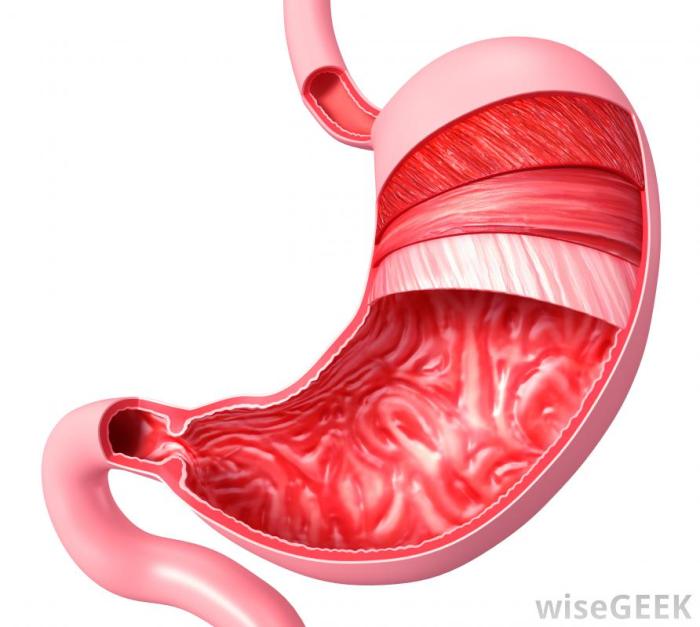
Source: weebly.com
Early detection is absolutely critical when it comes to stomach cancer. Catching the disease in its early stages significantly increases the chances of successful treatment and long-term survival. Recognizing the importance of early detection and knowing the diagnostic procedures are essential steps in protecting your health.
Diagnostic Procedures for Stomach Cancer Detection
Detecting stomach cancer often involves a combination of tests and procedures. These are designed to identify the presence of cancer, determine its stage, and guide treatment decisions.
- Endoscopy: This is often the primary diagnostic tool. A thin, flexible tube with a camera (an endoscope) is inserted down the esophagus and into the stomach. This allows the doctor to visually examine the stomach lining for any abnormalities, such as ulcers or tumors. During an endoscopy, small tissue samples (biopsies) can be taken for further examination under a microscope to check for cancer cells.
- Biopsy: A biopsy is the removal of a small tissue sample from the stomach. This sample is then examined by a pathologist under a microscope to determine if cancer cells are present. The biopsy is crucial for confirming a diagnosis of stomach cancer and determining the type of cancer cells.
- Imaging Tests: Various imaging tests are used to visualize the stomach and surrounding organs. These tests help determine the size and location of the tumor and whether the cancer has spread. Common imaging tests include:
- CT Scan (Computed Tomography): A CT scan uses X-rays to create detailed cross-sectional images of the abdomen.
- MRI (Magnetic Resonance Imaging): MRI uses magnetic fields and radio waves to produce detailed images of the stomach and surrounding tissues.
- PET Scan (Positron Emission Tomography): A PET scan uses a radioactive tracer to detect areas of increased metabolic activity, which can indicate the presence of cancer.
- Blood Tests: Blood tests may be used to assess overall health and look for certain markers that can indicate the presence of cancer. For example, a complete blood count (CBC) can help detect anemia, which is sometimes associated with stomach cancer.
“Regular check-ups and being proactive about your health are essential. Don’t hesitate to discuss any concerning symptoms with your doctor. Early detection can make a significant difference in treatment outcomes and survival rates.” – Dr. Emily Carter, Oncologist, leading cancer research center.
Raising Awareness
Stomach Cancer Awareness Day is a crucial opportunity to amplify understanding of this disease and support those affected. By actively participating, individuals can significantly contribute to early detection and improved outcomes. This section Artikels actionable steps to increase awareness and provide support.
Ways to Participate in Stomach Cancer Awareness Day
There are numerous ways to get involved and make a difference during Stomach Cancer Awareness Day.
- Organize or Participate in Events: This includes walks, runs, or community gatherings to raise funds and awareness. These events often provide opportunities to share information and connect with others affected by stomach cancer.
- Volunteer: Offer your time to support organizations dedicated to stomach cancer research, patient support, or advocacy. Volunteer opportunities can range from administrative tasks to event planning and fundraising.
- Educate Yourself and Others: Learn about the risk factors, symptoms, and treatment options for stomach cancer. Share this information with friends, family, and colleagues. You can also host educational sessions or presentations.
- Donate to Research and Support Organizations: Financial contributions can help fund crucial research, provide support services to patients and families, and promote awareness campaigns.
- Wear Awareness Colors: Wearing the designated awareness colors, which are often periwinkle or purple, can visually demonstrate your support and spark conversations about stomach cancer.
Supporting Those Affected by Stomach Cancer
Providing support to those diagnosed with or affected by stomach cancer is vital.
- Offer Practical Assistance: This includes helping with daily tasks such as transportation to appointments, meal preparation, or childcare. These acts of service can alleviate some of the burdens faced by patients and their families.
- Provide Emotional Support: Listen empathetically, offer words of encouragement, and be present during difficult times. Let them know they are not alone.
- Connect with Support Groups: Help patients and their families find local or online support groups where they can connect with others who understand their experiences.
- Advocate for Their Needs: Speak up on their behalf and help them navigate the healthcare system, insurance claims, or other challenges.
- Respect Their Privacy: Be mindful of their need for privacy and respect their decisions about how they choose to manage their diagnosis.
Sharing Information on Social Media
Social media platforms offer powerful tools for disseminating information and raising awareness.
- Use Relevant Hashtags: Utilize hashtags such as #StomachCancerAwareness, #GastricCancer, #EarlyDetectionSavesLives, and #CancerAwareness to increase the visibility of your posts.
- Share Informative Content: Post facts about stomach cancer symptoms, risk factors, and the importance of early detection. Include links to reliable sources, such as the American Cancer Society or the National Cancer Institute.
- Share Personal Stories: If you are comfortable, share your own experiences or those of loved ones affected by stomach cancer. Personal stories can be very impactful and help to connect with others.
- Create Engaging Visuals: Use images, videos, and infographics to capture attention and convey information effectively. A well-designed graphic can be easily shared and understood.
- Encourage Interaction: Ask questions, encourage discussions, and invite others to share their experiences or insights. Create a community around the cause.
- Partner with Organizations: Share content from reputable stomach cancer organizations to amplify their messages and reach a wider audience.
Conclusive Thoughts
In conclusion, Stomach Cancer Awareness Day serves as a vital reminder of the importance of vigilance and proactive health management. From persistent indigestion to changes in bowel habits, recognizing these symptoms is essential. By staying informed and encouraging regular check-ups, we can make a significant difference in the fight against stomach cancer. Remember, early detection is the best defense, and your awareness can save lives.
Clarifying Questions
What is Stomach Cancer Awareness Day?
Stomach Cancer Awareness Day is a designated period dedicated to educating the public about stomach cancer, its symptoms, risk factors, and the importance of early detection.
What are the most common symptoms of stomach cancer?
Common symptoms include persistent indigestion or heartburn, unexplained weight loss, abdominal pain, nausea and vomiting, changes in bowel habits, feeling full quickly, fatigue, and blood in stool or vomit.
Who is most at risk of developing stomach cancer?
Risk factors include older age, being male, a family history of stomach cancer, chronic gastritis, smoking, a diet high in processed foods and salt, and certain ethnic backgrounds.
How is stomach cancer diagnosed?
Diagnosis typically involves a physical exam, imaging tests (like CT scans or MRIs), and a biopsy to examine tissue samples from the stomach.
What can I do to support someone with stomach cancer?
You can offer emotional support, help with daily tasks, educate yourself about the disease, and encourage them to attend appointments. Also, consider donating to or volunteering with cancer organizations.