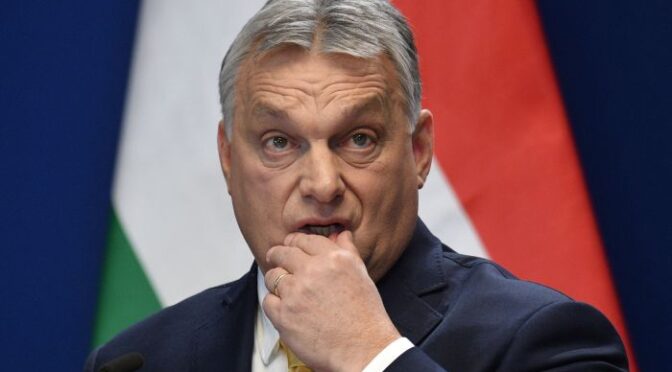
The meeting between Viktor Orban and Vladimir Putin has sparked a whirlwind of reactions, with the visit being framed as “another slap to Europe.” This event isn’t just a casual diplomatic encounter; it’s a complex interplay of historical ties, strategic interests, and diverging political ideologies. Understanding the context, the motivations, and the ripple effects of this meeting is crucial to grasping the evolving dynamics of the ongoing conflict in Ukraine and its implications for the European Union and beyond.
This analysis will delve into the historical relationship between Hungary and Russia, dissect the interpretations of the visit across the European landscape, and examine the potential ramifications for European unity and geopolitical stability. We will explore the key players, the underlying objectives, and the potential future scenarios that may unfold as a result of this controversial meeting.
Orban’s Meeting with Putin
Viktor Orban’s visit to Vladimir Putin, particularly given the backdrop of the war in Ukraine, is a significant event. It demands examination of the historical relationship between Hungary and Russia, the frequency and outcomes of their meetings, and the implications of the timing of this specific encounter. This analysis aims to provide a clear understanding of the context surrounding this diplomatic interaction.
Historical Relationship Between Hungary and Russia
The relationship between Hungary and Russia predates the current conflict, extending back centuries with periods of both cooperation and conflict. Examining these historical ties is crucial for understanding the current dynamics.Hungary and Russia’s relationship has been characterized by several phases:
- Historical Ties: For centuries, Hungary and Russia have been neighbors, leading to periods of trade, cultural exchange, and political interaction. These interactions, however, were often shaped by the shifting balance of power in Central and Eastern Europe.
- Soviet Influence: During the Cold War, Hungary was part of the Eastern Bloc, heavily influenced by the Soviet Union. The 1956 Hungarian Revolution, brutally suppressed by Soviet forces, remains a significant historical event, casting a long shadow over the relationship. This event, where Soviet tanks rolled into Budapest to quell the uprising, is a stark reminder of the power dynamics that existed at the time.
- Post-Soviet Era: Following the collapse of the Soviet Union, Hungary sought to integrate with the West, joining NATO and the European Union. However, Russia remained an important partner for Hungary, particularly in terms of energy supply.
- Energy Dependence: Hungary is heavily reliant on Russian natural gas and oil, making it vulnerable to Russian influence. This energy dependence has been a key factor in shaping Hungary’s foreign policy towards Russia. For example, the construction of the Paks nuclear power plant, with significant Russian involvement, exemplifies this dependence.
- Cultural and Economic Links: Beyond energy, Hungary and Russia maintain cultural and economic ties, with trade and investment flowing between the two countries. This interconnectedness adds another layer of complexity to their relationship.
Timeline of Orban’s Previous Meetings with Putin
Viktor Orban’s interactions with Vladimir Putin are not new. His previous meetings offer insight into his approach to Russia and the potential outcomes of this recent visit.Orban has met with Putin on numerous occasions. Here’s a brief timeline highlighting some key meetings and outcomes:
- Early 2010s: After Orban’s return to power in 2010, meetings with Putin became more frequent. These meetings often focused on energy cooperation, including discussions about the expansion of the Paks nuclear power plant. The meetings demonstrated a willingness to maintain a pragmatic relationship with Russia, even as Hungary pursued closer ties with the West.
- 2014: Following Russia’s annexation of Crimea, Orban took a more cautious approach, balancing condemnation of the action with the need to maintain dialogue. This balancing act reflects Hungary’s economic and energy dependence on Russia.
- 2015 and Beyond: Meetings continued, often revolving around energy deals and economic partnerships. These included discussions about the TurkStream gas pipeline, further cementing Hungary’s reliance on Russian gas.
- 2022 and 2023: Even after the full-scale invasion of Ukraine, Orban maintained dialogue with Putin, drawing criticism from other European leaders. These meetings, often held behind closed doors, underscored Hungary’s unique position within the EU.
Significance of the Timing of This Visit in Relation to the Ongoing War in Ukraine
The timing of Orban’s recent visit to Putin is particularly significant given the ongoing war in Ukraine. The visit raises questions about Hungary’s stance on the conflict and its implications for European unity.The timing of this visit is significant for several reasons:
- European Disunity: The visit occurs during a period of significant tension within the European Union regarding support for Ukraine and sanctions against Russia. Hungary’s stance often differs from the majority of EU members, raising concerns about disunity.
- Potential for Mediation: Some analysts suggest that Hungary could play a role in mediating between Russia and Ukraine. However, Hungary’s close ties with Russia may limit its ability to be seen as an impartial mediator.
- Energy Security Concerns: With Europe facing an energy crisis, Hungary’s continued reliance on Russian gas and oil is a critical factor. The visit could be seen as an attempt to secure energy supplies.
- Geopolitical Signaling: The visit sends a signal to both Russia and the West. To Russia, it indicates continued support. To the West, it highlights Hungary’s independent foreign policy.
- Domestic Politics: Orban’s meetings with Putin often resonate with his domestic base, appealing to nationalist sentiments and portraying him as a strong leader who prioritizes Hungarian interests.
Slap to Europe
Orban’s visit to Putin was widely perceived as a significant political move, generating considerable debate and a spectrum of reactions across Europe. The visit, occurring amidst the ongoing war in Ukraine, raised questions about Hungary’s alignment with the European Union and its stance on Russia. This section explores the various interpretations and reactions to the visit, considering political, economic, and strategic implications.
Interpretations of the Visit
The interpretations of Orban’s meeting with Putin were diverse, reflecting the complex geopolitical landscape and varying national interests. Several key perspectives emerged:* Political Signal: Some viewed the visit as a deliberate political signal, suggesting Hungary’s willingness to maintain ties with Russia despite the EU’s sanctions and condemnation of the war. It was seen as a challenge to the unity of the EU and NATO.* Economic Considerations: Others focused on the economic aspects, particularly Hungary’s dependence on Russian energy supplies.
The visit could be interpreted as an attempt to secure favorable terms for gas imports or to maintain economic relationships that benefit Hungary.* Strategic Positioning: From a strategic perspective, the visit was analyzed as Hungary positioning itself as a potential mediator or bridge between Russia and the West. This interpretation suggested a desire to maintain a degree of independence and influence in the region.* Domestic Politics: Some analysts considered the visit through the lens of domestic politics, suggesting Orban aimed to bolster his image as a strong leader who prioritizes national interests, even in the face of international pressure.
European Reactions
European leaders and institutions responded to Orban’s visit with a range of reactions, from strong condemnation to cautious assessment.* Condemnation: Several countries, particularly those bordering Ukraine or with a history of strained relations with Russia, strongly condemned the visit. They viewed it as a betrayal of European solidarity and a show of support for Putin’s regime.* Criticism: Other countries expressed criticism, highlighting the potential damage to the EU’s united front against Russia and questioning Hungary’s commitment to European values.* Cautious Assessment: Some countries adopted a more cautious approach, acknowledging Hungary’s right to maintain diplomatic relations while emphasizing the importance of upholding EU sanctions and principles.* Institutional Responses: The European Union itself faced the challenge of addressing the situation, with calls for investigations and potential consequences for Hungary’s actions.
The visit placed a strain on the EU’s internal cohesion.
Spectrum of European Responses
The following table summarizes the spectrum of European responses to Orban’s visit, illustrating the diversity of reactions across different countries and organizations.
| Response | Country/Organization | Primary Concerns | Actions Taken |
|---|---|---|---|
| Condemnation | Poland, Baltic States | Solidarity with Ukraine, violation of EU sanctions | Public statements of condemnation, calls for stronger EU action. |
| Criticism | Germany, France | Damage to EU unity, questioning of Hungarian commitment | Diplomatic pressure, public statements emphasizing EU principles. |
| Cautious Assessment | Italy, Spain | Maintaining dialogue, upholding EU principles | Calls for dialogue, emphasizing the importance of EU unity. |
| EU Institutions | European Commission, European Parliament | Preservation of EU unity, enforcement of sanctions | Calls for investigation, potential legal action. |
| Neutral | Some countries, depending on the context | Avoiding direct confrontation, maintaining diplomatic channels | Quiet diplomacy, monitoring the situation. |
Hungary’s Position and Motivations
Hungary’s continued engagement with Russia, particularly in the context of the war in Ukraine, has drawn considerable scrutiny and criticism. This stance, spearheaded by Prime Minister Viktor Orbán, has positioned Hungary somewhat at odds with the broader European Union consensus. Understanding Hungary’s motivations requires examining its stated reasons for maintaining ties, the economic and energy benefits it derives, and its key policy decisions related to the conflict.
Stated Reasons for Maintaining Relations with Russia
Hungary’s government has offered several justifications for its ongoing dialogue and cooperation with Russia. These reasons often center on national interests, economic considerations, and a commitment to maintaining channels of communication.Hungary’s official stance emphasizes the importance of dialogue to achieve a peaceful resolution to the conflict in Ukraine. The government argues that maintaining communication with Russia is essential for facilitating negotiations and finding diplomatic solutions.
It believes that isolating Russia entirely would be counterproductive and would hinder efforts to end the war.Another key reason cited is the protection of the Hungarian minority in Ukraine, particularly in the Transcarpathia region. Hungary claims that it must maintain contact with Russia to safeguard the rights and interests of this community. This has been a recurring theme in Orbán’s statements, framing the relationship with Russia as a means of protecting Hungarian citizens abroad.Furthermore, Hungary argues that its economic interests require maintaining a pragmatic relationship with Russia.
This is particularly relevant in the context of energy security, where Hungary relies heavily on Russian gas and oil imports. The government maintains that severing ties would jeopardize its energy supplies and harm its economy.
Potential Economic and Energy-Related Benefits Hungary Derives from its Relationship with Russia
Hungary’s economic relationship with Russia is primarily characterized by energy dependence and trade. This dependence provides specific benefits that shape Hungary’s foreign policy.The most significant benefit is the supply of natural gas and oil. Hungary relies heavily on Russian energy imports to meet its domestic needs. This energy dependency is a crucial factor in Hungary’s reluctance to fully align with EU sanctions targeting Russian energy.
Maintaining access to affordable energy supplies is seen as vital for the Hungarian economy.Additionally, Russia and Hungary have existing trade relationships, although these are not as extensive as the energy ties. These include exports of Hungarian goods to Russia and imports of various products. However, the economic benefits from trade are relatively modest compared to the significance of energy supplies.
Hungary’s Key Policy Decisions Regarding the War in Ukraine and its Impact on the EU
Hungary’s policy decisions regarding the war in Ukraine have frequently diverged from the broader EU approach, leading to tensions and criticism. These decisions have had a notable impact on the EU’s unity and its response to the conflict.Hungary has consistently opposed sanctions on Russian energy imports, arguing that these measures would severely damage the Hungarian economy.
- Hungary has refused to allow the transit of weapons to Ukraine through its territory, citing security concerns and the desire to avoid direct involvement in the conflict.
- Hungary has blocked or delayed certain EU sanctions packages against Russia, particularly those related to energy.
- Hungary has maintained relatively open channels of communication with Russia, with Orbán meeting with Putin and other Russian officials despite the war.
- Hungary has criticized the EU’s approach to the war, framing it as ineffective and arguing for a focus on peace negotiations rather than military aid.
These policy decisions have created friction within the EU, with other member states expressing concern about Hungary’s stance. This has led to accusations of undermining the EU’s unity and weakening its ability to respond effectively to the war in Ukraine.
Putin’s Objectives and Strategies
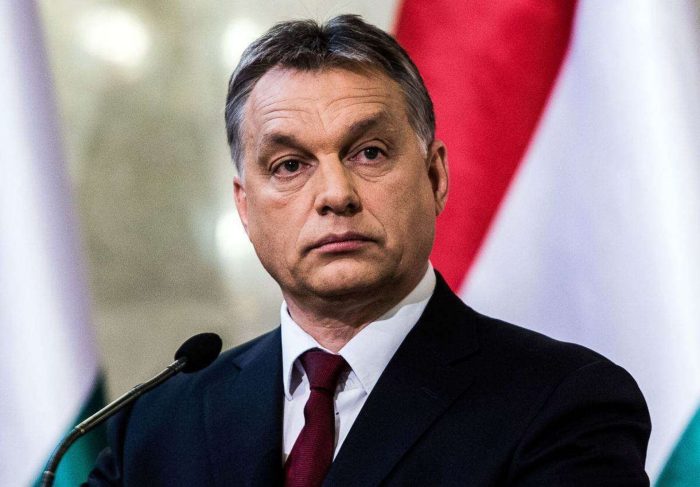
Source: romanialibera.ro
The meeting between Vladimir Putin and Viktor Orbán in Moscow likely served multiple strategic purposes for the Russian President. This encounter, viewed within the context of the ongoing conflict in Ukraine and broader geopolitical dynamics, provides insights into Putin’s objectives and how he aims to achieve them. The meeting offers a glimpse into Russia’s strategic maneuvering on the European stage.
Putin’s Likely Objectives in Meeting with Orbán
The primary objectives for Putin in meeting with Orbán can be understood through several key aspects. These objectives reflect Russia’s broader foreign policy goals and its strategy for influencing the European landscape.
- Demonstration of Continued Influence: The meeting signals that Russia maintains significant influence within the European Union, despite the sanctions and international condemnation related to the war in Ukraine. It showcases that not all EU members are aligned with the prevailing consensus on Russia. This sends a message to other nations, particularly those in the Global South, that Russia is not isolated.
- Undermining European Unity: Putin aims to exploit divisions within the EU. Orbán’s willingness to engage with Putin offers an opportunity to exacerbate existing tensions among member states. This can weaken the EU’s collective response to Russia’s actions and potentially erode support for sanctions and military aid to Ukraine.
- Economic and Energy Security: Russia seeks to maintain its economic ties with Hungary, particularly regarding energy. Orbán’s dependence on Russian gas and oil provides leverage. Putin likely aimed to secure continued energy supply agreements and to explore opportunities for circumventing sanctions through Hungary.
- Information Operations and Propaganda: The meeting provides a platform for Putin to disseminate his narratives about the war in Ukraine and the West’s role in it. He can use the meeting to portray Russia as a victim of Western aggression and to garner support for his perspective. This can be achieved through joint press conferences, official statements, and the selective release of information.
- Strategic Positioning: Putin may have used the meeting to gather intelligence on the internal dynamics of the EU and NATO. Orbán’s position provides insights into potential vulnerabilities and opportunities for Russia to exert influence in the region. This information could be valuable for future strategic planning.
Meeting as Part of Putin’s Broader Strategy in Europe
This meeting aligns with Putin’s broader strategy in Europe, which involves weakening the EU, undermining NATO, and maintaining Russia’s sphere of influence. The strategy leverages various tools, including disinformation, economic pressure, and cultivating relationships with sympathetic leaders.
- Dividing and Conquering: Putin’s strategy relies on exploiting existing divisions within the EU and NATO. By cultivating relationships with leaders like Orbán, he aims to create fissures within these alliances, making them less effective in opposing Russia. This approach is reminiscent of historical strategies of divide and rule, which have been employed by empires throughout history.
- Energy Weaponization: Russia uses its control over energy resources as a tool of political influence. By ensuring that countries like Hungary remain dependent on Russian energy, Putin can exert pressure and ensure that they are less likely to support sanctions or other measures against Russia. This strategy is evident in the ongoing gas supply agreements between Russia and Hungary, even amidst the conflict in Ukraine.
- Information Warfare: Putin’s strategy involves the strategic use of disinformation and propaganda to shape public opinion and undermine support for Ukraine and Western policies. By portraying Russia’s actions in a favorable light and spreading false narratives, Putin aims to erode trust in Western institutions and sow discord within European societies.
- Building Alliances: The meeting with Orbán can be seen as part of a broader effort to build alliances with countries that are either neutral or supportive of Russia’s policies. These alliances can provide Russia with diplomatic support, economic opportunities, and a platform for its narratives.
- Strategic Patience: Putin’s strategy is characterized by strategic patience. He understands that changing the geopolitical landscape takes time and that short-term setbacks are inevitable. He is willing to play the long game, waiting for opportunities to advance his objectives.
Possible Outcomes of the Meeting from Putin’s Perspective
From Putin’s viewpoint, the meeting could yield several positive outcomes, which contribute to his strategic goals. These outcomes are not mutually exclusive and can occur simultaneously.
- Validation of Legitimacy: The meeting with an EU leader offers a degree of legitimacy to Putin’s regime, particularly in the eyes of countries that are hesitant to condemn Russia. This is a crucial victory in the ongoing information war.
- Economic Benefits: The meeting could result in agreements to maintain or expand economic ties with Hungary, ensuring a stable market for Russian goods and services. For example, a continued agreement for Russian gas supply is highly beneficial.
- Erosion of Sanctions: The meeting could contribute to the weakening of sanctions against Russia, as Hungary might resist or circumvent these measures. Any weakening of the EU’s stance on sanctions is considered a win.
- Political Influence: Orbán’s public statements and actions following the meeting could serve to amplify Russia’s narratives and undermine Western policies. This influence can be utilized to sway public opinion.
- Strategic Advantage: The meeting provides Putin with valuable information about the internal dynamics of the EU and NATO. This can inform future strategic decisions and help Russia to exploit vulnerabilities.
Impact on European Unity and Solidarity
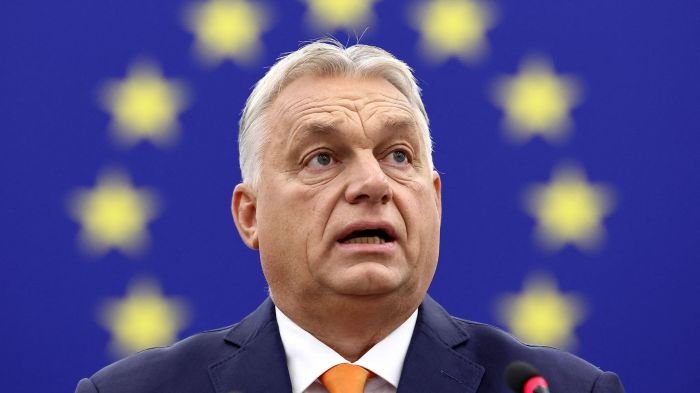
Source: rtbf.be
Viktor Orbán’s continued engagement with Vladimir Putin, particularly his recent visit, has undeniably strained the already complex dynamics within the European Union. His actions have raised significant questions about the bloc’s cohesion and its ability to present a united front, especially concerning the ongoing war in Ukraine. The differing approaches among EU member states towards Russia and Hungary’s distinct stance highlight the challenges to maintaining solidarity.
Challenges to European Unity
Orbán’s actions present several challenges to the unity of the European Union. These challenges stem from his government’s distinct foreign policy orientation and its prioritization of national interests, often at odds with the collective EU stance.
- Divergent Foreign Policy Stances: Hungary has maintained a relatively friendly relationship with Russia, even after the invasion of Ukraine, while other EU members have strongly condemned the aggression. This difference in approach undermines the EU’s unified condemnation and its ability to apply consistent pressure on Russia.
- Undermining Sanctions: Orbán’s government has, at times, resisted or delayed the implementation of EU sanctions against Russia. This has included seeking exemptions for Hungarian energy supplies and delaying the approval of sanctions packages. Such actions weaken the effectiveness of the sanctions regime and create loopholes that Russia can exploit.
- Political Messaging and Propaganda: Hungary’s state-controlled media often presents a narrative that is more favorable to Russia’s position than that of the EU. This contributes to a disinformation campaign that sows division and undermines public support for the EU’s policies.
- Internal Divisions: Orbán’s actions can embolden other Eurosceptic or pro-Russian elements within the EU, contributing to internal divisions and making it more difficult to reach consensus on key foreign policy decisions.
Comparing EU Member States’ Approaches to Russia
EU member states exhibit a range of approaches to Russia, reflecting differing historical experiences, economic interests, and geopolitical priorities. These variations are exacerbated by Hungary’s distinct approach.
- Hawkish Approach: Countries like Poland and the Baltic states (Estonia, Latvia, and Lithuania) have adopted a hawkish approach, advocating for strong sanctions, increased military aid to Ukraine, and a firm stance against Russian aggression. They view Russia as a direct threat and are pushing for a more robust response.
- Moderate Approach: Other countries, such as Germany and France, have taken a more moderate approach, seeking to balance the need to support Ukraine with the need to maintain dialogue with Russia. Their approach has been characterized by a more cautious approach to sanctions and military aid, and a willingness to explore diplomatic solutions.
- Hungary’s Approach: Hungary has maintained a relatively friendly relationship with Russia, often prioritizing its economic interests and energy security over a hardline stance against Moscow. This has led to frequent clashes with other EU members and has undermined the bloc’s unity.
Potential Consequences of a Fractured European Front
A fractured European front regarding the war in Ukraine could have several negative consequences. These consequences would impact the effectiveness of the EU’s response to the conflict and its ability to safeguard its interests.
- Weakened Sanctions: Divisions within the EU could lead to weaker or less effective sanctions against Russia, allowing it to continue financing its war effort. This would prolong the conflict and increase the suffering of the Ukrainian people.
- Reduced Aid to Ukraine: A lack of unity could lead to reduced financial and military aid to Ukraine, making it more difficult for the country to defend itself against Russian aggression.
- Erosion of EU Credibility: A divided EU would lose credibility on the international stage, making it more difficult for the bloc to influence events and protect its interests.
- Increased Russian Influence: A fractured EU would create opportunities for Russia to exert greater influence within the bloc, potentially undermining its democratic values and institutions.
“The unity of the European Union is essential for our ability to respond effectively to the challenges we face, including the war in Ukraine.” – Statement from the European Commission.
Geopolitical Implications and Future Scenarios
The meeting between Viktor Orbán and Vladimir Putin carries significant geopolitical weight, impacting Hungary’s standing on the world stage and potentially reshaping the dynamics of international relations. This visit has far-reaching consequences, particularly concerning Hungary’s relationships with its allies and adversaries, the evolving security landscape in Europe, and the future trajectory of the conflict in Ukraine.
Impact on Hungary’s Relationships
Hungary’s relationship with its European Union partners and the United States is likely to face further strain due to Orbán’s meeting with Putin. The perception of Hungary as a reliable ally within the EU and NATO is being tested.
- EU Relations: The EU’s response is expected to be critical. Hungary’s stance could lead to increased scrutiny of its access to EU funds and potentially trigger further political isolation. This situation could mirror the challenges faced by Poland and other nations that have clashed with the EU on issues of judicial independence and democratic norms. The EU might impose sanctions or limit Hungary’s voting rights, although the unanimity requirement for significant actions presents a hurdle.
- US Relations: The United States, a staunch supporter of Ukraine and a key NATO ally, is likely to view Orbán’s visit with deep concern. The US might impose sanctions or other measures to signal its disapproval, which could further damage the already strained relationship. This aligns with the US’s approach to other nations perceived as undermining Western unity against Russia.
- NATO’s Position: The meeting could create tensions within NATO, particularly if Hungary’s actions are perceived as detrimental to the alliance’s collective security. The alliance’s cohesion could be tested, as it relies on unified support for Ukraine and a united front against Russian aggression. The possibility of Hungary facing pressure from other NATO members to align more closely with the alliance’s objectives is significant.
Future Outcomes and Scenarios
The conflict in Ukraine and the geopolitical implications of Orbán’s actions could unfold in various ways, with differing degrees of escalation or de-escalation. These scenarios highlight potential paths forward.
- Scenario 1: Escalation and Increased Isolation: In this scenario, the conflict intensifies, with further military actions and increased sanctions against Russia. Hungary faces increasing pressure from the EU and the US to align with Western policies. The Hungarian government might face economic consequences, including reduced access to EU funding and decreased foreign investment. Public sentiment could shift as the impact of sanctions and international isolation becomes more apparent.
- Scenario 2: Limited De-escalation and Continued Tensions: A partial de-escalation of the conflict occurs, perhaps with a ceasefire agreement. However, the underlying tensions remain. Hungary maintains its independent stance, but faces ongoing criticism from its allies. The EU and the US might maintain targeted sanctions against Hungary, while seeking to engage in diplomatic efforts to influence Hungary’s policies. This scenario would reflect the current political climate, with a delicate balance between engagement and pressure.
- Scenario 3: Gradual Reconciliation and Shifting Alliances: The conflict de-escalates significantly, leading to a new geopolitical order. Hungary gradually aligns itself with Western policies, seeking to repair its relationships with the EU and the US. This scenario would involve diplomatic efforts to build trust and cooperation. Hungary might play a role in post-conflict reconstruction efforts, leveraging its strategic location and historical ties.
Implications for NATO’s Cohesion and Security
Orbán’s actions raise concerns about NATO’s cohesion and its ability to respond to security threats. The alliance’s unity is essential for deterring Russian aggression and supporting Ukraine.
- Internal Division: Hungary’s close ties with Russia create internal divisions within NATO. This division could weaken the alliance’s ability to make swift decisions and respond effectively to crises. A divided NATO would be less effective in deterring further Russian aggression, potentially emboldening Putin.
- Security Concerns: The visit raises security concerns, particularly regarding intelligence sharing and the potential for Russian influence within NATO. This could compromise the alliance’s ability to protect its members from external threats. NATO might need to reassess its internal security protocols and increase vigilance.
- Strategic Implications: Hungary’s actions could influence the strategic balance in Central Europe. The alliance might need to adjust its military posture and increase its presence in the region to reassure its allies. The implications extend to the security of neighboring countries, especially those bordering Ukraine.
Media Coverage and Public Perception
Source: newsweek.com
The meeting between Viktor Orbán and Vladimir Putin generated a significant amount of media coverage across the globe, leading to varied interpretations and shaping public perception in different regions. This section examines how this event was portrayed in various international media outlets, its potential effects on public opinion, and the key arguments presented by different sources.
International Media Coverage Examples
The meeting’s coverage varied widely depending on the media outlet’s political stance and geographic location. For instance, state-controlled Russian media, such as RT and Sputnik, generally presented the meeting as a success, highlighting the strengthening of bilateral ties and portraying Orbán as a leader who prioritizes national interests and open dialogue. Western media, on the other hand, often took a more critical approach.
- Western Media: Publications like The New York Times and The Guardian often framed the meeting within the context of the ongoing war in Ukraine, highlighting Orbán’s perceived reluctance to fully support EU sanctions against Russia. They emphasized the potential for Orbán’s actions to undermine European unity.
- Central and Eastern European Media: Media outlets in countries bordering Ukraine, such as Poland and the Baltic states, tended to express concerns about the meeting, viewing it as a sign of Orbán’s willingness to engage with a leader widely condemned for aggression. They frequently quoted statements from other European leaders criticizing the meeting.
- Hungarian Media: The coverage within Hungary was also diverse. Pro-government media outlets typically presented the meeting as a demonstration of Hungary’s independent foreign policy and its commitment to maintaining pragmatic relations with all countries. Independent media outlets, however, often raised questions about the potential implications for Hungary’s relationship with the EU and its international standing.
Potential Effects on Public Perception
The media coverage significantly influenced public perception, both within Hungary and across Europe. In Hungary, the government’s narrative, amplified by supportive media, likely resonated with segments of the population who prioritize national sovereignty and economic pragmatism. Conversely, those critical of the government may have become further alienated, perceiving the meeting as a betrayal of European values and solidarity.Across Europe, the meeting likely reinforced existing divisions.
Public opinion in countries already skeptical of Orbán’s government probably hardened. In contrast, in countries with more nuanced views on Russia, the meeting might have fueled debates about the appropriate approach to relations with Moscow.
Main Arguments Presented by Different Media Sources
The arguments presented by different media sources revolved around several key themes. The following bullet points summarize the main viewpoints:
- Pro-Orbán Media: They emphasized Hungary’s sovereignty and its right to pursue an independent foreign policy. They often highlighted the importance of maintaining dialogue with Russia for economic and energy security reasons. They presented the meeting as a successful diplomatic endeavor.
- Critical Media: These outlets focused on Orbán’s perceived alignment with Putin, questioning his commitment to European values and solidarity with Ukraine. They often cited concerns about Hungary’s potential isolation within the EU and the weakening of the bloc’s stance against Russia.
- Neutral or Mixed Reporting: Some media outlets attempted to present a balanced view, acknowledging the complexities of the situation. They provided factual reporting on the meeting while also including perspectives from various stakeholders, including government officials, political analysts, and members of the public.
Final Wrap-Up
In conclusion, the meeting between Orban and Putin serves as a stark reminder of the complexities of international relations in a time of crisis. The visit underscores the challenges to European unity and solidarity, while highlighting the importance of understanding diverse perspectives and strategic interests. The future remains uncertain, but one thing is clear: the implications of this meeting will continue to resonate across the geopolitical landscape for some time to come.
General Inquiries
Why did Orban choose to visit Putin at this specific time?
The timing is significant due to the ongoing war in Ukraine. Orban’s visit could be seen as a signal of Hungary’s continued relationship with Russia, potentially undermining the united front against the invasion. It could also be a calculated move to secure favorable terms on energy supplies or other economic benefits.
What are the main criticisms leveled against Orban for this meeting?
Critics accuse Orban of weakening the EU’s stance against Russia, potentially emboldening Putin, and undermining the sanctions imposed on Russia. They also point to the optics of the visit, which could be perceived as a tacit endorsement of Russia’s actions in Ukraine.
How has this meeting affected Hungary’s relationship with other EU member states?
The visit has further strained Hungary’s relations with many EU member states, particularly those that strongly support Ukraine and condemn Russia’s actions. It has amplified existing concerns about Hungary’s commitment to European values and its alignment with the EU’s foreign policy objectives.
What are the potential economic benefits for Hungary in maintaining ties with Russia?
Hungary relies heavily on Russian energy, particularly natural gas. Maintaining a strong relationship with Russia could ensure a steady supply of energy at potentially favorable prices. It also provides opportunities for trade and investment in certain sectors.
What is the impact of this meeting on NATO’s cohesion?
The meeting could create further division within NATO, especially since Hungary is a member. It can raise questions about information sharing, collective defense commitments, and overall alliance solidarity, particularly regarding Russia.