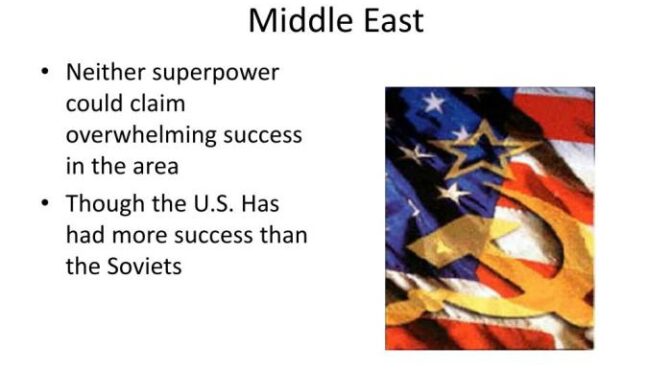
The Middle East, a region steeped in history and rich in resources, has long been a focal point for global powers. From ancient empires to modern-day players, the allure of the region’s strategic location and vast reserves has drawn external actors into a complex dance of influence and competition. This exploration delves into the intricate dynamics of these power struggles, examining the motivations, strategies, and consequences of external involvement in the Middle East.
We’ll unpack the historical context, analyze the actors involved, and dissect the economic, military, and cultural dimensions of their engagement. This journey will uncover the impact on regional stability, the emergence of new alliances and rivalries, and the long-term implications for the region and the world at large. Prepare to understand the nuances of this dynamic and often volatile geopolitical landscape.
Historical Context of Power Dynamics in the Middle East
The Middle East, a region of immense strategic importance, has been a crucible of empires and a battleground for competing interests for millennia. Understanding the historical context of power dynamics is crucial to grasping the complexities of the modern Middle East. The region’s rich resources, geographical location, and diverse populations have made it a focal point for external powers seeking influence and control.
Major Empires and Historical Influences
The Middle East’s history is marked by the rise and fall of powerful empires that shaped its cultural, political, and economic landscapes. These empires left indelible marks on the region, influencing its languages, religions, legal systems, and social structures.
- Ancient Civilizations: The region was the cradle of civilization, home to the Sumerians, Babylonians, Assyrians, and Egyptians. These early empires developed sophisticated systems of governance, writing, and agriculture.
- Persian Empires: The Achaemenid, Parthian, and Sasanian Empires, centered in Persia (modern-day Iran), exerted significant influence over the Middle East for centuries. They controlled vast territories and clashed with other powers, shaping the region’s political boundaries.
- The Roman and Byzantine Empires: The Roman Empire expanded into the eastern Mediterranean, incorporating parts of the Middle East. After the empire’s division, the Byzantine Empire, with its capital in Constantinople, continued to exert influence, particularly in the Levant and Egypt.
- The Islamic Caliphates: The rise of Islam in the 7th century CE led to the rapid expansion of the Arab Empire, which encompassed a vast territory stretching from Spain to India. The Umayyad, Abbasid, and Fatimid Caliphates established sophisticated administrative systems, fostered scientific and cultural advancements, and left a lasting legacy on the region’s culture and identity.
- The Ottoman Empire: The Ottoman Empire, which emerged in the late 13th century, dominated the Middle East for over six centuries. It controlled vast territories, including much of the Eastern Mediterranean, North Africa, and the Balkans. The Ottomans’ influence shaped the region’s political, legal, and social institutions until the early 20th century.
Shifting Influence in the 20th and 21st Centuries
The 20th and 21st centuries witnessed a dramatic shift in power dynamics in the Middle East. The decline of European influence, coupled with the rise of new global actors, fundamentally altered the region’s political landscape.
- The Decline of European Powers: The collapse of the Ottoman Empire after World War I paved the way for the European powers, particularly Britain and France, to exert greater control over the region through mandates and protectorates. However, the post-World War II era saw a decline in European influence due to factors like the rise of nationalism, the weakening of colonial powers, and the emergence of the United States and the Soviet Union as superpowers.
- The Rise of the United States: The United States gradually increased its influence in the Middle East, particularly after World War II. Its interests were driven by strategic considerations, including access to oil resources and the containment of Soviet influence. The US forged alliances with key regional actors and became deeply involved in the region’s political and economic affairs.
- The Soviet Union’s Involvement: The Soviet Union sought to expand its influence in the Middle East during the Cold War. It supported nationalist and socialist movements, providing military and economic aid to countries like Egypt, Syria, and Iraq. The Soviet Union’s involvement added another layer of complexity to the region’s power dynamics.
- The Emergence of Regional Powers: The 20th and 21st centuries also witnessed the rise of regional powers, such as Iran, Saudi Arabia, and Turkey, which sought to assert their influence and pursue their own strategic interests. These countries often competed for regional dominance, contributing to proxy conflicts and geopolitical tensions.
- The Role of Non-State Actors: The rise of non-state actors, such as militant groups and transnational organizations, further complicated the power dynamics in the Middle East. These actors often challenge state authority and contribute to instability and conflict. Examples include groups like Hezbollah, Hamas, and ISIS.
The Role of Colonialism and its Lasting Impact
Colonialism had a profound and lasting impact on the political landscape of the Middle East. The arbitrary drawing of borders, the imposition of foreign rule, and the exploitation of resources created deep-seated grievances and shaped the region’s political and social structures.
- The Mandate System: After World War I, the victorious Allied powers, particularly Britain and France, established mandates over the former Ottoman territories. These mandates, ostensibly designed to guide these territories toward independence, allowed European powers to control the region’s resources and influence its political development.
- Artificial Borders: The European powers often drew borders without regard for existing ethnic, religious, or tribal divisions. This created artificial states that lacked a strong sense of national identity and often led to internal conflicts and border disputes. The Sykes-Picot Agreement of 1916, a secret agreement between Britain and France, is a prime example of this arbitrary division.
- Economic Exploitation: Colonial powers exploited the region’s resources, particularly oil, for their own economic benefit. This created economic dependencies and inequalities that continue to affect the region today. The exploitation of oil resources by Western companies, often with the support of local elites, fueled resentment and nationalist movements.
- Legacy of Political Instability: Colonialism contributed to political instability by creating authoritarian regimes, suppressing dissent, and fostering a culture of mistrust. The legacy of colonialism continues to shape the region’s political landscape, contributing to ongoing conflicts and challenges to governance.
- The Rise of Nationalism: Colonial rule also fueled the rise of nationalism and independence movements. Nationalist leaders challenged European control and sought to establish independent states. These movements, often inspired by pan-Arabism or other ideologies, played a key role in shaping the region’s political development.
Spheres of Influence during the Interwar Period (1918-1939)
The interwar period (1918-1939) saw a complex interplay of influence in the Middle East, primarily dominated by Britain and France, but with other actors vying for power and control. This period set the stage for many of the conflicts and challenges that persist in the region today.
| Power | Sphere of Influence | Key Interests | Methods of Control |
|---|---|---|---|
| Great Britain | Iraq, Palestine, Transjordan, Egypt (formally independent but under British influence), Aden, and significant influence in the Persian Gulf states. | Protecting trade routes (particularly the Suez Canal), securing oil resources, maintaining strategic dominance, and containing Soviet influence. | Mandate system, military presence, economic leverage, political alliances with local elites, and indirect rule in some areas. |
| France | Syria and Lebanon (mandates). | Securing its colonial possessions, protecting French commercial interests, and maintaining its strategic position in the Mediterranean. | Mandate system, military presence, economic exploitation, and support for minority communities to maintain control. |
| Soviet Union | Limited direct influence, but supported communist and nationalist movements in countries like Turkey and Persia (Iran). | Challenging Western influence, expanding its ideological reach, and securing access to resources. | Propaganda, economic aid, support for leftist movements, and covert operations. |
| Italy | Libya (colony) and sought to expand its influence in the Horn of Africa and the Mediterranean. | Establishing a colonial empire, accessing resources, and challenging British and French dominance. | Military force, colonial administration, and propaganda. |
Defining “Muscling In”
Source: peoplesworld.org
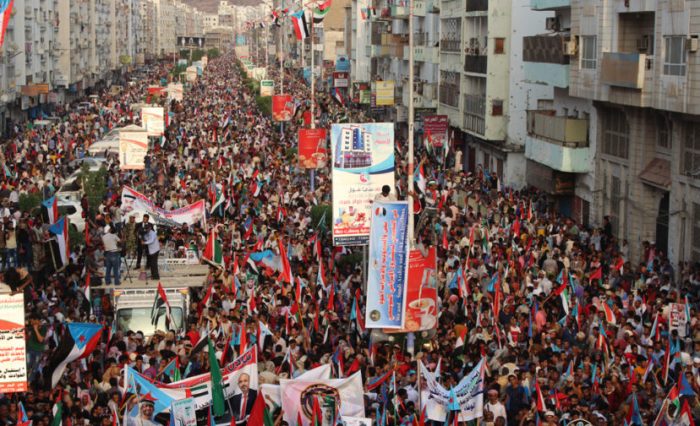
The phrase “muscling in” in the context of the Middle East refers to the assertive and often strategic expansion of influence by various external actors. This involves a range of activities, from economic investment and military presence to diplomatic maneuvering and cultural initiatives, all aimed at shaping the region’s political and economic landscape. This section will delve into the key players perceived as engaging in this behavior, the tactics they employ, and the specific actions they undertake.
Key Actors “Muscling In”
Several nations and entities are actively involved in expanding their influence in the Middle East. These actors employ a variety of strategies to achieve their goals, often overlapping and competing with one another.
- United States: The U.S. has a long-standing presence in the Middle East, with its influence stemming from military alliances, economic partnerships, and diplomatic engagement.
- Russia: Russia has increased its presence in the region through military support, arms sales, and diplomatic efforts, particularly in Syria.
- China: China’s influence is primarily driven by economic investments, particularly through its Belt and Road Initiative, and its growing trade relationships.
- Iran: Iran’s influence is exerted through support for regional proxies, military assistance, and diplomatic efforts.
- Turkey: Turkey’s involvement is characterized by military interventions, support for certain political factions, and economic partnerships.
- Saudi Arabia and the United Arab Emirates: These Gulf states are actively involved through economic investments, diplomatic efforts, and military actions, particularly in Yemen and other regional conflicts.
Actions and Strategies Employed
The actors identified above utilize a diverse set of strategies to exert their influence. These strategies are often interconnected and pursued concurrently.
- Military Presence and Intervention: This involves deploying troops, establishing military bases, providing military assistance, and engaging in military operations. Examples include the U.S. military presence in Iraq and Syria, and Russia’s military intervention in Syria.
- Economic Investments and Trade: This strategy focuses on providing financial aid, investing in infrastructure projects, and establishing trade agreements. China’s Belt and Road Initiative is a prime example, with significant investments in ports, railways, and other infrastructure projects across the Middle East.
- Diplomatic Engagement and Alliances: This involves forming strategic partnerships, mediating conflicts, and supporting specific political factions. Russia’s diplomatic efforts to mediate the Syrian civil war and the U.S.’s alliances with Gulf states are examples.
- Support for Proxies and Non-State Actors: This involves providing financial, military, and political support to non-state actors and regional proxies. Iran’s support for Hezbollah in Lebanon and various militias in Iraq exemplifies this.
- Arms Sales: This involves selling military equipment to regional actors. The U.S. and Russia are major arms suppliers to the Middle East, with significant sales to countries like Saudi Arabia and the UAE.
Economic, Military, and Diplomatic Initiatives
The following are specific examples of initiatives undertaken by the actors previously mentioned:
- Economic:
- China’s investments in port infrastructure in countries like Egypt (Suez Canal), and the UAE (Dubai). These investments facilitate trade and enhance China’s economic footprint in the region.
- The U.S. government provides significant economic aid to countries like Egypt and Jordan, supporting their economic development and stability.
- Saudi Arabia and the UAE’s investments in various sectors across the region, including real estate, tourism, and energy, aimed at diversifying their economies and increasing their influence.
- Military:
- The U.S. maintains military bases in several countries, including Qatar, Bahrain, and the UAE, and conducts military operations and training exercises in the region.
- Russia’s military intervention in Syria, supporting the Assad regime and establishing a permanent military presence.
- Turkey’s military operations in Syria and Iraq, targeting Kurdish groups and expanding its influence in those areas.
- Diplomatic:
- The U.S. brokered the Abraham Accords, normalizing relations between Israel and several Arab nations, aiming to reshape the regional political landscape.
- Russia’s diplomatic efforts to mediate the Syrian civil war, hosting peace talks and maintaining close ties with the Syrian government.
- China’s increasing diplomatic engagement with Middle Eastern countries, including high-level visits and participation in regional forums.
Soft power initiatives are also employed. These initiatives are often used in conjunction with other strategies to enhance a nation’s influence.
- Cultural Exchange Programs: Promoting cultural understanding through exchange programs, educational initiatives, and cultural centers.
- Educational Scholarships: Offering scholarships to students from Middle Eastern countries to study abroad.
- Media and Public Diplomacy: Utilizing media outlets and public diplomacy efforts to shape perceptions and promote a positive image.
- Humanitarian Aid: Providing humanitarian assistance during crises to build goodwill and demonstrate compassion.
Motivations and Objectives of External Powers

Source: iemed.org
External powers have long been drawn to the Middle East, driven by a complex web of strategic, economic, and ideological factors. These motivations have shaped their involvement in the region, influencing political alliances, military interventions, and economic policies. Understanding these drivers is crucial to grasping the dynamics of power and conflict in the Middle East.
Strategic Objectives
The primary strategic objectives of external powers in the Middle East often revolve around maintaining or expanding their influence, securing regional stability (as defined by their own interests), and countering the influence of rival powers. This often translates into:* Geopolitical Positioning: The Middle East’s strategic location, at the crossroads of Europe, Asia, and Africa, makes it a vital region for global power projection.
Controlling or influencing key waterways, such as the Suez Canal and the Strait of Hormuz, allows for control over crucial trade routes and access to resources.
Counter-Terrorism
Following the September 11th attacks, the fight against terrorism became a major strategic objective for many external powers, particularly the United States. This objective has led to military interventions, intelligence gathering, and the establishment of alliances with regional partners. The focus is often on preventing terrorist groups from gaining a foothold and destabilizing the region, which could then impact their own countries.
Containment of Rivals
External powers often seek to contain the influence of rival states in the region. This might involve supporting opposing factions in proxy wars, providing military and economic aid to allies, or engaging in diplomatic maneuvers to isolate adversaries. For example, the United States and its allies have historically sought to contain the influence of Iran, a perceived regional rival.
Maintaining Access and Influence
Securing access to the region’s resources and maintaining influence over regional governments are significant strategic goals. This can involve establishing military bases, forging strong diplomatic ties, and providing economic assistance conditioned on political alignment.
Economic Interests
Economic interests are a significant driver of external powers’ involvement in the Middle East. The region’s vast oil and natural gas reserves, in particular, have been a major attraction. However, economic motivations extend beyond energy:* Energy Resources: The Middle East holds a significant portion of the world’s proven oil and natural gas reserves. Securing access to these resources and ensuring their reliable supply are paramount for many industrialized nations.
Fluctuations in oil prices and disruptions to supply can have significant impacts on global economies.
Trade and Investment
The Middle East offers opportunities for trade and investment. External powers seek to establish trade agreements, invest in infrastructure projects, and access regional markets. This can lead to increased economic growth and influence in the region.
Arms Sales
The Middle East is a major market for arms sales. External powers, particularly the United States, Russia, and European countries, profit from selling military equipment to regional states. This creates economic benefits and strengthens political relationships.
Construction and Infrastructure
There are opportunities for construction and infrastructure development, especially in countries with significant oil revenues. External powers compete for contracts to build roads, ports, airports, and other essential infrastructure projects.
Ideological and Religious Factors
Ideological and religious factors also play a role in shaping the motivations of external powers. While less prominent than economic and strategic considerations, these factors can influence policy decisions and public perceptions:* Promotion of Democracy and Human Rights: Some external powers, particularly Western nations, have cited the promotion of democracy and human rights as a justification for their involvement in the Middle East.
This can be used to legitimize interventions and support for specific political factions.
Support for Specific Religious or Sectarian Groups
External powers may support specific religious or sectarian groups in the region for ideological or strategic reasons. This can involve providing financial or military assistance to groups aligned with their interests.
Cultural Influence
External powers may seek to promote their culture and values in the Middle East through educational programs, cultural exchanges, and media influence. This can help to shape public opinion and foster closer ties.
Resource-Related Interests
The following is a list of major resource-related interests of external actors in the Middle East:
- Oil and Natural Gas: Securing access to and controlling the flow of oil and natural gas is a primary objective. This includes ensuring stable supplies, influencing pricing, and controlling infrastructure (pipelines, ports, etc.).
- Water Resources: Water scarcity is a growing concern in the Middle East. External powers may seek to influence water management policies, support water infrastructure projects, and secure access to water resources, especially in shared river basins.
- Minerals and Metals: The Middle East is rich in various minerals and metals, such as phosphates, copper, and gold. External powers may be interested in exploiting these resources through investment and trade.
- Strategic Minerals: Some resources, like rare earth elements, are critical for advanced technologies. External powers may seek to secure access to these strategic minerals.
- Agricultural Resources: External powers may invest in agriculture and food production in the Middle East to ensure food security and secure trade opportunities.
Regional Reactions and Responses
The increased presence of external powers in the Middle East has elicited a complex web of reactions from regional actors. These responses, driven by a variety of factors including national interests, historical grievances, and ideological alignments, have shaped the region’s political landscape. The strategies employed by Middle Eastern countries range from outright resistance to pragmatic collaboration, resulting in shifting alliances and intensified rivalries.
Understanding these dynamics is crucial for grasping the current state of affairs and anticipating future developments in the region.
Strategies of Regional Actors
Middle Eastern countries have adopted diverse strategies to navigate the influence of external powers. These strategies are often tailored to each nation’s specific circumstances, resources, and geopolitical position. Some nations prioritize maintaining sovereignty and resisting external interference, while others seek to leverage external relationships to advance their own interests, even if it means accepting a degree of influence.
- Resistance and Non-Alignment: Some countries, traditionally those with a strong sense of national identity or a history of resisting foreign influence, have adopted strategies of resistance or non-alignment. This may involve:
- Military build-up: Investing heavily in their own armed forces to deter external aggression.
- Diplomatic maneuvering: Cultivating relationships with multiple external powers to avoid over-reliance on any single actor.
- Support for proxy groups: Providing support to non-state actors that are aligned with their interests and can act as a check on external influence.
These countries often emphasize self-reliance and national unity.
- Pragmatic Collaboration: Other countries have chosen to collaborate with external powers, often for economic or security reasons. This may involve:
- Economic partnerships: Seeking foreign investment and trade agreements to boost their economies.
- Military alliances: Forming alliances with external powers to enhance their security and deter regional rivals.
- Accepting military presence: Allowing external powers to establish military bases or deploy troops on their territory.
These countries often prioritize stability and economic development, even if it means accepting a degree of external influence.
- Balancing and Hedging: Many countries employ a balancing act, seeking to maintain relationships with multiple external powers to avoid being overly dependent on any one. This strategy often involves:
- Diversifying partnerships: Cultivating relationships with both Western and Eastern powers.
- Playing external powers against each other: Leveraging rivalries between external powers to gain concessions or maintain autonomy.
- Maintaining flexibility: Being willing to shift alliances based on changing geopolitical circumstances.
This approach allows countries to maximize their leverage and protect their interests in a dynamic environment.
Emergence and Intensification of Alliances and Rivalries
External involvement in the Middle East has significantly reshaped the region’s alliances and rivalries. The influx of external powers has often exacerbated existing tensions and created new fault lines, leading to complex and fluid relationships between regional actors. These alliances and rivalries are frequently based on a combination of factors, including ideological affinity, strategic interests, and historical animosities.
- Sunni-Shia Divide: The rivalry between Saudi Arabia and Iran, often framed as a Sunni-Shia conflict, has been a major driver of regional dynamics. External powers have often aligned themselves with one side or the other, further intensifying the rivalry. For instance, the United States and its allies have historically supported Saudi Arabia, while Russia and China have maintained close ties with Iran.
This has led to proxy conflicts in countries like Yemen and Syria, where regional powers support opposing sides.
- Arab-Israeli Conflict: The Arab-Israeli conflict remains a significant factor in regional politics. External powers have long played a role in this conflict, with the United States being a key ally of Israel and other powers supporting various Arab states or Palestinian factions. Recent shifts in alliances, such as the Abraham Accords, have demonstrated the evolving nature of this conflict and the influence of external powers in shaping regional relationships.
- Intra-Arab Rivalries: Competition among Arab states, such as the rivalry between Saudi Arabia and the United Arab Emirates (UAE), or the Qatar diplomatic crisis, have also been influenced by external powers. These rivalries are often fueled by differing visions for the region’s future, economic competition, and strategic interests. External powers have often exploited these divisions to advance their own agendas.
- New Alliances: The evolving geopolitical landscape has witnessed the emergence of new alliances. The Shanghai Cooperation Organisation (SCO), for example, includes China, Russia, and several Central Asian states, and has sought to expand its influence in the Middle East. Similarly, the growing cooperation between Turkey and Qatar, often at odds with Saudi Arabia and the UAE, reflects a shift in regional power dynamics.
Examples of Regional Resistance and Collaboration
The following examples illustrate the diverse ways in which Middle Eastern countries have responded to external involvement. These examples showcase both instances of resistance and collaboration, highlighting the complex and multifaceted nature of regional responses.
- Resistance:
- Hizbullah in Lebanon: Hizbullah, a Lebanese political and paramilitary organization, has resisted Israeli influence and fought against foreign intervention in Lebanon. It has received support from Iran and other regional actors, and its actions have significantly shaped the country’s political landscape.
- Houthis in Yemen: The Houthi movement in Yemen has resisted Saudi Arabian and Emirati influence, as well as the intervention of external powers in the Yemeni civil war. Their actions have resulted in a protracted and devastating conflict.
- Palestinian Resistance Groups: Various Palestinian resistance groups, such as Hamas and Palestinian Islamic Jihad, have engaged in armed resistance against Israeli occupation and influence. They have received support from various regional actors, contributing to the ongoing Israeli-Palestinian conflict.
- Collaboration:
- Saudi Arabia and the United States: Saudi Arabia has maintained a close strategic alliance with the United States, collaborating on security, economic, and political issues. This alliance has shaped regional dynamics and has been a cornerstone of US policy in the Middle East for decades.
- Egypt and the United States: Egypt has received significant military and economic aid from the United States, and the two countries have cooperated on counterterrorism and regional security issues. This collaboration has been a significant factor in Egypt’s regional role.
- UAE and Western Powers: The United Arab Emirates has cultivated close relationships with Western powers, including the United States, France, and the United Kingdom, collaborating on security, economic, and diplomatic fronts. The UAE has also been a key partner in counterterrorism efforts and has played an active role in regional conflicts.
Economic Dimensions of External Involvement
External powers’ engagement in the Middle East is significantly shaped by economic factors. Investments, trade, and financial relationships are crucial tools for these powers to exert influence and achieve their strategic goals. These economic interactions have profound consequences for the region’s economies, societies, and political landscapes.
Types of Economic Investments and Trade Relationships
External powers utilize various economic instruments to engage with the Middle East. These strategies often involve a combination of investments, trade agreements, and financial assistance, tailored to serve the interests of the involved nations.
- Foreign Direct Investment (FDI): This encompasses investments in various sectors, including oil and gas, infrastructure, real estate, and manufacturing. FDI provides capital, technology transfer, and job creation, but it can also lead to economic dependence. For example, China’s significant investments in infrastructure projects like ports and railways across the Middle East exemplify this.
- Trade Agreements: Bilateral and multilateral trade agreements are used to facilitate the exchange of goods and services. These agreements can lower tariffs, reduce trade barriers, and promote economic integration. The United States has free trade agreements with several Middle Eastern countries, impacting trade flows and economic relationships.
- Financial Aid and Loans: External powers provide financial assistance through loans, grants, and development aid. This can be used to support infrastructure projects, social programs, and economic reforms. The International Monetary Fund (IMF) and the World Bank often provide loans to Middle Eastern countries, sometimes with conditions attached that influence economic policies.
- Arms Sales: The sale of military equipment is a significant economic activity. Arms sales generate revenue for the exporting countries and strengthen military capabilities in the region. The United States, Russia, and European countries are major arms exporters to the Middle East, with Saudi Arabia being a large recipient.
Impact of Economic Activities on Local Economies and Populations
The economic activities of external powers have multifaceted effects on the economies and populations of the Middle East. These impacts range from positive developments like infrastructure improvements to negative consequences such as economic dependence and social inequality.
- Economic Growth and Development: Investments in infrastructure, such as ports, roads, and energy projects, can stimulate economic growth and create employment opportunities. However, the benefits are not always evenly distributed.
- Resource Dependence: The focus on extracting and exporting natural resources, particularly oil and gas, can lead to economic dependence on global commodity prices and create vulnerabilities to market fluctuations.
- Job Creation and Labor Markets: Foreign investments can create jobs, but they can also displace local industries and lead to reliance on foreign labor. For example, large construction projects often involve importing labor, affecting local employment opportunities.
- Social Inequality: The concentration of wealth and economic opportunities in specific sectors or regions can exacerbate social inequality. This can lead to social unrest and political instability.
- Environmental Impact: Economic activities, such as oil extraction and industrial development, can have negative environmental consequences, including pollution and resource depletion.
How Economic Relationships Shape Political Influence
Economic relationships are a powerful tool for external powers to exert political influence in the Middle East. Economic leverage can be used to advance strategic interests, shape political outcomes, and influence domestic policies.
- Conditional Aid and Loans: External powers often attach conditions to financial aid and loans, requiring recipient countries to implement specific economic or political reforms. This can influence domestic policies and governance.
- Trade Leverage: Trade agreements and trade policies can be used to pressure countries to adopt specific political stances or to punish them for actions deemed unfavorable. For instance, trade sanctions have been used to isolate countries and pressure them to change their behavior.
- Investment Influence: Foreign investments can be used to gain access to strategic resources, secure political alliances, and influence policy decisions. Investors may exert pressure on governments to protect their investments.
- Arms Sales and Military Support: The provision of military equipment and support can create dependencies and influence political decision-making. Arms sales can strengthen military alliances and enhance the political influence of the exporting country.
- Economic Sanctions: Economic sanctions are a tool used to pressure countries to change their behavior. These sanctions can restrict trade, financial transactions, and other economic activities, significantly impacting the targeted country’s economy and potentially leading to political instability.
Examples of Economic Leverage Used by External Powers
The following table provides examples of how economic leverage is utilized by external powers in the Middle East.
| External Power | Economic Leverage | Example |
|---|---|---|
| United States | Trade Agreements and Sanctions | The United States has used free trade agreements to promote its economic interests in the region. It has also imposed sanctions on countries like Iran, impacting their economy and political influence. |
| China | Investment and Infrastructure Development | China invests heavily in infrastructure projects, such as ports and railways, throughout the Middle East. These investments enhance China’s economic presence and political influence, as seen in its Belt and Road Initiative projects. |
| Russia | Arms Sales and Energy Cooperation | Russia provides arms and engages in energy cooperation, particularly with countries like Syria and Iran. These relationships strengthen Russia’s political and military influence in the region. |
Military Presence and Security Implications
The Middle East has long been a region of strategic importance, attracting significant military presence from external powers. This presence, manifested through bases, deployments, and security agreements, profoundly impacts regional stability and fuels various conflicts. Understanding these dynamics is crucial to comprehending the complexities of power struggles in the region.
Military Bases, Deployments, and Security Agreements
External powers maintain a considerable military footprint in the Middle East, leveraging bases and deployments to project power and safeguard their interests. These arrangements often involve security agreements with regional states.The United States maintains a substantial military presence, with key bases like:* Al Udeid Air Base, Qatar: This base serves as a major hub for U.S. air operations in the region, including operations against ISIS.
It is one of the largest U.S. military installations globally.
Prince Sultan Air Base, Saudi Arabia
This base has seen increased U.S. activity in recent years, reflecting shifting geopolitical dynamics and concerns about regional security.
Naval Support Activity Bahrain
Home to the U.S. Navy’s Fifth Fleet, this base plays a critical role in maritime security in the Persian Gulf.Russia has also expanded its military presence, primarily through its support for the Syrian government:* Khmeimim Air Base, Syria: This base is a critical Russian air operations center, supporting the Syrian government in its civil war.
Tartus Naval Base, Syria
Russia’s only naval base in the Mediterranean Sea, providing a strategic foothold in the region.Other countries, like France and the United Kingdom, maintain smaller bases and deployments, often tied to specific security agreements or counter-terrorism operations. These deployments can be temporary, such as for training exercises, or more permanent, as part of ongoing security partnerships. These agreements often involve provisions for military cooperation, intelligence sharing, and arms sales.
Impact of Military Activities on Regional Stability and Conflicts
The presence and activities of external military forces significantly influence regional stability and the trajectory of conflicts. The introduction of external actors can escalate existing tensions, fuel proxy wars, and complicate efforts toward peaceful resolutions.The U.S. involvement in the Iraq War, for example, destabilized the region, creating a power vacuum that facilitated the rise of extremist groups like ISIS. Similarly, the ongoing civil war in Yemen, which has drawn in Saudi Arabia and the United Arab Emirates with support from the U.S., illustrates how external involvement can prolong and intensify conflicts.The presence of competing external powers can also create a volatile environment, as seen in Syria, where the U.S., Russia, Iran, and Turkey have all been involved, often with conflicting objectives.
This complex interplay of interests can make it difficult to de-escalate conflicts and achieve lasting peace.
Support and Undermining of Local Security Forces
External powers have a mixed record when it comes to supporting or undermining local security forces. While some assistance can enhance the capabilities of these forces, it can also lead to dependency, corruption, and human rights abuses.* Training and Equipment: External powers often provide training, equipment, and financial assistance to local security forces. The U.S., for example, has provided significant military aid to countries like Egypt, Israel, and Saudi Arabia.
Dependency and Control
Over-reliance on external support can create dependency, making local forces vulnerable to external influence. This can undermine national sovereignty and lead to decisions that are not in the best interests of the local population.
Human Rights Concerns
External support can sometimes be linked to human rights abuses. When security forces are not held accountable, the provision of weapons and training can inadvertently contribute to violence against civilians.
Examples
The U.S. support for the Iraqi Security Forces, despite known issues with corruption and sectarianism, is a case in point. Conversely, the U.S. has also provided support to the Lebanese Armed Forces, which has helped stabilize the country.
Major Military Conflicts Since 2000 and External Actors Involved
The Middle East has witnessed numerous major military conflicts since 2000, each involving various external actors with varying levels of involvement.* 2001-2021: War in Afghanistan:
External Actors
United States, NATO (primarily), other coalition partners (UK, Australia, Canada, etc.)
Involved Parties
Taliban, Afghan government.
2003-2011
Iraq War:
External Actors
United States, United Kingdom, Australia, and other coalition partners.
Involved Parties
Iraqi government, various insurgent groups, and al-Qaeda in Iraq (later ISIS).
2006
Lebanon War:
External Actors
Israel, supported by the United States.
Involved Parties
Hezbollah, Lebanese government.
2011-Present
Syrian Civil War:
External Actors
Russia, Iran (supporting the Syrian government); United States, Turkey, Saudi Arabia, Qatar (supporting various rebel groups).
Involved Parties
Syrian government, various rebel groups, ISIS, Kurdish forces.
2015-Present
Yemen Civil War:
External Actors
Saudi Arabia, United Arab Emirates (with support from the United States, United Kingdom, and France); Iran (supporting the Houthi rebels).
Involved Parties
Houthi rebels, Yemeni government.
Various Conflicts Against ISIS
External Actors
United States, Russia, France, United Kingdom, and various regional partners.
Involved Parties
ISIS, Iraqi Security Forces, Syrian Democratic Forces, and other local and international actors.These conflicts highlight the complex interplay of internal and external factors, with external powers often exacerbating existing tensions and complicating efforts to achieve lasting peace.
Geopolitical Implications and Shifting Alliances
External involvement in the Middle East is a complex dance, constantly reshaping the region’s power dynamics. The influx of external actors, each with their own agendas, has created a volatile environment where alliances shift, rivalries intensify, and the potential for conflict simmers. Understanding these geopolitical implications is crucial to grasping the long-term consequences for both the Middle East and the wider world.The Middle East’s geopolitical landscape is undergoing a dramatic transformation, driven by the actions of external powers.
These actors, ranging from global superpowers to regional players, are vying for influence, resources, and strategic advantage. This competition is not just about direct military confrontation; it also involves economic maneuvering, diplomatic pressure, and the support of proxy forces.
Reshaping the Balance of Power
The traditional balance of power in the Middle East, once largely defined by the rivalry between Saudi Arabia and Iran, is now being complicated by the involvement of the United States, Russia, China, and other external actors. These powers are not only supporting different sides in regional conflicts but also building their own networks of alliances. This has led to a fragmentation of power, with multiple centers of influence and a greater degree of uncertainty.
- United States: The U.S. continues to exert significant influence, primarily through military presence, arms sales, and diplomatic engagement. Its relationships with Saudi Arabia, the UAE, and Israel are central to its strategy, though it is also navigating complex relationships with Iran and other regional players.
- Russia: Russia has increased its presence, particularly in Syria, where it supports the Assad regime. Its involvement provides it with a strategic foothold in the Eastern Mediterranean and allows it to challenge U.S. influence. Russia also cultivates relationships with countries like Iran and Turkey, creating a web of alliances that challenge existing power structures.
- China: China’s influence is growing through economic investments, particularly through the Belt and Road Initiative. While its military presence is less pronounced than that of the U.S. or Russia, its economic clout gives it significant leverage. China is investing heavily in infrastructure projects across the region and is a major importer of Middle Eastern oil.
- Regional Powers: Regional powers such as Turkey, Iran, and Saudi Arabia are also actively shaping the balance of power. Turkey’s interventions in Syria and Libya, Iran’s support for proxy groups, and Saudi Arabia’s diplomatic and financial influence all contribute to the shifting dynamics.
Potential for New Conflicts or Escalation
The increased presence of external actors and the shifting alliances create a higher risk of conflict, both direct and indirect. The proxy wars, particularly in Syria, Yemen, and Libya, are already devastating examples of this, with external powers backing opposing sides, leading to protracted and bloody conflicts.
- Direct Confrontation: The potential for direct military confrontation between external powers, while still relatively low, is a constant concern. Incidents like the downing of a U.S. drone by Iran or the ongoing tensions in the Persian Gulf highlight the risk.
- Proxy Wars: Proxy conflicts, where external powers support different factions in internal conflicts, are likely to continue. These wars can escalate, drawing in more external actors and increasing the level of violence. The war in Yemen is a prime example, with Saudi Arabia and the UAE, backed by the U.S., facing off against Iranian-backed Houthi rebels.
- Cyber Warfare and Information Operations: The use of cyber warfare and information operations to destabilize governments and influence public opinion is also on the rise. External actors are using these tools to undermine their rivals and advance their interests.
Long-Term Consequences
The long-term consequences of these shifts for the region and the world are significant. The instability and conflict fueled by external involvement can have far-reaching effects on human rights, economic development, and global security.
- Humanitarian Crises: Protracted conflicts and instability lead to humanitarian crises, with millions of people displaced, injured, or killed. The ongoing wars in Syria, Yemen, and Libya have resulted in widespread suffering and displacement.
- Economic Disruptions: The Middle East is a strategically important region for global energy supplies. Instability and conflict can disrupt oil production and trade, impacting global energy markets and the world economy.
- Rise of Extremism: Conflict and instability can create fertile ground for extremist groups. The rise of ISIS in Iraq and Syria is a stark reminder of this.
- Geopolitical Fragmentation: The shifting alliances and competition between external powers can lead to further geopolitical fragmentation, making it more difficult to resolve conflicts and promote stability.
Specific Ongoing Geopolitical Issue: The Iranian Nuclear Program and Regional Tensions The Iranian nuclear program serves as a focal point for the complex interplay of external involvement and shifting alliances. The U.S., along with its allies, has sought to limit Iran’s nuclear ambitions through sanctions and diplomatic pressure. Russia and China, while not fully aligned with Iran, have opposed the most stringent sanctions and maintained economic and diplomatic ties.
This has created a situation where Iran, backed by Russia and China, continues to develop its nuclear program while facing pressure from the U.S. and its allies. The regional implications are significant, as this situation fuels tensions with Saudi Arabia, the UAE, and Israel, who view Iran as a major threat. The potential for a military conflict or a nuclear arms race in the region remains a significant concern, illustrating the long-term consequences of external involvement in shaping the geopolitical landscape.
The 2015 Iran nuclear deal, the Joint Comprehensive Plan of Action (JCPOA), and its subsequent breakdown, show how quickly alliances can shift and how external powers can impact the regional dynamic.
Cultural and Ideological Influence
External powers frequently employ cultural and ideological strategies to shape perceptions, values, and ultimately, the political landscape of the Middle East. These strategies, often subtle and long-term, are designed to foster favorable attitudes toward the influencing nation and its interests. They can range from overt propaganda campaigns to more nuanced efforts like supporting specific educational initiatives or promoting cultural exchange programs.
This influence can be just as potent, if not more so, than military or economic interventions.
Tools for Exerting Influence
External powers utilize a variety of tools to project their cultural and ideological influence. These tools are often integrated and mutually reinforcing, creating a multifaceted approach.
- Media: Foreign powers fund and support media outlets, including television channels, radio stations, and online platforms. These outlets disseminate content that reflects the influencing nation’s values and perspectives. For example, some Western nations support Arabic-language news channels that offer alternative viewpoints to those of local governments, often promoting democratic ideals and human rights.
- Education: Scholarships, exchange programs, and curriculum development are used to shape the educational landscape. Foreign universities establish branches in the Middle East, and educational materials are often infused with the cultural values of the sponsoring country. This can lead to a subtle shift in how local populations perceive history, politics, and social norms.
- Religious Initiatives: External actors may support religious organizations or promote specific interpretations of Islam. This can involve funding the construction of mosques, providing religious training, or disseminating religious literature. These initiatives can be particularly effective in influencing public opinion, as religion plays a central role in many Middle Eastern societies.
- Cultural Exchange: Cultural exchange programs, such as film festivals, art exhibitions, and music performances, are used to foster goodwill and promote a positive image of the influencing nation. These events can expose local populations to different cultural perspectives and create a sense of shared identity.
Effects on Local Cultures and Identities
The influx of external cultural and ideological influence has complex and often contradictory effects on local cultures and identities.
- Modernization and Westernization: Exposure to Western values and lifestyles can lead to modernization and a shift towards secularism, particularly among younger generations. This can manifest in changes in fashion, music, and social attitudes.
- Cultural Hybridity: Interaction between local and foreign cultures often results in cultural hybridity, where new forms of expression emerge. This can be seen in music, art, and literature, where local traditions blend with global influences.
- Resistance and Backlash: The imposition of foreign values can also trigger resistance and backlash, particularly among those who feel their traditional values are threatened. This can lead to a resurgence of conservative religious movements and a rejection of Western cultural influences.
- Erosion of Traditional Values: Constant exposure to external ideologies can, over time, erode traditional values and social structures. This can lead to a sense of cultural alienation and a loss of identity.
Comparison of Cultural Influence Strategies
| Actor | Primary Strategy | Examples | Expected Impact |
|---|---|---|---|
| United States | Soft Power through Media and Education | Funding Arabic-language news channels like Alhurra, supporting educational exchange programs like Fulbright scholarships, and promoting Hollywood films. | Increased understanding of American culture, promotion of democratic values, and potentially a more favorable view of U.S. foreign policy. |
| Russia | Information Warfare and Support for Local Narratives | Funding RT Arabic and Sputnik, supporting pro-regime media outlets, and promoting alternative historical narratives. | Undermining Western influence, fostering skepticism towards Western values, and supporting authoritarian regimes. |
| China | Economic and Cultural Diplomacy | Establishing Confucius Institutes, offering scholarships, and promoting Chinese-made films and television shows. | Enhancing China’s image, building economic ties, and promoting a positive view of China’s political model. |
| Saudi Arabia | Religious and Ideological Outreach | Funding the construction of mosques and Islamic centers, providing religious training, and disseminating Wahhabi interpretations of Islam. | Promoting a conservative Islamic worldview, increasing Saudi influence in the region, and potentially fueling sectarian tensions. |
The Role of Proxy Wars and Conflicts
The Middle East has long been a battleground for proxy wars, where external powers support and arm local groups to fight on their behalf. This approach allows external actors to exert influence and pursue their strategic goals without directly committing their own military forces, thus minimizing casualties and political risks. These conflicts, fueled by external support, often become protracted and devastating, shaping the region’s political landscape for decades.
Use of Proxy Forces and Support for Armed Groups
External powers frequently utilize proxy forces, providing them with funding, training, weapons, and intelligence. This support enables these groups to engage in armed conflict, destabilizing the region and furthering the interests of their external backers. The nature and extent of support vary, ranging from covert operations and arms shipments to open military assistance.
Impact of Proxy Wars on Conflict Duration and Intensity
Proxy wars significantly impact the duration and intensity of conflicts. The flow of external support often prolongs fighting, as the supported groups are able to sustain their operations for extended periods. Furthermore, the introduction of advanced weaponry and training can escalate the intensity of the conflict, leading to higher casualties and greater destruction.
Specific Conflicts with Significant External Actor Roles
Several conflicts in the Middle East exemplify the significant role played by external actors through proxies:* Syrian Civil War: This complex conflict has seen numerous external actors supporting opposing sides. Russia and Iran have backed the Syrian government, providing military assistance, while the United States, Turkey, and Saudi Arabia have supported various rebel groups. The war has been exceptionally long and devastating, with a massive impact on the region.
Yemen Civil War
The conflict in Yemen features a Saudi Arabia-led coalition supporting the Yemeni government against Houthi rebels, who are allegedly supported by Iran. This proxy war has resulted in a humanitarian crisis, causing widespread famine and disease.
Lebanese Civil War
Lasting from 1975 to 1990, this conflict saw various factions backed by external powers, including Syria, Israel, and the PLO. The involvement of these external actors prolonged the conflict and intensified its violence, leading to significant instability in Lebanon.
Most Active Proxy Wars
The following list Artikels some of the most active proxy wars in the Middle East:* Yemen: This conflict continues to be a major proxy war, with Saudi Arabia and its allies supporting the government against the Houthi rebels.
Syria
The Syrian civil war remains a complex proxy conflict, involving multiple external actors with conflicting interests.
Iraq
While the intensity has decreased, Iraq remains a battleground for proxy wars, with Iranian-backed militias playing a significant role.
Libya
The Libyan civil war, characterized by competing factions supported by external powers, continues to experience periods of instability.
Last Point
Source: slideserve.com
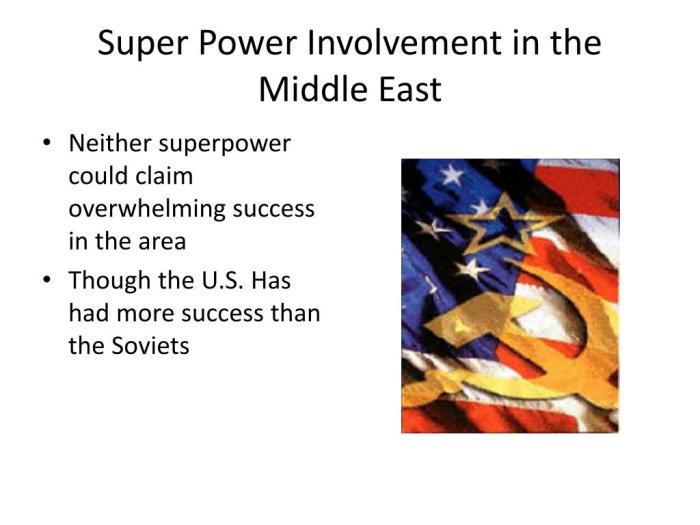
In conclusion, the ongoing “muscling into the Mideast” reveals a complex web of interests, strategies, and consequences. External powers, driven by a mix of strategic, economic, and ideological goals, are reshaping the region’s landscape, often with profound and lasting effects. Understanding these dynamics is crucial for navigating the evolving geopolitical realities of the Middle East and anticipating future shifts in the global balance of power.
The region remains a pivotal stage for global competition, and its future will undoubtedly be shaped by the actions of those vying for influence.
Essential Questionnaire
What is meant by “muscling in” in this context?
It refers to external powers actively increasing their influence in the Middle East through various means, including economic investments, military presence, diplomatic efforts, and cultural initiatives, often with the goal of advancing their own strategic interests.
What are the main risks associated with increased external involvement?
Risks include increased regional instability, escalation of existing conflicts, proxy wars, the erosion of local sovereignty, and the potential for new conflicts as different external powers compete for influence.
How does the involvement of external powers affect the local populations?
The impact is multifaceted. It can lead to economic benefits through investment and trade, but also exacerbate inequality, displace local industries, and lead to cultural shifts. Moreover, it can also lead to conflicts that can lead to human rights violations and displacement.
What role do proxy wars play in the Middle East?
Proxy wars, where external powers support different armed groups, prolong conflicts, intensify violence, and often make it difficult to achieve lasting peace. They can also lead to increased instability and humanitarian crises.