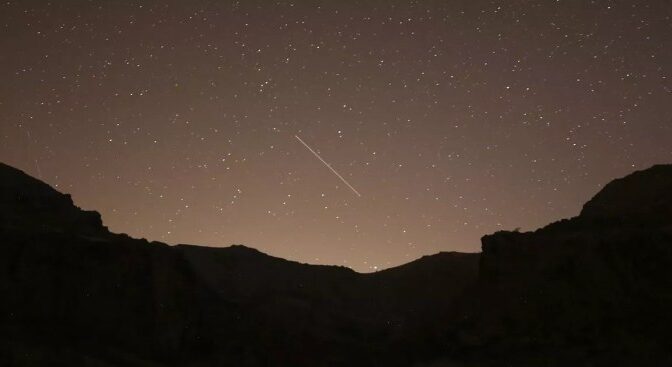
Get ready to witness a celestial spectacle! The Leonid meteor shower, a dazzling display of shooting stars, graces our skies annually, offering a fantastic opportunity for stargazing. This guide dives deep into the Leonid meteor shower, providing everything you need to know about when to catch this cosmic show, especially if you’re viewing from Argentina. From understanding the science behind the meteors to practical tips for maximizing your viewing experience, we’ll cover it all.
The Leonids are known for their speed and brilliance, leaving behind captivating trails of light as they streak across the night sky. Caused by the Earth passing through the debris left by Comet 55P/Tempel-Tuttle, this meteor shower has a rich history, with periods of intense activity that have captivated observers for centuries. This guide will help you understand the shower’s origins, predict its peak times, and find the perfect locations for optimal viewing in Argentina.
Introduction to the Leonid Meteor Shower
Meteor showers are a spectacular display of celestial light, a cosmic fireworks show visible from Earth. They occur when our planet passes through streams of debris left behind by comets or asteroids. As these particles, mostly the size of sand grains, enter the Earth’s atmosphere at high speeds, they burn up due to friction, creating bright streaks of light we call meteors, or shooting stars.The Leonid meteor shower is one of the most famous and historically significant meteor showers.
It’s renowned for its potential to produce intense meteor storms, making it a highly anticipated astronomical event.
Historical Overview of the Leonid Meteor Shower
The Leonids have a long and storied history, with observations dating back centuries. Records from ancient civilizations, including China, describe meteor displays that were likely the Leonids.
- Early Observations: Ancient Chinese astronomers documented significant meteor activity during the Leonid shower, with some accounts suggesting intense displays.
- The 1833 Meteor Storm: This was a pivotal event in the history of the Leonids. The sky lit up with thousands of meteors per hour, causing widespread awe and panic. This storm significantly increased scientific interest in meteor showers.
- Periodic Nature: The 1833 storm demonstrated the periodic nature of the Leonids, linked to the comet’s orbital period. Subsequent storms in 1866 and 1966 further confirmed this cyclical pattern.
- Modern Observations: Modern astronomical observations and analysis continue to track the Leonids, allowing for predictions of activity levels and providing opportunities for scientific study.
Cause and Origin of the Leonids
The Leonid meteor shower is caused by the Earth passing through the debris trail of Comet 55P/Tempel-Tuttle. This comet, a periodic comet with an orbital period of approximately 33 years, is the source of the meteoroids that create the shower.
- Comet 55P/Tempel-Tuttle: This comet sheds particles as it orbits the sun. These particles, released over centuries, form a stream of dust and debris.
- Meteoroid Composition: The meteoroids are primarily composed of ice, dust, and rock. They range in size from tiny grains to larger pebbles.
- Entry into Earth’s Atmosphere: When the Earth’s orbit intersects the debris stream, these particles enter the atmosphere at speeds of about 71 kilometers per second (44 miles per second).
- Meteor Formation: The friction between the meteoroids and the atmosphere causes them to heat up and vaporize, creating the bright streaks of light we see as meteors.
- Radiant Point: The Leonids appear to radiate from the constellation Leo, hence the name. The radiant point is the perspective point from which the meteors seem to originate.
When the Leonid Meteor Shower Occurs
The Leonid meteor shower is a celestial event that graces our skies annually, offering a dazzling display of shooting stars. Observing this shower is a rewarding experience, especially when armed with knowledge of its timing and influencing factors. Understanding the typical dates and duration allows stargazers to plan their viewing sessions effectively, maximizing their chances of witnessing this impressive spectacle.The Leonid meteor shower is a highlight of the astronomical calendar, captivating skywatchers around the globe with its fiery streaks.
Typical Dates and Duration
The Leonid meteor shower typically occurs each year from approximately November 6th to November 30th. While meteors can be seen throughout this period, the peak activity usually falls around November 17th and 18th. During the peak, the rate of meteors visible can increase significantly, offering the best opportunities for observation. The duration of the peak activity is usually relatively short, often lasting for a day or two, making it crucial to monitor forecasts and plan accordingly.
Peak Activity Periods in Recent Years
The Leonid meteor shower’s intensity can vary from year to year. The Zenithal Hourly Rate (ZHR) is a measure of the number of meteors an observer would see per hour under ideal conditions, with the radiant (the point in the sky from which the meteors appear to originate) directly overhead. Here’s a table summarizing the peak activity for the Leonid meteor shower over the past five years:
| Year | Peak Date | ZHR (Zenithal Hourly Rate) | Notes |
|---|---|---|---|
| 2019 | November 17-18 | ~10-15 | A typical year with a moderate display. |
| 2020 | November 17-18 | ~10-15 | Similar to 2019, with a moderate display. |
| 2021 | November 17-18 | ~10-20 | A slightly enhanced display compared to the previous two years. |
| 2022 | November 18 | ~10-20 | Peak activity occurred around November 18th. |
| 2023 | November 18 | ~10-20 | Good visibility during the peak, with favorable conditions. |
Factors Influencing Visibility
Several factors can significantly impact the visibility of the Leonid meteor shower. Understanding these factors can help observers optimize their viewing experience.
- Light Pollution: The presence of artificial light, such as streetlights and city lights, significantly reduces the visibility of meteors. Dark locations, far from urban areas, offer the best viewing conditions.
- Moon Phase: A bright Moon can wash out the fainter meteors, making it harder to spot them. Viewing during a new moon or when the Moon is below the horizon is ideal.
- Weather Conditions: Clear skies are essential for observing the meteor shower. Cloud cover will completely obscure the meteors. Check the weather forecast for your location before planning your viewing session.
- Observer’s Location: The higher the observer’s latitude, the more of the sky they can see. However, the Leonid shower is visible from both hemispheres.
- Zenithal Hourly Rate (ZHR): This is the theoretical number of meteors visible per hour under ideal conditions. The ZHR varies from year to year, with some years experiencing higher rates than others.
Visibility from Argentina
Source: al.com
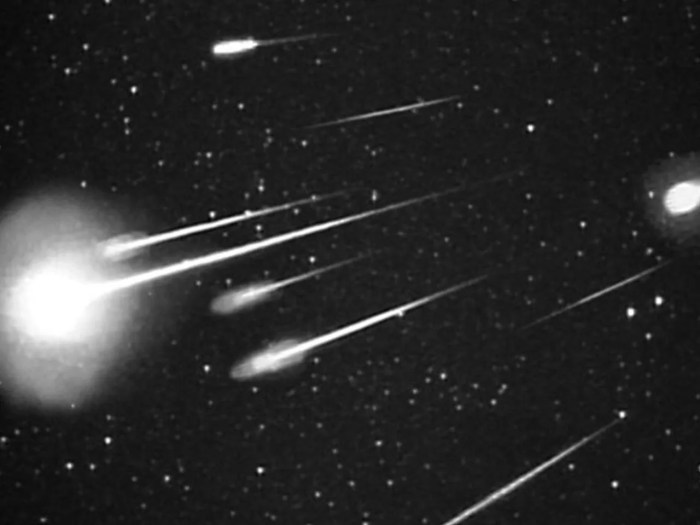
Observing the Leonid meteor shower from Argentina presents its own set of challenges and opportunities. While the Southern Hemisphere offers excellent viewing prospects for many celestial events, the Leonids require specific conditions to maximize visibility. Understanding these factors is key to enjoying the show.
Challenges of Observing the Leonids
Observing any meteor shower, including the Leonids, comes with inherent difficulties. These challenges are often amplified in certain locations.
- Light Pollution: The primary hurdle is light pollution. Urban areas, with their bright lights, significantly diminish the visibility of fainter meteors. The more light pollution, the fewer meteors you’ll see.
- Moon Phase: The phase of the moon can also play a significant role. A bright, full moon will wash out many of the fainter meteors. The best viewing conditions occur when the moon is in a new or crescent phase.
- Weather: Cloud cover is another significant obstacle. Clear skies are essential for observing any meteor shower. Even a thin layer of clouds can obscure the meteors.
- Zenithal Hourly Rate (ZHR): The ZHR, or Zenithal Hourly Rate, is a theoretical maximum number of meteors that can be seen under perfect viewing conditions (dark skies, radiant directly overhead). The actual number of meteors observed can be significantly lower due to the aforementioned factors.
Best Times to Observe the Meteor Shower
Timing is crucial for maximizing your chances of seeing the Leonids. This involves both the time of year and the time of night.
- Time of Year: The Leonids peak around November 17th each year. This is the period when the Earth passes through the densest part of the meteoroid stream left behind by Comet 55P/Tempel-Tuttle.
- Time of Night: The best time to observe the Leonids is typically after midnight and before dawn. This is because the radiant point (the point in the sky from which the meteors appear to originate) rises higher in the sky during this time, and you’re on the side of the Earth that’s facing the meteoroid stream.
- Local Time Adjustment: Remember to adjust these times to your local time zone in Argentina. For example, if the peak is predicted for a specific UTC time, you’ll need to calculate the corresponding time in Argentina (e.g., Argentina Time, AR).
Impact of Light Pollution on Visibility
Light pollution varies considerably across Argentina, influencing the quality of your viewing experience. Understanding these variations helps you choose the best observation location.
- Urban Centers: Major cities like Buenos Aires, Córdoba, and Rosario have high levels of light pollution. Observing the Leonids from these areas will be challenging, and you’ll likely only see the brightest meteors. For example, in Buenos Aires, you might see only a few meteors per hour, even during the peak.
- Suburban Areas: Suburbs generally have less light pollution than city centers, offering slightly better viewing conditions. However, light pollution can still significantly impact visibility.
- Rural Areas: Rural areas and national parks, particularly those away from major cities, provide the best viewing opportunities. The darker the sky, the more meteors you’ll be able to see.
- Specific Examples:
- El Leoncito Astronomical Complex (San Juan Province): This location, with its dark skies, offers excellent conditions for observing meteor showers. You could potentially see dozens of meteors per hour during the peak.
- Patagonia: The vast, sparsely populated regions of Patagonia often have very dark skies, making them ideal for observing the Leonids. The lack of major cities and industrial activity contributes to the darkness.
- Light Pollution Maps: Utilize light pollution maps (available online) to identify areas with minimal light pollution near you. These maps use color-coding to indicate the intensity of light pollution, allowing you to choose the darkest locations.
How to Observe the Leonid Meteor Shower
Observing the Leonid meteor shower can be a truly spectacular experience. With a little preparation and patience, you can witness the dazzling display of shooting stars as they streak across the night sky. The following sections will guide you through the necessary equipment, how to locate the radiant, and how to prepare for a successful night of meteor shower watching.
Equipment Needed for Optimal Viewing
To maximize your chances of seeing the Leonids, you’ll want to gather some essential equipment. This will help ensure your comfort and enhance your viewing experience.
- A Dark Location: The most crucial piece of equipment is a location far away from city lights. Light pollution significantly reduces the number of meteors you can see. The darker the sky, the better. Consider traveling to a rural area or a designated dark sky site.
- Comfortable Seating: Bring a reclining chair, a blanket, or a sleeping bag. You’ll be looking up for an extended period, so comfort is key.
- Warm Clothing: Even if the daytime temperature is pleasant, nights can get cold, especially in Argentina. Dress in layers to stay warm.
- Red-Light Flashlight: A red-light flashlight is essential for navigating in the dark without ruining your night vision. Regular white light will take several minutes to readjust your eyes.
- Binoculars (Optional): While binoculars aren’t necessary for viewing meteors, they can be helpful for scanning the sky and identifying constellations.
- Patience: Watching a meteor shower requires patience. It might take some time before you see a meteor.
Finding the Radiant of the Leonids (Constellation Leo)
The radiant is the point in the sky from which the meteors appear to originate. For the Leonids, this point is located within the constellation Leo, the Lion. Knowing how to find Leo will help you anticipate where the meteors will be most visible.
Here’s how to locate Leo:
- Identify the Big Dipper: The Big Dipper is a well-known asterism (a recognizable pattern of stars) within the constellation Ursa Major (the Great Bear).
- Follow the Arc to Arcturus: Extend the arc of the Big Dipper’s handle. This line will lead you to the bright star Arcturus in the constellation Boötes.
- Continue to Spica: Continue the arc past Arcturus, and you’ll reach the bright star Spica in the constellation Virgo.
- Locate Leo: Leo is located between Arcturus and Spica. Look for a distinctive backwards question mark, which forms the lion’s head and mane. The bright star Regulus marks the bottom of the question mark and the lion’s heart.
- The Radiant’s Position: The radiant of the Leonids is near Regulus, but meteors can appear anywhere in the sky. Therefore, you don’t need to stare directly at Leo; look in various directions.
Preparing for a Night of Meteor Shower Watching
Proper preparation will greatly increase your enjoyment and the likelihood of seeing meteors. Consider the following points before heading out to observe the Leonids.
- Check the Weather Forecast: Clear skies are essential for viewing the meteor shower. Check the weather forecast for cloud cover, moon phase, and light pollution. A new moon provides the darkest skies.
- Choose Your Viewing Spot: Find a location with a wide-open view of the sky, away from city lights, and with minimal obstructions like trees or buildings.
- Plan Your Arrival Time: Arrive at your viewing location well before the peak of the shower. This allows your eyes to adjust to the darkness. It typically takes about 30 minutes for your eyes to fully adapt.
- Bring Snacks and Drinks: Staying hydrated and energized is important. Pack plenty of water, snacks, and perhaps a thermos of coffee or tea.
- Inform Others of Your Plans: Let someone know where you’re going and when you expect to return, especially if you’re going alone.
- Turn Off Lights: Once you’re at your viewing spot, turn off all lights, including car headlights, and avoid using your phone unless absolutely necessary. The red-light flashlight is your friend.
- Look Up and Relax: Lie back, relax, and look up at the sky. Be patient and enjoy the show! Meteors can appear at any moment, so scan the entire sky.
Observing Locations in Argentina
Argentina, with its vast landscapes and relatively low population density in many areas, offers excellent opportunities for stargazing, including the Leonid meteor shower. Finding a good observing location is crucial for maximizing your chances of seeing these celestial fireballs. The key is to get away from city lights, which can significantly diminish the visibility of fainter meteors.
Regions with Minimal Light Pollution
Several regions in Argentina are particularly well-suited for observing the Leonid meteor shower due to their low levels of light pollution. These areas often coincide with national parks, remote areas, or regions with lower population densities. Remember that light pollution levels can vary even within these regions, so it’s always best to check current light pollution maps before planning your trip.
Some of the most promising areas include:* Patagonia: This vast region, encompassing provinces like Santa Cruz and Chubut, offers incredibly dark skies. The sparsely populated areas and the presence of national parks like Los Glaciares and Nahuel Huapi make it an ideal location.* The Andean Provinces: Provinces along the Andes Mountains, such as Mendoza, San Juan, and La Rioja, provide excellent stargazing opportunities.
The high altitudes and remote locations contribute to the darkness of the skies.* Northwestern Argentina: The provinces of Jujuy, Salta, and Catamarca, with their deserts and mountainous terrain, also offer excellent viewing conditions, particularly away from larger towns and cities.
Ideal Parks and Locations for Viewing
Argentina boasts several national parks and protected areas that are perfect for meteor shower viewing. These locations often have minimal light pollution and offer amenities like camping sites and visitor centers, making them convenient for overnight stays.* El Leoncito Astronomical Complex (San Juan Province): While primarily an astronomical observatory, El Leoncito also offers exceptional stargazing conditions for the public. Its location in the pre-Andean mountains ensures dark skies.
This complex is known for its high-quality astronomical equipment and its clear, dark skies, providing an excellent setting for observing the Leonid meteor shower.
* Talampaya National Park (La Rioja Province): This park is famous for its stunning red rock formations and, importantly, its incredibly dark skies. The remoteness of the park minimizes light pollution, making it an excellent spot for viewing meteor showers.* Nahuel Huapi National Park (Neuquén and Río Negro Provinces): While some areas around the major towns within the park may experience light pollution, venturing further into the park’s interior offers dark skies.
Camping in designated areas is a popular option.* Los Glaciares National Park (Santa Cruz Province): The vastness and remoteness of this park contribute to its dark skies. The park’s stunning landscapes add to the experience.
Tips for Selecting a Good Observation Site
Choosing the right observation site is key to a successful meteor shower viewing experience. Consider these factors when making your selection:
- Light Pollution: Prioritize locations as far away from cities and towns as possible. Use online light pollution maps (like those available from Light Pollution Map) to assess the light pollution levels in your chosen area.
- Weather Conditions: Check the weather forecast for clear skies. Cloud cover will, of course, obstruct your view of the meteor shower. Choose a location with a forecast of minimal cloud cover.
- Elevation: Higher elevations often offer clearer skies and less atmospheric interference. Consider locations in mountainous areas.
- Accessibility: Ensure the location is accessible by road and that you can safely travel to and from the site, especially at night. Check road conditions beforehand.
- Safety: Choose a safe location, considering factors like potential wildlife, weather conditions, and terrain. Inform someone of your plans and expected return time.
- Amenities: Consider the availability of amenities like restrooms, camping facilities, and water sources, especially if you plan to stay overnight.
- Orientation: Find a location with a wide, unobstructed view of the sky. The radiant point of the Leonid meteor shower is in the constellation Leo, which rises in the east.
Techniques for Observing
Source: natgeofe.com
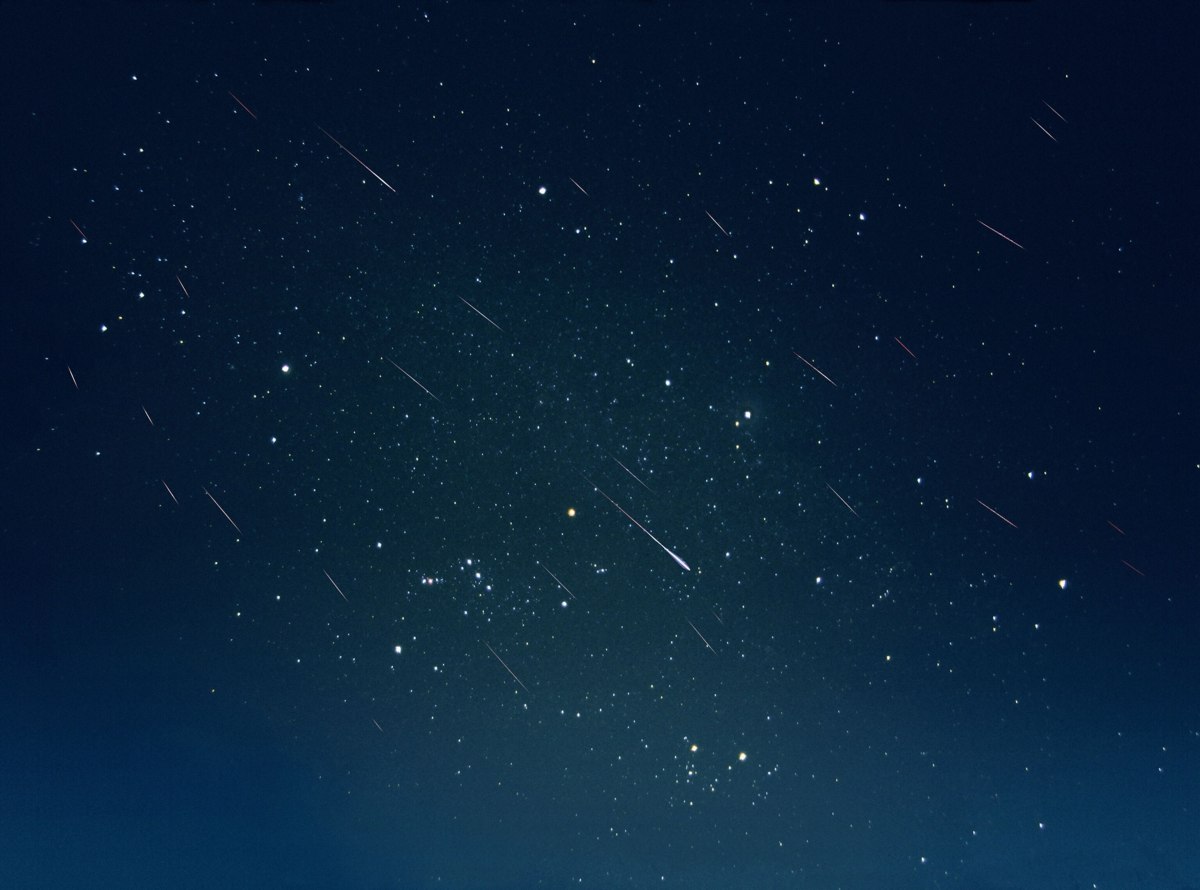
To significantly increase your chances of witnessing the Leonid meteor shower, employing specific techniques is crucial. These methods involve optimizing your viewing environment, understanding meteor behavior, and exercising patience. Success in meteor shower observation is often a combination of preparation and luck, so the more strategies you implement, the better your chances.
Optimizing Your Viewing Location
Selecting the right location is paramount for meteor shower observation. Light pollution is the enemy, and the darker the sky, the more meteors you’ll see.
- Choose a Dark Site: The best locations are far from city lights. National parks, rural areas, and locations away from major urban centers are ideal. Check light pollution maps (like those available from the Light Pollution Map website) to identify areas with minimal light interference.
- Elevation Matters: Higher elevations generally offer clearer skies and less atmospheric interference. If possible, choose a viewing spot that is elevated.
- Obstruction-Free Horizon: Ensure you have a wide, unobstructed view of the sky, especially towards the radiant point (the constellation Leo). Trees, buildings, and mountains can limit your view.
Proper Viewing Posture and Equipment
Your viewing position and any equipment you use can significantly impact your observation experience. Comfort and patience are key.
- Comfortable Positioning: Lie down on a reclining chair, blanket, or sleeping bag. This allows you to comfortably scan the sky without straining your neck.
- Eye Adaptation: Allow your eyes to fully adapt to the darkness. This process takes about 20-30 minutes. Avoid looking at bright lights, including your phone or tablet screens, as they will disrupt your night vision. Use a red light flashlight if you need to see.
- Avoid Telescopes and Binoculars: While tempting, telescopes and binoculars limit your field of view, making it harder to spot meteors. The wide field of view provided by the naked eye is the most effective method for meteor shower observation.
Understanding Meteor Behavior
Knowing how meteors behave and what to expect will enhance your observation experience.
- Radiant Point: Meteors appear to radiate from a single point in the sky, the radiant. For the Leonids, this is within the constellation Leo. However, meteors can appear anywhere in the sky.
- Meteor Trails: Meteors travel at high speeds and can leave bright trails that last for a few seconds. Pay attention to the direction and brightness of the trails.
- Patience is Key: Meteor showers are not like fireworks; they are not continuous. You may see periods of intense activity followed by lulls. Be patient and keep your eyes on the sky.
What to Look For
Identifying what to look for when observing a meteor shower can increase the likelihood of spotting these celestial events.
- Brightness and Color: Meteors can vary in brightness, from faint streaks to bright fireballs. Some may exhibit colors, depending on their composition and how they burn up in the atmosphere.
- Train Duration: Some meteors leave persistent trails or “trains” that can last for several seconds. These trains can be useful in identifying a particularly bright meteor.
- Frequency: The frequency of meteors can vary. During peak activity, you might see several meteors per hour.
Photographing the Leonid Meteor Shower
Source: co.uk
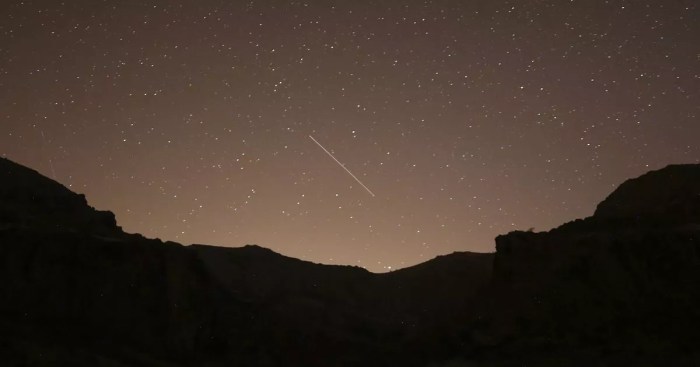
Capturing the fleeting beauty of the Leonid meteor shower can be a rewarding experience, transforming a night of observation into a lasting memory. Astrophotography allows you to freeze moments that the human eye might miss, revealing the brilliance of these celestial fireballs against the backdrop of the night sky. With the right equipment and techniques, you can create stunning images of this annual astronomical event.
Equipment Needed for Astrophotography
To photograph the Leonids successfully, you’ll need some essential equipment. This equipment setup allows you to capture the meteors and the surrounding night sky with clarity.
- A DSLR or Mirrorless Camera: A camera with manual controls is crucial. Look for a camera with good low-light performance and the ability to shoot in RAW format. RAW files capture more image data than JPEGs, giving you more flexibility in post-processing.
- A Wide-Angle Lens: A wide-angle lens (e.g., 14-35mm) is ideal for capturing a large portion of the sky and increasing your chances of catching meteors. A fast lens, with a low f-number (e.g., f/2.8 or lower), is preferable to gather more light.
- A Sturdy Tripod: Essential for keeping your camera steady during long exposures. Choose a tripod that can handle the weight of your camera and lens.
- A Remote Shutter Release or Intervalometer: This allows you to take photos without touching the camera, preventing vibrations that can blur your images. An intervalometer is particularly useful for taking a series of photos over an extended period.
- Extra Batteries and Memory Cards: Shooting in cold weather can drain batteries quickly, so having spares is a must. Also, ensure you have enough memory card space for the number of images you plan to take.
- Optional: A Star Tracker: If you want to capture more detailed images of the stars and Milky Way, a star tracker compensates for the Earth’s rotation, allowing for longer exposures without star trails. This is especially helpful if you want to capture faint meteors and the surrounding celestial objects.
Settings and Tips for Capturing Images
Optimizing your camera settings is critical to successfully photographing the Leonid meteor shower. These settings will help you capture the most meteors and the beauty of the night sky.
- Focus: Focus your lens on infinity. Use live view and zoom in on a bright star to achieve precise focus. Alternatively, some lenses have an infinity symbol on the focus ring; align the ring with this symbol.
- ISO: Start with a high ISO, such as 1600 or 3200, and adjust as needed based on the ambient light and the performance of your camera. Experiment to find the best balance between brightness and noise.
- Aperture: Use the widest aperture your lens allows (e.g., f/2.8, f/4). This will let in more light, crucial for capturing faint meteors.
- Shutter Speed: Use a shutter speed that prevents star trails. A general rule is the “500 rule,” which states that you divide 500 by your lens’s focal length to determine the maximum shutter speed in seconds. For example, with a 20mm lens, the maximum shutter speed would be approximately 25 seconds (500/20 = 25). If using a star tracker, you can increase the shutter speed significantly.
- White Balance: Set your white balance to “Daylight” or “Cloudy” to capture the natural colors of the night sky. You can also experiment with different white balance settings or shoot in RAW and adjust the white balance during post-processing.
- Shooting Mode: Use manual mode (M) to control all settings.
- Shooting in Intervals: Use a remote shutter release or intervalometer to take a series of photos continuously. Set the interval between shots to a few seconds to allow for processing and prevent the camera from overheating.
- Location and Timing: Find a location with minimal light pollution and a clear view of the eastern sky, where the radiant of the Leonids is located. The best time to observe is after midnight, when the Earth has rotated into the meteor stream.
- Test Shots: Before the meteor shower peaks, take test shots to fine-tune your settings. Review your images and adjust the ISO, aperture, and shutter speed as needed.
Post-Processing Techniques for Meteor Shower Photos
Post-processing is an essential step in bringing out the best in your meteor shower images. Software like Adobe Photoshop, Lightroom, or free alternatives such as GIMP can be used to enhance the details captured.
- RAW Processing: Start by processing your RAW files. Adjust the white balance, exposure, contrast, highlights, shadows, and clarity.
- Noise Reduction: Apply noise reduction to minimize the graininess in your images, especially if you used a high ISO.
- Sharpening: Sharpen your images to bring out the details of the meteors and stars. Be careful not to over-sharpen, which can create unwanted artifacts.
- Color Correction: Adjust the colors to enhance the beauty of the night sky.
- Compositing (Optional): If you have taken multiple images, you can composite them to combine the best meteors into a single image. This involves aligning the images and selectively combining the frames.
- Gradient Removal: If light pollution is present, use a gradient removal tool to even out the sky’s brightness.
Understanding the Zenithal Hourly Rate (ZHR)
The Zenithal Hourly Rate (ZHR) is a crucial concept for understanding and predicting the intensity of meteor showers like the Leonids. It provides a standardized measure of how many meteors a single observer might see under ideal conditions. Let’s delve into what ZHR means and how it’s applied.
The Definition of Zenithal Hourly Rate
The Zenithal Hourly Rate (ZHR) is a theoretical value that estimates the number of meteors an observer would see in one hour under perfect observing conditions. These conditions are defined as a clear, dark sky with the radiant (the point in the sky from which the meteors appear to originate) directly overhead at the zenith. The ZHR accounts for several factors:
- Dark Skies: The sky must be completely dark, free from light pollution.
- Clear Visibility: There should be no clouds or atmospheric interference.
- Radiant at Zenith: The meteor shower’s radiant point must be directly overhead, maximizing the number of meteors visible.
- Observer’s Vision: It assumes an observer with excellent eyesight.
The ZHR is calculated using a complex formula, but the core concept is the same: to standardize the meteor shower’s observed activity.
The Parent Comet: Comet 55P/Tempel-Tuttle
The Leonid meteor shower, a dazzling celestial display, has a fascinating origin story tied to a specific comet. Understanding this connection provides insights into the shower’s intensity and predictability. This section will explore the crucial relationship between the Leonids and their parent comet, 55P/Tempel-Tuttle.
Relationship Between the Leonid Meteor Shower and Comet 55P/Tempel-Tuttle
The Leonid meteor shower is directly caused by the debris left behind by Comet 55P/Tempel-Tuttle. As the comet orbits the Sun, it sheds dust and ice particles. This material spreads out along the comet’s orbit, forming a stream of meteoroids. When Earth passes through this stream, these particles collide with our atmosphere, creating the spectacular streaks of light we call meteors.
Therefore, the comet is the source of the meteor shower.
Characteristics of Comet 55P/Tempel-Tuttle
Comet 55P/Tempel-Tuttle is a periodic comet, meaning it has a predictable orbit around the Sun. Its orbit is relatively long, taking approximately 33 years to complete a single revolution. This comet is relatively small, measuring only a few kilometers in diameter. Its nucleus is composed primarily of ice and dust, the same materials that make up the meteoroids responsible for the Leonid shower.
How the Comet’s Orbit Affects the Meteor Shower
The comet’s orbital path and its encounters with the Sun dictate the timing and intensity of the Leonid meteor shower. The Earth intersects the comet’s debris stream annually, leading to the regular occurrence of the shower. However, the density of the debris stream varies along the comet’s orbit.
- Orbital Period: The comet’s 33-year orbital period means that the Earth encounters relatively fresh, dense debris from the comet roughly every 33 years. These encounters often lead to exceptionally strong meteor showers, sometimes even meteor storms.
- Debris Distribution: The distribution of debris along the comet’s orbit is not uniform. Some areas of the orbit are richer in material than others. This non-uniformity results in variations in the meteor shower’s intensity from year to year.
- Meteor Storms: When Earth passes through a particularly dense region of the comet’s debris stream, a meteor storm can occur. These storms can produce hundreds or even thousands of meteors per hour. For instance, the Leonid meteor storm of 1966 was a spectacular event, with an estimated rate of thousands of meteors per minute.
Historical Meteor Storms of the Leonids
The Leonid meteor shower is famous not just for its annual displays but also for its spectacular meteor storms. These events, which occur roughly every 33 years, can produce thousands of meteors per hour, creating a breathtaking celestial spectacle. Understanding the history and impact of these storms provides valuable context for observing the Leonids.
Significant Leonid Meteor Storms in History
The Leonids have a rich history of dramatic displays. These meteor storms are directly linked to the orbit of Comet 55P/Tempel-Tuttle. As the comet passes through the inner solar system, it leaves behind a trail of debris. When Earth crosses this debris trail, the resulting interaction can lead to intense meteor activity.
- 1833: This storm is arguably the most famous. Observers reported an estimated 100,000 meteors per hour, creating an unforgettable display. It was so intense that it was described as if the sky were “raining fire.” This event played a significant role in the development of meteor science, as it highlighted the link between meteors and space.
- 1866: Following the 1833 storm, the Leonids again put on a show. Although not as intense as the 1833 event, the 1866 storm still produced a significant number of meteors, visible across Europe and North America. This event helped to solidify the periodic nature of the Leonid storms.
- 1966: This storm was a significant event, with peak rates estimated to have reached tens of thousands of meteors per hour. Observers, particularly in the western United States, witnessed an extraordinary display. The 1966 storm was a major event in the modern era of astronomy, showing how storms could still occur.
- 1999 & 2001: These were two of the most recent significant storms. The 1999 storm saw Zenithal Hourly Rates (ZHR) exceeding 3,000 meteors per hour. The 2001 storm was even more impressive, with ZHRs estimated to be over 4,000 meteors per hour. These events demonstrated the ongoing potential for dramatic Leonid activity.
Impact of Leonid Meteor Storms
The impact of these meteor storms extends beyond the visual spectacle. They have significantly influenced the development of astronomy and the understanding of the solar system.
- Scientific Advancements: The study of the Leonid storms has greatly advanced our knowledge of comets, meteoroids, and the interactions between Earth and space debris. The data collected during these events has been crucial in refining meteor shower models and predicting future activity.
- Cultural Impact: These storms have captured the imagination of people worldwide, inspiring art, literature, and cultural events. The 1833 storm, for example, had a profound effect on religious beliefs and societal perceptions of the heavens.
- Technological Challenges: Intense meteor storms can pose challenges for satellites and spacecraft. While the risk is generally low, the potential for collisions with meteoroids necessitates careful monitoring and planning during peak activity.
Frequency of Meteor Storms
The frequency of Leonid meteor storms is tied to the orbital period of Comet 55P/Tempel-Tuttle. The comet’s orbit is approximately 33 years.
This 33-year cycle is a key factor in predicting the occurrence of major Leonid meteor storms.
However, the intensity of these storms can vary. The debris released by the comet isn’t evenly distributed, so the density of the debris encountered by Earth during its passage through the comet’s trail changes from year to year. While a major storm is expected every 33 years, the exact timing and intensity can fluctuate. For example, some years may see moderate displays, while others, like 1999 and 2001, witness exceptional activity.
Astronomers use sophisticated models and observations to try to refine predictions, but the precise nature of the debris stream means there’s always an element of uncertainty.
Myths and Legends of the Leonids
The Leonid meteor shower, a celestial spectacle witnessed for centuries, has naturally woven itself into the fabric of human cultures worldwide. Its dramatic displays, sometimes appearing as firestorms in the night sky, have inspired both awe and fear, leading to a rich tapestry of myths, legends, and historical interpretations. These stories offer a fascinating glimpse into how different societies perceived and understood the universe and its phenomena.
Cultural Reactions to the Shower
Throughout history, the Leonids have elicited a range of reactions, reflecting the cultural context of the observers. Fear, wonder, and attempts at scientific understanding have all played a role.The dramatic appearance of the Leonids, particularly during meteor storms, often coincided with periods of social upheaval, political change, or natural disasters. This association led to interpretations of the shower as a harbinger of doom or a sign of divine displeasure.
In some cultures, the meteors were seen as the souls of the departed or as omens of impending events. The intensity of the Leonid storms in the late 18th and 19th centuries, for example, fueled both apocalyptic anxieties and scientific curiosity. The widespread awe, fear, and fascination associated with the Leonid meteor showers demonstrate how celestial events have consistently shaped human perspectives and beliefs.
Interesting Facts About the Leonids
Here are some fascinating facts about the Leonids:
- The Leonids are associated with the comet 55P/Tempel-Tuttle, which takes approximately 33 years to orbit the Sun.
- Meteor storms, with rates exceeding 1,000 meteors per hour, occur when Earth passes through particularly dense debris trails left by the comet.
- The shower’s radiant point (the point in the sky from which the meteors appear to originate) is located in the constellation Leo, hence the name “Leonids.”
- The Leonids are known for their fast-moving meteors, which can travel at speeds of up to 71 kilometers per second (44 miles per second).
- The 1833 Leonid meteor storm was one of the most spectacular displays in recorded history, with estimates of up to 100,000 meteors per hour.
- The Leonids have been observed for centuries, with historical records dating back to ancient China.
- The debris that causes the Leonids is composed of dust particles and ice that have been shed by Comet Tempel-Tuttle over thousands of years.
- While the peak of the Leonids is typically around November 17th or 18th, the shower can be active for several days.
- Not all Leonid meteors are bright fireballs; many are fainter, but still visible under dark skies.
- The Leonid meteor shower provides a valuable opportunity for scientists to study the composition of cometary debris and the dynamics of the solar system.
Safety Precautions for Night Observation
Observing the Leonid meteor shower, or any celestial event at night, is a thrilling experience, but it’s crucial to prioritize safety. Nighttime environments can present various hazards, and being prepared is essential for a safe and enjoyable viewing experience. This section Artikels key safety measures to consider before, during, and after your observation session.
Planning and Preparation
Before heading out, meticulous planning is paramount. This involves several key steps to ensure a safe and successful observation.
- Location Scouting: Choose a location well in advance. Consider factors like light pollution, accessibility, and potential hazards. Ensure the area is safe and legal to access, and inform someone of your planned location and expected return time. For example, a remote area away from city lights, with clear views of the eastern sky, would be ideal. Research the area using online maps and local resources.
- Weather Monitoring: Check the weather forecast for the observation night and the surrounding days. Be prepared for changing conditions, including temperature drops, precipitation, and wind. Websites and apps provide accurate weather information, including cloud cover forecasts. If adverse weather conditions are predicted, consider rescheduling or finding an alternative, safer location.
- Equipment Check: Inspect all equipment, including telescopes, binoculars, cameras, and any other gear. Ensure everything is in good working order and that you have spare batteries. Carry a flashlight with red light capabilities to preserve your night vision.
- Emergency Supplies: Pack a first-aid kit, a fully charged mobile phone, and a means of communication (such as a satellite phone or personal locator beacon) in case of emergencies. Inform someone of your location and expected return time. Include a map and compass or a GPS device to help with navigation.
Staying Warm and Comfortable
Prolonged observation periods can lead to discomfort due to cold temperatures. Proper preparation is essential for maintaining comfort and focus.
- Layered Clothing: Dress in layers to adjust to changing temperatures. Start with moisture-wicking base layers, followed by insulating layers (like fleece or wool), and a wind- and waterproof outer layer. This allows you to regulate your body temperature effectively.
- Warm Accessories: Don’t forget hats, gloves, and scarves to protect against heat loss. Ensure that these accessories are waterproof if there is a chance of rain or snow.
- Footwear: Wear insulated and waterproof boots to keep your feet warm and dry. Choose boots with good traction to avoid slips and falls on uneven terrain.
- Warm Drinks and Snacks: Bring warm beverages, such as tea or coffee in a thermos, and high-energy snacks, such as nuts, dried fruits, or energy bars. These will help keep your energy levels up and your body warm.
- Seating and Ground Cover: Bring a comfortable chair or a ground pad to sit on. Consider using a blanket or a sleeping bag to provide additional warmth.
Dealing with Emergencies
Unexpected situations can arise during night observations. Knowing how to respond is crucial for your safety.
- Medical Emergencies: If someone experiences a medical emergency, immediately assess the situation and provide first aid if you are trained. Call for help using your mobile phone or another communication device. Know the emergency contact number for your location.
- Lost or Injured: If you become lost, stay calm and retrace your steps if possible. Use your map, compass, or GPS to navigate. If injured, seek immediate medical attention and inform someone of your situation.
- Wildlife Encounters: Be aware of the local wildlife and take precautions to avoid encounters. Avoid feeding animals and store food securely. Keep a safe distance from any wildlife you encounter.
- Unexpected Weather: If the weather changes unexpectedly, seek shelter immediately. Be prepared to abandon your observation and return to a safe location if necessary.
- Contacting Authorities: In any emergency, do not hesitate to contact local authorities. Provide your location and the nature of the emergency. Follow their instructions and remain calm.
Final Conclusion
In conclusion, the Leonid meteor shower offers a breathtaking astronomical event, a chance to connect with the cosmos. By understanding the shower’s mechanics, planning your observation, and taking necessary precautions, you can fully enjoy this celestial display. Whether you’re an experienced stargazer or a curious beginner, the Leonids promise a memorable night under the stars. So, grab your binoculars, find a dark spot, and prepare to be amazed by the Leonids!
FAQ Guide
What exactly is a meteor shower?
A meteor shower occurs when the Earth passes through a stream of debris left by a comet or asteroid. These particles, ranging in size from grains of sand to pebbles, enter the Earth’s atmosphere and burn up, creating the streaks of light we see as meteors or “shooting stars.”
When is the best time to see the Leonid meteor shower?
The Leonid meteor shower typically peaks around mid-November each year. The exact peak date varies, so it’s best to check astronomy websites for the most up-to-date predictions. The hours after midnight are usually the best time to observe, as that’s when the Earth is rotating into the meteor stream.
What equipment do I need to observe the Leonids?
You don’t need any special equipment! Your eyes are the primary tool. However, binoculars or a telescope can enhance the experience, though they narrow your field of view. A comfortable chair, warm clothing, and a dark location are essential.
How can I find the constellation Leo?
The radiant of the Leonid meteor shower is in the constellation Leo. Leo is typically easy to find by locating the Sickle asterism, a backwards question mark shape, which forms the head and mane of the lion. Once you’ve found Leo, meteors can appear from any direction in the sky.
What is light pollution and how does it affect meteor shower viewing?
Light pollution is artificial light from cities and towns that brightens the night sky. It makes it harder to see faint objects like meteors. The darker the location, the more meteors you’ll be able to see. You’ll want to find a location far from city lights to maximize your chances of seeing the shower.