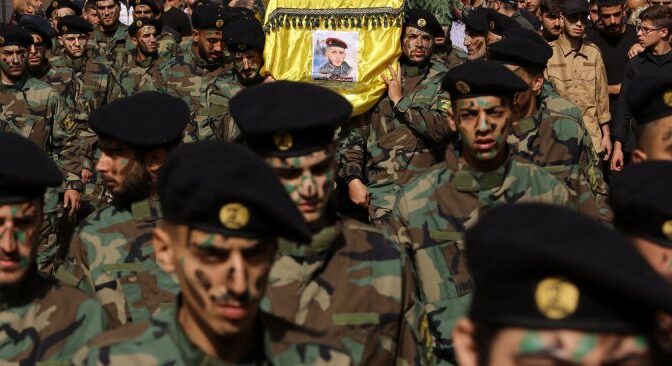
The shadow war between Hezbollah and Israel has intensified, with a series of targeted assassinations testing the militant group’s resolve. This conflict, steeped in decades of animosity, is now playing out with deadly precision, leaving Hezbollah grappling with significant losses and strategic dilemmas. The assassinations, a tactic favored by Israel, aim to cripple Hezbollah’s leadership and operational capabilities, forcing the group to reassess its response.
The stakes are high, and the potential for a wider regional conflict looms large.
Hezbollah, a powerful Lebanese organization with significant political and military influence, finds itself in a precarious position. Backed by Iran and deeply involved in regional conflicts, the group relies on a complex network of funding and support. Israeli strikes, however, are now targeting key figures, disrupting the organization’s structure and operations. Hezbollah’s response, guided by its doctrine of “strategic patience,” will determine the trajectory of this escalating conflict, impacting not only Lebanon but the entire region.
Background: Hezbollah’s Current Status
Hezbollah, a powerful Lebanese political and paramilitary organization, significantly impacts Lebanon and the broader Middle East. Its influence stems from a complex interplay of military strength, political maneuvering, and social services. Understanding Hezbollah’s current position requires examining its domestic standing, regional alliances, and financial resources.
Political and Military Influence in Lebanon
Hezbollah’s dominance in Lebanon is multifaceted, impacting the political landscape and military capabilities. This influence is built upon a foundation of military strength and political organization.Hezbollah holds considerable political sway, participating in the Lebanese government and wielding veto power over critical decisions. This power allows it to shape policy and protect its interests. The organization’s military wing is a formidable force, exceeding the capabilities of the Lebanese Armed Forces in some aspects.
- Political Participation: Hezbollah has consistently participated in Lebanese elections, securing seats in parliament and forming alliances with other political factions. Its presence in the government enables it to influence policy and block legislation deemed unfavorable.
- Military Capabilities: Hezbollah possesses a well-equipped and trained military force, including a significant arsenal of rockets and missiles. This military strength allows it to deter external threats and project power within Lebanon and beyond.
- Social Services: Hezbollah provides extensive social services, including healthcare, education, and financial assistance, particularly to the Shia community. This network of support fosters loyalty and expands its base of support.
Relationship with Iran and Role in Regional Conflicts
Hezbollah’s relationship with Iran is central to its identity and operations. This alliance provides critical support, enabling its activities in regional conflicts.Hezbollah receives substantial financial, military, and political backing from Iran, including training, weapons, and strategic guidance. This support has allowed Hezbollah to become a significant player in regional conflicts, particularly in Syria.
- Iranian Support: Iran provides Hezbollah with funding, training, and weaponry, including advanced missiles and rockets. This support is crucial for Hezbollah’s military capabilities and its ability to confront Israel.
- Role in the Syrian Civil War: Hezbollah has actively participated in the Syrian civil war, fighting alongside the Syrian government against rebel forces. Its involvement has been instrumental in preserving the Assad regime.
- Regional Conflicts: Hezbollah has engaged in conflicts with Israel, primarily along the Lebanese-Israeli border. These confrontations have shaped the security dynamics in the region.
Key Sources of Funding and Support
Hezbollah’s financial stability is crucial for its operations. This financial backing comes from various sources, ensuring its continued activities.Hezbollah’s funding comes from several sources, including direct financial aid from Iran, donations from Lebanese and international supporters, and illicit activities. This diverse financial portfolio ensures its operational capabilities.
- Iranian Financial Aid: Iran provides Hezbollah with substantial financial support, covering operational costs, salaries, and military expenses. This funding is a cornerstone of Hezbollah’s financial stability.
- Donations and Fundraising: Hezbollah receives donations from Lebanese and international supporters, including diaspora communities and charitable organizations. These contributions help fund social services and other activities.
- Illicit Activities: Hezbollah engages in illicit activities, such as drug trafficking and money laundering, to generate additional revenue. These activities supplement its other funding sources and provide financial flexibility.
The Impact of Israeli Assassinations
Israeli assassinations significantly impact Hezbollah, creating challenges to its leadership, operational capacity, and overall strategic posture. These targeted killings, often conducted with precision, aim to degrade Hezbollah’s capabilities and deter its actions. The consequences are multifaceted, extending beyond the immediate loss of personnel to include shifts in operational strategies and increased security measures.
Leadership Structure and Operational Capabilities
Hezbollah’s leadership structure is hierarchical, with key figures holding specific responsibilities. Assassinations disrupt this structure, creating instability and forcing the organization to adapt. The loss of experienced commanders can impact operational effectiveness, as replacements may lack the same level of expertise or experience. Furthermore, assassinations necessitate increased security measures, diverting resources and potentially hindering operational planning and execution. This constant threat also influences the morale and decision-making processes within the organization.
Specific Examples of Recent Assassinations and Their Immediate Consequences
Recent assassinations have targeted high-ranking Hezbollah figures, each with distinct repercussions. The loss of key commanders often leads to a scramble to fill leadership voids, potentially creating internal power struggles and shifts in strategic direction. These targeted killings are designed to disrupt Hezbollah’s operational planning and execution, making it more difficult for the group to carry out its objectives.Consider the following examples:* 2024, Beirut, Lebanon: A senior Hezbollah commander, Wissam al-Tawil, was killed in an Israeli airstrike.
The assassination was a significant blow to Hezbollah’s operational capabilities in southern Lebanon. It prompted immediate retaliation, leading to heightened tensions along the border and increased the risk of wider conflict.* 2024, Syria: A Hezbollah military advisor, Ali Abed al-Hassan Naeem, was killed in an Israeli airstrike near Damascus. This assassination removed a key figure responsible for coordinating Hezbollah’s activities in Syria.
This action demonstrated Israel’s capability to target Hezbollah operatives beyond Lebanon’s borders and increased the operational challenges for Hezbollah.* 2024, Lebanon: A senior Hezbollah commander, Taleb Abdullah, was killed in an Israeli airstrike. This assassination, along with the other recent strikes, has increased pressure on Hezbollah to respond and maintain its deterrence capabilities.
Key Figures Assassinated and Their Roles Within Hezbollah
The following table provides an overview of key Hezbollah figures assassinated and their respective roles.
| Name | Role | Date of Assassination | Location | Immediate Consequences |
|---|---|---|---|---|
| Wissam al-Tawil | Senior Commander | January 8, 2024 | Southern Lebanon | Prompted retaliation, increased border tensions, disruption of operations in southern Lebanon. |
| Ali Abed al-Hassan Naeem | Military Advisor | March 25, 2024 | Syria | Removal of a key coordinator for Hezbollah operations in Syria, increased operational challenges. |
| Taleb Abdullah | Senior Commander | June 11, 2024 | Southern Lebanon | Increased pressure on Hezbollah to respond and maintain deterrence capabilities. |
“Strategic Patience” Doctrine

Source: 365dm.com
Hezbollah’s approach to dealing with Israel is largely defined by its doctrine of “strategic patience.” This doesn’t mean complete inaction, but rather a calculated and deliberate response to Israeli actions, balancing the need for resistance with the overall strategic goals of the organization. It’s a complex strategy that involves carefully weighing risks and rewards.
Hezbollah’s “Strategic Patience” in Relation to Israeli Actions
The core of “strategic patience” is a commitment to long-term goals. Hezbollah aims to deter Israeli aggression and, ultimately, achieve a position of strength in the region. This doctrine emphasizes avoiding actions that could trigger a large-scale war prematurely, even in the face of provocations. It’s about choosing the right moment and the right response to maximize impact and minimize casualties.
Factors Influencing Hezbollah’s Decision-Making Regarding Retaliation
Hezbollah’s decisions on whether and how to retaliate are influenced by a multitude of factors. These considerations are constantly assessed and reassessed.
- Assessment of Israeli Intentions: Hezbollah carefully analyzes Israeli actions to determine their underlying objectives. Is it a targeted assassination? A broader attempt to weaken Hezbollah? Understanding the intent is crucial for formulating an appropriate response.
- Regional and International Context: The broader political landscape, including the stances of Iran, Syria, and other regional actors, significantly influences Hezbollah’s decisions. International pressure and the potential for external intervention are also considered.
- Internal Considerations: Hezbollah’s own military capabilities, its public support, and the potential impact on its fighters and the Lebanese population are vital factors. The organization needs to maintain its strength and legitimacy.
- Potential for Escalation: A key factor is the risk of escalating the conflict into a full-scale war. Hezbollah seeks to avoid a situation where a limited response could spiral out of control.
- Target Selection and Timing: The choice of target, the method of attack, and the timing of the response are all meticulously planned to maximize impact and minimize collateral damage. The goal is to send a message without triggering a wider conflict.
Potential Scenarios That Could Test Hezbollah’s Strategic Patience
Hezbollah’s strategic patience is constantly being tested. Several scenarios could potentially push the organization to retaliate.
- Assassination of a High-Ranking Hezbollah Official: The targeted killing of a senior leader, particularly a member of the Shura Council, could be viewed as a significant provocation and a direct challenge to Hezbollah’s authority. This has happened before, and responses have varied. For example, the 2008 assassination of Imad Mughniyeh resulted in a limited response.
- Significant Damage to Hezbollah’s Military Infrastructure: Large-scale Israeli attacks on Hezbollah’s weapons depots, command centers, or rocket launch sites could be seen as an attempt to cripple the organization’s military capabilities, potentially prompting a response.
- Escalation of Attacks on Lebanese Territory: Repeated or intensified Israeli strikes on civilian areas in Lebanon, resulting in significant casualties, could erode Hezbollah’s patience and pressure it to retaliate to protect its supporters. The 2006 Lebanon War is a prime example of the devastating impact of such an escalation.
- Israeli Actions Against Hezbollah’s Allies: If Israel targets Hezbollah’s allies, such as in Syria, it could be interpreted as an indirect attack on Hezbollah, potentially leading to a retaliatory response.
- Perceived Weakening of the Deterrence Equation: If Hezbollah believes that Israel is becoming emboldened and no longer fears its response, it might be forced to act to re-establish the balance of power. This involves demonstrating its ability to inflict significant damage on Israel.
Hezbollah’s Internal Challenges
Hezbollah, despite its military prowess and political influence, is not immune to internal pressures. The organization faces a complex web of challenges that can significantly impact its operational effectiveness, morale, and long-term sustainability. These internal hurdles, if not carefully managed, could potentially weaken Hezbollah’s resolve and influence within Lebanon and the broader region.
Recruitment and Retention
Hezbollah’s ability to maintain a steady flow of recruits is crucial for its survival. The organization has historically drawn on a pool of supporters within the Shia community in Lebanon. However, several factors could complicate recruitment efforts.
- Competition for Loyalty: Hezbollah faces competition from other political and religious groups, as well as economic opportunities, which can make it harder to attract and retain individuals.
- Impact of Casualties: The loss of fighters in conflicts, particularly in Syria, can lead to a decline in morale and make potential recruits more hesitant.
- Socioeconomic Factors: Economic hardship within Lebanon, while potentially driving some to seek opportunities with Hezbollah, could also lead to disillusionment if expectations aren’t met.
- Shifting Demographics: Changes in the age distribution and socioeconomic aspirations of the Lebanese population may influence the pool of potential recruits.
Morale and Discipline
Sustaining high morale and discipline is essential for Hezbollah’s operational success. Factors that can negatively impact these include:
- Prolonged Conflicts: Protracted engagements, such as the involvement in the Syrian civil war, can lead to fatigue and a decline in morale.
- Losses and Casualties: The death or injury of fighters, particularly experienced commanders, can erode unit cohesion and morale.
- Internal Grievances: Disputes over resources, promotions, or perceived favoritism can create internal tensions and undermine discipline.
- Psychological Impact: The constant threat of attacks and the stress of combat can take a toll on fighters’ mental health.
Resource Management
Hezbollah’s ability to effectively manage its resources, including finances, weapons, and personnel, is vital for its long-term survival.
- Financial Constraints: Hezbollah relies on funding from Iran, as well as other sources, which can be subject to fluctuations and sanctions.
- Weaponry and Logistics: Maintaining and replenishing its arsenal requires significant resources and logistical capabilities, which are subject to external pressures.
- Personnel Costs: Supporting a large cadre of fighters, providing training, and offering social services requires a substantial financial commitment.
- Corruption and Mismanagement: Internal corruption or mismanagement of resources can undermine operational effectiveness and erode public trust.
Potential for Internal Dissent or Fragmentation
While Hezbollah is known for its internal cohesion, the organization is not immune to the possibility of internal dissent or fragmentation.
- Ideological Differences: Divergences in opinion regarding the organization’s strategic goals or its relationship with Iran could lead to internal tensions.
- Power Struggles: Competition for leadership positions or influence within the organization can create divisions.
- External Pressures: External pressures, such as targeted assassinations or economic sanctions, could exacerbate internal tensions.
- Changing Priorities: Shifting priorities, such as a greater focus on domestic politics or regional conflicts, could lead to disagreements within the ranks.
Hezbollah’s Strengths and Weaknesses in the Current Context
The following table provides a comparison of Hezbollah’s strengths and weaknesses:
| Strengths | Weaknesses |
|---|---|
| Military Capabilities: Extensive experience in asymmetric warfare, advanced weaponry, and a well-trained fighting force. | Dependence on External Support: Reliance on Iran for funding, weapons, and training makes Hezbollah vulnerable to external pressure. |
| Political Influence: Significant political presence in Lebanon, enabling influence over government decisions and policies. | Economic Strain: The organization faces economic challenges due to sanctions and internal resource constraints. |
| Popular Support: Strong support base within the Shia community in Lebanon. | Internal Challenges: Recruitment, morale, resource management, and potential for internal dissent. |
| Resilience and Adaptability: Proven ability to adapt to changing circumstances and withstand external pressures. | International Isolation: Designation as a terrorist organization by several countries, limiting its international legitimacy and access to resources. |
Regional Implications
The Israeli assassinations of Hezbollah figures have significant ramifications that extend far beyond the immediate conflict zone, reshaping the geopolitical landscape of the Middle East. These actions trigger a complex web of reactions and counter-reactions, potentially altering alliances, power dynamics, and the overall trajectory of the conflict. Understanding these regional implications is crucial to grasping the full scope of the current tensions.
Impact on Broader Regional Dynamics
Israeli assassinations act as a destabilizing force, prompting various regional actors to reassess their strategies and allegiances. This leads to a ripple effect, influencing everything from proxy conflicts to diplomatic relations.
- Heightened Proxy Conflict: The assassinations could embolden other groups to engage in retaliatory actions or preemptive strikes, leading to an escalation of existing proxy conflicts. For instance, Iranian-backed militias in Syria or Iraq might increase their attacks against Israeli targets or interests.
- Shifting Alliances: Countries that previously maintained a neutral stance might be compelled to choose sides, either condemning Israel’s actions or tacitly supporting Hezbollah’s response. This could lead to the realignment of existing alliances and the formation of new partnerships. For example, a country like Qatar, which has a complex relationship with both Israel and Hezbollah, might face increased pressure to clarify its position.
- Increased Iranian Influence: The assassinations could strengthen Iran’s position in the region. Tehran may leverage the situation to portray itself as a protector of its allies and a bulwark against Israeli aggression, thereby increasing its influence in Lebanon, Syria, and other areas. This could lead to greater Iranian involvement in providing military, financial, and political support to Hezbollah and other regional proxies.
- Economic Disruptions: Escalating tensions could disrupt regional trade, investment, and tourism, impacting the economies of several countries. Increased military spending and the potential for wider conflict could divert resources away from development and social programs. For example, a closure of airspace or maritime routes due to conflict could significantly affect regional economies.
Reactions of Different Regional Actors
The reactions to the escalating tensions vary significantly among different regional actors, reflecting their own strategic interests, alliances, and historical grievances. These reactions can range from strong condemnation to muted responses, depending on the specific context.
- Iran: Iran will likely strongly condemn the assassinations and pledge its support for Hezbollah. This could involve increasing financial and military aid, as well as providing intelligence and strategic guidance. Iran might also encourage its proxies in the region to retaliate against Israeli interests.
- Syria: Syria, a key ally of both Iran and Hezbollah, will likely voice its support for Hezbollah and condemn Israel’s actions. The Syrian government might also allow Hezbollah to use its territory for retaliatory attacks.
- Hezbollah’s Internal Challenges: The assassinations create internal challenges for Hezbollah, including leadership succession, operational continuity, and morale. The organization must navigate these issues while maintaining its strategic posture and deterring further attacks.
- Saudi Arabia and the Gulf States: Saudi Arabia and other Gulf states, which view Iran and Hezbollah as major threats, will likely express concern over the escalating tensions but might avoid direct involvement. They could support efforts to de-escalate the conflict or quietly back measures to contain Hezbollah’s influence.
- Egypt and Jordan: Egypt and Jordan, which have peace treaties with Israel, will likely adopt a cautious approach, emphasizing the need for de-escalation and restraint. They might mediate between the parties or offer diplomatic support to prevent a wider conflict.
- United States: The United States will likely condemn the assassinations while simultaneously urging restraint from all parties. The U.S. might increase its military presence in the region and provide additional support to Israel.
Potential for Escalation or De-escalation in the Conflict
The Israeli assassinations have created a volatile environment, where the potential for escalation or de-escalation hinges on several factors, including the reactions of Hezbollah, the involvement of other regional actors, and the international community’s response.
- Escalation Factors:
- Hezbollah’s Retaliation: A strong retaliatory response from Hezbollah, such as a large-scale missile attack on Israel or the targeting of Israeli assets abroad, could quickly escalate the conflict.
- Iranian Involvement: Direct Iranian involvement, either through its own forces or through its proxies, would significantly raise the stakes.
- Miscalculations: Miscalculations or accidents on either side could lead to unintended consequences and a rapid escalation of violence.
- De-escalation Factors:
- Hezbollah’s Strategic Patience: If Hezbollah continues to adhere to its “strategic patience” doctrine and limits its response to symbolic actions, it could prevent a major escalation.
- International Pressure: Strong diplomatic pressure from the United States, the European Union, and other international actors could help to de-escalate the conflict.
- Mediation Efforts: Successful mediation efforts by regional actors, such as Egypt or Qatar, could help to facilitate a ceasefire and prevent further escalation.
The balance between escalation and de-escalation will determine the future trajectory of the conflict and its impact on the wider region.
Public Perception and Propaganda

Source: 365dm.com
Hezbollah understands the critical role of public perception in maintaining its support base and achieving its strategic goals. They employ sophisticated media strategies and propaganda techniques to shape narratives, control information flow, and cultivate a specific image both domestically and internationally. This carefully constructed public persona is essential for recruitment, fundraising, and maintaining political influence.
Hezbollah’s Media Management Strategies
Hezbollah’s media apparatus is multifaceted, encompassing television, radio, websites, social media platforms, and print publications. These platforms serve as primary channels for disseminating information, shaping public opinion, and countering opposing narratives. They utilize a combination of hard news, entertainment, and religious programming to reach a broad audience.
- Al-Manar Television: This is Hezbollah’s flagship television station, providing 24/7 news, documentaries, and religious programming. Al-Manar plays a crucial role in shaping the narrative around Hezbollah’s activities, portraying them as defenders of Lebanon and the Palestinian cause. The station’s reach extends beyond Lebanon through satellite broadcasts and online streaming.
- Al-Nour Radio: This radio station provides news, commentary, and religious programming, reinforcing Hezbollah’s messages to a wide audience. Al-Nour serves as a reliable source of information for Hezbollah supporters and plays a key role in mobilizing the community during times of crisis.
- Websites and Social Media: Hezbollah maintains a robust online presence through various websites and social media accounts. These platforms are used to disseminate news, propaganda, and official statements. They also serve as a space for supporters to interact and share information, fostering a sense of community and reinforcing Hezbollah’s narrative.
- Print Publications: Hezbollah publishes newspapers and magazines that provide in-depth analysis and commentary on political and social issues. These publications offer a platform for Hezbollah leaders and ideologues to articulate their views and shape public discourse.
Hezbollah’s Propaganda Messages and Target Audiences
Hezbollah’s propaganda is carefully crafted to resonate with specific target audiences, employing a variety of themes and narratives to garner support and legitimacy. Their messages often focus on resistance, anti-imperialism, religious piety, and social justice.
- Targeting Lebanese Shia Community: Hezbollah appeals to the Lebanese Shia community by emphasizing its role as a protector of their interests and a provider of social services. They portray themselves as defenders against external threats and a force for stability and security. This strategy includes providing social services like schools, hospitals, and welfare programs, solidifying their base of support.
- Targeting Arab and Muslim Audiences: Hezbollah positions itself as a key player in the resistance against Israel and a defender of Palestinian rights. They often frame their actions within a broader context of anti-imperialism and resistance against Western influence, resonating with audiences who share similar views. They actively use the Palestinian cause to mobilize broader support from Arab and Muslim populations.
- Targeting International Audiences: Hezbollah attempts to shape its image internationally by presenting itself as a legitimate political and social movement. They employ public relations strategies to counter negative portrayals and highlight their social and charitable work. This includes engaging with journalists, academics, and policymakers to disseminate their perspectives and influence public discourse.
- Key Propaganda Themes:
- Resistance and Liberation: Hezbollah consistently frames its actions as resistance against Israeli occupation and aggression, portraying its fighters as heroic defenders of Lebanon and Palestine.
- Anti-Imperialism: Hezbollah promotes an anti-imperialist narrative, positioning itself as a force against Western influence and the United States’ policies in the Middle East.
- Religious Piety: Hezbollah uses religious rhetoric and symbols to appeal to its supporters, emphasizing the importance of Islamic values and the fight for justice.
- Social Justice: Hezbollah presents itself as a champion of the poor and marginalized, highlighting its social services and commitment to improving the lives of its supporters.
Sample Hezbollah Public Statement
“We, the resistance fighters of Hezbollah, stand firm in our commitment to defend Lebanon and Palestine against the Zionist entity’s aggression. We will continue to resist until the last inch of our land is liberated, and the rights of the Palestinian people are restored. Our strategic patience is unwavering, and our resolve will never be broken. We are guided by the principles of Islam and the unwavering support of our people.”
The Role of International Actors
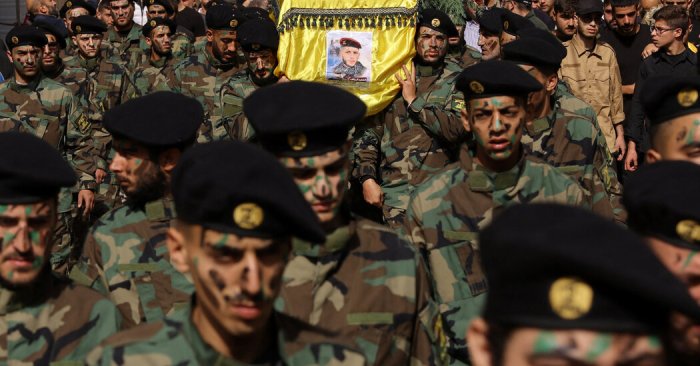
Source: nyt.com
The Israeli-Hezbollah conflict is not a localized affair; it’s a complex interplay of international interests and influence. Various global and regional actors are deeply involved, each with their own strategic objectives, which significantly impact the dynamics of the conflict, from mediating attempts to financial support. Understanding their roles is crucial to grasping the broader picture.
Key International Actors and Their Positions
Several countries and organizations have significant roles. Their stances are often defined by geopolitical considerations, historical ties, and strategic interests.
- The United States: The U.S. consistently views Hezbollah as a terrorist organization and provides significant military and financial aid to Israel. This support is a cornerstone of American foreign policy in the Middle East. Washington has imposed sanctions on Hezbollah and its supporters, aiming to limit its funding and operations. The U.S.
also plays a role in diplomatic efforts, often mediating between Israel and Lebanon, though its influence is sometimes limited by its perceived bias towards Israel.
- Iran: Iran is Hezbollah’s primary state sponsor, providing financial, military, and political support. This backing includes funding, training, and supplying weapons, enabling Hezbollah to maintain its capabilities. Iran views Hezbollah as a crucial element of its regional influence, using it to project power and challenge its adversaries, particularly Israel and the United States. Iran’s support for Hezbollah is a key factor in the ongoing conflict.
- France: France has historically maintained diplomatic relations with both Israel and Lebanon, often playing a mediating role. It has been involved in peacekeeping operations and diplomatic initiatives aimed at de-escalation. France’s approach is generally more balanced than that of the U.S., focusing on dialogue and de-escalation while recognizing the legitimacy of the Lebanese government.
- Russia: Russia has a complex relationship with the region, maintaining ties with both Israel and Iran. Russia’s involvement is often driven by its strategic interests in the Eastern Mediterranean and its desire to expand its influence in the Middle East. Russia has occasionally mediated between the parties and has been involved in discussions related to regional security.
- The European Union: The EU has designated Hezbollah’s military wing as a terrorist organization, imposing sanctions on individuals and entities associated with it. However, the EU’s approach is often characterized by a degree of internal disagreement, with different member states holding varying views on the conflict. The EU supports diplomatic efforts and provides humanitarian aid to Lebanon.
- Saudi Arabia and Other Gulf States: Saudi Arabia and other Gulf states view Hezbollah with suspicion, seeing it as a proxy of Iran and a threat to regional stability. They have supported efforts to counter Hezbollah’s influence, including imposing sanctions and providing financial assistance to Lebanese political factions opposed to Hezbollah.
Diplomatic Efforts to Mediate or Contain Tensions
International actors have engaged in numerous diplomatic efforts to manage and de-escalate tensions. These efforts have varied in their effectiveness, often facing significant challenges.
- United Nations: The UN plays a critical role through its peacekeeping force, UNIFIL, deployed along the Israel-Lebanon border. UNIFIL’s mandate is to monitor the cessation of hostilities, support the Lebanese Armed Forces, and prevent violations of the Blue Line (the border demarcation). UNIFIL’s presence is vital, but its effectiveness is sometimes limited by Hezbollah’s activities and the political situation in Lebanon.
- Mediations by France: France has often taken the lead in diplomatic initiatives, attempting to mediate between Israel and Lebanon. These efforts have included proposing frameworks for resolving border disputes and facilitating discussions between the parties. However, the success of these initiatives has been limited due to the deep-seated mistrust and conflicting interests.
- Indirect Negotiations: Indirect negotiations, often facilitated by the United States or other international actors, have focused on issues such as maritime boundary disputes and the exchange of prisoners. These talks have been crucial in preventing escalation and addressing specific grievances, but they have not addressed the fundamental issues driving the conflict.
- Regional Conferences and Summits: Various regional conferences and summits, such as those organized by the Arab League or the European Union, have addressed the conflict. These forums provide a platform for dialogue and the exchange of ideas, but they have rarely produced concrete results due to the divergent interests of the participants.
Influence of International Sanctions or Aid on Hezbollah’s Operations
International sanctions and aid have a significant impact on Hezbollah’s operations, influencing its financial resources, military capabilities, and political activities.
- U.S. Sanctions: The U.S. has imposed a series of sanctions on Hezbollah, targeting its leaders, financiers, and affiliated entities. These sanctions aim to cut off Hezbollah’s access to financial resources and disrupt its operations. While these sanctions have created challenges for Hezbollah, they have not completely crippled the organization, which has adapted and found alternative sources of funding.
- EU Sanctions: The EU’s sanctions target individuals and entities associated with Hezbollah’s military wing. These sanctions restrict travel, freeze assets, and prohibit financial transactions. The impact of these sanctions is similar to those of the U.S., limiting Hezbollah’s access to financial resources and disrupting its activities.
- Financial Aid to Lebanon: International aid to Lebanon can indirectly affect Hezbollah. Humanitarian and development assistance provided by the international community can support the Lebanese state, potentially reducing Hezbollah’s reliance on providing social services and assistance. However, the distribution of aid is often politicized, with Hezbollah seeking to influence its allocation.
- Impact on Hezbollah’s Funding: Sanctions and other financial measures have forced Hezbollah to find alternative sources of funding, including illicit activities such as drug trafficking and money laundering. These activities generate revenue but also expose Hezbollah to further scrutiny and legal risks. Iran’s financial support remains crucial, but sanctions have made it more difficult for Tehran to transfer funds to Hezbollah.
- Military Assistance to Israel: U.S. military aid to Israel, totaling billions of dollars annually, significantly enhances Israel’s military capabilities. This aid enables Israel to maintain its military advantage and deter Hezbollah. The constant influx of advanced weaponry and technology from the U.S. allows Israel to conduct operations with a high degree of precision and effectiveness.
Historical Context
The ongoing tensions between Hezbollah and Israel are deeply rooted in a history of conflict, marked by periods of intense fighting, uneasy truces, and persistent animosity. Understanding this historical context is crucial for grasping the current situation and the potential for future escalation. Examining past confrontations provides valuable insights into the strategies, tactics, and motivations of both sides, offering a framework for analyzing the present and anticipating the future.
Previous Conflicts Between Hezbollah and Israel
The relationship between Hezbollah and Israel has been characterized by periods of intense conflict interspersed with periods of relative calm. These conflicts have shaped the strategic calculations of both sides and established a pattern of escalation and de-escalation.
- 1982-2000: The Israeli Occupation of Southern Lebanon. Following the 1982 Israeli invasion of Lebanon, Hezbollah emerged as a resistance movement. This period was marked by guerrilla warfare, including roadside bombs, ambushes, and rocket attacks against Israeli forces. Israel’s presence in southern Lebanon led to significant casualties on both sides and created a breeding ground for resentment and resistance. This prolonged conflict eventually led to Israel’s withdrawal in 2000, which Hezbollah hailed as a major victory.
- 2000-2006: The “Shabaa Farms” Dispute. After Israel’s withdrawal from Lebanon, Hezbollah continued to claim the Shebaa Farms area, a small territory on the Lebanon-Syria border, as Lebanese land occupied by Israel. This dispute became a pretext for ongoing cross-border skirmishes, including kidnappings of Israeli soldiers by Hezbollah, and retaliatory actions by Israel.
- 2006: The July War. The 2006 Lebanon War, also known as the July War, was a major escalation. It began with a Hezbollah cross-border raid that killed Israeli soldiers and captured two others. Israel responded with a large-scale military operation, involving air strikes, ground incursions, and a naval blockade. The war lasted for 34 days and resulted in significant destruction in Lebanon and substantial casualties on both sides.
The conflict ended with a UN-brokered ceasefire, but unresolved issues remained.
- Post-2006: Low-Intensity Conflict and Proxy Warfare. Following the 2006 war, the border between Lebanon and Israel has been relatively quiet, but tensions remain high. Both sides have engaged in a low-intensity conflict, with occasional skirmishes and violations of the ceasefire. Hezbollah has also been involved in the Syrian Civil War, fighting alongside the Syrian government, which has further complicated the regional dynamics.
Comparison of Current Situation to Past Escalations and De-escalations
The current situation, characterized by Israeli assassinations and Hezbollah’s measured response, can be compared to past escalations and de-escalations to understand the dynamics at play. The “strategic patience” doctrine, adopted by Hezbollah, is a key factor.
- The 2006 War: The 2006 war was a major escalation triggered by a Hezbollah raid. In contrast, the current situation involves targeted assassinations, suggesting a different strategy. Hezbollah’s response is more restrained, aiming to avoid a full-scale war.
- Post-2006 Period: The post-2006 period saw a relatively stable border, despite underlying tensions. The current situation resembles this in some ways, with the potential for escalation. However, the recent assassinations have introduced a new element of risk.
- “Strategic Patience”: Hezbollah’s current approach, emphasizing “strategic patience,” aims to deter further Israeli aggression without triggering a large-scale conflict. This differs from past responses, which sometimes involved immediate retaliation.
- De-escalation Efforts: Both sides have an interest in avoiding a major war. International actors, such as the UN and other regional powers, play a role in mediating and preventing escalation. These efforts are similar to those seen in past crises.
Timeline of Key Events in the Hezbollah-Israel Conflict
This timeline provides a chronological overview of significant events in the conflict between Hezbollah and Israel, highlighting the evolution of their relationship.
| Year | Event | Description |
|---|---|---|
| 1982 | Israeli invasion of Lebanon | Israel invades Lebanon, leading to the emergence of Hezbollah. |
| 1985-2000 | Guerrilla warfare | Hezbollah launches guerrilla attacks against Israeli forces occupying southern Lebanon. |
| 2000 | Israeli withdrawal | Israel withdraws its forces from southern Lebanon, ending 18 years of occupation. |
| 2000-2006 | Shabaa Farms dispute | Ongoing disputes over the Shebaa Farms area lead to cross-border skirmishes. |
| 2006 | July War | Hezbollah initiates a cross-border raid, leading to a 34-day war between Israel and Hezbollah. |
| 2006-Present | Low-intensity conflict | A period of relative calm with occasional skirmishes and violations of the ceasefire. Hezbollah’s involvement in the Syrian Civil War. |
| 2023-2024 | Israeli Assassinations | Israeli strikes and assassinations targeting Hezbollah figures in Lebanon and Syria. |
| 2023-2024 | Hezbollah’s response | Hezbollah’s adoption of the “strategic patience” doctrine, responding with measured actions. |
Military Capabilities
The military balance between Hezbollah and Israel is complex and constantly evolving. Assessing their respective strengths involves comparing weapons systems, strategic doctrines, and geographical advantages. This section provides a detailed comparative view of their military capabilities.
Hezbollah’s Military Arsenal and Tactics
Hezbollah has transformed from a guerilla force to a more capable military organization. They have developed significant offensive capabilities, primarily focused on asymmetric warfare.
- Rocket and Missile Arsenal: Hezbollah possesses a vast and diverse rocket and missile arsenal, capable of striking deep into Israeli territory. This includes:
- Short-Range Rockets: These are used for tactical engagements and saturation attacks. Examples include Katyusha rockets, known for their widespread use.
- Medium-Range Rockets: These can reach major Israeli cities. Examples include Fajr-3 and Fajr-5 rockets, which have increased range and payload capabilities.
- Long-Range Missiles: Hezbollah possesses long-range missiles, such as Fateh-110 and Zelzal-2, capable of striking strategic targets throughout Israel, including Tel Aviv and beyond. These missiles have the potential to inflict significant damage.
Hezbollah’s missile and rocket stockpiles are substantial, posing a significant threat to Israeli infrastructure and civilian populations. The sheer volume allows for sustained attacks.
- Anti-Tank Guided Missiles (ATGMs): Hezbollah utilizes ATGMs, such as the Russian-made Kornet, to target Israeli tanks and armored vehicles. These weapons are highly effective in ambushes and defensive operations. The use of ATGMs has been a major factor in Hezbollah’s ability to inflict casualties on Israeli forces.
- Unmanned Aerial Vehicles (UAVs): Hezbollah has deployed UAVs for reconnaissance and potentially for attacks. These UAVs can provide real-time intelligence and can be used to strike targets, although their primary role has been surveillance.
- Ground Forces and Tactics: Hezbollah maintains a well-trained ground force, with experience in urban warfare and defensive operations. They employ guerilla tactics, including ambushes, tunnel warfare, and the use of improvised explosive devices (IEDs). Hezbollah fighters are known for their discipline and combat effectiveness.
- Tunnel Network: Hezbollah has constructed an extensive network of tunnels, which serves multiple purposes, including:
- Concealment of fighters and weapons.
- Facilitating movement and surprise attacks.
- Launching attacks into Israeli territory.
This network poses a significant challenge to Israeli forces attempting to dislodge Hezbollah from its positions.
Israeli Military Capabilities and Strategies
Israel’s military, the Israel Defense Forces (IDF), is a highly advanced and well-equipped military, with a focus on conventional warfare and technological superiority.
- Air Force: The Israeli Air Force (IAF) is a dominant force in the region, equipped with advanced fighter jets, attack helicopters, and UAVs. The IAF’s capabilities include:
- Air Superiority: The IAF maintains air superiority over Lebanon and the surrounding areas.
- Precision Strikes: The IAF is capable of conducting precision strikes against Hezbollah targets.
- Intelligence, Surveillance, and Reconnaissance (ISR): The IAF uses advanced ISR platforms to gather intelligence and monitor Hezbollah activities.
The IAF is a critical component of Israel’s military strategy, enabling it to project power and conduct operations throughout the region.
- Ground Forces: The IDF’s ground forces consist of well-equipped infantry, armored divisions, and artillery units. The IDF’s ground forces are designed for both offensive and defensive operations. They possess advanced tanks (like the Merkava) and armored personnel carriers.
- Navy: The Israeli Navy plays a role in protecting Israel’s maritime interests and can be used to blockade Lebanese ports. The navy operates surface combatants and submarines.
- Missile Defense Systems: Israel has developed and deployed sophisticated missile defense systems, including:
- Iron Dome: Designed to intercept short-range rockets and artillery shells. Iron Dome has a high success rate in intercepting incoming projectiles.
- David’s Sling: Designed to intercept medium-range rockets and missiles.
- Arrow: Designed to intercept long-range ballistic missiles.
These systems provide a layered defense against Hezbollah’s missile arsenal.
- Intelligence Capabilities: Israel has highly advanced intelligence gathering capabilities, which are used to monitor Hezbollah activities and preempt attacks. These capabilities include human intelligence, signals intelligence, and imagery intelligence.
Geographical Advantages and Disadvantages
The geographical terrain significantly influences the military strategies and capabilities of both sides.
- Hezbollah’s Geographical Advantages:
- Terrain: Southern Lebanon’s mountainous terrain provides Hezbollah with natural defensive positions and concealment. This rugged terrain is ideal for guerilla warfare, making it difficult for Israeli forces to maneuver. Dense forests and valleys provide cover for Hezbollah fighters.
- Tunnel Network: Hezbollah’s extensive tunnel network provides concealment, protection from air strikes, and facilitates surprise attacks. These tunnels are difficult for Israeli forces to detect and destroy.
- Proximity to Israel: Hezbollah’s proximity to the Israeli border allows it to launch attacks quickly and potentially overwhelm Israeli defenses.
- Hezbollah’s Geographical Disadvantages:
- Open Terrain Near the Border: The area directly adjacent to the Israeli border offers less cover, making Hezbollah forces vulnerable to Israeli air and ground attacks.
- Vulnerability to Air Strikes: Hezbollah’s infrastructure and positions are vulnerable to Israeli air strikes.
- Israel’s Geographical Advantages:
- Air Superiority: Israel’s air superiority allows it to conduct reconnaissance, strike targets, and control the airspace. The ability to launch air strikes limits Hezbollah’s ability to operate.
- Open Terrain: The open terrain of northern Israel favors Israeli armored forces and allows for maneuver warfare.
- Access to the Sea: Israel’s access to the Mediterranean Sea allows it to project naval power and potentially blockade Lebanese ports.
- Israel’s Geographical Disadvantages:
- Vulnerability to Rockets and Missiles: Israeli cities and infrastructure are vulnerable to Hezbollah’s rocket and missile attacks. This vulnerability can lead to civilian casualties and disruption.
- Limited Ground Maneuverability in Southern Lebanon: The rugged terrain of southern Lebanon limits the maneuverability of Israeli ground forces.
Ultimate Conclusion
In conclusion, the ongoing series of Israeli assassinations has placed Hezbollah in a challenging position, testing its strategic patience and resilience. The group faces internal pressures, regional implications, and the ever-present threat of escalation. International actors are watching closely, and the potential for a wider conflict remains a serious concern. The future hinges on Hezbollah’s ability to navigate these complexities, manage public perception, and maintain its influence in a volatile environment.
The situation is a dangerous dance, and the next move could have far-reaching consequences.
FAQs
What is “strategic patience” and why does Hezbollah employ it?
Strategic patience is Hezbollah’s doctrine of measured response to Israeli actions, avoiding immediate escalation. It allows Hezbollah to assess the situation, consolidate its resources, and choose the most advantageous time and place to respond, aiming to avoid a full-scale war while maintaining its deterrence capabilities.
How does Iran influence Hezbollah’s decisions?
Iran provides significant financial, military, and political support to Hezbollah. This includes funding, weapons, training, and strategic guidance. While Hezbollah maintains its autonomy, Iran’s interests and regional objectives strongly influence the group’s decisions, particularly regarding its posture towards Israel.
What are the main challenges Hezbollah faces internally?
Hezbollah faces challenges related to recruitment, maintaining morale, and managing resources, especially in the face of Israeli strikes. Internal dissent and fragmentation are also potential concerns, as well as the need to balance its military activities with its political role in Lebanon.
How do international sanctions affect Hezbollah’s operations?
International sanctions, particularly those imposed by the United States and other Western countries, limit Hezbollah’s access to funding and resources. This can impact its ability to finance its military operations, provide social services, and maintain its political influence.
What role do social media and propaganda play for Hezbollah?
Hezbollah utilizes social media and propaganda to shape public perception, recruit new members, and bolster support for its cause. These tools are crucial for managing its image, justifying its actions, and countering Israeli narratives, targeting both its domestic audience and supporters abroad.