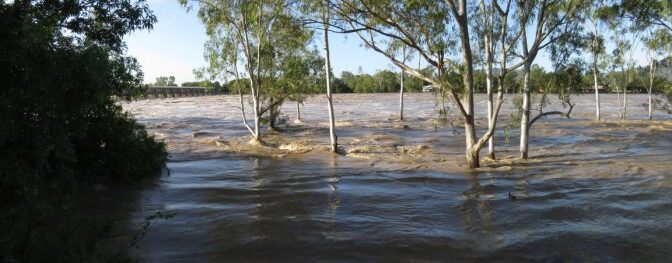
The devastating power of nature, particularly floods and storms, regularly reshapes the lives of people in Bangladesh. These disasters leave behind a trail of destruction, uprooting families and leaving communities struggling to survive. This is where the story shifts, offering a beacon of hope: the opportunity to rebuild through work in Singapore.
This article explores the grim realities of these natural disasters, detailing their impact on individuals, families, and the broader economy of Bangladesh. It then pivots to examine the opportunities Singapore presents, providing a pathway to financial stability and the chance to reconstruct lives shattered by environmental catastrophes. We’ll delve into the process, the challenges, and the ultimate impact on both those who leave and those who stay behind.
The Devastation of Floods and Storms in Bangladesh
Bangladesh, a nation sculpted by the mighty rivers of the Ganges, Brahmaputra, and Meghna, is also a land profoundly shaped by the relentless forces of nature. Its low-lying geography and dense population make it exceptionally vulnerable to a range of devastating natural disasters, particularly floods and storms. These events, often intertwined and amplified by climate change, inflict immense hardship on the people and the economy of Bangladesh.
Types, Frequency, and Intensity of Storms and Floods
Bangladesh experiences a diverse range of extreme weather events. These events are often interconnected, with storms triggering floods and floods exacerbating the impact of storms.
- Cyclones: These powerful storms, originating in the Bay of Bengal, are a major threat. They are characterized by high winds, torrential rainfall, and storm surges. The cyclone season typically runs from April to May and October to November. Cyclones like Sidr (2007) and Aila (2009) caused widespread destruction, impacting millions.
- Monsoon Floods: During the monsoon season (June to September), heavy rainfall leads to widespread flooding. The overflowing of major rivers and their tributaries inundates vast areas of the country. These floods are a regular occurrence, often covering a significant portion of the land. The intensity varies annually, with some years experiencing more severe flooding than others.
- Flash Floods: These rapid-onset floods are common in the northeastern regions, particularly in the Sylhet division. They are often triggered by heavy rainfall in the upstream areas of the Indian Himalayas. Flash floods can be extremely destructive due to their sudden nature.
- Riverbank Erosion: This is a constant threat in Bangladesh, accelerated by floods and strong river currents. It leads to the loss of land, homes, and infrastructure, displacing communities and contributing to poverty.
Vulnerable Areas in Bangladesh
The vulnerability to floods and storms is not uniform across Bangladesh. Several factors contribute to heightened risk in specific areas.
- Geographical Factors: The low-lying deltaic plain, with its intricate network of rivers and channels, makes most of the country susceptible to flooding. Coastal areas are particularly vulnerable to storm surges. The proximity to the Bay of Bengal increases the risk of cyclones.
- Demographic Factors: High population density in vulnerable areas exacerbates the impact of disasters. Overpopulation often leads to unplanned settlements in flood-prone zones, increasing exposure to risk. Poverty and lack of access to resources also limit the ability of communities to prepare for and recover from disasters.
- Specific Regions:
- The coastal districts of Khulna, Satkhira, and Bagerhat are highly vulnerable to cyclones and storm surges.
- The northern districts of Kurigram, Gaibandha, and Jamalpur are prone to severe monsoon flooding.
- The northeastern districts of Sylhet and Sunamganj are susceptible to flash floods.
Immediate Impact on People’s Lives
The immediate consequences of floods and storms are devastating, causing widespread suffering and disruption.
- Loss of Life: Cyclones and floods can lead to significant loss of life, particularly among vulnerable populations. The intensity of the storms and the rapid rise of floodwaters often leave people with little time to escape.
- Displacement: Millions of people are displaced from their homes each year due to floods and storms. Displacement can lead to overcrowded shelters, inadequate sanitation, and increased risk of disease.
- Damage to Property: Homes, businesses, and infrastructure are frequently destroyed or damaged by floods and storms. This includes houses, schools, hospitals, roads, and bridges, disrupting daily life and economic activities.
- Impact on Agriculture: Floods and storms destroy crops, livestock, and agricultural infrastructure, leading to food shortages and economic losses for farmers. This can have a cascading effect on the entire economy.
Economic Impact of Floods and Storms in the Past Decade
The economic impact of these disasters is substantial and multifaceted. The following table showcases the estimated economic impact of floods and storms in Bangladesh over the past decade, demonstrating the magnitude of the challenges. Please note that the exact figures can vary depending on the source and the methodology used for estimation. These figures represent general trends.
| Year | Event | Estimated Economic Loss (USD Million) | Affected Population (Approximate) |
|---|---|---|---|
| 2014 | Floods | 500 | 2 million |
| 2017 | Floods | 800 | 8 million |
| 2019 | Floods | 1,000 | 7 million |
| 2020 | Cyclone Amphan & Floods | 1,500 | 10 million |
Long-Term Consequences on Communities
The impact of floods and storms extends far beyond the immediate aftermath, leaving lasting scars on communities.
- Health Issues: Floods and storms can lead to outbreaks of waterborne diseases such as cholera and diarrhea. They also increase the risk of vector-borne diseases like malaria and dengue fever. The disruption of healthcare services further exacerbates health problems.
- Food Insecurity: The destruction of crops and livestock, coupled with the loss of livelihoods, can lead to widespread food insecurity. This is particularly severe for vulnerable populations who rely on agriculture for their survival. The price of food often increases after a disaster, making it even harder for people to access adequate nutrition.
- Educational Disruption: Schools are often damaged or destroyed by floods and storms, disrupting the education of children. This can lead to increased dropout rates and long-term consequences for their future. Many schools also serve as shelters during disasters, further disrupting the academic calendar.
- Psychological Trauma: The experience of losing homes, livelihoods, and loved ones can lead to significant psychological trauma. This can manifest as anxiety, depression, and post-traumatic stress disorder (PTSD). Access to mental health services is often limited in disaster-affected areas.
The Challenges Faced by Affected Individuals and Families
The aftermath of floods and storms in Bangladesh leaves individuals and families grappling with a multitude of challenges that extend far beyond the immediate physical damage. These challenges impact every aspect of life, from basic survival needs to long-term mental health and societal structures. The struggles are compounded by limited resources, damaged infrastructure, and the sheer scale of the devastation.
Access to Clean Water, Food, and Shelter
Securing essential resources like clean water, food, and shelter becomes an immediate and desperate struggle for survivors. Floodwaters often contaminate water sources, leading to outbreaks of waterborne diseases. Food supplies are destroyed or inaccessible, and homes are rendered uninhabitable or completely washed away.
Here’s a breakdown of the challenges:
- Water Contamination: Floodwaters mix with sewage, agricultural runoff, and industrial waste, making drinking water unsafe. This leads to illnesses like cholera, dysentery, and typhoid fever. For example, after the 2020 floods in Bangladesh, reports indicated a significant increase in diarrheal diseases due to contaminated water sources.
- Food Scarcity: Crops are destroyed, markets are disrupted, and transportation routes are blocked, leading to food shortages and price hikes. Families often face starvation or must rely on inadequate aid. In many affected areas, rice paddies, a staple food source, are completely submerged, leading to long-term food insecurity.
- Shelter Loss: Homes are damaged or destroyed, leaving families displaced and vulnerable to the elements. Overcrowded temporary shelters and the lack of basic amenities like sanitation exacerbate health risks and create further hardships. The lack of proper housing can also create other problems, such as the increased risk of domestic violence and sexual abuse.
Psychological Impact of Disasters on Survivors
The experience of surviving a flood or storm is profoundly traumatic, leaving deep psychological scars. Survivors often experience a range of mental health issues, including post-traumatic stress disorder (PTSD), anxiety, and depression. The loss of loved ones, homes, and livelihoods adds to the emotional burden.
Common psychological impacts include:
- Trauma: The experience of witnessing the disaster, losing loved ones, and narrowly escaping death can lead to PTSD. This can manifest as flashbacks, nightmares, and hypervigilance.
- Anxiety: Survivors may experience chronic anxiety related to the fear of future disasters, financial insecurity, and the uncertainty of their future.
- Depression: The loss of loved ones, homes, and livelihoods, combined with the stress of rebuilding, can lead to depression. Feelings of hopelessness, sadness, and loss of interest in activities are common.
Challenges in Rebuilding Homes and Livelihoods
Rebuilding homes and livelihoods after a natural disaster is a long and arduous process, often hampered by a lack of resources, damaged infrastructure, and bureaucratic hurdles. Families face the daunting task of starting over with limited support and facing an uncertain future.
Here’s a list of key challenges:
- Lack of Resources: Many families lose their savings, possessions, and sources of income. They often lack the financial resources to rebuild their homes or restart their businesses. Aid may be insufficient or slow to arrive.
- Infrastructure Damage: Roads, bridges, and other infrastructure may be damaged or destroyed, making it difficult to transport building materials, access markets, and receive aid.
- Bureaucracy and Corruption: The process of obtaining permits, accessing aid, and navigating government regulations can be complex and time-consuming. Corruption can also divert resources away from those who need them most.
- Loss of Livelihoods: Farmers lose their crops, fishermen lose their boats and equipment, and small business owners lose their shops and inventory. Finding new sources of income can be extremely difficult. For example, many families rely on agriculture, and the loss of crops during a flood can lead to long-term economic hardship.
“We lost everything. Our house, our crops, everything. The water came so fast. Now, we are living in a temporary shelter, but we don’t know how we will rebuild our lives. The fear of the next flood is always with us.”
-A flood survivor from Kurigram district, Bangladesh.
Social Challenges Faced by Families
Natural disasters can disrupt the social fabric of communities, leading to a breakdown of support systems and increased social vulnerability. The loss of homes, livelihoods, and social connections can exacerbate existing inequalities and create new social challenges.
Social challenges include:
- Breakdown of Community Structures: Disasters can destroy community centers, schools, and other gathering places, weakening social bonds and support networks.
- Increased Social Inequality: Vulnerable groups, such as the poor, the elderly, and women, are often disproportionately affected by disasters and may face greater challenges in accessing aid and rebuilding their lives.
- Displacement and Migration: Families may be forced to leave their homes and communities in search of safety and livelihood opportunities, leading to displacement and social disruption. This can strain resources in host communities and create new social tensions.
- Increased Risk of Violence and Exploitation: In the chaos of a disaster, women and children are at increased risk of violence, exploitation, and trafficking. Overcrowded shelters and the breakdown of social order can create unsafe environments.
The Opportunity of Work in Singapore
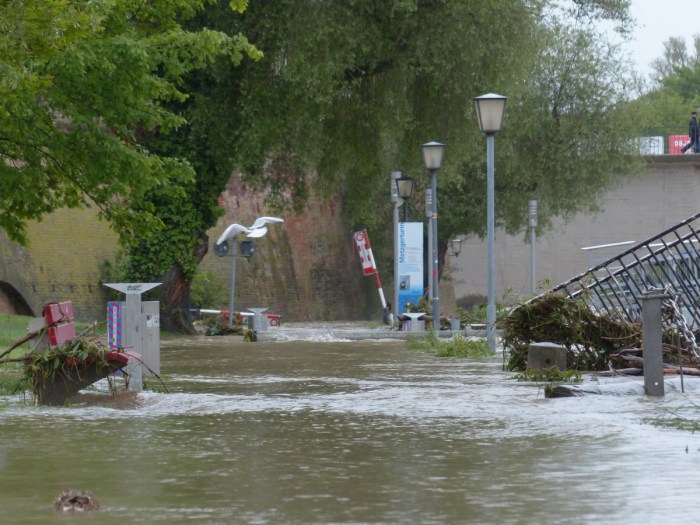
Source: pxhere.com
For many Bangladeshi citizens whose lives have been shattered by the devastation of floods and storms, the opportunity to work in Singapore offers a beacon of hope and a pathway to rebuilding. Singapore’s robust economy and demand for labor provide a chance to earn a stable income, send remittances back home, and ultimately, regain financial security and independence. This section explores the specific opportunities available and the process involved.
Opportunities Singapore Offers for Rebuilding Lives
Singapore’s open labor market welcomes foreign workers, including those from Bangladesh, to fill various job roles. The city-state’s commitment to economic growth creates a constant demand for labor, particularly in sectors like construction, manufacturing, and services. This provides a platform for individuals to earn a living, accumulate savings, and send financial support to their families back in Bangladesh, facilitating their recovery from the aftermath of natural disasters.
Types of Jobs Available to Bangladeshi Workers
Singapore offers a range of employment opportunities for Bangladeshi workers. The availability of these jobs often depends on the skills and experience of the individual.
- Construction: This sector is a significant employer, with roles ranging from general laborers to skilled tradespeople like carpenters and electricians. Skills in construction are highly valued.
- Manufacturing: Manufacturing industries, including electronics, pharmaceuticals, and precision engineering, offer opportunities for factory workers, technicians, and machine operators.
- Services: The service sector is broad, encompassing roles in hospitality (hotels, restaurants), cleaning, and domestic work.
- Marine: Singapore’s position as a major maritime hub provides opportunities in shipyards and related industries.
Economic Benefits of Working in Singapore
Working in Singapore offers significant economic advantages for Bangladeshi individuals and families. The higher wages compared to those available in Bangladesh, coupled with the stability of the Singaporean economy, enable workers to send substantial remittances back home. These remittances play a crucial role in supporting families, rebuilding homes, and investing in education and healthcare.
Remittances sent by migrant workers are a vital part of Bangladesh’s economy, contributing significantly to its GDP.
Average Salaries and Cost of Living Comparison
The following table provides a comparison of average salaries in Singapore across different sectors and estimates the associated cost of living. This comparison allows individuals to understand the financial implications of working in Singapore.
Note
These figures are estimates and can vary based on experience, employer, and specific job role. Cost of living varies depending on lifestyle.*
| Job Sector | Average Monthly Salary (SGD) | Estimated Monthly Cost of Living (SGD) | Notes |
|---|---|---|---|
| Construction Worker | 1,800 – 2,500 | 800 – 1,200 | Includes accommodation, food, and transport. |
| Factory Worker | 1,600 – 2,300 | 700 – 1,100 | Varies depending on the specific industry. |
| Service Staff (Restaurant) | 1,700 – 2,400 | 750 – 1,150 | May include tips. |
| Domestic Helper | 650 – 900 | 400 – 600 | Includes accommodation and food provided by the employer. |
Finding Employment and Obtaining Documentation
The process of finding employment and obtaining the necessary documentation to work in Singapore involves several steps. Understanding these steps is crucial for a smooth transition.
- Job Search: Potential employees can search for jobs through online job portals (e.g., JobStreet, Indeed), recruitment agencies specializing in foreign workers, or through personal networks.
- Application and Interview: Once a suitable job is found, the individual needs to apply and go through the interview process.
- Offer and Employment Contract: If successful, an employment offer and contract will be provided. The contract will Artikel the terms and conditions of employment, including salary, working hours, and benefits.
- Work Permit Application: The employer is responsible for applying for a work permit on behalf of the employee. The work permit type will depend on the job and the worker’s qualifications.
- Medical Examination: Workers typically need to undergo a medical examination to ensure they meet the health requirements for working in Singapore.
- Arrival and Registration: Upon arrival in Singapore, the worker must register with the relevant authorities and comply with all immigration regulations.
The Rebuilding Process
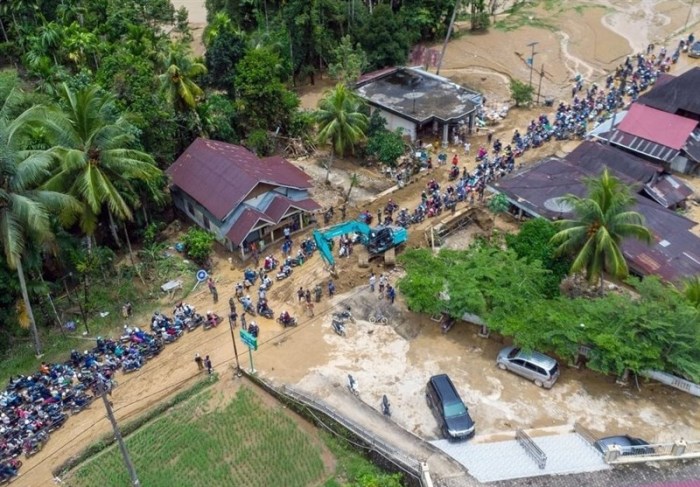
Source: tasnimnews.com
Many Bangladeshis, displaced by devastating floods and storms, find an opportunity for a fresh start through work in Singapore. This journey is not just about earning a living; it’s a lifeline that allows them to rebuild their lives and communities back home. This section delves into the practicalities and experiences of this rebuilding process, highlighting the significant role Singapore plays in their recovery.
Supporting Families and Rebuilding Homes Through Remittances
Working in Singapore offers a crucial financial lifeline. The primary way Bangladeshi workers contribute to rebuilding is through remittances, the money they send back home to their families. This income provides essential support for daily living, healthcare, and education, and crucially, for rebuilding homes damaged or destroyed by natural disasters.
Comparing Living Conditions and Quality of Life
The stark contrast between the living conditions in Singapore and those in flood-affected areas of Bangladesh underscores the importance of this opportunity. Singapore offers significantly improved living standards, with access to clean water, sanitation, healthcare, and stable infrastructure. In contrast, flood-affected areas in Bangladesh often face challenges such as:
- Lack of access to clean water and sanitation, leading to health risks.
- Damaged or destroyed homes, forcing families to live in temporary shelters.
- Disrupted access to healthcare and education.
- Food insecurity due to crop damage and displacement.
Singapore, therefore, provides a safe haven and a means to escape these hardships, enabling workers to secure a better future for their families.
Cultural Adjustments for Bangladeshi Workers in Singapore
Relocating to Singapore involves navigating significant cultural adjustments. Bangladeshi workers encounter a different language, customs, and social norms. This adaptation requires time and effort. Some common challenges include:
- Language barriers: While English is widely spoken, understanding the local dialects and accents can be difficult.
- Food and dietary differences: Adjusting to new cuisines and accessing familiar food items can be challenging.
- Social customs: Differences in social etiquette, communication styles, and workplace norms can require adaptation.
- Climate: The tropical climate of Singapore can be different from the one they are used to.
Despite these challenges, many workers find ways to adapt and integrate, forming communities and supporting each other through shared experiences.
Community Support Networks and Organizations
Numerous community support networks and organizations assist Bangladeshi workers in Singapore. These organizations offer vital assistance, including:
- Providing language classes and cultural orientation programs.
- Offering legal and financial advice.
- Connecting workers with employment opportunities and resources.
- Organizing social events and cultural celebrations to foster a sense of community.
- Advocating for workers’ rights and providing support in cases of exploitation.
These support systems play a crucial role in easing the transition for Bangladeshi workers and ensuring their well-being.
Steps Involved in Rebuilding a Home in Bangladesh
The funds earned in Singapore are often carefully allocated to rebuild homes. Here are the typical steps involved:
- Assessment of Damage: Evaluating the extent of the damage to the existing home. This may involve consulting with local builders and engineers.
- Planning and Design: Creating a plan for the new home, considering factors such as size, materials, and location.
- Securing Funds: Allocating funds from remittances to cover construction costs.
- Procuring Materials: Purchasing building materials such as bricks, cement, wood, and roofing.
- Hiring Labor: Employing local construction workers to build the home.
- Construction: Overseeing the construction process, ensuring quality and adherence to the plan.
- Completion and Move-in: Finishing the construction and moving into the rebuilt home.
Impact on Communities and Society
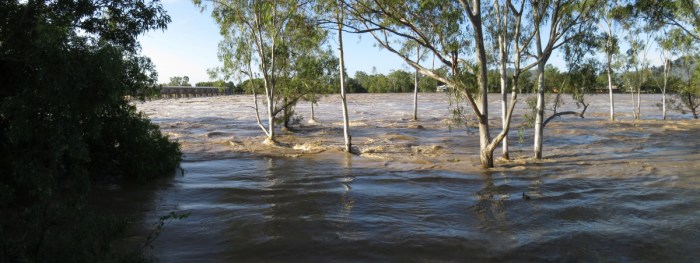
Source: pxhere.com
The devastating floods and storms in Bangladesh not only displace individuals but also deeply impact the fabric of communities and the broader society. The migration of workers to Singapore, while offering opportunities for rebuilding, introduces complex social dynamics. Understanding these impacts is crucial for creating effective support systems and fostering sustainable development.
Positive Impact of Remittances on the Local Economy in Bangladesh
Remittances, the money sent home by Bangladeshi workers in Singapore, play a vital role in bolstering the local economy. This influx of funds has significant ripple effects, positively influencing various sectors.The positive impacts of remittances include:
- Investment in Infrastructure: Remittances often fuel investments in local infrastructure. Families use the money to improve their homes, build new ones, or contribute to community projects like road repairs and school construction. This directly improves living conditions and fosters community development. For instance, studies have shown that in some regions of Bangladesh, a significant portion of remittance income is channeled into constructing better housing, making communities more resilient to future disasters.
- Support for Small Businesses: Remittances provide crucial capital for small businesses. Families use the funds to start or expand businesses, creating employment opportunities within the local community. This entrepreneurial activity boosts economic activity and contributes to the diversification of the local economy. A shopkeeper in a rural village, for example, might be able to purchase more stock, hire an assistant, or upgrade equipment thanks to the remittances received from a family member working abroad.
- Poverty Reduction: Remittances act as a safety net, helping families overcome poverty and improve their living standards. They provide funds for essential needs such as food, healthcare, and education. This, in turn, contributes to reducing poverty rates in remittance-receiving households and communities. Data from the World Bank consistently shows a strong correlation between remittance inflows and poverty reduction in Bangladesh.
- Increased Consumption and Demand: Remittances boost overall consumer spending, driving demand for goods and services in the local market. This increased demand stimulates economic activity and benefits local businesses. As families have more disposable income, they are able to purchase more goods, leading to economic growth.
Changes in Perspectives and Aspirations of Bangladeshi Workers in Singapore
Working in Singapore often profoundly alters the perspectives and aspirations of Bangladeshi workers. The experience of living and working in a developed country exposes them to new opportunities, standards of living, and ways of thinking.The changes in perspective and aspirations include:
- Exposure to New Skills and Technologies: Singapore’s advanced infrastructure and technological landscape expose Bangladeshi workers to new skills and technologies. They acquire expertise that can be applied upon their return to Bangladesh, contributing to the country’s development. A construction worker, for example, might learn new building techniques or safety protocols that they can later implement back home.
- Increased Financial Literacy and Savings: Working in Singapore often encourages financial literacy and the habit of saving. Workers learn to manage their finances, plan for the future, and invest their earnings wisely. This financial discipline helps them rebuild their lives and contribute to their families’ financial security.
- Broader Worldview and Cultural Understanding: Living and working in a multicultural environment like Singapore broadens workers’ worldviews and enhances their cultural understanding. They interact with people from diverse backgrounds, learn new languages, and gain a better understanding of global issues. This exposure can make them more adaptable and open-minded.
- Higher Aspirations for Education and Future Generations: Witnessing the opportunities available in Singapore often inspires workers to prioritize education for their children. They aspire for their children to have better lives and are willing to invest in their education to achieve this. This focus on education can break the cycle of poverty and improve the long-term prospects of their families.
Challenges Faced by Families Separated Due to Migration for Work
While migration to Singapore offers opportunities, it also presents significant challenges for families left behind in Bangladesh. The separation can create emotional, social, and economic strains.The challenges faced by separated families include:
- Emotional Distress and Loneliness: The physical separation from loved ones can cause significant emotional distress, loneliness, and feelings of isolation for both the workers and their families. Children may miss their parents, and spouses may struggle with the responsibilities of managing the household alone.
- Increased Responsibilities for the Remaining Family Members: When a family member migrates, the remaining members often have to take on additional responsibilities. This can include managing the household, caring for children, and making financial decisions. This can be particularly challenging for women who may already be overburdened with domestic tasks.
- Risk of Exploitation and Financial Difficulties: Families can face exploitation from unscrupulous agents or financial difficulties if remittances are delayed or reduced. They may also be vulnerable to scams or predatory lending practices.
- Impact on Children’s Education and Well-being: The absence of a parent can negatively impact children’s education and well-being. Children may experience emotional difficulties, behavioral problems, or struggle academically. The lack of parental guidance and support can also affect their future prospects.
Role of Government and Non-Governmental Organizations in Supporting Workers and Families
Both the government and non-governmental organizations (NGOs) play a crucial role in supporting Bangladeshi workers in Singapore and their families back home. Their interventions help mitigate the challenges of migration and maximize its benefits.The roles of government and NGOs include:
- Pre-Departure Training and Orientation: The government and NGOs provide pre-departure training and orientation to workers, equipping them with the knowledge and skills they need to succeed in Singapore. This includes information on labor laws, cultural norms, and financial management.
- Protection of Workers’ Rights in Singapore: The government and NGOs advocate for the protection of workers’ rights in Singapore, ensuring fair labor practices, safe working conditions, and access to legal assistance. They monitor working conditions and address any cases of exploitation or abuse.
- Financial Literacy and Remittance Management Programs: Both the government and NGOs offer financial literacy and remittance management programs to help workers and their families manage their finances effectively. These programs teach them how to save, invest, and avoid financial scams.
- Support Services for Families in Bangladesh: NGOs provide support services to families in Bangladesh, including counseling, childcare, and educational support. They also offer livelihood programs to help families generate income and improve their economic well-being.
Visual Illustration: A Family’s Journey from Disaster to a New Life
The visual illustration depicts a family’s journey, showcasing their resilience and the transformative power of migration and remittances.The illustration unfolds in three key scenes:
- Scene 1: Disaster in Bangladesh: This scene portrays a family in the aftermath of a devastating flood. The family’s humble home is partially submerged, and they are surrounded by floodwaters. They are visibly distressed, with worried expressions and tattered clothing. The backdrop includes debris, damaged structures, and a gloomy sky, emphasizing the destruction and displacement caused by the disaster.
- Scene 2: Working in Singapore: This scene shows the father working in Singapore. He is depicted in a safe, well-equipped work environment. He is shown wearing appropriate work attire, with a focused expression, representing his hard work and dedication. In the background, there is a cityscape with modern buildings, symbolizing the opportunities available in Singapore. He is sending a remittance through a money transfer service.
- Scene 3: Rebuilding in Bangladesh: This scene illustrates the family’s improved life back in Bangladesh. Their home is now rebuilt and improved, showing a stronger structure and a sense of security. The children are depicted attending school, wearing uniforms and carrying books, representing their access to education. The mother is managing a small business, perhaps a shop or a tailoring unit, indicating the positive impact of remittances on their livelihood.
The overall tone is one of hope, resilience, and the positive outcomes of migration and remittances.
Closing Notes
From the relentless storms and floods that batter Bangladesh to the promise of a new beginning in Singapore, this narrative unveils a story of resilience and hope. It highlights the challenges faced, the sacrifices made, and the strength of the human spirit in the face of adversity. The journey from displacement to rebuilding is a testament to the enduring power of community and the unwavering desire for a better future, reminding us of the interconnectedness of our world.
FAQ Guide
What types of storms are most common in Bangladesh?
Bangladesh is frequently hit by cyclones, nor’westers (severe thunderstorms), and monsoon rains. Cyclones, originating in the Bay of Bengal, are particularly destructive, often accompanied by storm surges that inundate coastal areas. Nor’westers bring strong winds and heavy rainfall during the pre-monsoon season, while the monsoon season itself brings widespread flooding.
What are the main causes of flooding in Bangladesh?
Flooding in Bangladesh is primarily caused by a combination of factors: heavy monsoon rainfall, overflowing rivers (fed by Himalayan snowmelt), and the country’s low-lying topography. Deforestation in upstream areas and climate change, which intensifies rainfall patterns, also exacerbate the problem.
How does working in Singapore help rebuild lives in Bangladesh?
Working in Singapore allows individuals to earn significantly higher wages than they might in Bangladesh. These earnings are often sent back home as remittances, which can be used to rebuild homes, purchase essential goods, pay for education and healthcare, and invest in small businesses, ultimately boosting the local economy and improving the standard of living.
What kind of support is available for Bangladeshi workers in Singapore?
Various organizations and community groups offer support to Bangladeshi workers in Singapore. This includes assistance with finding employment, navigating legal processes, accessing healthcare, and providing emotional support. Some organizations also offer language classes and cultural orientation programs to help workers adapt to their new environment.
What are the long-term impacts on children who experience these disasters?
Children affected by floods and storms often face significant long-term consequences. They may experience trauma, leading to psychological distress and behavioral problems. Disrupted education, lack of access to healthcare, and increased vulnerability to diseases can hinder their development and future opportunities.