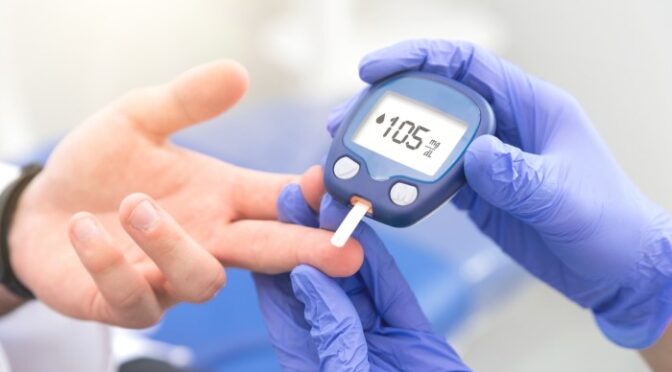
Diabetes, often dubbed the “silent disease,” creeps into our lives unnoticed, posing a significant threat to our health. This condition, encompassing various types like Type 1, Type 2, and Gestational diabetes, silently disrupts the body’s ability to regulate blood sugar, potentially leading to serious long-term complications. Understanding the nature of diabetes, recognizing its early warning signs, and knowing the risk factors are crucial steps in taking control of our health and preventing this increasingly prevalent condition.
This exploration will delve into the intricacies of diabetes, from its physiological impact on the body to practical strategies for prevention. We’ll examine lifestyle modifications, including dietary changes and exercise routines, alongside medical interventions and the importance of regular check-ups. Furthermore, we’ll address the emotional aspects of managing diabetes and consider the specific challenges faced by different populations, ensuring a comprehensive understanding of this critical health issue.
Understanding Diabetes
Source: somospacientes.com
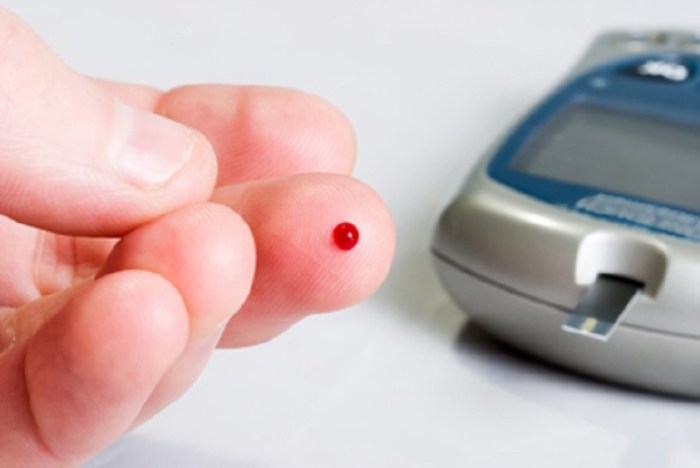
Diabetes is a serious chronic disease that affects how your body processes blood sugar (glucose). Glucose is your body’s main source of energy, and it comes from the food you eat. When you have diabetes, your body either doesn’t make enough insulin or can’t effectively use the insulin it makes. Insulin is a hormone produced by the pancreas that acts like a key, allowing glucose to enter your cells to be used for energy.
Without enough insulin, or if insulin doesn’t work properly, glucose builds up in your bloodstream, leading to high blood sugar levels.
Types of Diabetes
There are several types of diabetes, each with different causes and treatments. Understanding the distinctions is crucial for effective management.
- Type 1 Diabetes: This is an autoimmune disease where the body’s immune system attacks and destroys the insulin-producing cells in the pancreas. This means the body can’t produce insulin. Type 1 diabetes typically develops in childhood or adolescence, although it can occur at any age. People with Type 1 diabetes require insulin injections or the use of an insulin pump to survive.
An example would be a child diagnosed at age 8 who needs daily insulin injections to regulate their blood sugar levels and maintain their health.
- Type 2 Diabetes: This is the most common type of diabetes. It occurs when the body doesn’t use insulin properly (insulin resistance) and gradually loses the ability to produce enough insulin. Type 2 diabetes is often associated with lifestyle factors like obesity, lack of physical activity, and unhealthy eating habits. It typically develops in adulthood, although it’s increasingly being seen in younger people.
Management often involves lifestyle changes, oral medications, and sometimes insulin injections. A person who is 55 years old, overweight, and has a family history of diabetes might be diagnosed with Type 2 diabetes and need to modify their diet and exercise regime, and eventually take medication to control their blood sugar.
- Gestational Diabetes: This type of diabetes develops during pregnancy in women who didn’t have diabetes before. It’s caused by hormonal changes during pregnancy. Gestational diabetes usually resolves after the baby is born, but women who have had it are at higher risk of developing Type 2 diabetes later in life. This could be illustrated by a pregnant woman who develops high blood sugar levels during her second trimester and needs to carefully monitor her diet and potentially take insulin to ensure a healthy pregnancy and delivery.
The Silent Nature of Diabetes
Diabetes is often called a “silent disease” because many people don’t experience any noticeable symptoms in the early stages. This lack of obvious symptoms can delay diagnosis and treatment, increasing the risk of complications.
Early detection is crucial because it allows for timely intervention to manage blood sugar levels and prevent or delay the onset of long-term health problems.
Common Early Symptoms of Diabetes and Importance of Early Detection
Recognizing the early signs of diabetes is essential for prompt diagnosis and treatment. Early symptoms can be subtle, but awareness can help you seek medical attention sooner.
- Increased Thirst: High blood sugar levels can cause the kidneys to work harder to filter and absorb the excess glucose. This process draws fluids from the body, leading to increased thirst.
- Frequent Urination: As the kidneys try to eliminate excess glucose, they produce more urine, leading to frequent urination, especially at night.
- Unexplained Weight Loss: If your body can’t use glucose for energy, it may start breaking down fat and muscle for fuel, leading to weight loss even if you’re eating normally.
- Increased Hunger: Despite eating more, you may still feel hungry because your body’s cells aren’t getting enough glucose.
- Fatigue: High blood sugar levels can make you feel tired and weak.
- Blurred Vision: High blood sugar can affect the lens of the eye, causing blurred vision.
- Slow-Healing Sores: High blood sugar can impair blood flow and damage nerves, making it harder for cuts and sores to heal.
- Frequent Infections: High blood sugar can weaken the immune system, making you more susceptible to infections.
Early detection of diabetes is important because it allows for lifestyle changes, such as dietary adjustments and increased physical activity, and medical interventions, such as medication, to be implemented sooner. This proactive approach can significantly reduce the risk of developing serious complications, such as heart disease, kidney disease, nerve damage, and vision loss. For instance, a person who experiences frequent urination, excessive thirst, and unexplained weight loss might be diagnosed with prediabetes or early-stage Type 2 diabetes.
If they seek medical attention promptly, they can take steps to manage their blood sugar levels and prevent the progression of the disease.
Risk Factors and Predisposition
Understanding the risk factors for diabetes is crucial for prevention and early detection. These factors can be broadly categorized into those we can influence and those we cannot. Recognizing your individual risk profile empowers you to take proactive steps towards managing your health. This section will delve into the primary risk factors, exploring the roles of genetics and lifestyle, and highlighting the distinction between modifiable and non-modifiable factors.
Primary Risk Factors for Diabetes
Several factors significantly increase the likelihood of developing diabetes. These factors often interact, compounding the risk. Understanding these elements is essential for effective prevention strategies.
- Age: The risk of developing type 2 diabetes increases with age, particularly after 45. This is due to a combination of factors, including reduced physical activity, increased weight gain, and decreased insulin sensitivity.
- Weight: Being overweight or obese, especially with excess weight around the abdomen, is a major risk factor. Excess fat can lead to insulin resistance, making it difficult for the body to use insulin effectively.
- Physical Inactivity: A sedentary lifestyle contributes to weight gain and insulin resistance. Regular physical activity helps improve insulin sensitivity and manage weight.
- Family History: Having a parent, sibling, or other close relative with diabetes increases your risk. This suggests a genetic predisposition to the disease.
- Race and Ethnicity: Certain racial and ethnic groups, including African Americans, Hispanic/Latino Americans, Native Americans, Asian Americans, and Pacific Islanders, have a higher prevalence of type 2 diabetes.
- Prediabetes: Having prediabetes, a condition where blood sugar levels are higher than normal but not high enough to be diagnosed as diabetes, significantly increases the risk of developing type 2 diabetes.
- Gestational Diabetes: Women who developed gestational diabetes during pregnancy are at increased risk of developing type 2 diabetes later in life.
- High Blood Pressure: Hypertension is often associated with insulin resistance and an increased risk of diabetes.
- Abnormal Cholesterol Levels: High levels of triglycerides and low levels of HDL (“good”) cholesterol are linked to an increased risk of diabetes.
The Role of Genetics and Family History
Genetics play a significant role in determining a person’s susceptibility to diabetes. While genetics don’t guarantee the development of the disease, they significantly increase the risk. Family history provides crucial clues about potential genetic predispositions.
If a close relative has diabetes, the chances of developing the condition are higher. This doesn’t mean diabetes is inevitable; it simply highlights a heightened risk. Genetic research has identified numerous genes associated with an increased risk of type 2 diabetes. However, environmental factors and lifestyle choices also have a major impact on whether these genes are “activated.” For instance, a person with a strong family history may delay or even prevent the onset of diabetes through healthy lifestyle choices, while another with a similar genetic predisposition but an unhealthy lifestyle might develop the disease earlier.
Modifiable and Non-Modifiable Risk Factors
Risk factors can be divided into two main categories: those we can change (modifiable) and those we cannot (non-modifiable). Understanding the distinction is vital for creating effective prevention and management strategies.
The ability to manage risk factors can significantly influence the onset and progression of diabetes.
- Modifiable Risk Factors: These are factors that can be changed through lifestyle adjustments or medical interventions.
- Weight: Losing even a small amount of weight can improve insulin sensitivity.
- Physical Inactivity: Engaging in regular physical activity, such as brisk walking, swimming, or cycling, can significantly reduce the risk.
- Diet: Following a healthy diet, rich in fruits, vegetables, and whole grains, while limiting processed foods, sugary drinks, and saturated fats, is crucial.
- Smoking: Quitting smoking improves overall health and reduces the risk of diabetes complications.
- Blood Pressure: Managing high blood pressure through medication, diet, and exercise can reduce the risk.
- Cholesterol Levels: Managing cholesterol levels through diet, exercise, and medication can also help.
- Non-Modifiable Risk Factors: These are factors that cannot be changed.
- Age: While you cannot stop aging, you can mitigate its impact on diabetes risk through other lifestyle changes.
- Family History: You cannot change your family history, but you can be aware of your increased risk and take preventative measures.
- Race and Ethnicity: This is a biological factor that cannot be altered.
- Genetics: Your genetic makeup is inherent and cannot be changed.
The impact of modifiable risk factors is substantial. For example, a study published in the
-New England Journal of Medicine* demonstrated that lifestyle interventions, including diet and exercise, were more effective than medication in preventing or delaying the onset of type 2 diabetes in people with prediabetes. This underscores the power of taking control of modifiable risk factors.
The Body’s Response
Diabetes fundamentally alters how the body manages blood sugar, leading to a cascade of effects that impact various organ systems. Understanding these physiological disruptions is crucial for appreciating the disease’s complexities and the importance of early intervention and management. This section will delve into the mechanisms behind these changes, detailing the roles of insulin resistance, beta-cell dysfunction, and the long-term consequences of uncontrolled blood sugar levels.
Disruption of Blood Sugar Regulation
The primary function of the body’s blood sugar regulation system is to maintain a stable glucose level in the bloodstream. In a healthy individual, after eating, the pancreas releases insulin, a hormone that acts like a key, unlocking cells to allow glucose to enter and be used for energy. In diabetes, this process is disrupted. Either the body doesn’t produce enough insulin (Type 1 diabetes), or the cells become resistant to insulin’s effects (Type 2 diabetes), or both.
This leads to a build-up of glucose in the blood, a condition known as hyperglycemia.
Insulin Resistance and Beta-Cell Dysfunction
Insulin resistance and beta-cell dysfunction are key players in the development and progression of Type 2 diabetes. Insulin resistance means that the body’s cells, particularly those in the muscles, liver, and fat tissue, don’t respond properly to insulin. This causes the pancreas to work harder to produce more insulin to try and overcome the resistance. Over time, the beta-cells, which are the insulin-producing cells in the pancreas, can become exhausted and damaged.The following points detail these processes:
- Insulin Resistance: The cells become less sensitive to insulin, and glucose cannot enter the cells efficiently. This can be caused by various factors, including genetics, obesity, a sedentary lifestyle, and poor diet. As a result, glucose accumulates in the bloodstream.
- Beta-Cell Hyperactivity: To compensate for insulin resistance, the beta-cells in the pancreas initially increase insulin production. This is the body’s attempt to maintain normal blood glucose levels.
- Beta-Cell Exhaustion: Over time, the beta-cells can become overworked and eventually lose their ability to produce sufficient insulin. This is known as beta-cell dysfunction. The cells may also undergo apoptosis (programmed cell death) due to chronic stress.
- Progression to Diabetes: When the beta-cells can no longer produce enough insulin to overcome insulin resistance, blood glucose levels rise, leading to prediabetes and, eventually, Type 2 diabetes.
Long-Term Health Complications
Chronic hyperglycemia, a hallmark of uncontrolled diabetes, can damage blood vessels and nerves throughout the body, leading to a variety of serious long-term health complications. These complications can significantly reduce quality of life and lifespan.The following complications are commonly associated with uncontrolled diabetes:
- Cardiovascular Disease: High blood sugar damages blood vessels, increasing the risk of heart attack, stroke, and peripheral artery disease. The damage leads to the formation of plaque within the arteries, a process called atherosclerosis. Elevated blood glucose also contributes to inflammation and oxidative stress, further accelerating the damage.
- Kidney Disease (Nephropathy): High blood sugar damages the small blood vessels in the kidneys, impairing their ability to filter waste products from the blood. This can lead to kidney failure, requiring dialysis or a kidney transplant. Early signs of kidney damage include microalbuminuria, the presence of small amounts of protein in the urine.
- Nerve Damage (Neuropathy): High blood sugar damages the nerves, particularly in the feet and hands. This can lead to pain, numbness, tingling, and loss of sensation. Diabetic neuropathy can also affect the digestive system, causing nausea, vomiting, and diarrhea, and can affect the cardiovascular system, leading to low blood pressure and dizziness.
- Eye Damage (Retinopathy): High blood sugar damages the blood vessels in the retina, potentially leading to vision loss and blindness. The damage can cause blood vessels to leak or bleed, or new, abnormal blood vessels to grow. Regular eye exams are crucial for early detection and treatment.
- Foot Problems: Nerve damage and poor circulation in the feet increase the risk of infections, ulcers, and amputations. People with diabetes are advised to check their feet daily for cuts, blisters, and other injuries.
An example of the devastating effects of these complications can be seen in the real-life case of Mr. Johnson, a 62-year-old man with uncontrolled Type 2 diabetes. Due to years of poor blood sugar control, Mr. Johnson suffered a heart attack, experienced significant vision loss from diabetic retinopathy, and eventually required a below-the-knee amputation due to a non-healing foot ulcer.
This case illustrates the critical importance of early diagnosis, aggressive management, and lifestyle modifications in preventing these debilitating outcomes.
Prevention Strategies
Source: somospacientes.com
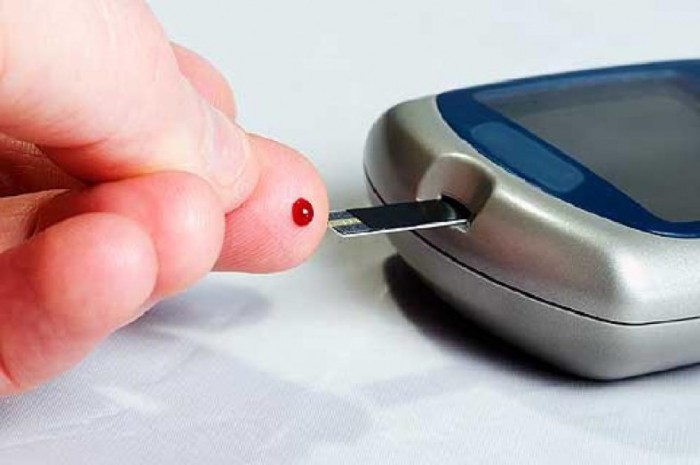
Taking proactive steps can significantly reduce your risk of developing diabetes. This involves making informed choices about your lifestyle, focusing on diet, exercise, and maintaining a healthy weight. These modifications work synergistically to improve insulin sensitivity and overall metabolic health, effectively acting as a shield against the onset of diabetes.
Dietary Changes for Diabetes Prevention
Adopting a balanced and mindful eating plan is crucial for preventing diabetes. The following dietary adjustments can have a significant impact on blood sugar control and overall health.
- Prioritize Whole, Unprocessed Foods: Base your diet on whole foods like fruits, vegetables, whole grains, and lean proteins. These foods are rich in fiber, vitamins, and minerals, which are essential for overall health and help regulate blood sugar levels. For instance, a plate filled with colorful vegetables, a portion of grilled chicken, and a side of quinoa provides a balanced intake.
- Control Carbohydrate Intake: Choose complex carbohydrates over simple sugars. Limit refined grains, sugary drinks, and processed foods. Opt for whole-grain bread, brown rice, and other high-fiber options. For example, replacing a sugary soda with water or unsweetened tea can make a substantial difference.
- Choose Healthy Fats: Include sources of healthy fats like avocados, nuts, seeds, and olive oil in your diet. These fats can help improve insulin sensitivity and support heart health. A handful of almonds or a tablespoon of olive oil in your salad can be beneficial.
- Increase Fiber Consumption: Fiber helps slow down the absorption of sugar, preventing blood sugar spikes. Aim for at least 25-30 grams of fiber per day. Foods like beans, lentils, and oats are excellent sources. A serving of lentils in your soup or adding oats to your breakfast can contribute to your daily fiber intake.
- Limit Processed Foods and Added Sugars: These foods often contain high amounts of sugar, unhealthy fats, and sodium, which can contribute to insulin resistance and weight gain. Read food labels carefully and be mindful of hidden sugars. Cutting back on packaged snacks and opting for homemade meals is a great start.
- Control Portion Sizes: Overeating, regardless of the food type, can lead to weight gain and increase the risk of diabetes. Use smaller plates and pay attention to your body’s hunger cues. A smaller portion of pasta or rice can help control your calorie intake.
- Hydrate Adequately: Drink plenty of water throughout the day. Water helps regulate blood sugar levels and supports overall health. Aim for at least eight glasses of water per day.
Exercise Program for Diabetes Prevention
Regular physical activity is a powerful tool in preventing diabetes. Exercise improves insulin sensitivity, helps with weight management, and provides numerous other health benefits. Here’s a sample exercise program:
- Aerobic Exercise: Aim for at least 150 minutes of moderate-intensity aerobic exercise per week, or 75 minutes of vigorous-intensity exercise. Moderate-intensity activities include brisk walking, cycling, and swimming. Vigorous-intensity activities include running, high-intensity interval training (HIIT), and fast-paced swimming.
- Strength Training: Incorporate strength training exercises at least two days per week. This can include lifting weights, using resistance bands, or doing bodyweight exercises like push-ups and squats. Strength training helps build muscle mass, which improves metabolism and insulin sensitivity.
- Flexibility and Balance Exercises: Include activities like yoga or Pilates to improve flexibility and balance. These exercises can also help reduce stress and improve overall well-being.
- Sample Weekly Schedule:
- Monday: Strength training (e.g., weightlifting)
- Tuesday: 30 minutes of brisk walking
- Wednesday: Rest or active recovery (e.g., yoga)
- Thursday: 30 minutes of cycling
- Friday: Strength training (e.g., bodyweight exercises)
- Saturday: 45 minutes of swimming
- Sunday: Rest or active recovery (e.g., leisurely walk)
- Benefits of Regular Exercise:
- Improved Insulin Sensitivity: Exercise helps your cells become more responsive to insulin, allowing glucose to be used for energy more effectively.
- Weight Management: Exercise helps burn calories and can aid in weight loss or maintenance, which is crucial for diabetes prevention.
- Cardiovascular Health: Regular physical activity reduces the risk of heart disease, a common complication of diabetes.
- Mood Enhancement: Exercise releases endorphins, which can improve mood and reduce stress.
Maintaining a Healthy Weight and Its Impact on Diabetes Risk
Maintaining a healthy weight is one of the most effective strategies for preventing diabetes. Excess weight, especially around the abdomen, is strongly linked to insulin resistance.
- Calculate Your Body Mass Index (BMI): BMI is a measure of body fat based on height and weight. A BMI between 25 and 29.9 is considered overweight, and 30 or higher is considered obese. Use an online BMI calculator or consult with a healthcare professional to determine your BMI.
- Set Realistic Goals: Aim for a gradual and sustainable weight loss of 1-2 pounds per week. Avoid crash diets, which can be unhealthy and unsustainable.
- Combine Diet and Exercise: Weight loss is most effective when combined with a balanced diet and regular physical activity. This approach helps burn calories and build muscle mass.
- Focus on Nutrient-Dense Foods: Prioritize foods that are high in nutrients and low in calories, such as fruits, vegetables, and lean proteins.
- Monitor Your Progress: Track your weight regularly and make adjustments to your diet and exercise plan as needed. Keep a food diary or use a fitness tracker to monitor your progress.
- Seek Professional Guidance: Consult with a doctor or registered dietitian for personalized advice and support. They can help you create a weight loss plan that is safe and effective.
- Impact of Healthy Weight on Diabetes Risk:
- Improved Insulin Sensitivity: Losing even a small amount of weight can significantly improve insulin sensitivity.
- Reduced Risk of Complications: Maintaining a healthy weight reduces the risk of diabetes-related complications, such as heart disease and nerve damage.
- Enhanced Overall Health: A healthy weight improves overall health and well-being, including energy levels and mood.
Prevention Strategies
Preventing diabetes requires a multi-pronged approach, encompassing lifestyle modifications, medical interventions, and proactive healthcare practices. While lifestyle changes are crucial, medical interventions play a vital role in mitigating risk, especially for those with prediabetes or other risk factors. These interventions can significantly reduce the likelihood of developing type 2 diabetes and its associated complications.
Regular Check-ups and Screenings for Early Detection
Early detection is critical in managing diabetes and preventing its progression. Regular check-ups and screenings allow healthcare providers to identify prediabetes or diabetes in its early stages, when interventions are most effective.Regular check-ups include:
- Fasting Plasma Glucose (FPG) Test: This test measures blood glucose levels after an overnight fast. A normal FPG level is less than 100 mg/dL. A level between 100 and 125 mg/dL indicates prediabetes, and 126 mg/dL or higher indicates diabetes.
- A1C Test: The A1C test provides an average of blood glucose levels over the past two to three months. An A1C level below 5.7% is considered normal. A level between 5.7% and 6.4% indicates prediabetes, and 6.5% or higher indicates diabetes.
- Oral Glucose Tolerance Test (OGTT): This test measures blood glucose levels after fasting and two hours after consuming a sugary drink. It’s often used to diagnose gestational diabetes and can also be used to diagnose prediabetes and type 2 diabetes.
- Blood Pressure Checks: High blood pressure is a risk factor for diabetes and a common complication. Regular blood pressure monitoring helps in early detection and management.
- Cholesterol Screening: High cholesterol levels are often associated with insulin resistance and an increased risk of diabetes. Regular lipid panel tests help identify and manage this risk factor.
Early detection allows for timely interventions, such as lifestyle changes and medication, to prevent or delay the onset of type 2 diabetes.
Potential Benefits of Medications for High-Risk Individuals
Certain medications can be prescribed to individuals at high risk of developing type 2 diabetes. These medications work in different ways to improve insulin sensitivity, reduce glucose production by the liver, or slow down the absorption of glucose from the gut.Medications used for diabetes prevention:
- Metformin: Metformin is a commonly prescribed medication that helps improve insulin sensitivity and reduce glucose production by the liver. The Diabetes Prevention Program (DPP) research demonstrated that metformin reduced the risk of developing type 2 diabetes by 31% in people with prediabetes.
- Thiazolidinediones (TZDs): TZDs, such as pioglitazone, improve insulin sensitivity in muscle and fat tissue. They can be effective in preventing diabetes but may have side effects.
- GLP-1 Receptor Agonists: These medications stimulate insulin release, suppress glucagon secretion, and slow gastric emptying. Studies have shown they can reduce the risk of diabetes in high-risk individuals.
The choice of medication depends on individual factors, including other health conditions, and potential side effects. These medications are most effective when combined with lifestyle modifications, such as diet and exercise.
Role of Education and Awareness Campaigns in Diabetes Prevention
Education and awareness campaigns play a crucial role in preventing diabetes by empowering individuals with the knowledge and tools they need to make informed decisions about their health.Key aspects of effective education and awareness campaigns:
- Raising Awareness: Campaigns help increase public awareness of diabetes risk factors, symptoms, and the importance of early detection and prevention.
- Promoting Healthy Lifestyles: Educational materials and programs provide guidance on healthy eating habits, regular physical activity, and weight management.
- Targeting High-Risk Groups: Campaigns can be tailored to reach specific populations at higher risk, such as those with a family history of diabetes, those who are overweight or obese, or those from certain ethnic groups.
- Community Involvement: Engaging communities through local events, workshops, and support groups helps create a supportive environment for individuals to adopt healthy behaviors.
- Using Technology: Utilizing online resources, social media, and mobile apps can help reach a wider audience and provide ongoing support and information.
By educating the public and raising awareness, these campaigns empower individuals to take proactive steps to prevent diabetes and improve their overall health.
Nutritional Approaches
A well-structured diet is a cornerstone in managing and preventing diabetes. It’s not about deprivation, but about making informed choices that support healthy blood sugar levels, weight management, and overall well-being. This section delves into the principles of a diabetic diet, offering practical meal planning examples and the crucial role of carbohydrate counting.
The Diabetic Diet: Principles of a Balanced Approach
The diabetic diet, which is also beneficial for those at risk, emphasizes a balanced intake of nutrients, focusing on whole, unprocessed foods. This approach helps regulate blood sugar, provides essential vitamins and minerals, and supports long-term health. It’s about building a sustainable eating pattern, not a temporary fix.
- Focus on Whole Grains and Fiber-Rich Foods: Opt for whole grains like brown rice, quinoa, and whole-wheat bread over refined grains. Fiber helps slow down the absorption of glucose, preventing sharp blood sugar spikes. Include plenty of non-starchy vegetables like broccoli, spinach, and carrots.
- Choose Lean Proteins: Incorporate lean protein sources such as fish, poultry without skin, beans, and tofu. Protein helps you feel full and doesn’t directly raise blood sugar levels.
- Healthy Fats are Important: Include healthy fats from sources like avocados, nuts, seeds, and olive oil. These fats support heart health and provide essential nutrients.
- Limit Sugary Drinks and Processed Foods: Avoid sugary drinks like soda and juice, as well as processed foods high in added sugars, unhealthy fats, and sodium.
- Control Portion Sizes: Pay attention to portion sizes to manage calorie intake and blood sugar levels.
- Regular Meal Timing: Eating meals and snacks at consistent times helps regulate blood sugar levels throughout the day.
Meal Planning Examples
Effective meal planning involves creating balanced meals that consider portion sizes and food combinations. The goal is to distribute carbohydrate intake evenly throughout the day to avoid blood sugar fluctuations. The following table provides examples of meal plans. Remember, individual needs may vary, and it’s essential to consult with a healthcare professional or a registered dietitian to personalize your meal plan.
| Meal | Example Food Items | Portion Size | Approximate Carbohydrate Content (grams) |
|---|---|---|---|
| Breakfast | Oatmeal with berries and nuts | 1/2 cup oatmeal, 1/2 cup berries, 1 tbsp nuts | 30 |
| Lunch | Turkey and vegetable wrap | 1 whole-wheat tortilla, 4 oz turkey, 1 cup mixed vegetables | 35 |
| Dinner | Grilled salmon with roasted vegetables and quinoa | 4 oz salmon, 1 cup roasted vegetables, 1/2 cup quinoa | 40 |
| Snack | Apple slices with peanut butter | 1 small apple, 2 tbsp peanut butter | 20 |
Carbohydrate Counting and Blood Sugar Management
Carbohydrate counting is a crucial tool for managing blood sugar levels. It involves tracking the amount of carbohydrates consumed in each meal and snack. This information helps individuals adjust insulin doses (if applicable) and make informed food choices to maintain stable blood glucose.
- Understanding Carbohydrate Content: Learn to read food labels and identify the carbohydrate content in various foods. This includes total carbohydrates, fiber, and added sugars.
- Calculating Carbohydrate Needs: Work with a healthcare provider or a registered dietitian to determine your individual carbohydrate needs based on factors like activity level, insulin sensitivity, and blood sugar goals.
- Using Carbohydrate Ratios: For individuals on insulin, a carbohydrate-to-insulin ratio is often used to determine the appropriate insulin dose for each meal. This ratio indicates how many grams of carbohydrates are covered by one unit of insulin.
- Monitoring Blood Sugar Levels: Regularly monitor blood sugar levels before and after meals to assess the impact of carbohydrate intake and adjust your meal plan or insulin doses as needed.
For example, if a person has a carbohydrate-to-insulin ratio of 1:10 (1 unit of insulin for every 10 grams of carbohydrates) and plans to eat a meal with 60 grams of carbohydrates, they would need to administer 6 units of insulin.
Physical Activity and Diabetes Prevention
Regular physical activity is a cornerstone of diabetes prevention. It’s not just about weight loss, though that’s often a welcome side effect. Exercise plays a critical role in how your body handles glucose, reducing your risk of developing type 2 diabetes significantly.
Optimal Types and Intensities of Exercise
To get the most out of your workouts for diabetes prevention, a combination of different types and intensities is best. Aim for a mix to achieve the most beneficial results.
- Aerobic Exercise: This is any activity that gets your heart rate up and makes you breathe harder. Think brisk walking, jogging, swimming, cycling, or dancing. Aim for at least 150 minutes of moderate-intensity aerobic exercise per week, or 75 minutes of vigorous-intensity exercise. Moderate intensity means you can talk, but not sing. Vigorous intensity means you can only say a few words before needing to catch your breath.
- Strength Training: This involves working your muscles against resistance, using weights, resistance bands, or your own body weight. Aim for strength training exercises at least two days a week, working all major muscle groups. This helps build muscle mass, which improves glucose metabolism.
- Flexibility and Balance Exercises: While not directly impacting glucose levels as significantly as aerobic and strength training, these exercises are still important. They improve overall health, reduce the risk of falls, and make it easier to stay active. Yoga, Pilates, and tai chi are excellent options.
How Physical Activity Improves Insulin Sensitivity and Glucose Metabolism
Exercise works on several fronts to protect against diabetes. It’s all about how your body uses glucose and responds to insulin.
- Improved Insulin Sensitivity: Physical activity makes your cells more receptive to insulin. This means your body can use insulin more effectively to move glucose from your bloodstream into your cells for energy. This is crucial because insulin resistance is a hallmark of prediabetes and type 2 diabetes.
- Enhanced Glucose Uptake: During exercise, your muscles need more energy, and they become more efficient at taking up glucose from the bloodstream, even without insulin. This helps lower blood sugar levels immediately after a workout.
- Increased Muscle Mass: Muscle tissue uses more glucose than fat tissue. Building muscle mass through strength training increases your body’s overall capacity to use glucose, further improving blood sugar control.
- Weight Management: Exercise helps you burn calories, which can lead to weight loss or weight maintenance. Maintaining a healthy weight reduces your risk of insulin resistance.
Strategies for Incorporating Exercise into a Daily Routine
Finding time to exercise can be challenging, but there are ways to integrate it into your daily life, even with a busy schedule.
- Schedule It: Treat exercise like an important appointment. Block out time in your calendar and stick to it.
- Break It Up: You don’t have to do all your exercise at once. Short bursts of activity throughout the day, like a 10-minute walk during your lunch break, can add up.
- Find Activities You Enjoy: If you enjoy what you’re doing, you’re more likely to stick with it. Experiment with different activities until you find something you love.
- Make It Social: Exercise with a friend or family member. This can provide motivation and accountability.
- Use Technology: Fitness trackers and apps can help you monitor your progress and stay motivated.
- Take Advantage of Opportunities: Walk or bike to work, take the stairs instead of the elevator, or park further away from your destination.
- Be Realistic: Start slowly and gradually increase the intensity and duration of your workouts. Don’t try to do too much too soon.
Monitoring and Management of Blood Sugar
Keeping track of your blood sugar levels is crucial for managing prediabetes and preventing the progression to type 2 diabetes. It’s also vital for individuals already diagnosed with diabetes to effectively manage their condition and minimize complications. Consistent monitoring allows for informed decisions about lifestyle adjustments and medication management, leading to better health outcomes.
Steps for Monitoring Blood Sugar Levels
Regular blood sugar monitoring involves a few key steps to ensure accurate and helpful results. Following these steps consistently can provide valuable insights into your body’s response to food, exercise, and medication.
- Gather Your Supplies: You’ll need a glucose meter, test strips, a lancet device, lancets, and alcohol wipes. Ensure your meter is clean and functioning correctly.
- Prepare Your Finger: Wash your hands thoroughly with warm, soapy water and dry them. This removes any food residue that could affect the reading. Consider using an alcohol wipe to further clean the puncture site.
- Insert the Test Strip: Insert a test strip into your glucose meter. The meter should automatically turn on and be ready to accept a blood sample.
- Prick Your Finger: Use the lancet device to prick the side of your fingertip. Avoid the center of your fingertip, as it’s more sensitive. Adjust the lancet depth if necessary for sufficient blood.
- Apply Blood to the Strip: Gently squeeze your finger until a small drop of blood forms. Touch the edge of the test strip to the blood drop. The meter will usually beep when it has enough blood.
- Record Your Reading: The meter will display your blood sugar level. Write down the reading, along with the date, time, and any relevant information like the meal you ate or any exercise you did. Some meters have the ability to store the results automatically.
- Dispose of Supplies: Properly dispose of the used lancet and test strip in a sharps container to prevent injury.
Importance of Regular Check-ups and Follow-up Care
Regular check-ups with your healthcare provider are essential for comprehensive diabetes management. These visits allow for assessment of overall health, medication adjustments, and early detection of potential complications.
Your healthcare provider will:
- Review Blood Sugar Logs: Analyze your blood sugar readings to identify patterns and trends.
- Perform A1C Test: Measure your average blood sugar levels over the past two to three months. This provides a broader view of your blood sugar control.
- Conduct Physical Examinations: Check your blood pressure, weight, and feet for any signs of complications.
- Evaluate Kidney Function: Assess kidney health through urine and blood tests. Diabetes can damage the kidneys over time.
- Check Eye Health: Screen for diabetic retinopathy, a condition that can lead to vision loss. This often involves a dilated eye exam.
- Discuss Medication and Lifestyle Adjustments: Make recommendations for changes in medication, diet, or exercise based on your progress.
Interpreting Blood Sugar Readings and Adjusting Lifestyle or Treatment
Understanding your blood sugar readings is critical for making informed decisions about your health. Blood sugar targets can vary based on individual needs and your healthcare provider’s recommendations.
Here’s a general guideline for interpreting blood sugar readings:
- Fasting Blood Sugar: Generally, a fasting blood sugar level of 70-100 mg/dL is considered normal. A level of 100-125 mg/dL indicates prediabetes, and 126 mg/dL or higher, on two separate tests, indicates diabetes.
- Post-Meal Blood Sugar: Ideally, blood sugar levels should be below 140 mg/dL two hours after a meal.
If your blood sugar levels are consistently outside of your target range, adjustments may be necessary:
- High Blood Sugar (Hyperglycemia): This may indicate a need to adjust medication dosages, review your diet to reduce carbohydrate intake, or increase physical activity.
- Low Blood Sugar (Hypoglycemia): If your blood sugar drops too low, you may need to consume a quick-acting carbohydrate, such as glucose tablets or juice, and reassess your medication or meal timing.
Example: Imagine a person with type 2 diabetes consistently has fasting blood sugar readings above 180 mg/dL. This would indicate poor control. Their healthcare provider might adjust their medication dosage, recommend a consultation with a registered dietitian to refine their meal plan, and encourage regular exercise, such as 30 minutes of brisk walking most days of the week. By making these changes and monitoring their blood sugar, they can aim for better glucose control and reduce their risk of complications.
Important Note: Always consult with your healthcare provider before making any significant changes to your treatment plan.
The Emotional Aspect of Diabetes Prevention
Preventing diabetes isn’t just about changing what you eat or how much you move; it’s also a journey that involves your mind and emotions. The lifestyle adjustments necessary for prevention can bring about a range of feelings, and understanding these emotional challenges is key to long-term success. Addressing the psychological aspects of diabetes prevention is just as crucial as the physical changes.
Psychological Challenges of Lifestyle Changes
Embarking on a diabetes prevention plan can be emotionally taxing. Individuals may experience frustration, anxiety, and even feelings of deprivation as they alter their routines.
- Frustration: Adapting to new dietary restrictions and exercise regimes can be frustrating, especially when progress isn’t immediately visible. For example, someone diligently following a meal plan might feel disheartened if their blood sugar levels don’t improve quickly.
- Anxiety: The constant awareness of potential health risks and the need for vigilance can cause anxiety. Concerns about future health complications and the perceived burden of lifestyle changes can contribute to this.
- Deprivation: Giving up favorite foods and activities can lead to feelings of deprivation. The social aspects of eating and leisure activities may become more challenging, leading to feelings of isolation.
- Self-Blame: When faced with setbacks, individuals may experience self-blame and guilt. This can be particularly pronounced if they have a family history of diabetes or have previously struggled with weight management.
Managing Stress and Its Impact on Blood Sugar
Stress is a significant factor in blood sugar control, and effective management is crucial for diabetes prevention. Chronic stress can lead to the release of hormones like cortisol, which can raise blood sugar levels.
- Recognizing Stress Triggers: Identifying the sources of stress is the first step. This could include work-related pressures, financial worries, relationship issues, or even the stress of managing a prevention plan itself.
- Stress-Reduction Techniques: Employing techniques such as deep breathing exercises, meditation, yoga, or mindfulness can help to lower stress levels. These practices can calm the nervous system and promote a sense of well-being.
- Regular Exercise: Physical activity is a powerful stress reliever. Regular exercise helps to regulate mood, reduce anxiety, and improve overall health.
- Adequate Sleep: Getting sufficient sleep is essential for managing stress. Aim for 7-9 hours of quality sleep each night to allow the body to recover and regulate hormone levels.
- Healthy Diet: A balanced diet can contribute to managing stress. Avoiding excessive sugar, processed foods, and caffeine can help stabilize blood sugar levels and improve mood.
“Stress can significantly impact blood sugar levels, making it crucial to incorporate stress-management techniques into a diabetes prevention plan.”
Importance of Support Systems and Seeking Help
Having a strong support system is vital for navigating the emotional challenges of diabetes prevention. Seeking help when needed can significantly improve an individual’s ability to maintain healthy habits.
- Family and Friends: Sharing your goals with family and friends and enlisting their support can be incredibly beneficial. Encourage them to participate in healthy activities with you.
- Support Groups: Joining a support group, either online or in person, provides a sense of community and allows you to share experiences and learn from others facing similar challenges.
- Healthcare Professionals: Regularly consulting with healthcare professionals, including doctors, registered dietitians, and certified diabetes educators, can provide guidance and support.
- Therapy or Counseling: A therapist or counselor can help you address emotional challenges, develop coping strategies, and manage stress and anxiety. Cognitive Behavioral Therapy (CBT) can be particularly helpful in changing negative thought patterns.
- Setting Realistic Goals: Breaking down your prevention plan into manageable steps and celebrating small victories can boost motivation and reduce feelings of overwhelm.
Diabetes and Specific Populations
Source: com.sg
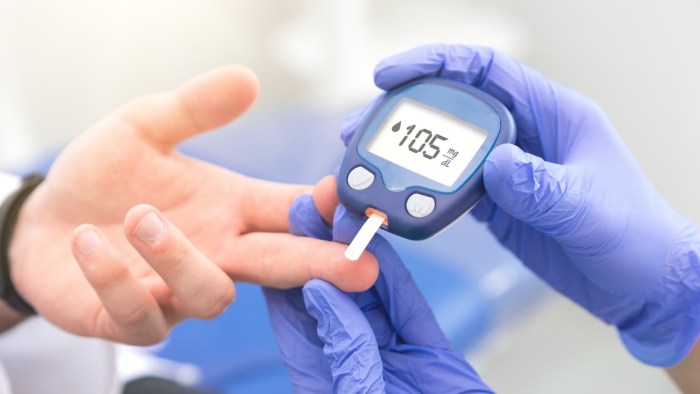
Diabetes doesn’t affect everyone equally. Certain groups face a higher risk due to a complex interplay of genetics, lifestyle, and socioeconomic factors. Understanding these disparities is crucial for targeted prevention efforts and ensuring equitable healthcare access. This section will delve into the increased risk within specific ethnic groups, the unique challenges faced by children and adolescents, and the complexities of gestational diabetes.
Increased Risk in Certain Ethnic Groups
Some ethnic groups have a significantly higher prevalence of type 2 diabetes compared to others. This increased risk is often attributed to a combination of genetic predisposition and environmental factors, including diet and physical activity.
- African Americans: African Americans have a significantly higher risk of developing type 2 diabetes. Studies show that they are approximately 60% more likely to be diagnosed with diabetes than non-Hispanic white adults. This higher prevalence is likely due to a combination of genetic factors, higher rates of obesity, and socioeconomic disparities that can impact access to healthy food and healthcare.
- Hispanic/Latino Americans: Individuals of Hispanic/Latino descent also experience a higher prevalence of type 2 diabetes. The risk varies within this diverse population, with some subgroups facing a particularly high burden. Factors such as genetic heritage, cultural dietary patterns, and limited access to healthcare contribute to this increased risk.
- American Indians/Alaska Natives: American Indians and Alaska Natives have the highest rates of diabetes in the United States. This is often linked to historical factors, including forced relocation, disruption of traditional lifestyles, and limited access to resources. These factors have led to increased rates of obesity and related health problems, including diabetes.
- Asian Americans: While the overall prevalence of diabetes may appear lower in some Asian American subgroups compared to other groups, they often develop diabetes at a lower body mass index (BMI). This means that they may be diagnosed at a healthier weight than other populations. This suggests that Asian Americans may be more susceptible to the effects of insulin resistance at lower levels of obesity.
Unique Challenges and Considerations for Preventing Diabetes in Children and Adolescents
Preventing diabetes in children and adolescents requires a different approach than in adults. It’s crucial to address the specific factors that contribute to diabetes risk in this age group, considering their developing bodies and lifestyles.
- Rising Rates of Childhood Obesity: The prevalence of childhood obesity has increased dramatically in recent decades, which is a major driver of type 2 diabetes in this age group. Encouraging healthy eating habits and regular physical activity is crucial.
- Impact of Sedentary Behavior: Children and adolescents spend a significant amount of time engaging in sedentary activities, such as watching television, playing video games, and using electronic devices. This lack of physical activity increases the risk of weight gain and insulin resistance. Promoting active play, sports, and other forms of exercise is essential.
- Influence of Diet: Children and adolescents are often exposed to highly processed foods, sugary drinks, and unhealthy snacks. Encouraging the consumption of whole foods, fruits, vegetables, and lean proteins, while limiting sugary drinks and processed foods, is critical for diabetes prevention.
- Family Involvement: Family plays a vital role in shaping a child’s eating habits and physical activity levels. Parents and caregivers need to be educated about healthy lifestyle choices and provide a supportive environment for their children.
- Screening and Early Detection: Early detection is essential. Children and adolescents with risk factors, such as family history of diabetes or obesity, should be screened for prediabetes or diabetes.
Gestational Diabetes and Its Impact on Both Mother and Child
Gestational diabetes is a form of diabetes that develops during pregnancy in women who did not have diabetes before. It poses unique risks to both the mother and the developing baby.
- Impact on the Mother: Gestational diabetes increases the mother’s risk of developing type 2 diabetes later in life. It can also lead to complications during pregnancy, such as high blood pressure (preeclampsia) and the need for a cesarean section.
- Impact on the Baby: Babies born to mothers with gestational diabetes are at higher risk of several complications, including excessive birth weight (macrosomia), low blood sugar (hypoglycemia) after birth, and an increased risk of developing type 2 diabetes and obesity later in life.
- Management and Prevention: Gestational diabetes is typically managed through lifestyle changes, such as diet and exercise, and sometimes with medication. Regular monitoring of blood sugar levels is essential. Prevention strategies include maintaining a healthy weight before pregnancy, adopting a balanced diet, and engaging in regular physical activity.
- Long-Term Implications: Both the mother and the child need ongoing monitoring after the pregnancy. Mothers should be screened for type 2 diabetes, and children should be monitored for signs of metabolic issues.
Concluding Remarks
In conclusion, while diabetes presents a formidable challenge, it’s a battle we can win. By arming ourselves with knowledge, embracing healthy lifestyle choices, and seeking timely medical attention, we can significantly reduce our risk of developing this silent threat. Remember, prevention is key. Let’s work together to create a healthier future, free from the clutches of diabetes. Take charge of your health today, because the power to prevent diabetes lies within your grasp.
FAQ Section
What are the main differences between Type 1 and Type 2 diabetes?
Type 1 diabetes is an autoimmune disease where the body attacks and destroys insulin-producing cells in the pancreas, leading to an absolute insulin deficiency. Type 2 diabetes is characterized by insulin resistance, where the body’s cells don’t respond properly to insulin, and may also involve a decline in insulin production over time. Type 1 typically appears in childhood or adolescence, while Type 2 often develops in adulthood.
Can diabetes be cured?
Currently, there is no cure for Type 1 diabetes. Type 2 diabetes can sometimes be put into remission through lifestyle changes (diet, exercise, weight loss) and/or medication, but it is often a chronic condition that requires ongoing management.
What are the early warning signs of diabetes?
Early symptoms can include increased thirst, frequent urination, unexplained weight loss, increased hunger, fatigue, blurred vision, and slow-healing sores. However, many people with early-stage diabetes experience no symptoms at all, highlighting the importance of regular screenings.
How often should I get screened for diabetes?
The American Diabetes Association recommends that adults over 45, or those with risk factors, should be screened every three years. Individuals with a family history of diabetes, are overweight or obese, or have other risk factors should discuss screening frequency with their doctor.
What is the role of genetics in developing diabetes?
Genetics play a significant role, particularly in Type 2 diabetes. Having a family history of diabetes increases your risk. However, genetics are not destiny; lifestyle choices greatly influence whether or not the disease develops, even in those with a genetic predisposition.