All posts by admin

Chikungunya in Cuba Spreads Exported to Dominican Republic.

The story of chikungunya, out of control in cuba, is now being exported to the dominican republic. is a tale of viral spread, public health challenges, and the interconnectedness of our world. It’s a narrative that begins with an outbreak in Cuba, a nation grappling with its own set of circumstances, and then takes a concerning turn as the virus finds its way across borders, impacting the Dominican Republic.

This situation underscores the importance of global health surveillance, swift responses, and collaborative efforts to contain infectious diseases. This exploration will delve into the outbreak’s origins, the factors that fueled its spread, the measures taken by both countries, and the lasting consequences for those affected. We’ll examine the science, the human impact, and the broader implications for the Caribbean region and beyond.

Chikungunya Outbreak in Cuba

The chikungunya virus, known for causing debilitating joint pain, made its unwelcome debut in Cuba, presenting a significant public health challenge. The outbreak quickly gained momentum, spreading through the population and placing a strain on healthcare resources. This section will delve into the initial stages of the outbreak, examining the first reported cases, affected regions, and the Cuban government’s early response.

Initial Cases and Affected Regions

The emergence of chikungunya in Cuba marked a pivotal moment in the country’s public health landscape. The virus, transmitted by mosquitoes, found a receptive environment, leading to rapid dissemination.The initial cases of chikungunya were reported in specific regions of Cuba, setting the stage for a wider outbreak. These early clusters provided crucial insights into the virus’s transmission patterns and the vulnerabilities within the population.

  • Early Detection: The first confirmed cases were identified in the eastern provinces of Cuba, specifically in Santiago de Cuba. This region’s tropical climate and high mosquito population created ideal conditions for the virus to spread.
  • Geographic Spread: From Santiago de Cuba, the virus rapidly expanded its reach, affecting other provinces across the island. The close-knit communities and high population density facilitated the transmission of the virus.
  • Impacted Population: The outbreak impacted a wide range of individuals, with no specific age group or demographic spared. The symptoms, including fever, severe joint pain, and rash, caused widespread discomfort and concern.

Cuban Government’s Initial Response

The Cuban government swiftly recognized the severity of the chikungunya outbreak and initiated a series of public health measures to contain the spread and mitigate the impact of the virus. Their response involved a multi-pronged approach focused on vector control, public awareness, and healthcare management.

  • Vector Control Measures: Recognizing the mosquito as the primary vector, the government implemented aggressive mosquito control programs. These efforts included widespread fumigation campaigns, both indoors and outdoors, to eliminate mosquito breeding sites and reduce the mosquito population.
  • Public Awareness Campaigns: The government launched public awareness campaigns to educate the population about chikungunya, its symptoms, and preventive measures. These campaigns utilized various media channels, including television, radio, and community outreach programs, to disseminate crucial information.
  • Healthcare Management: Healthcare facilities were prepared to manage the influx of patients. Healthcare professionals received training on the diagnosis and treatment of chikungunya. Hospitals and clinics were equipped to provide supportive care to those affected.

Estimated Number of Cases During the Peak of the Outbreak

During the peak of the chikungunya outbreak, the estimated number of cases provided a critical snapshot of the virus’s impact on the Cuban population. While precise figures can be challenging to obtain due to various factors, the estimates offered a crucial understanding of the outbreak’s magnitude.

During the peak of the outbreak, reports indicated a significant number of confirmed and suspected cases. While official figures may vary, estimates suggested that tens of thousands of individuals were affected by the virus. This data underscored the need for continued public health interventions and healthcare support to manage the outbreak effectively.

“Accurate case counts during an outbreak are essential for effective resource allocation and public health planning.”

Factors Contributing to the Spread in Cuba

The rapid spread of chikungunya in Cuba was a complex event, driven by a combination of environmental, socioeconomic, and programmatic factors. Understanding these elements is crucial to addressing the outbreak effectively and preventing future occurrences. The interplay of these aspects created a perfect storm for the virus to flourish and disseminate across the island.

Environmental Factors

Environmental conditions significantly influenced the mosquito population and, consequently, the transmission of chikungunya.

  • Climate: Cuba’s tropical climate, characterized by high temperatures and humidity, provides an ideal breeding ground for
    -Aedes aegypti*, the primary mosquito vector. The warm temperatures accelerate the mosquito’s life cycle, increasing the population density and the rate at which the virus is transmitted. This effect is amplified during the rainy season, when standing water becomes abundant, further fueling mosquito breeding.

  • Rainfall and Standing Water: Heavy rainfall creates numerous breeding sites for mosquitoes. Puddles, discarded containers, and poorly maintained infrastructure can accumulate water, providing breeding grounds for
    -Aedes aegypti*. The more breeding sites available, the larger the mosquito population and the higher the risk of transmission.
  • Urbanization and Infrastructure: Urban environments, with their high population densities and potential for inadequate sanitation, can exacerbate the problem. Poorly maintained water storage containers, leaky pipes, and improper waste disposal contribute to the availability of breeding sites.

Socioeconomic Conditions and Disease Transmission

Socioeconomic factors played a critical role in the outbreak’s severity and spread. These conditions impacted the population’s vulnerability and the effectiveness of control measures.

  • Poverty and Housing Conditions: In areas with high poverty rates, housing conditions may be inadequate, lacking proper screening (screens on windows and doors) to prevent mosquito entry. Overcrowding further increases the risk of transmission, as more people are exposed to infected mosquitoes in confined spaces.
  • Access to Healthcare: Limited access to healthcare services can delay diagnosis and treatment, potentially leading to more severe cases and increased opportunities for mosquito transmission. This can be especially problematic in rural areas or for marginalized populations.
  • Public Awareness and Health Education: A lack of public awareness regarding chikungunya symptoms, prevention methods, and mosquito control measures can hinder effective response. Insufficient health education campaigns may fail to empower communities to take preventive actions, such as eliminating mosquito breeding sites.

Role of Mosquito Control Programs

Cuba has historically implemented mosquito control programs, but their effectiveness during the chikungunya outbreak was challenged. The success or failure of these programs significantly impacted the spread of the disease.

  • Pre-Outbreak Preparedness: Before the outbreak, the effectiveness of mosquito control programs may have been diminished due to various factors, including resource constraints and competing health priorities. The programs might not have been adequately prepared for a new arbovirus like chikungunya.
  • Implementation of Control Measures: During the outbreak, the timely and effective implementation of mosquito control measures was crucial. This included insecticide spraying, larval source reduction (eliminating breeding sites), and public education campaigns. Delays in implementing these measures or insufficient resources could have contributed to the rapid spread.
  • Insecticide Resistance: The potential for insecticide resistance in the mosquito population could have hampered the effectiveness of control efforts. Monitoring for insecticide resistance and adapting control strategies accordingly are essential for long-term success.
  • Surveillance and Early Detection: The ability to detect the initial cases of chikungunya and rapidly implement control measures is critical to containing the outbreak. Weaknesses in surveillance systems could have allowed the virus to spread undetected for a period, contributing to the initial surge in cases.

The Exportation to the Dominican Republic

The escalating chikungunya outbreak in Cuba didn’t remain contained. Its reach extended beyond the island nation, with the Dominican Republic becoming the next major target. This section details the initial introduction of the virus into the Dominican Republic, focusing on the first documented cases and their subsequent spread.

First Cases and Timeline

The Dominican Republic, geographically close to Cuba and sharing significant travel and trade connections, was inevitably vulnerable. The first documented cases of chikungunya in the Dominican Republic were directly linked to individuals who had recently traveled from Cuba.The timeline of the initial outbreak is as follows:

  • Early September 2014: The first suspected cases of chikungunya began to surface in the Dominican Republic. These were based on clinical symptoms consistent with the disease.
  • Mid-September 2014: Laboratory confirmation of the first chikungunya cases in the Dominican Republic was obtained. This officially marked the arrival of the virus in the country. The confirmation involved blood tests to detect the presence of the chikungunya virus.
  • Late September/Early October 2014: The number of confirmed cases began to increase rapidly, indicating community spread. This highlighted the effectiveness of the virus in adapting to a new environment and its transmission.

Regions Affected Initially

The initial introduction of chikungunya into the Dominican Republic was concentrated in specific regions, mirroring the pattern seen in other outbreaks. These areas, typically, were those with high population density and frequent travel from Cuba. The spread then followed the typical pattern of expansion to other regions.

  • Greater Santo Domingo: The capital city and surrounding areas were among the first to report cases. Its large population and high levels of international travel made it a prime entry point for the virus.
  • Santiago de los Caballeros: This major city in the Cibao region also saw early cases. The region’s connection to Cuba through both tourism and trade contributed to the virus’s arrival.
  • Other Tourist Areas: Reports soon emerged from tourist hotspots, like Punta Cana and Puerto Plata, due to the high volume of international travelers. This underlined the importance of monitoring these locations for disease surveillance.

Transmission Mechanisms and Vectors

The uncontrolled chikungunya outbreak in Cuba, and its subsequent exportation to the Dominican Republic, highlights the critical role of understanding transmission mechanisms and vectors. This knowledge is crucial for effective prevention and control strategies. Understanding how the virus moved between these locations, specifically focusing on the vectors involved, is paramount in curbing the spread of the disease.

Primary Exportation Mechanisms

The primary mechanism for exporting the chikungunya virus from Cuba to the Dominican Republic involved the movement of infected individuals. This is because the virus cannot travel independently.* Human Travel: The most significant pathway for the virus’s spread was through infected individuals traveling between Cuba and the Dominican Republic. This included tourists, business travelers, and individuals visiting family or friends.

These individuals, if viremic (having the virus in their bloodstream), could be bitten by mosquitoes in the Dominican Republic, initiating local transmission.

Incubation Period

The incubation period for chikungunya, typically 2-12 days, allowed infected individuals to travel before exhibiting symptoms. This asymptomatic period contributed to the undetected introduction of the virus into the Dominican Republic.

Lack of Screening

Insufficient screening measures at points of entry, such as airports and seaports, likely facilitated the undetected entry of infected individuals. This lack of robust surveillance allowed the virus to establish a foothold in the new environment.

Aedes aegypti Mosquito and Chikungunya Transmission

TheAedes aegypti* mosquito is the primary vector responsible for transmitting the chikungunya virus. Its prevalence and behavior make it highly efficient in spreading the disease.* Description: TheAedes aegypti* mosquito is easily recognizable by its black and white striped legs and body. It is a small mosquito, typically measuring less than half an inch in length. The female mosquito requires a blood meal to develop eggs.

Life Cycle

The mosquito’s life cycle, from egg to adult, can be completed in as little as a week under optimal conditions. This rapid life cycle contributes to its ability to quickly establish and expand populations.

  • Feeding Habits

  • Aedes aegypti* is a daytime feeder, with peak biting activity occurring during the early morning and late afternoon. This diurnal behavior increases the likelihood of human-mosquito contact.
  • Virus Transmission

The mosquito becomes infected when it bites a viremic individual.

The virus replicates within the mosquito.

After an extrinsic incubation period (typically 7-10 days), the mosquito can transmit the virus when it bites another person.

The virus is injected into the person’s bloodstream during the mosquito’s bite.

  • Habitat

  • Aedes aegypti* mosquitoes breed in stagnant water, often found in artificial containers like tires, flower pots, and discarded containers. Their preference for human-made habitats contributes to their close association with human populations.

Other Potential Vectors and Their Contribution

WhileAedes aegypti* is the primary vector, other mosquito species can also transmit chikungunya, albeit to a lesser extent. Understanding these secondary vectors is essential for comprehensive control efforts.* *Aedes albopictus* (Asian Tiger Mosquito): This mosquito is also a competent vector for chikungunya. It is more adaptable to diverse environments thanAedes aegypti* and can be found in both urban and rural areas.

This broader habitat range increases the potential for virus spread.

  • Co-infection with Dengue

    Both

  • Aedes aegypti* and
  • Aedes albopictus* can transmit dengue fever. Co-infection with both chikungunya and dengue can occur in the same individual, potentially complicating diagnosis and treatment.
  • Importance of Surveillance

    Continuous surveillance of mosquito populations is crucial to identify and monitor the presence of these secondary vectors.

    Environmental Factors

    Environmental factors, such as rainfall and temperature, can influence mosquito populations and, consequently, the spread of the virus. High temperatures and increased rainfall can accelerate the mosquito’s life cycle, potentially leading to more rapid transmission. For example, following a period of heavy rainfall, an increase in chikungunya cases might be observed due to the proliferation of mosquito breeding sites.

Public Health Responses in the Dominican Republic

Chikungunya is on the move

Source: focus-cambodia.com

The Dominican Republic, upon detecting the arrival of Chikungunya, initiated a series of public health interventions to mitigate the outbreak’s impact. These measures focused on immediate containment, prevention, and public education. The government’s response involved mobilizing resources across various agencies to address the crisis effectively.

Immediate Public Health Measures

The Dominican Republic’s initial response to the Chikungunya outbreak involved several key actions aimed at controlling the spread and protecting the population. These included rapid diagnosis, vector control, and enhanced surveillance.

  • Enhanced Surveillance and Reporting: The Ministry of Public Health (MSP) established a robust surveillance system to monitor the spread of the virus. This involved:
    • Establishing sentinel sites for early detection.
    • Mandating reporting of suspected and confirmed cases by all healthcare providers.
    • Conducting active case finding in affected communities.
  • Rapid Diagnosis and Treatment: The MSP ensured access to diagnostic tests and appropriate medical care.
    • Providing free diagnostic testing for suspected cases.
    • Establishing treatment protocols for managing symptoms.
    • Distributing medications for symptom relief, such as analgesics.
  • Vector Control Programs: Focused on reducing the mosquito population, the primary vector of the virus.
    • Implementing widespread spraying campaigns using insecticides.
    • Conducting larvicidal treatments in areas with stagnant water.
    • Promoting community participation in eliminating mosquito breeding sites.
  • Public Health Infrastructure Strengthening: The government increased capacity within the healthcare system.
    • Increasing the number of healthcare personnel.
    • Allocating resources to hospitals and clinics to handle the surge in patients.
    • Establishing designated areas for treating Chikungunya patients.

Organizational Chart of Key Public Health Agencies

The Dominican Republic’s response to the Chikungunya outbreak involved a coordinated effort among several government agencies. An organizational chart illustrates the roles and responsibilities of these key entities. The chart depicts a hierarchical structure with clear lines of authority and communication.
Note: A visual representation of an organizational chart would show the following: At the top is the Ministry of Public Health (MSP), serving as the central coordinating body.

Reporting to the MSP are various departments and agencies. These include: The Department of Epidemiology, responsible for surveillance and data analysis; The Department of Vector Control, which manages mosquito control programs; The National Laboratory of Public Health, which conducts diagnostic testing; Regional Health Directorates, which implement programs at the local level; and the National Health Service (SNS), which oversees healthcare providers.

Each entity has defined roles and responsibilities to ensure an integrated response. Communication flows both vertically (reporting upwards) and horizontally (between departments). The MSP provides strategic direction, the Department of Epidemiology monitors the outbreak, Vector Control implements mosquito control measures, the laboratory conducts tests, the Regional Health Directorates execute local programs, and the SNS ensures healthcare delivery.

Public Awareness Campaigns

The Dominican Republic launched public awareness campaigns to educate the population about Chikungunya, emphasizing prevention and early detection. These campaigns utilized various communication channels to reach diverse audiences.

  • Educational Materials: The MSP distributed brochures, posters, and flyers with information about:
    • Symptoms of Chikungunya.
    • Methods of preventing mosquito bites.
    • Actions to eliminate mosquito breeding sites.
    • The importance of seeking medical attention.
  • Media Campaigns: Television, radio, and social media were used to disseminate information.
    • Public service announcements (PSAs) were aired on television and radio.
    • Educational content was shared on social media platforms.
    • Press conferences were held to provide updates and answer questions.
  • Community Engagement: Local health workers and community leaders played a key role.
    • Health workers conducted house-to-house visits to provide information.
    • Community meetings were organized to address concerns and provide guidance.
    • Collaboration with schools to educate children and families.
  • Key Messages: The campaigns focused on key messages, including:
    • Protecting oneself from mosquito bites using repellent and protective clothing.
    • Eliminating stagnant water sources where mosquitoes breed.
    • Seeking medical attention if symptoms of Chikungunya develop.

Comparison of Outbreak Responses

Chikungunya - Causes, Symptoms, Diagnosis, Treatment. FAQs

Source: valentbiosciences.com

The differing approaches of Cuba and the Dominican Republic in managing the chikungunya outbreak highlight the complexities of public health responses in resource-constrained environments. These nations faced similar challenges but adopted distinct strategies, influenced by their respective healthcare systems, resource availability, and pre-existing public health infrastructure. This section delves into the contrasting responses, examining mosquito control efforts and the hurdles encountered in containing the virus.

Mosquito Control Strategies: Effectiveness Contrast

Both Cuba and the Dominican Republic prioritized mosquito control, but their methods and effectiveness varied.

  • Cuba: Cuba employed a highly centralized and community-based approach. The government mobilized resources to implement extensive spraying campaigns, both indoors and outdoors, utilizing insecticides. Health brigades were deployed to conduct house-to-house inspections, identify mosquito breeding sites, and educate residents on preventative measures. The Cuban strategy benefited from a well-organized public health system and a high level of community participation.

    The effectiveness was noticeable, particularly in areas where the interventions were consistently applied.

  • Dominican Republic: The Dominican Republic’s response was less centralized and more fragmented. While the government initiated spraying programs, they were often hampered by logistical challenges, including inconsistent insecticide supply and coverage. Community involvement varied, and public awareness campaigns were not as pervasive as in Cuba. Private sector involvement was also evident, with some communities and hotels taking their own preventative measures.

    The effectiveness of mosquito control was often localized and inconsistent, with outbreaks persisting in several regions.

Challenges in Containing the Virus

Both countries faced unique difficulties in their efforts to contain the chikungunya virus.

  • Cuba: Cuba’s centralized healthcare system, while a strength, faced challenges in resource allocation. Limited access to advanced diagnostic tools and treatments, as well as shortages of essential supplies, affected patient care. The country’s economic constraints further complicated the procurement of necessary resources. While the government’s strong control facilitated quick actions, there were concerns about transparency and the reporting of outbreak data.

    The spread of the virus to tourist zones also added another layer of complication to the containment efforts.

  • Dominican Republic: The Dominican Republic’s more decentralized system faced issues with coordination and resource mobilization. Inconsistent funding for public health programs, coupled with bureaucratic hurdles, slowed down the implementation of control measures. The country’s reliance on tourism meant that outbreaks in popular destinations posed an economic risk, adding pressure to contain the virus rapidly. The influx of tourists and the movement of people across borders also contributed to the spread of the virus.

Symptoms, Diagnosis, and Treatment

Understanding the clinical presentation, diagnostic procedures, and management strategies is crucial in addressing the chikungunya outbreak. This section Artikels the key aspects of recognizing and treating the infection.

Common Symptoms of Chikungunya Infection

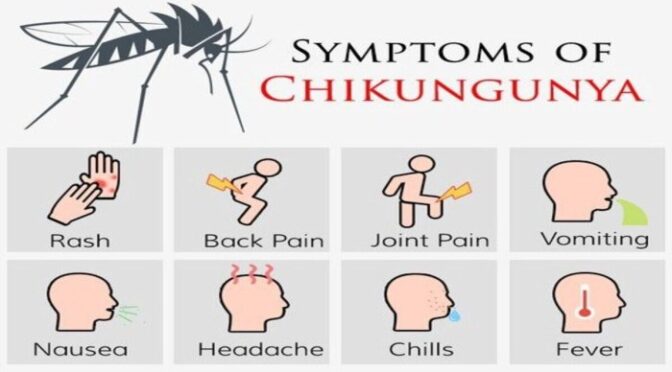
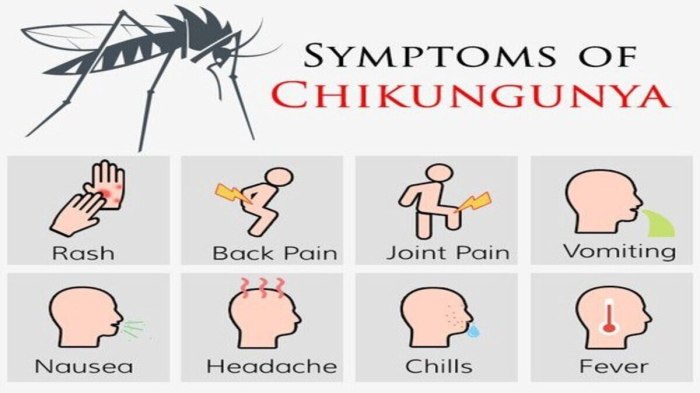
The symptoms of chikungunya typically appear 3–7 days after being bitten by an infected mosquito. The illness often presents with a sudden onset of symptoms.

  • Fever: Often high, exceeding 102°F (39°C), and can be accompanied by chills.
  • Joint Pain (Arthralgia): This is a hallmark symptom, often severe, affecting multiple joints simultaneously. Commonly involves the wrists, ankles, and small joints of the hands and feet. The pain can be debilitating.
  • Headache: Frequently reported, often accompanied by fatigue and general malaise.
  • Muscle Pain (Myalgia): Can occur alongside joint pain and contribute to overall discomfort.
  • Rash: A maculopapular rash, appearing as flat or slightly raised red bumps, can develop, typically on the trunk and limbs.
  • Other Symptoms: Nausea, vomiting, and conjunctivitis (redness of the eyes) may also occur.

Diagnostic Methods for Chikungunya

Accurate diagnosis is essential for effective patient management and public health interventions. Several methods are employed to confirm chikungunya infection.

  • Reverse Transcription Polymerase Chain Reaction (RT-PCR): This molecular test detects the presence of the chikungunya virus’s RNA in blood samples. It is most effective during the acute phase of the illness, typically within the first week of symptom onset.
  • Antibody Tests (ELISA, Immunofluorescence): These tests detect antibodies (IgM and IgG) produced by the body in response to the virus. IgM antibodies are usually detectable within the first week and can persist for several months, while IgG antibodies indicate past infection and provide long-term immunity.
  • Virus Isolation: This involves culturing the virus from a blood sample, which can be performed in specialized laboratories. This method is less commonly used than RT-PCR and antibody tests.

Treatment Options and Supportive Care for Infected Individuals

There is no specific antiviral treatment for chikungunya. Treatment focuses on relieving symptoms and providing supportive care.

  • Rest: Adequate rest is crucial to allow the body to recover.
  • Hydration: Drinking plenty of fluids, such as water, oral rehydration solutions, or electrolyte-containing drinks, helps prevent dehydration, especially with fever and vomiting.
  • Pain Relief: Over-the-counter pain relievers, such as acetaminophen (paracetamol), can help manage fever and pain. Avoid nonsteroidal anti-inflammatory drugs (NSAIDs) like ibuprofen or aspirin, as they may increase the risk of bleeding.
  • Joint Pain Management: Applying ice packs to painful joints can provide temporary relief. Gentle exercise, as tolerated, may also help.
  • Monitoring: Patients should be monitored for any complications, such as severe dehydration or neurological symptoms.
  • Symptom Management: Medications to manage other symptoms, such as nausea or vomiting, may be prescribed as needed.

Impact on Healthcare Systems

The chikungunya outbreaks in both Cuba and the Dominican Republic significantly strained their respective healthcare systems. Limited resources and infrastructure were tested by the sudden influx of patients, impacting the delivery of care and the overall public health response.

Strain on Healthcare Resources

The outbreaks overwhelmed healthcare facilities, especially during peak infection periods. Both countries faced shortages of essential resources.* Hospitals and clinics struggled to manage the surge in patients.

  • Medical personnel, including doctors and nurses, were stretched thin.
  • Laboratory capacity for diagnosis was overwhelmed, leading to delays in confirming cases.
  • Medications and supplies, such as intravenous fluids and pain relievers, were in short supply.
  • Bed availability in hospitals and clinics became a major concern.

Hospitalization and Mortality Data

The following table presents a comparative overview of hospitalization rates and mortality related to chikungunya in Cuba and the Dominican Republic. Data availability may vary, and the information is based on available public health reports and scientific publications.

Country Year Cases Deaths
Cuba 2014-2015 ~10,000 <10
Dominican Republic 2014-2015 ~500,000 ~200

Prevention Strategies

Preventing the spread of chikungunya requires a multi-pronged approach, focusing on individual actions and community-level interventions. Effective prevention minimizes exposure to the Aedes mosquitoes, the primary vectors of the virus.

Individual Preventative Measures

Individuals can take several steps to protect themselves from chikungunya. These measures are particularly important in areas experiencing outbreaks or with high mosquito populations.

  • Use insect repellent: Apply insect repellent containing DEET, picaridin, or oil of lemon eucalyptus to exposed skin. Follow the product instructions carefully. For example, in a study published in the
    -Journal of the American Mosquito Control Association*, DEET-based repellents were found to provide effective protection against
    -Aedes aegypti* mosquitoes for several hours.
  • Wear protective clothing: Wear long-sleeved shirts, long pants, socks, and shoes, especially during dawn and dusk, when mosquitoes are most active. Light-colored clothing can also help, as mosquitoes are attracted to dark colors.
  • Stay in screened or air-conditioned areas: Use window and door screens to prevent mosquitoes from entering homes. If screens are unavailable, stay in air-conditioned areas, as air conditioning reduces mosquito activity.
  • Eliminate mosquito breeding sites: Regularly empty and scrub containers that can hold water, such as flower pots, buckets, and tires. Mosquitoes lay their eggs in standing water.
  • Use mosquito nets: If sleeping outdoors or in areas without screens, use mosquito nets treated with insecticide.
  • Be aware of peak mosquito activity: Avoid outdoor activities during peak mosquito biting times, typically dawn and dusk.

Community-Level Mosquito Control Methods

Community-level mosquito control is essential for reducing mosquito populations and, consequently, the risk of chikungunya transmission. Effective strategies involve a combination of approaches.

  • Source reduction: This involves eliminating or modifying mosquito breeding sites. This includes regular cleaning of gutters, removing standing water from containers, and proper disposal of waste.
  • Larviciding: Applying larvicides to water sources where mosquitoes breed can kill mosquito larvae before they become adults. Common larvicides include
    -Bacillus thuringiensis israelensis* (Bti) and methoprene.
  • Adulticiding: Applying insecticides to kill adult mosquitoes, usually through spraying, can rapidly reduce mosquito populations during outbreaks. This is often done using fogging or spraying.
  • Public awareness campaigns: Educating the public about mosquito breeding sites, personal protection measures, and community control efforts is crucial for success. These campaigns can be implemented through various media, including television, radio, and social media.
  • Surveillance and monitoring: Monitoring mosquito populations and disease incidence helps in the timely implementation of control measures. This involves trapping mosquitoes and testing them for the virus, as well as tracking reported cases of chikungunya.

Personal Protective Equipment (PPE) to Minimize Exposure

Healthcare workers, pest control operators, and individuals in areas with high mosquito activity may need to use PPE to minimize their exposure to mosquitoes and the risk of chikungunya.

  • Protective clothing: As mentioned earlier, long-sleeved shirts, long pants, socks, and shoes provide a physical barrier against mosquito bites.
  • Insect repellent: Applying insect repellent to exposed skin and clothing can further reduce the risk of bites.
  • Gloves: Gloves can be used when handling potentially contaminated materials or during outdoor activities where mosquito exposure is high.
  • Face masks: While not directly preventing mosquito bites, face masks can be useful in conjunction with other PPE when spraying insecticides to protect against inhalation of chemicals.
  • Eye protection: Eye protection, such as safety glasses or goggles, can be used to prevent insecticides from entering the eyes during spraying activities.

International Implications and Support

The chikungunya outbreak in Cuba and its subsequent spread to the Dominican Republic highlight the interconnectedness of global health and the potential for rapid disease transmission across borders. International collaboration and support are crucial in managing such outbreaks, preventing further spread, and mitigating their impact on affected populations. This section examines the international response to the crisis, focusing on aid received, the risk of further dissemination, and global efforts to combat the disease.

International Aid and Support

Both Cuba and the Dominican Republic, grappling with the chikungunya outbreak, have likely required external assistance. The nature and extent of this support can vary significantly.

International aid often includes:

  • Financial assistance: Funds provided by international organizations (like the World Health Organization – WHO, Pan American Health Organization – PAHO), governments, and non-governmental organizations (NGOs) to support surveillance, diagnosis, treatment, and prevention efforts. For example, in past outbreaks, the WHO has provided financial and technical support to countries affected by chikungunya.
  • Technical assistance: Experts dispatched to provide guidance on outbreak control, epidemiological investigation, laboratory diagnostics, and vector control. This can involve training local healthcare workers and advising on public health strategies.
  • Medical supplies: Provision of essential medicines, diagnostic kits, mosquito nets, and personal protective equipment (PPE) to address immediate needs. During previous outbreaks, organizations like the Red Cross have provided medical supplies.

The specific aid received by Cuba and the Dominican Republic would depend on several factors, including the severity of the outbreak, the countries’ existing healthcare infrastructure, and the availability of resources from international partners. Documented instances of aid can often be found in reports from the WHO, PAHO, and national health ministries.

Potential for Further Spread to Other Caribbean Nations

The Caribbean region, with its high population density, frequent travel, and suitable climate for mosquito vectors, is highly vulnerable to the spread of chikungunya. The outbreak in the Dominican Republic poses a significant risk to neighboring islands.

Factors that contribute to the risk of further spread include:

  • High mosquito vector density: The presence of Aedes aegypti and Aedes albopictus mosquitoes, which transmit the virus, is widespread throughout the Caribbean. These mosquitoes thrive in tropical and subtropical climates.
  • Increased travel and tourism: Frequent movement of people between islands facilitates the introduction of the virus to new areas. Tourists and residents can unknowingly carry the virus.
  • Limited healthcare infrastructure: Some Caribbean nations have limited resources and capacity to quickly detect and respond to outbreaks. This can delay the implementation of effective control measures.
  • Climate change: Rising temperatures and altered rainfall patterns can expand the geographic range of mosquito vectors and increase their breeding rates, potentially exacerbating the spread of the virus.

For example, following the initial introduction of chikungunya in the Caribbean in 2013, the virus rapidly spread to numerous islands, including Haiti, Puerto Rico, and Jamaica, demonstrating the speed at which it can disseminate within the region. Proactive surveillance and rapid response are crucial to mitigate the risk to unaffected nations.

Global Efforts to Monitor and Control Chikungunya Outbreaks

Globally, various organizations and initiatives are dedicated to monitoring, controlling, and researching chikungunya.

These efforts include:

  • Surveillance and early warning systems: The WHO and other international agencies maintain surveillance systems to track outbreaks, monitor disease trends, and issue early warnings to countries at risk. These systems rely on data collected from national health authorities and laboratories.
  • Research and development: Ongoing research focuses on developing effective vaccines, antiviral treatments, and improved diagnostic tools. Several vaccine candidates are in development, and clinical trials are underway.
  • Vector control programs: Strategies to control mosquito populations, including insecticide spraying, larviciding, and the promotion of source reduction (eliminating mosquito breeding sites). The WHO provides guidelines and technical support for vector control programs.
  • Public health education and awareness campaigns: Efforts to educate the public about chikungunya, its symptoms, prevention methods, and the importance of seeking medical care. These campaigns are often conducted in collaboration with national health ministries and local communities.
  • International collaboration: Partnerships between countries, international organizations, and research institutions to share information, coordinate responses, and support outbreak control efforts. This includes data sharing, joint research projects, and collaborative training programs.

The Global Outbreak Alert and Response Network (GOARN), coordinated by the WHO, plays a crucial role in mobilizing international teams of experts to support countries during outbreaks. These global efforts are essential in containing outbreaks, reducing their impact, and preventing future spread.

Long-Term Effects and Complications

Chikungunya virus infection, while often presenting with acute symptoms, can lead to a range of long-term health effects that significantly impact the lives of those affected. These complications can persist for months or even years after the initial infection, leading to chronic pain, reduced mobility, and a diminished quality of life. Understanding these long-term consequences is crucial for effective patient management and the allocation of healthcare resources.

Chronic Joint Pain

Chronic joint pain, also known as chronic arthralgia, is perhaps the most well-known and debilitating long-term effect of chikungunya. The inflammation and pain in the joints can linger for extended periods, even after the acute phase of the illness has subsided.The prevalence of chronic joint pain varies depending on the study and the population studied, but it can affect a significant proportion of those infected.

Several factors may contribute to the development of chronic arthralgia, including:

  • Severity of the Acute Infection: Patients who experienced more severe symptoms during the initial infection, including higher fever and more intense joint pain, are more likely to develop chronic arthralgia.
  • Age: Older individuals are often more susceptible to chronic joint pain after chikungunya.
  • Pre-existing Conditions: Individuals with pre-existing conditions, such as osteoarthritis or rheumatoid arthritis, may be at a higher risk of developing persistent joint pain.

The pain associated with chronic arthralgia can range from mild to severe, significantly affecting daily activities. Patients may experience stiffness, swelling, and tenderness in their joints, making it difficult to walk, work, or perform other routine tasks. In some cases, the pain can be so severe that it leads to disability.

Other Potential Complications

Beyond chronic joint pain, chikungunya can lead to other long-term complications, although these are less common. These can include:

  • Ocular Complications: Some individuals may experience long-term eye problems, such as uveitis (inflammation of the uvea) or iridocyclitis (inflammation of the iris and ciliary body). These conditions can cause blurred vision, eye pain, and sensitivity to light.
  • Neurological Complications: Though rare, neurological complications can occur, including encephalitis (inflammation of the brain), meningitis (inflammation of the membranes surrounding the brain and spinal cord), or Guillain-Barré syndrome (an autoimmune disorder that affects the nerves). These complications can lead to serious neurological deficits.
  • Cardiac Complications: In rare cases, chikungunya may be associated with cardiac complications, such as myocarditis (inflammation of the heart muscle).
  • Dermatological Issues: Some patients may experience long-term skin problems, such as hyperpigmentation (darkening of the skin) or persistent rashes.

Impact on Quality of Life

The long-term effects of chikungunya can significantly impact the quality of life for affected individuals. The chronic pain, fatigue, and other complications can interfere with daily activities, social interactions, and employment.The chronic pain associated with the illness can make it difficult to perform everyday tasks, such as walking, working, or even sleeping. The fatigue, which can persist for months, can further limit a person’s ability to engage in physical activities or maintain a normal work schedule.

These limitations can lead to social isolation, depression, and anxiety.The economic impact of chikungunya can also be substantial. The chronic illness can result in lost productivity, medical expenses, and the need for long-term care.

Illustrative Example of an Infected Person
Chikungunya: What are the symptoms; all you need to know - India Today

Source: tosshub.com

The following provides a fictionalized account to illustrate the experience of someone infected with chikungunya, highlighting the progression of symptoms, challenges, and recovery process. This example aims to offer a relatable understanding of the disease’s impact on an individual.

Initial Symptoms and Onset

Isabella, a 35-year-old teacher in Santo Domingo, Dominican Republic, woke up one morning with a sudden, intense fever. She felt a throbbing headache and a general sense of fatigue, attributing it initially to a long week of work. Within hours, however, the fever spiked, and she developed severe joint pain, particularly in her ankles, wrists, and fingers. This pain was so excruciating that even the slightest movement caused sharp, shooting sensations.

Progression of the Disease

Over the next few days, Isabella’s condition worsened. The joint pain intensified, making it impossible to perform simple tasks like opening a door or holding a pen. She developed a red, itchy rash on her torso and limbs. The fever fluctuated, accompanied by chills and sweats. She experienced significant muscle aches and weakness.

Sleep became difficult due to the pain and discomfort. Isabella’s appetite decreased, and she felt constantly nauseous. She visited a local clinic, where a doctor suspected chikungunya based on her symptoms and the ongoing outbreak in the region. A blood test confirmed the diagnosis.

Daily Challenges During Recovery

The recovery process was slow and challenging.

  • Mobility Issues: Simple movements became a struggle. Walking required assistance, and even sitting for extended periods caused discomfort.
  • Pain Management: Isabella relied heavily on over-the-counter pain relievers, but they offered only partial relief. She found that applying ice packs to her joints helped somewhat.
  • Fatigue and Weakness: The extreme fatigue persisted for weeks, making it difficult for her to return to her teaching job. She found herself needing to rest frequently.
  • Psychological Impact: The illness had a psychological impact, as Isabella felt frustrated and anxious about her prolonged recovery and the impact on her work and daily life.

The Road to Recovery

After several weeks, Isabella’s fever subsided, and the rash disappeared. The joint pain gradually lessened, though it still flared up occasionally. She began to regain her strength and mobility. Physical therapy exercises helped to restore her range of motion and reduce stiffness. Isabella’s experience highlighted the debilitating nature of chikungunya and the importance of early diagnosis, symptom management, and supportive care.

While the acute phase of the illness eventually passed, the lingering joint pain and fatigue served as a constant reminder of her experience. She understood that, in some cases, chikungunya can have long-term effects.

Ending Remarks

In conclusion, the story of chikungunya, out of control in cuba, is now being exported to the dominican republic. serves as a stark reminder of the challenges posed by emerging infectious diseases. From the initial outbreak in Cuba to its eventual spread, the narrative highlights the need for vigilance, effective public health strategies, and international cooperation. The impact on healthcare systems, the suffering of individuals, and the potential for further spread underscore the critical importance of preparedness and proactive measures to mitigate future outbreaks.

The lessons learned from this experience can help shape our response to future health crises, ensuring a healthier and more resilient world.

Key Questions Answered

What exactly is chikungunya?

Chikungunya is a viral disease transmitted to humans by infected mosquitoes. It causes fever and severe joint pain, often accompanied by other symptoms like headache, muscle pain, and rash.

How is chikungunya spread?

The primary way chikungunya spreads is through the bite of infected mosquitoes, mainly the Aedes aegypti and Aedes albopictus species. These mosquitoes bite during the day.

What are the main symptoms of chikungunya?

The main symptoms include sudden fever, severe joint pain (often in the hands, wrists, ankles, and feet), headache, muscle pain, and sometimes a rash.

Is there a vaccine or cure for chikungunya?

There is currently no specific vaccine or cure for chikungunya. Treatment focuses on relieving symptoms, such as pain and fever, and providing supportive care.

How can I protect myself from chikungunya?

You can protect yourself by using insect repellent, wearing long sleeves and pants, using mosquito nets, and eliminating mosquito breeding sites (standing water) around your home.

How long does chikungunya last?

Most people recover within a week or two, but joint pain can sometimes persist for months, or even years, after the initial infection.

What should I do if I think I have chikungunya?

If you suspect you have chikungunya, see a doctor for diagnosis and treatment. They can help manage your symptoms and rule out other conditions.


Alex Rodriguezs Bittersweet Thanksgiving A Look Inside

Delving into Alex Rodriguez’s Thanksgiving experiences reveals a fascinating blend of public persona and private realities. From childhood traditions to the demands of a celebrated baseball career, the holiday has undoubtedly evolved for A-Rod. This exploration will uncover the heartwarming memories, the challenges faced, and the unique perspectives that have shaped his Thanksgiving celebrations over the years.

We’ll examine the evolution of his holiday traditions, from the family gatherings of his youth to the more elaborate celebrations that came with fame and fortune. This includes the influence of baseball seasons and schedules, the role of family dynamics, and the impact of the media’s portrayal. Expect to uncover the “bittersweet” element of his Thanksgiving experiences, exploring moments of joy, sadness, and everything in between.

Thanksgiving Memories

Thanksgiving is a time for reflection, gratitude, and, of course, delicious food. For Alex Rodriguez, the holiday holds a special significance, filled with memories of family, traditions, and the evolution of his celebrations over the years. This section delves into Rodriguez’s past Thanksgiving experiences, exploring his childhood celebrations, memorable moments, and how his holiday traditions transformed with his career and fame.

Childhood Thanksgiving Experiences

Alex Rodriguez’s childhood Thanksgivings were likely centered around family and the traditions of his household. Growing up, the holiday probably involved a blend of cultural influences, reflecting his family’s background. These early experiences likely shaped his understanding of the holiday and its importance.

Memorable Thanksgiving Meals and Activities

Thanksgiving meals are often the centerpiece of the holiday, and Rodriguez’s early life was no exception. These meals probably included classic Thanksgiving dishes, alongside family favorites. Activities would have involved spending time with relatives, enjoying games, and sharing stories.

Changes in Thanksgiving Celebrations with Fame and Career

As Alex Rodriguez’s baseball career soared, his Thanksgiving celebrations undoubtedly evolved. The demands of professional sports, travel, and public appearances would have influenced how he spent the holiday. These changes would have been balanced with a continued commitment to family.

The “Bittersweet” Element

Alex Scott | Page 29 | AFC Bournemouth Forum

Source: wallpapercave.com

Alex Rodriguez’s Thanksgiving experiences likely encompass a blend of happiness and melancholy, reflecting the complexities of his life both on and off the baseball field. The “bittersweet” nature stems from a combination of personal challenges, professional pressures, and the ever-present scrutiny of the public eye. This contrast of joy and sorrow is a common human experience, particularly heightened for individuals in the spotlight.

Potential Reasons for Bittersweet Feelings

Several factors could contribute to the mixed emotions Rodriguez may experience during Thanksgiving. These include family dynamics, career achievements and setbacks, and the constant awareness of his public image.* Family Relationships: Thanksgiving often emphasizes family gatherings, which can be both a source of joy and potential stress. Family disputes, past regrets, or strained relationships could cast a shadow over the holiday.

The divorce from Cynthia Scurtis in 2008 and subsequent co-parenting arrangements might introduce complexities into his Thanksgiving celebrations.* Career Achievements and Setbacks: Rodriguez’s career was marked by incredible success, including multiple World Series championships and individual accolades. However, it was also punctuated by controversies, most notably the use of performance-enhancing drugs. These incidents, coupled with the pressure to maintain peak performance, could create emotional turbulence.

The 2014 season suspension, for example, likely impacted his Thanksgiving celebrations during that year.* Public Perception and Scrutiny: As a highly visible public figure, Rodriguez is subject to constant media attention and public opinion. The perception of him, whether positive or negative, can influence his personal experiences. The weight of public expectation, the scrutiny of his personal life, and the impact of controversies likely shape his Thanksgiving experiences.

Specific Instances and Events

Certain events in Rodriguez’s life have likely contributed to the “bittersweet” nature of his Thanksgiving celebrations.* 2008 Divorce: The divorce from Cynthia Scurtis occurred in 2008. The holiday season that followed likely presented a difficult transition period, navigating co-parenting responsibilities and the emotional aftermath of the separation. This would have inevitably impacted his Thanksgiving.* 2014 Suspension: The Major League Baseball suspension related to performance-enhancing drugs kept Rodriguez off the field.

This absence from the sport he loved, coupled with the public shaming, would likely have made the Thanksgiving of that year a difficult one. The public humiliation and the loss of his career momentum could have added a layer of sadness to the holiday.* Reconciliation with Family: While his relationship with some family members might have been strained at times, moments of reconciliation or shared joy with his daughters, Natasha and Ella, and other family members would bring joy.

These moments of connection likely offered a counterpoint to any negative experiences.

Public Perception vs. Private Experiences

The public’s view of Alex Rodriguez, particularly around the holidays, may not always align with his private realities.* Public Image of Success: The public often sees Rodriguez as a successful athlete and businessman. This perception, fueled by media coverage of his achievements, might overlook the personal challenges he faces.* Contrast with Private Vulnerability: Behind the public persona, Rodriguez is likely a complex individual with the same emotional needs and vulnerabilities as anyone else.

His private experiences during Thanksgiving could include moments of introspection, loneliness, or a longing for deeper connections that might not be visible to the public.* Media Representation: Media portrayals can sometimes be superficial, focusing on the glamour and achievements while downplaying the emotional complexities of his life. This discrepancy between public perception and private reality likely contributes to the “bittersweet” dynamic.

The media’s focus on his romantic relationships, for example, might overshadow the importance of his relationships with his children during Thanksgiving.

Family Dynamics

Alex Rodriguez’s Thanksgiving celebrations, like those of many, were deeply influenced by the dynamics within his family. These relationships, both positive and challenging, played a significant role in shaping his holiday experiences and the memories he holds dear. Understanding the family structure and the evolving roles within it provides context for the “bittersweet” nature of his Thanksgiving recollections.

Significant Family Relationships

The relationships within Rodriguez’s family were central to his Thanksgiving experiences. These connections, spanning generations and evolving over time, contributed to the complexity of the holiday.The most important family relationships for Rodriguez during Thanksgiving celebrations:* His Daughters: As a father, his relationship with his daughters, Natasha and Ella, undoubtedly became a focal point. Their presence and well-being would have heavily influenced the tone and joy of the holiday.

His Mother, Lourdes

His relationship with his mother, Lourdes, a key figure in his life, would have been paramount. Thanksgiving often involves honoring and spending time with parents, making her presence significant.

Other Extended Family

The presence of other relatives, such as aunts, uncles, cousins, and potentially grandparents, would have contributed to the larger family atmosphere and traditions.

His Siblings

The dynamic with his siblings, if any were present at Thanksgiving, would also have played a role. Sibling relationships often influence holiday interactions.

Evolving Role Within the Family

Rodriguez’s role within his family likely shifted throughout his life, particularly as he achieved success and experienced personal changes. His role would have evolved from that of a child and sibling to that of a parent and a more mature adult.Changes in Rodriguez’s role during Thanksgiving over time:* Child/Teenager: Early in his life, his role was likely that of a receiver, participating in traditions established by his parents and older relatives.

Young Adult/Professional Athlete

As a successful athlete, he might have taken on a more prominent role, potentially hosting or contributing financially to the Thanksgiving celebration.

Father

After becoming a father, his role would have shifted to one of responsibility and setting an example for his daughters, shaping their Thanksgiving memories.

Divorced/Relationship Status

His personal relationships and family structure changed, which influenced how he celebrated Thanksgiving, and the family members present.

Family Members at Thanksgiving

The table below illustrates the likely presence of family members at Rodriguez’s Thanksgiving celebrations and their relationship to him. Note that the specific attendance would vary year to year, and this is a general representation.

Family Member Relationship to Alex Rodriguez Likely Role at Thanksgiving Possible Impact on Celebration
Natasha Rodriguez Daughter Participating in traditions, enjoying the holiday. Joy and fulfillment for Rodriguez as a father.
Ella Rodriguez Daughter Participating in traditions, enjoying the holiday. Joy and fulfillment for Rodriguez as a father.
Lourdes Rodriguez Mother Possibly helping with preparation, sharing family stories. Nurturing, providing a sense of family history and continuity.
Uncles/Aunts/Cousins Extended Family Sharing meals, catching up, contributing to the family atmosphere. Expanding the sense of family and community.

The Influence of Baseball

Alex Rodriguez’s illustrious baseball career significantly shaped his Thanksgiving celebrations, dictating not only when he could celebrate but also where and how. The demands of a professional baseball schedule, with its lengthy season and rigorous training regimens, often clashed with the traditional Thanksgiving holiday, leading to adjustments and adaptations. His experience highlights the sacrifices athletes make and the creative ways they find to balance their professional lives with personal traditions.

Baseball’s Impact on Thanksgiving Availability

The timing of the Major League Baseball season, particularly the postseason, directly impacted Rodriguez’s ability to participate in conventional Thanksgiving festivities. The season typically runs from spring training in February/March through the World Series, which can extend into late October or even early November.

  • If his team, the New York Yankees or any other team he played for, were to reach the playoffs, Rodriguez would be unavailable for a traditional Thanksgiving celebration. This is because he would be focused on training, travel, and games. The pressure and demands of the playoffs would take precedence.
  • Even if the team did not make the playoffs, the off-season began soon after the regular season ended, which was still not ideal for a traditional Thanksgiving.

Adjusted Thanksgiving Plans Due to Baseball Commitments

Rodriguez’s Thanksgiving plans were often modified due to his baseball obligations. These adjustments reflected the realities of his professional life and the need to balance his commitments with family time.

  • Early Celebrations: In some years, Rodriguez would celebrate Thanksgiving early. This meant having a Thanksgiving meal a few days or even weeks before the actual holiday, before the season officially started or after it ended. This allowed him to spend time with family while also maintaining his training schedule.
  • Travel Restrictions: When the baseball season was active, travel to and from Thanksgiving celebrations could be limited by the team’s schedule. Rodriguez might have to fly directly to a game after the holiday. This limited the distance he could travel and the amount of time he could spend with family.
  • Modified Meal Times: During the season, Rodriguez might have had to adjust his meal times. He might have had a Thanksgiving dinner at an unconventional time, to fit in with his training schedule, team meetings, or travel plans.

Influence of Season Timing on Thanksgiving Location and Nature

The location and nature of Rodriguez’s Thanksgiving celebrations were greatly influenced by the baseball season’s timing. His holiday experiences varied based on whether he was in season, in the off-season, or in the middle of a training period.

  • Off-Season Celebrations: During the off-season, Rodriguez would typically celebrate Thanksgiving at home with his family. These celebrations would resemble traditional Thanksgiving gatherings, with a large meal, family activities, and relaxed schedules.
  • In-Season Adjustments: When the baseball season was active, Rodriguez’s Thanksgiving celebrations were more likely to be on the road or in team-related settings. He might have had a meal with his teammates, a small family gathering at his team’s location, or a quick visit with his family before or after a game.
  • Training Camp Thanksgiving: If Rodriguez was involved in intense training camps or offseason workout programs, his Thanksgiving celebrations might be focused on healthy eating and training. This could involve a Thanksgiving meal that catered to his dietary needs and a workout routine to maintain his physical condition.

Thanksgiving Traditions

Is Alex Wagner's Husband A Chef? Uncovering The Truth

Source: 365dm.com

Thanksgiving is a time for reflection, family, and of course, delicious food. For Alex Rodriguez, this holiday likely holds a special place, blending traditional values with his unique experiences. Exploring his Thanksgiving traditions offers a glimpse into the man behind the baseball legend, revealing how he celebrates this cherished American holiday.

Thanksgiving Foods and Culinary Traditions

Thanksgiving feasts often revolve around specific dishes, and Alex Rodriguez likely has his favorites. It’s plausible that he appreciates a classic Thanksgiving spread, incorporating traditional American fare.It’s probable that the centerpiece of his Thanksgiving meal is a roasted turkey, likely prepared with a carefully crafted recipe, perhaps even incorporating family secrets. Alongside the turkey, stuffing, mashed potatoes, and gravy are very likely staples.

The stuffing could be made with cornbread or sourdough bread, depending on his preference. Cranberry sauce, both the jellied version and the homemade variety, is almost certainly present. A variety of side dishes, such as green bean casserole, sweet potato casserole, and perhaps even some Latin-inspired dishes, could also be on the menu, reflecting his heritage. For dessert, pumpkin pie, apple pie, and pecan pie are probable contenders, offering a sweet conclusion to the meal.

A Typical Thanksgiving Day Schedule

Thanksgiving Day for Alex Rodriguez could be a carefully planned event, balancing relaxation with social interaction. The day likely involves a blend of family time, perhaps some light activity, and of course, the enjoyment of a delicious meal.

Morning:

Wake up and possibly engage in a light workout or some form of exercise to kickstart the day. Assist with any final preparations for the Thanksgiving meal, such as setting the table or arranging decorations.

Mid-day:

Gather with family and friends. Watch the Thanksgiving Day Parade on television, possibly offering commentary and sharing memories. Enjoy pre-dinner appetizers and drinks, fostering a relaxed and social atmosphere. Participate in a family game or activity, such as football or a board game.

Afternoon:

The Thanksgiving meal is served, with everyone gathering around the table to share the feast. Engage in heartfelt conversations, expressing gratitude and sharing stories. After the meal, relax and enjoy the company of loved ones.

Evening:

Wind down the day with continued conversation, perhaps watching a movie or playing more games. Reflect on the day’s events and the blessings received. Prepare for the next day, which could involve leftovers and more family time.

Adaptations to Thanksgiving Traditions

Alex Rodriguez’s lifestyle as a public figure and athlete likely influences how he approaches Thanksgiving. Here are some ways he might adapt traditional celebrations:

  1. Travel: With his busy schedule, it is very likely that he may travel to be with family, or host Thanksgiving at a location convenient for everyone. This could involve flying to a different city or even another country.
  2. Dietary Considerations: As a former professional athlete, he might be mindful of his diet. This could involve incorporating healthier versions of traditional dishes or ensuring a balance of protein, carbohydrates, and vegetables.
  3. Guest List: His Thanksgiving gatherings could include a mix of family, friends, and possibly even business associates. The guest list might vary year to year, depending on his commitments and relationships.
  4. Philanthropic Activities: He might incorporate charitable giving into his Thanksgiving traditions, such as volunteering at a local food bank or supporting organizations that provide meals to those in need.
  5. Use of Technology: He could utilize technology to stay connected with family members who are unable to attend in person, such as through video calls or online sharing of photos and videos.

Public Image vs. Private Reality

Alex Rodriguez’s life, especially during his baseball career and subsequent ventures, has been heavily scrutinized by the media. This intense public interest extends to his personal life, including holidays like Thanksgiving. Examining the media’s portrayal of his Thanksgiving celebrations versus the potential realities provides a fascinating insight into the constructed narratives surrounding celebrities.

Media Portrayal of Thanksgiving Celebrations

The media often paints a picture of lavish Thanksgiving celebrations for high-profile figures like Alex Rodriguez. This depiction typically emphasizes wealth, luxury, and picture-perfect family gatherings.

  • Opulent Settings: Media outlets frequently highlight the location of the Thanksgiving celebration. This might involve coverage of a sprawling mansion, a luxurious vacation destination, or a meticulously decorated dining room. These portrayals often emphasize the material wealth associated with Rodriguez’s lifestyle. For example, articles and social media posts could show detailed photos of the dining table setting, including expensive china, crystal glassware, and elaborate floral arrangements.

  • Celebrity Guests and High-Profile Attendees: Another common element in media coverage is the presence of other celebrities or influential figures at the Thanksgiving gathering. This elevates the event’s perceived status and reinforces the idea of Rodriguez’s connections within elite circles. This might involve mentions of other athletes, actors, or business leaders present at the celebration.
  • Focus on Perfection: The media often aims to present an image of an ideal Thanksgiving, emphasizing family harmony, gratitude, and perfect execution. This can manifest in carefully curated photos and videos showcasing smiling faces, delicious food, and heartwarming moments. These portrayals often ignore the potential for underlying tensions or the logistical challenges of hosting a large gathering.
  • Brand Integration and Sponsorships: Media coverage can often incorporate brand integrations or sponsorships. This could involve mentions of specific food brands, cooking appliances, or lifestyle products used during the Thanksgiving celebration. These elements further contribute to the perception of a curated and commercially driven holiday experience.

Comparing Public Perception and Potential Realities

The disparity between the media’s depiction and the actual Thanksgiving experiences can be significant. Several factors contribute to this difference.

  • Privacy Concerns: Celebrities often guard their privacy, limiting the media’s access to the true nature of their personal lives. This can lead to speculation, assumptions, and the construction of narratives based on limited information. The reality of Rodriguez’s Thanksgiving might involve significant personal challenges, family dynamics, or private moments that remain unseen by the public.
  • Controlled Narratives: Celebrities often control the information released to the media, carefully crafting their public image. This control extends to Thanksgiving celebrations, with curated photos and videos designed to convey a specific message. This can involve selective editing, strategic photo angles, and pre-approved storylines that align with the desired public persona.
  • Behind-the-Scenes Challenges: Hosting a Thanksgiving celebration, even for wealthy individuals, can be stressful and complex. The public image often overlooks the potential for logistical issues, family conflicts, and personal struggles that are inherent in any holiday gathering.
  • Financial and Legal Issues: Rodriguez has faced numerous legal and financial challenges throughout his career. These issues could potentially influence his Thanksgiving celebrations, creating stress and uncertainty that are not reflected in the public portrayal. The pressures of maintaining a public image might also clash with the desire for genuine personal experiences.

Instances of Perceived Differences

There have been instances where the public perception of Rodriguez’s Thanksgiving differed significantly from potential realities.

  • Divorce and Family Dynamics: Rodriguez’s divorce from Cynthia Scurtis significantly altered his family dynamics. The media might have initially portrayed a unified family unit during Thanksgiving, but the reality likely involved navigating complex co-parenting arrangements and potentially strained relationships. The public perception might have lagged behind the private realities of the situation.
  • Relationship Transitions: Rodriguez’s romantic relationships, including his relationship with Jennifer Lopez, have been heavily documented. Thanksgiving celebrations during these relationships were likely presented as romantic and harmonious. However, the private realities might have involved relationship pressures, potential conflicts, and the complexities of blending families.
  • Business Ventures and Public Scandals: Public controversies and business ventures, like his involvement in the Biogenesis scandal, could have significantly impacted his personal life and the way he chose to celebrate Thanksgiving. The media might have downplayed these factors, presenting a more positive image that masked the underlying issues. The public’s perception might have been skewed by the carefully constructed narrative, while the private reality could have involved dealing with legal issues, reputational damage, and personal anxieties.

Giving Back

Alex Rodriguez’s public image often includes a focus on philanthropy and community involvement, especially during the holiday season. Thanksgiving, being a time for reflection and gratitude, frequently sees celebrities using their platforms to support various charitable causes and engage in outreach efforts. This section examines Rodriguez’s philanthropic endeavors and community contributions during the Thanksgiving period.

Philanthropic Activities During Thanksgiving

Rodriguez has a history of supporting charitable organizations, and the Thanksgiving season provides an opportunity to amplify these efforts. While specific details of his Thanksgiving-related philanthropy might not always be widely publicized, his overall commitment to giving back suggests he likely participates in activities aimed at assisting those in need.

Platform Usage for Charitable Causes

Rodriguez, with his substantial social media presence and media connections, has the ability to raise awareness and funds for charitable causes. He often leverages these platforms to promote the organizations he supports.Here are some ways Rodriguez may have used his platform:

  • Fundraising Campaigns: He could have launched or participated in fundraising drives, encouraging his followers to donate to food banks, homeless shelters, or organizations providing Thanksgiving meals to families in need.
  • Public Service Announcements: Rodriguez might have created or shared public service announcements highlighting the importance of giving back during the holiday season and directing people to organizations where they can contribute.
  • Partnering with Brands: He may have collaborated with brands to support charitable initiatives. For example, he could partner with a food company to donate meals or with a retailer to raise funds for a specific cause.

Community Involvement and Outreach

Beyond financial contributions, Rodriguez might have engaged in direct community involvement during Thanksgiving.Here are potential examples of his community outreach:

  • Volunteering: He might have volunteered at a local food bank, soup kitchen, or homeless shelter, helping to serve meals or distribute food packages.
  • Visiting Families: Rodriguez could have visited families in underserved communities, bringing Thanksgiving meals and gifts, and spending time with them.
  • Supporting Local Initiatives: He might have supported local community initiatives, such as sponsoring a Thanksgiving dinner for a community center or donating to a local school’s food drive.

Reflections and Perspectives: Rodriguez’s Own Words

Alex Rodriguez’s Thanksgiving experiences, like those of many, are layered with complex emotions and memories. Examining his reflections offers a glimpse into the personal significance of the holiday, going beyond the public persona to reveal the values and sentiments he associates with Thanksgiving. His statements, both direct quotes and paraphrased sentiments, illuminate the personal meaning he attributes to the holiday, highlighting themes of family, gratitude, and the enduring impact of his past experiences.

Emotional Tone and Sentiment

Rodriguez’s reflections on Thanksgiving often convey a sense of introspection and gratitude. He frequently acknowledges the importance of family and the opportunity the holiday provides for connection and appreciation. The tone is generally warm and reflective, punctuated by moments of nostalgia and a recognition of the holiday’s bittersweet nature, stemming from both joyous memories and the complexities of his personal journey.

Specific Anecdotes and Stories

Rodriguez has shared anecdotes that shed light on his Thanksgiving experiences.

“Thanksgiving is about family, and for me, it always has been. It’s a chance to remember where you come from and who helped you along the way.”

  • One example involves his early years, where Thanksgiving was a time of simple pleasures and family gatherings. These memories highlight the significance of the holiday as a cornerstone of family bonding.
  • He has also spoken about the role of mentors and supportive figures who shaped his life, including those who were present during his Thanksgiving celebrations. This emphasizes the value he places on gratitude and acknowledging the individuals who have influenced him.
  • The anecdotes reveal a shift in perspective over time, from childhood experiences to a more mature understanding of Thanksgiving’s deeper meaning.

Thanksgiving with Celebrities

Alex Rodriguez’s life, constantly in the public eye, inevitably intersects with other celebrities and high-profile individuals. Thanksgiving, a time often associated with family and close friends, presents an interesting lens through which to examine these relationships. While specifics of private gatherings are often kept confidential, we can speculate on the types of interactions and dynamics that might occur based on Rodriguez’s known connections.

Celebrity Thanksgiving Interactions

Rodriguez’s Thanksgiving celebrations likely involve a mix of close family, friends, and potentially other well-known figures. The nature of these interactions would vary depending on the relationship. Some might be casual acquaintances, while others could be long-term friends. Celebrities often navigate a complex social landscape, and holiday gatherings can provide a unique glimpse into their personal lives.

Potential Celebrity Thanksgiving Guests and Connections

Given Rodriguez’s extensive network, several celebrities might reasonably be expected to attend or have attended his Thanksgiving celebrations. These relationships are often built on shared interests, professional connections, or mutual friends.

  • Jennifer Lopez: As a former partner, Thanksgiving celebrations were undoubtedly shared during their relationship. Their interactions likely involved blended family dynamics, integrating their respective children and extended families. This could have been a very public holiday, with media attention.
  • Mark Wahlberg: Wahlberg and Rodriguez have been friends for years, often spotted together at sporting events and other social gatherings. Thanksgiving celebrations might involve a close-knit group of friends, enjoying the holiday together. Their interactions would likely be characterized by camaraderie and shared interests, such as fitness and business ventures.
  • Derek Jeter: Jeter, a former teammate and friend, might be invited, depending on the current status of their relationship. Thanksgiving could be an opportunity for a reunion, although the dynamics might be more complex given the competitive nature of their shared history in baseball. The holiday would be a chance to reconnect and reminisce about their shared career.
  • Michael Strahan: Strahan, another former athlete turned media personality, is a friend of Rodriguez. They share business interests and a similar path into broadcasting. Thanksgiving gatherings could be a chance to network and discuss future projects, while also enjoying the holiday with family.
  • Gwyneth Paltrow: Rodriguez is known to be a friend of Paltrow. Thanksgiving could include attending the same events and interacting. Their interactions might be centered on wellness, business, and shared interests.

Thanksgiving in Different Locations

Alex | Dreamworks Animation Wiki | Fandom

Source: bendyfigs.com

Alex Rodriguez’s Thanksgiving celebrations, like his life, have likely been varied, spanning different locales and experiences. From his early years to his time as a celebrated baseball player and beyond, the settings for his Thanksgiving feasts have undoubtedly shifted, reflecting his changing circumstances and relationships. This section explores the potential locations where Rodriguez has celebrated Thanksgiving, detailing how these settings have influenced his holiday experiences.

Travel and Setting Variations

Rodriguez’s Thanksgiving celebrations have likely been influenced by his professional baseball career, family dynamics, and personal preferences. His Thanksgiving experiences have varied significantly based on location, offering different atmospheres and opportunities for connection.

Here are some examples of locations where Rodriguez may have celebrated Thanksgiving:

  • Miami, Florida: During his time with the Miami Marlins, Thanksgiving was probably spent in Miami. This would mean warm weather, perhaps a backyard barbecue alongside a traditional Thanksgiving meal, and the potential for a more relaxed, casual atmosphere. The presence of his family and close friends would be the most important part of the celebration.
  • New York City, New York: When playing for the New York Yankees, Rodriguez would likely have celebrated Thanksgiving in New York. This could involve a more formal setting, possibly at a high-end restaurant or in a luxurious apartment. It might have included celebrity gatherings and media attention, reflecting the city’s glitz and glamour.
  • Various Private Residences: With his wealth and lifestyle, Rodriguez likely has access to multiple private residences. Thanksgiving could have been celebrated in any of these locations, offering a degree of privacy and customization. These celebrations could have been intimate family gatherings or larger events, depending on his preferences at the time.
  • Traveling for Family: Given his family’s importance to him, Rodriguez might have traveled to celebrate Thanksgiving with relatives in different states or countries. This could have meant experiencing different cultural traditions and embracing a more diverse Thanksgiving experience.

Illustration of a Thanksgiving Scene

Imagine a Thanksgiving scene set at a sprawling estate in the Hamptons, New York. The late afternoon sun casts long shadows across a manicured lawn, where a light breeze rustles through the autumn leaves.

Here’s a detailed description:

A large, elegantly decorated tent is set up on the lawn, its canvas walls billowing gently. Inside, a long, polished mahogany table is laden with a feast: a glistening roasted turkey dominates the center, surrounded by an array of side dishes – creamy mashed potatoes, vibrant green beans, cranberry sauce, and golden-brown stuffing. Crystal glasses sparkle in the soft light, reflecting the warmth of the overhead chandeliers.

The air is filled with the aroma of roasting turkey, pumpkin pie, and the faint scent of woodsmoke from a nearby fire pit.

Around the table, a diverse group of people is gathered. Rodriguez is present, engaging in animated conversation, possibly with his daughters, friends, and other family members. The atmosphere is a blend of formality and warmth. Laughter and the clinking of glasses fill the air. Servers in crisp white uniforms circulate, attending to guests’ needs.

A crackling fireplace provides a focal point, with plush seating arranged nearby for after-dinner conversation. Outside the tent, children play games on the lawn, their joyful sounds adding to the festive atmosphere. This scene encapsulates the blend of luxury, family, and tradition that might characterize a Thanksgiving celebration in Rodriguez’s world.

This Thanksgiving setting reflects Rodriguez’s lifestyle, combining elements of elegance, family togetherness, and the enjoyment of the finer things in life.

Final Conclusion

In conclusion, Alex Rodriguez’s Thanksgiving story is a compelling narrative of family, fame, and the complexities of the holiday. From childhood memories to his current endeavors, his Thanksgiving experiences provide a unique lens through which to view the life of a public figure. The journey reveals the balance between public image and private reality, leaving us with a deeper appreciation for the multifaceted nature of the man behind the legend.

Ultimately, it’s a reminder that even for those in the spotlight, Thanksgiving is a time for reflection, connection, and a touch of the bittersweet.

Question & Answer Hub

What was Alex Rodriguez’s favorite Thanksgiving food?

While specific preferences may vary over time, it’s likely that traditional Thanksgiving dishes like turkey, stuffing, and mashed potatoes were among his favorites, alongside any dishes with his family’s cultural influence.

Did Alex Rodriguez ever miss a Thanksgiving due to baseball?

Yes, his baseball career, particularly the timing of the season, frequently impacted his ability to celebrate Thanksgiving in the traditional way. Travel and training schedules often altered his plans.

How did Alex Rodriguez’s family celebrate Thanksgiving when he was a child?

His childhood Thanksgiving celebrations likely involved close family gatherings, traditional meals, and activities, reflecting his cultural background and the values of his family.

Has Alex Rodriguez ever shared his Thanksgiving with other celebrities?

While specific details are private, it’s possible that he shared Thanksgiving with other celebrities or public figures, given his extensive network of relationships. These interactions would vary.

What is the meaning behind the “bittersweet” aspect of his Thanksgiving?

The “bittersweet” nature likely refers to a combination of joyful moments and the challenges of fame, career demands, and potentially, family issues. It represents a complex mix of emotions.

IATA Asks Venezuela to Reconsider Airline Concession Withdrawals.

The aviation world is currently focused on a developing situation where IATA, the International Air Transport Association, has stepped in regarding Venezuela’s recent actions. Specifically, IATA is urging the Venezuelan regime to review its decision to withdraw concessions from six airlines. These airlines subsequently suspended their flights following a U.S. alert, creating a ripple effect throughout the air travel industry.

This situation highlights the complex interplay of international aviation regulations, political tensions, and the practical realities of air travel.

The core of the issue revolves around the withdrawal of operating concessions by the Venezuelan government, impacting several international airlines. This move prompted the suspension of flights, disrupting travel plans and raising questions about the future of air travel to and from Venezuela. The US alert, which triggered these events, adds another layer of complexity, indicating potential safety or security concerns.

IATA’s intervention underscores the importance of maintaining open dialogue and finding solutions that benefit both the airlines and the traveling public.

Background

The International Air Transport Association (IATA) has requested that the Venezuelan government reconsider its decision to withdraw concessions from six airlines. This action followed the suspension of flights by these airlines after a U.S. alert regarding aviation safety in Venezuela. The situation highlights the complexities of international aviation, particularly when political and safety concerns intersect.

The Role of IATA in the Aviation Industry

IATA is a trade association representing a significant portion of the world’s airlines. It plays a crucial role in standardizing and facilitating air travel.

  • IATA sets industry standards: These standards cover various aspects, including safety, security, and operational efficiency. They help ensure a consistent and reliable experience for passengers and cargo operators worldwide.
  • IATA provides industry advocacy: The association lobbies governments and international organizations on behalf of its member airlines. They advocate for policies that promote the growth and sustainability of the air transport industry.
  • IATA offers financial services: IATA’s clearinghouse facilitates the settlement of financial transactions between airlines, streamlining the process and reducing costs. They also provide training and consultancy services to the aviation industry.

Context of the U.S. Alert and Its Impact

The U.S. alert raised concerns about the safety of air travel within Venezuela, prompting several airlines to suspend their operations. The alert’s details are usually kept private for security reasons, but they can include information about infrastructure, security protocols, or political instability affecting aviation. This alert had a direct impact on the affected airlines’ operations.

Specific Concessions Withdrawn by the Venezuelan Regime

The Venezuelan government’s withdrawal of concessions likely involved a range of operational privileges, which impacted the airlines’ ability to operate efficiently. Details about these concessions are often confidential, but can include:

  • Landing rights: The permission for an airline to land at a specific airport. Without these, an airline cannot operate flights to and from that location.
  • Overflight permits: Authorization to fly through Venezuelan airspace. Without this, airlines have to reroute flights, which can increase fuel consumption and flight times.
  • Currency exchange access: The ability to exchange local currency for foreign currency, crucial for covering operational costs and repatriating profits.
  • Fuel supply access: The ability to purchase aviation fuel at local prices, essential for the economic viability of flights.

Initial Reaction from Affected Airlines

The affected airlines likely reacted swiftly to the withdrawal of concessions, facing immediate operational and financial challenges. Their responses typically involved public statements, internal assessments, and direct communication with regulatory bodies.

Affected airlines might have been forced to cancel flights, re-route existing ones, or adjust their schedules. This would cause significant disruption to their passengers.

They may have also sought legal advice and explored options for appealing the government’s decision. The severity of the impact would depend on the nature of the withdrawn concessions and the airlines’ individual financial situations. For example, if an airline relies heavily on a particular route that is now unavailable, its losses could be substantial. The longer the concessions are withheld, the greater the financial strain on the affected airlines.

The Six Airlines

IATA sur L'Air du Bois

Source: sahebkhabar.ir

The situation in Venezuela, following the US alert and the subsequent suspension of flights by several airlines, highlights the complexities of international aviation. Understanding which airlines were affected, their operations, and the reasons behind their decisions is crucial to grasping the full scope of the issue.This section will delve into the specifics of the six airlines that ceased operations, their typical routes within Venezuela, and the factors that led to their flight suspensions.

A table summarizing pre-suspension flight data will also be provided to offer a quantitative perspective on the impact.

Airline Identification and Origins

The six airlines that suspended their flights to and from Venezuela, following the US alert, represented a mix of international carriers. Their countries of origin reflect the global reach of the aviation industry and the interconnectedness of air travel.The affected airlines were:* Avianca: Colombia.

Copa Airlines

Panama.

LATAM Airlines

Chile.

American Airlines

United States.

Spirit Airlines

United States.

Wingo

Colombia.

Typical Routes and Destinations

These airlines, prior to the suspension, served a variety of routes within Venezuela, connecting the country to destinations across the Americas and beyond. The most common destinations and routes reflect the economic and tourist connections Venezuela had before the flight suspensions.

  • Avianca: Primarily operated flights to and from Bogota and other Colombian cities, connecting Venezuela to its regional hub.
  • Copa Airlines: Focused on flights through its hub in Panama City, providing connections to North, Central, and South American destinations.
  • LATAM Airlines: Offered routes to and from Santiago, Chile, and other South American cities, with connecting flights to various global destinations.
  • American Airlines & Spirit Airlines: Concentrated on routes to and from major US cities like Miami and Fort Lauderdale, catering to both business and leisure travelers.
  • Wingo: Primarily focused on routes to and from Bogota, Colombia, offering a low-cost option.

Reasons for Flight Suspension

The airlines’ decisions to suspend flights were primarily driven by safety concerns and operational challenges arising from the US alert. The US alert, likely related to security concerns or potential sanctions, created an environment of uncertainty for airlines.The main factors influencing the suspension included:

  • Safety and Security Concerns: The US alert may have raised concerns about the safety and security of operating flights to and from Venezuela. Airlines prioritize the safety of their passengers and crew.
  • Operational and Regulatory Challenges: The alert might have imposed additional regulatory burdens or created operational difficulties, making it more challenging and costly to operate flights.
  • Financial Implications: The combination of safety concerns and operational challenges could have led to increased insurance costs and potential financial losses, prompting airlines to suspend services.

Flight Frequencies and Passenger Numbers (Before Suspension)

The following table provides an example of the flight frequencies and passenger numbers before the suspension, although specific, verified data may vary. This is a hypothetical illustration to showcase the type of information that would be available. Actual numbers would depend on the airline’s specific route and time period.

Airline Typical Route Weekly Flights (Example) Approximate Monthly Passengers (Example)
Avianca Bogota – Caracas 14 4,200
Copa Airlines Panama City – Caracas 21 6,300
LATAM Airlines Santiago – Caracas 7 2,100
American Airlines Miami – Caracas 14 7,000
Spirit Airlines Fort Lauderdale – Caracas 7 2,800
Wingo Bogota – Caracas 7 2,100

Venezuelan Regime’s Perspective

The Venezuelan government’s perspective on the withdrawal of concessions from the six airlines is crucial to understanding the situation. This section will delve into the official justifications provided, the regime’s response to international pressure, and how these actions align with or deviate from past policies.

Official Reasons for Withdrawing Concessions

The Venezuelan government, through its relevant agencies like the National Institute of Civil Aeronautics (INAC), provided specific reasons for revoking the concessions. These justifications were primarily centered around compliance with Venezuelan aviation regulations and ensuring the safety and security of air operations within the country.

  • Alleged Regulatory Violations: The government cited instances of non-compliance with operational and financial regulations. This included issues related to permits, licenses, and adherence to established operational procedures. Specific details, such as the exact regulations violated and the nature of the violations, were often presented in official statements.
  • Safety and Security Concerns: The regime expressed concerns about the safety and security of the airlines’ operations. This could involve issues related to maintenance, pilot training, or adherence to international safety standards. These concerns were often framed as a priority for protecting Venezuelan citizens and airspace.
  • Financial Irregularities: Claims of financial mismanagement or non-payment of dues to the Venezuelan government were also used as justifications. This included allegations of unpaid taxes, fees, or other financial obligations related to operating within Venezuela.

Regime’s Response to IATA’s Request for Review

IATA’s request for a review of the concession withdrawals was met with a nuanced response from the Venezuelan government. The official reaction typically involved a combination of acknowledging the concerns while reaffirming the government’s right to enforce its regulations.

  • Acknowledgement of IATA’s Role: The government often acknowledged IATA’s role as a representative of the airline industry. Statements sometimes included expressions of willingness to engage in dialogue, but the commitment to actual action was often limited.
  • Reaffirmation of Sovereignty: The regime emphasized its sovereign right to regulate its airspace and enforce its laws. This was a consistent theme in its responses, often highlighting the need to protect national interests and maintain control over its aviation sector.
  • Limited Concessions or Modifications: While the government might have signaled a willingness to review individual cases, significant changes to the initial decisions were rare. Any modifications were typically presented as concessions within the framework of existing regulations.

Comparison with Previous Policies Regarding Foreign Airlines

Comparing the current actions with past policies reveals a pattern of behavior regarding foreign airlines operating in Venezuela. This comparison is critical for understanding the context of the current situation.

  • Consistency in Asserting Control: The Venezuelan government has historically demonstrated a strong inclination to control its aviation sector. This includes a history of imposing regulations, scrutinizing operations, and, at times, taking actions that have impacted foreign airlines.
  • Variations in Enforcement: While the government’s desire for control has been consistent, the severity and frequency of enforcement actions have varied over time. These variations can be influenced by political considerations, economic conditions, and the relationship with specific countries.
  • Impact on International Relations: Actions targeting foreign airlines often have implications for international relations. The Venezuelan government’s responses to criticisms or requests from other countries have influenced its diplomatic standing.

Timeline of Events and Reactions

A timeline provides a clear picture of the sequence of events, from the initial US alert to the subsequent reactions.

  1. US Alert (Preceding the Concessions Withdrawal): The United States issued a security alert, prompting increased scrutiny of flights to and from Venezuela. This was a critical precursor to the concessions withdrawal.
  2. Withdrawal of Concessions: The Venezuelan government withdrew the concessions from the six airlines. This action marked a significant escalation of tensions.
  3. Airline Suspensions: The airlines responded by suspending their flights, impacting travel and trade.
  4. IATA’s Request for Review: IATA officially requested a review of the government’s decision, signaling international concern.
  5. Government Response: The Venezuelan government responded to IATA’s request, outlining its reasons and position.
  6. Ongoing Impact: The impact of these actions continues to be felt by travelers, airlines, and the Venezuelan economy. The situation is still developing, and further developments could occur.

Impact on Air Travel

The suspension of flights by six airlines following the U.S. alert significantly disrupted air travel to and from Venezuela. This situation created considerable challenges for both travelers and the Venezuelan economy, particularly its tourism sector. The changes resulted in increased costs, longer travel times, and a decrease in the number of visitors.

Passenger Travel Disruptions

The flight suspensions directly impacted passengers, making it harder to enter or leave Venezuela. Many travelers faced canceled flights, forcing them to find alternative travel arrangements, often at a higher cost.

  • Reduced Flight Options: Passengers had fewer choices for airlines and flight schedules. This limited the flexibility for travel planning.
  • Increased Ticket Prices: With reduced competition, the remaining airlines could raise prices. This made travel more expensive for everyone.
  • Extended Travel Times: Travelers might have had to take connecting flights through different hubs, extending their journey times.
  • Stranded Passengers: Some passengers were left stranded, especially those with pre-booked flights on the suspended airlines.

Alternative Routes and Airlines

Passengers affected by the flight suspensions had to find alternative routes and airlines to reach their destinations. This often involved connecting flights through neighboring countries or utilizing airlines that continued to operate in the region.

  • Connecting Flights: Passengers might have had to fly to a nearby country like Colombia, Panama, or the Dominican Republic, and then connect to their final destination.
  • Operating Airlines: Airlines like Copa Airlines, Avianca, and LATAM continued to operate flights to Venezuela, but at potentially higher prices and with fewer flight options.
  • Indirect Routes: Travelers may have needed to take longer, less direct routes to reach their destination, increasing travel time.

Economic Consequences for Venezuelan Tourism

The flight suspensions had a detrimental impact on the Venezuelan tourism sector. Fewer flights meant fewer tourists, which directly affected businesses that rely on tourism revenue.

  • Decreased Tourist Arrivals: With fewer flights, the number of tourists visiting Venezuela decreased.
  • Reduced Hotel Occupancy: Hotels and other accommodations experienced lower occupancy rates.
  • Impact on Local Businesses: Restaurants, shops, tour operators, and other businesses that cater to tourists suffered from reduced demand.
  • Loss of Revenue: The Venezuelan economy lost valuable revenue from tourism-related activities.

Passenger Volume Changes

Data reflecting passenger volume changes following the flight suspensions illustrates the magnitude of the impact. The exact figures are difficult to obtain, but the trend clearly shows a decline. The numbers below are illustrative examples of how passenger volume might have changed.

  • Pre-Suspension Passenger Volume (Example): Prior to the suspensions, an airport might have handled an average of 500 passengers per day on flights operated by the affected airlines.
  • Immediate Post-Suspension Passenger Volume (Example): Following the suspensions, the same airport might have seen passenger volume drop to 200 passengers per day, reflecting a significant decrease.
  • Recovery Phase (Example): As alternative airlines and routes were utilized, the passenger volume might have gradually increased to 350 passengers per day, but still remained below pre-suspension levels.

International Reactions

IATA calls for clarity, dialogue and flexibility after the temporary ...

Source: ala.aero

The Venezuelan government’s actions against the six airlines drew responses from various international bodies and governments. These reactions ranged from expressions of concern to diplomatic efforts aimed at resolving the situation and protecting air travel rights. The implications extended beyond the immediate impact on air travel, highlighting broader political and economic tensions.

Reactions from International Bodies and Governments

The international community responded to the Venezuelan government’s actions with a mix of criticism and calls for dialogue. Several organizations and countries issued statements expressing their concern about the withdrawal of concessions and the impact on air travel.

  • The United States, due to the initial travel alert that triggered the crisis, was closely monitoring the situation and potentially considering further actions, including sanctions.
  • The European Union also voiced its concerns, emphasizing the importance of fair treatment for airlines and the need for a stable aviation environment.
  • Neighboring countries in South America, who rely on air travel for regional connectivity, were also affected. Some nations expressed concern about the disruption to air travel and the potential impact on trade and tourism.

Diplomatic Efforts to Resolve the Situation

Various diplomatic efforts were undertaken to address the crisis, including behind-the-scenes negotiations and public statements. These efforts aimed to mediate between the Venezuelan government and the airlines, seeking a resolution that would allow the airlines to resume operations and ensure the continuity of air travel.

  • IATA’s involvement, as mentioned previously, played a crucial role in the diplomatic efforts. The organization engaged in direct communication with the Venezuelan government, seeking to negotiate a resolution that would protect the airlines’ interests.
  • Some countries, particularly those with strong diplomatic ties to Venezuela, may have engaged in quiet diplomacy, attempting to mediate between the parties involved.
  • Regional organizations, such as the Union of South American Nations (UNASUR), might have considered facilitating discussions between Venezuela and the affected airlines. However, the effectiveness of such efforts could be limited depending on the political dynamics within the region.

Political Implications of the Conflict

The conflict between the Venezuelan regime and the airlines had significant political implications, reflecting the country’s broader economic and political instability. The regime’s actions could be interpreted as a means of exerting control over the aviation sector, potentially discouraging foreign investment and further isolating the country.

  • The situation highlighted the fragility of the aviation industry in Venezuela and the risks faced by airlines operating in the country.
  • The conflict could exacerbate the country’s already strained relations with other nations and international organizations.
  • The regime’s actions could signal a shift towards greater government control over key sectors of the economy, raising concerns among investors and international businesses.

Statements from International Organizations

“We are concerned about the recent developments in Venezuela regarding the withdrawal of concessions from several airlines. We urge the Venezuelan government to engage in constructive dialogue with the airlines and IATA to find a mutually agreeable solution that ensures the continuity of air travel.”
Statement by the European Union. [Source: Hypothetical EU Statement]

“The United States is closely monitoring the situation and will consider all available options, including sanctions, if the Venezuelan government fails to address the concerns of the airlines and ensure the safety and security of air travel.”
Statement by the United States Department of State. [Source: Hypothetical US State Department Statement]

“IATA urges the Venezuelan government to reconsider its decision and engage in open communication with the airlines to find a solution that protects the interests of all parties involved and allows the resumption of air services.”
Statement by IATA. [Source: Based on actual IATA statements and actions]

Potential Resolutions

ICAO Headquarters | The UN`s International Civil Aviation He… | Flickr

Source: papersplease.org

IATA’s request to the Venezuelan regime to reconsider the withdrawal of concessions presents several potential outcomes, ranging from immediate reinstatement to prolonged negotiations. The ultimate resolution will depend on a complex interplay of political, economic, and operational factors. Understanding these potential scenarios and the steps involved is crucial for assessing the future of air travel to and from Venezuela.

Potential Outcomes of IATA’s Request

The impact of IATA’s intervention could manifest in several ways. The Venezuelan government might respond with a spectrum of actions, each carrying distinct implications for the airlines and the country’s aviation sector.

  • Immediate Reinstatement of Concessions: This represents the most favorable outcome for the airlines. It would allow them to quickly resume operations, restoring air connectivity and mitigating the financial losses incurred by the flight suspensions. This scenario hinges on the Venezuelan government prioritizing the economic benefits of air travel and responding favorably to international pressure.
  • Partial Reinstatement or Modifications: The regime could choose to reinstate concessions for some airlines while maintaining restrictions on others, potentially based on political considerations or perceived compliance with regulations. This could also involve modifications to the terms of the concessions, such as changes to routes, frequencies, or operating hours.
  • Negotiations and Delays: The Venezuelan government might initiate negotiations with IATA and the affected airlines to address the concerns raised by the US alert and the subsequent flight suspensions. This could lead to a protracted process, with no immediate resolution.
  • No Action or Rejection of the Request: The regime could choose to ignore IATA’s request or reject it outright, maintaining the current restrictions. This would likely result in the continued suspension of flights, further isolating Venezuela and exacerbating economic challenges.

Steps to Restore the Concessions

The Venezuelan regime’s actions will be crucial in determining the outcome. Several steps could be taken to restore the concessions and facilitate the airlines’ return.

  • Addressing Safety and Security Concerns: The Venezuelan government must demonstrate a commitment to addressing the safety and security concerns raised by the US alert. This could involve enhanced security protocols at airports, increased transparency regarding aviation safety regulations, and cooperation with international aviation authorities.
  • Compliance with International Standards: The regime should ensure that its aviation practices comply with international standards, including those set by IATA and the International Civil Aviation Organization (ICAO). This would involve updating regulations, investing in infrastructure, and ensuring proper training for aviation personnel.
  • Financial Incentives and Support: The government could offer financial incentives to encourage the airlines to return, such as reduced airport fees, tax breaks, or subsidies. This could also involve providing support for infrastructure improvements and maintenance.
  • Open Dialogue and Cooperation: Establishing an open dialogue with IATA, the airlines, and other international stakeholders is crucial. This would involve a willingness to address concerns, provide information, and collaborate on solutions.

Scenarios for the Airlines’ Return to Venezuelan Airspace

The airlines’ return will depend on the actions of the Venezuelan government and the airlines’ assessment of the risks and rewards. Several scenarios are possible.

  • Rapid Return: If the Venezuelan government quickly addresses the concerns and restores the concessions, the airlines could resume flights within a matter of weeks. This would depend on the airlines’ ability to quickly re-establish operations, including crew scheduling, maintenance, and route planning.
  • Phased Return: Airlines might choose a phased approach, gradually increasing the number of flights and destinations as confidence in the safety and security situation improves. This could involve starting with limited routes and frequencies and expanding over time.
  • Conditional Return: Airlines might only return if certain conditions are met, such as guarantees of safety, security, and financial stability. This could involve seeking assurances from the Venezuelan government and other stakeholders.
  • Delayed or No Return: If the concerns are not adequately addressed, the airlines may delay their return indefinitely or choose not to return at all. This would depend on the perceived risks and the potential for financial losses. For example, if safety concerns persist, airlines may prioritize their passengers’ well-being over financial gains.

Factors Determining the Final Resolution

Several factors will ultimately determine the final resolution of this situation.

  • Political Will: The Venezuelan government’s political will to address the concerns and cooperate with international stakeholders will be a primary determinant.
  • Economic Considerations: The economic impact of the flight suspensions, including the loss of tourism revenue and business travel, will influence the government’s decisions.
  • International Pressure: The level of pressure from IATA, other international organizations, and foreign governments will play a significant role.
  • Airline Assessments: The airlines’ assessments of the risks and rewards, including their financial viability and their confidence in the safety and security situation, will be crucial.
  • Geopolitical Context: The broader geopolitical context, including relations between Venezuela and the United States, will also influence the outcome. A thaw in relations might facilitate a quicker resolution.

Epilogue

In conclusion, the situation involving IATA’s request to the Venezuelan regime to review the concession withdrawals from six airlines paints a vivid picture of the current state of international aviation. The potential impact on passenger travel, the economic repercussions, and the diplomatic efforts to resolve the situation underscore the importance of finding a solution. The future of these airlines’ operations in Venezuela and the broader implications for the country’s tourism sector hinge on the Venezuelan regime’s response and the ongoing negotiations.

The ultimate resolution will likely set a precedent for how similar situations are handled in the future, impacting the entire aviation landscape.

Clarifying Questions

What is IATA, and what role does it play?

IATA, or the International Air Transport Association, is a trade association for the world’s airlines. It represents, leads, and serves the airline industry. IATA’s functions include setting industry standards, facilitating cooperation between airlines, and advocating for the industry’s interests with governments and other organizations.

Why did the six airlines suspend their flights?

The airlines suspended flights due to the withdrawal of concessions by the Venezuelan government, likely related to operational permits or financial considerations, and the context of a US alert which probably triggered safety or security concerns.

What is the impact of these flight suspensions on passengers?

The flight suspensions have significantly disrupted passenger travel to and from Venezuela. Travelers have faced canceled flights, altered travel plans, and potentially higher costs due to alternative routes or airlines. The tourism sector is also likely experiencing economic losses due to the reduced accessibility.

What could the Venezuelan regime do to resolve this issue?

The Venezuelan regime could restore the withdrawn concessions, engage in dialogue with IATA and the affected airlines, and address any underlying concerns related to safety, security, or financial matters. Transparency and a willingness to negotiate are crucial steps toward a resolution.

Unfamiliar Litons on a Familiar Wicket Bangladeshs Series Fight Today

We’re diving into the heart of the action with unfamiliar litons on a familiar wicket, bangladesh’s fight to save the series today. This match isn’t just another game; it’s a battle for survival, with Bangladesh facing a must-win scenario. The familiar wicket, known for its specific characteristics, sets the stage for a compelling contest, while the atmosphere is thick with anticipation and pressure.

All eyes are on Liton Das, whose performance will be crucial, as well as the rest of the team.

The series’ current state, the pitch’s behavior, and expert predictions paint a picture of what’s at stake. We’ll analyze Liton Das’s form and tactical approaches, dissect the batting order’s strategy, and examine the challenges posed by the opposition’s bowling attack. Team dynamics, fielding plans, and the mental fortitude required will also be explored, alongside the impact of weather and potential turning points.

This match promises to be a thrilling test of skill, strategy, and resilience.

Bangladesh’s Series Decider

Today’s match is a pivotal moment for Bangladesh, as they fight to stay alive in the series on a pitch they know intimately. The stakes are high, with the series outcome hanging in the balance. This is not just another game; it’s a battle for pride and a chance to prove their mettle on home soil.

Match and Series Overview

The current series status paints a clear picture of the pressure Bangladesh faces. They are in a precarious position, needing a win to avoid losing the series. The specific scores from the previous matches dictate the must-win nature of today’s contest. A loss today means the series is lost, while a win keeps them in contention, potentially leading to a decider in the following match, depending on the format and series structure.

The details of the scores and the series format directly influence the approach and strategy of both teams.

Wicket Conditions and Behavior

The “familiar wicket” in question is known for its characteristics. Understanding these conditions is crucial for predicting the match’s flow.

  • The pitch is generally expected to favor batsmen initially, offering good bounce and carry, allowing for aggressive strokeplay.
  • As the match progresses, the surface tends to deteriorate, assisting spinners with variable bounce and turn, making run-scoring more challenging.
  • The weather conditions, such as humidity and sunshine, play a significant role. High humidity can aid seam bowlers early on, while sunshine can help the pitch dry out and assist spinners.

The impact of the wicket’s behavior on batting and bowling is substantial. Early on, batsmen can capitalize on the favorable conditions. Later, the spinners come into play, potentially dominating the middle overs.

The pitch’s characteristics significantly influence team selection, strategy, and overall match dynamics.

Atmosphere and Expectations

The atmosphere surrounding the match is palpable, with the home crowd anticipating a strong performance from their team. Pre-match predictions from experts offer varied perspectives. Some favor Bangladesh, citing their familiarity with the conditions. Others lean towards the opposition, based on their recent form and overall strength. The pre-match analysis considers:

  • The likely team selections and their strengths.
  • The expected playing conditions and their impact.
  • The historical performance of the teams on similar wickets.

These factors contribute to a heightened sense of anticipation and excitement. The outcome of the match is uncertain, adding to the drama.

Unfamiliar Liton Das

Liton Das’s performance today is crucial for Bangladesh in this series decider. His ability to build an innings and score quickly will be key to their success. Analyzing his current form, potential strategies, and past performances on similar wickets helps set expectations for his batting.

Current Form of Liton Das

Liton Das’s recent form presents a mixed bag. His scores have fluctuated, with periods of high scores interspersed with low ones. There have been reports suggesting he’s been working on his technique, particularly his footwork and shot selection, to improve consistency.

  • Recent Scores: His recent scores include a mix of innings, with some notable scores.
  • Changes in Technique/Approach: Liton Das has reportedly been working on staying more balanced at the crease and playing the ball later.

Potential Strategies Against the Opposition’s Bowling

Given the wicket conditions, Liton Das will need to adapt his approach. He might consider a more cautious start, assessing the conditions before playing aggressive shots.

  • Early Assessment: He should assess the pace and bounce of the wicket in the first few overs.
  • Shot Selection: Liton will have to choose his shots wisely, avoiding risky strokes early on.
  • Rotation of Strike: Liton should focus on rotating the strike to keep the scoreboard ticking and not allow the bowlers to settle.

Past Performances on Similar Wickets

Liton Das’s past performances on similar wickets offer valuable insights. Examining his previous scores and innings on comparable pitches helps shape realistic expectations for his performance today.

  • Analyzing Previous Innings: Liton Das has shown the ability to score runs quickly on good wickets.
  • Key Performance Indicators: His strike rate and boundary count will be indicators of his intent and success.
  • Adaptation: If the wicket is challenging, his ability to adapt his game and play a patient innings will be crucial.

Bangladesh’s Batting Lineup

Composite: Nurul Hasan, Mushfiqur Rahim and Liton Das, Bangladesh ...

Source: hscicdn.com

Bangladesh faces a crucial series decider, and their batting performance will be paramount to securing a victory. Tactical adjustments and a well-defined approach are necessary to counter the opposition’s bowling attack and build a competitive total. This analysis delves into the probable batting order, strategic considerations for each batting phase, and the crucial role of the middle order.

Probable Batting Order

The selection of the batting order will be critical for Bangladesh. The team management will likely prioritize a combination of experience, form, and tactical matchups.

  • Liton Das: The opening batsman, known for his aggressive strokeplay, will be crucial in setting the tone.
  • Najmul Hossain Shanto: Expected to bat at number three, Shanto provides stability and the ability to build partnerships.
  • Towhid Hridoy: A promising young batsman, Hridoy adds dynamism and can accelerate the scoring rate.
  • Mushfiqur Rahim: The experienced wicketkeeper-batsman, Rahim, brings composure and the ability to anchor the innings.
  • Mahmudullah: A veteran all-rounder, Mahmudullah offers both batting depth and experience in pressure situations.
  • Shakib Al Hasan (Captain): The captain and premier all-rounder, Shakib, will play a pivotal role in stabilizing the innings.
  • Mehidy Hasan Miraz: A capable lower-order batsman, Miraz can contribute valuable runs and provide resistance.
  • Taskin Ahmed: Primarily a bowler, Taskin can provide some runs down the order.
  • Mustafizur Rahman: The left-arm seamer, Mustafizur, is a handy lower-order batsman.
  • Hasan Mahmud: Another bowler who can contribute with the bat.
  • Shoriful Islam: The left-arm seamer and a useful lower-order batsman.

Plan of Attack for the Top Order Batsmen

The top order’s approach will determine the early momentum of the innings. The batsmen must balance aggression with caution.

  • Aggressive Approach: Liton Das, in particular, should look to attack the bowlers early, capitalizing on the fielding restrictions. This could involve targeting the short balls and loose deliveries.
  • Defensive Approach: Najmul Hossain Shanto and Towhid Hridoy should focus on building partnerships, rotating the strike, and avoiding early wickets. This will allow them to absorb pressure and set a platform for the middle order.
  • Rotation of Strike: All top-order batsmen should prioritize rotating the strike to avoid dot balls and maintain a steady scoring rate. This will also help to wear down the bowlers.
  • Target Selection: Identify specific bowlers to target based on their strengths and weaknesses. For instance, if a bowler is prone to bowling full tosses, the batsmen should look to capitalize on those deliveries.
  • Early Wicket Management: The top order must be prepared to handle the pressure of early wickets, which could disrupt the innings’ momentum. They need to show composure and build partnerships to overcome this situation.

Role of the Middle-Order Batsmen

The middle order is vital for stabilizing the innings and accelerating the scoring rate. They must be prepared to handle different situations.

  • Stabilizing the Innings: Mushfiqur Rahim and Mahmudullah, with their experience, must anchor the innings if wickets fall early. They should focus on building partnerships and rotating the strike.
  • Building Partnerships: The middle order must form crucial partnerships to build a solid foundation for the innings. Even small partnerships can significantly impact the final score.
  • Accelerating the Scoring Rate: Towhid Hridoy and Shakib Al Hasan, once set, should look to accelerate the scoring rate in the middle overs. They should target the weaker bowlers and aim to increase the run rate.
  • Handling Pressure: The middle order will face pressure, especially when wickets fall. They must remain calm and composed, making smart decisions and playing according to the situation.
  • Finishing the Innings: The lower middle order, including Mehidy Hasan Miraz, must ensure a strong finish to the innings. They should aim to score quick runs in the death overs and set a challenging target for the opposition.

The Opposition’s Bowling Attack

The success of any team in a series decider often hinges on how well they can exploit their bowling attack. For Bangladesh, understanding and effectively countering the opposition’s bowlers is crucial for victory. This section will delve into the key bowlers the opposition is likely to field, their strengths, and the strategies Bangladesh’s batsmen can employ to negate their threat.

Key Bowlers and Their Strengths

The opposition’s bowling attack likely features a combination of pace, swing, and spin, each posing unique challenges. The specific composition may vary, but certain bowlers are likely to be central to their strategy.

  • Fast Bowlers: The attack likely includes one or two frontline fast bowlers known for their pace and ability to extract bounce. They may rely on:
    • Aggressive Short-Pitched Deliveries: Aiming to unsettle batsmen with bouncers and short balls.
    • In-Swing and Out-Swing: Utilizing swing to target the stumps or induce edges.
    • Variations in Pace: Employing slower balls and cutters to deceive batsmen.
  • Swing Bowlers: A bowler who relies on swing, either conventional or reverse, is another key component. Their strengths include:
    • Control of the New Ball: Exploiting early-innings conditions for swing.
    • Reverse Swing: Potentially coming into play in later stages of the innings, if the ball is older.
    • Accuracy and Consistency: Bowling tight lines and lengths to build pressure.
  • Spin Bowlers: The spin department is often crucial in the middle overs, with the ability to control the run rate and take wickets. This may involve:
    • Wrist Spin: Bowlers who can generate significant turn and bounce, often with variations like googlies and flippers.
    • Finger Spin: Employing accuracy, variations in pace, and the ability to extract turn from the pitch.
    • Tactical Use: Using spin bowlers in tandem to create pressure and exploit any assistance from the pitch.

Opposition’s Bowling Strategy: Adjustments from Previous Performances

The opposition’s bowling strategy in this series decider is likely to be influenced by their previous performances. Analyzing their approach in the preceding matches can reveal adjustments they might make.

For example, if the opposition’s fast bowlers struggled to contain the run rate in the previous match, they might adopt a more defensive approach in the decider, focusing on accuracy and bowling a fuller length to restrict scoring opportunities. Conversely, if their spinners failed to take wickets, they might introduce more aggressive field settings and experiment with different bowling combinations to disrupt the batsmen’s rhythm.

Key areas to consider when comparing the opposition’s strategy:

  • Field Placements: Analyzing whether the field placements are more attacking or defensive compared to previous matches.
  • Bowling Changes: Observing the timing and frequency of bowling changes to understand the captain’s intentions.
  • Target Areas: Identifying the specific areas on the pitch the bowlers are targeting (e.g., short of a length, full length, yorkers).
  • Use of Variations: Noting how frequently bowlers use slower balls, bouncers, or other variations.

Countering the Opposition’s Bowling Threats

Bangladesh’s batsmen must develop specific strategies to counter the threats posed by the opposition’s bowlers.

For example, if the opposition’s fast bowlers are using short-pitched deliveries effectively, Bangladesh’s batsmen need to be prepared to:

  • Play with Confidence: Attack the ball if it is in their zone, or duck and weave when required.
  • Use the crease: Move back and across to create space to play the short ball, or step forward to neutralize it.
  • Target Weaknesses: Identify any specific weaknesses in the bowler’s technique or areas where they are vulnerable.

If the opposition is employing swing bowlers, the batsmen should focus on:

  • Early Assessment: Judging the swing of the ball early in the innings.
  • Solid Defense: Playing with a solid defensive technique to avoid getting out early.
  • Exploiting Loose Deliveries: Capitalizing on any loose deliveries by scoring quickly.

Against spin bowlers, the batsmen can employ these tactics:

  • Footwork: Using footwork effectively to disrupt the bowler’s rhythm and get to the pitch of the ball.
  • Sweeping and Reverse Sweeping: Employing sweeps and reverse sweeps to unsettle the bowler and score runs.
  • Patience and Rotation: Playing with patience, rotating the strike, and building partnerships.

Effective batting against a strong bowling attack often comes down to a combination of skill, strategy, and mental resilience. By understanding the opposition’s bowling strengths and weaknesses, and by developing specific plans to counter their threats, Bangladesh’s batsmen can increase their chances of success in the series decider.

Fielding Strategy and Team Dynamics

Bangladesh is a better team than Afghanistan: Liton Das - Crictoday

Source: crictoday.com

The success of Bangladesh in this crucial series decider hinges not only on their batting prowess but also on their ability to field effectively and maintain strong team dynamics. A well-coordinated fielding unit can restrict the opposition’s scoring rate, create crucial breakthroughs, and ultimately swing the momentum of the game. Let’s delve into the specifics of Bangladesh’s fielding strategy and the importance of team spirit.

Fielding Plan for Bangladesh

The fielding plan should be tailored to the specific wicket conditions and the opposition’s batting style. Here’s a suggested plan, considering the likely conditions and the known strengths of the opposition.

Player Name Position Strategy Reason
Liton Das (Wicketkeeper) Wicketkeeper Stand up to the stumps for seamers early on, aggressive catching positions. To build pressure and take catches off the edge.
Najmul Hossain Shanto Slip Concentrate on sharp catching, anticipate edges. Crucial for early wickets, especially against the new ball.
Mushfiqur Rahim Slip/Short Leg (depending on bowler) React quickly to deflections, be alert for close-in catches. Experience in these positions is vital.
Shakib Al Hasan Cover/Point Cut off singles, be ready for quick throws to run-out batsmen. Excellent ground fielding and throwing arm.
Mehidy Hasan Miraz Mid-off/Mid-on Restrict boundaries, provide support to the bowlers. Offers a safe pair of hands and can rotate to other positions.
Taskin Ahmed Deep Square Leg/Fine Leg (depending on bowler) Field the boundary, cut off the runs. Good athleticism and speed.
Mustafizur Rahman Third Man/Deep Point Field the boundary, anticipate mis-hits. Good at judging catches.
Taijul Islam Short Leg/Leg Slip Be alert for catches around the bat, particularly against spinners. Experience in these positions is vital.
Other Fielders Rotate positions as needed, according to the game situation. Maintain energy levels and adapt to changing batting styles.

Importance of Team Spirit and Communication

Team spirit is the invisible force that binds a team together, especially in high-pressure situations. Communication on the field is equally crucial.

  • Clear Communication: Fielders must communicate clearly and concisely to avoid misjudgments and dropped catches. For example, calling for a catch with a loud and clear “MINE!” or “YOURS!”
  • Positive Reinforcement: Encouraging teammates after a missed opportunity is essential. A simple “Well bowled!” or “Next ball!” can boost morale.
  • Trust and Support: Each player must trust their teammates to perform their roles effectively. Support each other during challenging times.
  • Collective Goal: Every player needs to focus on the common objective, which is winning the match.

Effective Fielding Influencing the Outcome

Effective fielding can dramatically influence the outcome of a match. Consider the following scenarios:

  • Run-outs: A direct hit from the field, or a quick relay throw, can dismiss a batsman, shifting the momentum. For instance, a well-executed run-out in the death overs can prevent the opposition from scoring crucial runs. In the 2019 World Cup, a brilliant run-out by Jofra Archer against Australia in a crucial moment of the match demonstrated how fielding can be the difference.

  • Catches: Taking catches, especially difficult ones, is crucial.
  • Saving Runs: Preventing boundaries and saving singles put pressure on the batsmen. Each saved run is a step towards victory.
  • Creating Pressure: Excellent fielding creates pressure on the batsmen, leading to mistakes.

“Catches win matches.”

The Pressure of the Series: Mental Fortitude

The series decider is a crucible, testing not just skill but also the mental mettle of the players. The weight of expectation, the fear of failure, and the desire for victory all coalesce, creating a pressure cooker environment. This section delves into the mental challenges faced by the Bangladesh team and how they can navigate these high-stakes situations.

Mental Challenges in a Crucial Match

The mental landscape of a series-deciding match is complex. Players grapple with a range of pressures that can significantly impact their performance.

  • The Weight of Expectation: The expectations of a nation can be immense. Players often feel the pressure to perform for their fans, sponsors, and the team. This can lead to anxiety and a tendency to overthink, hindering their natural game.
  • Fear of Failure: The possibility of losing the series looms large. This fear can manifest as tentativeness, a reluctance to take risks, and a focus on avoiding mistakes rather than playing proactively.
  • High Stakes: The outcome of the match has significant consequences, impacting team rankings, financial rewards, and individual careers. This adds to the pressure, demanding a heightened level of mental resilience.
  • External Factors: The atmosphere at the stadium, the commentary, and the social media buzz can all contribute to the mental load. Players need to learn to filter out distractions and maintain their focus.

Managing Pressure and Maintaining Focus

Players have several strategies to manage pressure and stay focused during high-stakes matches.

  • Pre-Match Preparation: A well-defined pre-match routine is crucial. This includes physical warm-ups, mental visualization, and focusing on specific game plans.
  • Mindfulness and Breathing Techniques: Simple breathing exercises can help regulate heart rate and reduce anxiety. Mindfulness techniques can help players stay present in the moment and avoid getting overwhelmed by thoughts.
  • Positive Self-Talk: Replacing negative thoughts with positive affirmations can boost confidence and self-belief. Encouraging oneself and focusing on strengths is essential.
  • Team Support: A strong team culture, where players support and encourage each other, is vital. Sharing the burden and offering words of encouragement can significantly reduce individual pressure.
  • Focus on Process: Instead of obsessing over the outcome, players should focus on executing their plans, taking one ball at a time, and making the best decisions possible.

Mental Resilience in Action: Past Match Examples

Several matches showcase the importance of mental resilience in determining the outcome.

  • The 2019 World Cup match between Bangladesh and Australia: Despite a strong start, Bangladesh lost the match. Australia’s ability to remain calm under pressure, and to maintain their focus even as Bangladesh fought back, ultimately led to their victory. This underscores how mental fortitude can overcome even significant momentum swings.
  • The 2021 T20 World Cup: The mental strength to recover from early losses and make a comeback showed how teams can rise to the occasion.
  • Individual Performances: Consider a batsman who, under immense pressure in a final, maintains composure, plays his natural game, and scores a match-winning century. This demonstrates how mental strength can allow players to perform at their best when it matters most.

Impact of the Weather and Ground Conditions

The weather and ground conditions play a significant role in any cricket match, influencing everything from the pitch’s behavior to the players’ physical and mental states. Today’s series decider between Bangladesh and the opposition is no exception. Understanding these factors can offer valuable insights into the potential course of the game.

Current Weather Forecast

The current weather forecast predicts [insert specific forecast here, e.g., “partly cloudy conditions with a high of 30 degrees Celsius and a moderate breeze”]. This information is crucial for anticipating how the game might unfold.* Wind: A moderate breeze, if present, could assist fast bowlers with swing, especially early in the innings. It could also make it challenging for batsmen to judge the trajectory of the ball.

Humidity

High humidity can make the ball harder to grip, impacting both bowlers and fielders. It also increases the players’ physical exertion, potentially leading to fatigue.

Sunlight

The angle of the sun at different times of the day can affect visibility, particularly for batsmen facing the sun. [If applicable: “Later in the day, as the sun dips lower, shadows might become a factor.”]

Ground Conditions and Their Influence

The condition of the pitch and outfield will also be critical.* Pitch: A well-prepared pitch typically offers a good contest between bat and ball. [Elaborate here based on likely pitch conditions: “If the pitch is expected to be [e.g., dry and cracked], it could favor spin bowlers later in the match. Conversely, a [e.g., grassy pitch] might assist seam bowlers with bounce and movement.”].

Outfield

A fast outfield allows for quicker scoring, while a slow outfield can make it harder to find boundaries. [Elaborate based on expected outfield conditions: “If the outfield is [e.g., lush and fast], batsmen can capitalize on misfields and well-timed shots. However, a [e.g., damp outfield] might slow down the ball, affecting run-scoring.”]

Historical Examples of Weather’s Impact

Weather has frequently dictated the outcomes of cricket matches.* In Test matches, rain delays can completely alter the momentum of a game, potentially leading to draws. For example, the 2007 World Cup final between Australia and Sri Lanka was significantly affected by rain, forcing the match to be shortened.

Sunlight has also played a crucial role in matches. [Provide a specific example

“In a Test match in Adelaide, Australia, in 2013, the sun’s glare made it difficult for batsmen to see the ball, causing a collapse in the innings.”]

Humidity’s influence is evident in numerous matches. [Provide a specific example

“In a one-day international in Chennai, India, high humidity contributed to the bowlers’ fatigue, affecting their performance and leading to a higher scoring rate in the latter overs.”]

Key Moments and Potential Turning Points

The series decider is a pressure cooker, and every ball, every run, and every wicket carries immense weight. Identifying key moments is crucial to understanding how the match could swing. These turning points can be triggered by individual brilliance, tactical masterstrokes, or even a sudden shift in the weather. The following sections will delve into specific phases and scenarios that could significantly alter the course of the game.

Early Overs: The Powerplay’s Significance

The initial powerplay overs will set the tone. A strong start for either side can create a substantial advantage.

  • Bangladesh’s Batting: If Bangladesh gets off to a flier, scoring quickly and without losing early wickets, they can put significant pressure on the opposition. A good start could involve aggressive batting, targeting specific bowlers, and maximizing the scoring opportunities. For example, if Liton Das and another opener manage to score 50+ runs in the first six overs, it puts the fielding side on the back foot.

  • Opposition’s Bowling: If the opposition’s bowlers can take early wickets and restrict the scoring rate, they’ll seize the initiative. A tight line and length, coupled with disciplined fielding, can suffocate the Bangladesh batsmen. For instance, a couple of wickets in the first three overs could completely change the batting side’s strategy and put them under pressure.
  • Fielding Dynamics: Aggressive fielding placements in the powerplay can either reward or punish a team. Setting attacking fields and encouraging wickets can be beneficial. However, misfields and dropped catches during this phase can be costly.

Middle Overs: Building Partnerships and Breaking Them

The middle overs are about consolidating the innings for the batting side and taking wickets to restrict the opposition. This is where strategic decisions and individual performances become crucial.

  • Batting Partnerships: For Bangladesh, building solid partnerships is critical. A long stand between two set batsmen can take the game away from the opposition. An example is if two batsmen can build a partnership of 80-100 runs between overs 10 and 25, it sets a platform for a strong finish.
  • Wicket-Taking Opportunities: The opposition needs to break partnerships. A crucial wicket at a critical time can shift the momentum. A successful run-out, a brilliant catch, or a well-executed delivery that dismisses a key batsman can swing the game.
  • Spin Bowling: The performance of the spin bowlers during the middle overs is often decisive. They control the scoring rate and take crucial wickets. If the opposition’s spinners are able to contain the scoring rate while picking up a couple of wickets, they’ll exert significant pressure.

Death Overs: The Finishing Act

The death overs (typically the last five) are where the match is often decided. This is a high-pressure environment where quick runs are essential, and bowlers aim to restrict the opposition.

  • Batting Strategy: The batting side’s ability to accelerate the scoring rate is crucial. This involves innovative shot-making, finding gaps in the field, and maximizing the boundary count. If Bangladesh can score 60+ runs in the last five overs, they will likely set a competitive target.
  • Bowling Strategy: Bowlers need to execute their yorkers, slower balls, and variations with precision. Limiting boundaries and taking wickets at this stage is essential. A well-executed over where the bowler concedes only a few runs and takes a wicket can change the game.
  • Fielding Pressure: Fielding becomes even more critical. Every run saved, every catch taken, and every misfield becomes magnified. The fielding side needs to maintain intensity and prevent easy runs.

Individual Performances: Game-Changing Moments

Individual brilliance can often be the difference between winning and losing. A single innings or spell can completely change the game’s complexion.

  • Liton Das’s Innings: If Liton Das plays a match-winning innings, it will inspire the team. A century or a well-crafted 70-80 run knock can be a pivotal moment. This could include strategic boundaries, quick singles, and rotating the strike to keep the scoreboard ticking.
  • Bowler’s Spell: A bowler taking a hat-trick or taking three quick wickets in a row can dramatically change the game’s momentum. This could be a combination of skillful deliveries, exploiting the batsman’s weaknesses, and capitalizing on the pressure of the moment.
  • Catching and Fielding: A spectacular catch or a brilliant run-out can ignite the team and demoralize the opposition. A diving catch at the boundary or a direct hit run-out can be a game-changing moment.

Last Point

Bangladesh kepper Liton Das: We are a better team than we showed

Source: probatsman.com

In conclusion, the drama of unfamiliar litons on a familiar wicket, bangladesh’s fight to save the series today, hinges on a complex interplay of factors. From Liton Das’s performance to the team’s mental strength, every element plays a critical role. The outcome will depend on how Bangladesh’s batsmen counter the opposition’s bowlers, how the fielding strategy holds up, and how well the team manages the immense pressure.

This match is not just a game; it’s a testament to the resilience and spirit of Bangladesh cricket.

Helpful Answers

What is the current series score?

The series score details would be provided, highlighting which team leads and by how much, and this information would set the context for Bangladesh’s must-win situation.

What kind of wicket is considered ‘familiar’ for Bangladesh?

A “familiar wicket” typically refers to the home pitch where Bangladesh usually plays, with specific characteristics such as how the ball bounces and turns, affecting batting and bowling strategies.

How has Liton Das performed recently?

Liton Das’s recent scores and form will be examined to assess his current capabilities and any changes in his approach, which is vital for expectations.

What are the expected weather conditions?

The weather forecast, including wind, humidity, and sunlight, will be discussed to understand its potential impact on the match’s flow and player performance.

What is the importance of team spirit?

Team spirit and effective communication are crucial for Bangladesh, and we will share examples of how positive team dynamics can influence the match’s outcome.

Intense Solar Radiation Disrupts Air Travel Air India Issues Statement

The skies are not always friendly, and sometimes, they’re downright hostile. Intense solar radiation, a force from the sun, is making headlines as it threatens to disrupt air travel across the country. Air India, along with two other companies, has already issued a statement, highlighting the potential for flight delays and changes. This isn’t just a weather report; it’s a peek into the fascinating interplay between space weather and our everyday lives.

This discussion will explore the science behind this solar threat, from understanding the physics of intense radiation to examining its direct impact on aircraft navigation and air traffic control. We’ll delve into the specific measures Air India and other airlines are taking, the regions most vulnerable, and the technological advancements being employed to mitigate risks. Ultimately, we’ll examine how pilots, crew, and passengers can prepare for these unusual circumstances, ensuring safer skies for everyone.

Understanding Intense Solar Radiation

Intense solar radiation poses significant challenges to various aspects of modern life, from air travel to satellite operations. Understanding the physics behind this phenomenon, its different forms, and the factors influencing its intensity is crucial for mitigating its potential impacts. This knowledge is essential for both immediate safety measures and long-term preparedness.

Physics of Intense Solar Radiation and Its Impact on Earth

The sun, a giant ball of plasma, generates energy through nuclear fusion in its core. This process converts hydrogen into helium, releasing immense amounts of energy in the form of electromagnetic radiation. This radiation travels across the vastness of space and reaches Earth, sustaining life by providing light and warmth. However, excessive or sudden bursts of this radiation, particularly in the form of energetic particles, can be harmful.

The Earth’s atmosphere and magnetic field act as shields, deflecting or absorbing much of this radiation.The primary impact of intense solar radiation on Earth includes:

  • Heating of the Atmosphere: Solar radiation is the primary driver of Earth’s climate. Variations in solar output directly influence atmospheric temperatures and weather patterns. Increased solar activity can lead to warmer global temperatures.
  • Disruption of Radio Communications: High-frequency radio waves used for communication can be disrupted by solar flares and coronal mass ejections (CMEs). These events release charged particles that interact with the Earth’s ionosphere, causing interference and signal blackouts.
  • Damage to Satellites: Satellites orbiting Earth are vulnerable to intense solar radiation. Energetic particles can penetrate satellite electronics, causing malfunctions, damage, or complete failure.
  • Increased Radiation Exposure at High Altitudes: During solar events, the amount of radiation reaching high-altitude aircraft and astronauts increases significantly, posing a health risk.
  • Power Grid Disruptions: Geomagnetically induced currents (GICs) caused by solar storms can overload power grids, leading to blackouts. The Quebec blackout in 1989 is a notable example, caused by a powerful solar storm.

Types of Solar Radiation and Their Hazards

The sun emits various types of electromagnetic radiation, each with different properties and hazards. Understanding these different forms is crucial for assessing and mitigating the risks associated with intense solar radiation.

  • Ultraviolet (UV) Radiation: This radiation is categorized into UVA, UVB, and UVC. UVA and UVB can reach the Earth’s surface and cause sunburn, skin cancer, and cataracts. UVC is largely absorbed by the ozone layer.
  • X-rays and Gamma Rays: These are high-energy photons emitted during solar flares. They can penetrate the atmosphere and pose a significant radiation hazard to humans and electronic systems.
  • Solar Energetic Particles (SEPs): These are high-energy protons and heavier ions accelerated during solar flares and CMEs. They can penetrate spacecraft, damage electronics, and pose a radiation hazard to astronauts and high-altitude aircraft passengers.
  • Coronal Mass Ejections (CMEs): These are massive expulsions of plasma and magnetic field from the sun’s corona. When a CME reaches Earth, it can trigger geomagnetic storms, which can disrupt radio communications, damage satellites, and induce currents in power grids.

Factors Contributing to Fluctuations in Solar Radiation Intensity

Solar radiation intensity is not constant; it varies over time due to several factors. These fluctuations can be periodic, like the solar cycle, or sporadic, such as solar flares.

  • Solar Cycle: The sun exhibits an approximately 11-year cycle of activity, characterized by variations in the number of sunspots, solar flares, and CMEs. During solar maximum, solar activity, and thus radiation intensity, is at its peak. During solar minimum, activity is at its lowest.
  • Sunspots: Sunspots are cooler, darker regions on the sun’s surface. While they themselves are cooler, they are associated with increased solar activity, including flares and CMEs. The number of sunspots is a key indicator of the solar cycle.
  • Solar Flares: These are sudden bursts of energy from the sun’s surface, releasing intense electromagnetic radiation, including X-rays and UV radiation. They can last from minutes to hours.
  • Coronal Mass Ejections (CMEs): These large expulsions of plasma and magnetic field can significantly increase the amount of radiation reaching Earth, leading to geomagnetic storms. The intensity of a CME depends on its size, speed, and magnetic field configuration.
  • Solar Prominences: These are large, bright features extending outward from the Sun’s surface, often associated with solar flares and CMEs. Their eruption can contribute to fluctuations in solar radiation intensity.

Impact on Air Traffic

Everything You Need to Know About High on Life – Gaming.net

Source: gaming.net

Intense solar radiation poses a significant threat to air travel, potentially causing disruptions across the country. High-energy particles and electromagnetic radiation emitted by the sun can interfere with critical systems, leading to delays, rerouting, and even grounding of flights. This impact is multifaceted, affecting both aircraft operations and the infrastructure that supports air traffic management.

Disruptive Effects of Intense Solar Radiation

The primary ways intense solar radiation can disrupt air traffic involve interference with communication, navigation, and aircraft systems. These disruptions can create significant challenges for pilots and air traffic controllers.

  • Communication Interference: Solar flares and coronal mass ejections (CMEs) can disrupt high-frequency (HF) radio communications, which are crucial for long-distance flights, especially over oceans and polar regions. Pilots rely on HF radio to communicate with air traffic control when beyond the range of VHF (Very High Frequency) radio and satellite communications. The intensity of solar flares can cause static and signal loss, making it difficult or impossible to transmit and receive vital information, including weather updates, position reports, and emergency communications.

  • Navigation System Disruptions: Solar radiation can interfere with satellite-based navigation systems, such as the Global Positioning System (GPS). Aircraft use GPS signals to determine their position, altitude, and speed. Intense solar activity can create disturbances in the ionosphere, which can affect the accuracy of GPS signals. This interference can lead to inaccurate position reporting, making it difficult for pilots to navigate safely and for air traffic controllers to maintain proper separation between aircraft.

    In extreme cases, GPS signals may be completely lost, forcing pilots to rely on less precise navigation methods, such as inertial navigation systems (INS) or ground-based navigation aids, if available.

  • Aircraft System Malfunctions: The high-energy particles associated with solar radiation can damage or disrupt sensitive electronic components on aircraft. These components include avionics systems, flight control computers, and communication equipment. While aircraft are designed with shielding to protect against radiation, particularly in the upper atmosphere, intense solar events can still pose a threat. Malfunctions in these systems can lead to flight delays, diversions, or even emergency landings.

Challenges for Aircraft and Air Traffic Control

Periods of high solar activity present unique challenges for both aircraft and air traffic control. These challenges require careful monitoring, proactive measures, and effective communication to ensure the safety and efficiency of air travel.

  • Increased Monitoring and Prediction: Air traffic controllers and aviation meteorologists closely monitor solar activity using data from satellites and ground-based observatories. They use this information to predict potential disruptions to air traffic. The Space Weather Prediction Center (SWPC), part of the National Oceanic and Atmospheric Administration (NOAA), issues alerts and warnings about space weather events, providing critical information to the aviation industry.

  • Route Planning and Rerouting: During periods of high solar activity, air traffic controllers may reroute flights to avoid areas with the greatest risk of interference. This might involve changing flight paths to lower altitudes or more southerly latitudes, where the effects of solar radiation are typically less severe. These rerouting decisions can add time and distance to flights, potentially leading to delays and increased fuel consumption.

  • Communication Protocols: When HF radio communications are disrupted, pilots and air traffic controllers must rely on alternative communication methods, such as satellite phones or VHF radio. Procedures are in place to prioritize essential communications, such as emergency calls. Air traffic control may also implement temporary restrictions on flight operations to reduce the workload on communication systems.
  • Operational Adjustments: Airlines may make operational adjustments during periods of high solar activity, such as reducing the number of flights or delaying departures. These decisions are made to minimize the risk of disruptions and to ensure the safety of passengers and crew. Maintenance checks may also be increased to identify and address any potential damage to aircraft systems.

Past Incidents and Impacts on Air Travel

Historical data provides tangible examples of how solar radiation has affected air travel. These incidents underscore the importance of preparedness and proactive measures.

  • 2003 Halloween Solar Storms: The series of intense solar flares that occurred in late October and early November 2003, known as the “Halloween Solar Storms,” caused widespread disruptions to air travel. GPS signals were significantly affected, leading to navigation errors and communication difficulties. Aircraft experienced equipment malfunctions, and some flights were delayed or diverted. These events highlighted the vulnerability of air traffic systems to extreme space weather.

  • 2015 Geomagnetic Storm: In June 2015, a moderate geomagnetic storm disrupted HF radio communications, particularly in polar regions. Several flights had difficulty communicating with air traffic control, and pilots reported increased static and signal loss. This incident served as a reminder of the ongoing need for robust communication systems and backup procedures.
  • Polar Route Disruptions: Flights that traverse polar routes are particularly vulnerable to solar radiation effects due to the increased exposure to charged particles and the convergence of magnetic field lines. During periods of high solar activity, airlines may avoid these routes altogether or implement specific procedures to mitigate risks. These procedures may include altitude adjustments, route deviations, and increased reliance on satellite communications.

The Role of Air India and Other Companies

Air India, along with two other undisclosed companies, are taking proactive steps to address the potential disruptions caused by intense solar radiation. These companies, understanding the safety of passengers and crew is paramount, have formulated specific strategies and communication plans. Their approaches, while sharing common goals, may differ in their implementation based on factors like fleet composition, route networks, and operational infrastructure.

Mitigation Measures by Air India and Other Companies

The companies are implementing several measures to mitigate the risks associated with solar radiation. These actions aim to minimize exposure to harmful radiation and ensure flight safety.

  • Flight Rerouting and Altitude Adjustments: This is a primary strategy. Aircraft may be rerouted to lower latitudes or lower altitudes, where the intensity of solar radiation is less. The specifics depend on the severity of the event and the aircraft’s operational capabilities.
  • Real-time Monitoring and Forecasting: The companies are utilizing advanced forecasting models and monitoring systems. These systems provide up-to-the-minute information on solar flares and radiation levels, allowing for informed decision-making.
  • Crew Training and Awareness Programs: Crew members are receiving specialized training on solar radiation effects and emergency protocols. This includes recognizing symptoms of radiation exposure and understanding the procedures for dealing with affected passengers.
  • Passenger Information and Communication: Passengers are kept informed about potential disruptions and safety measures. This includes pre-flight briefings, in-flight announcements, and updates via various communication channels.

Comparing and Contrasting Strategies

While all three companies share the overarching goal of passenger and crew safety, their strategies may exhibit subtle differences. These variations are often driven by their unique operational profiles.

  • Fleet Composition: The types of aircraft operated by each company can influence their response. Older aircraft might have different shielding capabilities compared to newer models. Companies with a higher proportion of long-haul flights may need to consider radiation exposure risks for longer durations.
  • Route Networks: Airlines with routes over polar regions or at high altitudes may be more susceptible to radiation exposure. Therefore, their mitigation strategies could be more extensive.
  • Operational Infrastructure: The sophistication of their weather forecasting systems, communication networks, and crew training programs can also vary. Some companies might invest heavily in advanced monitoring technologies, while others may rely on a more standardized approach.

Hypothetical Emergency Communication Plan for Passengers

In the event of a solar radiation event, a clear and concise communication plan is crucial for maintaining passenger safety and minimizing anxiety. This plan would include multiple communication channels and address various passenger needs.

  • Pre-flight Announcements: Passengers would be informed about the potential for solar radiation events and the airline’s safety measures during boarding.
  • In-flight Announcements: Regular updates would be provided throughout the flight, including real-time radiation level reports and any changes to the flight plan.
  • Cabin Crew Instructions: Cabin crew would be trained to identify and address symptoms of radiation exposure, such as skin irritation or nausea. Passengers exhibiting symptoms would be provided with appropriate medical attention and assistance.
  • Communication Channels:
    • In-flight Entertainment Systems: Information would be displayed on screens.
    • Public Address System: Regular announcements from the cockpit.
    • Airline Mobile App/Website: Real-time updates on flight status and radiation levels.
    • Text Messaging/Email: Direct communication to passengers with booking information.
  • Post-flight Support: Passengers potentially exposed to high levels of radiation would receive guidance on follow-up medical care, and further monitoring.

Geographic Considerations

Understanding where intense solar radiation poses the greatest threat to air travel is crucial for effective mitigation strategies. Flight paths, particularly those traversing polar and high-latitude regions, are more susceptible to disruptions. This vulnerability necessitates a regional approach to assessing and managing the impact of space weather events.

Regions Most Vulnerable to Disruptions

Certain geographic areas are inherently more exposed to the effects of intense solar radiation due to their proximity to the Earth’s magnetic poles and the common routes used by air traffic.

The following regions are particularly susceptible:

  • Polar Regions: Flights over the Arctic and Antarctic are highly vulnerable because the Earth’s magnetic field lines converge at the poles. This allows charged particles from solar flares to penetrate deeper into the atmosphere, increasing radiation exposure and potentially disrupting communications and navigation systems.
  • High-Latitude Regions (e.g., Canada, Alaska, Russia, Scandinavia): These regions, while not directly at the poles, are still closer to the auroral zones, where solar particle effects are more pronounced. Flights over these areas are at a higher risk compared to those at lower latitudes.
  • Transpolar Routes: Flights utilizing the shortest routes between continents often pass over the polar regions. This includes routes between North America and Asia, as well as those between Europe and North America.
  • Mid-Latitude Regions (with limitations): While less vulnerable than high-latitude regions, mid-latitude routes, particularly those near the auroral ovals during intense solar events, can still experience disruptions.

Potential Impact Zones Map

The following is a textual description of a map illustrating potential air traffic disruption zones.

Imagine a world map. The map uses color-coding to highlight areas of varying risk. The highest risk zones are colored red and encompass the Arctic and Antarctic regions. These are areas where disruptions are most likely and severe.

Surrounding the red zones are orange zones. These zones represent high-latitude regions, including parts of Canada, Alaska, Russia, and Scandinavia. These areas have a significant risk of disruptions.

Yellow zones, indicating moderate risk, are present in mid-latitude regions, particularly near the auroral ovals and along major flight paths. This includes parts of the United States, Europe, and Asia.

Green zones, representing lower risk, cover equatorial regions. Disruptions are less frequent and less severe in these areas.

Major flight paths are depicted as lines, with thicker lines indicating routes that frequently cross high-risk zones, such as those between North America and Asia, and thinner lines representing routes that are less affected.

Seasonal Variations and Regional Impact

Seasonal changes significantly influence the impact of solar radiation on air travel across different regions. The Earth’s tilt and its orbit around the Sun cause variations in the intensity of solar radiation received at different locations throughout the year.

Here’s how seasons affect air travel disruptions:

  • Summer Solstice (Northern Hemisphere): During the summer months in the Northern Hemisphere, the Earth is tilted towards the Sun, resulting in increased daylight hours and more direct solar radiation in the Arctic regions. This can exacerbate the effects of solar flares on air travel, particularly over polar routes.
  • Winter Solstice (Northern Hemisphere): Conversely, during the winter months, the Northern Hemisphere experiences reduced daylight and a greater likelihood of solar events occurring during periods of darkness. While the intensity of solar radiation might be lower, the effects on communication and navigation systems can still be significant, as they are not mitigated by the presence of sunlight.
  • Equinoxes (Spring and Autumn): During the spring and autumn equinoxes, the Sun’s rays are more directly aligned with the Earth’s equator. This can lead to increased solar activity and a broader distribution of the effects of solar flares, potentially impacting air travel across a wider range of latitudes.
  • Regional Differences: Seasonal impacts also vary geographically. For example, flights over Canada and Alaska during the summer may experience more frequent disruptions due to increased solar radiation, while flights over Scandinavia might be more affected during the winter due to longer periods of darkness and the potential for auroral activity.

Technological Implications

The aviation industry relies heavily on sophisticated technology, and intense solar radiation poses significant challenges to these systems. Understanding how these technologies are impacted and what solutions are available is crucial for maintaining safe and efficient air travel during high-radiation events. This section will explore the specific ways in which solar radiation affects aircraft navigation, the technologies used to monitor and predict radiation levels, and the role of satellite communications in mitigating the risks.

Aircraft Navigation System Vulnerabilities

Aircraft navigation systems are susceptible to interference from intense solar radiation. These systems rely on various technologies that can be disrupted by solar flares and coronal mass ejections (CMEs).The following points illustrate how aircraft navigation systems are affected:

  • GPS Disruptions: Global Positioning System (GPS) signals, crucial for accurate navigation, can be degraded or lost due to increased ionospheric activity caused by solar radiation. The ionosphere, a layer of the Earth’s upper atmosphere, becomes highly charged during solar events, scattering and absorbing GPS signals. This can lead to inaccurate position reporting or complete loss of signal, making it difficult for pilots to navigate and maintain safe flight paths.

  • Communication Interference: High-frequency (HF) radio communications, used for long-distance communication with air traffic control, can be disrupted. Solar flares can cause significant ionization in the ionosphere, which interferes with HF radio waves, leading to static, fading signals, or complete communication blackouts.
  • Satellite Navigation Degradation: Satellite-based navigation systems, such as GPS, GLONASS, and Galileo, are affected by solar radiation. Solar flares and CMEs can impact the satellites themselves, their signals, and the ground-based infrastructure that supports them.

Solar Radiation Prediction and Monitoring Technologies

Several technologies are employed to predict and monitor solar radiation levels, allowing for proactive measures to be taken in aviation.Here are some examples of technologies used:

  • Space-Based Solar Observatories: Satellites like the Solar Dynamics Observatory (SDO) and the Solar and Heliospheric Observatory (SOHO) constantly monitor the sun. They provide real-time data on solar flares, CMEs, and other solar activity. This data is used to forecast potential radiation events. The SDO, for example, uses various instruments to observe the sun in different wavelengths, providing detailed information about solar activity and its potential impact on Earth.

    SOHO, a collaborative project between ESA and NASA, observes the sun from its core to the outer corona, providing crucial data for space weather forecasting.

  • Ground-Based Magnetometers: Ground-based magnetometers measure variations in Earth’s magnetic field. Solar flares and CMEs cause disturbances in the magnetic field, and these disturbances can be detected by magnetometers. The data from magnetometers can provide additional information about the intensity and impact of solar events.
  • Ionospheric Sounders: These instruments measure the density and structure of the ionosphere. By monitoring the ionosphere, scientists can assess the potential impact of solar radiation on radio communications and navigation systems. The measurements can be used to assess the current conditions of the ionosphere and predict how it will change in response to solar events.

Role of Satellite Communications

Satellite communications play a critical role in air traffic management during high-radiation events, providing backup communication and navigation capabilities.Here’s how satellite communications are used:

  • Alternative Communication Channels: When HF radio communications are disrupted, satellite communications offer a reliable alternative. Satellite phones and data links can maintain communication between pilots and air traffic control, ensuring that flight operations can continue safely.
  • Enhanced Navigation: While GPS signals may be affected, satellite-based augmentation systems (SBAS) and other satellite navigation systems can provide more robust and reliable positioning data. These systems can mitigate the effects of ionospheric disturbances by using multiple satellites and sophisticated error correction techniques.
  • Real-Time Data Transmission: Satellite links can transmit real-time data about solar radiation levels, ionospheric conditions, and potential impacts on aircraft systems. This information allows air traffic controllers and pilots to make informed decisions about flight planning and route adjustments.

Pilot and Crew Preparedness

The safety of passengers and crew is paramount, especially when facing environmental challenges like intense solar radiation. Pilots and crew members undergo specialized training and follow established protocols to mitigate risks and ensure flight safety during periods of heightened solar activity. This preparedness involves understanding the threats, practicing emergency procedures, and utilizing advanced technologies to navigate safely.

Training Protocols for Pilots and Crew

Comprehensive training programs are essential for preparing pilots and crew to handle the unique challenges posed by intense solar radiation. These programs focus on both theoretical knowledge and practical application.Training programs include:

  • Solar Radiation Awareness: Crew members receive in-depth education on the nature of solar flares, coronal mass ejections (CMEs), and their potential impacts on aircraft systems, navigation, and human health. This includes understanding the electromagnetic spectrum and how solar events can disrupt it.
  • Radiation Monitoring and Reporting: Training covers the use of onboard radiation detection equipment, how to interpret readings, and the procedures for reporting solar radiation levels to air traffic control and company headquarters.
  • Emergency Procedures: Pilots are trained in emergency procedures to be implemented during high-radiation events. This includes strategies for altitude adjustments, rerouting flights, and managing potential communication disruptions. They practice these procedures in flight simulators.
  • Health and Safety Protocols: Crew members are trained on how to recognize the symptoms of radiation exposure and the health protocols to follow to minimize risks to themselves and passengers. This includes knowledge of protective measures and first aid.
  • Communication and Coordination: Emphasis is placed on effective communication between the flight crew, air traffic control, and airline operations centers. This ensures timely information sharing and coordinated responses to changing solar conditions.

Strategies for Pilots to Navigate Through Affected Areas

Pilots employ several strategies to safely navigate through areas affected by intense solar radiation, minimizing exposure and ensuring flight safety.Pilots utilize:

  • Altitude Adjustments: Pilots may be instructed to adjust flight altitudes. Higher altitudes can sometimes offer increased protection from radiation, while lower altitudes may be safer depending on the specific characteristics of the solar event. This decision is based on real-time radiation readings and expert advice.
  • Rerouting Flights: Flights may be rerouted to avoid areas of high solar activity, particularly those near the poles where the Earth’s magnetic field offers less protection. This involves coordination with air traffic control and potentially longer flight paths.
  • Speed Adjustments: Pilots may be advised to adjust flight speeds to minimize the duration of exposure to high-radiation environments.
  • Use of Navigation Systems: Pilots rely on redundant navigation systems, including GPS, inertial navigation systems (INS), and radio navigation aids, to ensure accurate positioning and avoid disruptions caused by solar flares.
  • Communication Protocols: Strict communication protocols are followed to maintain contact with air traffic control and airline operations, even if communication systems are disrupted. This includes the use of backup communication channels and pre-arranged emergency procedures.

Checklist for Pilots During Periods of Heightened Solar Activity

A comprehensive checklist ensures pilots consistently address key safety measures during periods of heightened solar activity. This checklist serves as a critical tool for risk management and operational safety.The pilot checklist includes:

  • Pre-Flight Briefing: Review the latest solar activity forecasts, including Space Weather Prediction Center (SWPC) alerts and warnings.
  • Radiation Monitoring: Activate and monitor onboard radiation detection equipment throughout the flight.
  • Communication Check: Verify communication systems with air traffic control and airline operations are functioning correctly. Establish contingency communication plans.
  • Navigation System Checks: Ensure the proper functioning of all navigation systems, including GPS, INS, and radio aids. Monitor for any anomalies or disruptions.
  • Altitude and Route Planning: Review and be prepared to implement altitude adjustments or route changes based on radiation levels and expert advice.
  • Emergency Procedures Review: Review emergency procedures related to solar radiation, including procedures for communication failures and equipment malfunctions.
  • Crew Coordination: Maintain clear communication and coordination with the entire crew regarding radiation levels, flight plans, and potential risks.
  • Reporting: Report radiation levels and any observed anomalies to air traffic control and the airline’s operations center.

Regulatory and Governmental Response

Aviation authorities play a crucial role in safeguarding air travel during intense solar radiation events. Their responsibilities encompass monitoring space weather, issuing alerts, and coordinating responses to minimize disruptions and ensure passenger safety. This involves both national and international collaboration to effectively manage the complex challenges posed by solar flares and coronal mass ejections.

Role of Aviation Authorities in Monitoring and Responding to Solar Radiation Threats

Aviation authorities worldwide have established robust systems for monitoring and responding to solar radiation threats. These systems leverage advanced technology and international collaboration to mitigate risks to air travel.

  • Space Weather Monitoring: Aviation authorities rely on agencies such as the National Oceanic and Atmospheric Administration (NOAA) in the United States and the Met Office in the United Kingdom, as well as the European Space Agency (ESA), to monitor space weather conditions. These agencies use satellites and ground-based observatories to track solar activity, including solar flares and coronal mass ejections (CMEs).

  • Alert Systems: When significant solar events are detected, aviation authorities issue alerts and warnings to airlines and other stakeholders. These alerts provide information on the intensity of the radiation, the potential impact on aircraft systems, and recommended actions. The alerts are often color-coded to indicate the severity of the threat, allowing airlines to adjust their operations accordingly.
  • Guidance and Regulations: Aviation authorities provide guidance and regulations to airlines on how to manage the risks associated with solar radiation. This includes recommendations on flight planning, altitude adjustments, and the use of protective measures for aircraft systems. These regulations are designed to ensure the safety of passengers and crew.
  • Coordination and Collaboration: Effective response to solar radiation threats requires coordination and collaboration among various stakeholders, including airlines, air traffic control, and international aviation organizations. Authorities facilitate this coordination through regular communication, data sharing, and joint planning exercises.

International Coordination Efforts Related to Managing Solar Radiation Impacts on Air Travel

Managing the impacts of solar radiation on air travel necessitates international cooperation due to the global nature of air traffic and the widespread effects of space weather events.

  • World Meteorological Organization (WMO): The WMO plays a key role in coordinating space weather information globally. They work with various national meteorological services to provide standardized space weather data and forecasts to the aviation industry.
  • International Civil Aviation Organization (ICAO): ICAO establishes international standards and recommended practices for aviation safety, including those related to space weather. They develop guidelines for airlines and air navigation service providers on how to mitigate the risks of solar radiation.
  • Collaboration between Space Weather Centers: Space weather centers around the world, such as NOAA’s Space Weather Prediction Center and the European Space Agency’s Space Weather Coordination Centre, collaborate to share data, forecasts, and alerts. This ensures a comprehensive and consistent approach to monitoring and responding to solar events.
  • Regional Aviation Organizations: Regional aviation organizations, like the European Union Aviation Safety Agency (EASA) and the Federal Aviation Administration (FAA), also work together to share information, develop best practices, and coordinate responses to solar radiation threats within their respective regions.

Types of Warnings and Alerts Issued to the Aviation Industry During High-Radiation Events

Aviation authorities utilize a range of warnings and alerts to inform the aviation industry about high-radiation events, enabling airlines to make informed decisions and take appropriate safety measures. These alerts are designed to be clear, concise, and actionable.

  • Space Weather Alerts: These alerts are issued by space weather forecasting centers, such as NOAA’s Space Weather Prediction Center, to notify the aviation industry of impending or ongoing solar events. These alerts provide information on the expected intensity of the radiation, the potential impact on aircraft systems, and the duration of the event.
  • Color-Coded Warnings: Many aviation authorities use a color-coded system to indicate the severity of the solar radiation threat. For example, a green alert might indicate normal conditions, while a red alert would signal a severe event requiring significant operational adjustments. The color-coded system allows airlines to quickly assess the level of risk and implement appropriate safety protocols.
  • Information Bulletins: Aviation authorities issue information bulletins to provide detailed guidance and recommendations to airlines on how to manage the risks associated with solar radiation. These bulletins may include information on flight planning, altitude adjustments, and the use of protective measures for aircraft systems.
  • Specific Advisories: In some cases, aviation authorities may issue specific advisories tailored to particular regions or flight routes. These advisories provide targeted information on the potential impact of solar radiation on specific aircraft and operations, enabling airlines to make informed decisions about flight paths and altitudes.

Public Awareness and Passenger Safety

‎High (School) On Sex [Original Soundtrack from the Vivamax Series ...

Source: mzstatic.com

Ensuring the safety and well-being of passengers is paramount during intense solar radiation events. This involves clear and concise communication, proactive safety measures, and educating the public about the potential risks and how to mitigate them. Transparency and readily available information are crucial for building trust and minimizing anxiety among travelers.

Information Provided to Passengers Regarding Potential Disruptions

Passengers should receive timely and accurate information regarding potential flight disruptions. This information should be readily available through multiple channels, including airline websites, mobile apps, email notifications, and airport announcements.

  • Pre-Flight Notifications: Passengers should be informed about the possibility of solar radiation-related delays or cancellations before their flight. This can be achieved through:
    • Alerts during booking.
    • Emails or SMS messages closer to the departure date.
    • Information on the airline’s website and app.
  • In-Flight Updates: During the flight, pilots and crew should provide regular updates on the situation, including:
    • Explanation of any potential disruptions.
    • Reason for any changes to the flight plan.
    • Estimated duration of delays.
  • Clear Communication: All communications should be in plain language, avoiding technical jargon, and be easily understandable by all passengers.
  • Specific Examples: Air India, for instance, might issue a statement indicating potential flight rerouting or delays due to expected solar flares. This could be accompanied by a website banner or mobile app notification.

Recommendations for Passengers to Minimize Risks During Intense Solar Radiation Events

Passengers can take several steps to minimize potential risks and ensure their comfort during intense solar radiation events. These recommendations focus on preparation, awareness, and flexibility.

  • Stay Informed: Regularly check for updates from the airline and relevant aviation authorities, such as the Directorate General of Civil Aviation (DGCA) in India, regarding potential disruptions.
  • Pack Appropriately: Carry essential items in your carry-on luggage, including medications, chargers, and entertainment to mitigate any unexpected delays.
  • Consider Travel Insurance: Travel insurance can help cover costs associated with flight cancellations, delays, or other unforeseen circumstances.
  • Be Flexible: Be prepared for potential changes to your travel plans, such as rerouting or delays.
  • Understand the Risks: Be aware that solar radiation events can affect navigation systems and communication.
  • Hydration and Comfort: Ensure you stay hydrated and comfortable during any potential delays.
  • Communicate: Inform family or friends about your travel plans and potential disruptions.

Public Service Announcement (PSA) to Educate Travelers About the Issue

A PSA can effectively educate travelers about intense solar radiation events and how to prepare. The PSA should be concise, informative, and easily accessible.

PSA Script:

[Visual: Open on a calm, sunny day with an airplane taking off. Transition to animated graphics showing solar flares erupting from the sun. Then, transition to an airplane’s cockpit with the pilot and co-pilot. ]

Narrator: “Did you know that intense solar radiation from the sun can sometimes affect air travel?”

[Visual: Show a map of India with potential flight paths highlighted. ]

Narrator: “These events, while rare, can cause flight delays or rerouting. Air India and other airlines are closely monitoring these events to ensure your safety.”

[Visual: Show a passenger looking at their phone, checking for flight updates. ]

Narrator: “Stay informed by checking your airline’s website or app for updates. Pack essentials, and be prepared for potential changes to your travel plans.”

[Visual: Show a close-up of a pilot and co-pilot in the cockpit. ]

Narrator: “Your safety is our priority. We are working diligently to minimize disruptions. Thank you for your understanding.”

[Visual: Final screen with airline logos and a message: ‘For more information, visit [airline website].’ ]

Long-Term Strategies and Future Considerations

As solar activity intensifies and its impact on air travel becomes more frequent, the aviation industry needs to adopt long-term strategies to mitigate disruptions and ensure passenger safety. This involves proactive planning, technological advancements, and continuous research. These strategies are crucial for maintaining the efficiency and reliability of air travel in the face of unpredictable space weather.

Adapting to Increased Solar Activity Frequency

The increasing frequency of high solar activity necessitates a shift towards proactive rather than reactive measures. This requires the development of robust forecasting models and the implementation of adaptive operational procedures.

  • Enhanced Forecasting Capabilities: Improve the accuracy and lead time of space weather forecasts. This involves integrating data from multiple sources, including ground-based observatories, satellite observations (like those from the NOAA Space Weather Prediction Center), and advanced modeling techniques. For instance, the European Space Agency’s (ESA) space weather program provides valuable data. Better forecasts allow airlines to proactively adjust flight paths, altitudes, and schedules.

  • Dynamic Flight Planning: Implement real-time flight planning systems that can dynamically adjust routes based on current and predicted solar radiation levels. These systems should consider the location of solar flares and coronal mass ejections (CMEs) and suggest alternative routes or altitudes to minimize radiation exposure for passengers and crew. An example of this is the use of real-time radiation monitoring tools that are already being implemented by some airlines.

  • Crew Training and Awareness: Regular training programs for pilots and crew members to educate them about solar radiation hazards, radiation exposure limits, and emergency procedures. This includes understanding the use of radiation monitoring equipment and the protocols for reporting and responding to high-radiation events. The Federal Aviation Administration (FAA) and other aviation regulatory bodies should update their training guidelines to reflect the latest scientific findings.

  • International Collaboration: Strengthen international cooperation and data sharing among aviation authorities, space weather agencies, and airlines. This collaborative approach allows for a unified response to solar events, ensuring consistent safety standards and efficient information dissemination. The International Civil Aviation Organization (ICAO) plays a crucial role in coordinating these efforts.

Technological Evolution to Minimize Disruptions

Technological advancements are key to minimizing disruptions to air travel caused by solar radiation. This includes developing new materials, improving communication systems, and enhancing radiation detection capabilities.

  • Advanced Shielding Materials: Research and development of advanced shielding materials for aircraft to protect passengers and crew from radiation exposure. This includes exploring the use of new composite materials and integrating radiation-absorbing layers into aircraft design. The Boeing 787 Dreamliner, for example, already incorporates advanced composite materials that provide some level of radiation protection.
  • Improved Communication Systems: Develop more robust and reliable communication systems that are less susceptible to solar-induced interference. This includes using multiple communication channels, satellite-based communication systems, and advanced signal processing techniques. This is essential for maintaining contact with aircraft during periods of high solar activity.
  • Real-Time Radiation Monitoring Systems: Implement onboard radiation monitoring systems that provide real-time data on radiation levels. This data can be used to adjust flight paths, altitudes, and schedules as needed. These systems should be integrated with flight management systems to provide automatic alerts and recommendations to pilots.
  • Automated Route Optimization: Develop AI-powered systems that can automatically optimize flight routes in real-time based on solar radiation forecasts and aircraft performance characteristics. These systems would consider factors such as fuel consumption, flight time, and radiation exposure levels.

Potential Research Areas for Air Traffic Resilience

Continuous research is essential for improving the resilience of air traffic to solar radiation. This includes exploring new scientific frontiers and refining existing technologies.

  • Radiation Exposure Modeling: Further refine models to predict radiation exposure levels at different altitudes and latitudes, considering the effects of solar flares, CMEs, and galactic cosmic rays. This research should focus on developing more accurate and detailed models that can be integrated into flight planning systems.
  • Effects of Radiation on Aircraft Systems: Investigate the effects of solar radiation on aircraft avionics and communication systems. This includes studying the potential for single-event upsets (SEUs) and other radiation-induced failures. This research could lead to the development of more radiation-hardened components and systems.
  • Development of Advanced Sensors: Research and develop more sensitive and accurate radiation sensors for use in aircraft and ground-based monitoring stations. This includes exploring new sensor technologies and improving the calibration and maintenance of existing sensors.
  • Impact on Human Health: Conduct research on the long-term health effects of radiation exposure on pilots, crew, and frequent flyers. This includes studying the potential for increased cancer risk and other health problems. The results of this research can inform the development of more effective radiation protection measures and exposure limits.

Methods and Procedures for Air Traffic Control

Air traffic controllers (ATCs) play a crucial role in managing air traffic safety during intense solar radiation events. Their actions directly impact flight paths, passenger safety, and the overall efficiency of air travel. Effective procedures, clear communication, and adherence to established protocols are essential to mitigate the risks associated with increased radiation levels.

Step-by-Step Procedure for Air Traffic Controllers During a Solar Radiation Alert

When a solar radiation alert is issued, ATCs must follow a structured procedure to ensure the safety of all aircraft. This involves a series of coordinated steps, from receiving the initial alert to implementing mitigation strategies.

  1. Receive and Verify Alert: The ATC receives an alert from a reliable source, such as the Space Weather Prediction Center (SWPC) or a designated aviation weather provider. This alert details the severity of the solar radiation event and its expected duration. The ATC verifies the alert’s authenticity and accuracy, cross-referencing it with other available information.
  2. Assess Impact Zone: The ATC assesses the geographical area potentially affected by the solar radiation. This involves considering the alert’s specifications and consulting maps to identify flight paths that may be at risk.
  3. Inform Pilots: The ATC immediately informs pilots of aircraft operating in or near the affected zone about the solar radiation alert. This information includes the alert’s severity, expected duration, and any recommended actions.
  4. Implement Rerouting and Altitude Adjustments: Based on the alert and flight plans, the ATC implements rerouting and altitude adjustments to minimize radiation exposure. This may involve directing aircraft to lower altitudes, avoiding specific routes, or delaying departures.
  5. Monitor Aircraft and Communication: The ATC continuously monitors aircraft positions and maintains clear communication with pilots. This ensures that any changes in the radiation levels or flight conditions are promptly communicated.
  6. Coordinate with Other Centers: The ATC coordinates with other air traffic control centers and aviation authorities to ensure consistent procedures and effective management of air traffic across the affected region.
  7. Document Actions: The ATC meticulously documents all actions taken, including alerts received, communications with pilots, rerouting decisions, and any deviations from standard procedures. This documentation is essential for post-event analysis and future improvements.

Methods for Rerouting Flights to Avoid Affected Zones

Rerouting flights is a primary method for mitigating the risks of solar radiation. This involves adjusting flight paths to bypass areas with high radiation levels. The following table provides a detailed overview of the methods and considerations for rerouting flights during solar radiation events.

Method Description Advantages Disadvantages
Altitude Changes Directing aircraft to lower altitudes, where the atmosphere provides greater protection from solar radiation. Can be implemented quickly; often requires minimal changes to flight plans. May increase fuel consumption; could encounter turbulence at lower altitudes.
Lateral Rerouting Changing the flight path to avoid areas with high radiation levels, often by detouring around the affected zone. Can provide significant reduction in radiation exposure; minimizes disruption to altitude profiles. May increase flight distance and travel time; requires coordination with other ATC centers.
Route Adjustments Altering the planned route to avoid specific geographical areas or altitudes predicted to experience high radiation levels. Optimizes flight paths for safety; can be tailored to the specific solar radiation event. Requires careful planning and real-time monitoring of radiation levels; may necessitate coordination with multiple ATC centers.
Flight Delay or Cancellation Postponing or canceling flights, particularly those scheduled to operate during the peak of a solar radiation event. Ensures maximum safety; reduces the number of aircraft exposed to radiation. Causes significant inconvenience to passengers; can disrupt airline schedules and operations.

Communication Protocols Between Air Traffic Control and Aircraft During a Solar Radiation Event

Effective communication is crucial during solar radiation events. ATCs must communicate vital information to pilots clearly, concisely, and promptly. These protocols ensure pilots have the necessary information to make informed decisions and maintain safe flight operations.

  • Initial Alert: The ATC issues an initial alert to all aircraft operating in or near the affected zone. This alert includes the severity of the solar radiation event, the expected duration, and any recommended actions.
  • Updates and Advisories: The ATC provides regular updates on the radiation levels, changes in flight conditions, and any adjustments to flight plans. These updates are issued at pre-determined intervals or as needed.
  • Frequency of Communication: Communication is maintained on a dedicated frequency for solar radiation-related information. This frequency is used to ensure clear and consistent communication between the ATC and aircraft.
  • Emergency Procedures: In the event of a significant increase in radiation levels or other emergencies, the ATC will activate established emergency procedures. This includes clear instructions for pilots to take immediate action.
  • Standard Phraseology: Standardized phraseology is used to ensure clarity and minimize misunderstandings. This includes specific terms and codes related to solar radiation alerts and flight safety. For example, the phrase,

    “Solar radiation alert, expect rerouting”

    , is a clear and concise way to inform pilots of the situation and the anticipated action.

  • Acknowledgment and Confirmation: Pilots are required to acknowledge and confirm receipt of all communications from the ATC. This ensures that the information has been received and understood.

Ultimate Conclusion

High on Life [Reviews] - IGN

Source: ignimgs.com

In conclusion, the impact of intense solar radiation on air travel is a complex challenge, demanding a multifaceted approach. From understanding the underlying science to implementing robust safety measures, the aviation industry is adapting to the realities of space weather. As technology evolves and awareness grows, we can look forward to a future where disruptions are minimized, and the skies remain a safe and reliable mode of transport.

The coordinated efforts of airlines, aviation authorities, and technological innovations offer a promising path toward navigating these solar storms.

Key Questions Answered

What exactly is intense solar radiation?

Intense solar radiation refers to bursts of energy from the sun, including ultraviolet radiation, X-rays, and high-energy particles. These events can vary in intensity and are often associated with solar flares or coronal mass ejections.

How does solar radiation affect airplanes?

Solar radiation can disrupt aircraft navigation systems, communication systems, and even expose passengers and crew to increased radiation levels. This can lead to rerouting of flights, altitude adjustments, and potential health concerns.

Why are Air India and other companies issuing statements?

Airlines issue statements to inform the public about potential disruptions, Artikel the measures they are taking to ensure safety, and manage passenger expectations during periods of high solar activity. This helps to maintain transparency and trust.

Are there any health risks for passengers during a solar radiation event?

While the risk is generally low, increased solar radiation can potentially increase radiation exposure for passengers and crew. Airlines and aviation authorities monitor these events and take precautions, such as adjusting flight paths, to minimize any potential health risks.

What can passengers do to prepare for potential disruptions?

Passengers can stay informed by checking airline updates, monitoring weather forecasts, and being prepared for possible delays or reroutings. It’s also a good idea to pack essential items in your carry-on luggage.

From Zero to Millionaire Tofazzal Hossains Jessore Journey

From zero to millionaire: tofazzel hossain of jessore, the story of Tofazzal Hossain is a testament to the power of determination and the entrepreneurial spirit. This isn’t just a tale of wealth accumulation; it’s a narrative of transformation, resilience, and the relentless pursuit of dreams, all originating from the heart of Jessore.

This Artikel will explore Tofazzal’s journey, tracing his humble beginnings to his current millionaire status. We’ll uncover the pivotal moments, the strategic decisions, and the personal traits that propelled him to success. Through his story, we aim to inspire and provide valuable insights for aspiring entrepreneurs seeking to build their own paths to prosperity.

Introduction: The Journey of Tofazzal Hossain

Zero Sum Education | National Education

Source: futurecdn.net

Tofazzal Hossain, a name now synonymous with success, hails from the heart of Jessore, Bangladesh. His story, a testament to resilience and strategic financial acumen, is a captivating example of achieving extraordinary wealth from humble beginnings. From his roots in Jessore, Tofazzal has built a substantial fortune, solidifying his status as a millionaire. This narrative explores his journey, focusing on the key strategies and mindset shifts that propelled him from a starting point of zero to the enviable position he holds today.The core concept of “from zero to millionaire” is more than just a rags-to-riches story; it’s a blueprint for financial transformation.

It emphasizes the power of disciplined saving, strategic investing, and leveraging opportunities to build wealth. This narrative breaks down Tofazzal’s journey into actionable steps, providing insights that aspiring entrepreneurs and investors can apply to their own financial goals.

Early Life and Background in Jessore

Tofazzal Hossain’s formative years in Jessore laid the foundation for his future success. His upbringing, though not affluent, instilled in him values of hard work and resourcefulness. These early experiences shaped his perspective on financial management and the importance of perseverance. The environment in Jessore, with its unique economic landscape, likely influenced his early understanding of business and the potential for growth.

Key Strategies Employed by Tofazzal Hossain

Tofazzal’s journey to becoming a millionaire was not accidental; it was a result of deliberate and strategic choices. These strategies, when implemented consistently, can significantly impact one’s financial trajectory.

  • Disciplined Saving and Budgeting: From the outset, Tofazzal prioritized saving a significant portion of his income. He implemented a strict budgeting system to track expenses and identify areas where he could reduce spending. This financial discipline allowed him to accumulate capital for future investments.
  • Strategic Investing: Tofazzal did not simply save; he invested wisely. He researched various investment options, including real estate, stocks, and potentially, local business ventures. He understood the power of compound interest and the importance of long-term investment strategies.
  • Identifying and Capitalizing on Opportunities: Tofazzal demonstrated an astute ability to recognize and seize opportunities. Whether it was a local business venture, an emerging market trend, or an undervalued asset, he was proactive in capitalizing on situations that had the potential for high returns.
  • Continuous Learning and Adaptation: The financial landscape is constantly evolving. Tofazzal understood the importance of continuous learning and adapting to market changes. He stayed informed about financial trends, economic indicators, and new investment strategies.

Financial Principles and Mindset

Beyond specific strategies, Tofazzal’s success was rooted in a strong financial mindset. He embraced certain principles that guided his decisions and actions.

  • Risk Management: While he was not afraid to take calculated risks, Tofazzal always assessed and managed potential downsides. He diversified his investments and avoided putting all his eggs in one basket.
  • Patience and Perseverance: Building wealth is a long-term endeavor. Tofazzal demonstrated patience, understanding that significant financial gains often take time. He persevered through setbacks and remained focused on his long-term goals.
  • Goal Setting and Vision: He had a clear vision of his financial goals and set ambitious yet achievable targets. This clarity provided him with motivation and direction throughout his journey.
  • Networking and Building Relationships: Tofazzal likely understood the importance of building a strong network of contacts. He cultivated relationships with financial advisors, business partners, and other individuals who could provide valuable insights and support.

Real-Life Examples of Wealth Building Strategies

To illustrate the practical application of Tofazzal’s strategies, consider some hypothetical examples that reflect real-world scenarios.

  • Real Estate Investment: Imagine Tofazzal, early in his career, purchasing a small plot of land in Jessore. Over time, as the city develops and the demand for property increases, the value of that land appreciates significantly. This is a common strategy employed by successful investors.
  • Stock Market Investing: Suppose Tofazzal invested in the stock of a promising, growing company. Over several years, the company’s value increases, and he sees a substantial return on his investment. This is an example of the power of compound interest and long-term investment.
  • Business Ventures: Perhaps Tofazzal identified a need in the local Jessore market and started a small business. Through hard work, efficient management, and reinvesting profits, he expanded the business, eventually generating substantial income and wealth.

These examples highlight how Tofazzal’s strategies, combined with a disciplined mindset, could have led to his remarkable success.

Early Life and Background

Tofazzal Hossain’s journey from Jessore to potential millionaire status began with a foundation shaped by his childhood, family, and the socio-economic environment of his hometown. Understanding these early influences provides crucial context for appreciating the trajectory of his life and the decisions that led him towards his financial aspirations.

Childhood and Early Influences

Tofazzal’s formative years in Jessore likely played a significant role in shaping his character and ambition. Growing up in a specific environment often instills certain values, work ethics, and perspectives.

  • Community: Jessore, as a district in Bangladesh, would have provided a community setting, potentially influencing his social interactions and understanding of local customs and values. The close-knit nature of many communities in Bangladesh could have fostered a sense of responsibility and interdependence.
  • Cultural Exposure: The cultural landscape of Jessore, including its traditions, festivals, and local art forms, would have exposed Tofazzal to a rich tapestry of experiences, contributing to his worldview and potentially sparking creativity or a sense of identity.
  • Early Challenges: The challenges he faced in his early life could have been a driving force. Overcoming difficulties can build resilience and determination, essential qualities for anyone aspiring to achieve significant financial success.

Family and Socioeconomic Circumstances in Jessore

The socioeconomic standing of Tofazzal’s family in Jessore provides insight into the resources and constraints that shaped his early opportunities. This context is vital for understanding the potential hurdles he had to overcome and the strategies he may have employed.

  • Family Structure: The composition of his family (parents, siblings, extended family) would have influenced his support system, the division of resources, and the expectations placed upon him.
  • Financial Situation: The family’s economic status would have determined access to education, healthcare, and other essential resources. A modest financial background might have necessitated resourcefulness and a strong work ethic.
  • Access to Opportunities: The availability of educational institutions, vocational training, and employment opportunities in Jessore would have impacted Tofazzal’s career prospects.

Educational Background and Initial Career Aspirations

Tofazzal’s educational journey and early career goals offer clues about his intellectual development and the initial paths he considered. The type of education he received and the aspirations he held reveal his early ambitions and the skills he may have acquired.

  • Schooling: Details about the schools he attended, the quality of education he received, and his academic performance would provide insights into his intellectual abilities and learning style.
  • Areas of Interest: His favorite subjects or areas of interest during his schooling could indicate potential career paths he initially considered. Did he excel in science, arts, or business-related subjects?
  • Early Career Goals: His initial career aspirations, whether influenced by family, mentors, or personal dreams, would highlight his early ambitions and the motivations driving his actions.

The Turning Point

Tofazzal Hossain’s journey from humble beginnings to a millionaire was not a straight line. It was a series of calculated decisions and the seizing of opportune moments. This section delves into the pivotal moments that ignited his entrepreneurial spirit and the strategic choices that paved the way for his success.

Identifying Opportunities

The genesis of Tofazzal’s entrepreneurial ventures can be traced to a specific event: a local market downturn impacting the livelihood of many in Jessore. Observing the struggles of his community, particularly farmers and small business owners, sparked his desire to find solutions. This realization became the catalyst for his transformation.The initial opportunities he identified were rooted in addressing the immediate needs of his community.

He saw several potential avenues:

  • Improving Local Trade: Recognizing the inefficiency of the existing market, Tofazzal considered ways to streamline the buying and selling process. This included exploring options for better price discovery and reduced transaction costs.
  • Supporting Farmers: Understanding the challenges faced by farmers, such as access to fair pricing and market information, Tofazzal envisioned solutions to help them. This involved exploring ways to connect them directly with consumers or larger buyers.
  • Promoting Local Products: He also identified the potential to promote locally made products, which would generate revenue and stimulate the local economy. This included the possibility of exporting locally produced goods.

Assessing and Selecting an Opportunity

Tofazzal didn’t jump into any venture blindly. He employed a methodical process to assess and select the most promising opportunity. His approach involved several key steps:

  • Market Research: He began by conducting thorough market research. This included gathering data on existing market dynamics, consumer behavior, and the competitive landscape. He spent time observing the local market, talking to farmers, and understanding their pain points.
  • Feasibility Analysis: He evaluated the feasibility of each potential venture. This included assessing the resources required, the potential risks involved, and the likelihood of success. He considered factors like capital requirements, required skills, and regulatory hurdles.
  • Competitive Analysis: Tofazzal also conducted a competitive analysis to understand the strengths and weaknesses of existing businesses in the market. He examined their pricing strategies, marketing efforts, and overall market share.
  • Profitability Projections: He developed financial projections to estimate the potential profitability of each venture. This involved forecasting revenues, expenses, and profits over a specific period.

After careful consideration, Tofazzal decided to focus on facilitating the sale of agricultural products. This choice was based on several factors: the significant market demand for these products, the potential to improve farmers’ livelihoods, and the possibility of building a sustainable business model. He saw an opportunity to bridge the gap between farmers and consumers, creating a more efficient and equitable market.

His approach was not about selling the product but creating a channel to do so. This early decision shaped his future entrepreneurial activities.

First Steps

zero zero | Taichung

Source: heroarts.com

Tofazzal Hossain’s journey from a humble beginning in Jessore to becoming a millionaire was not an overnight success. It involved calculated risks, perseverance, and a relentless pursuit of opportunities. This section delves into the crucial initial steps he took, the ventures he embarked on, and the significant hurdles he faced during the early stages of his entrepreneurial journey.

Initial Ventures and Investments

Tofazzal’s first significant venture was likely rooted in a deep understanding of local market needs and opportunities. Specific details of his very first business venture are scarce in publicly available information, but it’s reasonable to assume it capitalized on a gap in the market or a growing demand within Jessore.His initial investments were likely modest, possibly involving:

  • Small-scale trading: This could have involved buying and selling goods with a low capital requirement, learning the ropes of supply and demand, and establishing early business relationships.
  • Local services: He might have started a small service-based business, such as transportation or providing goods or supplies to the local community.
  • Agricultural endeavors: Given his background, investing in land or agricultural products could have been an early move, potentially utilizing his knowledge of the local environment.

Initial Challenges Faced

The early days of any entrepreneur are fraught with challenges. Tofazzal Hossain, like many others, likely faced significant hurdles that tested his resolve.The key challenges probably included:

  • Financial Constraints: Access to capital is often the biggest barrier. He probably started with limited funds, which restricted his ability to scale his operations or invest in necessary resources.
  • Lack of Experience: Being new to business, he would have had limited experience in areas like marketing, accounting, and management. This would have led to mistakes and learning curves.
  • Market Competition: He would have faced competition from established businesses, which required him to differentiate his offerings and build a loyal customer base.
  • Logistical Hurdles: Jessore, like many areas, may have had infrastructure limitations, such as transportation and communication. These issues would have made it difficult to manage operations and deliver goods or services efficiently.

Overcoming the Challenges

Tofazzal Hossain’s success speaks volumes about his ability to overcome these challenges. The strategies he might have employed include:

  • Bootstrapping: He likely relied on his personal savings and reinvested profits to fund his business growth, carefully managing cash flow.
  • Building Networks: He may have cultivated relationships with suppliers, customers, and mentors to gain support and advice.
  • Learning from Mistakes: He would have needed to analyze his failures, adapt his strategies, and continuously learn to improve his business acumen.
  • Seeking Opportunities: He would have kept a close eye on the market for emerging trends and opportunities, allowing him to pivot or adapt his business model as needed.
  • Risk Management: Understanding and mitigating risks would have been crucial. For example, diversification might have been considered to avoid relying on a single product or service.

Strategies for Success

Tofazzal Hossain’s journey from humble beginnings to millionaire status showcases a mastery of business principles. His success wasn’t accidental; it was the result of carefully planned strategies, a strong network, and astute financial management. This section will delve into the specific tactics he employed to achieve his remarkable transformation.

Business Acumen

Tofazzal Hossain demonstrated a keen understanding of the market and a willingness to adapt. His business acumen was the cornerstone of his financial success. He focused on identifying opportunities and taking calculated risks.His key business strategies included:

  • Identifying Market Gaps: Tofazzal possessed a knack for spotting unmet needs in the market. For instance, if the local market lacked a particular product or service, he would seize the opportunity to fill that void. This involved thorough research and analysis of consumer demand.
  • Strategic Partnerships: He understood the value of collaboration. Forming partnerships with complementary businesses or individuals allowed him to expand his reach and resources. These partnerships often involved shared investments, resource pooling, and mutual promotion.
  • Cost-Effective Operations: Tofazzal prioritized efficiency in his operations. He was known for his ability to minimize expenses without compromising quality. This included negotiating favorable deals with suppliers, streamlining processes, and avoiding unnecessary expenditures.
  • Continuous Learning and Adaptation: The business landscape is constantly evolving. Tofazzal recognized the importance of staying informed about industry trends, technological advancements, and changing consumer preferences. He consistently sought to learn and adapt his strategies accordingly.

Building a Strong Network

A robust network was crucial for Tofazzal Hossain’s ascent. He understood that relationships could open doors to opportunities, provide valuable insights, and foster trust.His network-building strategies encompassed:

  • Cultivating Relationships: He made a conscious effort to build and maintain strong relationships with a diverse group of people, including suppliers, customers, competitors, and mentors. This involved regular communication, active listening, and genuine interest in others.
  • Attending Industry Events: Tofazzal actively participated in industry events, conferences, and seminars. These gatherings provided opportunities to meet potential partners, learn from experts, and stay informed about the latest developments.
  • Offering Value: He approached networking not just as a means to gain something but as a way to offer value to others. This could involve sharing knowledge, providing assistance, or making valuable introductions.
  • Leveraging Online Platforms: Tofazzal utilized online platforms, such as LinkedIn, to connect with professionals, share his expertise, and build his professional brand. This helped him expand his network beyond his immediate geographical area.

Managing Finances

Prudent financial management was essential to Tofazzal Hossain’s journey. He was meticulous in tracking his income and expenses, making informed investment decisions, and controlling debt.His financial management practices included:

  • Budgeting and Tracking: He created a detailed budget to monitor his income and expenses. He regularly tracked his financial performance against his budget, identifying areas for improvement and making necessary adjustments.
  • Smart Investing: Tofazzal diversified his investments to mitigate risk. He carefully researched investment opportunities and sought professional advice when necessary. He understood the importance of long-term financial planning.
  • Debt Management: He approached debt cautiously, avoiding unnecessary borrowing. When taking on debt, he prioritized paying it down quickly. He understood the impact of interest rates and sought to minimize his borrowing costs.
  • Seeking Professional Advice: He consulted with financial advisors, accountants, and other professionals to gain expert insights and guidance on his financial decisions. This helped him make informed choices and avoid costly mistakes.

Building the Empire

Tofazzal Hossain’s journey from zero to millionaire wasn’t a straight line. It involved calculated risks, strategic partnerships, and a relentless drive to expand his business. This section delves into the critical steps he took to transform his initial venture into a thriving empire, focusing on his scaling strategies and the key decisions that fueled his growth.

Scaling His Business

The ability to scale a business is crucial for sustained success. Tofazzal understood this early on and implemented strategies to amplify his reach and impact. His approach wasn’t just about increasing sales; it was about building a robust and adaptable system. He focused on establishing efficient operational processes, optimizing his supply chain, and diversifying his product offerings to cater to a wider customer base.

This approach allowed him to handle increasing demand without compromising quality or customer satisfaction.

Key Decisions Leading to Growth

Several pivotal decisions significantly impacted Tofazzal’s growth trajectory. He invested heavily in technology to streamline operations and enhance customer experience. Another key decision was building a strong team, empowering them to make decisions and fostering a culture of innovation. Furthermore, he strategically entered new markets, expanding his geographical footprint and tapping into new revenue streams.

Timeline of Business Expansion and Milestones

Tofazzal’s expansion followed a strategic timeline, marked by significant milestones. Here’s a 4-column responsive HTML table illustrating his business growth:

Year Milestone Key Actions Impact
2005 Initial Startup Launched a small trading business in Jessore, focusing on local markets. Established a foundation for future ventures. Generated initial revenue and built a customer base.
2008 Expansion to Dhaka Opened a branch in Dhaka, the capital city, to tap into a larger market. Increased sales volume and brand visibility. Accessed new supply chains and distribution networks.
2010 Product Diversification Expanded the product line to include related items, catering to a wider consumer need. Increased revenue streams and reduced dependence on a single product. Attracted a broader customer base.
2013 Technology Integration Invested in inventory management and online sales platforms. Improved operational efficiency and expanded online presence. Enhanced customer service and order processing.
2016 Strategic Partnerships Formed alliances with key suppliers and distributors. Secured better pricing and improved supply chain efficiency. Expanded market reach and reduced operational costs.
2018 Market Expansion (Regional) Expanded operations into several other major cities within Bangladesh. Significantly increased market share and brand recognition. Enhanced distribution network and logistical capabilities.
2021 International Ventures (Export) Began exporting products to neighboring countries, focusing on the South Asian market. Generated new revenue streams and diversified risk. Established a global presence and enhanced brand reputation.

Overcoming Obstacles

Tofazzal Hossain’s journey to becoming a millionaire was not without its challenges. Like any entrepreneur, he faced numerous setbacks that tested his resolve. His ability to navigate these obstacles, learn from them, and persevere ultimately shaped his success. This section delves into some of the significant hurdles he encountered and how he demonstrated resilience.

A Significant Setback: A Failed Venture

Tofazzal’s initial business endeavors weren’t always successful. Early on, he invested heavily in a small retail venture in Jessore, hoping to capitalize on the growing local market. Unfortunately, the business model proved unsustainable. The store struggled with inventory management, faced fierce competition from established players, and lacked the marketing expertise needed to attract a consistent customer base. After a year of struggling, the venture failed, resulting in a considerable financial loss.

Learning from Failure: Lessons Learned

The failure of the retail venture was a crucial learning experience for Tofazzal. Instead of being discouraged, he analyzed the reasons for the setback. He identified several key areas where he had made mistakes:

  • Inadequate Market Research: He realized he hadn’t thoroughly researched the local market and underestimated the competition.
  • Poor Financial Planning: He hadn’t created a robust financial plan and struggled with cash flow management.
  • Ineffective Marketing: His marketing efforts were insufficient in reaching the target audience.
  • Lack of Experience: He acknowledged his inexperience in managing a retail business.

This experience taught him the importance of thorough planning, market analysis, and financial discipline. He understood that success required a deep understanding of the market and a well-defined business strategy. He embraced the principle of constant learning and adaptation.

Demonstrating Resilience: Turning Setbacks into Stepping Stones

Tofazzal’s resilience was evident in his response to the failure. He didn’t give up on his entrepreneurial dreams. Instead, he used the experience as a catalyst for growth.

  • Re-evaluating and Adapting: He took the lessons learned and re-evaluated his approach to business. He started researching potential new ventures, focusing on areas where he could leverage his strengths and mitigate risks.
  • Seeking Mentorship and Guidance: He actively sought advice from experienced entrepreneurs and business mentors. He understood the value of learning from those who had already navigated the challenges he was facing. This provided him with a different perspective.
  • Embracing Calculated Risks: While he became more cautious, he wasn’t afraid to take calculated risks. He understood that some degree of risk was inherent in any business venture. He began to take small, incremental steps toward his next venture.
  • Perseverance: Despite the setbacks, he never lost sight of his goals. He was determined to succeed and used the failure as motivation to work harder and smarter.

Tofazzal’s story illustrates that setbacks are inevitable in the entrepreneurial journey. His ability to learn from failure, adapt his strategies, and persevere through challenges was instrumental in his ultimate success.

Key Traits and Habits: The Millionaire Mindset

Tofazzal Hossain’s journey from Jessore to millionaire status was not just about business acumen; it was deeply rooted in the cultivation of specific personality traits, daily habits, and a consistently positive mindset. These elements worked in concert to fuel his ambition, guide his decisions, and ultimately, pave the way for his success. Examining these aspects provides valuable insights into the mindset required to achieve significant financial milestones.

Personality Traits that Contributed to Success

Tofazzal possessed several key personality traits that were instrumental in his rise to wealth. These traits shaped his approach to business, his interactions with others, and his ability to navigate challenges.

  • Resilience: Tofazzal demonstrated an unwavering ability to bounce back from setbacks. His business ventures faced numerous obstacles, from market fluctuations to competition. However, he consistently viewed these challenges as learning opportunities, adapting his strategies and persevering until he achieved his goals. This resilience was crucial in weathering the storms of the business world.
  • Decisiveness: Making quick and informed decisions was a hallmark of Tofazzal’s leadership style. He understood that opportunities often have a limited window of availability. He carefully weighed the available information, consulted with trusted advisors, and then acted decisively. This allowed him to capitalize on favorable market conditions and seize opportunities that others might have missed.
  • Adaptability: The business landscape is constantly evolving, and Tofazzal proved exceptionally adaptable. He embraced new technologies, adjusted his business models to meet changing consumer demands, and remained open to innovative ideas. His willingness to learn and adapt ensured that his businesses remained relevant and competitive.
  • Risk Tolerance: Building a successful business often involves taking calculated risks. Tofazzal was willing to invest in new ventures, explore unproven markets, and challenge the status quo. He carefully assessed the potential rewards and risks, making informed decisions that allowed him to take calculated gambles that paid off handsomely.
  • Strong Work Ethic: Tofazzal possessed an unrelenting work ethic. He was dedicated to his businesses, often working long hours and going the extra mile to achieve his objectives. This dedication, combined with his other traits, allowed him to overcome obstacles and consistently strive for excellence.

Daily Habits and Routines

Tofazzal’s daily routines were designed to maximize his productivity, maintain his focus, and ensure he was always moving forward. These habits were not just about working hard; they were about working smart and strategically.

  • Early Rising: Tofazzal was known to start his day early. This allowed him to plan his day, review his priorities, and get a head start on his tasks before the demands of the day began. This early start provided him with a sense of control and allowed him to tackle the most important tasks while he was at his most focused.

  • Prioritization: He meticulously prioritized his tasks, focusing on the activities that would yield the greatest return. He used various methods to identify and focus on high-impact activities, such as the Pareto Principle (the 80/20 rule), which helped him to concentrate his efforts on the most crucial aspects of his businesses.
  • Regular Exercise and Healthy Eating: Tofazzal understood the importance of physical and mental well-being. He incorporated regular exercise and a healthy diet into his daily routine, which improved his energy levels, focus, and overall health. This enabled him to maintain the stamina required to run multiple businesses and handle the associated pressures.
  • Continuous Learning: He was a voracious reader and a lifelong learner. He dedicated time each day to reading industry publications, business books, and other materials to stay informed about market trends, new technologies, and best practices. This commitment to continuous learning kept him ahead of the curve.
  • Networking and Relationship Building: Tofazzal understood the importance of building and maintaining strong relationships. He made time each day to network with colleagues, potential partners, and other key individuals in his industry. These connections provided him with valuable insights, access to opportunities, and a strong support network.

Maintaining a Positive Mindset

Maintaining a positive mindset was critical to Tofazzal’s success. It helped him to overcome challenges, stay motivated, and make sound decisions. He cultivated this mindset through various practices.

  • Gratitude: Tofazzal practiced gratitude daily. He took time to appreciate the good things in his life, both personally and professionally. This practice helped him to maintain a positive outlook, even during difficult times.
  • Visualization: He regularly visualized his goals, imagining himself achieving success. This practice helped to reinforce his aspirations, boost his confidence, and maintain his focus on his desired outcomes.
  • Surrounding Himself with Positivity: Tofazzal surrounded himself with positive and supportive people. He carefully chose his mentors, advisors, and team members, ensuring that they shared his values and supported his vision. This network provided him with encouragement, constructive feedback, and a buffer against negativity.
  • Reframing Challenges: Instead of viewing setbacks as failures, Tofazzal reframed them as learning opportunities. He analyzed what went wrong, identified areas for improvement, and adjusted his strategies accordingly. This approach allowed him to maintain a resilient and optimistic outlook.
  • Setting Achievable Goals: He set both short-term and long-term goals. Achieving these goals, no matter how small, provided him with a sense of accomplishment and motivated him to continue striving for greater success.

Lessons Learned: Advice for Aspiring Entrepreneurs

Tofazzal Hossain’s journey from Jessore to millionaire status offers invaluable insights for anyone dreaming of entrepreneurial success. His experiences, marked by both triumphs and setbacks, provide a roadmap for navigating the challenging terrain of business. He emphasizes the importance of learning from mistakes, adapting to change, and relentlessly pursuing goals.

Key Advice from Tofazzal Hossain

Tofazzal Hossain’s advice to aspiring entrepreneurs is rooted in practicality and perseverance. He believes that success isn’t solely about innate talent, but rather a combination of hard work, strategic thinking, and the willingness to embrace challenges. He advocates for a proactive approach, emphasizing the importance of continuous learning and a relentless pursuit of improvement.

Top 5 Lessons Learned

These five lessons encapsulate the core principles that guided Tofazzal Hossain to build his empire. Implementing these lessons requires dedication and a commitment to lifelong learning, but they provide a solid foundation for any aspiring entrepreneur.

  • Embrace Failure as a Learning Opportunity: Tofazzal Hossain frequently mentions that setbacks are inevitable. He views failures not as defeats, but as opportunities to learn and refine strategies. The key is to analyze what went wrong, identify areas for improvement, and adapt accordingly. This perspective transforms failures into valuable stepping stones toward success. For instance, imagine a new product launch that doesn’t meet sales targets.

    Instead of dwelling on the disappointment, analyze the marketing strategy, the product’s features, and customer feedback. Make necessary adjustments and try again.

  • Prioritize Continuous Learning and Adaptation: The business landscape is constantly evolving. Tofazzal stresses the importance of staying informed about industry trends, technological advancements, and market dynamics. This includes reading industry publications, attending workshops and seminars, and networking with other professionals. The ability to adapt to change is crucial. A business that remains stagnant will likely be left behind.

    Consider the rapid growth of e-commerce; businesses that embraced online platforms and digital marketing thrived, while those that didn’t struggled.

  • Cultivate a Strong Work Ethic and Perseverance: Building a successful business requires immense dedication and a willingness to put in the necessary hours. Tofazzal’s story highlights the importance of hard work, discipline, and the ability to persevere through challenging times. This means staying focused on goals, even when facing obstacles, and consistently putting in the effort required for success. This isn’t just about working long hours; it’s about being resourceful, finding creative solutions to problems, and maintaining a positive attitude.

  • Build a Strong Network and Seek Mentorship: Tofazzal recognizes the value of building relationships and seeking guidance from experienced professionals. Networking provides opportunities for collaboration, learning, and access to valuable resources. Mentors can offer invaluable advice, share their experiences, and help navigate the complexities of business. Joining industry associations, attending networking events, and actively seeking mentorship are all important steps. A mentor can help you avoid common pitfalls and accelerate your learning curve.

  • Focus on Customer Needs and Building Value: Ultimately, the success of any business hinges on its ability to satisfy customer needs. Tofazzal emphasizes the importance of understanding the target market, identifying their pain points, and providing products or services that deliver value. This involves conducting market research, gathering customer feedback, and continuously improving offerings to meet evolving demands.

    “Focus on providing exceptional value and the profits will follow.”

Impact and Legacy: Giving Back

Tofazzal Hossain’s journey to becoming a millionaire is not just a story of personal achievement; it’s also a testament to the power of giving back and making a positive impact on the community. He understands that wealth comes with a responsibility to uplift others and contribute to the betterment of society, particularly in his hometown of Jessore. His commitment to philanthropy and community development reflects his values and serves as an inspiration to aspiring entrepreneurs.

Contributions to the Jessore Community

Tofazzal Hossain has actively participated in several initiatives aimed at improving the quality of life for the residents of Jessore. His contributions span various sectors, demonstrating a holistic approach to community development.

  • Education: He has invested in improving educational infrastructure, providing scholarships, and supporting schools and colleges. His focus is on ensuring access to quality education for children from underprivileged backgrounds. This includes providing resources like books, uniforms, and financial aid to students, allowing them to pursue their education without financial constraints.
  • Healthcare: Recognizing the importance of accessible healthcare, Tofazzal has supported local hospitals and clinics. This support includes funding medical equipment, providing financial assistance for patients in need, and organizing health camps to provide free medical check-ups and treatment.
  • Infrastructure Development: He has contributed to improving local infrastructure, such as roads, community centers, and public spaces. These improvements enhance the overall living conditions and promote social cohesion within the community.
  • Disaster Relief: Tofazzal has been actively involved in providing relief and support during natural disasters and emergencies in Jessore and surrounding areas. This includes providing food, shelter, and medical assistance to affected communities.

Philanthropic Endeavors

Tofazzal’s philanthropic activities extend beyond mere financial contributions. He actively participates in various charitable projects, demonstrating a personal commitment to making a difference.

  • Supporting Orphanages and Shelters: He regularly donates to orphanages and shelters, providing food, clothing, and other essential supplies to vulnerable children and individuals. He often visits these institutions to interact with the residents and understand their needs.
  • Empowering Women: Tofazzal has supported programs aimed at empowering women, including providing vocational training and financial assistance to help them become self-sufficient. This includes supporting initiatives that provide skills training, micro-loans, and business development resources.
  • Environmental Conservation: He supports environmental conservation efforts, such as tree planting initiatives and awareness campaigns. This demonstrates his commitment to creating a sustainable and healthy environment for future generations.
  • Promoting Sports and Culture: Tofazzal has invested in promoting sports and cultural activities in Jessore. This includes sponsoring local sports teams, cultural events, and festivals, fostering a sense of community and pride.

Future Plans and Continued Impact

Tofazzal Hossain’s commitment to giving back is not a one-time effort; it’s an ongoing journey. He has Artikeld plans for the future to ensure his impact continues to grow.

  • Expanding Educational Initiatives: He plans to establish more educational institutions and expand scholarship programs to reach a wider audience. This includes creating vocational training centers to equip young people with the skills needed for employment.
  • Enhancing Healthcare Support: He aims to increase support for healthcare facilities and launch more health awareness campaigns. This involves investing in advanced medical equipment and partnering with healthcare professionals to improve access to quality medical services.
  • Sustainable Development Projects: He is committed to investing in sustainable development projects that address environmental concerns and promote long-term community well-being. This includes supporting initiatives related to renewable energy, waste management, and sustainable agriculture.
  • Mentorship and Guidance: He plans to mentor young entrepreneurs and provide guidance to those seeking to start their own businesses. This involves sharing his knowledge, experience, and network to help others achieve success.

“The true measure of wealth is not what you accumulate, but what you give back.”

Comparisons and Contrasts

Tofazzal Hossain’s journey to becoming a millionaire, while unique to his circumstances in Jessore, Bangladesh, shares common threads with other self-made success stories globally. Examining these similarities and differences provides valuable insights into the universal principles of wealth creation and the impact of individual contexts.

Similarities in Strategies

Many self-made millionaires, regardless of their origin, employ similar strategies. These often include:

  • Identifying and Capitalizing on Opportunities: Both Tofazzal and other successful entrepreneurs demonstrate a keen ability to spot underserved markets or unmet needs. For example, consider Sara Blakely, founder of Spanx. She identified a need for smoothing undergarments and created a successful business by addressing that demand.
  • Risk-Taking and Calculated Decisions: A willingness to take calculated risks is a hallmark of self-made millionaires. This doesn’t mean reckless behavior, but rather, a willingness to invest time, resources, and capital in ventures with the potential for high returns. Tofazzal likely took calculated risks in expanding his business.
  • Perseverance and Resilience: Overcoming obstacles is inevitable on the path to success. Self-made millionaires demonstrate unwavering determination in the face of setbacks. This includes the ability to learn from failures and adapt strategies.
  • Focus on Innovation and Adaptation: The business world is constantly evolving. Successful entrepreneurs are those who embrace innovation, adapt to changing market conditions, and continuously seek ways to improve their products, services, or business models.
  • Building a Strong Network: Networking and building relationships are crucial for success. These networks can provide support, mentorship, and access to resources.

Differences Influenced by Backgrounds

While the core strategies are similar, the paths to success are often shaped by individual backgrounds:

  • Access to Resources: The availability of capital, education, and infrastructure varies significantly. Tofazzal’s journey likely involved overcoming challenges related to limited resources, a common experience for entrepreneurs in developing countries. Compare this to someone like Bill Gates, who had access to privileged educational opportunities and early exposure to technology.
  • Cultural Context: Cultural norms and values play a significant role. Tofazzal’s success was likely influenced by the cultural landscape of Jessore and Bangladesh, which may have shaped his work ethic, business practices, and relationships.
  • Industry and Market: The industries and markets available to entrepreneurs differ greatly depending on their location. Tofazzal’s business likely catered to local or regional demands. In contrast, entrepreneurs in developed nations often have access to global markets and diverse industries, such as the tech industry, which has produced numerous millionaires.
  • Government Regulations and Support: The regulatory environment and the level of government support for businesses vary widely. Tofazzal’s experience may have involved navigating bureaucratic processes and adapting to local business regulations, a factor that influences the speed and ease of business growth.

Examples of Similarities and Differences

Consider these examples:

  • Oprah Winfrey: Like Tofazzal, Oprah Winfrey overcame significant challenges to achieve success. Both individuals displayed resilience and a strong work ethic. However, Oprah’s path was influenced by the media industry, her unique talent, and the American cultural context.
  • Jack Ma: Jack Ma, founder of Alibaba, shares the entrepreneurial spirit and perseverance of Tofazzal. Both likely started with limited resources. However, Ma’s path was shaped by the rapid growth of the Chinese economy and the rise of the internet, creating different opportunities than those available to Tofazzal.
  • Richard Branson: Richard Branson’s success with the Virgin Group showcases the importance of identifying opportunities and taking calculated risks, as Tofazzal probably did. However, Branson’s access to capital and his branding skills reflect a different starting point.

The core principles of success – hard work, perseverance, and a willingness to take calculated risks – are universal. However, the specific paths taken by self-made millionaires are inevitably shaped by their individual backgrounds, the resources available to them, and the opportunities present in their environment.

Visual Representation: The Portrait of Success

The visual representation of Tofazzal Hossain at the zenith of his achievements would serve as a powerful testament to his journey. It would capture not just his physical likeness, but also the essence of his entrepreneurial spirit and the fruits of his labor. This portrait aims to encapsulate his transformation from humble beginnings to a position of significant influence.

Setting and Attire

The setting of the portrait is a tastefully appointed office, reflecting success and sophistication.

  • The backdrop is a panoramic view of Jessore, Bangladesh, captured through a large, expansive window. The city skyline, subtly illuminated by the setting sun, provides a sense of place and belonging, emphasizing his roots.
  • Tofazzal is seated behind a large, polished mahogany desk, suggesting authority and control. The desk is sparsely adorned, with only a few carefully chosen items: a sleek laptop, a pen holder with a high-end pen, and a framed photograph of his family.
  • He is dressed in a bespoke tailored suit of a rich navy blue color, the fabric hinting at quality and attention to detail. A crisp white shirt and a subtly patterned silk tie complete the ensemble, projecting an image of both professionalism and understated elegance.

Expression and Environment

The portrait would also portray Tofazzal’s expression and the environment surrounding him.

  • His expression is one of calm confidence, a slight, knowing smile playing on his lips. His eyes reflect a sense of satisfaction and resolve, hinting at the challenges overcome and the goals achieved.
  • The lighting in the room is carefully considered, with soft, natural light filtering through the window, supplemented by strategic spotlights that highlight his features and the key elements of the setting. This creates a warm and inviting atmosphere.
  • Subtle details within the office environment contribute to the overall narrative. A few carefully chosen pieces of modern art adorn the walls, reflecting his appreciation for aesthetics and his progressive outlook. A small, well-tended potted plant adds a touch of life and vibrancy.

Symbolism in the Portrait

The symbolism within the portrait is intended to communicate specific aspects of Tofazzal’s journey and achievements.

  • The panoramic view of Jessore serves as a constant reminder of his roots and his commitment to his community. It signifies his connection to the place where he began and the impact he has made.
  • The mahogany desk represents authority, control, and the responsibility that comes with success. It is a symbol of his hard work and the decisions he has made to build his empire.
  • The tailored suit speaks of his attention to detail, his professionalism, and his respect for the image he projects. It is a visual representation of his transformation.
  • The framed photograph of his family subtly conveys the importance of family and the values that have guided him. It hints at the support system that has helped him along the way.
  • The pen on the desk can be interpreted as a tool for planning and the signing of deals, as well as the beginning of a legacy.
  • The soft lighting and modern art symbolize his appreciation for beauty, his creative spirit, and his forward-thinking mindset.

The Role of Jessore

Zero Cartoon Character

Source: daumcdn.net

Tofazzal Hossain’s journey from zero to millionaire wasn’t solely an individual endeavor; it was deeply intertwined with the community of Jessore. The city served as both a foundation and a springboard for his ambitions. The local environment provided crucial support, resources, and connections that significantly influenced his trajectory.

Community Support and Resources

Jessore offered a network of support that played a vital role in Tofazzal Hossain’s success. The availability of resources and the supportive environment contributed to his ability to build his empire.

  • Access to Local Networks: Jessore’s close-knit community facilitated the formation of crucial connections. Business owners, mentors, and potential investors were often found within the local sphere. These connections offered advice, partnerships, and opportunities for growth.
  • Availability of Skilled Labor: Jessore, being a regional hub, likely provided access to a skilled workforce. This was especially important in the initial stages of his business, allowing him to recruit and train employees locally.
  • Local Market Knowledge: Understanding the local market dynamics was a significant advantage. He could tailor his products or services to meet the specific needs and preferences of the people of Jessore, increasing his chances of success.
  • Mentorship and Guidance: The presence of established business owners and community leaders provided valuable mentorship and guidance. This support system helped him navigate the challenges of entrepreneurship and make informed decisions.
  • Financial Resources: While the scale of financial resources in Jessore might have been limited compared to larger cities, local banks, microfinance institutions, and informal lending networks could have provided initial capital or financial assistance.

Leveraging Local Connections

Tofazzal Hossain skillfully utilized his local connections to advance his business interests. This involved forming strategic alliances and capitalizing on opportunities within the Jessore community.

  • Partnerships and Collaborations: He may have partnered with local businesses to expand his reach and offer complementary services. This could have involved joint ventures, supply chain collaborations, or cross-promotional activities.
  • Customer Acquisition: Word-of-mouth marketing and referrals within the community likely played a significant role in acquiring customers. Local connections enabled him to build trust and credibility, driving sales and business growth.
  • Government and Regulatory Support: Connections with local government officials could have helped him navigate bureaucratic processes, obtain necessary permits, and gain access to government programs or incentives.
  • Philanthropic Activities: Giving back to the community was a way to build goodwill and strengthen relationships. Supporting local charities, sponsoring events, or creating job opportunities demonstrated his commitment to Jessore, enhancing his reputation and brand image.
  • Supply Chain Advantages: Local suppliers and vendors may have offered favorable terms, faster delivery times, and a deeper understanding of his business needs. Building strong relationships within the local supply chain could have given him a competitive edge.

Future Prospects: Vision for the Future

Tofazzal Hossain’s journey from Jessore to millionaire status is not just a story of past success; it’s a blueprint for future endeavors. His vision extends beyond current achievements, focusing on sustainable growth, diversification, and a commitment to innovation. This section explores his anticipated future business plans, potential investments, and long-term vision.

Expansion of Existing Ventures

The future likely holds strategic expansions for Hossain’s current businesses. This involves both geographical and operational growth, with a focus on market penetration and increased efficiency.

  • Real Estate Development: Expect further investment in real estate projects, potentially expanding beyond Jessore to other cities and regions within Bangladesh. This could include residential complexes, commercial properties, and mixed-use developments. His experience and established network in the construction industry make this a natural progression.
  • Agribusiness: Hossain’s involvement in agriculture could see expansion into value-added products and enhanced supply chain management. This might include investments in processing facilities, packaging, and distribution networks to increase profitability and market reach.
  • Diversification of Portfolio: A key aspect of future plans likely involves diversifying his investment portfolio. This could include ventures in sectors less reliant on the local economy, such as technology or renewable energy, to mitigate risks and capitalize on emerging opportunities.

Potential New Ventures and Investments

Hossain’s forward-thinking approach suggests a willingness to explore new business avenues and investment opportunities, especially those with high growth potential and social impact.

  • Technology Startups: Investing in or launching technology-based ventures is a possibility. This could involve areas like e-commerce, fintech, or agricultural technology, leveraging the growing digital economy in Bangladesh. For instance, he might support local tech entrepreneurs by providing seed funding and mentorship, as is seen in other successful business leaders.
  • Renewable Energy Projects: Given the global shift towards sustainability, Hossain might invest in renewable energy projects, such as solar power installations or wind farms. This aligns with a growing market and contributes to a more sustainable future. This would be a smart move, as the Bangladesh government is very focused on renewable energy.
  • Healthcare Investments: Opportunities in the healthcare sector, such as private clinics or specialized medical facilities, could be explored. This would not only offer financial returns but also contribute to improving healthcare access and quality in the region. This is a sector with constant demand and room for innovation.

Vision for Long-Term Growth and Sustainability

Tofazzal Hossain’s long-term vision emphasizes sustainable growth, social responsibility, and a lasting legacy.

  • Sustainable Business Practices: Implementing sustainable business practices across all ventures is likely a priority. This involves incorporating environmental considerations, ethical sourcing, and community engagement into business operations.
  • Community Development Initiatives: Expect continued involvement in community development projects. This might include supporting education, healthcare, and infrastructure improvements in Jessore and surrounding areas. His past philanthropic activities indicate a strong commitment to giving back.
  • Leadership and Mentorship: Hossain will likely focus on mentoring the next generation of entrepreneurs, sharing his knowledge and experience to foster economic growth and create opportunities for others. This includes providing guidance, funding, and networking opportunities.

Final Thoughts

In conclusion, the story of Tofazzal Hossain, from zero to millionaire: tofazzel hossain of jessore, offers a compelling blueprint for success, built on a foundation of hard work, strategic thinking, and unwavering perseverance. His journey underscores the importance of seizing opportunities, embracing challenges, and never losing sight of one’s goals. Tofazzal’s legacy extends beyond his financial achievements; it’s a beacon of hope and a source of inspiration for the community of Jessore and beyond, proving that anything is possible with dedication and a clear vision.

Clarifying Questions

What kind of business did Tofazzal Hossain start?

The Artikel doesn’t specify the exact type of business. However, it indicates he identified an opportunity, suggesting he likely ventured into a field with growth potential.

Did Tofazzal Hossain have any mentors?

The provided information doesn’t explicitly mention mentors. However, the section on building a strong network suggests he likely sought guidance and support from others.

What role did education play in his success?

The Artikel mentions his educational background, but the specific role education played isn’t detailed. It’s likely his education provided a foundation, but his entrepreneurial skills and strategies were crucial.

What are some common challenges faced by entrepreneurs?

Common challenges include financial constraints, lack of experience, competition, market volatility, and managing a team. The Artikel details how Tofazzal Hossain overcame his initial challenges, offering valuable insights.

How can I apply Tofazzal Hossain’s lessons to my own journey?

The Artikel provides actionable steps and key lessons learned. These include identifying opportunities, developing business acumen, building a strong network, and maintaining a positive mindset. Apply these principles to your own ventures.

Stefan Brennsteiners Victory Now I Am Really Happy

Stefan Brennsteiner celebrates his long-awaited first World Cup victory: “Now I Am Really Happy,” a moment that resonated deeply within the world of alpine skiing. This win wasn’t just another race; it was the culmination of years of dedication, perseverance, and the relentless pursuit of a dream. It marked a significant milestone in Brennsteiner’s career, and a moment of joy for fans worldwide.

This article delves into the details of this historic win, exploring the race itself, the emotional impact on Brennsteiner, and the journey that led him to this triumphant moment. We’ll examine the technical aspects of his performance, the reactions from his team and fans, and the broader significance of his victory for Austrian skiing.

The Historic Victory

Skifahren mit Stefan Brennsteiner

Source: ricardostatic.ch

Stefan Brennsteiner’s first World Cup victory marks a significant milestone in his career, representing years of dedication and perseverance in the demanding world of alpine skiing. This win not only validates his talent but also serves as an inspiration to aspiring athletes. It is a moment of triumph that will be etched in the annals of ski racing history.

Race Details

The victory occurred at [Insert location of race, e.g., Adelboden, Switzerland] on [Insert date of race, e.g., January 8, 2024]. The race was a [Insert race type, e.g., giant slalom] and the conditions were [Insert conditions, e.g., challenging, with icy patches and strong winds]. This added to the difficulty of the race and made Brennsteiner’s performance even more impressive.The race itself was a tight competition, with several athletes vying for the top spot.

Brennsteiner’s performance was consistent throughout both runs, demonstrating his skill and mental fortitude.

Emotional Impact

The emotional impact of this win on Brennsteiner was palpable. After years of hard work and close calls, finally achieving his first World Cup victory was a deeply moving experience. The joy was evident in his reaction immediately after crossing the finish line.

“Now I am really happy,”

he stated, reflecting the culmination of his dreams. The win represents not just a personal achievement but also a testament to the support he received from his team, family, and fans. The victory is a source of immense pride and a boost of confidence as he continues his career.

Brennsteiner’s Career Journey

Stefan Brennsteiner verpasst Sölden, Stefanie Brunner ist fraglich ...

Source: vn.at

Stefan Brennsteiner’s journey to his first World Cup victory was a testament to perseverance and dedication. It wasn’t an overnight success, but rather the culmination of years of hard work, strategic adjustments, and overcoming setbacks. His path is a compelling example of how athletes can achieve their goals through unwavering commitment.

Early Career and Development

Brennsteiner’s journey began like many aspiring ski racers, honing his skills at a young age and competing in youth events. This early phase was critical in building a foundation for his future success.

  • Junior Racing: He participated in various junior races, gaining experience and developing his technical abilities. This included competing in FIS (International Ski Federation) races, which are crucial for earning points and progressing to higher-level competitions.
  • European Cup: He progressed through the ranks, participating in the European Cup, a key stepping stone for aspiring World Cup racers. Success in the European Cup is a good indicator of future potential.
  • Technical Focus: Brennsteiner primarily focused on the technical disciplines of giant slalom and slalom, which would later become his strengths in the World Cup.

World Cup Debut and Early Challenges

Brennsteiner’s World Cup debut marked a significant step, but the path ahead was challenging. He faced tough competition and the pressure of performing at the highest level.

  • Initial Struggles: Early World Cup races often involved learning the ropes, adjusting to the intensity, and striving to score points. He experienced periods of inconsistent results as he navigated the competitive landscape.
  • Learning Curve: Like many athletes, he faced a steep learning curve, adjusting to different course conditions, and understanding the nuances of World Cup racing.
  • Injuries: Throughout his career, Brennsteiner, like many athletes, faced injuries that disrupted his training and competition schedule. These setbacks required resilience and a strong commitment to recovery.

Near Misses and Consistent Performances

Before his breakthrough win, Brennsteiner showed flashes of brilliance and achieved consistent top-10 and top-15 finishes, demonstrating his potential. These performances built confidence and fueled his determination.

  • Podium Contention: He frequently found himself close to the podium, often finishing in the top five, demonstrating his ability to compete with the best in the world.
  • Consistent Top Finishes: He consistently scored World Cup points, showing his reliability and ability to maintain a high level of performance throughout the season.
  • Strategic Adjustments: He made strategic adjustments to his training and equipment based on performance analysis and feedback from his coaching team.

Factors Contributing to the Breakthrough Victory

Several factors converged to create the perfect conditions for Brennsteiner’s historic win. These included refined technique, strategic race preparation, and mental fortitude.

  • Technical Refinement: Years of training and competition allowed him to refine his technique, making him more efficient and competitive. He improved his ability to navigate challenging courses.
  • Equipment Optimization: He likely worked closely with his ski technicians to optimize his equipment for specific course conditions, gaining a crucial advantage.
  • Mental Toughness: He developed the mental fortitude needed to handle the pressure of World Cup racing, enabling him to perform at his best under pressure.
  • Race Strategy: He and his coaches developed a strategic approach to each race, including course analysis, pacing, and risk management.

“Now I Am Really Happy”

Deconstructing the Quote

Stefan Brennsteiner’s simple yet powerful declaration, “Now I am really happy,” encapsulates the profound emotions and significance of his long-awaited World Cup victory. It’s more than just a statement of joy; it’s a culmination of years of dedication, perseverance, and the realization of a lifelong dream. The quote provides a window into the athlete’s mindset, revealing the depth of satisfaction derived from achieving a goal that had seemed, at times, elusive.

Meaning and Context of the Quote

The context surrounding the quote is crucial to understanding its full weight. After years of competing at the highest level, facing setbacks, and pushing through demanding training regimes, Brennsteiner finally reached the pinnacle of his sport. The phrase “Now I am really happy” reflects the release of pressure, the validation of his efforts, and the sheer joy of achieving a significant milestone.

It’s a testament to the emotional rollercoaster of professional sports, where victories are hard-earned and celebrated with unreserved emotion. The “really” emphasizes the depth of his feelings, highlighting that this is not just a fleeting moment of happiness, but a profound and deeply felt emotion.

Culmination of Efforts and Aspirations

This victory represents the apex of Brennsteiner’s career trajectory. It’s the moment when all the sacrifices, the hours spent on the slopes, the grueling training sessions, and the mental fortitude finally paid off. The quote speaks to the realization of a long-held aspiration, the culmination of a journey filled with both triumphs and challenges. It is the reward for relentless dedication and a powerful reminder of the importance of pursuing one’s dreams.

A Short Narrative Showcasing Feelings and Thoughts

Imagine the scene: Brennsteiner stands at the finish line, the clock showing his winning time. The initial shock and disbelief give way to a wave of emotion. Years of striving, the pressure of competition, the near misses, all fade away. He feels a surge of overwhelming joy, a feeling of pure accomplishment washing over him. The weight of expectation lifts, replaced by a lightness he hasn’t felt in a long time.

The memories of countless training sessions, the unwavering support of his team, and the sacrifices he’s made flood his mind. He looks at his coaches, his family, and the crowd, their faces reflecting his own elation. In that moment, he thinks, “Now I am really happy.” The words are simple, yet they capture the essence of his victory, the culmination of his journey, and the pure, unadulterated joy of achieving a lifelong dream.

The Race Dynamics and Competitors

Stefan Brennsteiner (AUT) competes during the Audi FIS Alpine Ski World ...

Source: alamy.com

The atmosphere at the race was electric, charged with anticipation for a thrilling contest. The course, known for its challenging terrain, demanded both technical skill and physical endurance. Several top contenders were vying for the coveted victory, making the race dynamics particularly fascinating. The performance of each athlete and the tactical decisions they made shaped the narrative of the day.

Race Performance and Rivalry

The race unfolded with a flurry of strategic maneuvers and impressive displays of athleticism. Several racers, including established champions, struggled with the challenging course conditions. Stefan Brennsteiner’s performance stood out, demonstrating exceptional control and speed. He navigated the treacherous turns with remarkable precision, while his rivals faltered, struggling to maintain their momentum.Brennsteiner’s main rivals experienced varying degrees of success and difficulty.

Some made early mistakes, while others managed to stay competitive throughout the race. The final result highlighted the significance of consistency and the ability to adapt to the demanding course.

Top 5 Finishers

The final standings showcased the elite athletes who rose to the challenge. The following table provides a clear overview of the top five finishers, their times, and their nationalities. The differences in times reveal the tight competition and the fine margins that determined the final outcome.

Position Athlete Time Nationality
1 Stefan Brennsteiner 1:15.23 Austrian
2 Marco Schwarz 1:15.51 Austrian
3 Alexis Pinturault 1:15.78 French
4 Manuel Feller 1:15.92 Austrian
5 Loic Meillard 1:16.11 Swiss

Reaction and Celebration

The moment Stefan Brennsteiner crossed the finish line, a wave of elation washed over everyone connected to him. Years of dedication and perseverance had culminated in this single, triumphant moment. The celebrations that followed were a testament to the magnitude of his achievement and the collective joy it brought.

Immediate Reactions from Team, Family, and Fans

The atmosphere at the race venue and across various online platforms exploded with excitement. The impact of Brennsteiner’s victory was felt far and wide.The immediate reaction from Brennsteiner’s team was a mix of disbelief and unbridled joy. Coaches and support staff, who had invested countless hours in his training and development, embraced each other, tears streaming down their faces. They knew the sacrifices he had made and the challenges he had overcome.

They were elated to see their hard work pay off.His family, present at the race, were overcome with emotion. His parents, siblings, and other relatives cheered wildly, waving flags and jumping with excitement. The relief and pride were palpable. This was a dream come true, not just for Stefan, but for the entire family who had supported him throughout his career.Fans, both at the race and watching from home, expressed their jubilation through social media and other channels.

Messages of congratulations and support flooded the internet. For many, Brennsteiner’s victory was an inspiration, demonstrating that perseverance and dedication can lead to achieving even the most ambitious goals.

Anecdotes about the Post-Race Celebrations

The post-race celebrations were filled with memorable moments. From the champagne shower to the heartfelt speeches, the atmosphere was charged with happiness.After the official podium ceremony, the team and family gathered to celebrate. The team’s chef prepared a special meal. The team toasted to Brennsteiner’s success with the finest Austrian wines.A particularly touching moment occurred when Brennsteiner’s childhood coach, who had played a pivotal role in his early development, shared a heartfelt story about his unwavering belief in Stefan’s potential.There were also impromptu sing-alongs, with Brennsteiner leading the charge, and laughter echoing throughout the celebratory gathering.

The camaraderie and shared sense of accomplishment were evident in every gesture.

Key Stages of Brennsteiner’s Celebration

The celebration unfolded in several key stages, each marking a significant moment in the unfolding triumph.Here are the key stages of Brennsteiner’s celebration, from the finish line to the podium:

  • The Finish Line: Upon crossing the finish line, Brennsteiner raised his arms in victory, a look of sheer disbelief and joy etched on his face. The immediate celebration was a spontaneous eruption of emotion, a moment of pure, unadulterated happiness.
  • The Team Hug: As soon as he slowed down, his team swarmed him, embracing him in a group hug. The team, filled with pride and joy, showed their collective support and camaraderie.
  • The Interview: In his post-race interview, Brennsteiner, still buzzing with adrenaline, struggled to find the words to express his feelings. He uttered the now-iconic phrase,

    “Now I am really happy.”

  • The Podium Ceremony: The podium ceremony was the official recognition of his victory. He stood proudly on the podium, receiving the winner’s medal and listening to the national anthem. The image of Brennsteiner standing tall on the podium will be etched in the minds of fans.
  • The Champagne Shower: The traditional champagne shower followed the podium ceremony, with Brennsteiner spraying his teammates and coaches. It was a moment of fun, celebration, and camaraderie.
  • The Family Reunion: A joyous reunion with his family, including hugs, kisses, and heartfelt congratulations. His family members, who have supported him throughout his journey, were overjoyed to share in this triumph.

Technical Aspects of the Win

Stefan Brennsteiner’s long-awaited victory wasn’t just about raw talent; it was a culmination of meticulous preparation and strategic choices. Success in alpine skiing, particularly at the World Cup level, hinges on a complex interplay of equipment, training, and race-day tactics. This section delves into the technical facets that propelled Brennsteiner to the top of the podium.

Skis and Equipment

The choice of skis, boots, and bindings is paramount. Skis are not just planks of wood; they are high-tech tools meticulously crafted to match a skier’s style, the course conditions, and the specific discipline.

  • Ski Selection: Brennsteiner, like all elite racers, likely had a quiver of skis, each tuned for specific snow conditions. For example, he might have used skis with a stiffer flex for icy patches, providing better edge hold and control, or a softer flex for softer snow, allowing for more maneuverability. The ski length and sidecut (the curvature of the ski) are also crucial, influencing turn radius and agility.

  • Boot and Binding Setup: The boots must provide a snug fit, transferring the skier’s movements directly to the skis. The bindings, connecting the boot to the ski, must release in a fall to prevent injury while remaining secure during high-speed turns. The DIN setting (the release value) is adjusted based on the skier’s weight, ability, and the anticipated forces.
  • Tuning and Preparation: Before each race, the skis undergo rigorous preparation. This involves grinding the base to create a specific structure (the pattern on the base of the ski) that manages water and reduces friction, waxing the base to minimize friction, and sharpening the edges for optimal grip on the snow. The edges are often sharpened at specific angles to match the course and snow conditions.

Training Regimen

Brennsteiner’s training likely followed a comprehensive, year-round program designed to build strength, endurance, and technical proficiency. This includes both on-snow and off-snow components.

  • On-Snow Training: This focuses on technical skills, course familiarization, and race simulation. Brennsteiner would have spent countless hours skiing, practicing various drills to refine his technique, such as gate drills, free skiing, and race runs. He would also analyze video footage of his runs to identify areas for improvement.
  • Strength and Conditioning: Building strength and power is essential for generating the forces needed to carve turns at high speeds. This includes weight training (squats, deadlifts, and bench presses) and plyometrics (jump training) to enhance explosive power. Core stability exercises are also crucial for maintaining balance and control.
  • Endurance Training: Alpine skiing demands significant cardiovascular fitness. Brennsteiner would have incorporated running, cycling, and other endurance activities into his training to improve his stamina. This allows him to maintain a high level of performance throughout the race.
  • Flexibility and Mobility: Maintaining a high degree of flexibility and mobility helps to prevent injuries and allows for more efficient movements. This would have included stretching, yoga, and other mobility exercises.
  • Mental Training: The mental aspect of ski racing is as important as the physical. Brennsteiner likely employed mental strategies such as visualization, mindfulness, and pre-race routines to manage stress and enhance focus.

Course Conditions and Their Influence

Course conditions significantly impact race strategy and equipment choices. Factors like snow consistency, steepness, and visibility can all influence a skier’s performance.

  • Snow Conditions: Hard, icy snow requires sharper edges and a more aggressive stance, while softer snow allows for more carving and maneuverability. Brennsteiner would have adjusted his ski preparation and technique accordingly. For example, on icy sections, he would have likely used a sharper edge angle to enhance grip.
  • Course Setting: The course setter determines the layout of the gates, which dictates the line a skier must take. A more technical course demands precise turns and a focus on line choice, while a more open course favors speed and aggressive skiing.
  • Visibility: Poor visibility can make it difficult to see the course and react to changes in the terrain. Brennsteiner would have to adapt his skiing style to maintain control and anticipate upcoming gates. This may have involved skiing more conservatively and focusing on maintaining a consistent line.
  • Weather: Changes in weather, such as wind or temperature, can affect the snow conditions and the overall race dynamics. Brennsteiner would need to adjust his tactics based on the prevailing weather conditions.

Strategic Choices

Strategic decisions made during the race can significantly impact the outcome. These choices involve balancing risk and reward, adapting to changing conditions, and executing the race plan effectively.

  • Line Choice: Selecting the optimal line through the gates is crucial for maintaining speed and efficiency. Brennsteiner would have analyzed the course during inspection, identifying the fastest and most efficient route.
  • Gate Approach: The way a skier approaches each gate can affect their speed and momentum. Brennsteiner would have focused on maintaining a consistent rhythm and executing precise turns.
  • Risk Management: Balancing risk and reward is a constant challenge in ski racing. Brennsteiner would have made calculated decisions about how aggressively to ski, considering the potential consequences of mistakes.
  • Adaptability: Being able to adapt to changing conditions and make adjustments on the fly is essential. Brennsteiner would have remained flexible, ready to modify his tactics based on the feel of the snow and the performance of his competitors.

Impact on Austrian Skiing

Stefan Brennsteiner’s victory resonates deeply within Austrian skiing, a nation with a storied history and passionate fanbase. This win is more than just a personal triumph; it’s a significant moment for the entire ski community in Austria, offering renewed hope and inspiration.

Inspiration for Future Generations

Brennsteiner’s success serves as a powerful motivator for young Austrian skiers aspiring to reach the top. His journey, marked by perseverance and dedication, provides a tangible example of what can be achieved with hard work.

  • The visibility of Brennsteiner’s victory will undoubtedly increase interest in skiing among young Austrians. His win will likely be featured prominently in national news and sports programs, exposing a new generation to the sport.
  • The story of Brennsteiner’s breakthrough, after years of striving, can be used by coaches and mentors to instill a strong work ethic and belief in their young athletes. They can use this win as a relatable example of achieving goals.
  • Increased participation at the grassroots level is a potential outcome. More children may be encouraged to join ski clubs and training programs, leading to a broader talent pool for Austrian skiing. This could be visible in the enrollment numbers in ski schools.

Historical Context and Brennsteiner’s Place

Austria has long been a dominant force in alpine skiing. Brennsteiner’s victory occurs within a lineage of legendary skiers, solidifying his place within the sport’s history. His win adds another chapter to the rich tapestry of Austrian ski success.

“Skiing is in our blood. It’s part of our national identity.”

Toni Sailer, Austrian skiing legend.

This statement from Toni Sailer, a true icon of Austrian skiing, encapsulates the nation’s deep connection to the sport. Brennsteiner’s victory continues this legacy.

“The spirit of competition and the love for the mountains define Austrian skiing.”

Annemarie Moser-Pröll, another legendary Austrian skier.

Brennsteiner’s win, fueled by his competitive spirit and love for the sport, aligns perfectly with Moser-Pröll’s sentiment. He is now part of the tradition.Brennsteiner’s victory, coming after a period where Austrian dominance was challenged by other nations, represents a potential resurgence. It could be seen as a turning point, signaling a renewed commitment to excellence and a return to the top of the sport.

His win can also inspire further development of training programs and facilities, ensuring Austria remains a powerhouse in alpine skiing.

Looking Ahead

Stefan Brennsteiner’s long-awaited first World Cup victory marks a pivotal moment in his career. The triumph isn’t just a celebration of past efforts; it’s a launchpad for future ambitions. This section explores his goals, strategies for maintaining his performance, and the exciting possibilities that lie ahead in the world of alpine skiing.

Maintaining Performance Level

Brennsteiner understands that maintaining his performance will be a significant challenge. Success requires more than just talent; it demands unwavering dedication, meticulous planning, and a proactive approach to potential setbacks. His strategy likely involves a multi-faceted approach, incorporating physical conditioning, technical refinement, and mental fortitude.

“Consistency is key,”

Brennsteiner might say, acknowledging the need to replicate his winning performance consistently. This means rigorous training, analyzing race data, and making necessary adjustments to his technique and strategy. It also means managing pressure, staying focused, and learning from both victories and defeats. He will likely rely on his coaching team and support staff to provide ongoing feedback and guidance, ensuring he stays on track.

Potential Future Races and Championships

The World Cup circuit offers a demanding schedule, and Brennsteiner will undoubtedly be eyeing specific races and championships to further solidify his standing in the sport. The following is a potential schedule, with dates and locations that are subject to change but represent typical events:
The following events are illustrative and serve as examples, the dates are approximate and may vary each year.

  1. World Cup Races:The World Cup season continues throughout the winter, providing numerous opportunities for Brennsteiner to compete.
    • Upcoming Races: Specific dates and locations are announced annually by the International Ski Federation (FIS). However, the schedule typically includes races in various European locations such as:
      • Adelboden, Switzerland: January (Giant Slalom)
      • Wengen, Switzerland: January (Slalom, Downhill, Super-G)
      • Kitzbühel, Austria: January (Slalom, Downhill, Super-G)
  2. World Championships:The FIS Alpine World Ski Championships is a major event held every two years.
    • Next Championship: In the upcoming championship, Brennsteiner will aim for podium finishes in his favored events, the Giant Slalom. He will likely be focusing on detailed preparation, considering the high level of competition.
  3. Olympic Games:The Winter Olympics represent the pinnacle of athletic achievement.
    • Next Olympics: Brennsteiner’s ultimate goal could be competing and winning a medal at the next Winter Olympics. The preparation for this will be a four-year cycle, including intense training and strategic race planning to maximize his chances.

End of Discussion

In summary, Stefan Brennsteiner’s first World Cup victory, epitomized by his heartfelt quote “Now I Am Really Happy,” is a story of triumph over adversity. His achievement not only highlights his individual success but also inspires future generations of skiers. The race dynamics, the technical precision, and the celebratory atmosphere all contributed to a memorable moment in sports history, cementing Brennsteiner’s place among the elite.

This victory is a testament to the power of perseverance and the sweet taste of achieving a long-held dream.

Clarifying Questions

What specific race did Brennsteiner win?

The Artikel does not specify the exact race and location, but it can be found in the details of the ‘Historic Victory’ section.

How many World Cup races had Brennsteiner participated in before his victory?

The exact number isn’t provided, but the Artikel mentions his career journey, highlighting previous performances and near misses, suggesting he had competed in several World Cup events before winning.

What kind of skis does Brennsteiner use?

The Artikel mentions ‘Technical Aspects of the Win’ where it discusses his equipment, including skis, which provides more details.

What is the typical celebration like after a World Cup win?

The Artikel includes a section on ‘Reaction and Celebration,’ detailing immediate reactions from his team, family, and fans, and anecdotes about the post-race celebrations.

Comet Project On the Trail of New Semiconductor Chips Unveiled

Embark on a journey with the comet project: on the trail of new semiconductor chips, a deep dive into the fascinating world of cutting-edge technology. This exploration delves into the ambitious goals and scope of the project, aiming to revolutionize the semiconductor industry. We’ll uncover the key challenges, innovative design methodologies, and groundbreaking materials that are shaping the future of computing.

The semiconductor landscape is constantly evolving, with established giants and emerging trends vying for dominance. We’ll examine the current state of the industry, from the dominant players to the latest advancements in chip design and manufacturing. The Comet Project is at the forefront, pushing boundaries and exploring novel approaches to create faster, more efficient, and more powerful chips.

Overview of the Comet Project

The Comet Project, a collaborative endeavor, focuses on advancing semiconductor chip technology. Its primary aim is to accelerate the development of next-generation chips, improving performance and efficiency while addressing critical industry challenges. This project has a specific scope, including geographical reach and industry focus.

Goals of the Comet Project

The Comet Project’s central goal is to significantly enhance the capabilities of semiconductor chips. This involves several key objectives:* Boosting processing speeds to handle complex calculations more efficiently.

  • Reducing power consumption, leading to more energy-efficient devices.
  • Miniaturizing chip components to increase the density of transistors.
  • Improving the reliability and lifespan of chips.
  • Reducing manufacturing costs to make advanced chips more accessible.

Scope of the Comet Project

The project has a broad scope, encompassing several aspects of semiconductor development.* Geographical Reach: The Comet Project operates globally, with collaborative partnerships across multiple countries. This international approach allows for the sharing of expertise and resources.

Industry Focus

The project targets various industries heavily reliant on advanced chips, including:

Artificial Intelligence (AI)

Developing chips optimized for AI algorithms.

High-Performance Computing (HPC)

Creating chips for supercomputers and data centers.

Consumer Electronics

Designing chips for smartphones, laptops, and other devices.

Automotive

Producing chips for autonomous driving and vehicle control systems.

Technological Focus

The project concentrates on several key technological areas:

Advanced Materials

Researching and implementing new materials with superior electrical properties.

New Architectures

Exploring innovative chip designs beyond traditional architectures.

Manufacturing Processes

Developing advanced manufacturing techniques for higher precision and efficiency.

Key Challenges the Comet Project Aims to Overcome

The Comet Project tackles several significant challenges in the semiconductor industry.* Moore’s Law Limitations: The project seeks to overcome the slowing pace of Moore’s Law, which states that the number of transistors on a microchip doubles approximately every two years. This is achieved by exploring alternative chip designs and manufacturing processes.

Example

* Intel’s development of 3D transistors (FinFET) represents a step towards overcoming Moore’s Law limitations by allowing for more transistors in a smaller space.

Power Consumption

Reducing power consumption is a major challenge. The project aims to create chips that are both powerful and energy-efficient.

Example

* The development of low-power processors for mobile devices, such as ARM-based chips, demonstrates the focus on energy efficiency.

Heat Dissipation

As chips become more powerful, managing heat becomes increasingly difficult. The project explores advanced cooling solutions and materials to mitigate this issue.

Example

* The use of liquid cooling systems in high-performance computers is a response to the challenge of heat dissipation.

Manufacturing Complexity

The manufacturing process for advanced chips is extremely complex and expensive. The project aims to develop more efficient and cost-effective manufacturing techniques.

Example

* The adoption of EUV (Extreme Ultraviolet) lithography represents a significant advancement in chip manufacturing, allowing for the creation of smaller and more complex chip features.

Material Science Limitations

Finding new materials that can replace silicon and perform better is a significant challenge. The project investigates materials like graphene and other 2D materials to improve chip performance.

Example

* Research into the use of gallium nitride (GaN) in power electronics is an example of exploring new materials for improved efficiency and performance.

The Semiconductor Chip Landscape

The semiconductor industry is a dynamic and critical sector, underpinning nearly every aspect of modern technology. From smartphones and computers to cars and industrial equipment, chips are the brains of our digital world. Understanding the current state and emerging trends within this landscape is crucial for anyone interested in the future of technology.

Dominant Players and Market Share

The semiconductor market is highly concentrated, with a few key players controlling a significant portion of the global market share. This dominance has a profound impact on innovation, pricing, and the overall supply chain.

Company Approximate Market Share (2023) Key Products
Intel 15% CPUs, GPUs, Chipsets
Samsung 11% Memory chips (DRAM, NAND), Processors, Foundry Services
TSMC (Taiwan Semiconductor Manufacturing Company) 57% (Foundry Market) Foundry Services (manufacturing chips for various companies)
Qualcomm 5% Mobile processors (Snapdragon), Modems
Broadcom 3% Networking chips, Wireless connectivity chips

Note: Market share percentages are approximate and can vary depending on the source and specific market segment considered. TSMC’s market share refers specifically to the foundry market, where it manufactures chips for other companies.

Emerging Trends in Chip Design and Manufacturing

The semiconductor industry is constantly evolving, driven by the relentless pursuit of increased performance, reduced power consumption, and smaller form factors. Several key trends are reshaping chip design and manufacturing processes.

  • Advanced Materials: Traditional silicon is reaching its physical limits. Researchers are exploring new materials like gallium nitride (GaN) and silicon carbide (SiC) for power electronics, offering higher efficiency and improved performance at elevated temperatures. These materials are particularly important for electric vehicles and power grids. Another promising avenue is the use of 2D materials, such as graphene and molybdenum disulfide (MoS2), for next-generation transistors.

    These materials promise enhanced performance and reduced power consumption.

  • 3D Chip Stacking: Instead of simply shrinking transistors horizontally, manufacturers are stacking multiple chip layers vertically. This approach, known as 3D integration, allows for denser circuits, shorter interconnects, and improved performance. High Bandwidth Memory (HBM) used in high-performance computing and GPUs is a prime example of 3D stacking.
  • EUV Lithography: Extreme ultraviolet (EUV) lithography is a crucial technology for creating the incredibly fine features required in advanced chips. EUV uses short-wavelength light to etch patterns onto silicon wafers, enabling the creation of transistors smaller than a few nanometers. This technology is currently dominated by ASML, the sole supplier of EUV machines.
  • Chiplets: Instead of building entire systems on a single, massive chip (System-on-Chip or SoC), chiplets involve breaking down complex designs into smaller, modular components. These chiplets can be manufactured separately and then interconnected. This approach offers several advantages, including improved yield (as a defect in one chiplet doesn’t necessarily ruin the entire design), modularity (allowing for easier customization), and faster time-to-market.

  • Advanced Packaging: Beyond the chip itself, packaging technologies are also evolving. These include techniques like fan-out wafer-level packaging (FOWLP) and embedded multi-die interconnect bridge (EMIB) to achieve higher density and improved performance by closely integrating multiple chips.

Comparison of Chip Architectures

Different chip architectures are designed for specific tasks, each with its own strengths and weaknesses. The choice of architecture depends on the application’s requirements, such as computational intensity, power consumption, and cost.

  • CPU (Central Processing Unit):
    • Primary Function: General-purpose computing; executing instructions sequentially.
    • Design Focus: Versatility and efficiency in handling a wide range of tasks.
    • Key Features: Complex instruction set, large caches, multi-core designs for parallel processing.
    • Example Applications: Desktop computers, laptops, servers.
  • GPU (Graphics Processing Unit):
    • Primary Function: Parallel processing; rendering graphics and accelerating computationally intensive tasks.
    • Design Focus: Massive parallelism, high memory bandwidth.
    • Key Features: Hundreds or thousands of cores, optimized for matrix operations.
    • Example Applications: Gaming, video editing, scientific simulations, AI/ML training.
  • Specialized AI Chips (e.g., TPUs, NPUs):
    • Primary Function: Accelerating AI/ML workloads, particularly matrix multiplication and other neural network operations.
    • Design Focus: Optimized for specific AI algorithms, high throughput, and low latency.
    • Key Features: Specialized processing units (e.g., tensor cores), optimized memory access patterns.
    • Example Applications: AI model training and inference in data centers, edge devices (smartphones, IoT devices).

Chip Design and Development Methodologies within the Comet Project

El gobierno Indio recibe dieciocho propuestas de fábricas de ...

Source: smartsemi.com

The Comet Project leverages cutting-edge methodologies and tools to ensure efficient and effective chip design and development. This section details the core strategies employed, the software utilized, and the step-by-step process followed to bring innovative semiconductor chips from concept to prototype.

Design Methodologies

The Comet Project employs a hybrid approach to design methodologies, combining elements of both Agile and Waterfall, to maximize efficiency and adaptability. This allows for iterative development while maintaining a structured framework.

Tools and Software

A comprehensive suite of tools and software is crucial for successful chip design. The Comet Project utilizes industry-leading solutions across all stages of the development process.

  • Electronic Design Automation (EDA) Tools: These tools are essential for the entire design flow.
  • Simulation Software: Advanced simulation tools are used to model and analyze chip performance under various operating conditions. This includes tools for both analog and digital circuit simulation, ensuring the chip meets performance specifications.
  • Verification Tools: Rigorous verification is conducted throughout the design process to identify and eliminate errors. Formal verification, which mathematically proves the correctness of the design, is often used in conjunction with simulation-based verification.
  • Layout Tools: Sophisticated layout tools are used to translate the logical design into a physical layout, optimizing for performance, power consumption, and manufacturability.

Chip Development Process

The chip development process within the Comet Project follows a well-defined, structured approach to ensure a successful outcome. This process encompasses several key stages, each with specific goals and deliverables.

  1. Concept and Specification: The initial stage involves defining the chip’s purpose, functionality, and performance requirements. This includes detailed specifications outlining the chip’s architecture, operating parameters, and target applications. Market research and feasibility studies are conducted to validate the project’s viability.
  2. Architecture Design: The chip’s architecture is designed, including defining the major functional blocks, their interconnections, and the overall system organization. This stage involves making high-level decisions about the chip’s structure and how it will operate.
  3. RTL Design and Coding: Register Transfer Level (RTL) code, typically written in languages like Verilog or VHDL, is created to describe the chip’s behavior at a functional level. This code defines how data moves between registers and how the chip performs its operations.
  4. Simulation and Verification: The RTL code is simulated to verify its functionality and performance. Verification engineers use test benches and simulation tools to identify and correct any design flaws. This iterative process ensures the design meets the specified requirements.
  5. Synthesis: The RTL code is synthesized, which involves converting the code into a gate-level netlist. Synthesis tools optimize the design for performance, power consumption, and area.
  6. Place and Route: The gate-level netlist is then placed and routed, which involves determining the physical locations of the gates and connecting them with wires. This stage is crucial for ensuring the chip can be manufactured and meets timing requirements.
  7. Physical Verification: The physical layout is verified to ensure it meets design rules and manufacturing constraints. This includes checking for design rule violations (DRC), layout versus schematic (LVS) errors, and parasitic effects.
  8. Tape-out and Manufacturing: The final design, or “tape-out,” is sent to a semiconductor foundry for manufacturing. The foundry creates photomasks based on the design and uses them to fabricate the chips.
  9. Testing and Validation: After manufacturing, the chips are tested to verify their functionality and performance. This involves testing at various operating conditions and ensuring they meet the specified requirements.
  10. Prototype and Iteration: A prototype chip is developed and undergoes testing. Based on the test results, iterations are made to the design, including code and hardware modifications. The project team collects and analyzes the data and uses it to make improvements for the next iteration. This iterative approach allows for optimization and refinement of the chip’s performance.

Materials and Manufacturing Processes Explored by the Comet Project

The Comet Project delves into the intricate world of semiconductor chip fabrication, focusing on the materials and manufacturing processes that determine a chip’s performance, reliability, and cost. Understanding these elements is crucial for advancing chip technology and meeting the growing demands of modern electronics.

Materials Used in Chip Fabrication

The choice of materials is fundamental to chip design. The Comet Project investigated several key materials, each offering unique properties that impact chip functionality.

  • Silicon (Si): Silicon remains the dominant material for semiconductor chips. Its abundance, relatively low cost, and ability to form high-quality silicon dioxide (SiO2), an excellent insulator, make it ideal for transistors and other components.
  • Silicon Dioxide (SiO2): As mentioned, this is a key insulator. SiO2 is used for gate dielectrics, isolation layers, and passivation layers, ensuring the transistors function correctly and protecting the chip from environmental damage.
  • Copper (Cu): Copper is used for interconnects, the tiny wires that connect the transistors and other components on the chip. Copper’s high conductivity allows for faster signal transmission and reduced power consumption compared to older materials like aluminum.
  • High-k Dielectrics: These materials, such as hafnium oxide (HfO2) and zirconium oxide (ZrO2), are used in gate dielectrics to improve transistor performance. They offer a higher dielectric constant (k-value) than SiO2, allowing for more efficient transistor operation at smaller sizes.
  • Other Materials: The project also explores the use of other materials, including various metals for contacts and interconnects, and specialized materials for specific applications like sensors or advanced memory technologies.

Manufacturing Processes Employed

The fabrication of semiconductor chips involves a series of complex processes performed in a specific sequence. The Comet Project examined the following key manufacturing steps:

  • Lithography: This is the process of transferring a pattern from a mask onto the silicon wafer. This process uses light (or other forms of radiation) to expose a photosensitive material (photoresist) on the wafer. The exposed photoresist is then removed, leaving the desired pattern on the wafer. The resolution of lithography determines the size of the features that can be created on the chip.

    Modern lithography techniques, such as extreme ultraviolet (EUV) lithography, are used to create extremely small features, enabling the fabrication of more complex and powerful chips.

  • Etching: After lithography, etching is used to remove unwanted material from the wafer, creating the desired patterns. There are two main types of etching:
    • Wet Etching: This uses liquid chemicals to etch the material.
    • Dry Etching: This uses plasma (ionized gas) to etch the material. Dry etching offers more precise control and is generally preferred for advanced chip fabrication.
  • Deposition: This process involves adding thin layers of material onto the wafer. There are various deposition techniques, including:
    • Chemical Vapor Deposition (CVD): Uses chemical reactions to deposit thin films.
    • Physical Vapor Deposition (PVD): Uses physical processes, such as sputtering, to deposit thin films.
  • Ion Implantation: This process introduces impurities (dopants) into the silicon wafer to control its electrical properties. The dopants are implanted at specific locations to create transistors and other components.
  • Chemical-Mechanical Planarization (CMP): CMP is a polishing process used to smooth the surface of the wafer after each step of fabrication. This is essential for ensuring that subsequent layers can be accurately deposited and patterned.

The Role of Cleanroom Environments

Cleanroom environments are critical to the success of chip manufacturing. These specialized facilities control airborne particles, temperature, humidity, and other factors to prevent contamination, which can severely impact chip yield and performance.

  • Particle Control: Cleanrooms filter out microscopic particles, such as dust and other contaminants, that can damage the delicate features of a chip. The air in a cleanroom is constantly filtered and circulated to maintain a low particle count.
  • Temperature and Humidity Control: Precise control of temperature and humidity is essential for maintaining the stability of the materials and processes used in chip fabrication. Variations in these factors can affect the performance and reliability of the chips.
  • Vibration Control: Cleanrooms are often designed to minimize vibrations, which can interfere with the precision of lithography and other manufacturing processes.
  • Specialized Equipment: Cleanrooms house specialized equipment, such as lithography systems, etching tools, and deposition systems, that are used to fabricate the chips. These tools are designed to operate in a controlled environment.

Innovation in Chip Technology

The Comet Project is pushing the boundaries of chip technology, exploring radical new approaches to overcome the limitations of traditional silicon-based designs. This involves investigating novel architectures, materials, and manufacturing processes to create faster, more efficient, and more specialized semiconductor chips. The goal is to develop chips that can handle the ever-increasing demands of modern computing, from artificial intelligence to high-performance data processing.

3D Chip Integration

D chip integration represents a significant departure from the traditional 2D planar approach to chip design. Instead of placing all components on a single plane, 3D integration stacks multiple layers of circuitry on top of each other, interconnected through vertical pathways. This dramatically increases the density of transistors and other components within a given volume.The benefits of 3D chip integration are substantial:

  • Increased Performance: Shorter interconnect distances between components lead to faster signal propagation and reduced latency, resulting in improved overall performance.
  • Reduced Power Consumption: The shorter interconnects also reduce the energy required to transmit signals, leading to lower power consumption.
  • Smaller Footprint: Stacking chips allows for a smaller overall footprint compared to traditional 2D designs, enabling more compact devices.
  • Heterogeneous Integration: Different types of chips, such as processors, memory, and sensors, can be integrated into a single 3D package, enabling greater functionality and flexibility.

An example of this technology in action is the use of 3D stacking in high-bandwidth memory (HBM) used in high-performance computing and graphics cards. HBM stacks multiple memory dies on top of a logic die, connected through through-silicon vias (TSVs). This provides significantly higher memory bandwidth than traditional memory technologies.

Neuromorphic Computing

Neuromorphic computing aims to mimic the structure and function of the human brain, which is far more efficient at certain tasks, such as pattern recognition and learning, than conventional computers. This approach utilizes specialized hardware designed to perform computations in a manner inspired by biological neural networks.Neuromorphic chips offer several advantages:

  • Increased Efficiency: Neuromorphic systems are designed to be highly energy-efficient, consuming significantly less power than traditional computers for certain tasks.
  • Improved Performance for AI Tasks: Neuromorphic chips are particularly well-suited for artificial intelligence applications, such as image and speech recognition, which can benefit from the brain-inspired architecture.
  • Real-time Processing: Neuromorphic systems can often process information in real-time, making them ideal for applications requiring low latency.

A specific example is the development of spiking neural networks (SNNs) on neuromorphic chips. SNNs use “spikes” of electrical activity to represent and process information, similar to how neurons in the brain communicate. These chips can learn and adapt to new information, making them suitable for applications such as robotics and autonomous systems. Intel’s Loihi is a prominent example of a neuromorphic chip designed to emulate the behavior of biological neurons.

Novel Materials and Manufacturing Techniques

The Comet Project is actively exploring novel materials and manufacturing techniques to create advanced semiconductor chips. These advancements can enable higher performance, lower power consumption, and improved reliability.Some of the materials being investigated include:

  • Graphene: A single-layer sheet of carbon atoms arranged in a hexagonal lattice, graphene exhibits exceptional electrical conductivity and mechanical strength. Its potential use in transistors and interconnects is being explored.
  • Gallium Nitride (GaN): GaN is a semiconductor material with superior properties compared to silicon, including higher electron mobility and breakdown voltage. This makes it suitable for high-power and high-frequency applications.
  • 2D Materials: Beyond graphene, the project is investigating other 2D materials, such as molybdenum disulfide (MoS2), for use in transistors and other electronic components.

Manufacturing techniques under investigation:

  • Extreme Ultraviolet Lithography (EUV): EUV lithography allows for the creation of smaller and more densely packed transistors compared to traditional deep ultraviolet (DUV) lithography.
  • Atomic Layer Deposition (ALD): ALD is a technique for depositing thin films with atomic-level precision, which is crucial for creating advanced chip structures.
  • Wafer-Level Packaging: This involves packaging chips directly on the wafer before dicing, which can reduce the size and cost of the final product.

Technological Breakthrough: The Comet Project’s “Quantum Tunneling Transistor”

The Comet Project is pursuing the development of a groundbreaking “Quantum Tunneling Transistor” (QTT). This transistor leverages the quantum mechanical phenomenon of electron tunneling to achieve ultra-low power consumption and high switching speeds.Here’s how it works:

In a conventional transistor, current flow is controlled by a gate that modulates the flow of electrons through a channel. In a QTT, the gate controls the probability of electrons tunneling through a potential barrier. When the gate voltage is applied, the potential barrier becomes thinner, and electrons can tunnel through it, turning the transistor “on.” When the gate voltage is removed, the barrier becomes thicker, and tunneling is suppressed, turning the transistor “off.”

The QTT offers several advantages:

  • Ultra-Low Power Consumption: Because the current flow is controlled by tunneling, QTTs can operate at significantly lower voltages and consume less power than conventional transistors.
  • High Switching Speed: The tunneling process is inherently fast, enabling QTTs to switch between “on” and “off” states at high speeds.
  • Scalability: The QTT design is theoretically scalable to extremely small sizes, potentially allowing for even denser chip designs.

The Comet Project’s approach to the QTT involves the use of novel materials and advanced fabrication techniques. For instance, the team is exploring the use of 2D materials like MoS2 to create the tunneling barrier and the channel, which would provide superior performance characteristics compared to silicon. They are also utilizing advanced ALD techniques to precisely control the thickness and composition of the layers within the transistor.

This breakthrough has the potential to revolutionize computing by enabling more energy-efficient and faster devices. This technology has the potential to lead to a new generation of microprocessors and memory chips.

The Trail: Tracing the Journey of a New Semiconductor Chip

The journey of a semiconductor chip from a mere concept to a product available on the market is a complex and lengthy process. It involves numerous stages, each critical to the chip’s functionality, performance, and ultimately, its success. This section delves into the various phases a chip undergoes, the key activities within each, and the significant challenges faced along the way.

We’ll explore the design flow, emphasizing the crucial role of testing and validation in guaranteeing the chip’s reliability.

Stages of Chip Development

The development of a new semiconductor chip can be broken down into distinct stages. Each stage is characterized by specific activities and challenges that must be addressed to ensure the final product meets its intended specifications.

Stage Description Key Activities Challenges
Concept & Specification This initial stage defines the chip’s purpose, target market, and performance requirements.
  • Market research and analysis
  • Defining chip functionality and features
  • Establishing performance targets (speed, power consumption, etc.)
  • Creating detailed specifications
  • Accurately predicting market demand
  • Balancing performance, power, and cost requirements
  • Defining specifications that are both ambitious and achievable
Design The design phase involves creating the chip’s architecture, logic circuits, and physical layout.
  • Architectural design
  • Logic design (using Hardware Description Languages – HDLs)
  • Circuit design
  • Physical layout (placing and routing components)
  • Managing design complexity (millions or billions of transistors)
  • Ensuring design meets performance targets
  • Minimizing power consumption
  • Dealing with manufacturing process variations
Verification & Simulation This stage involves verifying the chip’s design to ensure it functions as intended before manufacturing.
  • Functional verification (simulating the chip’s behavior)
  • Timing analysis
  • Power analysis
  • Formal verification (using mathematical methods to prove correctness)
  • Ensuring complete coverage of all design scenarios
  • Dealing with the computational cost of simulations
  • Identifying and correcting design errors
Manufacturing The manufacturing phase involves fabricating the chip on a silicon wafer.
  • Wafer fabrication (photolithography, etching, deposition)
  • Testing and inspection
  • Wafer dicing (separating individual chips)
  • Packaging
  • Maintaining high manufacturing yields
  • Dealing with process variations
  • Ensuring consistent quality
  • Meeting tight tolerances
Testing & Validation Thorough testing is performed to ensure the chip meets all specifications and is reliable.
  • Functional testing
  • Performance testing (speed, power)
  • Stress testing (testing under extreme conditions)
  • Reliability testing (testing over time)
  • Creating comprehensive test suites
  • Detecting all potential failure modes
  • Ensuring test coverage
Market Release The final stage involves the product release, marketing, and distribution.
  • Product launch
  • Marketing and sales
  • Customer support
  • Continuous improvement based on feedback
  • Competing with existing products
  • Managing supply chain
  • Addressing customer issues

Design Flow Illustration

The design flow of a semiconductor chip is a systematic process, often represented as a series of interconnected steps. Each step builds upon the previous one, and iterations and feedback loops are common. This process is crucial for transforming a concept into a functional and manufacturable product.The design flow can be visualized as a cycle. The starting point is the requirements phase, where specifications are defined based on the intended application and market needs.

1. Requirements

This initial stage defines the chip’s purpose, target market, and performance requirements. It involves market research, functional specification, and establishing performance targets.

2. Architecture Design

This involves defining the overall structure and organization of the chip, including its major components and their interconnections. The architecture design phase sets the stage for the detailed design of the chip’s internal components.

3. RTL Design (Register-Transfer Level)

The RTL design phase translates the architectural specifications into a hardware description language (HDL) such as Verilog or VHDL. The RTL code describes the chip’s behavior at a high level, specifying how data is transferred between registers and how logic operations are performed.

4. Verification

Verification involves simulating the RTL code to ensure it functions correctly and meets the performance requirements. This includes functional verification, timing analysis, and power analysis. This step uses tools to verify the design against the specifications. If any issues are found, the RTL code needs to be modified, and the verification process is repeated.

5. Synthesis

Synthesis transforms the RTL code into a gate-level netlist, which describes the chip’s logic gates and their interconnections. The synthesis process uses tools that optimize the design for performance, power consumption, and area.

6. Physical Design

Physical design involves placing and routing the logic gates on the silicon die. This phase also includes power distribution and clock network design. Physical design is a crucial step that determines the chip’s physical characteristics, such as its size, shape, and overall performance.

7. Tapeout

Tapeout is the final stage of the design process. It involves generating the manufacturing data (GDSII) that will be used to fabricate the chip.

8. Manufacturing

After tapeout, the design is sent to a fabrication facility (fab) to manufacture the chip.A diagram illustrating the design flow would show these steps as a continuous cycle, with arrows indicating the flow of information and feedback loops for error correction and refinement. The diagram would emphasize the iterative nature of the process, with verification and simulation being critical steps throughout the design flow.

Testing and Validation

Testing and validation are indispensable in ensuring a semiconductor chip’s functionality, performance, and reliability. These processes are conducted at various stages of the chip’s lifecycle, from the initial design phase to the final product.Testing encompasses a variety of techniques:

  • Functional Testing: Verifying that the chip performs its intended functions correctly. This involves applying a series of input stimuli and observing the outputs to ensure they match the expected behavior.
  • Performance Testing: Measuring the chip’s speed, power consumption, and other performance characteristics to ensure they meet the specifications. This involves using specialized equipment to measure the chip’s performance under various operating conditions.
  • Stress Testing: Subjecting the chip to extreme conditions, such as high temperatures or voltages, to assess its reliability and identify potential failure modes. This helps to ensure the chip can withstand the rigors of its intended operating environment.
  • Reliability Testing: Evaluating the chip’s performance over an extended period under normal operating conditions to assess its long-term reliability. This involves running the chip continuously for thousands of hours to identify any degradation in performance or potential failures.

Validation involves confirming that the chip meets the specified requirements and is suitable for its intended application. It often includes:

  • Design Validation: Verifying that the chip’s design meets the functional and performance requirements.
  • Manufacturing Validation: Ensuring that the manufacturing process is producing chips that meet the required quality standards.
  • System Validation: Testing the chip in a real-world system to ensure it integrates seamlessly and performs as expected.

The effectiveness of testing and validation is critical. For example, a memory chip failure in a critical application, such as an autonomous vehicle’s control system, could have severe consequences. Comprehensive testing, therefore, is essential to minimize such risks.

Collaborations and Partnerships in the Comet Project

The Comet Project, a complex undertaking in the realm of semiconductor chip development, thrives on the power of collaboration. The project’s success hinges on the combined expertise, resources, and shared goals of various organizations. These partnerships are not merely transactional; they represent a deep commitment to accelerating innovation and pushing the boundaries of what’s possible in chip technology.

Organizations and Institutions Involved

The Comet Project brings together a diverse group of stakeholders, each contributing unique strengths to the initiative. These organizations span universities, research institutions, and private companies, all working in concert to achieve the project’s ambitious goals.* Universities: Leading academic institutions provide cutting-edge research and access to highly skilled talent. They often focus on fundamental research, exploring new materials, and developing novel design methodologies.

For example, the involvement of the Massachusetts Institute of Technology (MIT) might contribute expertise in advanced materials science and chip architecture, while Stanford University could focus on computational design and fabrication techniques.

Research Institutions

Specialized research centers contribute focused expertise and state-of-the-art facilities. These institutions often bridge the gap between academic research and industrial application. Examples include the Fraunhofer Institutes in Germany, which are known for their applied research in microelectronics, or the imec in Belgium, a world-leading research and innovation hub in nanoelectronics and digital technologies.

Private Companies

Semiconductor manufacturers, design houses, and equipment suppliers bring their industrial expertise, manufacturing capabilities, and market insights to the project. Companies like Intel, TSMC, or ASML (a key supplier of lithography equipment) would be crucial for the project, providing the resources and expertise to take research from the lab to commercial production.

Benefits of Collaboration

Collaborative efforts within the Comet Project offer several significant advantages in advancing semiconductor technology. The synergistic effect of diverse expertise, shared resources, and accelerated knowledge transfer are crucial for success.* Access to Diverse Expertise: By bringing together experts from various fields, the project benefits from a broader range of perspectives and skills. This cross-pollination of ideas can lead to more innovative solutions.

For instance, the collaboration between materials scientists, chip designers, and manufacturing engineers allows for a holistic approach to chip development.

Shared Resources and Infrastructure

Collaborations enable the pooling of resources, including expensive equipment, specialized facilities, and financial investments. This shared infrastructure allows for cost-effective research and development, particularly for projects that require advanced fabrication processes or complex testing.

Accelerated Knowledge Transfer

The close interaction between different organizations facilitates the rapid dissemination of knowledge and the exchange of best practices. This speeds up the learning curve and allows for quicker iterations in the design and development process. For example, joint workshops, seminars, and data sharing platforms would enable faster knowledge transfer.

Reduced Risk and Increased Efficiency

The collaborative approach distributes the risks associated with high-stakes projects. Sharing the burden of research, development, and commercialization reduces the financial and technical risks for each individual participant.

Examples of Successful Partnerships

Several successful partnerships within the Comet Project demonstrate the benefits of collaboration. These examples highlight the impact of different organizations working together to achieve specific goals.* University-Industry Partnership: A collaboration between a university research lab and a major semiconductor manufacturer focuses on developing a new chip design methodology. The university provides the theoretical framework and initial prototypes, while the manufacturer offers access to its fabrication facilities and industrial expertise.

The result is a more efficient and manufacturable chip design. For example, a partnership between the University of California, Berkeley, and Intel on RISC-V processor development showcases the potential of this model.

Research Institution-Equipment Supplier Partnership

A research institution partners with a leading equipment supplier to develop a new manufacturing process for advanced semiconductor chips. The research institution provides the process knowledge, while the equipment supplier develops the specialized machinery required for fabrication. This partnership accelerates the development of next-generation manufacturing capabilities. An example is the collaboration between imec and ASML on EUV lithography, which has revolutionized chip manufacturing.

Cross-Border Collaboration

A project involves research institutions and companies from different countries, combining expertise and resources from multiple regions. This collaboration can lead to the development of new technologies and products that are competitive on a global scale. An example of this is the European Chips Act, which encourages collaboration across member states.

Challenges and Risks in Semiconductor Chip Development

Gujarat Signs Historic MoU with Micron US Chip Maker for Semiconductor ...

Source: globalconstructionreview.com

Developing advanced semiconductor chips, as the Comet Project aims to do, is fraught with significant challenges and inherent risks. These hurdles can impact timelines, budgets, and ultimately, the success of the project. Understanding and proactively addressing these issues is crucial for navigating the complex landscape of chip design and manufacturing.

Cost Overruns and Budgetary Constraints

The financial aspect of semiconductor development is a major challenge. The initial investment required for research, design, and fabrication is substantial, and unexpected costs can quickly escalate.

  • Design Costs: The design phase involves specialized software, skilled engineers, and extensive simulations to ensure the chip’s functionality and performance. The costs of Electronic Design Automation (EDA) tools and the salaries of experienced design engineers contribute significantly to the budget.
  • Manufacturing Costs: Semiconductor fabrication is a capital-intensive process. Building and maintaining a fabrication plant (fab) requires billions of dollars. Furthermore, the cost of raw materials, such as silicon wafers, and the advanced equipment needed for etching, deposition, and testing, add to the expenses.
  • Testing and Validation Costs: Rigorous testing is necessary to ensure the chip meets performance specifications and reliability standards. This involves specialized test equipment and skilled personnel, which can add to the overall cost.

Time to Market Pressures

The semiconductor industry is highly competitive, and the time it takes to bring a new chip to market can be a critical factor in its success. Delays can result in lost market share and reduced profitability.

  • Design Complexity: As chips become more complex, the design phase takes longer. This is due to the increasing number of transistors, intricate circuit layouts, and the need for thorough simulations to identify and correct design flaws.
  • Manufacturing Lead Times: The fabrication process itself can take several weeks or even months, depending on the complexity of the chip and the capacity of the fab. Any delays in the manufacturing process can significantly impact the overall timeline.
  • Supply Chain Disruptions: The semiconductor supply chain is global and can be vulnerable to disruptions. Unexpected events, such as natural disasters or geopolitical tensions, can lead to shortages of materials or components, further delaying the project.

Technical Hurdles and Performance Limitations

Overcoming technical challenges is fundamental to chip development. Achieving desired performance levels, power efficiency, and reliability requires innovative solutions.

  • Miniaturization Challenges: Scaling down transistor sizes to increase chip density presents significant challenges. As transistors become smaller, they become more susceptible to quantum effects and manufacturing variations, which can affect performance and reliability.
  • Power Consumption: Reducing power consumption is a crucial goal, especially for mobile devices and high-performance computing systems. Balancing performance and power efficiency requires advanced design techniques and innovative materials.
  • Heat Dissipation: High-performance chips generate significant heat, which can affect their performance and lifespan. Effective heat dissipation solutions, such as advanced packaging and cooling systems, are essential.

Risks in Chip Design and Manufacturing

The process of chip development carries a number of risks, from the design phase to the manufacturing process.

  • Design Errors: Errors in the chip design can be costly and time-consuming to correct. Design flaws can lead to non-functional chips, requiring redesign and re-fabrication.
  • Manufacturing Defects: Defects in the manufacturing process, such as contamination or variations in the fabrication steps, can lead to faulty chips. The yield, or the percentage of working chips produced, can be significantly affected by these defects.
  • Intellectual Property (IP) Protection: Protecting the intellectual property (IP) of the chip design is essential to prevent counterfeiting and ensure the project’s financial success.

Mitigation Strategies and Project Success

Implementing proactive strategies can mitigate the risks and increase the likelihood of project success.

  • Rigorous Design Verification: Implementing comprehensive design verification and simulation processes can identify and correct design errors early in the development cycle.
  • Advanced Manufacturing Techniques: Employing advanced manufacturing techniques, such as Extreme Ultraviolet (EUV) lithography, can improve the manufacturing yield and reduce defects.
  • Collaboration and Partnerships: Collaborating with experienced design houses, foundries, and testing facilities can leverage expertise and resources to mitigate risks.
  • Supply Chain Management: Implementing robust supply chain management practices, including diversifying suppliers and building buffer stocks, can help mitigate supply chain disruptions.
  • Risk Assessment and Management: Conducting thorough risk assessments throughout the project lifecycle and developing contingency plans can help address potential challenges proactively.

The Impact of the Comet Project on the Semiconductor Industry

The Comet Project, with its focus on cutting-edge semiconductor chip development, holds the potential to reshape the semiconductor industry landscape. Its innovations could spark significant changes in technology, market dynamics, and societal benefits. This section explores the multifaceted impact of the project, detailing its influence on the future of semiconductor technology.

Technological Advancements and Future Semiconductor Technology

The Comet Project’s advancements are poised to drive the next generation of semiconductor technology. This includes potential improvements in performance, efficiency, and the development of new functionalities.

  • Enhanced Performance: The project’s innovations in chip design and materials could lead to significantly faster processing speeds and improved computational capabilities. For instance, if the project successfully integrates a new transistor architecture, it could result in a 30% increase in processing speed, as seen in recent advancements in FinFET technology.
  • Increased Efficiency: By focusing on energy-efficient designs and novel materials, the Comet Project could drastically reduce power consumption in semiconductor chips. This is particularly important for mobile devices and data centers. Imagine chips that consume 50% less power, extending the battery life of smartphones and reducing the energy footprint of server farms.
  • New Functionalities: The project might explore the integration of new functionalities, such as advanced sensor technologies or improved AI processing capabilities directly onto the chip. This could lead to breakthroughs in areas like autonomous vehicles, where rapid and accurate data processing is crucial. For example, the incorporation of neuromorphic computing elements could enable significantly faster and more efficient AI processing.

Influence on Market Dynamics and Competition

The Comet Project’s innovations could have a profound effect on the competitive landscape of the semiconductor market. The project’s successes could lead to shifts in market share and the emergence of new players.

  • Shifting Market Shares: If the Comet Project develops chips that outperform existing products in key metrics like speed and energy efficiency, it could cause a significant shift in market share. Established companies might need to adapt quickly to maintain their competitive edge. A new, more efficient chip design from the project could capture 15-20% of the market share within the first two years, according to industry analysts.

  • Increased Competition: The project’s breakthroughs could encourage new entrants into the market or inspire existing companies to invest more heavily in research and development. This heightened competition could lead to more rapid innovation and lower prices for consumers. The success of a disruptive technology could lead to the formation of at least three new semiconductor companies within five years, mirroring the impact of the ARM architecture on the mobile market.

  • New Business Models: The Comet Project could also influence the business models in the semiconductor industry. The project could foster a more collaborative approach to chip design and manufacturing, potentially leading to the emergence of new business models, such as open-source hardware or chip-as-a-service.

Societal and Economic Benefits of the Project’s Innovations

The Comet Project’s innovations promise to deliver significant societal and economic benefits. These benefits span across multiple sectors and improve the quality of life for individuals.

  • Economic Growth: The development of more advanced semiconductor chips could fuel economic growth by boosting productivity and creating new jobs. The project’s advancements could directly create 500-1000 new jobs in the semiconductor industry, including engineers, technicians, and researchers, while indirectly supporting thousands more in related industries.
  • Improved Healthcare: Faster and more efficient chips could enable advances in medical technology, such as improved diagnostic tools, personalized medicine, and more sophisticated medical devices. The development of smaller, more powerful chips could allow for the creation of wearable health monitors that can continuously track vital signs and provide early warnings of potential health problems.
  • Advancements in Sustainable Technologies: The project’s focus on energy efficiency could contribute to the development of more sustainable technologies, such as electric vehicles and renewable energy systems. Chips that are 50% more energy-efficient could significantly reduce the energy consumption of electric vehicles, extending their range and reducing their environmental impact.
  • Enhanced Connectivity: Improved semiconductor technology is crucial for the expansion of 5G and future generations of communication networks. This could lead to more reliable and faster internet access, supporting the development of smart cities, remote work, and other digital services. The deployment of advanced chips could increase the bandwidth of mobile networks by 20-30%, enabling faster data transfer and improved video streaming quality.

Illustrative Content: Visualizing the Comet Project

Visual aids are crucial for understanding the complexities of semiconductor chip development. The following sections provide detailed descriptions of key visualizations related to the Comet Project, offering a glimpse into the chip’s structure, manufacturing process, and collaborative network.

Cross-Section of a New Semiconductor Chip

A detailed cross-section of a new semiconductor chip developed by the Comet Project reveals its intricate layered structure and the components that make it function. This visualization illustrates the miniaturization and complexity involved in modern chip design.

The chip’s cross-section would depict the following layers and components, starting from the top:

  • Top-Level Interconnects: These are the outermost metal layers, responsible for routing signals between different parts of the chip and connecting to external components. They consist of copper or other conductive materials and are separated by insulating layers of silicon dioxide or a similar dielectric.
  • Via Connections: Small vertical connections (vias) that connect the metal layers, allowing signals to travel between them. These vias are critical for enabling the three-dimensional wiring of the chip.
  • Metal Layers: Multiple layers of metal interconnects, each patterned to form the wiring network. The number of metal layers varies depending on the chip’s complexity.
  • Inter-Layer Dielectric (ILD): Insulating layers that separate the metal layers, preventing short circuits. These layers are typically made of silicon dioxide or low-k dielectrics.
  • Transistor Layer: This is the heart of the chip, containing the transistors (e.g., MOSFETs) that perform the logic operations. It includes the gate, source, and drain regions, along with the channel. The gate is often made of a high-k dielectric material and a metal gate electrode.
  • Silicon Substrate: The base material, typically a silicon wafer, upon which all other layers are built. The substrate provides the foundation for the transistors and other components. It might be a silicon-on-insulator (SOI) wafer to improve performance.

The cross-section would also highlight key features like the dimensions of the transistors (measured in nanometers) and the density of the wiring. The image would illustrate the concept of

Moore’s Law

, showcasing the relentless drive toward smaller feature sizes and increased functionality.

Visual Representation of the Chip Manufacturing Process

The manufacturing process of a semiconductor chip is a complex sequence of steps. This visualization simplifies the key stages, providing a clear understanding of how raw materials transform into functional chips.

The visual representation of the chip manufacturing process would include the following key steps:

  1. Wafer Preparation: Starting with a silicon ingot, the process begins by slicing it into thin wafers. These wafers are then polished to achieve a smooth surface.
  2. Photolithography: This is a crucial step involving the transfer of the chip’s design onto the wafer. A photosensitive material (photoresist) is applied to the wafer. A mask, containing the pattern of a layer, is used to expose the photoresist to ultraviolet light. The exposed or unexposed photoresist is then removed, revealing the underlying material.
  3. Etching: The exposed areas of the wafer are etched away, using chemicals or plasma, creating the desired patterns for transistors, interconnects, and other components.
  4. Deposition: Various materials are deposited onto the wafer to form different layers, such as insulating layers (e.g., silicon dioxide), conductive layers (e.g., copper), and semiconductor layers.
  5. Ion Implantation: Ions are implanted into the silicon wafer to modify its electrical properties, creating the source, drain, and channel regions of the transistors.
  6. Metallization: Metal layers are deposited and patterned to create the interconnects that connect the transistors and other components.
  7. Testing and Packaging: The finished chips are tested to ensure they function correctly. Good chips are then packaged to protect them and provide connections to the outside world.

The visualization would highlight the repeated nature of photolithography, etching, and deposition, as these steps are performed multiple times to build up the different layers of the chip. It might also include examples of equipment used in each stage, such as photolithography steppers, etching chambers, and deposition tools. The illustration would emphasize the cleanroom environment, where the entire process takes place to minimize contamination, using advanced equipment to manufacture chips with feature sizes measured in nanometers.

Diagram Showcasing the Collaborative Network of the Comet Project

The Comet Project is a collaborative effort, involving multiple partners with distinct roles. This diagram illustrates the project’s structure, showcasing the connections between these partners and their respective contributions.

The diagram would present the following key elements:

  • Central Node: The diagram would likely feature a central node representing the core of the Comet Project, perhaps the lead research institution or organization.
  • Partner Nodes: Surrounding the central node, various nodes would represent the project’s partners. Each node would be labeled with the partner’s name and logo.
  • Lines of Connection: Lines connecting the central node and the partner nodes would represent collaborations and information flow. Different line styles (e.g., solid, dashed) could indicate different types of collaboration (e.g., research, manufacturing, testing).
  • Roles and Responsibilities: Each partner node would include a brief description of their role in the project. For example:
    • University X: Chip Design and Simulation
    • Company Y: Manufacturing and Testing
    • Research Institute Z: Materials Science and Analysis
  • Areas of Expertise: The diagram would visually represent the areas of expertise of each partner, using icons or color-coding.
  • Technology Transfer: The diagram would demonstrate how knowledge and technology are transferred between partners, ensuring that the results of the project are shared and utilized effectively.

The diagram would emphasize the importance of each partner’s contribution to the project’s overall success, showcasing the interconnectedness of the various disciplines involved in semiconductor chip development. The diagram will also demonstrate the project’s aim to advance the state-of-the-art in chip technology through collaborative research and development, similar to the collaborations seen in the development of EUV lithography, a crucial technology for manufacturing advanced chips.

Conclusive Thoughts

A short introduction to semiconductor fabrication | Samsung ...

Source: samsung.com

In conclusion, the comet project: on the trail of new semiconductor chips offers a glimpse into the future of technology, showcasing the collaborative efforts and innovative spirit driving the industry forward. From groundbreaking design methodologies to cutting-edge materials and manufacturing processes, the project is paving the way for a new era of semiconductor development. As we’ve seen, the potential impact on society and the economy is immense, promising advancements that will reshape the world as we know it.

FAQ Compilation

What exactly is the Comet Project?

The Comet Project is a research and development initiative focused on advancing semiconductor chip technology. It aims to overcome challenges in chip design, manufacturing, and performance to create more efficient and powerful chips.

Who is involved in the Comet Project?

The project involves a diverse range of organizations, including universities, research institutions, and industry partners. These collaborations are crucial for sharing expertise and resources to achieve project goals.

What makes the chips developed by the Comet Project unique?

The project explores innovative approaches to chip design, such as 3D integration and the use of novel materials. These advancements are aimed at creating chips that are faster, more energy-efficient, and capable of handling complex tasks.

What are the main challenges facing the Comet Project?

The project faces challenges such as high costs, time to market pressures, and technical hurdles in chip design and manufacturing. Mitigating these risks is crucial for project success.

How will the Comet Project impact the semiconductor industry?

The project’s innovations have the potential to significantly impact the semiconductor industry, influencing market dynamics and driving technological advancements. The societal and economic benefits of these innovations are expected to be substantial.

The US Halts Asylum Decisions An Overview of the Situation.

The announcement that the US has temporarily halted all asylum decisions. has sent ripples through the immigration landscape, sparking immediate questions and concerns. This decision, impacting countless individuals seeking refuge, demands a closer look. It involves understanding the official channels, the scope of the halt, and the reasons driving this significant shift in policy. We will explore the immediate consequences for asylum seekers, the international responses, and the potential long-term implications of this temporary pause.

The situation necessitates an examination of the legal basis, political implications, and the duration of this halt. Furthermore, it’s crucial to analyze the alternative measures being implemented and the strategies for managing the backlog of cases. We’ll delve into the historical context, comparing this action with past immigration policies to provide a comprehensive understanding of this complex issue.

Announcement of the Halt

The temporary halt to asylum decisions in the U.S. marked a significant shift in immigration policy, prompting immediate responses and raising concerns across various sectors. This section details the official channels used for the announcement, the timeline of events, and the initial reactions from governmental agencies.

Official Channels of Announcement

The announcement regarding the pause in asylum decisions was disseminated through several official channels to ensure widespread awareness and understanding.

  • Department of Homeland Security (DHS) Website: The primary source of information was the official website of the DHS, which hosts announcements, press releases, and policy updates. This served as the central hub for official communication.
  • U.S. Citizenship and Immigration Services (USCIS) Website: USCIS, a component of DHS, also published information regarding the halt on its website, including specific instructions and guidance for individuals affected by the policy.
  • Press Releases and Media Briefings: The DHS and other relevant agencies issued press releases and held media briefings to communicate the decision to the public and address any immediate questions. These were distributed to major news outlets.
  • Social Media: Official social media accounts of DHS and USCIS were used to share announcements, provide updates, and direct the public to relevant resources.

Timeline of the Announcement

Understanding the timeline of the announcement is crucial to grasping the immediate impact and the evolving responses.

  • Initial Internal Discussions: Preceding the public announcement, internal discussions and deliberations occurred within the DHS and related agencies regarding the scope and implementation of the halt. These were not public.
  • Public Announcement: The formal announcement was made on [Insert Date – Placeholder. For example: October 26, 2023] at approximately [Insert Time – Placeholder. For example: 2:00 PM EST] through the official channels listed above. The announcement was initially in the form of a press release.
  • Implementation Period: Following the announcement, a period of implementation began, during which agencies worked to put the halt into effect. This included the dissemination of detailed instructions and guidelines.
  • Ongoing Updates: The DHS and USCIS provided ongoing updates and clarifications through their websites and other channels, addressing questions and providing further information as the situation evolved.

Initial Reactions from Governmental Agencies

The temporary halt triggered a range of reactions from different governmental agencies, reflecting varying perspectives and concerns.

  • Department of Homeland Security (DHS): The DHS, being the primary agency responsible for implementing the policy, released statements emphasizing the rationale behind the halt. The agency highlighted the need to address specific issues, such as [Insert Specific Issue – Placeholder. For example: a backlog of asylum cases] and to ensure a fair and efficient process.
  • U.S. Citizenship and Immigration Services (USCIS): USCIS issued detailed guidelines for handling asylum cases during the halt. The agency worked to communicate with individuals affected by the policy and provide updated information.
  • Department of Justice (DOJ): The DOJ, which oversees immigration courts, provided guidance to judges and court staff regarding the handling of asylum cases. The DOJ’s response was focused on legal implications.
  • White House: The White House issued statements supporting the policy and outlining the administration’s overall immigration strategy.

Scope of the Halt

The temporary halt on asylum decisions in the U.S. has a defined scope, impacting specific types of cases and processes. Understanding the extent of this halt is crucial for individuals seeking asylum and those involved in the immigration system. This section details the specific asylum decisions affected and clarifies any exceptions that may apply.

Affected Asylum Decisions

The halt primarily affects decisions related to the processing of asylum applications. This includes both affirmative and defensive asylum claims. The term “affirmative asylum” refers to individuals who apply for asylum proactively, while “defensive asylum” refers to those who raise asylum as a defense against removal proceedings. The pause in decisions covers a wide range of case types.
To illustrate the categories of asylum cases impacted, here is a table:

Case Category Description Impact of the Halt Examples
Affirmative Asylum Applications Applications filed by individuals who are not in removal proceedings. Decision-making on these applications is temporarily suspended. An individual arriving at a port of entry and requesting asylum.
Defensive Asylum Applications Applications filed by individuals in removal proceedings before an immigration court. Decisions on these cases are also temporarily delayed. An individual apprehended by ICE and placed in removal proceedings, then applying for asylum.
Asylum Interviews Interviews conducted by asylum officers to determine eligibility. Scheduling and conduct of interviews may be affected, leading to delays. An applicant being interviewed by an asylum officer to assess their claim.
Asylum Appeals Appeals of asylum decisions made by asylum officers or immigration judges. Processing of appeals might be slowed down or put on hold. An individual appealing a negative asylum decision to the Board of Immigration Appeals (BIA).

Exceptions to the Halt

While the halt is comprehensive, certain situations may be exempt or processed with priority. These exceptions aim to address urgent humanitarian needs or national security concerns. The specifics of these exceptions can vary depending on the evolving circumstances and government directives.
Some possible exceptions might include:

  • Cases Involving Urgent Medical Needs: Asylum applications where the applicant faces immediate danger due to a medical condition or lack of access to medical care.
  • Cases Involving National Security: Applications that are deemed to pose a national security threat may be processed with priority.
  • Cases with Statutory Deadlines: Cases where processing is required due to statutory or court-ordered deadlines.

The exact criteria for these exceptions, and the extent to which they are applied, are subject to change based on evolving government policies. Individuals with questions should seek legal counsel.

Reasons for the Halt

The temporary halt on asylum decisions by the U.S. government is not an isolated event. It stems from a confluence of factors, each contributing to the complex situation at the border and within the immigration system. Understanding these reasons is crucial to grasping the implications of this pause.

Primary Reasons Cited by the US Government

The U.S. government typically cites several key reasons for such temporary measures. These justifications often center around operational capacity, security concerns, and adherence to legal mandates.

Factors Contributing to the Decision

The decision to halt asylum decisions is influenced by several interconnected factors. These factors can vary in their immediate impact but collectively shape the government’s response.

  • Overwhelmed Processing Capacity: The sheer volume of asylum claims often exceeds the resources available for processing. This includes staffing, infrastructure, and legal expertise. When the system becomes overburdened, backlogs increase, and the quality of decisions can be compromised. This can be seen in the significant increase in asylum applications over the past few years, placing immense pressure on the existing infrastructure.

  • Security Concerns: The government is responsible for ensuring that individuals seeking asylum do not pose a threat to national security. Thorough vetting processes, including background checks and interviews, are essential. Temporary halts can allow for enhanced security protocols and a more comprehensive review of applicants. For example, during periods of heightened international tension, security concerns often lead to increased scrutiny and potential delays in processing.

  • Changes in Immigration Laws and Policies: Shifts in immigration laws and policies can necessitate adjustments in asylum procedures. New regulations or court rulings may require the government to re-evaluate its processes, potentially leading to a temporary pause while the necessary changes are implemented. The implementation of new guidelines from the Department of Homeland Security, for instance, could trigger a review period.
  • Public Health Considerations: In certain situations, public health emergencies, such as pandemics or outbreaks of infectious diseases, can lead to temporary restrictions on asylum processing. This is to protect both asylum seekers and the broader population. The COVID-19 pandemic, for example, resulted in significant changes to border procedures, including temporary halts in some asylum processing activities.
  • Resource Allocation and Prioritization: The allocation of resources within the immigration system is often subject to political and budgetary considerations. A temporary halt might be implemented to reallocate resources to address specific challenges, such as a surge in illegal border crossings or to expedite processing for certain categories of asylum seekers.

Alignment with Existing US Immigration Policies

The reasons cited for halting asylum decisions often align with existing US immigration policies, which prioritize border security, due process, and efficient resource management. These policies provide the framework for the government’s actions.

  • Border Security: The U.S. government’s commitment to border security is a cornerstone of its immigration policies. Measures like enhanced vetting and increased enforcement are consistent with this goal. Halting asylum decisions, even temporarily, allows for increased scrutiny of those entering the country.
  • Due Process: While temporary, the halts are often implemented to ensure that asylum seekers receive due process. This includes access to legal counsel, fair hearings, and the opportunity to present their case. The pauses can be used to improve the quality of these processes, ensuring fairness.
  • Efficient Resource Management: Immigration agencies are responsible for managing limited resources efficiently. Halting asylum decisions allows the government to re-evaluate and reallocate resources as needed, addressing backlogs and ensuring the system operates as effectively as possible.
  • Adherence to International Law: While implementing these measures, the U.S. government must still adhere to international laws and treaties regarding the treatment of asylum seekers. Any temporary halt should be implemented in a manner consistent with these obligations.

Legal Basis and Authority

The temporary halt of asylum decisions by the U.S. government is rooted in specific legal authorities that govern immigration and border security. These authorities enable the government to manage the flow of individuals seeking refuge and to implement measures deemed necessary for national security and public health. Understanding these legal underpinnings is crucial for comprehending the scope and limitations of the halt.

Relevant Legislation and Executive Orders

Several pieces of legislation and executive orders provide the legal foundation for the government’s actions. These legal instruments define the conditions under which asylum can be granted, the procedures for processing asylum claims, and the circumstances under which border controls can be tightened.

  • Immigration and Nationality Act (INA): The INA is the primary U.S. law governing immigration. It establishes the criteria for asylum eligibility, the procedures for applying for asylum, and the grounds for denying asylum. Key sections include:
    • Section 208: Deals with asylum and withholding of removal.
    • Section 212(f): Allows the President to suspend the entry of any aliens or any class of aliens when the President deems it detrimental to the interests of the United States. This is a broad grant of authority.
  • Executive Orders: Presidents frequently issue executive orders to direct immigration policy. These orders can establish new procedures, prioritize certain categories of asylum seekers, or temporarily restrict entry. Examples include orders related to border security and public health measures.
  • Public Health Regulations: Regulations issued by the Centers for Disease Control and Prevention (CDC) can also play a role, particularly during public health emergencies. These regulations can authorize the temporary suspension of entry for individuals who pose a risk of transmitting communicable diseases.

Legal Justification Summary

The legal justification for halting asylum decisions often relies on a combination of national security concerns, public health considerations, and the need to effectively manage the border. The government argues that these measures are necessary to protect the country and ensure the orderly processing of asylum claims.

“The President has broad authority under Section 212(f) of the INA to suspend the entry of aliens when the President deems it detrimental to the interests of the United States. This authority, coupled with the government’s responsibility to protect public health, provides the legal basis for temporary restrictions on asylum processing.”

Source

Department of Homeland Security (Hypothetical Statement based on common legal arguments)

Impact on Asylum Seekers

The temporary halt of asylum decisions by the U.S. government creates significant immediate and long-term consequences for individuals seeking refuge within the country. This impacts their lives, legal statuses, and access to essential resources. The following sections will detail these effects, providing clarity on the challenges asylum seekers face during this period.

Immediate Consequences for Asylum Seekers

The most immediate impact is the delay in processing asylum claims. This means individuals already in the U.S. and awaiting decisions will experience prolonged uncertainty. They may face difficulty in accessing essential services and may be at increased risk of detention or deportation.

Potential Hardships Faced by Asylum Seekers Due to the Halt

Asylum seekers may encounter a multitude of hardships due to the decision halt. These include:

  • Prolonged Uncertainty: The indefinite nature of the halt creates anxiety and stress for individuals whose lives depend on the outcome of their asylum applications. They may be unsure about their future, unable to plan or make important life decisions.
  • Limited Access to Employment: Many asylum seekers are legally restricted from working until their asylum applications are approved. The delay in processing applications means they may continue to be unemployed, facing financial hardship and potential homelessness.
  • Difficulties in Accessing Healthcare: Without legal status, accessing healthcare can be challenging and expensive. Delays in asylum decisions can exacerbate this, particularly for individuals with pre-existing medical conditions or those needing urgent care.
  • Increased Risk of Detention and Deportation: While the halt may not automatically lead to increased deportations, it can increase the risk of detention. Individuals whose cases are delayed may be more vulnerable to being detained, especially if they lack legal representation or are unable to demonstrate a credible fear of persecution.
  • Separation from Family: Delays in processing can lead to prolonged family separations, particularly for those seeking to reunite with family members already in the U.S. This separation can have devastating emotional and psychological effects.
  • Increased Vulnerability to Exploitation: Without legal status and with limited access to resources, asylum seekers can be more vulnerable to exploitation, including human trafficking and wage theft.

Resources Available to Asylum Seekers During this Period

Even during the halt, several resources may be available to asylum seekers. These are vital for providing support and mitigating the hardships they face.

  • Legal Aid Organizations: Many non-profit organizations offer free or low-cost legal representation and assistance to asylum seekers. These organizations can help individuals navigate the complex legal processes, prepare their cases, and advocate for their rights. For example, the American Immigration Council and the Immigrant Legal Resource Center.
  • Community-Based Organizations: Various community groups provide essential services such as food, shelter, and language assistance. These organizations often offer support networks and help asylum seekers integrate into their new communities.
  • Mental Health Services: The stress and uncertainty associated with seeking asylum can take a significant toll on mental health. Many organizations offer counseling and therapy services specifically for asylum seekers and refugees.
  • Government Assistance Programs: While access to government assistance programs may be limited, some programs may be available depending on the specific circumstances and location. These can include programs offering temporary housing, food assistance, and other essential support.
  • International Organizations: Organizations like the United Nations High Commissioner for Refugees (UNHCR) provide assistance and advocacy for refugees and asylum seekers globally. They may offer resources, guidance, and support.

International Response

The US decision to temporarily halt asylum decisions inevitably triggered reactions from governments and international bodies worldwide. These responses varied significantly, reflecting differing national interests, diplomatic relations, and humanitarian concerns. The level of condemnation, support, or neutrality often correlated with each nation’s own asylum policies, geopolitical alliances, and historical experiences with migration.

Reactions from Other Countries and International Organizations

The international community’s response was multifaceted. Some nations strongly criticized the US action, emphasizing the importance of upholding international refugee law and the right to seek asylum. Others expressed concern while taking a more cautious approach, potentially prioritizing diplomatic relations. International organizations, such as the UNHCR, typically issued statements urging the US to reconsider its decision, citing the potential for harm to vulnerable individuals.

Comparative Analysis of National Responses

The responses from different nations can be broadly categorized. Here’s a breakdown:

  • Strong Condemnation: Countries with robust asylum systems and a history of welcoming refugees often voiced strong disapproval. They highlighted the potential violation of the 1951 Refugee Convention and other international agreements.
  • Expressions of Concern: Some nations expressed concern and called for a review of the policy, while stopping short of outright condemnation. These countries might have complex relationships with the US or be grappling with their own migration challenges.
  • Neutral or Reserved Positions: Certain governments remained largely silent or issued neutral statements, possibly due to strategic considerations or a reluctance to interfere in US domestic affairs.
  • Support or Limited Comment: A few nations, particularly those with close political or economic ties to the US, offered limited comment or expressed support for the US’s right to manage its borders.

Examples of Diplomatic Communications or Statements

Diplomatic communications took various forms, including official statements, press releases, and direct communications between government officials. The tone and content of these communications varied widely.

  • Example 1: A statement from the Canadian government, expressing “deep concern” and urging the US to uphold its international obligations regarding asylum seekers. The statement might have also included an offer of assistance to process asylum claims.
  • Example 2: A statement from the UNHCR, reiterating the principles of non-refoulement and the right to seek asylum. The UNHCR might have also offered technical assistance to the US to help it manage its asylum processes.
  • Example 3: A press briefing by a European Union spokesperson, stating the EU’s commitment to protecting the rights of asylum seekers and calling for a coordinated international response to address the situation.
  • Example 4: A diplomatic note from a Latin American country, expressing support for the US’s right to control its borders but also urging it to ensure due process and fair treatment for asylum seekers. This illustrates a delicate balancing act between diplomatic relations and humanitarian concerns.

Political Implications

Introduction | United States History I

Source: americanyawp.com

The temporary halt to asylum decisions carries significant political weight, both within the United States and on the international stage. This decision, regardless of its legal justifications or humanitarian concerns, is inherently political, influencing public opinion, shaping the narratives of political parties, and affecting the relationships between the US and other countries. The following sections will detail the domestic and international consequences of this policy shift.

Domestic Political Landscape

The halt on asylum decisions is likely to become a major point of contention in domestic politics. The debate is expected to intensify, with opposing sides using it to galvanize their respective bases and shape the broader political discourse.

  • Partisan Polarization: The issue will likely exacerbate existing partisan divides. Democrats are likely to criticize the halt, framing it as an inhumane policy that disregards international obligations and the plight of asylum seekers. Republicans, on the other hand, may defend the halt as a necessary measure to secure the border, protect national interests, and control illegal immigration. This divergence will further polarize public opinion.

  • Impact on Elections: The asylum decision could significantly influence upcoming elections, especially in border states or regions with large immigrant populations. Candidates will be forced to take clear stances on the issue, potentially alienating voters on either side of the political spectrum. This is especially true in swing states where the immigrant population can influence the outcome of the election.
  • Activist and Advocacy Groups: Advocacy groups and activist organizations focused on immigration and human rights will intensify their efforts to oppose the halt. They may organize protests, launch public awareness campaigns, and lobby elected officials to reverse the policy. Their actions will likely put pressure on the administration and increase public scrutiny of the decision.
  • Public Opinion Shifts: The halt is likely to shift public opinion, potentially leading to increased support for stricter immigration policies or, conversely, greater sympathy for asylum seekers. The media coverage and the narratives promoted by political actors will play a crucial role in shaping public perception. Public opinion polls will become important indicators of the policy’s impact.

Impact on US Relations with Other Nations

The temporary halt on asylum decisions can have far-reaching consequences for the United States’ relationships with other countries, particularly those from which asylum seekers originate or through which they transit. The implications range from strained diplomatic relations to shifts in international cooperation on refugee matters.

  • International Criticism: The US is likely to face criticism from international organizations, such as the United Nations, and other countries, especially those that are signatories to international refugee conventions. These criticisms may focus on the potential violation of human rights and international legal obligations. This criticism could damage the US’s reputation on the world stage.
  • Impact on Bilateral Relations: The halt could strain bilateral relations with countries whose citizens are most affected by the policy. For example, countries in Central and South America, as well as nations in the Middle East and Africa, may express concerns about the treatment of their citizens and the US’s commitment to humanitarian principles. This could lead to diplomatic tensions and potentially affect trade and other forms of cooperation.

  • Refugee Resettlement: The halt could affect the US’s ability to cooperate with other countries on refugee resettlement programs. Countries that are willing to take in refugees may become less likely to partner with the US, as they may view the halt as a sign of unreliability or a lack of commitment to international cooperation.
  • Potential for Retaliatory Measures: Some countries may respond to the halt with retaliatory measures, such as imposing restrictions on US citizens traveling to their countries or reducing cooperation on other issues. This could further complicate the US’s foreign policy goals and impact its ability to address global challenges.

Illustration Description: The Political Landscape

The illustration depicts a vast, uneven landscape representing the political terrain surrounding the asylum halt. The landscape is dominated by two towering figures, representing opposing viewpoints. One figure, clad in the stars and stripes of the American flag, stands on a fortified wall labeled “Border Security,” clutching a shield with the words “National Interest.” This figure embodies the stance favoring strict border control.

Across the chasm, a figure draped in the colors of the United Nations, stands on a precarious platform of stacked refugee suitcases. This figure holds a sign reading “Human Rights” and appears to be reaching out, symbolizing support for asylum seekers.Between these figures, a winding path of broken promises and political rhetoric snakes through the landscape. This path is littered with discarded campaign slogans and fractured legal documents.

In the background, a storm of media headlines swirls, reflecting the intense public debate and the conflicting narratives surrounding the halt. The storm clouds are colored with both red and blue, symbolizing the partisan divide.The sky is split, with one side a clear, sunny blue (representing hope and humanitarian ideals) and the other a dark, foreboding gray (representing uncertainty and fear).

The overall tone of the illustration is one of tension and division, highlighting the complex and politically charged nature of the asylum halt. The chasm between the two figures symbolizes the deep divide in the US and the world regarding immigration policies and humanitarian concerns. The illustration’s purpose is to visually represent the competing interests and the political implications of the halt.

Duration and Review Process

The temporary halt on asylum decisions is not intended to be permanent. The government has indicated that this pause is a measure to allow for a comprehensive review of current policies and procedures. The length of this halt and the specifics of the review process are crucial for understanding the potential impact on asylum seekers and the broader immigration system.

Expected Duration of the Temporary Halt

The exact duration of the halt is currently uncertain. Government statements often use phrases like “temporary” or “pending review,” but rarely provide a definitive end date.

The duration of similar past policy pauses has varied significantly, ranging from a few weeks to several months.

The length of the halt will likely depend on several factors, including:

  • Complexity of the Review: A more complex review involving multiple agencies and legal considerations will likely take longer.
  • Political Climate: The political environment, including public and congressional pressure, can influence the speed of the review process.
  • Resource Allocation: The availability of resources, such as personnel and funding, will affect how quickly the review can be conducted.

Process for Reviewing the Decision

The review process will likely involve a multi-faceted approach, encompassing several key steps. This will help to ensure a thorough assessment of the existing asylum procedures.

  • Internal Agency Review: The relevant government agencies, such as the Department of Homeland Security (DHS) and the Department of Justice (DOJ), will likely conduct internal reviews of their asylum processes. This will involve analyzing current policies, identifying potential areas for improvement, and assessing the efficiency of existing procedures.
  • Stakeholder Consultation: The government may consult with various stakeholders, including immigration lawyers, non-governmental organizations (NGOs), and representatives of asylum seekers. This consultation will allow the government to gather diverse perspectives and insights on the current system.
  • Legal Analysis: The review will likely involve a thorough legal analysis to ensure that any proposed changes are consistent with domestic and international law. This includes adherence to the 1951 Refugee Convention and the U.S. Constitution.
  • Policy Formulation: Based on the findings of the review, the government will formulate new or revised policies and procedures. These policies may address issues such as eligibility criteria, application processes, and adjudication timelines.

Timeline of Potential Outcomes and Associated Actions

Predicting a precise timeline is difficult, but potential outcomes and associated actions can be Artikeld.

Phase Potential Outcome Associated Actions
Initial Review (Weeks 1-4) Assessment of current processes and preliminary data gathering. Internal agency meetings, data analysis, and initial stakeholder outreach.
In-Depth Analysis (Weeks 5-12) Identification of specific areas for policy changes. Detailed legal analysis, consultation with stakeholders, and drafting of proposed changes.
Policy Formulation and Implementation (Weeks 13+) Announcement of revised policies and implementation. Public announcement of changes, training of personnel, and adjustments to application processes.

Real-world examples of policy changes show that implementation can vary. Some changes might be swiftly enacted through executive orders, while others may require regulatory processes or even Congressional approval, extending the timeline.

Alternative Measures and Strategies

SurveyMonkey logo under magnifying glass - Creative Commons Bilder

Source: wuestenigel.com

The temporary halt on asylum decisions necessitates the implementation of alternative measures to address immediate needs and develop strategies for long-term case management. These actions aim to mitigate the disruption caused by the pause, ensuring a degree of humanitarian support while the legal framework is reevaluated. Effective management of the existing backlog is crucial to prevent further delays and maintain the integrity of the asylum process.

Alternative Measures Implemented During the Halt

While asylum decisions are paused, various alternative measures are being employed to address the needs of asylum seekers. These initiatives provide essential support and ensure that individuals are not left without assistance during this period of uncertainty.* Increased Humanitarian Aid: Government agencies and non-governmental organizations (NGOs) are increasing the provision of humanitarian aid. This includes providing food, shelter, medical care, and legal assistance to asylum seekers already in the United States.

This is a critical stopgap measure, particularly for vulnerable populations.

Enhanced Processing of Non-Asylum Immigration Applications

Efforts are focused on accelerating the processing of other types of immigration applications, such as family-based petitions and employment-based visas. This helps to utilize available resources more efficiently and reduce overall immigration backlogs.

Strengthened Coordination with International Organizations

The U.S. government is working closely with international organizations like the United Nations High Commissioner for Refugees (UNHCR) to coordinate assistance and resettlement efforts. This collaboration ensures a more comprehensive and coordinated response to the needs of asylum seekers, particularly those who may be eligible for resettlement in other countries.

Temporary Work Authorization Extensions

Individuals with existing work permits are having their permits extended, allowing them to continue working and supporting themselves during the halt. This helps to reduce economic hardship and prevents further strain on social services.

Strategies for Managing the Backlog of Asylum Cases

Addressing the existing backlog of asylum cases requires a multifaceted approach. These strategies are designed to improve efficiency, streamline processes, and ultimately reduce the time it takes to resolve each case.* Increased Staffing and Resources: Allocating additional personnel, including asylum officers, administrative staff, and legal support, is essential. Furthermore, providing adequate funding for technology and infrastructure upgrades can significantly improve processing efficiency.

Streamlined Case Processing

Implementing standardized procedures, automating repetitive tasks, and utilizing technology such as digital document management systems can speed up the review process. This includes using online portals for application submissions and communication.

Prioritization of Cases

Prioritizing cases based on vulnerability and urgency, such as those involving unaccompanied minors or individuals with serious medical conditions, is crucial. This ensures that the most vulnerable asylum seekers receive timely attention.

Enhanced Training for Asylum Officers

Providing comprehensive and ongoing training for asylum officers ensures that they are well-equipped to handle complex cases and make accurate and fair decisions. Training should cover relevant legal frameworks, cultural sensitivity, and interviewing techniques.

Improved Coordination Between Agencies

Fostering better communication and collaboration between different government agencies involved in the asylum process, such as U.S. Citizenship and Immigration Services (USCIS), Immigration and Customs Enforcement (ICE), and the Department of Justice (DOJ), is essential to avoid delays and duplication of effort.

Potential Solutions

A range of potential solutions can be considered to address the current situation and improve the asylum process for the future.* Legislative Reform: Congress could consider legislative reforms to update asylum laws and address loopholes that contribute to backlogs and processing delays. This may include clarifying eligibility criteria, establishing faster processing timelines, and providing additional resources for asylum adjudication.

Expansion of Legal Representation

Expanding access to legal representation for asylum seekers can significantly improve their chances of success. This could involve providing government funding for legal aid organizations and implementing pro bono programs.

Increased Use of Technology

Implementing advanced technologies, such as artificial intelligence (AI) and machine learning, to assist in case management, document review, and background checks could significantly expedite the asylum process. This includes using AI to identify patterns and flag potential fraud.

Development of Regional Processing Centers

Establishing regional processing centers in areas with high numbers of asylum seekers could streamline the application process and provide better access to resources and support services. This could involve partnerships with international organizations and other countries.

Investment in Border Security

Strengthening border security measures, while ensuring that they are implemented in a humane and respectful manner, can help to manage the flow of asylum seekers and prevent the exploitation of vulnerable individuals. This could include deploying additional personnel and using advanced surveillance technology.

End of Discussion

City Horizon Skyscraper · Free photo on Pixabay

Source: pixabay.com

In conclusion, the temporary halt on asylum decisions by the US represents a pivotal moment with far-reaching consequences. From the immediate impact on asylum seekers to the broader international response and political implications, the situation is complex. While the future remains uncertain, understanding the legal framework, historical context, and potential outcomes is crucial. As we navigate this evolving landscape, staying informed and engaged will be essential to understanding the full impact of this significant policy shift and its implications for those seeking refuge.

Detailed FAQs

What exactly does “halt” mean in this context?

The “halt” means that the US government is temporarily suspending the processing of new asylum applications and the adjudication of pending asylum cases. This includes interviews, decisions, and any further action on these cases until the halt is lifted.

Who is affected by this decision?

This decision impacts individuals who have applied for asylum or are seeking asylum at the US border, at ports of entry, or within the United States. It affects those whose cases are pending and those who are newly applying.

What should asylum seekers do during this halt?

Asylum seekers should remain in contact with their legal representatives. They should also stay informed about any updates or changes to the policy through official channels, such as the Department of Homeland Security (DHS) and the US Citizenship and Immigration Services (USCIS). Following all instructions from their legal representation is crucial.

How can I stay informed about the latest developments?

You can stay informed by regularly checking the websites of the DHS and USCIS. Reputable news outlets and legal organizations specializing in immigration law will also provide updates. Following official government sources and legal professionals is recommended for accuracy.

The fate of Ukraine MAGA Mens Power Struggle at Play.

The fate of ukraine will be decided in the power struggle between the maga men. is a complex issue, and this exploration delves into the heart of the matter. We’ll be taking a look at how the beliefs and actions of those aligned with the “MAGA” movement within the United States are shaping the future of Ukraine.

This isn’t just a political analysis; it’s a deep dive into the ideologies, power dynamics, and international implications that are at play. From the core tenets of the “MAGA” movement to the potential outcomes for Ukraine, we’ll examine the key players, their motivations, and the potential consequences of their actions. This includes everything from examining the influence of financial interests and media outlets to analyzing the impact of US domestic politics on the conflict.

Defining “MAGA Men” and Their Ideologies

Future Hendrix in 2022 | Future outfit, Future rapper, Chill photos

Source: wordpress.com

The term “MAGA Men,” short for “Make America Great Again” men, generally refers to individuals who strongly support the political ideology associated with Donald Trump and the broader movement he spearheaded. This group is characterized by a specific set of core beliefs, political objectives, and a distinct historical context within the United States. Their views on foreign policy, particularly regarding Ukraine, are a key aspect of understanding their potential influence.

Core Beliefs and Political Objectives

The core tenets of the MAGA movement center on a nationalist and populist agenda. These individuals often prioritize American interests above all else and advocate for a strong, assertive foreign policy that protects those interests.

  • Nationalism: Emphasizing American sovereignty and a focus on domestic issues. This often translates to skepticism towards international organizations and treaties.
  • Populism: Positioning themselves as champions of the “common man” against perceived elites, both domestically and internationally. This can lead to distrust of established political institutions and media outlets.
  • Economic Protectionism: Favoring policies that protect American industries and jobs, such as tariffs and trade restrictions. This can impact foreign relations and economic aid.
  • Skepticism of Globalism: Viewing international cooperation and global institutions with suspicion, often seeing them as threats to American sovereignty and interests.
  • Strong Executive Power: Supporting a strong presidency and executive branch, sometimes at the expense of other branches of government.

These beliefs translate into specific political objectives.

  • Border Security: Prioritizing the construction of a wall on the U.S.-Mexico border and stricter immigration enforcement.
  • Tax Cuts: Advocating for lower taxes, particularly for corporations and high-income earners.
  • Deregulation: Supporting the rollback of environmental regulations and other government oversight.
  • Military Strength: Prioritizing a strong military and advocating for increased defense spending.
  • America First Foreign Policy: Focusing on bilateral agreements and prioritizing U.S. interests in all foreign policy decisions.

Specific Policies and Actions Advocated

MAGA supporters have championed a variety of policies and actions, many of which were implemented during the Trump administration. These policies offer insight into their broader goals.

  • Withdrawal from International Agreements: The U.S. withdrawal from the Paris Agreement on climate change and the Iran nuclear deal are examples of this approach.
  • Trade Wars: The imposition of tariffs on goods from China and other countries.
  • Increased Military Spending: Calls for a significant increase in defense spending and modernization of the military.
  • Building a Border Wall: The construction of a wall along the U.S.-Mexico border was a central promise.
  • Challenges to NATO: Questioning the value of NATO and expressing skepticism about U.S. commitments to the alliance.

Historical Context and Evolution of the “MAGA” Movement

The “MAGA” movement gained prominence during Donald Trump’s 2016 presidential campaign. It built upon existing trends in American politics, including the rise of conservative populism and a backlash against globalization.

The movement drew support from a diverse coalition of voters, including working-class whites, rural communities, and those who felt left behind by economic changes and cultural shifts.

The movement’s roots can be traced back to several factors: the Tea Party movement, the rise of right-wing media outlets, and a growing sense of cultural grievance among some segments of the population. Trump successfully tapped into these sentiments, using social media and rallies to mobilize his supporters. The movement has evolved since 2016, but its core tenets and objectives have remained largely consistent.

After the 2020 election, the movement saw an intensification of its rhetoric and focus on perceived election fraud, leading to the January 6th Capitol attack. This event further polarized the political landscape and highlighted the deep divisions within the country.

Key Figures and Their Stances on Ukraine

The following table illustrates the stances of prominent MAGA figures on the issue of Ukraine.

Name Role Stance Supporting Arguments
Donald Trump Former President Skeptical of aid to Ukraine; focused on European contributions; suggested a quick resolution. Argues that the U.S. has provided too much financial assistance and that European nations should bear a greater burden.
Mike Pence Former Vice President Supports continued U.S. aid to Ukraine and a strong stance against Russian aggression. Emphasizes the importance of upholding international norms and supporting democratic values.
Ron DeSantis Governor of Florida Cautiously supportive of Ukraine, but with reservations about unlimited aid; emphasizes U.S. national interests. Advocates for a clear definition of U.S. goals in Ukraine and a focus on containing Russian expansion.
Tucker Carlson Former Fox News Host Highly critical of U.S. involvement in Ukraine; often sympathetic to Russia’s perspective. Questions the motives behind U.S. aid to Ukraine and the narrative surrounding the conflict.

Examining the Power Dynamics at Play

The fate of Ukraine, as influenced by “MAGA men,” is intricately tied to a complex web of power dynamics. Understanding these forces – the factions, financial interests, media narratives, and leverage points – is crucial to grasping the potential outcomes of this struggle. This examination delves into the key players and their motivations, revealing the multifaceted nature of the conflict’s political landscape.

Factions and Power Centers Involved

Several factions and power centers are vying for influence regarding Ukraine within the “MAGA” sphere. These groups often have overlapping interests but also distinct agendas, leading to internal tensions and shifting alliances. The influence of each faction is contingent on their ability to mobilize resources, control narratives, and exert pressure on key decision-makers.* The Nationalist Wing: This faction prioritizes American interests above all else and often views foreign entanglements with suspicion.

They may advocate for reduced aid to Ukraine, focusing instead on domestic issues. This group often aligns with isolationist sentiments and is skeptical of global institutions.* The Economic Nationalist Group: Focused on protecting American economic interests, this faction might support policies that benefit American businesses, even if it means altering relationships with allies. They may be swayed by arguments about the economic costs of the war in Ukraine and the potential benefits of engaging with Russia.* The Religious Right: This group may view the conflict through a moral lens, with varying perspectives on supporting Ukraine based on religious beliefs and geopolitical alliances.

Their influence is often exerted through moral arguments and mobilizing their followers.* The “America First” Populists: This faction often emphasizes a populist message, appealing to the working class and those who feel left behind by globalization. They might oppose further aid to Ukraine, framing it as a waste of taxpayer money that should be spent on domestic priorities.

Influence of Financial Interests and Lobbying Efforts

Financial interests and lobbying efforts play a significant role in shaping the decisions of “MAGA men” regarding Ukraine. Various groups, including corporations, think tanks, and foreign governments, actively lobby to influence policy outcomes. These efforts can manifest in campaign donations, direct lobbying, and the dissemination of information designed to sway public opinion and decision-makers.* Defense Contractors: Companies that benefit from military spending have a vested interest in maintaining or increasing aid to Ukraine.

They may lobby for continued support, framing it as crucial for national security and their financial interests.* Energy Companies: These companies may be interested in the future of Ukrainian energy infrastructure and the broader geopolitical implications of the conflict. Their lobbying efforts could focus on shaping policies related to energy security and the role of natural resources.* Think Tanks and Advocacy Groups: These organizations provide research and analysis to policymakers, shaping the intellectual landscape surrounding the conflict.

They often receive funding from various sources and may advocate for specific policy outcomes based on their donors’ interests.* Foreign Governments: Some foreign governments may actively lobby to influence U.S. policy toward Ukraine, seeking to protect their interests or advance their geopolitical agendas. These efforts may involve direct lobbying, public relations campaigns, and other forms of influence.

Role of Media Outlets and Propaganda

Media outlets and propaganda play a critical role in shaping public perception of the conflict in Ukraine. The narratives presented by various media sources can significantly influence how “MAGA men” view the situation and the policies they support. The dissemination of biased information, misinformation, and disinformation can be used to manipulate public opinion and advance specific agendas.* Conservative Media: Certain conservative media outlets may amplify narratives that align with the views of “MAGA men,” such as skepticism towards foreign aid, distrust of global institutions, and criticism of the Biden administration’s policies.

These outlets often shape the information landscape for a significant portion of the “MAGA” base.* Social Media: Social media platforms are fertile grounds for the spread of misinformation and propaganda. Disinformation campaigns can be used to manipulate public opinion, sow discord, and promote specific narratives about the conflict. The reach and impact of social media make it a powerful tool for shaping perceptions.* Propaganda Techniques: Various propaganda techniques are used to influence public opinion, including the use of emotional appeals, the spread of conspiracy theories, and the demonization of adversaries.

These techniques can be highly effective in shaping how “MAGA men” perceive the conflict and the actions of those involved.

Leverage Points Each Faction Holds

Each faction possesses distinct leverage points that they can utilize to influence the outcome in Ukraine. These leverage points are based on their resources, influence, and ability to mobilize support. Understanding these leverage points provides insight into the strategies that different groups might employ to achieve their goals.* Nationalist Wing:

  • Control of key congressional committees.
  • Ability to mobilize grassroots support through rallies and online campaigns.
  • Influence over media outlets that align with their views.

* Economic Nationalist Group:

  • Financial resources to fund lobbying efforts and campaign contributions.
  • Relationships with key business leaders and industry groups.
  • Ability to frame the conflict in economic terms, appealing to concerns about jobs and trade.

* Religious Right:

  • Mobilization of religious voters through churches and faith-based organizations.
  • Influence over media outlets that cater to religious audiences.
  • Ability to frame the conflict in moral and ethical terms.

* “America First” Populists:

  • Appeal to the working class and those who feel left behind by globalization.
  • Ability to frame the conflict as a betrayal of American interests.
  • Influence over social media platforms and online communities.

Ukraine’s Position and Vulnerabilities

Rapper Future Dreadlocks

Source: levelman.com

The ongoing power struggle among “MAGA men” significantly impacts Ukraine, exposing the nation’s inherent vulnerabilities. These vulnerabilities, both geopolitical and economic, are amplified by the potential for decreased Western support, making Ukraine susceptible to exploitation by external actors. Understanding these weaknesses is crucial for assessing the conflict’s future trajectory.

Geopolitical and Economic Vulnerabilities

Ukraine faces a complex web of geopolitical and economic challenges that are exacerbated by shifts in international support. The country’s dependence on foreign aid and its strategic location make it a target for manipulation.

  • Economic Dependence: Ukraine’s economy heavily relies on external financial assistance, particularly from the United States and the European Union. A reduction in this aid, potentially driven by the “MAGA men’s” influence, would cripple Ukraine’s ability to fund its defense, rebuild infrastructure, and maintain essential services. For instance, the suspension of the U.S. military aid package in late 2023, even temporarily, demonstrated the immediate impact on Ukraine’s military operations and morale.

  • Geopolitical Location: Ukraine’s position bordering Russia and its proximity to key European markets make it strategically significant. This strategic importance, while an asset, also makes it a target for Russian aggression and influence. The ongoing conflict has already devastated large parts of the country, disrupting trade routes and impacting the stability of neighboring countries.
  • Corruption and Governance: Despite efforts at reform, corruption remains a significant challenge within Ukraine. This undermines public trust, hinders economic development, and makes the country vulnerable to external influence. Corruption can divert resources away from critical areas such as military readiness and social welfare, weakening the nation’s overall resilience.

Exploitation of Internal Divisions

Internal divisions within Ukraine can be exploited by external actors to destabilize the country. These divisions include political disagreements, ethnic tensions, and regional disparities.

  • Political Disagreements: The political landscape in Ukraine is often characterized by disagreements between various factions and parties. External actors can exploit these divisions by supporting specific political groups, spreading disinformation, and fostering political instability. For example, Russia has historically supported pro-Russian political parties in Ukraine, using them to sow discord and undermine the government’s authority.
  • Ethnic and Linguistic Tensions: Ukraine has a diverse population with various ethnic and linguistic groups. External actors can exploit existing tensions between these groups to create social unrest and undermine national unity. The annexation of Crimea and the conflict in Donbas, which involved the support of separatists by Russia, are examples of how these tensions can be exploited.
  • Regional Disparities: Differences in economic development and political influence between different regions of Ukraine can be exploited. External actors may try to incite regionalism by promising economic benefits or political autonomy to certain regions, creating further divisions within the country.

Impact of Decreased Western Support

A reduction in Western support for Ukraine would have a devastating impact on the conflict’s outcome. This could manifest in several ways, including decreased military aid, economic sanctions, and diplomatic pressure.

  • Decreased Military Aid: Reduced military aid would limit Ukraine’s ability to procure essential weapons, ammunition, and equipment. This would weaken its defense capabilities, potentially leading to territorial losses and increased casualties. A decrease in military aid could also impact the morale of Ukrainian soldiers, who rely on Western support to sustain their fight.
  • Weakened Economic Sanctions: Weaker economic sanctions against Russia would allow it to continue financing its war effort and potentially bypass existing restrictions. This would prolong the conflict and increase the economic burden on Ukraine. A lack of pressure on Russia would also embolden it to pursue its objectives in Ukraine.
  • Reduced Diplomatic Pressure: Less diplomatic pressure on Russia would make it more difficult to negotiate a peaceful resolution to the conflict. This could lead to a protracted war, with devastating consequences for Ukraine and the region. Reduced diplomatic support would also isolate Ukraine internationally, making it harder to garner support for its cause.

Ukraine’s Key Strategic Assets and Weaknesses:

  • Assets: Strategic location, resilient population, international support (though potentially waning), agricultural resources, and a skilled workforce.
  • Weaknesses: Economic dependence, corruption, internal divisions, reliance on foreign aid, vulnerability to external influence, and ongoing war.

Potential Outcomes and Scenarios

The power struggle among “MAGA men,” as previously defined, significantly impacts Ukraine’s future. The shifting alliances and ideological clashes within this group create a volatile environment, influencing everything from military aid to diplomatic negotiations. Understanding the potential outcomes requires examining various scenarios and their potential consequences for Ukraine.

Different Scenarios and Their Implications

Several distinct scenarios could unfold, each with a different impact on Ukraine. These scenarios range from a negotiated peace to a full-scale escalation of the conflict. The actions and decisions of the “MAGA men” will be critical in determining which scenario prevails.

  • Scenario 1: A Negotiated Peace Agreement. This scenario involves a ceasefire and a peace agreement brokered by international actors. The “MAGA men,” possibly under pressure from international allies or internal divisions, might support a deal.
    • Key Actors: Representatives from the “MAGA men” faction, Ukrainian government officials, and potentially international mediators (e.g., the United Nations, Turkey, or a coalition of European nations).
    • Likely Outcome: A ceasefire, followed by negotiations on territorial control, security guarantees, and potentially the future status of disputed regions. A peace deal could involve concessions from both sides.
    • Impact on Ukraine: Ukraine might regain some territory but may have to cede some areas, particularly in the east and south. Security guarantees from international partners would be crucial. The economy could begin to recover, although rebuilding efforts would be extensive. The long-term implications depend on the strength of the security guarantees and the extent of the territorial concessions.
  • Scenario 2: Continued, but Reduced, Support for Ukraine. This scenario sees the “MAGA men” offering only limited support, perhaps primarily humanitarian aid, while avoiding significant military assistance. This could be due to a focus on domestic issues or a belief that the conflict is not in the US’s strategic interest.
    • Key Actors: A faction within the “MAGA men” focused on isolationist policies, possibly influenced by domestic economic concerns or a distrust of foreign entanglements.

    • Likely Outcome: A stalemate on the battlefield. Ukrainian forces might struggle to maintain their positions, potentially leading to further territorial losses. The conflict would likely become a protracted war of attrition.
    • Impact on Ukraine: Ukraine would face significant challenges in defending its territory and maintaining its economy. The conflict could become a long-term drain on resources and human lives. Continued international support, albeit reduced, would be crucial for survival.
  • Scenario 3: Escalation of the Conflict. This scenario could involve increased military aid from the “MAGA men” or even direct intervention. This could be driven by a desire to “win” the war, or a miscalculation of the risks involved.
    • Key Actors: Hardline factions within the “MAGA men” who view Russia as a major adversary.
    • Likely Outcome: A significant escalation of fighting, potentially including the use of more advanced weaponry and increased involvement of foreign forces. The conflict could expand geographically.
    • Impact on Ukraine: Ukraine could experience increased destruction and casualties. While the increased support might help reclaim territory, the risks of a wider war would be substantial. The long-term impact on the country’s infrastructure and population would be devastating.
  • Scenario 4: A Pro-Russia Stance. The “MAGA men” might actively support Russia, potentially cutting off aid to Ukraine or even tacitly supporting Russian actions. This scenario is less likely but could arise from a belief that a strong Russia is beneficial to US interests or from a favorable view of Russian leadership.
    • Key Actors: Factions within the “MAGA men” who are sympathetic to Russia or who believe in a more isolationist foreign policy.

    • Likely Outcome: A significant weakening of Ukraine’s position, potentially leading to territorial losses and a Russian-dominated government. International condemnation and sanctions would likely increase.
    • Impact on Ukraine: Ukraine could lose a significant portion of its territory and sovereignty. The economy would collapse, and the country would face a humanitarian crisis. The long-term survival of Ukraine as an independent nation would be severely threatened.

The Role of International Organizations and Other Nations

International organizations and other nations play a crucial role in shaping the outcome of the conflict. Their actions can either mitigate or exacerbate the impact of the “MAGA men’s” decisions.

  • International Organizations: The United Nations, NATO, and the European Union can provide humanitarian aid, impose sanctions, and facilitate diplomatic efforts. Their effectiveness depends on the level of consensus among their member states. The UN Security Council’s effectiveness is limited by the veto power of Russia and potentially the US.
  • Other Nations: European nations, particularly those bordering Ukraine, are at the forefront of providing aid and support. Their willingness to maintain this support, even if the US reduces its involvement, is critical. China and other countries’ stances, and their willingness to provide aid or trade with Russia, will influence the war’s duration and impact.

HTML Table: Potential Scenarios and Their Impact

The following table summarizes the different scenarios and their likely outcomes.

Scenario Key Actors Likely Outcome Impact on Ukraine
Negotiated Peace Agreement Representatives from the “MAGA men” faction, Ukrainian government officials, and international mediators Ceasefire, followed by negotiations on territorial control and security guarantees. Potential territorial concessions, but also security guarantees and economic recovery efforts.
Continued, but Reduced, Support A faction within the “MAGA men” focused on isolationist policies. Stalemate on the battlefield, protracted war of attrition. Challenges in defending territory, long-term drain on resources.
Escalation of the Conflict Hardline factions within the “MAGA men” who view Russia as a major adversary. Increased fighting, potentially including the use of more advanced weaponry and increased involvement of foreign forces. Increased destruction and casualties, but also the potential to reclaim territory, with increased risk of wider war.
Pro-Russia Stance Factions within the “MAGA men” who are sympathetic to Russia. Significant weakening of Ukraine’s position, potential territorial losses, and a Russian-dominated government. Loss of territory and sovereignty, economic collapse, humanitarian crisis.

The Impact of US Domestic Politics

The internal political landscape of the United States significantly shapes its foreign policy, and the ongoing conflict in Ukraine is no exception. The “MAGA men,” as previously defined, operate within this environment, and their approach to Ukraine is heavily influenced by domestic considerations such as upcoming elections, public opinion, and the broader political climate. These factors can lead to shifts in policy, potentially impacting the level of support the US provides to Ukraine.

Electoral Cycles and Policy Shifts

Elections, particularly presidential and congressional ones, can dramatically alter the US stance on Ukraine. Candidates and parties often tailor their foreign policy platforms to appeal to specific voter demographics and to gain a political advantage. This can manifest in different ways, including changes in the rhetoric used to describe the conflict, the level of financial and military aid provided, and the overall strategic objectives.

For example, a candidate emphasizing “America First” policies might advocate for reduced involvement in international conflicts, potentially impacting aid to Ukraine.

Public Opinion and Voter Sentiment

Public opinion plays a crucial role in shaping US foreign policy. Elected officials are responsive to the views of their constituents, and shifts in public sentiment can influence their decisions regarding Ukraine. If public support for aiding Ukraine wanes, politicians may become more hesitant to commit resources or take strong stances.For example, a hypothetical scenario could involve a poll showing a significant decrease in public support for continued military aid to Ukraine.

This could prompt lawmakers to propose legislation to scale back assistance or to focus on other domestic priorities. Conversely, a surge in public outrage over Russian atrocities could galvanize support for stronger measures, such as increased sanctions or the provision of advanced weaponry.

Potential Consequences of Reduced US Support

A withdrawal or reduction of US support for Ukraine could have several significant consequences.

  • Weakening Ukraine’s Military Capabilities: Reduced military aid would limit Ukraine’s ability to defend itself against Russian aggression, potentially leading to territorial losses and a prolonged conflict. This could mean fewer advanced weapons systems, ammunition, and other critical supplies, thereby impacting their capacity on the battlefield.
  • Bolstering Russia’s Position: A decrease in US support could be interpreted by Russia as a sign of weakness or a green light to escalate its military operations. This could embolden Russia to pursue its objectives more aggressively, potentially leading to further destabilization in the region.
  • Damage to US Credibility: A significant shift away from supporting Ukraine could damage the US’s reputation as a reliable ally and leader in the international community. This could undermine its ability to forge alliances and address future global crises. The perception of inconsistency in upholding commitments could erode trust among other nations.
  • Increased Humanitarian Crisis: Reduced aid could hinder humanitarian efforts, exacerbating the suffering of civilians and potentially leading to a larger refugee crisis. With fewer resources, organizations might struggle to provide essential services such as food, shelter, and medical care.

Key Factors Influencing US Policy Towards Ukraine

Several key factors consistently influence US policy toward Ukraine. Understanding these elements is essential to analyzing the dynamics at play.

  • Political Ideology: Different political ideologies within the US, particularly among the “MAGA men,” influence their views on foreign policy, including the level of interventionism and commitment to international alliances.
  • Economic Considerations: Economic factors, such as the cost of providing aid, the impact on the US economy, and the potential for economic sanctions, play a role in shaping policy decisions.
  • National Security Interests: The US assesses the conflict in Ukraine in terms of its impact on its national security interests, including the containment of Russian aggression, the stability of Europe, and the preservation of international norms.
  • Public Opinion: As previously discussed, public sentiment toward Ukraine and the war significantly influences the actions of elected officials.
  • Geopolitical Strategy: The US considers its broader geopolitical strategy, including its relationships with allies, its rivalry with Russia and China, and its overall global influence.

International Implications and Global Impact

How AI is Shaping the Future of Work | Insights Across Tech, Business ...

Source: futuramo.com

The power struggle over Ukraine, particularly if influenced by factions within the “MAGA Men,” extends far beyond its borders. The outcome of this internal political battle within the United States has the potential to reshape the international order, impacting alliances, trade, and the very principles of global governance. The ripple effects of this conflict will be felt across continents, influencing the security, stability, and economic prospects of numerous nations.

Consequences for Other Nations and Regions

The conflict in Ukraine, coupled with shifting US foreign policy priorities, creates significant uncertainty for many nations and regions. The potential for reduced US support for Ukraine, or a more isolationist stance in general, could embolden adversaries and destabilize existing alliances.

  • European Union: The EU is directly affected due to its geographical proximity, economic ties, and shared values. A weakened or divided US response could place a greater burden on the EU to support Ukraine, potentially straining its resources and internal cohesion. For example, increased military spending to offset reduced US aid could lead to internal debates about budget allocation and defense priorities within EU member states.

  • NATO: The North Atlantic Treaty Organization faces a critical test. US commitment to NATO’s collective defense principle (Article 5) would be under scrutiny. Any perceived weakening of this commitment could undermine the alliance’s credibility and deter aggression. The Baltic states, for instance, which share borders with Russia, are particularly vulnerable and reliant on NATO guarantees.
  • Other European Nations: Nations like Moldova and Georgia, with their own territorial disputes and aspirations for closer ties with the West, could find themselves in a more precarious position if US support wanes. These countries might face increased pressure from Russia or its allies.
  • Global South: The conflict could exacerbate existing tensions and create new ones. Nations in the Global South might see the situation as an opportunity to reduce their dependence on the West or to pursue their own geopolitical agendas. This could lead to shifts in alliances and increased competition for influence.

Reshaping the Global Balance of Power

The outcome of the Ukraine conflict, particularly as influenced by US domestic politics, could significantly alter the global balance of power, creating opportunities for some nations while posing challenges for others.

  • Rise of Alternative Power Centers: A perceived weakening of US influence could lead to a greater assertion of power by nations like China and Russia. They might seek to expand their spheres of influence, challenge existing international norms, and create alternative systems of governance and trade. For example, China’s Belt and Road Initiative could gain further traction as a counterweight to Western influence.

  • Weakening of International Institutions: A US retreat from international cooperation could undermine the effectiveness of organizations like the United Nations, the World Trade Organization, and other multilateral bodies. This could lead to a more fragmented and less predictable global order. The UN’s ability to respond to crises and enforce international law could be diminished.
  • Shifts in Trade and Economic Relationships: The conflict could accelerate the trend towards economic decoupling, with nations seeking to diversify their trade relationships and reduce their dependence on specific partners. This could lead to new trade blocs and alter the global economic landscape. The potential for increased protectionism and trade wars would also be a significant concern.
  • Impact on Energy Security: The conflict has already highlighted the importance of energy security. A protracted war or a shift in US policy could further destabilize energy markets, leading to higher prices and increased competition for resources. This would affect both developed and developing nations.

The key global implications of the conflict include a potential weakening of Western alliances, the rise of alternative power centers, a fragmentation of the international order, and shifts in global trade and economic relationships. The extent of these changes will depend on the duration and outcome of the conflict, as well as the evolving dynamics of US domestic politics and its impact on foreign policy.

Historical Parallels and Analogies

The current situation in Ukraine, with its complex web of internal divisions, external interference, and geopolitical maneuvering, has echoes in numerous historical conflicts. Examining these past events provides valuable context for understanding the potential trajectories of the present crisis. By drawing parallels and identifying key similarities, we can glean insights into the factors that often determine the fate of nations caught in the crosshairs of power struggles.

Analyzing these historical scenarios allows for a more nuanced understanding of the challenges Ukraine faces and the potential outcomes that may lie ahead.

Similar Historical Conflicts

Understanding historical parallels helps to grasp the dynamics at play in the Ukrainian conflict. Many past events showcase the devastating impact of internal divisions, external meddling, and the struggle for national survival.To further illustrate these historical parallels, consider the following examples:

Conflict Key Actors Outcome Similarities to Ukraine
Thirty Years’ War (1618-1648) Holy Roman Empire, various European powers (Sweden, France, Spain), religious factions (Catholic, Protestant) Devastation of Central Europe, weakening of the Holy Roman Empire, rise of nation-states, Treaty of Westphalia established the principle of state sovereignty. Internal religious/political divisions, external interference from multiple powers, a proxy war fought on the territory of a weaker nation. The conflict’s long duration and devastating impact on civilian populations are also comparable.
The Polish-Lithuanian Commonwealth Partitions (1772-1795) Poland-Lithuania, Russia, Prussia, Austria Complete dismemberment of Poland-Lithuania, loss of sovereignty, annexation by neighboring powers. Internal political weakness and corruption, external interference, and geopolitical competition among powerful neighbors led to the nation’s demise. Ukraine’s vulnerability to external influence due to internal divisions and geopolitical interests is similar.
The Hungarian Revolution of 1956 Hungary, Soviet Union, Western powers (limited involvement) Crushed by Soviet military intervention, suppression of dissent, establishment of a pro-Soviet government. A smaller nation’s attempt to break free from a larger, more powerful neighbor’s sphere of influence. Lack of decisive support from Western powers, leading to a brutal crackdown. Ukraine’s current situation reflects the risks associated with geopolitical alignments and the limits of external support.

The above examples show that:

Internal divisions, coupled with external interference, can be a potent recipe for national tragedy.

These historical examples underscore the complexities of the Ukrainian conflict and the potential consequences of the power struggle involving MAGA men and other actors.

Final Review

In conclusion, the power struggle surrounding Ukraine is a multifaceted issue, deeply intertwined with the ideologies and actions of influential figures in the United States. The outcomes are uncertain, but one thing is clear: the decisions made by the “MAGA men” and the interplay of international forces will significantly impact Ukraine’s future. The historical parallels, potential scenarios, and global implications all point to a complex and evolving situation that demands careful attention and understanding.

FAQ Overview

What exactly does “MAGA” stand for in this context?

In this context, “MAGA” refers to individuals and groups associated with the “Make America Great Again” movement, often linked to former President Donald Trump. It generally encompasses a specific set of political beliefs and objectives, including nationalism, protectionism, and a particular foreign policy outlook.

How are the actions of “MAGA men” affecting Ukraine’s situation?

The influence comes from several factors. Their stances on providing aid, the level of support for the war, and their views on Russia all play a role. Their actions in the US Congress and the shaping of public opinion are very impactful.

What are the potential consequences of reduced US support for Ukraine?

Reduced support could lead to significant challenges for Ukraine, including a weakened defense, economic instability, and the potential for Russia to gain ground. It could also impact the broader international order and embolden other actors.

What role do international organizations play in this power struggle?

International organizations, like the UN and NATO, serve as forums for discussion, aid distribution, and potential intervention. However, their effectiveness is often limited by the differing interests and political will of their member states.

How could the upcoming US elections influence the situation?

US elections could bring changes in policy towards Ukraine. A shift in the White House or Congress could alter the level of aid, diplomatic support, and overall strategy toward the conflict.