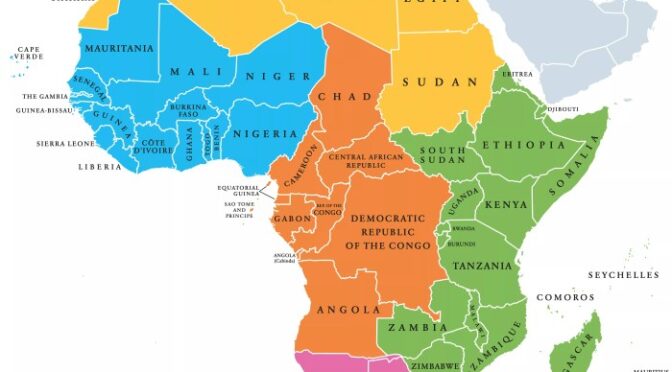
Cervical cancer, a significant health challenge, takes center stage as Africa commemorates Cervical Cancer Elimination Day. This day isn’t just a symbolic gesture; it’s a critical opportunity to spotlight the strides being made and the hurdles still faced in the fight against this preventable disease. From bustling cities to remote villages, African nations are mobilizing resources, implementing innovative strategies, and fostering partnerships to ensure a healthier future for women.
This discussion delves into the heart of these efforts, exploring the historical context of the day, the specific goals set, and the current actions underway. We’ll examine the diverse approaches taken by African countries, from screening programs and vaccination drives to community education initiatives. We’ll also unpack the challenges, socioeconomic factors, and misconceptions that stand in the way of progress.
Furthermore, we’ll look at the vital role of healthcare systems, the impact of technology, and the importance of training healthcare professionals in the fight against cervical cancer. Finally, we’ll paint a picture of the future, envisioning a continent where cervical cancer is no longer a major threat.
Significance of Cervical Cancer Elimination Day in Africa
Source: welt-atlas.de
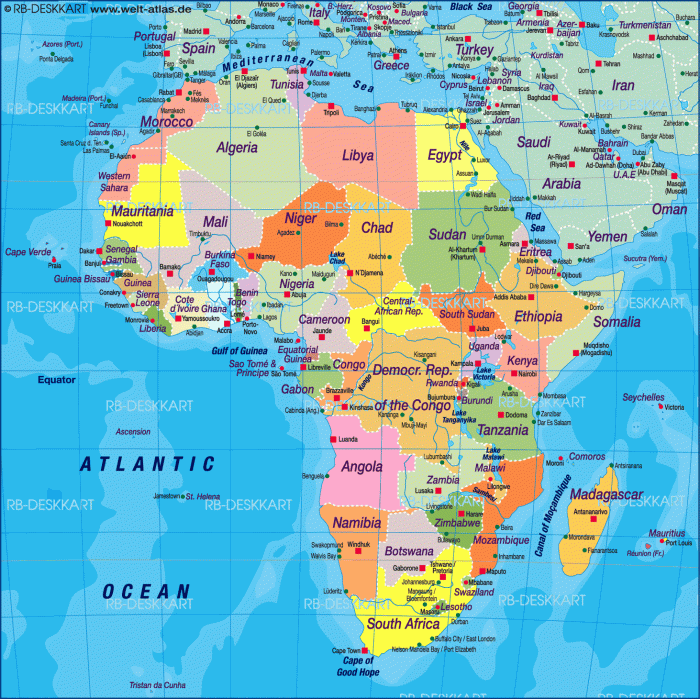
Cervical Cancer Elimination Day is a globally recognized event, and its significance is particularly pronounced in Africa, where cervical cancer disproportionately affects women. This day serves as a critical platform to raise awareness, mobilize resources, and accelerate efforts towards eliminating this preventable disease. The focus is on implementing comprehensive strategies, including vaccination, screening, and treatment, to reduce the incidence and mortality rates associated with cervical cancer.
Global Importance and African Relevance
Cervical Cancer Elimination Day holds global importance because it highlights a preventable disease that affects women worldwide. The World Health Organization (WHO) has set a global strategy, aiming to eliminate cervical cancer as a public health problem. This global effort provides a framework for countries to develop and implement their national strategies. In Africa, the relevance is amplified due to the higher burden of the disease.
The continent accounts for a significant proportion of global cervical cancer cases and deaths, largely due to limited access to screening, treatment, and HPV vaccination.
Historical Context and Evolution in Africa
The historical context of Cervical Cancer Elimination Day in Africa is linked to the growing recognition of the severity of the disease and the need for concerted action. Over the years, the day has evolved from an awareness campaign to a platform for strategic planning and implementation. Early initiatives focused on raising awareness about the disease and its risk factors.
As evidence-based interventions became available, the focus shifted to promoting HPV vaccination, cervical cancer screening, and treatment. Partnerships between governments, non-governmental organizations, and international bodies have been crucial in driving this evolution. For example, the African Union has played a key role in advocating for increased investment in cervical cancer control.
Goals and Objectives for Cervical Cancer Elimination Day in Africa
The goals and objectives for Cervical Cancer Elimination Day in Africa are aligned with the WHO’s global strategy. These objectives are multi-faceted and include:
- Vaccination: Achieving high HPV vaccination coverage among girls aged 9-14 years. This prevents infection with the human papillomavirus (HPV), the primary cause of cervical cancer. For instance, Rwanda has demonstrated success in implementing HPV vaccination programs.
- Screening: Increasing the proportion of women screened for cervical cancer, with the aim of identifying and treating precancerous lesions. Methods include visual inspection with acetic acid (VIA), HPV testing, and cytology. In South Africa, screening programs have been implemented to reach a broader population.
- Treatment: Ensuring access to treatment for women diagnosed with cervical cancer or precancerous lesions. This includes access to effective treatment options like surgery, chemotherapy, and radiotherapy. The establishment of treatment centers in various African countries is a crucial objective.
The ultimate goal is to eliminate cervical cancer as a public health problem in Africa, defined by the WHO as achieving and sustaining an incidence rate of fewer than 4 new cases per 100,000 women per year.
Current Actions by African Countries
African nations are taking concrete steps to tackle cervical cancer, a disease that disproportionately affects women in the region. These actions encompass a range of strategies, from vaccination programs to screening initiatives and treatment advancements, all aimed at reducing the burden of this preventable cancer. Governments, often with the support of international organizations, are working to implement comprehensive approaches that address the multifaceted challenges of cervical cancer.
Strategies for Combating Cervical Cancer
African countries are implementing a variety of strategies to fight cervical cancer. These strategies often work in conjunction to provide a comprehensive approach to prevention, early detection, and treatment.
- Human Papillomavirus (HPV) Vaccination: This is a primary prevention strategy, focusing on vaccinating girls (and increasingly boys) against HPV, the main cause of cervical cancer.
- Cervical Cancer Screening: This involves regular screening tests to detect precancerous changes in the cervix, allowing for timely treatment and preventing the development of cancer.
- Treatment of Precancerous Lesions: This includes procedures like cryotherapy or loop electrosurgical excision procedure (LEEP) to remove or destroy precancerous cells.
- Treatment of Cervical Cancer: This involves a combination of surgery, radiation therapy, and chemotherapy, depending on the stage of the cancer.
- Public Awareness and Education: Campaigns to raise awareness about cervical cancer, its risk factors, and the importance of screening and vaccination are crucial.
- Strengthening Healthcare Systems: Improving access to healthcare facilities, training healthcare workers, and ensuring the availability of necessary equipment and medicines are essential.
Successful Initiatives and Examples
Many African countries have launched initiatives to combat cervical cancer. These initiatives demonstrate the commitment of governments and partners to address this public health challenge. The following table highlights some examples:
| Country | Initiative | Results | Challenges |
|---|---|---|---|
| Rwanda | HPV Vaccination Program | High HPV vaccination coverage rates among adolescent girls. Significant reduction in HPV prevalence. | Ensuring consistent vaccine supply and addressing vaccine hesitancy. |
| Botswana | National Cervical Cancer Screening Program | Increased screening rates and early detection of cervical cancer. Improved access to treatment. | Limited resources and infrastructure in some areas. Need for ongoing training of healthcare workers. |
| Tanzania | Integration of Cervical Cancer Screening into Primary Healthcare | Increased screening coverage, particularly in rural areas. Early detection and treatment services available at primary care level. | Low awareness among women about screening and the importance of early detection. Need to expand screening services to reach more women. |
| Zambia | Scale-up of HPV Vaccination and Screening | Increased vaccination coverage. Expanded access to screening and treatment services. | Addressing logistical challenges in vaccine and supplies distribution. Improving community awareness and engagement. |
Role of International Organizations and Partnerships
International organizations and partnerships play a crucial role in supporting African countries’ efforts to combat cervical cancer. Their contributions include financial assistance, technical expertise, and the provision of essential resources.
- Financial Support: Organizations like the World Health Organization (WHO), the United Nations Population Fund (UNFPA), and Gavi, the Vaccine Alliance, provide funding for vaccination programs, screening initiatives, and treatment services.
- Technical Assistance: These organizations offer technical expertise in program implementation, training of healthcare workers, and development of national guidelines and policies.
- Resource Provision: They help to ensure the availability of vaccines, screening equipment, and treatment medications.
- Advocacy and Awareness: International organizations work to raise awareness about cervical cancer and advocate for increased political commitment and resources.
- Partnerships: Collaboration with non-governmental organizations (NGOs), research institutions, and the private sector is essential for a comprehensive response. For example, the African Cancer Coalition (ACC) brings together diverse stakeholders to improve cancer care.
The collective efforts of African countries, with the support of international partners, are crucial in working towards the elimination of cervical cancer as a public health problem.
Challenges and Obstacles in Cervical Cancer Elimination
Source: freeworldmaps.net
The journey to eliminate cervical cancer in Africa is paved with significant hurdles. Addressing these challenges is crucial for achieving the ambitious goals set by the World Health Organization (WHO) and other global health initiatives. Overcoming these obstacles requires a multifaceted approach, involving robust healthcare infrastructure, effective public health campaigns, and sustained financial commitment.
Healthcare System Weaknesses
A primary challenge is the weakness of many African healthcare systems. This includes a lack of infrastructure, insufficient trained personnel, and inadequate access to essential services. These factors hinder the implementation of effective screening programs, vaccination campaigns, and treatment protocols.
Socioeconomic Factors Contributing to Prevalence
Socioeconomic factors play a significant role in the high prevalence of cervical cancer in Africa. Poverty, lack of education, and limited access to healthcare contribute to late diagnosis and poor treatment outcomes.
“Poverty and lack of education often lead to delayed access to healthcare, allowing the disease to progress to advanced stages.”
Here’s how these factors influence the prevalence:
- Poverty: Poverty restricts access to healthcare, including screening and treatment. The cost of healthcare, transportation, and lost wages due to illness can be prohibitive.
- Lack of Education: Lower levels of education often correlate with limited awareness about cervical cancer, its causes, and preventive measures. This includes knowledge about HPV vaccination and regular screening.
- Cultural Beliefs and Practices: Some cultural beliefs and practices can impede access to healthcare. For instance, some women may hesitate to seek medical attention due to stigma or cultural norms.
- Limited Access to Information: Inadequate access to accurate and timely information about cervical cancer, prevention, and treatment further exacerbates the problem.
Common Misconceptions and Addressing Them
Misconceptions about cervical cancer are widespread, hindering prevention efforts and leading to delayed care-seeking behavior. Addressing these misconceptions through targeted education campaigns is essential.Here are some common misconceptions and how to correct them:
- Misconception: Cervical cancer is a death sentence.
- Correction: Cervical cancer is often curable, especially when detected early. Regular screening and timely treatment significantly improve survival rates.
- Misconception: Only older women get cervical cancer.
- Correction: While the risk increases with age, cervical cancer can affect women of all ages. HPV infection, the primary cause, can occur at any age.
- Misconception: Cervical cancer is contagious through casual contact.
- Correction: Cervical cancer is not contagious in the traditional sense. It’s caused by HPV, which is primarily transmitted through sexual contact.
- Misconception: If I don’t have symptoms, I don’t need screening.
- Correction: Cervical cancer often has no symptoms in its early stages. Regular screening, such as Pap tests or HPV tests, is crucial for early detection.
- Misconception: HPV vaccination is only for young girls.
- Correction: While most effective if given before exposure to HPV, the HPV vaccine can still provide protection for women up to a certain age, as recommended by healthcare professionals.
Strategies for Accelerating Action
To effectively eliminate cervical cancer in Africa, a multi-pronged approach is essential. This involves strategic interventions focusing on prevention, screening, and treatment, all underpinned by strong community engagement and robust healthcare systems. This section Artikels key strategies to accelerate progress toward cervical cancer elimination.
Effective Methods for Increasing Cervical Cancer Screening Rates in Africa
Increasing screening rates is critical for early detection and treatment, significantly improving survival rates. Several proven methods can be implemented to boost screening uptake across the continent.
- Integrating Screening into Existing Healthcare Services: This involves offering cervical cancer screening during routine clinic visits, such as those for family planning, antenatal care, and HIV services. This leverages existing infrastructure and increases accessibility, especially in resource-limited settings. For instance, in Rwanda, integrating cervical cancer screening with HIV services has significantly increased screening rates.
- Utilizing Point-of-Care Technologies: Employing simpler, more affordable screening methods like visual inspection with acetic acid (VIA) and HPV self-sampling kits can improve accessibility, particularly in remote areas where laboratory infrastructure is limited. These methods allow for immediate results and can be performed by trained healthcare workers with minimal equipment.
- Mobile Clinics and Outreach Programs: Deploying mobile clinics and organizing community outreach programs can bring screening services directly to women in underserved areas. These programs can also provide education about cervical cancer prevention and treatment, addressing barriers such as lack of awareness and fear.
- Leveraging Technology and Digital Health: Using mobile phones and other digital platforms for appointment reminders, education, and results delivery can enhance patient engagement and adherence to screening schedules. Telemedicine can also facilitate remote consultations and specialist support.
- Training and Capacity Building: Investing in training healthcare workers in screening techniques, including VIA and HPV testing, is crucial. This includes providing ongoing professional development and support to ensure quality service delivery.
- Addressing Financial Barriers: Implementing policies to reduce or eliminate the cost of screening and treatment can significantly increase uptake. This can include subsidized services, insurance coverage, and financial assistance programs for women in need.
Improving Access to HPV Vaccination Programs Across the Continent
HPV vaccination is a primary prevention strategy, protecting against the viruses that cause cervical cancer. Expanding access to HPV vaccines is paramount to achieving elimination goals.
- Strengthening Vaccine Procurement and Supply Chains: Ensuring a reliable supply of HPV vaccines requires efficient procurement processes and robust supply chains. This includes negotiating favorable prices, securing adequate storage facilities, and implementing effective distribution systems.
- Targeting School-Based Vaccination Programs: Implementing school-based vaccination programs is an effective way to reach a large proportion of the target population (typically girls aged 9-14 years). This approach leverages existing school infrastructure and can be integrated into the school curriculum.
- Community Mobilization and Education: Raising awareness about the importance of HPV vaccination among parents, teachers, and community leaders is crucial to increase vaccine uptake. This involves providing accurate information about the vaccine’s safety and efficacy, addressing misconceptions, and building trust in the vaccination program.
- Integrating Vaccination into Existing Healthcare Services: Offering HPV vaccination at healthcare facilities, alongside other routine vaccinations, can improve accessibility and convenience. This is particularly important for reaching girls who are not enrolled in school or who have missed school-based vaccination programs.
- Addressing Vaccine Hesitancy: Addressing vaccine hesitancy requires open communication, providing accurate information, and engaging with community leaders and religious figures to build trust and address concerns. This can involve town hall meetings, community forums, and educational materials.
- Monitoring and Evaluation: Establishing a system for monitoring vaccine coverage, identifying gaps in access, and evaluating the effectiveness of vaccination programs is essential. This data can be used to inform program improvements and ensure that resources are allocated efficiently.
Demonstrating the Importance of Community Engagement and Education in Cervical Cancer Prevention
Community engagement and education are fundamental to successful cervical cancer prevention efforts. Raising awareness, dispelling myths, and empowering communities to take proactive steps are critical for increasing screening rates and vaccination uptake.
Case Study: In Tanzania, the Tumaini la Maisha (TLM) organization has been instrumental in raising awareness about cervical cancer. Through community health workers, TLM conducts door-to-door education, organizes community meetings, and utilizes radio broadcasts to disseminate information about prevention, screening, and treatment. This approach has led to a significant increase in women seeking cervical cancer screening and treatment in the regions where TLM operates.
This highlights the importance of localized, culturally sensitive education programs in driving positive health outcomes.
Role of Healthcare Systems
Source: voglioviverecosi.com
Strengthening healthcare systems is absolutely crucial for effectively controlling cervical cancer in Africa. Robust healthcare infrastructure, well-trained professionals, and readily available resources are essential to ensure women can access the screening, diagnosis, and treatment they need. A well-functioning healthcare system acts as the backbone of any successful cervical cancer elimination strategy.
Technology for Cervical Cancer Screening and Treatment
Technology offers powerful tools to improve cervical cancer screening and treatment. The integration of technology can enhance the efficiency and reach of cervical cancer control programs.
- Telemedicine: Telemedicine platforms can connect specialists with healthcare providers in remote areas. This enables expert consultations, remote diagnosis, and treatment planning. This is particularly important in countries where access to specialized medical expertise is limited.
- Mobile Health (mHealth): Mobile health applications can be used to send reminders for screening appointments, provide educational materials, and track patient progress. mHealth can improve patient adherence to screening and treatment protocols.
- Digital Imaging: Digital imaging technologies, such as colposcopy with digital image capture, allow for more accurate visualization of the cervix and facilitate the early detection of precancerous lesions. The images can be easily shared for second opinions and training purposes.
- Automated Screening Technologies: Technologies like automated visual inspection with acetic acid (VIA) and automated cytology screening can improve the accuracy and efficiency of screening programs. These technologies can help to reduce human error and increase the number of women screened.
Training and Capacity Building for Healthcare Professionals
Adequate training and ongoing professional development are fundamental to ensuring healthcare professionals are equipped to manage cervical cancer effectively. Building capacity strengthens the healthcare workforce and improves patient outcomes.
- Training Programs: Comprehensive training programs for doctors, nurses, and other healthcare providers should cover all aspects of cervical cancer management, from screening and diagnosis to treatment and palliative care. These programs should include both theoretical knowledge and practical skills training.
- Specialized Training: Training in specific techniques, such as colposcopy, cryotherapy, and loop electrosurgical excision procedure (LEEP), is essential. This allows for early detection and treatment of precancerous lesions, preventing the development of invasive cancer.
- Continuing Medical Education (CME): Regular CME opportunities keep healthcare professionals updated on the latest advances in cervical cancer management. CME can be delivered through workshops, conferences, and online courses.
- Mentorship Programs: Mentorship programs can provide hands-on support and guidance to healthcare professionals, especially in resource-limited settings. Mentors can share their expertise and help mentees develop their clinical skills.
- Examples of Success: In Rwanda, significant investment in training and capacity building has led to a marked increase in cervical cancer screening rates and improved treatment outcomes. The country has implemented a national cervical cancer control program that includes training for healthcare workers in screening and treatment techniques.
Future Outlook and Long-Term Goals
The future of cervical cancer elimination in Africa holds immense promise, offering a significant opportunity to improve the health and well-being of millions of women. This section Artikels the long-term vision, potential impact, and the transformation needed to achieve this ambitious goal.
Long-Term Vision for Cervical Cancer Elimination
The long-term vision centers on a future where cervical cancer is no longer a public health threat in Africa. This entails:
- A substantial reduction in cervical cancer incidence and mortality rates, aiming for a significant decrease over the coming decades.
- Universal access to comprehensive cervical cancer prevention, screening, and treatment services for all African women, regardless of their socioeconomic status or geographic location.
- Sustainable healthcare systems capable of delivering high-quality cervical cancer services, ensuring long-term program effectiveness.
- Empowered communities with increased awareness, reduced stigma, and active participation in cervical cancer prevention and control efforts.
- Integration of cervical cancer services within existing primary healthcare structures, making them readily accessible and cost-effective.
Potential Impact on African Women’s Health and Well-being
Achieving cervical cancer elimination would have a transformative impact on the health and well-being of African women. The scene could unfold as follows:Imagine a bustling marketplace in a rural African community. The air is filled with the sounds of bartering, laughter, and children playing. In the center, a newly constructed health clinic stands tall, adorned with colorful murals depicting healthy women and families.
Inside, a woman named Aisha, a mother of three, is undergoing a simple, painless HPV test. The results come back negative, and she receives counseling on how to stay healthy. This scene is replicated across the continent, with women regularly accessing screening services and receiving timely treatment when needed.The impact extends beyond individual health:
- Reduced Mortality: Thousands of lives saved annually as cervical cancer deaths decline.
- Improved Quality of Life: Women can live longer, healthier lives, free from the physical and emotional burden of the disease.
- Economic Benefits: Reduced healthcare costs, increased productivity, and stronger families contribute to economic growth.
- Empowerment: Women are empowered to take control of their health, contributing to gender equality and social progress.
Comparing Current and Desired Future States
The current state of cervical cancer control in Africa is characterized by significant challenges:
- High incidence and mortality rates.
- Limited access to screening and treatment services.
- Low HPV vaccination coverage.
- Inadequate healthcare infrastructure.
- Lack of awareness and education.
The desired future state contrasts sharply:
- Low incidence and mortality rates: A substantial reduction in new cases and deaths due to cervical cancer.
- High screening coverage: Widespread access to effective screening programs, such as HPV testing and visual inspection with acetic acid (VIA).
- High vaccination rates: Broad uptake of HPV vaccines among adolescent girls.
- Robust healthcare systems: Well-equipped clinics and hospitals with trained healthcare professionals.
- Increased awareness and education: Communities that are well-informed about cervical cancer prevention and treatment.
The transformation from the current state to the desired future requires a multi-faceted approach involving:
Strong political commitment, increased funding, improved healthcare infrastructure, community engagement, and the implementation of evidence-based interventions.
Outcome Summary
In conclusion, the observance of Cervical Cancer Elimination Day in Africa is a testament to the unwavering commitment to women’s health. The journey toward elimination is complex, requiring sustained effort, innovative solutions, and unwavering collaboration. By addressing the challenges, leveraging the power of community, and investing in robust healthcare systems, Africa is charting a course toward a future where cervical cancer is a distant memory.
The collective actions taken today will shape a healthier and more equitable tomorrow for generations to come.
FAQ Insights
What is Cervical Cancer Elimination Day?
Cervical Cancer Elimination Day is a global initiative to raise awareness, promote action, and accelerate efforts towards eliminating cervical cancer as a public health problem. It’s a day to reflect on progress, acknowledge challenges, and renew commitment to the cause.
Why is cervical cancer a major concern in Africa?
Cervical cancer disproportionately affects African women due to factors like limited access to screening and vaccination, high prevalence of HPV, and socioeconomic challenges that hinder access to healthcare. This results in late-stage diagnoses and poorer outcomes.
What can I do to support cervical cancer elimination efforts?
You can support cervical cancer elimination by raising awareness, advocating for policies that support prevention and treatment, donating to organizations working in this area, and encouraging the women in your life to get screened and vaccinated.
What is HPV and why is it important in the context of cervical cancer?
HPV (Human Papillomavirus) is a common virus that can cause cervical cancer. Vaccination against HPV is a highly effective way to prevent infection and significantly reduce the risk of developing cervical cancer. Regular screening is also important, as it can detect precancerous changes early, allowing for timely treatment.
What are the main treatments for cervical cancer?
Treatment options for cervical cancer include surgery, radiation therapy, chemotherapy, and targeted therapy. The specific treatment plan depends on the stage of the cancer and the overall health of the patient.