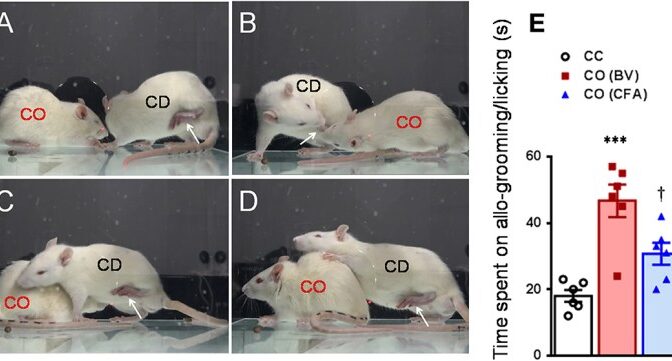
Rats, often viewed with a mix of fascination and disdain, are some of the most successful mammals on Earth. These adaptable creatures have thrived in diverse environments, from bustling cityscapes to remote rural areas. Their complex social structures, remarkable intelligence, and impact on human history make them a compelling subject of study.
This exploration delves into the multifaceted world of rats, examining their biological makeup, including physical characteristics, lifespans, and dietary habits. We’ll uncover the intricacies of their behavior and social structures, from communication methods to territorial markings. We will also explore the ecological roles rats play, both beneficial and detrimental, and how they’ve shaped human history through disease, scientific research, and cultural representation.
Finally, we’ll examine practical aspects, such as pest control, ethical considerations, and the role of rats as pets and in scientific research.
Biology of the Rat
Rats, belonging to the superfamily Muroidea, are among the most successful mammals on Earth, thriving in diverse environments. Understanding their biology is crucial for appreciating their ecological role and managing their populations. This section will delve into the physical attributes, life cycle, dietary habits, and species diversity of these adaptable creatures.
Physical Characteristics
Rats exhibit a range of physical characteristics that vary depending on the species, but certain traits are common.A typical rat possesses a slender body and a long tail, often equal in length to the body itself. Their bodies are built for agility, enabling them to navigate complex environments. They have strong limbs for climbing, digging, and swimming.
- Size and Weight: The size of a rat can vary significantly. The brown rat ( Rattus norvegicus), for example, typically measures between 16 to 28 cm (6 to 11 inches) in body length, excluding the tail, and can weigh from 140 to 500 grams (5 to 18 ounces). Black rats ( Rattus rattus) are generally smaller.
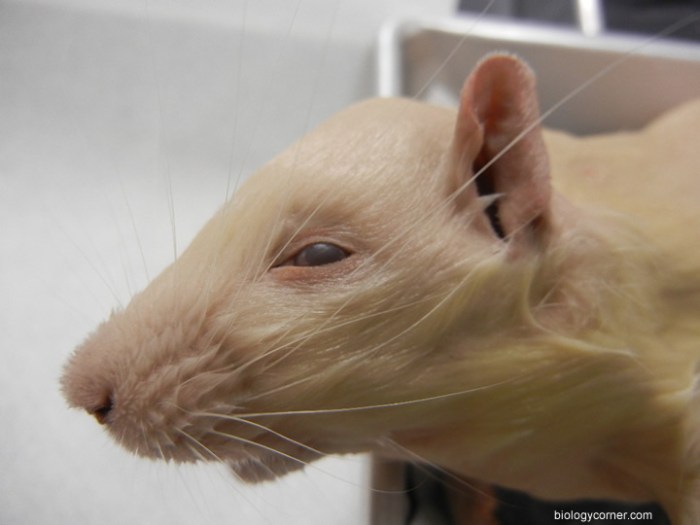
- Fur Color Variations: Fur color is highly variable. Brown rats can range from brown and grey to black and white, while black rats often have black or dark brown fur. Albino rats, lacking pigment, are also common in laboratory settings.
- Sensory Adaptations: Rats possess keen senses, including excellent hearing and a well-developed sense of smell, which aids in foraging and detecting predators. Their whiskers are sensitive to touch, helping them navigate in the dark.
Lifespan and Reproductive Cycle
The lifespan and reproductive cycle of a rat are key factors in their population dynamics.
- Lifespan: The lifespan of a rat varies depending on the species and environmental conditions. In the wild, rats typically live for around one year, due to predation and harsh conditions. In captivity, with access to food, shelter, and veterinary care, they can live for two to three years.
- Reproductive Cycle: Rats are prolific breeders. Female rats reach sexual maturity quickly, often within a few months. They can have multiple litters per year, with each litter containing several offspring. The gestation period is relatively short, around 21 days. This rapid reproductive rate allows rat populations to rebound quickly from environmental pressures.
Diet and Impact on Behavior and Habitat
A rat’s diet is omnivorous, and its feeding habits significantly influence its behavior and impact its habitat.
- Diet: Rats consume a wide variety of foods, including seeds, grains, fruits, vegetables, meat, and even garbage. Their opportunistic feeding behavior allows them to survive in various environments.
- Behavior: Their diet impacts their behavior. They are nocturnal, foraging primarily at night. Their need to find food drives them to explore and exploit different habitats.
- Habitat Impact: Rats can damage crops, contaminate food supplies, and transmit diseases. Their burrowing activities can also destabilize soil and structures. However, they also play a role in the ecosystem as prey for other animals.
Rat Species and Geographical Origins
Several rat species exist, each with its own characteristics and geographical origins.
| Species | Scientific Name | Geographical Origin | Notable Characteristics |
|---|---|---|---|
| Brown Rat | Rattus norvegicus | Eastern Asia | Also known as the Norway rat or common rat; larger and more robust than the black rat; highly adaptable. |
| Black Rat | Rattus rattus | Southern Asia | Also known as the roof rat; smaller and more agile than the brown rat; excellent climber. |
| Bush Rat | Rattus fuscipes | Australia and New Guinea | Native to Australia; found in a variety of habitats, including forests and grasslands. |
| Giant African Pouched Rat | Cricetomys gambianus | Sub-Saharan Africa | Large size; used for detecting landmines and tuberculosis due to their keen sense of smell. |
Rat Behavior and Social Structure

Source: pngimg.com
Rats, particularly those of theRattus* genus, are highly social creatures with complex behavioral patterns. Their lives are significantly shaped by their social interactions and the environment they inhabit. Understanding these behaviors is key to appreciating their adaptability and intelligence.
Social Hierarchy and Communication
Rat colonies exhibit a clear social hierarchy, often determined by factors like age, size, and fighting ability. Dominant rats typically have greater access to resources like food and mates. Communication is crucial for maintaining social order and coordinating activities within the colony.
Rats employ various methods of communication:
- Vocalization: Rats use a range of vocalizations, including ultrasonic calls (inaudible to humans) for communication, particularly in social interactions and distress. They also use audible squeaks and hisses.
- Scent Marking: Scent marking is a primary form of communication. Rats use urine, feces, and specialized scent glands to mark territories, signal their presence, and convey information about their social status and reproductive state.
- Body Language: Rats communicate through postures, such as piloerection (hair standing on end), which signals aggression or fear, and flattened ears, which can indicate submission.
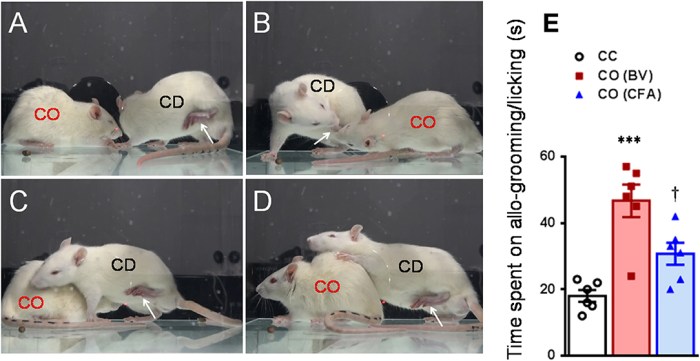
- Tactile Communication: Physical contact, such as grooming, is essential for maintaining social bonds and reinforcing the hierarchy. Rough-and-tumble play, common among young rats, also helps establish dominance.
Behavioral Traits
Rats are renowned for their intelligence, adaptability, and problem-solving skills. These traits have contributed to their survival and success in diverse environments.
Their intelligence is evident in several ways:
- Learning and Memory: Rats demonstrate remarkable learning abilities, including the capacity to navigate mazes, remember locations, and associate stimuli with rewards or punishments. They can quickly learn new tasks.
- Adaptability: Rats can adapt to a wide range of environments, from urban settings to rural areas. They readily adjust their behavior to exploit available resources and avoid threats. For example, they can modify their foraging strategies based on food availability.
- Problem-Solving: Rats can solve complex problems, such as opening latches, retrieving food from challenging locations, and even using tools. They exhibit a capacity for planning and strategizing.
Scent Marking in Territories
Scent marking plays a crucial role in establishing and maintaining rat territories. It serves as a form of communication and a mechanism for regulating social interactions.
Here’s how scent marking works:
- Territorial Boundaries: Rats use scent marks to define the boundaries of their territory, which they defend against intruders. The intensity of the scent marks can signal the rat’s dominance and the level of threat.
- Social Status: The frequency and location of scent marks can also convey information about a rat’s social status. Dominant rats often mark more frequently and in more prominent locations.
- Communication of Information: Scent marks can communicate information about the rat’s age, sex, reproductive state, and even the presence of threats or resources. This allows other rats to assess the environment and make informed decisions.
Examples of Rat Behaviors
Rats display a wide array of behaviors, each serving a specific purpose in their survival and social interactions.
- Grooming: Rats engage in extensive grooming to maintain their hygiene and strengthen social bonds. Mutual grooming is a common behavior, particularly among closely related individuals.
- Hoarding: Rats hoard food and nesting materials, often in hidden locations. This behavior is a survival mechanism, ensuring they have access to resources during times of scarcity.
- Exploring: Rats are naturally curious and spend a significant amount of time exploring their environment. This exploration helps them find food, water, and potential shelter, and also provides them with information about the presence of predators.
- Foraging: Rats are opportunistic foragers, consuming a wide variety of foods. They will explore and adapt their foraging strategies based on food availability.
- Nesting: Rats construct nests for shelter and to rear their young. The nest is typically a safe and secluded location.
- Play: Rats, especially young ones, engage in play behavior. Play is important for social development and learning.
Rats in Ecosystems
Source: biologycorner.com
Rats, often viewed as pests, are surprisingly integral components of various ecosystems. Their presence significantly impacts food webs, nutrient cycles, and the overall health of their environments. Understanding their ecological roles, both positive and negative, is crucial for effective conservation and management strategies.
Ecological Roles of Rats
Rats, though often maligned, perform several crucial functions within their ecosystems. Their impact varies depending on the specific environment, but their presence invariably leaves a mark.
- Primary Consumers: Rats are primarily omnivores, consuming a wide variety of plant material, seeds, fruits, and insects. They act as significant primary consumers, converting plant matter into energy and nutrients that can then be utilized by other organisms.
- Seed Dispersers: Some rat species, particularly in rural environments, play a role in seed dispersal. By caching seeds and forgetting some, they contribute to plant propagation and forest regeneration.
- Prey Species: Rats serve as a vital food source for numerous predators, including birds of prey (hawks, owls), snakes, foxes, and even larger mammals. They are a fundamental link in the food chain.
- Scavengers: Rats are opportunistic scavengers, consuming carrion and other decaying organic matter. This activity helps to break down waste and recycle nutrients back into the ecosystem.
- Burrowing Animals: The burrows created by rats can aerate the soil, improve drainage, and provide shelter for other animals. These burrows can become homes for other small creatures.
Impact of Rats on Food Chains and Animal Interactions
Rats’ interactions with other animals are complex and can have cascading effects throughout the food chain. Their role as both prey and predator makes them a pivotal element.
- Predator-Prey Dynamics: The abundance of rat populations directly influences the populations of their predators. An increase in rats can support larger predator populations, while a decline can lead to predator population decreases. This creates a dynamic balance.
- Competition: Rats often compete with other small mammals, such as mice and voles, for food and resources. This competition can affect the distribution and abundance of these other species.
- Disease Transmission: Rats can act as vectors for diseases, such as the plague, which can impact both wildlife and human populations. This transmission can have devastating effects on ecosystems.
- Indirect Effects: Rats can indirectly affect other species through their foraging behavior. For example, if they consume a large number of seeds, they may negatively impact the populations of seed-eating birds or mammals.
Rats in Urban and Rural Ecosystems
The roles and impacts of rats differ significantly between urban and rural environments. These differences are largely driven by resource availability, habitat structure, and human activities.
- Urban Ecosystems: In urban settings, rats are often considered pests. They thrive on readily available food sources like garbage and discarded food. They have few natural predators in the city. Their populations are often very dense, and their impact is primarily negative, including disease transmission and property damage.
- Rural Ecosystems: In rural areas, rats play a more natural role in the ecosystem. They contribute to seed dispersal, serve as prey for a wider variety of predators, and help with decomposition. While they can still cause agricultural damage, their impact is generally less concentrated and more integrated into the broader ecological web.
- Habitat Differences: Urban rats often inhabit sewers, buildings, and other human-made structures, while rural rats are more likely to live in burrows, fields, and forests. This habitat difference shapes their behavior and interactions.
- Resource Availability: Urban environments provide a consistent and abundant food supply, which supports large rat populations. Rural environments offer a more variable food supply, influenced by seasonal changes and agricultural practices.
Environmental Factors Affecting Rat Populations
Rat populations are highly sensitive to environmental factors, including climate, food availability, and the presence of predators. These factors can drive significant fluctuations in their numbers.
- Food Availability: The availability of food is a primary driver of rat population size. Years with abundant food sources, such as a bumper crop of seeds or an increase in garbage, will support larger rat populations. Conversely, periods of food scarcity can lead to population declines.
- Climate: Extreme weather events, such as severe droughts or floods, can significantly impact rat populations. Droughts can reduce food availability, while floods can destroy burrows and drown rats.
- Predator Presence: The presence and abundance of predators, such as owls, foxes, and cats, can regulate rat populations. Increased predator activity can lead to a decline in rat numbers, and vice versa.
- Disease Outbreaks: Outbreaks of diseases, such as hantavirus, can cause significant mortality in rat populations, leading to population crashes.
- Human Activities: Human activities, such as habitat destruction and pesticide use, can also affect rat populations. Habitat loss can reduce available resources and increase competition, while pesticides can directly poison rats or affect their food sources.
Rats and Human History
Rats, often viewed with disdain, have nonetheless been interwoven with the tapestry of human history. Their presence has been both a curse and, paradoxically, a tool, shaping human societies in profound ways. From ancient depictions to their role in scientific advancement, the story of rats is a complex one, reflecting humanity’s ongoing struggle against disease, its evolving understanding of the natural world, and its own survival.
Cultural Depictions of Rats
The perception of rats has varied wildly across cultures and historical periods. In some cultures, they have been symbols of cunning, resourcefulness, and even prosperity. In others, they have represented filth, disease, and death.* Ancient Egypt: Rats were present in ancient Egypt, but their cultural significance is less clear-cut compared to other animals. They may have been seen as pests, but evidence suggests they weren’t demonized to the same extent as in later periods.
Ancient China
The Chinese zodiac includes the rat, the first animal in the cycle. This association bestows upon the rat qualities like intelligence and adaptability. The Year of the Rat is often associated with wealth and good fortune.
Medieval Europe
The Black Death significantly altered perceptions. Rats became synonymous with disease and death, leading to their vilification. They were often portrayed in art as harbingers of doom.
Japanese Culture
The rat is often associated with Daikoku-ten, one of the Seven Lucky Gods. Daikoku-ten is the god of wealth and prosperity, and rats are seen as his messengers.
Modern Times
In contemporary Western culture, rats are frequently depicted as vermin, though there’s also a growing appreciation for them as intelligent and adaptable animals, particularly in the context of pet ownership and scientific research.
Rats and the Spread of Disease
The historical impact of rats on human health is undeniable, most notably through their role in spreading deadly diseases. The bubonic plague, also known as the Black Death, is a prime example.The bubonic plague, caused by the bacteriumYersinia pestis*, is primarily transmitted to humans through the bite of infected fleas. These fleas often infest black rats (*Rattus rattus*). During outbreaks, the rats would become infected, and the fleas would then jump to humans, spreading the disease rapidly.
“The Black Death, which swept through Europe in the mid-14th century, is estimated to have killed 30-60% of the European population.”
The plague’s impact was devastating. The disease spread rapidly through densely populated areas, leading to widespread death and societal upheaval. The association of rats with the plague further cemented their negative image. The plague had far-reaching consequences, impacting social structures, religious beliefs, and economic systems.
Historical Uses of Rats in Scientific Research
Rats have been instrumental in advancing scientific knowledge, particularly in the fields of biology, medicine, and psychology. Their relatively short lifespans, ease of breeding, and physiological similarities to humans have made them ideal subjects for research.* Early Anatomical Studies: Rats were among the animals used in early anatomical studies, providing insights into the structure and function of the mammalian body.
Nutritional Research
Rats were crucial in identifying essential vitamins and minerals. Experiments on rats helped researchers understand the role of different nutrients in growth, development, and overall health.
Pharmacology
Rats are frequently used to test the safety and efficacy of new drugs. They provide a model for understanding how drugs are absorbed, metabolized, and eliminated from the body.
Behavioral Psychology
Rats have been used extensively in behavioral studies, including research on learning, memory, and motivation. Experiments with rats have contributed significantly to our understanding of how the brain works.
Genetic Research
Rats have played a vital role in genetic research, particularly in mapping genes and understanding the genetic basis of diseases.
Significant Historical Events Involving Rats
Rats have played a significant, if often unseen, role in shaping historical events. Their presence, or the consequences of their actions, have often had a profound impact.* The Black Death (1346-1353): The bubonic plague, spread by fleas carried on rats, decimated the European population, leading to significant social, economic, and religious changes.
The Great Plague of London (1665-1666)
Another major outbreak of the bubonic plague in London, again linked to rats, further highlighted the devastating impact of the disease and spurred public health efforts.
World War I (1914-1918)
Rats thrived in the trenches of World War I, contributing to the spread of disease and creating unsanitary conditions that further hindered the soldiers’ well-being.
The Vietnam War (1955-1975)
Rats were a constant presence in the war zones, and their role in spreading diseases and consuming food supplies added to the challenges faced by soldiers.
Modern Urbanization
As cities have grown, rat populations have also increased, leading to ongoing challenges related to public health and pest control.
Rats in Literature and Art
Rats, often viewed with fear and disgust in the real world, have a long and complex history in literature and art. They serve as potent symbols, embodying a range of meanings from pestilence and decay to cunning and survival. Their presence can significantly influence the tone and thematic concerns of a work, adding layers of meaning that resonate with the audience.
Symbolism and Metaphors
The symbolism of rats in literature and art is multifaceted. They frequently represent negative concepts, but can also symbolize resilience.
- Disease and Decay: Rats are strongly associated with disease, particularly the bubonic plague. Their presence often signals a decline, corruption, or the spread of something harmful. In artworks, rats can visually represent societal rot or moral degradation.
- Greed and Corruption: Rats’ association with scavenging and their ability to thrive in unsanitary conditions makes them a symbol of greed, selfishness, and moral corruption. They can represent characters who are willing to do anything to survive or gain wealth.
- Cunning and Intelligence: Conversely, rats are sometimes portrayed as intelligent and adaptable creatures, capable of surviving in challenging environments. This can lead to them symbolizing cunning, resourcefulness, and even rebellion against oppressive systems.
- Hidden Threats: The secretive nature of rats and their ability to live unseen can symbolize hidden dangers or undercurrents of unease within a narrative. They represent unseen threats that can undermine stability.
Famous Literary Works and Artworks
Rats have played significant roles in various literary works and artistic creations, shaping their narratives and themes.
- The Pied Piper of Hamelin: This classic poem tells the tale of a piper hired to rid the town of Hamelin of its rats. The rats are a literal problem, but also represent the town’s sins and the consequences of broken promises. The illustrations often depict the rats as a horde, emphasizing their destructive power.
- Mrs. Frisby and the Rats of NIMH: This children’s novel presents rats in a more positive light. The rats of NIMH are intelligent, ethical, and resourceful, escaping from laboratory experiments. They represent the power of knowledge, the importance of community, and the potential for good even in creatures often reviled.
- 1984 by George Orwell: The fear of rats is used as a powerful tool of torture by the Thought Police. The rat cage is a visual representation of Winston Smith’s deepest fears and the ultimate control exerted by the totalitarian regime. The rats are a physical embodiment of the Party’s power to break its citizens.
- Artworks by Albrecht Dürer: Dürer’s meticulous engravings and woodcuts, though not always featuring rats prominently, often depict scenes of decay and death where rats might be present. These artworks reflect the anxieties of the Renaissance period and the prevalence of disease.
- Street Art and Graffiti: Rats frequently appear in street art, particularly in urban environments. Artists use rats to comment on social issues, urban decay, and power dynamics. The rat often becomes a symbol of the underdog, challenging the established order.
Artistic Styles and Mediums
The portrayal of rats in art varies across different styles and mediums, each contributing to a unique interpretation.
- Realism: In realistic depictions, rats are rendered with meticulous detail, often highlighting their physical characteristics and the environments they inhabit. This style aims to capture the true nature of the animal.
- Surrealism: Surrealist artists use rats to create unsettling and dreamlike imagery. They might distort the rat’s form or place it in bizarre contexts to evoke feelings of anxiety, fear, or the uncanny.
- Cartooning and Illustration: Cartoons and illustrations often simplify the rat’s appearance, making them more approachable or emphasizing their symbolic qualities. This can range from cute and cuddly to grotesque and menacing, depending on the story’s needs.
- Sculpture: Sculptures can range from realistic representations of rats to abstract forms that use the rat as a starting point. Sculptures can be made from various materials, from bronze and stone to found objects, offering a tactile and three-dimensional engagement with the subject.
- Mediums: Artists employ diverse mediums, including oil paint, watercolor, etching, sculpture, digital art, and street art, to express their interpretations of the rat. The chosen medium influences the texture, tone, and overall impact of the artwork.
“He could not help feeling that this creature knew the secret of his life and was laughing at him.”
- From
- 1984* by George Orwell, illustrating the rat as a symbol of terror and the ultimate loss of control.
Pest Control and Rat Management
Managing rat populations is crucial for protecting public health, preventing property damage, and minimizing economic losses. Effective rat control involves a multifaceted approach, combining preventive measures with active control methods. This section will delve into the various strategies employed to manage rat populations, considering both practical techniques and ethical concerns.
Methods for Controlling Rat Populations
Controlling rat populations effectively requires a combination of strategies tailored to the specific environment and infestation level. These methods can be broadly categorized into preventive measures and active control methods. Prevention is often the most cost-effective long-term solution.
- Sanitation: Maintaining a clean environment is paramount. This includes proper waste disposal in rodent-proof containers, regular cleaning of food preparation areas, and prompt removal of food scraps. Rats are attracted to food sources, so eliminating these is crucial.
- Exclusion: Preventing rats from entering buildings and structures is another key preventive measure. This involves sealing cracks and holes in foundations, walls, and roofs. Use materials like steel wool, concrete, or hardware cloth, as rats can gnaw through softer materials.
- Habitat Modification: Removing potential harborage areas reduces rat populations. This involves clearing overgrown vegetation, storing firewood away from buildings, and keeping yards free of debris. Rats seek shelter, and eliminating these hiding places makes the area less attractive.
- Trapping: Trapping is a common active control method. Various trap types are available, and the choice depends on the specific situation. Traps are generally placed along rat travel routes, near food sources, or in areas of known activity.
- Rodenticides: Rodenticides (rat poisons) are another active control method. They are available in various forms, including baits, pellets, and tracking powders. Rodenticides should be used with caution, following label instructions to minimize risks to non-target animals and humans.
- Biological Control: In some cases, natural predators can help control rat populations. This may include encouraging the presence of owls, hawks, and cats. However, relying solely on biological control is often insufficient to eliminate a rat infestation.
- Professional Pest Control: For severe infestations, professional pest control services are often necessary. These professionals have the expertise and resources to implement effective control strategies, including identifying entry points, determining the extent of the infestation, and safely applying rodenticides.
Ethical Considerations Surrounding Rat Control
Rat control raises several ethical concerns, particularly regarding animal welfare and environmental impact. Responsible rat control practices prioritize minimizing suffering and harm to non-target animals.
- Humane Trapping: When using traps, it’s essential to select traps that minimize suffering. Snap traps should be placed carefully to ensure a quick kill. Live traps allow for relocation, but the rats must be released in a suitable environment where they won’t pose a nuisance.
- Rodenticide Use: The use of rodenticides presents several ethical dilemmas. Many rodenticides are toxic to non-target animals, including pets, wildlife, and even humans. The risk of secondary poisoning (when a predator consumes a poisoned rat) is also a concern.
- Alternatives to Rodenticides: Whenever possible, consider using alternative control methods, such as trapping and exclusion. These methods are generally more humane and less likely to harm non-target animals.
- Environmental Impact: Rat control methods can have environmental consequences. Rodenticides can contaminate soil and water, and trapping can affect non-target species. Choose control methods that minimize environmental impact.
- Transparency and Communication: It is important to be transparent about rat control efforts, especially when using rodenticides. Inform neighbors and the public about the methods being used and any potential risks.
Comparison of Rat Traps and Rodenticides
Choosing the right rat control method depends on the specific circumstances. Each method has advantages and disadvantages, and the best approach often involves a combination of strategies.
| Method | Advantages | Disadvantages | Considerations |
|---|---|---|---|
| Snap Traps | Effective, relatively inexpensive, quick kill (if placed correctly). | Can be inhumane if not placed correctly, risk of catching non-target animals, requires frequent monitoring. | Place traps along walls and travel routes. Use appropriate bait (e.g., peanut butter, bacon). |
| Live Traps | Humane (if the rat is released), allows for relocation. | Requires frequent monitoring, the rat must be released in a suitable environment, less effective for large infestations. | Check traps frequently to avoid prolonged confinement. Release rats far from the capture site to prevent them from returning. |
| Electronic Traps | Effective, quick kill, reusable. | More expensive than snap traps, requires power source, may not be effective for all rat species. | Follow manufacturer’s instructions for placement and use. |
| Rodenticides | Effective for large infestations, can eliminate rats quickly. | Potential for secondary poisoning, risk to non-target animals and humans, requires careful handling. | Use bait stations to protect pets and children. Follow label instructions carefully. |
| Glue Traps | Inexpensive, easy to use. | Inhumane, can cause prolonged suffering, may catch non-target animals. | Generally not recommended due to ethical concerns. |
Step-by-Step Procedure for Setting Up a Humane Rat Trap
Setting up a humane rat trap requires careful consideration to maximize effectiveness and minimize the animal’s suffering. The following steps provide a guide for setting up a live trap, ensuring the rat is captured and can be relocated humanely.
- Choose the Right Trap: Select a live trap specifically designed for rats. Ensure it’s the appropriate size and made of durable materials.
- Choose a Bait: Use an attractive bait that rats are known to enjoy. Common baits include peanut butter, bacon, or dried fruit. Place a small amount of bait inside the trap and near the entrance to lure the rat.
- Placement: Place the trap along rat travel routes, such as along walls, near food sources, or in areas of known activity. Position the trap so the entrance faces the wall.
- Set the Trap: Carefully set the trap according to the manufacturer’s instructions. Ensure the trap door is functioning correctly and will close securely when triggered.
- Monitor the Trap: Check the trap regularly, ideally at least once a day, to prevent the rat from being confined for extended periods.
- Relocation: Once a rat is caught, relocate it to a suitable environment. Release the rat far from the capture site, preferably in a natural habitat with access to food and water.
- Clean the Trap: After releasing the rat, clean the trap thoroughly with soap and water to remove any scent and prevent future captures.
Rats as Pets
Domestic rats,Rattus norvegicus domestica*, make surprisingly engaging and intelligent pets. They are social creatures that bond strongly with their owners, offering a unique pet experience distinct from other more common choices. Unlike their wild counterparts, domestic rats are bred for temperament and are generally friendly and gentle. This section explores the characteristics of pet rats, their care requirements, common health issues, and various breeds.
Characteristics of Domestic Rats as Pets
Domestic rats are known for their intelligence, curiosity, and playful nature. They are highly trainable and can learn tricks, respond to their names, and even recognize their owners. Their social nature means they thrive in pairs or groups, and they are most active during the twilight hours, making them crepuscular. They also have a relatively short lifespan, typically living for two to three years, which is a factor to consider when adopting a rat.
They are also known for their cleanliness, grooming themselves frequently.
Proper Care, Feeding, and Housing of Pet Rats
Providing a suitable environment is crucial for a pet rat’s well-being. This includes a spacious cage, a balanced diet, and opportunities for enrichment.
Housing:
The cage should be made of wire or solid plastic, with a solid bottom to prevent foot injuries. It needs to be large enough to accommodate multiple rats comfortably, with enough space for a hideaway, food and water bowls, and toys. A general guideline is at least 2 cubic feet per rat. The cage should be cleaned regularly to prevent odors and health issues, with bedding such as paper-based bedding or fleece changed frequently.
Avoid cedar or pine shavings as they can cause respiratory problems.
Feeding:
A balanced diet is essential. This can be achieved by feeding a high-quality commercial rat food that contains a blend of grains, seeds, and vegetables. Supplement the diet with fresh vegetables and fruits in moderation. Treats like small pieces of cooked meat, pasta, or yogurt drops can be given occasionally. Always ensure fresh water is available in a sipper bottle or heavy bowl.
Enrichment:
Rats need mental stimulation and physical activity to stay happy and healthy. Provide toys like chew toys, tunnels, and climbing structures. Regularly interact with your rats by taking them out of their cage for supervised playtime and providing them with opportunities to explore their surroundings.
Health Issues and Common Diseases That Affect Pet Rats
Like any pet, rats are susceptible to various health problems. Recognizing the signs of illness and seeking veterinary care promptly is crucial for their well-being.
Respiratory Infections:
These are common in rats and can be caused by bacteria or viruses. Symptoms include sneezing, wheezing, discharge from the eyes or nose, and labored breathing. Treatment typically involves antibiotics.
Tumors:
Rats are prone to developing tumors, both benign and malignant. Mammary tumors are common in female rats. Treatment options depend on the type and location of the tumor.
Mycoplasma Infections:
Mycoplasma pulmonis is a common bacterium that can cause chronic respiratory disease. It often leads to pneumonia and other respiratory issues.
Parasites:
Rats can be infested with external parasites such as mites and lice. Internal parasites, like worms, are less common in domestic rats. Regular check-ups with a veterinarian are helpful.
Other Health Considerations:
Dental problems, such as overgrown teeth, can occur. Keeping a watchful eye on your pet’s health and seeking professional veterinary care at the first sign of illness is critical.
Breeds of Pet Rats
Pet rats come in a variety of breeds, each with its unique characteristics in terms of coat, color, and markings. Here are some of the most popular breeds:
| Breed | Coat Description | Color Variations | Distinguishing Traits |
|---|---|---|---|
| Standard | Smooth, short fur | Wide range: black, white, gray, brown, and combinations | Most common, considered the ‘original’ rat. |
| Rex | Curly fur and whiskers | All colors and patterns | Fur is dense and crinkled, whiskers are curled. |
| Dumbo | Smooth fur, large, round ears set low on the head | All colors and patterns | Ears are a defining feature; they give them a unique appearance. |
| Hairless | No fur, sometimes with a few stray hairs | All colors, but skin is visible | Often requires extra care due to lack of fur. Sensitive to temperature changes. |
Final Conclusion
Source: frontiersin.org
In conclusion, the story of the rat is one of remarkable adaptability and resilience. From their biological intricacies to their significant impact on human society, rats offer a fascinating lens through which to view the interconnectedness of life. Understanding these creatures, their behaviors, and their roles in the ecosystem provides valuable insights into both the natural world and our own history.
Whether viewed as pests, pets, or research subjects, rats continue to shape our world in profound ways, reminding us of the enduring power of nature’s most adaptable inhabitants.
Q&A
How long do rats typically live?
The lifespan of a rat varies depending on the species and environment. Wild rats typically live for about a year, while domestic rats can live for 2-3 years with proper care.
Are rats dangerous to humans?
Rats can pose a danger to humans by spreading diseases, such as the bubonic plague, leptospirosis, and hantavirus. They can also damage property by gnawing on wires and other materials.
What do rats eat?
Rats are omnivores and will eat almost anything. Their diet typically consists of grains, fruits, vegetables, seeds, insects, and even meat if available. In urban environments, they often scavenge for food in garbage.
Are all rats the same?
No, there are many different species of rats. The most common species are the brown rat (Rattus norvegicus) and the black rat (Rattus rattus). They have different sizes, fur colors, and behaviors.
How intelligent are rats?
Rats are highly intelligent animals. They are capable of learning complex tasks, navigating mazes, and even showing empathy. They have excellent memories and can adapt to various situations.