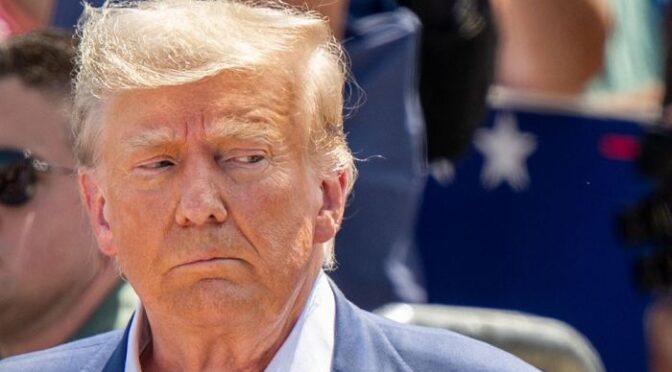
trump threatens to shut door on all ‘third world’ migrants, a statement that immediately sparks a complex discussion on immigration, international relations, and human rights. This proposal, echoing past rhetoric, brings to the forefront the long-standing debate about borders, national identity, and the responsibilities of a global superpower.
This analysis will delve into the historical context of such statements, examining the potential legal, ethical, and economic ramifications of such a policy. We will explore the potential impact on migrants, the implications for international relations, and the likely domestic political fallout. Furthermore, we’ll examine historical parallels and media coverage to understand the broader context and potential consequences of this controversial proposition.
Context of Trump’s Statement
Donald Trump’s statements regarding immigration, particularly those perceived as targeting “third world” countries, have consistently sparked controversy and reflect a broader pattern of rhetoric and policy initiatives. Understanding the historical context, including his past statements, implemented policies, and the prevailing political climate, is crucial for interpreting the significance and potential impact of such pronouncements.
Historical Context of Immigration Rhetoric
Trump’s approach to immigration has been marked by a focus on border security, restricting entry, and altering existing immigration policies. This stance has deep roots in the broader political discourse surrounding immigration in the United States.
- Early Campaign Promises: During his 2016 presidential campaign, Trump made strong promises to build a wall on the U.S.-Mexico border and to deport millions of undocumented immigrants. These promises resonated with a segment of the electorate concerned about illegal immigration and its perceived effects.
- “Travel Ban”: One of Trump’s most controversial policies was the “travel ban,” which restricted entry into the U.S. from several Muslim-majority countries. This ban faced numerous legal challenges and was criticized for being discriminatory.
- “Zero Tolerance” Policy: In 2018, the Trump administration implemented a “zero tolerance” policy at the U.S.-Mexico border, which resulted in the separation of children from their parents. This policy drew widespread condemnation from human rights organizations and political figures.
Past Statements and Policies
Trump’s statements have often used strong language and have been accompanied by specific policy proposals. These pronouncements have frequently targeted countries in Africa, Latin America, and Asia.
- “Shithole Countries” Comment: In January 2018, Trump reportedly referred to Haiti, El Salvador, and African nations as “shithole countries” during a meeting about immigration. This statement sparked outrage and accusations of racism.
- Calls for Border Wall Funding: Trump consistently advocated for funding a wall on the U.S.-Mexico border, arguing it was essential for national security. He repeatedly requested funds from Congress and even declared a national emergency to redirect funds towards the project.
- DACA and Immigration Reform: Trump’s administration sought to end the Deferred Action for Childhood Arrivals (DACA) program, which protected young undocumented immigrants who were brought to the U.S. as children from deportation. This decision was challenged in court and became a central issue in immigration debates.
Political Climate at the Time
The political climate during Trump’s presidency was highly polarized, with immigration becoming a central issue of contention. This climate influenced the reception and impact of Trump’s statements.
- Increased Political Polarization: The U.S. experienced increased political polarization, with deep divisions between Democrats and Republicans on immigration. This made it difficult to find common ground on policy solutions.
- Rise of Nationalist Sentiment: Trump’s rhetoric tapped into and amplified nationalist sentiment, which fueled support for stricter immigration controls and a focus on national interests.
- Media Coverage and Public Discourse: Media coverage of immigration issues was often intense and partisan, shaping public perceptions and influencing the debate. Social media played a significant role in disseminating information and misinformation, further complicating the issue.
Defining ‘Third World’
The term “Third World,” particularly in the context of political rhetoric, is loaded with potential for misinterpretation. It’s crucial to understand its historical origins, common usage, and the implications of its application, especially when used in statements about immigration policy. This section will break down the term, explore its potential meanings, and identify the countries and regions that would likely fall under its umbrella in a statement like Trump’s.
Origins and Common Usage
The term “Third World” emerged during the Cold War. It didn’t refer to geographic location, economic status, or any specific set of countries at its inception. Instead, it was a political term.
The “First World” comprised the United States and its allies, the “Second World” was the Soviet Union and its allies, and the “Third World” was everything else.
This “everything else” primarily consisted of nations that were not aligned with either the capitalist West or the communist East. These countries were often newly independent after decolonization. Over time, the term evolved to broadly represent countries with lower levels of economic development, higher poverty rates, and often, less stable political systems. It’s important to remember that this definition is a simplification, and the reality is far more complex.
Countries and Regions Likely Included
In Trump’s statement, it’s highly probable that the term “Third World” would be used to refer to a broad range of countries and regions. The specific countries targeted would be subject to change depending on the current political climate, news cycles, and perceived threats. Here’s a general overview of the regions that would likely be included:
- Africa: Most countries in Africa would be included, encompassing a vast array of nations with varying levels of development. Examples include:
- Nigeria
- Somalia
- Sudan
- Democratic Republic of Congo
- Latin America: Many countries in Central and South America would be considered, often due to perceived economic instability, violence, and migration patterns. Examples include:
- Venezuela
- Honduras
- Guatemala
- El Salvador
- Asia: Countries across Asia would be targeted, focusing on nations with lower GDP per capita and high emigration rates. Examples include:
- Afghanistan
- Bangladesh
- Pakistan
- Syria
Potential for Misinterpretation and Misunderstanding
The inherent ambiguity of “Third World” creates significant potential for misinterpretation. The term is often used as a shorthand for:
- Economic Development: The implication is often that these countries are economically underdeveloped, which is not always accurate. Some “Third World” countries have rapidly growing economies.
- Political Stability: The term suggests a lack of political stability, which can be a dangerous generalization. It ignores the complex political landscapes and diverse forms of governance within these regions.
- Cultural Homogeneity: The term can falsely suggest a cultural homogeneity across vast regions. This ignores the rich diversity of languages, cultures, and traditions within these areas.
- Security Threats: The term can be used to implicitly link countries to security threats, such as terrorism or crime, often based on biased perceptions or stereotypes.
Using the term “Third World” in immigration discussions can easily lead to prejudice and discriminatory policies. The simplification inherent in the term can dehumanize individuals from these regions, fueling negative stereotypes and justifying policies that restrict immigration based on broad generalizations rather than individual circumstances.
Legal and Ethical Considerations
A policy restricting immigration based on a country’s perceived “Third World” status raises significant legal and ethical concerns. Such a policy could violate international laws and agreements designed to protect human rights and prevent discrimination. Furthermore, it presents complex ethical dilemmas regarding fairness, equality, and the responsibilities of nations towards individuals seeking refuge or a better life.
Legal Challenges Under International Law
A policy like the one proposed faces substantial legal hurdles. International law, including numerous treaties and conventions, places obligations on states regarding the treatment of migrants and refugees.International law, including the Universal Declaration of Human Rights, prohibits discrimination based on national origin. This principle would be directly challenged by a policy that singles out migrants from specific countries.
- The principle of non-refoulement, enshrined in the 1951 Refugee Convention, prohibits states from returning refugees to countries where they face persecution. This principle applies regardless of the refugee’s country of origin. A blanket ban could violate this by potentially returning individuals to dangerous situations.
- International human rights law also protects the right to seek asylum. Restricting access based on a country’s designation would undermine this right.
- Such a policy could also be challenged under international trade agreements if it is found to discriminate against people based on their country of origin and affects trade, although this is a less direct challenge.
Ethical Implications of Restricting Immigration Based on Origin
Restricting immigration based on a country’s origin presents several ethical problems, primarily regarding fairness, equality, and human dignity.The ethical considerations are complex and require careful evaluation.
- It raises concerns about fairness. Such a policy could unfairly penalize individuals based on the circumstances of their birth rather than their individual merits or circumstances. It could deny opportunities to those seeking refuge from persecution, violence, or economic hardship.
- It could reinforce discriminatory stereotypes. Labeling entire nations as “Third World” and restricting immigration from them can perpetuate negative biases and stereotypes. This categorization often overlooks the diversity within these countries and the individual circumstances of the people who live there.
- It could undermine the principle of equality. All people are entitled to be treated with dignity and respect. Restricting immigration based on national origin directly contradicts this principle.
- It could exacerbate global inequalities. Such policies may prevent people from seeking better opportunities, thus limiting their ability to improve their lives and contribute to their home countries through remittances and other means.
Examples of International Treaties and Agreements That Could Be Violated
Several international treaties and agreements could be violated by a policy that restricts immigration based on national origin.These agreements aim to protect human rights and promote fair treatment of all individuals, including migrants.
- The Universal Declaration of Human Rights (UDHR): Articles 2 and 14 of the UDHR are directly relevant. Article 2 prohibits discrimination of any kind, including based on national origin, while Article 14 affirms the right to seek and enjoy asylum from persecution.
- The International Covenant on Civil and Political Rights (ICCPR): Article 2 of the ICCPR reinforces the non-discrimination principle. Article 12 guarantees the right to freedom of movement, and restricting immigration based on origin could violate this right.
- The International Covenant on Economic, Social and Cultural Rights (ICESCR): While not directly related to immigration, the ICESCR recognizes the right to an adequate standard of living. Restricting immigration could limit access to opportunities that could improve living standards.
- The 1951 Refugee Convention and its 1967 Protocol: These documents define the term “refugee” and Artikel the obligations of states towards refugees. The principle of non-refoulement, central to the Convention, would be violated if people are returned to countries where they face persecution.
- Regional Human Rights Conventions: The European Convention on Human Rights, the American Convention on Human Rights, and the African Charter on Human and Peoples’ Rights also contain provisions against discrimination and protect the rights of migrants and asylum seekers.
Potential Impact on Migrants
Trump’s statement, if implemented as policy, would have a devastating impact on individuals and families seeking to immigrate from countries classified as “third world.” The consequences would be far-reaching, affecting everything from basic human rights to the stability of families and communities. The following sections detail the potential hardships migrants would face.
Consequences for Individuals Seeking Immigration
The immediate consequence of such a policy would be the denial of entry for individuals seeking to immigrate from the affected countries. This could include refugees fleeing persecution, individuals seeking economic opportunity, and those seeking to reunite with family members already living in the United States.
- Denial of Asylum: Individuals fleeing violence, political instability, or persecution in their home countries would be denied the opportunity to seek asylum in the United States. This would leave them vulnerable to further harm and potentially force them to return to dangerous situations.
- Economic Hardship: Many individuals seek to immigrate to the U.S. for economic reasons, hoping to find work and improve their living conditions. A ban would prevent them from accessing these opportunities, perpetuating poverty and limiting their ability to support themselves and their families.
- Separation from Family: Immigration policies often involve family reunification. A ban would prevent families from being reunited, causing emotional distress and disrupting family support systems.
- Increased Risk of Exploitation: Individuals desperate to escape dangerous situations might be forced to rely on smugglers and traffickers, increasing their risk of exploitation and abuse.
Impact on Separated Families and Communities
The repercussions of such a policy would extend beyond the individuals directly affected, significantly impacting families and communities both within the United States and in the countries of origin.
- Emotional Distress and Trauma: Family separation is a traumatic experience. Those left behind would suffer emotional distress, anxiety, and uncertainty about the future.
- Economic Strain: Families who rely on remittances from relatives in the U.S. would face financial hardship. These remittances often provide critical support for basic needs like food, healthcare, and education.
- Community Instability: The loss of skilled workers and professionals due to emigration can weaken communities, impacting economic development and social progress.
- Erosion of Trust: Such a policy could erode trust between the United States and the affected countries, potentially leading to diplomatic tensions and hindering cooperation on other issues.
Scenario: The Patel Family
Consider the Patel family. Mr. and Mrs. Patel, citizens of a hypothetical “third world” country facing political unrest, have been approved for a visa to join their daughter, who has lived and worked in the U.S. for five years.
They are scheduled to fly to the United States next month. However, a new policy, mirroring Trump’s proposed ban, is suddenly implemented.
- The Patels’ visas are immediately revoked. Their daughter in the U.S. faces the agonizing reality of her parents’ inability to join her, and the potential danger they face in their home country.
- The daughter, now alone in the U.S., struggles with the emotional burden of separation, unable to offer her parents the support and care they need. She also faces financial pressures as she can no longer count on her parents’ assistance.
- The Patels, trapped in their home country, are forced to face the ongoing political instability and potential violence, now without the option of seeking refuge with their daughter. They are also burdened by the loss of the financial support their daughter was sending them.
Economic Ramifications
Source: nyt.com
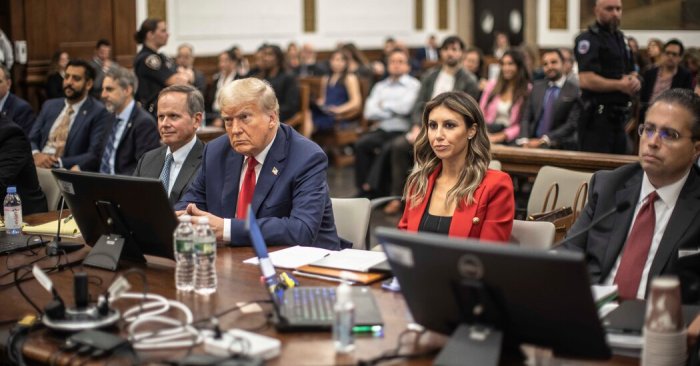
Trump’s threat to restrict immigration from “third world” countries carries significant economic implications for the United States. These effects would ripple through various sectors, impacting labor markets, economic growth, and the overall competitiveness of the U.S. economy. Understanding these potential consequences is crucial for evaluating the policy’s broader impact.
Impact on the United States Economy
The restriction of immigration, particularly from countries classified as “third world,” could have a multifaceted impact on the U.S. economy. A reduction in the labor supply could lead to increased labor costs and potentially slow economic growth. Furthermore, the loss of skilled and unskilled workers could hinder innovation and productivity in specific sectors. Conversely, some argue that such restrictions might benefit native-born workers by reducing competition for jobs and potentially increasing wages in certain segments of the economy.
Industries Reliant on Immigrant Labor
Several key industries in the United States heavily rely on immigrant labor, making them particularly vulnerable to immigration restrictions. These industries often face labor shortages and depend on immigrants to fill crucial roles.
- Agriculture: The agricultural sector is a significant employer of immigrant workers, particularly in harvesting and processing crops. Restricting this labor pool could lead to higher food prices and potential shortages. For example, the United Farm Workers of America (UFW) represents a large number of agricultural workers, many of whom are immigrants. The UFW has consistently advocated for policies that protect immigrant farmworkers and ensure a stable labor supply for the agricultural industry.
- Construction: Construction companies frequently employ immigrant workers for various tasks, from framing to finishing. A decline in available labor could increase construction costs and potentially slow down housing development and infrastructure projects. Data from the Bureau of Labor Statistics shows that immigrants make up a substantial percentage of the construction workforce.
- Healthcare: The healthcare industry relies on immigrant workers, including nurses, doctors, and caregivers, to meet the growing demand for healthcare services. Restrictions on immigration could exacerbate existing shortages of healthcare professionals, particularly in underserved areas. The American Medical Association (AMA) has recognized the vital role of immigrant physicians in providing healthcare to communities across the country.
- Hospitality and Tourism: The hospitality and tourism industries depend on immigrant workers for various roles, including hotel staff, restaurant workers, and tour guides. Reduced immigration could lead to staffing shortages and potentially impact the quality of services in these sectors. The National Restaurant Association, for instance, has highlighted the contributions of immigrant workers to the restaurant industry.
- Technology: The technology sector benefits from skilled immigrant workers, particularly in fields like software development and engineering. Restricting access to this talent pool could hinder innovation and reduce the competitiveness of U.S. tech companies. Silicon Valley companies have frequently advocated for policies that support the immigration of highly skilled workers.
Economic Impact Compared to Previous Restrictions
Comparing the potential economic impact of Trump’s proposed restrictions to previous immigration restrictions offers valuable insights. Historical examples demonstrate how such policies can affect the economy, and the lessons learned can help to better understand the potential consequences.
- The Chinese Exclusion Act of 1882: This act, which barred Chinese laborers from entering the United States, resulted in labor shortages in certain sectors, particularly in the West. The restrictions also led to increased labor costs and hampered economic growth in some regions. The act remained in effect for over 60 years and had a significant impact on the Chinese American community.
- The National Origins Act of 1924: This act established quotas based on national origin, severely limiting immigration from Southern and Eastern Europe, as well as Asia and Africa. The act was designed to preserve the existing ethnic composition of the United States. The resulting labor shortages in certain industries, along with reduced cultural diversity, negatively impacted the economy and society.
- The Immigration Reform and Control Act of 1986: This act granted amnesty to undocumented immigrants, which led to an increase in the labor supply and, in some cases, a decrease in wages for low-skilled workers. The act also imposed sanctions on employers who knowingly hired undocumented workers.
The economic impact of immigration restrictions varies depending on the scope and nature of the restrictions. Policies that target specific groups or industries can have targeted effects, while broader restrictions can have more widespread consequences. The impact on the economy depends on several factors, including the availability of alternative labor sources, the responsiveness of wages and prices to labor shortages, and the overall economic conditions.
International Relations
Trump’s statement, if implemented, would send shockwaves through the global community, impacting diplomatic ties and triggering diverse reactions from nations and international bodies. The potential for strained relationships and diplomatic fallout is significant, particularly with countries that would be directly affected by such a policy. The ramifications extend beyond immediate economic and humanitarian concerns, touching upon core principles of international law and cooperation.
Reactions of Other Countries and International Organizations
The reactions to Trump’s proposed policy would likely vary depending on a country’s existing relationship with the United States, its own immigration policies, and its economic ties. International organizations, like the United Nations, would likely condemn the policy, citing violations of human rights and international law.
- European Union: The EU, with its commitment to human rights and open borders, would likely issue strong condemnations. They might consider retaliatory measures, such as imposing tariffs or reviewing trade agreements. For example, in 2018, the EU expressed “serious concern” over the U.S. policy of separating families at the U.S.-Mexico border, demonstrating their willingness to criticize policies they deem to violate human rights.
- Canada: Canada, known for its welcoming immigration policies, would likely express disapproval and potentially offer support to those affected by the policy. Canada has a history of accepting refugees and immigrants, and this stance would likely be reinforced in response to Trump’s proposal.
- China: China, while often prioritizing its own interests, might use the policy as an opportunity to criticize the United States on human rights grounds, potentially gaining soft power in the international arena. They could also quietly offer alternative assistance to countries negatively affected by the policy.
- African Union: The African Union would likely condemn the policy, emphasizing the historical and ongoing contributions of African migrants. The AU has frequently spoken out against discriminatory practices and would likely view this as a form of discrimination.
- United Nations: The UN, through various agencies like the UNHCR, would likely issue strong statements of condemnation and could potentially investigate the policy for human rights violations. The UN’s mandate includes protecting refugees and promoting human rights, making it a natural critic of such a policy.
Potential Damage to Relationships with Nations Affected by the Policy
The nations most affected by the policy would likely experience the most significant damage to their relationships with the United States. This damage could manifest in several ways, from diplomatic protests and trade disputes to a breakdown in security cooperation.
- Diplomatic Protests and Recall of Ambassadors: Affected countries would likely lodge formal protests with the U.S. government and might recall their ambassadors as a sign of disapproval. This occurred when several countries recalled their ambassadors from the United States in response to the U.S. recognizing Jerusalem as the capital of Israel in 2017.
- Trade Disputes and Tariffs: Countries might impose retaliatory tariffs on U.S. goods, leading to trade wars. For example, after the U.S. imposed tariffs on steel and aluminum, the EU and Canada retaliated with tariffs on U.S. products.
- Suspension of Security Cooperation: Countries that rely on the U.S. for security assistance might suspend or review these agreements, potentially impacting regional stability. The withdrawal of security cooperation has been observed in various instances, such as when the U.S. suspended military aid to Pakistan due to concerns about its cooperation in counterterrorism efforts.
- Erosion of Soft Power: The U.S.’s reputation as a global leader and advocate for human rights could be severely damaged, eroding its soft power and influence on the world stage. This is supported by the Pew Research Center, which shows that favorable views of the U.S. often decline in countries where the U.S. is perceived as acting unilaterally or against international norms.
Potential Diplomatic Responses from Various Countries
The following table illustrates potential diplomatic responses from different countries, showcasing the range of actions that could be taken.
| Country | Potential Diplomatic Response | Rationale | Example |
|---|---|---|---|
| Mexico | Formal Protest, Recall of Ambassador, Potential Trade Retaliation | Mexico would be directly impacted due to its geographical proximity and existing migration patterns. | Mexico has previously protested U.S. policies it deemed unfair, such as trade disputes. |
| Honduras | Condemnation, Appeal to International Bodies, Potential Re-evaluation of Diplomatic Ties | Honduras is a source country for migrants, and the policy would severely impact its citizens. | Honduras has worked with the UN to address migration issues. |
| Nigeria | Strong Condemnation, Calls for International Action, Potential Restrictions on U.S. Goods | Nigeria is a major African country with a significant diaspora in the U.S. | Nigeria has previously condemned discriminatory policies in other countries. |
| Germany | Public Criticism, Collaboration with EU Partners, Potential Sanctions or Trade Measures | Germany, a key EU member, would likely align its response with the EU’s stance. | Germany has taken strong stances against human rights violations and discriminatory practices. |
Domestic Political Fallout
Source: nyt.com
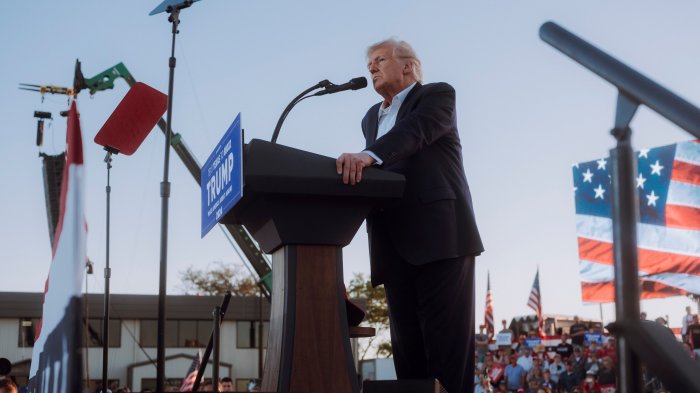
Trump’s statement regarding the potential closure of the door on “third world” migrants is poised to ignite significant political repercussions within the United States, impacting the national discourse, influencing public opinion, and potentially reshaping voter behavior in future elections. This type of rhetoric, particularly when aimed at a specific demographic, tends to polarize the electorate and generate strong reactions across the political spectrum.
Groups Likely to Support and Oppose the Policy
The political landscape is expected to see a significant division in response to this policy. Various groups are likely to align themselves either in support or opposition, with the intensity of their reactions potentially influencing their engagement in political activities.
- Groups Likely to Support:
- Conservative Voters: This segment of the electorate often prioritizes stricter immigration policies, viewing them as essential for maintaining national security and cultural homogeneity. They may support the policy as a means of controlling who enters the country and ensuring adherence to established laws.
- Nationalist Groups: Nationalist groups may rally behind the policy, as it aligns with their core tenets of prioritizing the interests of native-born citizens and limiting the influence of foreign cultures. Their support would likely be based on the belief that such a policy strengthens national identity.
- Certain Labor Unions: Some labor unions might support the policy, particularly those concerned about the potential impact of immigration on wages and employment opportunities for native-born workers. They may see the policy as a way to protect domestic jobs and ensure fair labor practices.
- Groups Likely to Oppose:
- Liberal Voters: This demographic typically favors more lenient immigration policies, emphasizing humanitarian concerns and the benefits of cultural diversity. They are likely to oppose the policy, viewing it as a violation of human rights and a discriminatory practice.
- Immigrant Rights Advocates: Organizations dedicated to advocating for the rights of immigrants will strongly oppose the policy, arguing that it unfairly targets vulnerable populations and undermines the principles of equality and justice. Their opposition will likely include legal challenges and public awareness campaigns.
- Humanitarian Organizations: Groups focused on humanitarian aid and assistance will likely condemn the policy, emphasizing the potential for human suffering and the moral imperative to assist those in need. Their opposition would be rooted in the belief that the policy violates fundamental human rights.
- Certain Business Interests: Some businesses, particularly those reliant on immigrant labor, may oppose the policy due to concerns about labor shortages and its potential impact on their operations. They may also worry about the negative effects on international trade and economic growth.
Support for the policy could stem from several sources, often overlapping in their concerns and priorities. These groups often believe that limiting immigration is crucial for national security, economic stability, and the preservation of cultural identity. This alignment may be strengthened if they believe the policy aligns with their broader views on sovereignty and border control.
Conversely, strong opposition is expected from groups that champion human rights, advocate for social justice, or represent the interests of immigrant communities. These groups often view the policy as discriminatory, unethical, and harmful to the values of inclusivity and diversity.
Impact on Voter Behavior in Upcoming Elections
The statement is likely to have a noticeable impact on voter behavior, potentially influencing turnout rates, candidate preferences, and the overall political climate in upcoming elections. The level of impact would likely depend on the salience of immigration as a campaign issue, the effectiveness of opposing arguments, and the specific strategies employed by political parties and candidates.
The 2016 US Presidential Election serves as a good example. Trump’s anti-immigration stance, including his promises to build a wall on the US-Mexico border and to ban travel from several Muslim-majority countries, played a significant role in energizing his base and attracting voters who prioritized stricter border control and national security. This helped him secure key electoral votes and ultimately win the election.
Similarly, in the 2018 midterm elections, immigration was a central issue, and voter turnout was higher than in previous midterms, with many voters motivated by their stance on immigration policy.
For example, if the policy gains significant traction, it could lead to increased voter turnout among supporters of stricter immigration controls, potentially benefiting candidates who align with that viewpoint. Conversely, it could mobilize opposition voters, leading to higher turnout among groups that oppose the policy and potentially favoring candidates who advocate for more lenient immigration policies. The impact of the statement on voter behavior is not only about how people vote, but also about the intensity with which they engage in the political process, including whether they choose to vote at all.
This intensity can be decisive in close elections.
Historical Parallels
Trump’s statement regarding potential immigration restrictions echoes a history of policies aimed at controlling and limiting migration, often with significant consequences. Examining these historical precedents provides a crucial context for understanding the potential implications of such proposals, allowing for a comparative analysis of their likely effects. Understanding past actions helps to foresee the possible repercussions of the present.
Similar Immigration Restrictions and Their Outcomes
Historically, nations have implemented various immigration restrictions, driven by economic concerns, national security anxieties, or social biases. These policies, while often intended to protect domestic interests, have frequently led to unintended consequences, including economic disruption, humanitarian crises, and damage to international relations.
Comparison of Trump’s Proposal to Previous Policies and Their Impacts
Comparing Trump’s statement with past immigration policies reveals both similarities and crucial differences. Analyzing these points helps to anticipate potential outcomes.
- The Chinese Exclusion Act of 1882: This U.S. law barred Chinese laborers from immigrating to the United States. Its impact included severe economic hardship for Chinese communities, discrimination, and the fostering of anti-Chinese sentiment. The act also significantly altered the demographic makeup of the United States.
- The Immigration Act of 1924 (Johnson-Reed Act): This act established quotas based on national origin, heavily favoring immigrants from Northern and Western Europe while severely restricting those from Southern and Eastern Europe, Asia, and Africa. The consequences were a dramatic shift in the ethnic composition of the U.S. population, hindering family reunification, and contributing to the rise of discriminatory practices.
- The National Origins Act of 1952 (McCarran-Walter Act): While it repealed the discriminatory quotas of the 1924 act, it maintained a preference system favoring skilled workers and family members of U.S. citizens, which had an impact on the diversity of the immigrant population.
- Post-9/11 Immigration Policies: Following the September 11th attacks, the U.S. implemented stricter border controls, increased scrutiny of visa applications, and enhanced surveillance of immigrants. These measures, intended to improve national security, led to increased wait times for visa applications, the separation of families, and a climate of fear within immigrant communities.
Key Differences and Similarities Between Trump’s Statement and Historical Examples
A comparative analysis highlights both commonalities and distinctions between Trump’s proposal and historical examples.
- Similarities:
- Emphasis on National Security: Historically, immigration restrictions have often been justified on national security grounds, a theme echoed in Trump’s statement, particularly when referencing ‘third world’ countries.
- Economic Concerns: Previous restrictions have frequently been driven by concerns about competition for jobs and resources, which could be reflected in the idea of protecting domestic jobs.
- Potential for Discrimination: Many historical policies have, either explicitly or implicitly, discriminated against specific groups based on their national origin, ethnicity, or perceived cultural differences. Trump’s proposal, particularly the term ‘third world’, could potentially target specific groups.
- Differences:
- Specificity of Target: Unlike some historical examples that targeted specific national groups, Trump’s statement, with its vague term ‘third world,’ lacks specificity, making its potential application broad and uncertain.
- Global Context: The world has changed. The interconnectedness of economies and international relationships today differ from earlier periods. This could significantly influence the impact of restrictions.
- Legal Challenges: The legal and constitutional framework surrounding immigration has evolved. Policies today are subject to greater scrutiny and potential legal challenges, unlike earlier eras.
Media Coverage and Public Perception

Source: co.uk
Trump’s statement, if made, would undoubtedly ignite a firestorm of media coverage, shaping public perception and fueling intense debate across various platforms. The portrayal of the statement would vary significantly depending on the news outlet’s political leaning and editorial stance.
Portrayal by Different Media Outlets
The media landscape is diverse, and each outlet would likely frame Trump’s statement differently, reflecting its established audience and political affiliations. This would significantly impact how the public understands and reacts to the potential policy.
- Conservative Media: Outlets like Fox News or Breitbart might frame the statement as a bold move to protect national security and sovereignty. They could emphasize the economic burdens of immigration and highlight potential threats posed by migrants from “third world” countries, potentially using strong language and emotionally charged rhetoric. They might also focus on any perceived failures of current immigration policies and frame Trump as a strong leader taking decisive action.
- Liberal Media: Conversely, outlets such as CNN, MSNBC, or The New York Times would likely criticize the statement as xenophobic, discriminatory, and a violation of international human rights. They might highlight the negative impact on vulnerable populations, the economic benefits of immigration, and the potential damage to America’s reputation on the global stage. They would likely provide context on the history of such rhetoric and its association with racist ideologies.
- Neutral or Independent Media: News organizations like Reuters, Associated Press, or BBC News would likely aim for a more objective approach, reporting the facts of the statement and presenting a range of viewpoints from various stakeholders. They might provide analysis of the legal and economic implications, quoting experts from different sides of the debate. They would likely try to avoid overly emotional language and focus on providing balanced information.
Diverse Viewpoints in the Media
The media would not only reflect the differing political leanings but also provide platforms for diverse voices and perspectives on the issue. This would include voices of affected individuals, immigration experts, economists, and legal scholars.
- Immigration Advocates: Organizations such as the American Civil Liberties Union (ACLU) and the National Immigration Law Center would likely condemn the statement, emphasizing the human cost of such a policy and its potential for racial and ethnic profiling. They might organize protests and rallies, as well as provide legal aid to migrants.
- Economists: Economists would offer varied perspectives, some arguing that restricting immigration could harm the economy by reducing the labor supply and stifling innovation. Others might argue that it could benefit the economy by reducing competition for jobs and lowering wages. The debate would likely involve data and analysis of the economic impact of immigration on various sectors.
- Legal Scholars: Legal experts would analyze the legality of the statement, examining whether it violates international human rights laws or constitutional principles. They would likely debate the definition of “third world” and the potential for discriminatory enforcement.
- Personal Stories: Media outlets would likely feature stories of individuals and families who would be directly affected by the policy. These personal narratives would humanize the issue and provide emotional resonance to the debate.
“My family fled persecution in our home country. We came to America seeking safety and opportunity. To be told we are not welcome, that we are ‘third world’ and not worthy… it’s heartbreaking. It feels like a door slamming shut on our dreams and our future.”
Counterarguments and Rebuttals
Trump’s statement, suggesting a shut door on “third world” migrants, is met with several strong counterarguments. These arguments highlight the potential benefits of immigration, challenge the economic and social assumptions underlying the policy, and emphasize the moral and legal obligations of nations. A comprehensive rebuttal requires examining these perspectives, providing evidence-based reasoning, and considering the complexities of international migration.
Potential Benefits of Continued or Expanded Immigration
Continued or expanded immigration can bring substantial benefits to host countries. These advantages span economic growth, social enrichment, and humanitarian contributions. Immigration, when managed effectively, can address labor shortages, boost innovation, and strengthen cultural diversity.
- Economic Growth and Labor Force Expansion: Immigrants often fill labor gaps, particularly in sectors experiencing shortages, such as agriculture, healthcare, and technology. They contribute to economic output and pay taxes, supporting social security and other public services. Studies by the National Academies of Sciences, Engineering, and Medicine have consistently shown a positive impact of immigration on long-term economic growth. For example, the influx of skilled workers in the tech industry has been credited with fostering innovation and creating jobs.
- Innovation and Entrepreneurship: Immigrants frequently bring diverse skills, experiences, and entrepreneurial spirit. They are often more likely to start businesses than native-born citizens, creating jobs and driving economic activity. The Kauffman Foundation’s research on entrepreneurship has highlighted the significant role immigrants play in starting new companies in the United States. A study showed that immigrants founded more than half of the billion-dollar startups in the country.
- Cultural Enrichment and Diversity: Immigration enriches societies by introducing new perspectives, traditions, and cultural practices. This diversity can lead to greater social cohesion, understanding, and creativity. The presence of diverse communities fosters a more vibrant and dynamic society, as evidenced by the cultural festivals, culinary traditions, and artistic expressions that immigrants contribute.
- Addressing Demographic Challenges: Many developed countries face aging populations and declining birth rates. Immigration can help offset these trends by increasing the working-age population and contributing to the sustainability of social security systems. For instance, countries like Japan and Italy, with rapidly aging populations, are increasingly considering immigration policies to address labor shortages and maintain economic stability.
- Humanitarian Contributions and Global Responsibility: Immigration provides refuge for individuals fleeing persecution, violence, or natural disasters. It allows countries to fulfill their humanitarian obligations and contribute to global stability. The United Nations Refugee Agency (UNHCR) consistently emphasizes the importance of providing protection and assistance to refugees and asylum seekers, highlighting the moral imperative to welcome those in need.
Common Arguments Used to Counter the Policy
The policy faces opposition based on various ethical, economic, and practical grounds. Critics often emphasize the negative impacts on human rights, economic viability, and international relations. A strong counter-narrative relies on data, ethical principles, and a nuanced understanding of migration’s complexities.
- Violation of Human Rights: The policy is criticized for potentially violating international human rights laws, including the right to seek asylum and the principle of non-refoulement (not returning someone to a country where they face persecution). Organizations like Amnesty International and Human Rights Watch have frequently condemned policies that restrict migration based on national origin or perceived status, arguing that all individuals deserve protection and fair treatment.
- Economic Disadvantages: Opponents argue that the policy could negatively affect the economy by reducing the labor supply, decreasing consumer spending, and potentially increasing the cost of goods and services. Research from the Center for Migration Studies of New York shows that immigration contributes to economic growth and does not lead to significant job losses for native-born workers.
- Damage to International Relations: Restricting immigration based on nationality can damage diplomatic relations and lead to retaliatory measures by other countries. International organizations and governments often emphasize the importance of cooperation and shared responsibility in managing migration. The United Nations and the European Union have repeatedly called for fair and humane immigration policies that respect human rights and promote international cooperation.
- Inaccurate and Discriminatory Definitions: The term “third world” is outdated and can be interpreted as discriminatory, as it often refers to countries with lower levels of economic development, regardless of the individual’s skills or contributions. The policy risks generalizing and unfairly judging entire populations based on their country of origin.
- Unrealistic and Unenforceable: Implementing a complete shut-down of migration would be practically impossible due to the complexity of international travel, the porous nature of borders, and the global interconnectedness of economies. Such a policy would likely lead to increased smuggling, human trafficking, and other illegal activities.
Final Wrap-Up
In conclusion, the proposition that trump threatens to shut door on all ‘third world’ migrants is a multifaceted issue with profound implications. From the legal and ethical considerations to the potential economic and social impacts, the policy presents a complex challenge. This exploration highlights the need for a comprehensive understanding of the issue, taking into account the diverse perspectives of migrants, affected nations, and international organizations.
Ultimately, a nuanced approach, grounded in empathy and a commitment to human rights, is crucial when navigating this challenging topic.
FAQ
What exactly constitutes a “third world” country in this context?
The term “third world” is outdated and lacks a precise definition, often referring to developing countries, primarily in Africa, Latin America, and parts of Asia. Trump’s specific interpretation would likely be subjective and could include countries with lower economic development, political instability, or perceived security risks.
What legal challenges might this policy face?
Such a policy would likely face significant legal challenges under international law, particularly concerning human rights and non-discrimination. It could violate treaties like the Universal Declaration of Human Rights and the Refugee Convention, which protect the right to seek asylum and prohibit discrimination based on origin.
How would this policy impact the U.S. economy?
Restricting immigration could negatively impact the U.S. economy. Immigrants often fill labor shortages in various sectors, contribute to innovation, and pay taxes. A reduction in the workforce could lead to slower economic growth and higher prices for goods and services.
What are the ethical implications of this proposal?
Ethically, restricting immigration based on origin raises concerns about discrimination and fairness. It could be seen as a violation of basic human rights and a rejection of the principles of equality and dignity for all individuals, regardless of their country of origin.
How might other countries react to this policy?
Other countries, especially those whose citizens would be affected, would likely condemn the policy. This could lead to strained diplomatic relations, retaliatory measures, and damage to the United States’ international reputation and influence.