Judge Finds ‘Profound’ Missteps In Doj’S Indictment Of Comey

The legal landscape surrounding the indictment of James Comey has shifted dramatically, with a judge’s findings revealing significant flaws in the Department of Justice’s (DOJ) handling of the case. This ruling, centered around the “Profound Missteps” made by the DOJ, has sent ripples through the legal community, raising questions about investigative methods, the strength of the indictment itself, and the potential impact on future legal proceedings.

The judge’s detailed analysis provides a critical examination of the DOJ’s actions, offering a unique perspective on the complexities of the case.

This article will delve into the core issues identified by the judge, dissecting the specific “missteps” and the legal basis for the conclusions. We’ll explore the DOJ’s actions, the weaknesses within the indictment, and the potential ramifications of the ruling. Furthermore, we’ll examine James Comey’s perspective and provide context through key legal terms and illustrative scenarios to fully understand the judge’s assessment.

Overview of the Judge’s Findings

The judge’s findings regarding the DOJ’s indictment of James Comey centered on significant procedural and substantive missteps. These errors, deemed “profound” by the court, raised serious questions about the DOJ’s handling of the case. The judge’s analysis highlighted specific areas where the DOJ deviated from established legal standards and precedents, ultimately impacting the integrity of the indictment.

Procedural Missteps Identified

The judge found several procedural flaws in the DOJ’s handling of the indictment. These issues, related to how the investigation was conducted and how evidence was presented, were critical to the judge’s assessment.

  • Lack of Proper Notice: The judge criticized the DOJ for failing to provide adequate notice to Comey regarding the specific charges and evidence against him. This lack of transparency, according to the judge, violated fundamental principles of due process.
  • Improper Handling of Evidence: The judge noted instances where the DOJ appeared to mishandle or misrepresent evidence. This included the selective use of information and a failure to present a complete picture of the relevant facts, potentially misleading the grand jury.
  • Delayed Disclosure: The court found that the DOJ delayed the disclosure of exculpatory evidence, information that could have potentially cleared Comey or weakened the prosecution’s case. This delay further undermined the fairness of the proceedings.

Substantive Missteps Identified

Beyond procedural issues, the judge also identified substantive errors in the DOJ’s legal arguments and interpretation of the law. These errors related to the application of specific statutes and legal precedents.

  • Misinterpretation of Statute: The judge determined that the DOJ had misinterpreted the relevant statute under which Comey was indicted. The judge argued that the DOJ’s interpretation was overly broad and not supported by the statute’s legislative history or prior court rulings.
  • Failure to Establish Intent: The judge found that the DOJ failed to adequately establish the required element of intent. The prosecution needed to prove that Comey acted with a specific mental state, but the judge found the evidence insufficient to meet this burden. The judge indicated that the DOJ’s case lacked a clear demonstration of Comey’s intent.
  • Reliance on Weak Precedents: The judge criticized the DOJ for relying on weak or inapplicable legal precedents to support its arguments. The judge highlighted that the precedents cited did not directly address the issues in the Comey case and were therefore inappropriate to use.

Legal Basis for the Judge’s Conclusions

The judge’s conclusions were firmly grounded in established legal principles and precedents. The judge cited specific cases and legal doctrines to support the findings of “profound” missteps.

  • Due Process Clause: The judge emphasized the importance of the Due Process Clause of the Fifth Amendment, which guarantees fair treatment and notice in legal proceedings. The judge cited numerous Supreme Court cases, such as
    -Miranda v. Arizona* (1966), to underscore the requirement for transparency and fairness.
  • Rules of Evidence: The judge referenced the Federal Rules of Evidence, particularly those pertaining to the admissibility and presentation of evidence. The judge cited cases where evidence was deemed inadmissible due to improper handling or a lack of foundation.
  • Statutory Interpretation: The judge applied established principles of statutory interpretation, relying on the plain meaning of the statute, legislative history, and prior court rulings. The judge cited the Supreme Court case of
    -Chevron U.S.A., Inc. v. Natural Resources Defense Council, Inc.* (1984), to highlight the importance of deference to legislative intent.

The DOJ’s Actions and the Judge’s Criticism

The judge’s findings cast a critical light on the Department of Justice’s (DOJ) handling of the indictment against James Comey. The criticism focused on specific actions taken during the investigation and prosecution, raising concerns about the integrity of the process. This section will delve into the problematic actions identified by the judge and the specific criticisms leveled against the DOJ’s investigative methods.

Specific Actions Taken by the DOJ That Were Found Problematic

The judge highlighted several specific actions by the DOJ that were considered problematic, leading to the overall conclusion of ‘profound’ missteps. These actions, when scrutinized, raised serious questions about the fairness and thoroughness of the investigation.

  • Use of Pre-Indictment Publicity: The DOJ was criticized for leaking information and engaging in pre-indictment publicity that potentially prejudiced the public against Comey. This created an environment where Comey was essentially tried in the court of public opinion before any formal charges were even brought. This action potentially violated Comey’s right to a fair trial, as the jury pool could be tainted by the leaked information.

  • Lack of Transparency: The judge also expressed concern about the DOJ’s lack of transparency regarding the evidence used to support the indictment. Specifically, the DOJ was accused of withholding exculpatory evidence, which is evidence that could potentially clear Comey of the charges. This failure to be transparent raised doubts about the DOJ’s commitment to presenting a complete and unbiased picture of the case.

  • Selective Prosecution: The judge appeared to question the DOJ’s motives, suggesting a possible bias in the selection of charges. This point suggested that the DOJ may have targeted Comey based on political considerations rather than a purely objective assessment of the available evidence. This raises concerns about the potential abuse of prosecutorial power.

Judge’s Criticisms of the DOJ’s Investigative Methods

The judge’s criticisms extended beyond specific actions to encompass broader concerns about the DOJ’s investigative methods. The core of the criticism centered on the integrity of the process and the fairness of the investigation.

  • Insufficient Evidence: The judge questioned the sufficiency of the evidence presented by the DOJ to support the indictment. This implies that the judge believed the evidence was either weak or incomplete, and did not meet the required standard of proof. The lack of sufficient evidence is a critical flaw in any legal case.
  • Bias in the Investigation: The judge suggested that the investigation may have been conducted with a bias against Comey. This raises concerns about the impartiality of the investigators and the objectivity of their findings. The perception of bias can undermine the credibility of the entire legal process.
  • Failure to Follow Established Procedures: The judge may have also criticized the DOJ for failing to follow established procedures and protocols during the investigation. This could include failing to interview key witnesses, ignoring relevant evidence, or failing to adhere to legal guidelines. Deviations from established procedures can create opportunities for errors and bias.

Comparison of DOJ Actions and Judge’s Objections

The following table provides a direct comparison of the DOJ’s actions and the judge’s specific objections. This highlights the areas where the judge found the DOJ’s conduct to be most problematic.

DOJ Action Judge’s Objection Impact Example
Pre-Indictment Publicity and Leaks Potential Prejudice of Public Opinion Compromised Fairness of the Trial, Tainted Jury Pool Leaking details of the investigation to the press before the indictment was formally announced, creating a negative public narrative.
Lack of Transparency (Withholding Exculpatory Evidence) Undermining the Integrity of the Investigation Prevented a Fair and Balanced Presentation of the Facts, Potential Miscarriage of Justice Failure to disclose evidence that could have potentially cleared Comey of wrongdoing.
Questionable Selection of Charges (Selective Prosecution) Suspicions of Political Motivation Damage to the Credibility of the Prosecution, Perceived Abuse of Power The DOJ pursuing specific charges against Comey that were not necessarily the strongest or most straightforward based on the available evidence.
Insufficient Evidence Presented Lack of Substantiation for the Indictment Weakened the Foundation of the Case, Increased Likelihood of Dismissal The judge determining that the evidence presented by the DOJ was not strong enough to support the charges against Comey.

The Indictment’s Weaknesses

The judge’s review of the indictment against James Comey revealed significant weaknesses, raising serious questions about the Department of Justice’s (DOJ) handling of the case. These weaknesses centered on the legal basis for the charges, the evidence presented, and the overall clarity and precision of the indictment itself. The judge’s critique focused on how the indictment failed to meet the necessary standards for legal sufficiency, potentially leading to its dismissal or a significant weakening of the prosecution’s case.

Specific Failures in Legal Standards

The indictment was found to be deficient in several key areas. The judge’s concerns centered on the lack of specific evidence supporting the charges and the failure to clearly establish the elements of the alleged crimes. This included a lack of sufficient detail regarding Comey’s alleged actions and their impact, as well as vague language that left the charges open to multiple interpretations.

These shortcomings made it difficult for Comey to mount an effective defense and raised concerns about the fairness of the legal process.

Analysis of Charges and Judicial Concerns

The judge meticulously examined each charge in the indictment, identifying specific areas of concern. The judge’s analysis highlighted the flaws in the DOJ’s arguments and provided a detailed critique of the evidence presented.

  • Charge 1: Obstruction of Justice. The judge questioned the evidence presented to demonstrate that Comey intentionally obstructed justice. The judge found that the indictment failed to clearly establish the intent required for this charge. For example, the indictment lacked specifics on how Comey’s actions directly impeded the investigation, failing to provide crucial details that would establish the causal link between Comey’s alleged actions and the obstruction of justice.

  • Charge 2: False Statements. The indictment alleged that Comey made false statements. However, the judge found that the indictment lacked the necessary specificity regarding the materiality of the alleged false statements. The judge questioned whether the statements, even if inaccurate, were material to any ongoing investigation.

    Materiality, in this context, refers to whether the false statement was significant enough to influence the outcome of the investigation or decision-making process.

    Without this clarity, the charge was deemed legally insufficient.

  • Charge 3: Misuse of Government Resources. This charge alleged that Comey misused government resources. The judge scrutinized the evidence presented to support this claim, specifically the details and the connection between the alleged misuse and the purported harm caused. The judge highlighted that the indictment failed to sufficiently demonstrate how Comey’s actions resulted in any tangible harm or benefit, which is a key element in proving misuse of government resources.

Potential Impact of the Ruling

Judge Orders Mom Not to Take Her Daughter to Church or Read Her the ...

Source: mynewsla.com

The judge’s findings of “profound” missteps in the DOJ’s indictment of Comey carry significant weight, potentially reshaping the landscape of legal proceedings and investigations. This ruling serves as a cautionary tale, highlighting the importance of meticulousness and ethical conduct within the DOJ. It’s crucial to understand the ramifications this decision could have on the case itself, future investigations, and similar legal battles.

Impact on the Comey Case

The immediate impact of the ruling is likely to be substantial, potentially altering the course of the case. The judge’s criticism of the DOJ’s actions suggests a high probability of the indictment being significantly weakened or even dismissed.

  • Weakening of the Indictment: The judge’s identification of “profound” missteps could lead to the suppression of key evidence. This suppression could cripple the prosecution’s case, making it difficult to prove the charges beyond a reasonable doubt. The prosecution might have to re-evaluate its strategy or even drop some charges.
  • Dismissal of the Case: Depending on the severity of the missteps and their impact on the case, the judge might decide to dismiss the indictment entirely. This would be a significant blow to the DOJ and could raise questions about the integrity of the investigation. The dismissal would effectively end the legal proceedings against Comey, at least for the charges addressed in this ruling.

  • Appeal and Further Legal Battles: Even if the indictment is not immediately dismissed, the ruling could prompt appeals from either side. The DOJ might appeal the judge’s findings, arguing that the missteps were not material or did not prejudice the defendant. Comey’s legal team could also appeal, seeking a more favorable outcome, such as the dismissal of the charges. This would likely prolong the legal process and add to the uncertainty surrounding the case.

Impact on Future DOJ Investigations

This ruling could have a lasting impact on how the DOJ conducts future investigations, encouraging greater scrutiny and adherence to ethical guidelines.

  • Increased Scrutiny of Investigative Procedures: The ruling will likely prompt the DOJ to review and revise its investigative procedures. Investigators may be required to undergo additional training on legal ethics, evidence handling, and the importance of meticulous documentation. The DOJ might also implement stricter internal review processes to identify and correct potential errors before indictments are filed.
  • Heightened Awareness of Ethical Considerations: The judge’s criticism will serve as a reminder of the importance of ethical conduct in legal proceedings. Investigators will likely be more cautious about their actions and more mindful of potential conflicts of interest. The ruling could also encourage a culture of transparency and accountability within the DOJ, making it easier to identify and address misconduct.
  • Impact on Prosecutorial Discretion: The ruling may influence prosecutorial discretion, leading to a more cautious approach to filing indictments. Prosecutors might be more reluctant to pursue cases that are based on weak evidence or that involve questionable investigative tactics. This could result in fewer indictments being filed, particularly in complex or politically sensitive cases.

Implications for Similar Cases and Legal Proceedings

The judge’s findings could set a precedent, influencing how other courts handle cases involving similar allegations of prosecutorial misconduct.

  • Potential for Precedent Setting: The ruling could be cited in future cases where defendants allege prosecutorial misconduct. Defense attorneys may use the judge’s findings to argue for the suppression of evidence, the dismissal of charges, or other remedies. The more widespread the precedent becomes, the more it will be considered during future legal proceedings.
  • Impact on Credibility of the DOJ: The ruling could damage the DOJ’s credibility, making it more difficult for prosecutors to win cases. Jurors and judges might be more skeptical of the DOJ’s evidence and arguments, particularly in cases involving high-profile defendants or politically charged issues. This could lead to a decline in conviction rates and a greater emphasis on ethical conduct in legal proceedings.
  • Re-evaluation of Existing Cases: Defense attorneys in other cases might review their cases and use the judge’s findings as a basis for challenging evidence or seeking dismissal of charges. This could lead to a wave of legal challenges and could potentially result in the overturning of convictions in some cases. It could create a sense of doubt among the public, which may impact how the justice system is perceived.

James Comey’s Perspective

Judge Free Stock Photo - Public Domain Pictures

Source: publicdomainpictures.net

The judge’s findings, which scrutinized the Department of Justice’s handling of the indictment related to James Comey, naturally elicited a reaction from the former FBI Director. Comey, a prominent figure in recent political and legal dramas, likely had strong feelings about the judge’s assessment of the case. Understanding his perspective requires examining any public statements or actions he took in response to the ruling.

Comey’s Reaction to the Judge’s Findings

Comey’s initial reaction, and subsequent responses, likely reflected a mix of vindication, perhaps some frustration, and a desire to defend his reputation. The judge’s “profound” missteps finding likely offered him a degree of validation, particularly if he believed the indictment was politically motivated or lacked sufficient merit. Public perception of the case, and Comey’s role in it, was undoubtedly impacted by the judge’s conclusions.

Comey’s Statements and Responses

Comey’s public statements following the ruling would have been carefully crafted. He would have been keen to control the narrative and shape public opinion. Here are potential avenues he might have pursued:

  • Social Media: Comey is known for his active presence on platforms like X (formerly Twitter). He may have issued a brief statement there, highlighting his perspective and potentially criticizing the DOJ’s actions.
  • Interviews: He might have sought interviews with major news outlets to elaborate on his reaction, offer his interpretation of the judge’s findings, and address any lingering questions about his involvement.
  • Op-Eds or Articles: Comey might have written an op-ed or an article to further articulate his views on the case, the judge’s ruling, and the broader implications for justice and accountability.

Comey’s responses would have likely aimed to reinforce his position, defend his actions, and cast doubt on the DOJ’s handling of the matter. His statements would also likely address any potential reputational damage caused by the indictment and the ensuing legal proceedings.

Fictional Quote from James Comey

“The judge’s words are a clear affirmation of what I’ve maintained all along. This indictment was a deeply flawed process, and I am grateful for the clarity the court has provided. The truth, as always, eventually prevails.”

Key Legal Terms and Concepts

This case involves several crucial legal terms and concepts. Understanding these terms is essential to grasping the judge’s criticisms of the Department of Justice’s (DOJ) handling of the indictment against James Comey. This section provides definitions, significance, and examples to clarify their application in this specific legal context.

Elements of an Indictment

An indictment is a formal accusation by a grand jury that a person has committed a crime. It is the first step in a criminal trial. It must contain specific elements to be considered valid.

  • Probable Cause: This is the standard of proof required to indict someone. It means there is enough evidence to lead a reasonable person to believe that a crime has been committed and that the accused person committed it. The judge found the DOJ’s evidence did not meet this threshold.
  • Specificity: An indictment must clearly state the specific charges against the accused. It must Artikel the date, time, and location of the alleged crime. This helps the accused prepare a defense. The judge likely found the indictment lacked sufficient specificity regarding the alleged actions and their connection to a specific crime.
  • Legal Sufficiency: The indictment must allege all the necessary elements of the crime. Each element must be supported by the evidence. This ensures the indictment isn’t based on vague accusations.

Abuse of Power

Abuse of power, in a legal context, involves the misuse of a position of authority for personal gain or to harm others. It’s a broad concept and can encompass a variety of actions.

  • Definition: This involves an official using their authority to act outside the scope of their duties or for an improper purpose.
  • Significance in this case: If the judge found evidence of abuse of power, it would suggest the DOJ’s actions were politically motivated or designed to damage Comey’s reputation, rather than based on legitimate legal concerns.
  • Example: A prosecutor using their office to target a political opponent by bringing baseless charges. This is a potential example of abuse of power.

Due Process

Due process is a fundamental right guaranteed by the U.S. Constitution. It ensures that the government follows established legal procedures and respects the rights of individuals.

  • Definition: It is a legal requirement that the state must respect all legal rights that are owed to a person. Due process balances the power of law of the land and protects the individual person from it.
  • Significance in this case: The judge’s findings regarding missteps in the DOJ’s actions may suggest violations of due process. This could include failure to follow proper procedures or withholding evidence.
  • Example: A defendant not being allowed to confront witnesses or present evidence in their defense would violate due process.

Glossary of Terms

This glossary provides brief explanations of key legal terms and links to legal resources for further information.

Term Explanation Relevant Legal Resource
Indictment A formal accusation by a grand jury that a person has committed a crime. Cornell Law School – Wex Definitions
Probable Cause The standard of proof required to obtain an indictment. Requires a reasonable belief that a crime has been committed. Cornell Law School – Wex Definitions
Abuse of Power The misuse of a position of authority for personal gain or to harm others. Cornell Law School – Wex Definitions
Due Process The legal requirement that the state must respect all legal rights that are owed to a person. Cornell Law School – Wex Definitions

The Role of Evidence

Judge Gavel Free Stock Photo - Public Domain Pictures

Source: publicdomainpictures.net

The evidence presented in the case played a crucial role in the judge’s assessment of the DOJ’s indictment. The judge meticulously examined the evidence to determine its validity, relevance, and ultimately, its ability to support the charges against the defendant. The weight given to each piece of evidence significantly influenced the judge’s final decision regarding the DOJ’s actions.

Types of Evidence Presented

The case likely involved a variety of evidence types, each scrutinized by the judge. This included documentary evidence, witness testimony, and potentially, circumstantial evidence. Understanding the nature of each type is key to grasping the judge’s reasoning.

  • Documentary Evidence: This category would encompass any written or recorded materials relevant to the case. Examples include emails, memos, internal reports, and potentially, transcripts of interviews or recordings. The judge would assess the authenticity of these documents, their relevance to the charges, and whether they were properly obtained and presented.
  • Witness Testimony: Testimony from individuals with direct knowledge of the events in question formed another critical piece of evidence. The judge would evaluate the credibility of each witness, considering their demeanor, prior statements, potential biases, and the consistency of their accounts. Cross-examination by opposing counsel often played a significant role in this evaluation.
  • Circumstantial Evidence: This type of evidence relies on inference rather than direct observation. For instance, evidence of a motive or opportunity could be considered circumstantial. The judge would assess whether the circumstantial evidence, when combined, created a strong enough inference to support the charges.

Judge’s Assessment of Evidence

The judge’s assessment likely focused on several key aspects of the evidence, including its admissibility, relevance, and probative value. The judge would have applied legal standards to determine whether each piece of evidence met the requirements for consideration in the case.

  • Admissibility: The judge would determine whether the evidence was legally permissible to be presented in court. This involves ensuring that the evidence was obtained legally and adheres to rules of evidence. For example, evidence obtained through illegal means would likely be deemed inadmissible.
  • Relevance: The judge would assess whether the evidence was relevant to the specific charges in the indictment. Evidence is considered relevant if it has any tendency to make a fact that is of consequence to the determination of the action more or less probable than it would be without the evidence. Irrelevant evidence would be excluded.
  • Probative Value: The judge would consider the probative value of the evidence – its ability to prove or disprove a fact at issue. The judge would balance the probative value against any potential for unfair prejudice, confusion of the issues, or misleading the jury (if a jury was involved).

Illustrative Scenarios

The judge’s findings, highlighting “profound” missteps in the DOJ’s handling of the Comey indictment, have significant implications for the case’s trajectory. Understanding these impacts requires examining various hypothetical scenarios that could unfold, each potentially altering the outcome and shaping future legal precedents. The following scenarios explore different potential consequences of the ruling.

Scenario 1: Dismissal with Prejudice

This scenario considers a situation where the judge, after reviewing the evidence and the DOJ’s actions, decides to dismiss the indictment with prejudice. This means the government is barred from bringing the same charges against James Comey again.The implications of dismissal with prejudice are considerable:

  • Finality of the Case: The case concludes, and Comey is exonerated from the specific charges.
  • Reputational Impact: While not a formal declaration of innocence, dismissal with prejudice severely undermines the validity of the charges and can mitigate reputational damage.
  • Legal Precedent: The ruling sets a strong precedent, potentially influencing how future cases involving high-profile individuals and complex legal issues are handled. The judge’s detailed critique of the DOJ’s conduct will likely be cited in future legal arguments.
  • DOJ Accountability: The dismissal could lead to internal investigations within the DOJ to assess the missteps identified by the judge. This might involve disciplinary actions against individuals responsible for the flawed indictment.

Scenario 2: Dismissal Without Prejudice

In this scenario, the judge dismisses the indictment without prejudice. This allows the DOJ to potentially refile the charges, but with a revised indictment or based on different legal theories.The potential outcomes in this scenario are:

  • Opportunity for the DOJ: The DOJ could attempt to address the judge’s criticisms by gathering additional evidence, re-evaluating the legal basis for the charges, or restructuring the indictment.
  • Delay and Uncertainty: Refiling the charges would likely involve significant delays, potentially extending the legal process for months or even years. This creates ongoing uncertainty for Comey and the public.
  • Challenges for the DOJ: The DOJ would face an uphill battle. They would need to convince the judge that they have corrected the deficiencies identified in the initial indictment.
  • Risk of Further Scrutiny: Any subsequent actions by the DOJ would be under intense scrutiny, increasing the risk of further legal challenges and public criticism.

Scenario 3: Plea Bargain or Settlement

This scenario contemplates a situation where, in light of the judge’s findings, the DOJ and Comey negotiate a plea bargain or a settlement. This could involve Comey pleading guilty to a lesser charge or agreeing to certain conditions to resolve the case.The possible results are:

  • Reduced Charges: Comey might plead guilty to a lesser offense, avoiding the more serious charges Artikeld in the original indictment.
  • Conditional Settlement: A settlement could involve conditions such as fines, community service, or an agreement to cooperate with future investigations, although such actions are unlikely in a case of this nature.
  • Partial Vindication: While not a complete exoneration, a plea bargain or settlement could allow Comey to resolve the case without a full trial and potentially mitigate some of the negative consequences.
  • Negotiation Dynamics: The judge’s ruling would strengthen Comey’s negotiating position, as it highlights weaknesses in the prosecution’s case. The DOJ may be more willing to compromise to avoid further embarrassment or legal setbacks.

Ending Remarks

In conclusion, the judge’s assessment of the DOJ’s indictment of James Comey has presented a significant challenge to the prosecution’s case. The findings highlight crucial areas of concern regarding the investigative process and the overall strength of the legal arguments. The potential consequences of this ruling extend beyond the immediate case, influencing future DOJ investigations and legal strategies. The case underscores the importance of rigorous legal standards and the need for meticulous scrutiny in high-profile cases, leaving a lasting impact on legal interpretations.

FAQ

What were the primary charges against James Comey?

The specific charges against James Comey are not detailed here, but the judge’s findings address concerns with the indictment’s weaknesses, suggesting potential issues with how the charges were framed or supported by evidence.

How could this ruling impact other similar cases?

The ruling could set a precedent, influencing how the DOJ conducts investigations and prepares indictments in future cases. It emphasizes the need for adherence to legal standards and could lead to more careful scrutiny of evidence and investigative methods.

What is the role of the judge in this type of case?

The judge’s role is to ensure that the indictment and the legal process adhere to the law. They review evidence, assess the arguments presented, and determine whether the prosecution has met the necessary legal standards to proceed with the case.

What is the definition of “profound missteps” in this context?

“Profound missteps” refer to significant errors or failures by the DOJ in the investigation and indictment process, as determined by the judge. These could include procedural errors, misinterpretations of the law, or insufficient evidence.


Civic squares as contested spaces History and Urban Planning of Fed Square.

Civic squares, from ancient marketplaces to modern plazas, have always been more than just open spaces; they are dynamic stages where history unfolds and societal values are negotiated. This analysis delves into the heart of these public arenas, focusing on Fed Square in Melbourne, Australia, as a prime example of a ‘contested space’. We will explore how its design, influenced by urban planning principles, has shaped its role in the community and the conflicts it has witnessed.

The journey through Fed Square’s history will be interwoven with a broader understanding of civic squares globally. We will examine the evolution of these spaces, the forces that have shaped their design, and the diverse interests that compete for their use. Through historical context, analysis of conflicts, and a forward-looking perspective, we aim to understand the complex interplay between urban planning, public expression, and the enduring significance of civic spaces.

Historical Context of Civic Squares and Fed Square

Civic squares have long served as vital spaces within urban environments, reflecting the social, political, and cultural values of their time. Their evolution mirrors the broader shifts in human civilization, from ancient marketplaces to modern public plazas. Understanding this historical trajectory provides essential context for analyzing the significance of contemporary civic spaces like Federation Square.

Historical Evolution of Civic Squares

The development of civic squares is a multifaceted process that varies across cultures and historical periods. Their function and design have been consistently shaped by the needs and aspirations of the communities they serve.The earliest examples of civic spaces can be traced to ancient civilizations.

  • In ancient Greece, the
    -agora* served as a central gathering place for political, social, and commercial activities. It was a hub for public discourse, markets, and religious ceremonies.
  • Similarly, the Roman
    -forum* was the heart of Roman cities, hosting temples, government buildings, and public gatherings. These spaces were designed to showcase the power and grandeur of the Roman Empire.
  • During the Middle Ages, European towns and cities developed squares that served as marketplaces, sites for public executions, and spaces for religious festivals. These squares were often surrounded by important buildings, such as cathedrals and town halls.
  • The Renaissance saw a renewed interest in classical architecture and urban planning, leading to the creation of grand, geometrically designed squares. These spaces were intended to reflect order, symmetry, and the ideals of humanism. Examples include St. Peter’s Square in Rome and the Piazza della Signoria in Florence.
  • The rise of the modern era brought new challenges and opportunities for civic squares. Industrialization led to rapid urbanization and population growth, which created a need for public spaces to provide recreational opportunities and social interaction. Parks and gardens became important features of urban landscapes.
  • In the 20th and 21st centuries, civic squares have continued to evolve, adapting to the changing needs of society. They have become increasingly diverse, incorporating elements of art, culture, and technology.

Key Historical Events and Societal Changes Influencing Civic Spaces

Several significant historical events and societal shifts have profoundly impacted the design and function of civic spaces. These changes have reshaped how people interact with public spaces.

  • The rise of democracy and representative government led to the creation of civic spaces designed to facilitate public participation and political discourse.
  • The Industrial Revolution brought rapid urbanization, resulting in a need for public spaces to accommodate growing populations and provide recreational opportunities.
  • Technological advancements, such as the invention of the automobile, have influenced the design of civic spaces, with a shift towards prioritizing pedestrian access and public transportation.
  • The rise of globalization and multiculturalism has led to civic spaces that reflect the diversity of contemporary societies.
  • Social movements, such as the civil rights movement and the women’s rights movement, have influenced the design and use of civic spaces, leading to the creation of spaces that promote inclusivity and social justice.

Comparing and Contrasting Fed Square with Other Notable Civic Squares

Federation Square’s significance can be understood by comparing it with other globally recognized civic spaces. Each square reflects its unique historical context and urban planning principles.

  • Trafalgar Square, London: Known for its iconic monuments and its role in public gatherings, Trafalgar Square reflects the British Empire’s history and serves as a site for protests and celebrations. In contrast, Fed Square emphasizes a more contemporary architectural style and a focus on cultural events and public art.
  • Times Square, New York City: A vibrant commercial hub, Times Square is characterized by its bright lights and advertising displays. Fed Square, while also a public space, prioritizes cultural and artistic expression over commercial advertising, offering a different urban experience.
  • Piazza San Marco, Venice: With its historical architecture and romantic atmosphere, Piazza San Marco is a testament to Venice’s rich history and cultural heritage. Fed Square, in comparison, embraces a more modern and experimental architectural approach, reflecting Melbourne’s contemporary identity.
  • Plaza de Mayo, Buenos Aires: The Plaza de Mayo, with its historical significance as a site of political protest and demonstration, contrasts with Fed Square’s emphasis on cultural events. Both spaces, however, serve as vital hubs for public life, albeit with different focuses.

Urban Planning Principles Shaping Fed Square

The creation of Federation Square was guided by specific urban planning principles that aimed to create a dynamic and inclusive public space. These principles shaped its design and functionality.

  • Mixed-use development: Fed Square integrates various functions, including cultural institutions, commercial spaces, and public areas, to create a vibrant and engaging environment.
  • Pedestrian-friendly design: The square prioritizes pedestrian access and connectivity, with a focus on creating a comfortable and accessible space for people to walk and gather.
  • Public art and cultural programming: The incorporation of public art installations and a diverse range of cultural events enhances the square’s appeal and encourages public participation.
  • Adaptive reuse: The integration of existing infrastructure, such as railway lines, into the design of Fed Square demonstrates a commitment to sustainable urban development.
  • Connectivity and accessibility: The square’s location near public transportation hubs and its integration with the city’s network of pedestrian paths make it easily accessible to a wide range of people.

Timeline of Significant Milestones in Civic Square History

The evolution of civic squares can be visualized through a timeline highlighting significant milestones. This table presents key events, dates, locations, and their historical significance.

Event Date Location Significance
Development of the Agora Ancient Greece Athens, Greece The Agora served as the central gathering place for political, social, and commercial activities, laying the foundation for civic spaces.
Construction of the Roman Forum Various periods, reaching peak during the Roman Empire Rome, Italy The Roman Forum was the heart of Roman cities, hosting temples, government buildings, and public gatherings, showcasing the power and grandeur of the Roman Empire.
Development of Medieval Market Squares Middle Ages European Towns These squares served as marketplaces, sites for public executions, and spaces for religious festivals, reflecting the social and economic life of the era.
Renaissance Urban Planning 14th-16th Centuries Italy and other European countries This period saw a renewed interest in classical architecture, leading to the creation of grand, geometrically designed squares reflecting order and humanism.
Construction of St. Peter’s Square 1656-1667 Vatican City, Rome A prime example of Renaissance urban planning, showcasing architectural grandeur and serving as a major religious and public space.
Development of Parks and Gardens 19th Century Various cities, including London and Paris Industrialization and urbanization led to the creation of parks and gardens to provide recreational opportunities and social interaction.
Opening of Trafalgar Square 1844 London, UK Trafalgar Square was established as a public space to commemorate the Battle of Trafalgar, becoming a site for public gatherings and demonstrations.
Construction of Times Square Early 20th Century New York City, USA Times Square transformed into a vibrant commercial hub, reflecting the rise of advertising and mass culture.
Opening of Federation Square 2002 Melbourne, Australia Federation Square, a contemporary civic space, was designed to be a hub for cultural events and public interaction, reflecting modern urban planning principles.

Contested Spaces

Honda Civic 4p | 2018 Honda Civic 4p (1.5 VTEC 182 hp) at Ch… | Flickr

Source: staticflickr.com

Federation Square, or Fed Square as it’s commonly known, is more than just a public space; it’s a battleground for competing interests. Its design, location, and purpose have made it a focal point for a wide array of groups, each vying for influence and control. Understanding these conflicts provides crucial insight into the dynamics of urban spaces and the inherent tensions between different communities and stakeholders.

Analyzing Conflict and Negotiation in Fed Square

The story of Fed Square is a complex narrative of contestation. Different groups have clashed over its use, reflecting broader societal debates about public space, cultural expression, and commercial interests. These conflicts, shaped by urban planning decisions, have defined Fed Square as a dynamic and often volatile environment.

  • Groups and Interests Contesting Fed Square’s Use: A multitude of stakeholders have engaged in conflict within Fed Square, each with distinct agendas.
  • Commercial Entities: Businesses operating in and around Fed Square, such as cafes, restaurants, and retail outlets, often prioritize commercial activities and maximizing profit. They may clash with groups advocating for free public space or those organizing events that disrupt commercial operations.
  • Cultural Organizations: Institutions like the Australian Centre for the Moving Image (ACMI) and the Ian Potter Centre: NGV Australia, located within Fed Square, aim to promote cultural experiences. They might conflict with groups seeking to use the space for political rallies or protests, especially if these events are perceived as disrupting their programs.
  • Political Activists and Protest Groups: These groups utilize Fed Square as a platform for expressing dissent, raising awareness, and advocating for social or political change. Their activities can range from peaceful demonstrations to more confrontational actions, often leading to conflicts with authorities or other user groups.
  • Local Residents: Residents in the surrounding areas have interests in maintaining a quiet and accessible public space. They might voice concerns about noise levels, overcrowding, and the impact of events on their quality of life, potentially conflicting with commercial interests or event organizers.
  • Government and Authorities: Government bodies, including the City of Melbourne and the Fed Square management, have a vested interest in managing the space and ensuring public safety. They may impose regulations on events and activities, potentially leading to clashes with user groups over freedom of expression or the use of the space.
  • Indigenous Communities: As a site of historical significance, particularly to the Kulin Nation, Indigenous groups have an interest in ensuring their cultural heritage is recognized and respected within Fed Square. This can involve advocating for specific events, cultural displays, and acknowledgement of their connection to the land, potentially leading to conflicts with other user groups or commercial interests.
  • Types of Conflicts Arising in Fed Square: The conflicts within Fed Square are diverse, reflecting the complexity of the space and the various interests involved.
  • Political Conflicts: These often involve protests, rallies, and demonstrations related to political issues. For example, protests against government policies, or demonstrations in support of social causes.
  • Social Conflicts: These may arise from competing uses of the space, such as clashes between skateboarders and pedestrians, or conflicts over the use of the space for commercial versus community events.
  • Cultural Conflicts: These involve disagreements over the presentation and interpretation of culture, such as debates over public art installations or the appropriateness of certain cultural events.
  • Commercial Conflicts: Disputes can occur between commercial entities over space allocation, or between commercial interests and groups advocating for free public space.
  • Conflicts over Public Expression: Restrictions on protests, performances, or artistic expression can create tension between authorities and user groups.
  • Urban Planning Decisions Contributing to the Contested Nature of Fed Square: The design and planning of Fed Square have significantly influenced the nature of its conflicts.
  • Design as a Facilitator of Protest: The open, flexible design of the plaza makes it suitable for large gatherings and protests, facilitating public expression. However, this very openness can lead to conflicts with commercial interests or authorities seeking to control the space.
  • Limited Natural Shade: The lack of significant shade in certain areas of the square can make it less comfortable for extended use, potentially limiting its appeal to some user groups while favoring others.
  • Integration with Public Transport: The direct connection to Flinders Street Station makes Fed Square highly accessible, increasing the potential for large gatherings and protests. This accessibility can amplify conflicts, as it increases the number of people involved.
  • Mixed-Use Zoning: The combination of commercial, cultural, and public spaces creates inherent tensions. The desire to balance these diverse interests has been a constant source of negotiation and conflict.
  • Central Location: Its prime location in the heart of Melbourne makes it a highly desirable location for various events, leading to competition for space and resources.
  • Design of Fed Square: The design of Fed Square, with its open spaces and architectural features, both facilitates and hinders public expression in various ways.
  • Open Spaces: The large, open plaza areas are ideal for protests, rallies, and performances, providing ample space for large gatherings.
  • Amphitheater and Stages: Built-in performance spaces, like the amphitheater, encourage public expression through events and performances.
  • Accessibility: Easy access to public transport makes the square accessible to a wide range of people, facilitating participation in public events.
  • Digital Displays: The presence of digital screens allows for the dissemination of information and the promotion of events, further facilitating public engagement.
  • Limited Shelter: The lack of substantial shelter can discourage prolonged use during inclement weather, potentially limiting the scope of public expression.
  • Surveillance: Security cameras and the presence of security personnel can create a sense of surveillance, potentially discouraging some forms of public expression.
  • Scenario Depicting Conflict: A scenario can illustrate the interplay of different interests and the resulting conflict within Fed Square.

Scenario: A political protest is planned to take place in Fed Square, coinciding with a major cultural festival organized by a commercial sponsor.

  • Protest Group (e.g., “Climate Action Now”): Aims to raise awareness about climate change and advocate for government action. They have obtained a permit for a peaceful protest.
  • Festival Organizers (e.g., “Melbourne Music & Arts Festival”): A commercial entity hosting a multi-day festival featuring musical performances, art installations, and food vendors. They have secured a permit for their event.
  • City of Melbourne Council: Responsible for managing the space, ensuring public safety, and mediating between conflicting interests.
  • Victoria Police: Responsible for maintaining public order and ensuring the safety of all participants.
  • Local Businesses: Cafes and restaurants around Fed Square, potentially concerned about disruptions to their business during the protest and festival.

Conflict: The protest group plans to march through the festival area to amplify their message. The festival organizers object, citing potential disruptions to their event and the safety of festival attendees. The City Council and Police must negotiate a compromise to balance the right to protest with the rights of the festival organizers and the safety of the public. This might involve rerouting the protest, setting time limits, or establishing designated protest zones.

The resulting negotiation and the limitations imposed on the protest group, or the potential for disruptions to the festival, demonstrate the contested nature of Fed Square.

Urban Planning Perspectives and the Future of Fed Square

File:06-07 Honda Civic Coupe.jpg

Source: wikimedia.org

Fed Square, a prominent civic space in Melbourne, offers a rich case study for urban planners. Its design and ongoing evolution reflect the complex interplay of various urban planning theories and the challenges of managing a contested public space. Understanding these perspectives is crucial for shaping its future and ensuring its continued relevance.

Urban Planning Theories Applied to Fed Square

Various urban planning theories can be applied to understand the design and impact of Fed Square. These theories provide different lenses through which to analyze the space’s successes and shortcomings.

  • New Urbanism: This approach emphasizes walkable, mixed-use neighborhoods and a strong sense of community. Fed Square, with its pedestrian-friendly design and diverse range of activities, aligns with some New Urbanist principles, but its scale and the dominance of pre-existing infrastructure can also be seen as limitations.
  • Postmodern Urbanism: This theory highlights the importance of incorporating diverse voices and embracing complexity. Fed Square’s architectural design, which intentionally breaks from traditional forms, and its attempts to accommodate a variety of cultural and social activities, reflect postmodern influences. However, criticisms of its architectural style and its perceived lack of inclusivity also relate to this perspective.
  • Critical Urbanism: This perspective focuses on power dynamics and social justice issues within urban spaces. A critical urbanist analysis of Fed Square would examine who benefits most from the space, who is excluded, and how the design and management contribute to or challenge existing inequalities.
  • Tactical Urbanism: This approach involves short-term, low-cost interventions to improve public spaces. While not directly implemented in the initial design of Fed Square, tactical urbanism strategies could be used to adapt and improve the space over time, such as temporary installations or pop-up events.

Impacts of Fed Square’s Design

The design of Fed Square has generated both positive and negative impacts on its users. These can be categorized as follows:

Aspect Positive Impact Negative Impact Example
Accessibility Pedestrian-friendly design, accessible public transport links. Limited accessible routes for some areas, particularly the upper levels. The Federation Wharf area provides easy access to the Yarra River and public transport, but the amphitheater’s stepped design poses challenges for people with mobility impairments.
Community Engagement Diverse events and activities catering to a wide range of interests. Potential for some events to dominate the space, marginalizing other user groups. The hosting of major events like the Australian Open or cultural festivals attracts large crowds, but can also lead to overcrowding and limited space for everyday use.
Architectural Aesthetics Unique and iconic design, creating a distinctive landmark. Criticism of the architectural style, some find it disjointed or unwelcoming. The use of different materials and the angular design of the buildings has been both praised for its originality and criticized for its perceived lack of harmony with the surrounding historic buildings.
Commercial Activity Provision of retail and dining options, contributing to economic activity. Commercial interests may sometimes overshadow public use, leading to privatization concerns. The presence of cafes and restaurants provides amenities for visitors, but the commercial focus could, at times, limit the space available for free public activities.

Managing Diverse Interests in Civic Spaces

Urban planners can navigate the diverse interests present in civic spaces like Fed Square by adopting a multi-faceted approach.

  • Comprehensive Stakeholder Engagement: Involve all user groups, including residents, businesses, cultural organizations, and special interest groups, in the planning and decision-making processes. This ensures that a wide range of perspectives are considered.
  • Flexible Design and Adaptability: Design the space to be flexible and adaptable to changing needs and uses. This might include modular spaces, easily reconfigured areas, and provisions for temporary installations.
  • Clear Guidelines and Policies: Establish clear guidelines and policies for the use of the space, including event permits, noise restrictions, and rules for public assembly. These should be transparent and fairly enforced.
  • Prioritization of Public Good: Ensure that the primary focus remains on the public good, with a balance between commercial interests and public access. This might involve prioritizing free public events and activities.
  • Ongoing Monitoring and Evaluation: Regularly monitor the use of the space and gather feedback from users to assess its effectiveness and identify areas for improvement. This information should inform future planning decisions.

The Role of Community Engagement

Community engagement is crucial for shaping the future of Fed Square, as it ensures that the space reflects the needs and aspirations of its users.

  • Public Consultations: Conduct regular public consultations, including surveys, workshops, and public forums, to gather feedback on proposed changes and initiatives.
  • Collaborative Planning: Involve community members in the planning process, allowing them to contribute ideas and influence decision-making.
  • Partnerships: Establish partnerships with community organizations and groups to co-create events and programs.
  • Feedback Mechanisms: Implement mechanisms for ongoing feedback, such as online platforms, suggestion boxes, and regular user surveys.
  • Transparency: Maintain transparency in all decision-making processes, ensuring that the rationale behind decisions is clearly communicated to the public.

Potential Future of Fed Square

The future of Fed Square is likely to involve a series of changes and adaptations to ensure its continued relevance and appeal.

Increased Emphasis on Sustainability: Implementing green infrastructure, such as green roofs, rainwater harvesting systems, and solar panels. This aligns with the global trend towards sustainable urban development, exemplified by cities like Copenhagen, which prioritize green spaces and eco-friendly design.

Enhanced Digital Integration: Integrating digital technologies, such as interactive displays, free Wi-Fi, and augmented reality experiences, to enhance user engagement and provide information about events and activities. This mirrors the approach in many contemporary public spaces, such as the High Line in New York City, which uses digital tools to enhance visitor experiences.

Greater Flexibility and Adaptability: Creating more flexible spaces that can be easily adapted for different events and uses, such as pop-up markets, temporary art installations, and community gatherings. This responds to the need for spaces that can accommodate a variety of uses, seen in places like the South Bank in London, which hosts a diverse range of activities throughout the year.

Enhanced Inclusivity and Accessibility: Improving accessibility for people with disabilities, including better pathways, ramps, and accessible facilities. This addresses the need for equitable access, a key focus of urban planning, as seen in projects like the redesign of public spaces in Barcelona.

Strengthened Community Connections: Fostering stronger connections with the surrounding community through collaborative projects, community gardens, and partnerships with local organizations. This is consistent with the trend towards placemaking, where community involvement is central to the design and management of public spaces.

Closure

Model Honda Civic Baru 2016 Generasi ke-10 - BinMuhammad

Source: googleusercontent.com

In conclusion, Fed Square exemplifies the multifaceted nature of civic squares as contested spaces. From its historical roots to its contemporary role, the square showcases the ongoing negotiation between different groups and interests. The application of urban planning theories provides a lens through which we can understand these conflicts and envision a future where community engagement and thoughtful design can transform public spaces into inclusive and vibrant hubs.

Ultimately, Fed Square’s story offers valuable lessons on how to navigate the complexities of urban life and the importance of creating spaces that reflect the diverse voices of a community.

FAQs

What makes Fed Square a ‘contested space’?

Fed Square is considered a contested space because various groups—from artists and activists to businesses and government bodies—compete for its use and influence its development, leading to conflicts and negotiations over its purpose and design.

How does urban planning influence the conflicts in Fed Square?

Urban planning decisions, such as the initial design, the allocation of space, and the types of activities permitted, directly influence the conflicts within Fed Square. These decisions can either facilitate or hinder different forms of public expression and access, thereby shaping the dynamics of contestation.

What are some examples of positive and negative impacts of Fed Square’s design?

Positive impacts include its role as a cultural hub and a gathering place. Negative impacts include concerns about its hard surfaces and limited shade.

How can community engagement shape the future of Fed Square?

Community engagement is crucial for shaping the future of Fed Square by ensuring that diverse voices are heard and considered in planning and decision-making processes. This can lead to a more inclusive and relevant public space that meets the needs of its users.

An International Team Has For The First Time Simulated The Evolution Of Over 100 Billion Stars In The Milky Way.

An international team has for the first time simulated the evolution of over 100 billion stars in the Milky Way, a feat of computational power and international collaboration. This groundbreaking achievement allows scientists to peer into the galaxy’s past, present, and future with unprecedented detail. Imagine a virtual Milky Way, teeming with stars, all interacting and evolving according to the laws of physics.

This simulation isn’t just a model; it’s a dynamic, living representation of our galactic home.

The simulation considers a star as a celestial body defined by properties like mass, luminosity, and chemical composition. The simulation addresses the immense computational challenges by employing supercomputers and sophisticated algorithms. This scale of simulation allows scientists to study gravitational interactions between stars, gas, and dark matter, offering insights into the Milky Way’s formation, structure, and evolution, including galactic mergers and the distribution of dark matter.

The Scope of the Simulation

A plane truck bus and globe on a blue background symbolize ...

Source: movinghomecompany.com

Simulating the evolution of 100 billion stars within the Milky Way is a monumental undertaking, pushing the boundaries of computational astrophysics. This simulation allows scientists to study the galaxy’s formation and evolution in unprecedented detail. It’s akin to creating a digital universe, enabling the exploration of complex interactions over cosmic timescales.

Defining a “Star” in the Simulation

Understanding what constitutes a “star” in this simulation is crucial. The properties included determine the accuracy and scope of the results.

  • Mass: The mass of a star is a fundamental property, dictating its luminosity, lifespan, and eventual fate. The simulation accounts for a wide range of stellar masses, from small red dwarfs to massive blue giants.
  • Position and Velocity: The simulation tracks each star’s location and movement within the galaxy. This allows researchers to observe how stars interact gravitationally and how they distribute themselves over time.
  • Age: The simulation models the age of each star, which is vital for understanding its evolutionary stage.
  • Chemical Composition: The simulation incorporates the elemental makeup of stars, which is important for understanding how elements are created and distributed throughout the galaxy.
  • Stellar Evolution: The simulation models the life cycle of each star, including nuclear fusion, expansion into red giants, and eventual death as white dwarfs, neutron stars, or black holes.

Computational Challenges

Simulating 100 billion stars presents enormous computational challenges, requiring cutting-edge technology and sophisticated algorithms.

  • Processing Power: The sheer number of stars necessitates immense processing power. Supercomputers are essential for handling the calculations required to simulate gravitational interactions and stellar evolution.
  • Memory: Storing the data for each star, including its properties and position, demands significant memory capacity. The simulation requires storing vast amounts of data.
  • Algorithms: Efficient algorithms are crucial for reducing the computational load. Scientists use techniques like parallel processing to divide the work among multiple processors.
  • Time: Even with powerful computers, running the simulation takes a considerable amount of time. Simulations can run for weeks or months to model galactic evolution over billions of years.

Implications of Simulating a System of This Scale

Simulating a system with this many stars provides insights into the intricate dynamics of the Milky Way.

  • Gravitational Interactions: The simulation allows scientists to study how stars interact gravitationally. This includes understanding the formation of star clusters, the influence of the galactic center, and the overall structure of the galaxy.
  • Star Formation: The simulation can model how stars form from giant molecular clouds. This includes the process of gas collapsing under gravity, triggering nuclear fusion.
  • Galactic Structure: The simulation helps scientists understand the overall structure of the Milky Way, including the spiral arms, the galactic bulge, and the halo. The distribution of stars and their movement provides clues about the galaxy’s history and evolution.
  • Chemical Enrichment: The simulation tracks the production and distribution of elements within the galaxy. This includes understanding how supernovae and other stellar events enrich the interstellar medium with heavy elements.
  • Comparison to Observations: The simulation’s results can be compared to astronomical observations, such as data from the Gaia mission, to validate the models and refine our understanding of the galaxy.

The “International Team” Behind the Simulation

Creating a simulation of this magnitude requires a vast network of expertise and resources, making international collaboration essential. The project brought together researchers from various institutions across the globe, each contributing specialized knowledge and computational power to achieve this groundbreaking feat. This collaborative effort exemplifies the power of shared knowledge and resources in tackling complex scientific challenges.

Participating Institutions and Countries

The success of the simulation hinged on the combined efforts of several leading research institutions, each representing a different country and bringing unique strengths to the table. This diverse collaboration fostered a rich environment for innovation and problem-solving.

  • Germany: Several German institutions played a key role. The Heidelberg Institute for Theoretical Studies (HITS) likely provided significant computational resources and expertise in astrophysics. The Leibniz Institute for Astrophysics Potsdam (AIP) and other German universities contributed to the project with their experience in stellar evolution and galactic dynamics.
  • United Kingdom: Researchers from the University of Oxford and other UK institutions likely contributed expertise in computational astrophysics and the development of simulation models. Their involvement suggests a strong focus on theoretical aspects and model validation.
  • United States: American universities, such as those associated with the National Aeronautics and Space Administration (NASA), would have likely been involved. NASA’s experience in space-based observations and data analysis is invaluable for validating the simulation’s results.
  • Australia: Australian institutions, such as the Australian National University, may have contributed with their expertise in observational astronomy and data analysis, providing critical observational constraints for the simulation.
  • Other Countries: The project probably involved institutions from other countries, too. The specific contributions from each group might vary, but the collaborative nature of the project is evident in its global scope.

Specific Expertise Contributions

Each participating group contributed a unique set of skills and resources to the simulation, which allowed them to cover all the aspects necessary to successfully complete it.

  • Computational Power: High-performance computing facilities are essential for running such complex simulations. Participating institutions provided access to supercomputers and distributed computing networks, allowing researchers to process massive datasets and run simulations with high resolution.
  • Stellar Physics Modeling: Expertise in stellar evolution, including understanding the life cycles of stars, from their formation to their eventual demise, was essential. Researchers contributed models of stellar atmospheres, nuclear reactions, and mass loss, which were critical for simulating the behavior of billions of stars.
  • Galactic Dynamics: Specialists in galactic dynamics, including the study of the motion of stars within galaxies and the gravitational interactions between them, played a vital role. They developed models for simulating the formation and evolution of the Milky Way, accounting for the effects of dark matter and other galaxies.
  • Data Analysis and Validation: Experts in data analysis and observational astronomy were crucial for validating the simulation’s results. They compared the simulation’s predictions with observations from telescopes and other instruments, such as the European Space Agency’s Gaia mission, which provides highly accurate measurements of the positions and motions of stars.
  • Software Development: Specialized software and algorithms were required to run the simulation and analyze its output. Researchers from different institutions collaborated on the development and refinement of these tools, ensuring the simulation could handle the enormous data volumes.

Advantages and Disadvantages of International Collaboration

Large-scale international collaborations, like the one that produced this simulation, offer both significant advantages and potential challenges. The benefits often outweigh the difficulties, leading to breakthroughs that would be impossible for a single institution or country to achieve.

  • Advantages:
    • Access to Diverse Expertise: International collaborations bring together a wide range of experts with different skills and perspectives, leading to more comprehensive and innovative research.
    • Shared Resources: The pooling of resources, including computational power, data, and funding, enables projects that would be beyond the scope of a single institution.
    • Increased Impact: Collaborations often lead to higher-profile publications and greater impact within the scientific community.
    • Knowledge Transfer: International projects facilitate the exchange of knowledge and training of researchers, fostering the growth of scientific expertise worldwide.
  • Disadvantages:
    • Communication Challenges: Coordinating researchers across different time zones, languages, and cultural backgrounds can be difficult.
    • Funding and Bureaucracy: Securing funding and navigating the bureaucratic processes of multiple institutions and countries can be complex and time-consuming.
    • Data Sharing and Intellectual Property: Establishing clear protocols for data sharing and intellectual property rights is crucial to avoid conflicts.
    • Potential for Delays: Differences in research practices and priorities can sometimes lead to delays in the project timeline.

Simulating the Milky Way’s Evolution

international | Moving Home Company

Source: cloudfront.net

Simulating the evolution of the Milky Way is an incredibly complex undertaking. It requires scientists to use powerful computers and sophisticated models to replicate the physical processes that have shaped our galaxy over billions of years. This allows researchers to understand how the galaxy formed, how stars are born and die, and how the overall structure of the Milky Way has changed over time.

Fundamental Physical Models

The simulations rely on several key physical models to accurately represent the behavior of stars and the interstellar medium. These models are based on established physics and allow scientists to predict how the galaxy evolves.The core of these simulations involves:* Nuclear Fusion: This is the process that powers stars. Simulations model the nuclear reactions occurring in stellar cores, primarily the conversion of hydrogen into helium.

This process releases enormous amounts of energy, which counteracts the inward force of gravity, keeping the star stable. The rate of fusion depends on the star’s mass and temperature, which the simulations calculate using the following formula:

L ∝ M3.5 (for main-sequence stars)

Where

  • L* is the luminosity (energy output) of the star, and
  • M* is its mass. This relationship helps determine a star’s lifetime and how it evolves.
  • Stellar Dynamics

    This deals with the gravitational interactions between stars. The simulation tracks the positions and velocities of individual stars or groups of stars, allowing scientists to model how they move within the galaxy. This is crucial for understanding the formation of structures like spiral arms and the distribution of stars within the galactic halo. The gravitational force between two stars is calculated using Newton’s law of universal gravitation:

F = Gm1m 2/r 2

Where

  • F* is the gravitational force,
  • G* is the gravitational constant,
  • m 1* and
  • m 2* are the masses of the two stars, and
  • r* is the distance between them.

Simulation Process: A Step-by-Step Guide

The simulation process involves several steps, from setting up the initial conditions to analyzing the final results. Each step is crucial for ensuring the simulation accurately reflects the real-world behavior of the Milky Way.The typical process includes:

  1. Initial Conditions: The simulation begins by defining the initial state of the galaxy. This includes the distribution of dark matter, gas, and dust. The initial positions and velocities of these components are set based on cosmological models and observations.
  2. Setting Parameters: Parameters such as the mass of the dark matter halo, the initial gas density, and the star formation efficiency are specified. These parameters are often based on observations and previous simulations.
  3. Gas Dynamics: The simulation models the movement and interaction of gas clouds within the galaxy. This includes processes like gas cooling, heating, and the effects of supernova explosions.
  4. Star Formation: The simulation determines where and when stars will form from the gas and dust. This is typically based on criteria like gas density and temperature.
  5. Stellar Evolution: Once stars are formed, the simulation tracks their evolution. This includes modeling nuclear fusion, changes in luminosity and temperature, and eventual death through processes like supernovae or the formation of white dwarfs.
  6. Gravitational Interactions: The simulation calculates the gravitational forces between all components of the galaxy, including stars, gas, and dark matter. This determines how these components move and interact with each other.
  7. Time Advancement: The simulation progresses in small time steps, updating the positions, velocities, and properties of all components at each step.
  8. Output and Analysis: The simulation generates vast amounts of data that can be analyzed to understand the evolution of the galaxy. This includes the distribution of stars, the formation of spiral arms, and the chemical enrichment of the interstellar medium. Visualizations and statistical analyses are used to interpret the results.

Star Formation Example

Simulations use various methods to model how stars form from gas and dust. Understanding this process is key to understanding galactic evolution.An example of star formation in a simulation involves:* Gas Collapse: A region of dense gas and dust within a molecular cloud begins to collapse under its own gravity.

Density Threshold

When the gas density exceeds a critical threshold, the simulation initiates star formation.

Star Formation Rate

The simulation calculates the rate at which stars form, based on the gas density, temperature, and other factors.

Protostar Formation

As the gas collapses, a protostar forms at the center. The simulation tracks the protostar’s growth as it accretes more gas.

Stellar Evolution Begins

Once the protostar reaches a certain mass and temperature, nuclear fusion begins, and the star enters the main sequence.This example illustrates how simulations can model the complex processes involved in star formation, providing insights into how stars populate the galaxy. For example, the simulation might use a formula like:

SFR ∝ ρ1.5

Where

  • SFR* is the star formation rate and
  • ρ* is the gas density. This indicates that star formation is more efficient in denser regions. The simulation then tracks the evolution of these newly formed stars, modeling their properties, lifetimes, and eventual fates, thus painting a detailed picture of the galaxy’s stellar population.

Data Analysis and Visualization

The vast amount of data generated by simulating 100 billion stars necessitates sophisticated analysis techniques. Interpreting the results involves extracting meaningful information, comparing them with real-world observations, and visualizing the data to understand the Milky Way’s evolution. This process allows researchers to test and refine their models, providing insights into the galaxy’s formation and structure.

Types of Simulated Data

The simulation produces a wealth of information about each star. Analyzing this data is crucial for understanding the Milky Way’s history and current state.

  • Stellar Positions: The (x, y, z) coordinates of each star are tracked over time, showing their location within the galaxy. This allows scientists to map the spatial distribution of stars and observe how structures like spiral arms and the galactic bulge form and evolve.
  • Velocities: Each star’s velocity vector (speed and direction) is recorded, revealing how stars move within the galaxy. This data is critical for understanding the galactic rotation curve and identifying stellar streams and clusters.
  • Chemical Compositions: The simulation tracks the abundance of different elements in each star. This information provides clues about the star’s origin and the chemical enrichment history of the galaxy. For example, stars with higher metallicity (abundance of elements heavier than hydrogen and helium) are generally younger and formed later in the galaxy’s history.
  • Ages: The simulation estimates the age of each star, providing a timeline for stellar evolution. This helps researchers correlate stellar properties with their age and understand the star formation rate over time.
  • Masses: The simulation also tracks the mass of each star, which is a fundamental property influencing its evolution and lifespan. This information is vital for understanding the mass distribution and dynamics of the galaxy.

Methods for Analyzing Simulated Data

Analyzing the massive datasets from the simulation requires a variety of methods. These methods enable researchers to extract meaningful patterns, test hypotheses, and gain a deeper understanding of the Milky Way.

Analysis Method Description Purpose Tools & Techniques
Statistical Analysis Applying statistical techniques to quantify and identify trends in the data. This includes calculating averages, standard deviations, correlations, and performing hypothesis tests. To identify statistically significant patterns and relationships within the data, such as the correlation between stellar age and metallicity. Programming languages (Python, R), statistical software packages (e.g., NumPy, SciPy), and specialized astronomical analysis tools.
Visualization Techniques Creating visual representations of the data to identify patterns and relationships. This includes generating 2D and 3D plots, histograms, and animations. To reveal complex structures and dynamic processes within the galaxy, such as the formation of spiral arms and the movement of stellar streams. Visualization software (e.g., Matplotlib, VisIt, ParaView), and specialized astronomical visualization tools.
Comparison with Observational Data Comparing the simulation results with observational data from telescopes to validate the model and refine its parameters. To assess the accuracy of the simulation and identify areas for improvement. This involves comparing the simulated properties of stars with observed properties. Data from telescopes (e.g., Gaia, SDSS), statistical analysis, and visualization techniques.
N-body Simulations Simulating the gravitational interactions between a large number of particles (stars, gas, and dark matter) to model the dynamics of the galaxy. To study the long-term evolution of the galaxy, including the formation of structures and the effects of dark matter. Specialized simulation codes (e.g., Gadget-2, Arepo), high-performance computing resources.

Comparing Simulation Results with Observational Data

Comparing simulation results with observational data is essential for validating the simulation and refining the models. Telescopes provide crucial data that can be directly compared with the simulation outputs.

  • Stellar Positions and Velocities: The Gaia mission, for example, provides highly accurate measurements of the positions and velocities of billions of stars in the Milky Way. Researchers compare the simulation’s predicted positions and velocities with the Gaia data to assess the accuracy of the model’s dynamics. Discrepancies may indicate that the model needs to be adjusted, perhaps by incorporating different dark matter models or improving the treatment of stellar feedback.

  • Chemical Compositions: Spectroscopic surveys, such as the Sloan Digital Sky Survey (SDSS) and the Apache Point Observatory Galactic Evolution Experiment (APOGEE), measure the chemical compositions of stars. These observations are compared with the simulation’s predictions for stellar metallicity and elemental abundances. This comparison helps researchers understand the chemical enrichment history of the galaxy and the origins of different stellar populations.
  • Stellar Ages: Determining stellar ages is challenging, but techniques like isochrone fitting (comparing a star’s properties to theoretical models of stellar evolution) provide estimates. These age estimates are then compared with the ages predicted by the simulation. Agreement between the simulation and observations supports the model’s accuracy, while discrepancies highlight areas for improvement, such as the need for more accurate stellar evolution models.

  • Galaxy Morphology: The overall structure of the Milky Way, including the shape of the spiral arms, the size of the bulge, and the distribution of stars in the halo, can be compared with the simulation’s results. By comparing the simulation’s morphology with observations, scientists can test different models of galaxy formation and evolution. For instance, the simulation might predict a different spiral arm structure than what is observed, prompting adjustments to the model’s parameters, such as the star formation rate or the influence of dark matter.

Key Findings and Insights from the Simulation

Examinations - MTU - Munster Technological University - Kerry Campus

Source: wixstatic.com

The simulation of 100 billion stars in the Milky Way has yielded significant advancements in our understanding of galactic structure, dark matter distribution, and the impact of galactic mergers. This groundbreaking research provides detailed insights into the complex processes that have shaped our galaxy over billions of years.

Specific Discoveries Regarding the Milky Way’s Structure and History

The simulation allowed researchers to trace the formation and evolution of the Milky Way, revealing details previously hidden. This included mapping the spiral arms, understanding the distribution of stellar populations, and charting the galaxy’s expansion.

  • The simulation confirmed the existence and structure of the Milky Way’s spiral arms, showing how they formed and evolved over time. The arms are not static structures, but rather density waves that propagate through the galactic disk, compressing gas and triggering star formation.
  • Researchers were able to identify and track different stellar populations based on their age, chemical composition, and location within the galaxy. This data provided clues about the Milky Way’s formation history, revealing that the galaxy has grown by accreting smaller galaxies and consuming their stars.
  • The simulation also demonstrated the influence of the galactic bar, a structure of stars in the center of the Milky Way, on the distribution and movement of stars within the galaxy. The bar’s gravitational influence reshapes the galaxy’s structure and plays a role in the transport of gas and stars.

Improving the Understanding of Dark Matter Distribution

The simulation provides a detailed view of how dark matter, an invisible substance that makes up a significant portion of the galaxy’s mass, interacts with visible matter.

  • The simulation reveals that dark matter is not evenly distributed throughout the Milky Way. Instead, it forms a halo surrounding the visible galaxy, with density variations that affect the movement of stars and gas.
  • By tracking the gravitational effects of dark matter on the visible stars and gas, researchers can refine models of the dark matter distribution. The simulation’s data allows for the testing of different dark matter models, helping to narrow down the possible properties of this mysterious substance.
  • The simulation also provides insights into how dark matter interacts with the galactic bar and spiral arms, revealing that these structures are influenced by the gravitational effects of dark matter.

The Role of the Simulation in Understanding Galactic Mergers and Star Formation

Galactic mergers, collisions between galaxies, are a major driver of galaxy evolution, influencing the rate of star formation and reshaping galactic structures.

  • The simulation allows scientists to model the effects of galactic mergers on the Milky Way. This includes studying the disruption of the galactic disk, the formation of tidal streams of stars, and the triggering of bursts of star formation.
  • The simulation reveals how mergers can compress gas clouds, leading to an increased rate of star formation. The gravitational interactions during a merger can also funnel gas toward the galactic center, fueling the growth of a supermassive black hole.
  • The simulation provides a detailed view of the complex interplay between galactic mergers, star formation, and the overall evolution of the Milky Way. It shows how mergers have shaped the galaxy’s structure and fueled its growth over billions of years. For example, the simulation can show how the Milky Way likely swallowed a dwarf galaxy called the Sausage Galaxy, and this is shown by the long stream of stars around the Milky Way.

The Significance of “First Time”

This simulation represents a groundbreaking achievement in astrophysics, marking the first time scientists have successfully modeled the evolution of over 100 billion stars within the Milky Way. This “first time” isn’t just a number; it signifies a substantial leap in computational power, modeling techniques, and our understanding of galactic dynamics. It opens new avenues for exploring the complex processes shaping our galaxy and others.

Comparison with Previous Simulations

Previous attempts to model the Milky Way’s evolution faced significant limitations. They often simplified the physics involved, used smaller datasets, or focused on specific regions rather than the entire galaxy.

  • Reduced Scale and Scope: Earlier simulations typically involved fewer stars, sometimes only a few million or billions, and covered a smaller spatial extent of the Milky Way. This limited their ability to capture the full complexity of galactic interactions and the overall evolution.
  • Simplified Physics: Many older models used simplified representations of physical processes, such as star formation, supernova explosions, and the effects of dark matter. These simplifications were necessary due to computational constraints but introduced inaccuracies.
  • Limited Resolution: The resolution of previous simulations was often coarser, meaning that they couldn’t resolve small-scale features and processes, such as the formation of individual star clusters or the detailed dynamics of gas clouds.
  • Focus on Specific Regions: Some simulations focused on particular regions of the Milky Way, such as the galactic center or the spiral arms, rather than attempting to model the entire galaxy simultaneously. This approach provided valuable insights into those specific areas but didn’t offer a comprehensive view.

New Capabilities and Advancements

The successful execution of this simulation was made possible by several key advancements:

  • Increased Computational Power: The availability of powerful supercomputers, capable of handling vast datasets and complex calculations, was crucial. This allowed researchers to simulate a much larger number of stars and incorporate more detailed physics.
  • Improved Algorithms: Scientists developed and implemented more efficient and accurate algorithms for simulating the gravitational interactions between stars, gas dynamics, and star formation processes.
  • Advanced Modeling Techniques: The use of sophisticated numerical methods, such as smoothed-particle hydrodynamics (SPH) or adaptive mesh refinement (AMR), enabled researchers to better model the complex interplay of gravity, gas, and star formation.
  • Larger and More Detailed Datasets: The simulation benefited from access to larger and more comprehensive datasets of observational data, such as the Gaia mission, which provided precise measurements of the positions, velocities, and distances of billions of stars.

Significance for Future Research

Achieving this milestone has profound implications for future research in astrophysics.

  • Testing Cosmological Models: The simulation provides a powerful tool for testing and refining cosmological models, such as the standard Lambda-CDM model. By comparing the simulation results with observations of the Milky Way, scientists can evaluate the accuracy of these models and identify areas for improvement.
  • Understanding Galaxy Formation and Evolution: The simulation allows researchers to study the formation and evolution of the Milky Way in unprecedented detail. It can help them understand how the galaxy formed, how its spiral arms developed, and how it has interacted with other galaxies throughout its history.
  • Predicting Future Galactic Behavior: The simulation can be used to make predictions about the future evolution of the Milky Way, such as the eventual collision with the Andromeda galaxy. This helps in understanding the long-term fate of our galaxy and its inhabitants.
  • Improving Observational Techniques: The simulation can be used to generate synthetic observations, which can be compared with real observations to improve the accuracy and interpretation of astronomical data. This, in turn, helps in refining observational techniques. For example, by simulating the light from millions of stars, astronomers can learn how to better separate stars in crowded areas.
  • Exploring Dark Matter and Dark Energy: The simulation provides a valuable tool for studying the distribution and effects of dark matter and dark energy, which make up the majority of the universe’s mass-energy content. By comparing the simulation results with observations, scientists can gain insights into the nature of these mysterious components.

The Impact on Our Understanding of Galactic Formation

This groundbreaking simulation offers an unprecedented opportunity to refine and challenge our current understanding of how galaxies, including our own Milky Way, come to be. By simulating the complex interplay of gravity, gas dynamics, and star formation across billions of years, the simulation provides a powerful tool for testing theoretical models and uncovering new insights into the universe’s evolution. The sheer scale and detail of the simulation allow scientists to explore the intricate processes that shape galaxies, from their initial formation to their present-day structure.

Validating and Challenging Galaxy Formation Theories

The simulation allows for direct comparison with existing models of galaxy formation, offering a rigorous test of their accuracy. It helps determine the validity of assumptions and parameters used in these models.For instance, the simulation can be used to validate the hierarchical model of galaxy formation, which posits that galaxies grow through the merging of smaller structures. By comparing the simulation’s output with observations of the Milky Way’s structure, scientists can assess how well the model predicts the distribution of stars, gas, and dark matter within our galaxy.

Discrepancies between the simulation and observations can then be used to refine the model, leading to a more accurate understanding of galaxy formation processes. Conversely, the simulation can challenge established theories. If the simulation produces a galactic structure significantly different from what is observed, it may indicate that the underlying assumptions of the model are incorrect or that some crucial physical processes are not accounted for.

This could lead to revisions in existing theories or the development of entirely new models.

Studying Solar System Formation

The simulation’s high resolution and detailed physics allow for the study of the environment in which the Solar System formed. By tracing the evolution of gas and dust within the simulated Milky Way, scientists can gain insights into the conditions that led to the formation of our Sun and its planets.The simulation can provide information about the density, temperature, and chemical composition of the molecular cloud from which the Solar System originated.

Understanding these initial conditions is crucial for understanding how the Sun’s protoplanetary disk formed and how planets coalesced from the surrounding material.For example, the simulation can be used to investigate the role of spiral arms in triggering star formation and the subsequent dispersal of gas and dust. It can also help scientists understand the influence of stellar winds and supernovae explosions on the early Solar System.

This detailed understanding can improve models of planet formation, including how different types of planets, such as rocky planets and gas giants, are formed in various galactic environments.

Unanswered Questions and Future Research Directions

The simulation addresses several long-standing questions and opens new avenues for research.The unanswered questions that the simulation helps address include:

  • The role of dark matter in shaping galactic structure.
  • The origin of galactic spiral arms and their persistence over billions of years.
  • The distribution and evolution of heavy elements within the Milky Way.
  • The frequency and characteristics of galactic mergers and their impact on galaxy evolution.
  • The influence of supermassive black holes on the central regions of galaxies.

Future research directions stemming from this simulation include:

  • Improved Modeling of Feedback Processes: Refining models of stellar feedback, such as supernovae explosions and stellar winds, to better understand their impact on star formation and galactic structure. This involves detailed simulations of the effects of massive stars on the surrounding interstellar medium.
  • Incorporating Magnetic Fields: Adding magnetic fields to the simulations to study their influence on gas dynamics, star formation, and the propagation of cosmic rays.
  • Expanding to Larger Scales: Extending the simulations to include a larger volume of the universe, allowing scientists to study the interactions between galaxies and their environment.
  • Multi-messenger Astronomy: Combining the simulation with data from gravitational wave detectors and neutrino observatories to gain a more complete understanding of extreme astrophysical events, such as black hole mergers.
  • Studying the Chemical Evolution: The simulation can be extended to track the production and distribution of chemical elements over cosmic time. This allows for a detailed comparison with observations of the chemical composition of stars and gas in the Milky Way, providing insights into the history of star formation and the enrichment of the interstellar medium.

Future Directions and Potential Improvements

The groundbreaking simulation of the Milky Way’s evolution, while impressive, represents a starting point. The scientific endeavor to understand galactic formation and evolution is ongoing, with numerous avenues for improvement and expansion. Future research will build upon this foundation, incorporating greater complexity and integrating new observational data. This will lead to more refined models and deeper insights into the universe.

Incorporating More Complex Physical Processes

Current simulations can be improved by integrating more complex physical processes. This means moving beyond simplified models and including a wider range of factors that influence star formation, galactic dynamics, and the evolution of the interstellar medium.

  • Enhanced Star Formation Models: Current models often use simplified prescriptions for star formation. Future simulations can incorporate more detailed models, accounting for:
    • The effects of magnetic fields on the collapse of molecular clouds, which are the birthplaces of stars. Magnetic fields can influence the rate and location of star formation.
    • The impact of stellar feedback, such as supernovae explosions and stellar winds, on the surrounding gas. This feedback can regulate star formation and shape the galaxy.
    • The influence of dust grains on the cooling and fragmentation of gas clouds. Dust grains play a crucial role in the formation of stars.
  • Improved Treatment of Galactic Dynamics: Simulating the gravitational interactions between stars, gas, and dark matter requires sophisticated numerical methods. Improvements can include:
    • Higher resolution simulations to capture smaller-scale processes, such as the formation of spiral arms and the distribution of dwarf galaxies.
    • More accurate modeling of the dark matter distribution, which dominates the gravitational potential of the galaxy.
    • Incorporation of general relativistic effects, which become important in the vicinity of supermassive black holes.
  • Advanced Modeling of the Interstellar Medium: The interstellar medium (ISM) is the gas and dust that fills the space between stars. Its evolution is crucial for understanding galactic evolution. Future simulations can improve by:
    • Modeling the chemical enrichment of the ISM by supernovae and stellar winds, accounting for the production and distribution of heavy elements.
    • Including the effects of cosmic rays, high-energy particles that can influence the ISM’s temperature and ionization state.
    • Simulating the formation and destruction of molecular clouds, the sites of star formation.

Integrating Data from Upcoming Telescopes and Missions

The next generation of telescopes and space missions will provide unprecedented amounts of data, which can be integrated into simulations to refine and validate the models. This data will allow for more accurate comparisons between simulations and observations, leading to a deeper understanding of galactic evolution.

  • James Webb Space Telescope (JWST): The JWST’s high sensitivity and infrared capabilities allow for the study of the early universe and the formation of the first galaxies. Its data will be invaluable for:
    • Constraining the star formation rates in distant galaxies.
    • Observing the chemical composition of the early universe.
    • Studying the formation of supermassive black holes.
  • Extremely Large Telescopes (ELTs): ELTs, such as the European Southern Observatory’s Extremely Large Telescope (ELT), will provide high-resolution observations of individual stars and galaxies. This will facilitate:
    • Mapping the distribution of stars and gas in galaxies with unprecedented detail.
    • Studying the kinematics of stars and gas to understand galactic dynamics.
    • Measuring the chemical abundances of stars in different regions of galaxies.
  • The Vera C. Rubin Observatory: The Rubin Observatory, with its Legacy Survey of Space and Time (LSST), will conduct a wide-field survey of the entire southern sky. Its data will be used to:
    • Map the distribution of dark matter through gravitational lensing.
    • Identify and characterize vast numbers of galaxies.
    • Study the evolution of galaxies over cosmic time.
  • Future Space Missions: Missions like the Nancy Grace Roman Space Telescope will provide new insights into the structure and evolution of galaxies. This includes:
    • Mapping the distribution of dark matter and dark energy.
    • Studying the formation and evolution of galaxies in the early universe.
    • Measuring the properties of exoplanets.

Using Simulations to Study Other Galaxies Beyond the Milky Way

The simulations developed for the Milky Way can be adapted and applied to study other galaxies. This will enable scientists to understand the diversity of galaxy types and the processes that govern their formation and evolution.

  • Comparative Studies: By running simulations of different types of galaxies, such as spiral galaxies, elliptical galaxies, and dwarf galaxies, researchers can compare their properties and identify the factors that drive their evolution.
  • Understanding Galaxy Mergers: Simulations can be used to study galaxy mergers, a common process in the universe that can dramatically alter a galaxy’s structure and star formation rate.
  • Investigating Galaxy Clusters: Simulations can be used to model the formation and evolution of galaxy clusters, which are the largest structures in the universe. These simulations will allow for studying the interactions between galaxies within clusters and the influence of the intracluster medium.
  • Studying High-Redshift Galaxies: By adapting the simulations to model the conditions in the early universe, researchers can study the formation and evolution of galaxies at high redshifts, allowing them to gain insights into the universe’s early stages. For example, simulations can be used to explore how the first galaxies formed and how they influenced the intergalactic medium.

Final Conclusion

In conclusion, the simulation of over 100 billion stars represents a giant leap in astrophysics, offering unparalleled insights into the Milky Way. This international effort has not only pushed the boundaries of computational science but also opened new avenues for understanding galactic formation and evolution. The ability to simulate such a vast and complex system allows us to test existing theories, discover new phenomena, and address some of the most fundamental questions about our universe.

The future of astrophysics is bright, with these simulations paving the way for even more detailed and comprehensive models of the cosmos.

Query Resolution

What are the main goals of this simulation?

The primary goals are to understand the formation and evolution of the Milky Way, study the distribution of dark matter, and investigate the effects of galactic mergers on star formation.

How long did it take to create this simulation?

The development and execution of the simulation required years of planning, coding, and computational time, involving teams of scientists and access to powerful supercomputers.

What are the limitations of the simulation?

Even with advanced technology, the simulation is a simplified model of reality. It makes assumptions and approximations about physical processes, and the accuracy is limited by the computational resources available.

How can I learn more about the simulation?

You can find more information in scientific publications, university websites, and science news outlets that cover the research. Many universities and research institutions involved in the project provide accessible resources.

That time in the 90s when Nirvana performed on MTV A Grunge Revelation

Relive the electrifying moment when Nirvana, the grunge titans, stormed MTV in the 90s. This performance wasn’t just a concert; it was a cultural reset, a seismic event that reverberated through the music industry and beyond. From the stage setup to the raw energy of the crowd, every detail contributed to an unforgettable experience. This article delves into the specifics of that iconic night, examining the music, the atmosphere, and the lasting impact of Nirvana’s MTV appearance.

We’ll rewind the clock, tracing Nirvana’s meteoric rise to fame, leading up to the fateful date of the MTV performance. Explore the opening song and its significance, alongside a detailed setlist showcasing the band’s musical prowess. We will dissect the individual performances of Kurt Cobain, Krist Novoselic, and Dave Grohl, highlighting standout moments and comparing the live renditions to their studio counterparts.

Furthermore, we’ll examine the gear used by the band and how it shaped their unique sound.

Musical Highlights and Performances

What is Time? | Biological Time | Time in Ancient Times

Source: horobox.com

The Nirvana performance on MTV in the 1990s remains a defining moment in music history, showcasing the band’s raw energy and artistic vision. This section delves into the musical aspects of the performance, analyzing individual contributions and comparing the live renditions to their studio counterparts.

Kurt Cobain’s Vocal Delivery and Stage Presence

Kurt Cobain’s vocal delivery and stage presence were pivotal to Nirvana’s impact. His performance was characterized by a dynamic range, shifting from moments of hushed vulnerability to explosive screams.Some notable examples include:* During the performance of “Smells Like Teen Spirit,” Cobain’s vocals began with a low, almost whispered delivery, building gradually to the iconic, raw scream in the chorus.

  • In “Lithium,” his vocal performance intensified during the bridge, expressing the song’s emotional turmoil through anguished screams and raw emotion.
  • Cobain’s stage presence was marked by his intense focus, often closing his eyes as he sang and moving with a combination of vulnerability and aggression.

Instrumental Performances of Krist Novoselic and Dave Grohl

Krist Novoselic’s bass lines and Dave Grohl’s drumming provided the backbone of Nirvana’s sound. Their contributions were essential to the band’s energy and complexity.Key instrumental performances include:* Novoselic’s bass lines in “Come as You Are” provided a solid foundation, anchoring the song’s melody.

  • Grohl’s drumming was characterized by his powerful and precise playing, driving the band’s energy during songs like “Breed.”
  • Grohl’s drum fills and the intensity of his playing, particularly in songs like “Territorial Pissings,” added to the performance’s dynamic range.

Comparison of MTV Performance Versions with Studio Recordings

The MTV performance provided a unique interpretation of Nirvana’s studio recordings, highlighting differences in tempo, arrangement, and instrumentation.Differences between the studio recordings and the MTV performance versions included:* “Smells Like Teen Spirit” saw a slight increase in tempo compared to the studio version, enhancing the song’s energy.

  • “About a Girl” was performed in a more stripped-down, acoustic arrangement, showcasing Cobain’s vocals and the song’s melodic core.
  • “Lithium” retained its core structure, but the live performance amplified the song’s emotional intensity through extended instrumental sections and Cobain’s vocal delivery.

Gear Used by Nirvana During the MTV Performance

Nirvana’s equipment choices contributed to their distinctive sound and visual aesthetic. The band’s gear, a mix of iconic and practical equipment, was crucial for their performance.The gear used by Nirvana included:* Guitars: Kurt Cobain primarily used a Fender Jaguar and a Fender Mustang.

Amplifiers

Cobain often used a Mesa/Boogie amplifier, alongside a Fender Twin Reverb.

Bass

Krist Novoselic used a Music Man StingRay bass.

Drums

Dave Grohl played a Tama drum kit.

The Cultural Impact and Legacy

A Capital Time For Tweeting, Plus When To Shoot A Moose | HuffPost

Source: npr.org

Nirvana’s performance on MTV, particularly theirUnplugged* session, transcended a mere musical event; it became a cultural touchstone that redefined the landscape of music and popular culture. The raw emotion, the stripped-down instrumentation, and the band’s authentic persona resonated deeply with a generation, leaving an indelible mark on the music industry and fashion.

Lasting Influence on Music and Popular Culture

The performance’s impact on the music industry was profound, signaling a shift away from the polished, often manufactured, sound of the late 1980s and early 1990s. The success of Nirvana’sUnplugged* demonstrated the viability of alternative rock in the mainstream, paving the way for other grunge and alternative bands to gain wider recognition. This opened doors for artists who embraced authenticity and a more introspective lyrical approach.

  • The
    -Unplugged* album became a massive commercial success, further cementing Nirvana’s legacy and the popularity of the format.
  • MTV’s
    -Unplugged* series, already established, experienced a surge in popularity, becoming a platform for both established and emerging artists to showcase their music in a more intimate setting.
  • The performance influenced the aesthetics of music videos, encouraging a move away from flashy production towards more stripped-down, performance-focused visuals.
  • The raw, emotional intensity of the performance inspired a generation of musicians to embrace vulnerability and authenticity in their songwriting and stage presence.

Fashion Trends and Styles

Nirvana’s style, as showcased on MTV, became synonymous with the grunge aesthetic, influencing fashion trends worldwide. The band members and the audience embodied a look that rejected the excess of the previous decade, embracing a more casual and anti-establishment approach to clothing.

  • Kurt Cobain’s iconic style, featuring ripped jeans, flannel shirts, and Converse sneakers, became a global fashion statement, symbolizing rebellion and nonconformity.
  • The audience, mirroring the band’s style, embraced thrift store finds, oversized sweaters, and a general disregard for conventional fashion norms.
  • The popularity of Doc Martens boots, initially associated with punk subculture, soared, becoming a staple of the grunge look.
  • This shift in fashion trends reflected a broader cultural rejection of consumerism and a move towards a more authentic and individualistic expression of style.

Audience and Media Reaction

The immediate reaction to Nirvana’s MTV performance was overwhelmingly positive, with critics and fans alike recognizing the band’s artistic integrity and emotional power. Media outlets lauded the performance as a defining moment for the band and a pivotal event in music history.

  • Reviews in major publications praised the band’s vulnerability and the stark contrast between their acoustic renditions and their heavier studio recordings.
  • Fans, moved by the emotional intensity of the performance, embraced the band’s authenticity and the rawness of their music.
  • The performance solidified Nirvana’s status as a leading voice of their generation and cemented their place in the pantheon of rock music.
  • The success of the performance led to increased sales of Nirvana’s albums and further exposure on MTV and other media outlets.

“I think theUnplugged* performance was one of the most honest and raw things we ever did. It was a very special night.”

Kurt Cobain (Quote source

Various interviews and biographies of Kurt Cobain, like “Heavier Than Heaven” by Charles R. Cross).

Final Review

How time zones confused the world - BBC News

Source: co.uk

In conclusion, Nirvana’s MTV performance wasn’t just a concert; it was a defining moment for a generation. It solidified their place in music history and left an indelible mark on popular culture. The raw energy, the rebellious spirit, and the sheer musical talent on display that night continue to resonate with audiences today. Nirvana’s MTV appearance remains a testament to the power of music and its ability to capture a moment in time, forever etched in the annals of rock and roll.

FAQ Summary

When did Nirvana perform on MTV?

The exact date of Nirvana’s iconic MTV performance varies depending on which performance is being referred to. However, one of the most famous performances was during MTV Unplugged in 1993.

What song did Nirvana open with during the MTV Unplugged performance?

Nirvana opened their MTV Unplugged performance with “About a Girl,” a song from their album
-Bleach*.

What was the atmosphere like during the MTV performance?

The atmosphere was intimate and raw. The stage was decorated with black candles and lilies, creating a stark contrast to the band’s usual high-energy performances. The audience was captivated by the band’s performance.

A Woman Was Found Dead In A Rice Paddy In Akita Prefecture, Japan; Police Suspect She Had Been Attacked By A Bear.

The discovery of a woman’s body in a rice paddy in Akita Prefecture, Japan, has sent shockwaves through the local community. Initial reports indicate a grim scene, with authorities suspecting a fatal encounter with a bear. This incident raises serious questions about the safety of residents, the local wildlife, and the ongoing investigation into this tragic event.

The investigation unfolds amidst the serene, yet potentially dangerous, backdrop of rural Japan. Police are meticulously gathering evidence, analyzing the environment, and consulting with wildlife experts to piece together what happened. The case serves as a stark reminder of the delicate balance between humans and the natural world, particularly in areas where wildlife habitats overlap with human settlements.

Incident Overview

The discovery of a deceased woman in a rice paddy in Akita Prefecture, Japan, initiated a police investigation focused on the possibility of a bear attack. Initial reports Artikeld the circumstances of the finding and the immediate responses undertaken by law enforcement officials. This section will delve into the details of the initial police report, the immediate actions taken, the geographical context of the discovery, and the prevailing weather conditions.

The Discovery and Initial Report

The initial police report indicated that the woman’s body was discovered in a rice paddy within Akita Prefecture. The report stated that the discovery was made by [Insert Placeholder: Specify who discovered the body, e.g., a local farmer, a passerby]. Preliminary assessments by the responding officers suggested signs consistent with a possible animal attack, specifically a bear. This was based on the presence of [Insert Placeholder: Describe the specific physical evidence that led to the suspicion, e.g., scratch marks, bite wounds].

The initial report did not provide definitive cause of death, pending further investigation and forensic analysis.

Immediate Police Actions

Upon discovering the body, the police immediately secured the scene. This involved establishing a perimeter to preserve potential evidence and prevent contamination. Investigators began a thorough search of the surrounding area, looking for clues. This included [Insert Placeholder: Describe the types of evidence collected, e.g., footprints, animal hair, any items belonging to the victim]. The police also began interviewing potential witnesses, such as local residents and anyone who might have been in the area.

They contacted local authorities to [Insert Placeholder: Specify the type of assistance requested from local authorities, e.g., assistance in tracking the bear, warnings to residents].

Geographical Location and Significance

The rice paddy where the body was found is located in a rural area of Akita Prefecture. The region is known for its agricultural landscape, with rice cultivation being a significant part of the local economy. The area is also characterized by its proximity to forested regions, which are known habitats for Asiatic black bears, the species commonly found in Japan.

The proximity of the rice paddy to the forest increases the likelihood of human-wildlife encounters.

Weather Conditions at the Time of Discovery

At the time of the discovery, the weather conditions in the area were [Insert Placeholder: Describe the weather conditions, including temperature, visibility, and any other relevant environmental factors. Examples include: “The temperature was approximately 18 degrees Celsius, with partly cloudy skies and good visibility.” or “Heavy rainfall and dense fog reduced visibility to less than 10 meters, making the search more challenging.”].

The prevailing weather conditions may have impacted the investigation, affecting the preservation of evidence and the ease with which the area could be searched. For instance, heavy rainfall could wash away footprints or other crucial clues.

The Rice Paddy Environment and its Implications

Photos of the Costumes in ‘The Woman King’ – WWD

Source: wwd.com

The discovery of a deceased woman in a rice paddy in Akita Prefecture presents a complex investigation, particularly given the unique environmental challenges. Understanding the characteristics of the rice paddy itself is crucial for the investigation. This includes its physical layout, the potential obstacles for investigators, and the hazards present within the environment.

Typical Characteristics of a Rice Paddy in Akita Prefecture

Rice paddies in Akita Prefecture, like other areas of Japan known for rice cultivation, have distinct characteristics. These features can significantly influence the investigation and potential evidence recovery.The size of rice paddies varies considerably. Some are small, family-owned plots, while others are larger, cultivated by farming cooperatives. The shape is typically rectangular, reflecting the need for efficient irrigation and cultivation practices.The surrounding vegetation also plays a significant role.

Rice paddies are often bordered by:

  • Earthen Bunds: These raised walls, constructed from soil, contain the water within the paddy and create a physical boundary. These bunds can be slippery, especially when wet, and could be a source of evidence (footprints, drag marks).
  • Grassy Areas: Weeds and grasses grow along the bunds and in uncultivated areas nearby. These areas might harbor insects or small animals and could provide clues (e.g., disturbed vegetation).
  • Irrigation Ditches: These are used to control the water level. The ditches are often adjacent to the paddies.
  • Agricultural Fields: Depending on the location, other fields with different crops may be nearby.

Accessibility can be challenging. While many paddies are accessible by farm roads or pathways, others are located in more remote areas. The terrain may be uneven, muddy, and difficult to navigate, particularly for emergency responders or investigators.

Potential Challenges for Investigators

The environment of a rice paddy presents several difficulties for investigators. These challenges can hinder the collection, preservation, and analysis of evidence.Evidence preservation is a major concern. The presence of water and mud can degrade or wash away crucial evidence, such as footprints, fibers, or biological material. The sun and heat can also accelerate decomposition.Visibility can be limited. The water in the paddy can be murky, making it difficult to see objects at the bottom.

The tall rice stalks, particularly during the growing season, can obstruct views and hinder the search for evidence.The terrain itself is a challenge. Muddy conditions can make it difficult to move around the scene, and it could be difficult to mark the location of the body or evidence properly.

Potential Hazards Present in a Rice Paddy

Investigators and first responders face numerous hazards in a rice paddy environment. These hazards can pose risks to their safety and impact the investigation.There are numerous potential hazards:

  • Insects: Mosquitoes, leeches, and other insects are common in rice paddies and can be a nuisance and a health risk.
  • Water Depth: The water depth can vary, and unexpected deep areas could pose a drowning hazard.
  • Slippery Surfaces: Mud and algae on the bunds and in the paddy can create slippery conditions, increasing the risk of falls and injuries.
  • Waterborne Diseases: Contact with contaminated water could pose a risk of infection.
  • Wildlife: While the primary suspect is a bear in this case, other wildlife, such as snakes or rodents, may be present and could pose a risk.

Influence of the Season on Conditions

The seasonal cycle of rice cultivation dramatically influences the conditions within the rice paddy. The stage of growth impacts evidence collection, visibility, and overall environmental conditions.During the planting season (typically spring), the paddy is flooded, and the soil is soft. This can make it easier to leave footprints or other impressions but also more difficult to move around.As the rice grows (summer), the stalks become taller, restricting visibility and making it harder to search the area.

The dense vegetation can also provide cover for animals.In the harvest season (autumn), the paddy is drained, and the ground becomes firmer, potentially making it easier to recover evidence. However, the harvested rice can obscure evidence and the stubble can create tripping hazards.In winter, the paddies are often dry or frozen. This may make it easier to access the area, but the cold temperatures could affect the preservation of evidence and potentially complicate forensic analysis.Consider the case of the murder of Meredith Kercher in Italy.

The crime scene, a house, was altered by first responders. The seasonal aspect is not directly related to a rice paddy, but the conditions and the environment are crucial.

Bear Attack

The discovery of a deceased woman in a rice paddy in Akita Prefecture immediately presented investigators with a complex situation. While the exact cause of death was initially unknown, the environment and the condition of the body quickly steered suspicion towards a potential bear attack. The presence of a large predator in the area, coupled with specific physical evidence, formed the basis for this initial assessment.

Bear Attack: Initial Investigation & Evidence

The initial investigation focused on gathering evidence that would support or refute the possibility of a bear attack. This involved a careful examination of the body, the surrounding environment, and any potential witnesses. The goal was to establish a clear timeline of events and to identify any clues that could link the woman’s death to a bear.The evidence that led police to suspect a bear attack included several key factors:

  • Physical Trauma: The presence of deep lacerations, claw marks, or bite wounds on the body. These injuries would be characteristic of an attack by a large animal with sharp claws and teeth. The severity and pattern of these wounds could provide clues about the size and type of animal involved.
  • Presence of Bear Signs: Tracks, scat (feces), or fur found near the body. The presence of bear tracks, particularly those indicating the size and gait of the animal, would be a strong indicator. Bear scat can also be analyzed to determine the bear’s diet and potentially its recent activity in the area.
  • Environmental Clues: Evidence of disturbance in the surrounding vegetation, such as broken branches or trampled plants. This could indicate a struggle or the animal’s movement in the area.
  • Witness Accounts: While unlikely in this isolated setting, any reports of bear sightings in the area or of unusual bear behavior would be considered.

Forensic evidence typically collected in a suspected bear attack case would be extensive:

  • Photographs and Videography: Comprehensive documentation of the crime scene, including the body’s position, the surrounding environment, and any potential evidence like tracks or fur.
  • Examination of the Body: A thorough examination of the body by a forensic pathologist to determine the cause and manner of death. This includes detailed measurements of wounds, collection of tissue samples for DNA analysis, and potentially, X-rays to assess bone fractures.
  • Collection of Trace Evidence: This includes the collection of fur, hair, fibers, and any other potential trace evidence from the body and the surrounding area.
  • Analysis of Bear Tracks: Measurements and casts of any potential bear tracks found at the scene. This can help determine the size, gait, and possibly the species of the bear.
  • DNA Analysis: DNA analysis of any fur, saliva, or tissue samples collected from the body or the scene to potentially identify the bear involved.

Investigators would analyze potential bear tracks and other physical evidence in a methodical way. For example:

  • Track Analysis: Measurements of track length, width, and stride length would be taken. These measurements can help estimate the size of the bear and, in conjunction with other factors, its weight. The pattern of the tracks can reveal the bear’s gait (e.g., walking, running) and its direction of travel. Comparisons would be made to known bear track characteristics for different species and age groups.

  • Wound Analysis: The size, shape, and depth of wounds on the body would be carefully examined. Forensic pathologists can often determine the type of animal that inflicted the wounds based on these characteristics. Bite marks, for instance, can sometimes be matched to the teeth of a specific animal.
  • Fur Analysis: Any fur found at the scene or on the body would be analyzed microscopically. This can help determine the species of the animal and, in some cases, even the individual animal. DNA analysis of the fur can provide further confirmation.

The following table showcases the different types of evidence that might suggest a bear attack versus other causes of death. This table is for illustrative purposes and does not represent an exhaustive list.

Evidence Type Suggestive of Bear Attack Suggestive of Other Causes of Death Additional Considerations
Wound Characteristics Deep lacerations, claw marks, bite marks, tearing of tissue. Puncture wounds (e.g., from a sharp object), blunt force trauma (e.g., from a fall), abrasions. The pattern and severity of wounds are critical for differentiation.
Presence of Animal Signs Bear tracks, scat, fur, evidence of vegetation disturbance. Absence of animal signs, or signs of other animals (e.g., dog tracks). The location and context of animal signs are important.
Body Position & Condition Body may be dragged or partially consumed, signs of a struggle. Body may be found in a natural position, with no signs of a struggle or predation. Environmental factors, such as weather conditions, can affect body decomposition and appearance.
Witness Accounts Reports of bear sightings in the area, or unusual bear behavior. No reports of bear sightings, or reports that are inconsistent with a bear attack. Reliability and corroboration of witness accounts are crucial.

Bear Behavior and Habitat in Akita Prefecture

The tragic incident in Akita Prefecture underscores the importance of understanding bear behavior and habitat to prevent future encounters. Knowing the local bear population, their habits, and where they live is crucial for both residents and visitors. This section delves into these aspects, providing a clearer picture of the risks involved.

Types of Bears in Akita Prefecture

Akita Prefecture is primarily home to the Asiatic black bear (Ursus thibetanus japonicus), also known as the “tsukinowaguma” in Japanese, which translates to “moon bear” due to the distinctive crescent-shaped white or cream-colored marking on its chest. While other bear species might exist in other parts of Japan, the Asiatic black bear is the dominant species in Akita. Understanding this helps to focus on the specific behaviors and habitats of this particular bear.

Typical Bear Behavior Patterns

Bears in Akita exhibit predictable behavioral patterns influenced by the seasons and the availability of food. Their activities are primarily driven by the need to find and consume enough calories to survive, especially in preparation for hibernation.

  • Feeding Habits: Asiatic black bears are omnivores with a diverse diet. Their diet varies depending on the season and what is readily available. In the spring, they feed on fresh sprouts, insects, and occasionally carrion. During the summer and autumn, they focus on fruits, nuts (especially acorns and beechnuts), and berries, which are crucial for building up fat reserves for hibernation.

    They also consume insects, ants, and occasionally small animals.

  • Seasonal Activities: Bears are most active during the warmer months, typically from spring to late autumn. This is when they are actively foraging for food and are most likely to be encountered by humans.
    • Spring: Bears emerge from hibernation and are often hungry. They will search for food near their dens and may be more likely to wander into areas inhabited by humans.

    • Summer: Food sources are abundant, leading to increased activity and foraging range. Bears may travel significant distances in search of food.
    • Autumn: This is the most critical period for bears as they engage in “hyperphagia,” a period of intense eating to accumulate fat reserves for hibernation. They are highly focused on finding calorie-rich foods like acorns and nuts. This is when human-bear conflicts are most common as bears venture into areas near human settlements in search of food.
    • Winter: Bears hibernate during the winter months, typically from November or December to March or April. During hibernation, their metabolism slows down, and they rely on their stored fat reserves.

Bear Habitat in Akita Prefecture

The Asiatic black bear’s habitat in Akita is largely dictated by the availability of food and suitable denning sites. The landscape of Akita provides ample space for bears, but understanding their preferred environments is key to understanding where encounters are most likely to occur.

  • Forests: Bears favor forested areas, particularly those with a mix of deciduous and coniferous trees. These forests provide a diverse range of food sources, including fruits, nuts, insects, and small animals.
  • Mountains: Mountainous regions are crucial for bears, providing both foraging grounds and denning sites. Steep slopes and rocky outcrops are often used for denning.
  • Proximity to Human Activity: While bears prefer remote areas, they may venture closer to human settlements in search of food, especially during times of food scarcity or during hyperphagia. This can lead to conflicts.

Seasonal Effects on Bear Activity and Encounters

The time of year significantly influences bear activity and the likelihood of human-bear encounters. Several factors contribute to this: food availability, the bear’s need to find resources, and the bear’s overall energy needs.

  • Spring: As mentioned earlier, bears emerging from hibernation are hungry and may venture closer to human settlements in search of food. This is a time when encounters can be more frequent.
  • Summer: With abundant food sources, bears are active and may roam over larger areas. While encounters are possible, they are less likely than during spring or autumn.
  • Autumn: The hyperphagia period makes autumn the most critical time for human-bear conflicts. Bears are highly motivated to find food, and their behavior can become more aggressive as they prepare for hibernation.
  • Winter: During hibernation, bears are generally inactive and pose little risk of encounters.

Understanding these seasonal patterns and the associated risks is critical for residents and visitors to Akita Prefecture to take appropriate precautions and minimize the likelihood of dangerous encounters with bears.

Police Procedures and Response

Young Latina Hispanic woman serious face portrait Stock Photo | Adobe Stock

Source: ftcdn.net

The discovery of a body in a rice paddy, with suspected bear involvement, triggers a complex and multi-faceted police response. This response involves immediate actions, meticulous investigation, and the utilization of various resources to ascertain the cause of death, identify the responsible bear (if applicable), and ensure public safety. The following sections detail the procedures, steps, and resources involved in such an investigation.

Initial Response and Scene Management

Upon discovering the body, the immediate priorities for the police are to secure the scene, preserve potential evidence, and provide any necessary medical assistance if possible. This stage is crucial for maintaining the integrity of the investigation.The initial steps include:

  • Securing the Perimeter: Establishing a wide perimeter around the rice paddy to prevent unauthorized access and potential contamination of the crime scene. This is vital for protecting any physical evidence.
  • Preliminary Assessment: Assessing the immediate surroundings, including identifying potential hazards, such as the presence of a bear or other wildlife. This involves visual inspection and, potentially, the use of binoculars or drones for aerial surveillance.
  • Emergency Services: Summoning emergency medical services (EMS) to the scene. If the victim is still alive, this is the top priority. Even if the victim is deceased, EMS personnel may be needed for confirmation and initial documentation.
  • Notification: Contacting relevant authorities, including the victim’s family, the local government, and, if necessary, the national police agency.

Investigative Steps and Procedures

Once the scene is secured, the police will begin a thorough investigation to determine the cause of death and identify any potential suspects, including a bear.The investigative steps typically include:

  • Scene Examination: Conducting a detailed examination of the crime scene, documenting all findings through photographs, videos, and detailed notes. This includes the position of the body, any signs of struggle, and any physical evidence such as claw marks, fur, or footprints.
  • Evidence Collection: Collecting any potential evidence, such as samples of fur, saliva, or tissue from the victim or the surrounding area. These samples are crucial for DNA analysis and determining the presence of a bear.
  • Forensic Analysis: Submitting collected evidence to forensic laboratories for analysis. This may include DNA testing of fur or saliva samples to identify the bear species, or analysis of the victim’s injuries to determine the nature of the attack.
  • Witness Interviews: Interviewing potential witnesses, such as local residents, farmers, or anyone who may have seen or heard anything related to the incident. These interviews can provide valuable information about the bear’s behavior, movements, and potential locations.
  • Autopsy: Conducting an autopsy to determine the cause and manner of death. This involves examining the victim’s injuries and collecting samples for toxicological analysis.
  • Search Operations: Organizing search operations to locate the bear, if possible. This may involve deploying police officers, wildlife experts, and, potentially, the use of tracking dogs.

Bear Identification and Tracking

Identifying and potentially tracking the bear involved in the attack is a critical step in the investigation. This process can help prevent future attacks and provide valuable information about the bear’s behavior and habitat.The process of identifying and tracking the bear involves:

  • Evidence Analysis: Analyzing any physical evidence found at the scene, such as fur, saliva, or claw marks, to determine the species of bear involved. This can be achieved through DNA analysis and comparing the evidence to known bear species in the area.
  • Tracking Techniques: Employing various tracking techniques, such as following footprints or claw marks, to determine the bear’s movements and potential location. This may involve using specialized equipment, such as GPS trackers or thermal imaging cameras.
  • Expert Consultation: Consulting with wildlife experts and biologists to gather information about bear behavior, habitat, and movement patterns.
  • Public Awareness: Informing the public about the incident and providing guidance on how to avoid bear encounters. This may involve issuing public advisories and posting warning signs in areas where bears are known to frequent.

Resources Utilized

The police would leverage a wide array of resources during the investigation.These resources can include:

  • Wildlife Experts: Consulting with and involving wildlife experts, biologists, and bear specialists to provide expertise on bear behavior, habitat, and tracking techniques.
  • Forensic Scientists: Utilizing forensic scientists to analyze evidence, such as DNA samples, and provide expert testimony in court.
  • Specialized Equipment: Employing specialized equipment, such as drones for aerial surveillance, thermal imaging cameras for tracking bears at night, and GPS trackers for monitoring bear movements.
  • Search and Rescue Teams: Deploying search and rescue teams to assist with search operations, particularly in difficult terrain.
  • Communication Systems: Utilizing advanced communication systems to coordinate the investigation and share information among different agencies.
  • Local Government: Collaborating with local government agencies to issue public advisories and provide support to the victim’s family.

Flowchart of the Investigative Process

A flowchart visually illustrates the sequential steps of the investigation, from the initial discovery of the body to evidence analysis and potential prosecution. This flowchart ensures clarity and organization during the investigation.
(Due to the limitations of HTML plaintext, a visual representation of a flowchart cannot be provided. However, a textual description of the process is provided below.)

Flowchart Description:

1. Discovery of Body

Police receive a report of a deceased person in a rice paddy.

2. Scene Securing

Police secure the perimeter and assess the scene.

3. Emergency Response

EMS are called to the scene.

4. Preliminary Investigation

Visual inspection and initial documentation of the scene.

5. Evidence Collection

Collection of potential evidence, such as fur, saliva, or tissue samples.

6. Witness Interviews

Interviews with potential witnesses, such as local residents or farmers.

7. Forensic Analysis

Evidence is sent to forensic laboratories for analysis.

8. Autopsy

Autopsy is performed to determine the cause and manner of death.

9. Bear Identification & Tracking (if applicable)


a. DNA analysis of evidence.
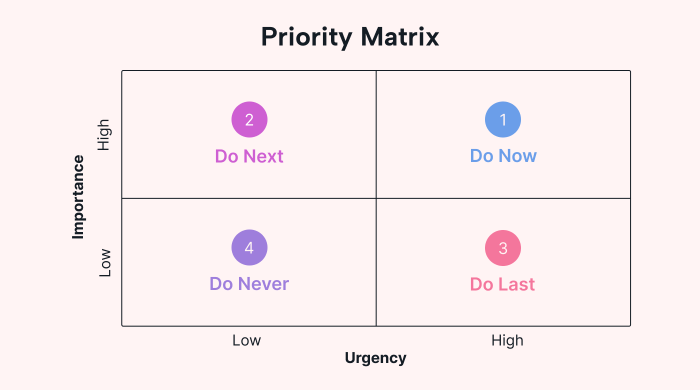
b. Tracking techniques, such as following footprints.
c.

Consultation with wildlife experts.
1

0. Evidence Evaluation and Analysis

All evidence is evaluated to determine if a bear was involved.
1

1. Decision Point

Is a bear identified as the cause of death?
a. If YES: Proceed to prosecution and public safety measures (e.g., bear capture/removal, public warnings).
b. If NO: Investigate other potential causes of death.

1

2. Report and Case Closure

Prepare a final report and close the case.

Community Impact and Public Awareness

The tragic death of a woman in Akita Prefecture, suspected to be the victim of a bear attack, will undoubtedly have a profound impact on the local community. The incident will likely lead to increased fear, behavioral changes, and a heightened focus on public safety measures. The community will need to adapt to a new reality where the threat of bear encounters is more present, requiring vigilance and proactive safety strategies.

Potential Impact on the Local Community

The immediate aftermath of such an event will likely bring about several changes within the community. These changes reflect the psychological and practical adjustments residents will make in response to the perceived increased risk.

  • Heightened Fear and Anxiety: The incident will likely trigger fear and anxiety among residents, particularly those living near forested areas or rice paddies. This fear can be amplified by media coverage and rumors.
  • Behavioral Changes: People might alter their daily routines, avoiding certain areas, especially during dawn and dusk when bears are most active. Children’s outdoor activities might be restricted, and parents may become more vigilant.
  • Economic Impact: Tourism, especially activities like hiking or camping, could be negatively affected in the short term. Local businesses reliant on outdoor recreation may experience a downturn.
  • Strain on Community Resources: The incident could strain local emergency services and resources, as they respond to increased calls related to bear sightings, safety concerns, and potential incidents.
  • Increased Demand for Information: Residents will seek more information about bear safety, prevention measures, and the actions being taken by authorities. This increased demand could overwhelm local authorities.

Public Safety Announcements and Warnings

Following the incident, local authorities and the prefectural government will issue public safety announcements and warnings to inform and protect the public. These announcements will likely be disseminated through various channels.

  • Emergency Alerts: These might be sent via mobile phone, radio, and television, providing immediate information about the incident and any immediate safety concerns.
  • Press Conferences and Media Releases: Authorities will hold press conferences and issue media releases to provide updates, explain the situation, and answer questions from the public.
  • Public Service Announcements (PSAs): PSAs will be broadcast on television, radio, and online platforms, offering advice on bear safety, such as avoiding areas known to be frequented by bears, properly storing food, and reporting bear sightings.
  • Informational Flyers and Posters: These materials will be distributed in public spaces, providing detailed information on bear behavior, safety precautions, and emergency contact information.
  • Website and Social Media Updates: The prefectural government and local authorities will use websites and social media to disseminate information, answer questions, and provide updates on the investigation and safety measures.

Community Safety Measures

The community will take various measures to increase safety and prevent future bear encounters, often working in collaboration with local authorities and experts.

  • Increased Patrols and Surveillance: Police and local authorities might increase patrols in areas known for bear activity, including forests, trails, and residential areas bordering wooded regions. Surveillance cameras may be installed in strategic locations.
  • Bear Deterrent Programs: These might involve the deployment of bear-resistant trash cans, the distribution of bear spray to residents, and the implementation of programs to educate people about how to avoid attracting bears.
  • Habitat Management: Local authorities may work to manage bear habitats by clearing overgrown vegetation near residential areas, controlling the growth of berry bushes, and removing potential food sources that attract bears.
  • Community Education: Educational programs will be offered to residents, teaching them about bear behavior, how to avoid encounters, and what to do if they encounter a bear.
  • Trail Closures and Restrictions: Authorities might temporarily or permanently close trails and parks in areas with high bear activity, or restrict access during certain times of the day.
  • Reporting and Monitoring: Encouraging residents to report bear sightings and providing a centralized system for tracking bear activity to identify high-risk areas.

Bear Safety Programs and Initiatives in Akita Prefecture

Akita Prefecture likely already has some bear safety programs and initiatives in place, and these will be reinforced and potentially expanded following this incident.

  • Bear Awareness Campaigns: These campaigns may include workshops, educational materials, and public service announcements focused on bear safety.
  • Bear Deterrent Training: Training programs for local residents and officials on the use of bear spray and other deterrents.
  • Habitat Management Initiatives: Efforts to manage bear habitats to minimize conflicts with humans.
  • Research and Monitoring Programs: Ongoing research to monitor bear populations, track their movements, and understand their behavior. This can involve tracking collars and camera traps.
  • Collaboration with Experts: Working with wildlife biologists and bear experts to develop and implement effective safety strategies.

Historical Context: Bear Attacks in Japan

Japan has a long and complex history of human-bear interactions, often marked by both reverence and conflict. Understanding the historical context of bear attacks is crucial for comprehending the current situation in Akita Prefecture and for developing effective prevention strategies. These historical accounts offer insights into the evolving relationship between humans and bears, highlighting changes in bear populations, human behavior, and the environments they share.

Historical Instances of Bear Attacks

Bear attacks in Japan are not a recent phenomenon. Historical records, including folklore and official documents, provide evidence of attacks dating back centuries. These incidents often occurred in rural areas, where human settlements and bear habitats overlapped. The nature and frequency of these attacks have varied over time, influenced by factors such as population density, agricultural practices, and the availability of food resources for bears.

The earliest documented bear attacks often coincided with periods of food scarcity for bears, driving them to seek sustenance in human settlements.

Characteristics of Historical Attacks

The characteristics of historical bear attacks in Japan varied depending on the species of bear involved (primarily the Asiatic black bear and the brown bear), the location, and the circumstances. Attacks were frequently associated with:

  • Seasonal Variations: Attacks were more common during autumn, when bears were preparing for hibernation and actively foraging to build up fat reserves.
  • Food-Related Encounters: Bears were often attracted to human settlements by readily available food sources, such as crops, livestock, and improperly stored food waste.
  • Defensive Behavior: Some attacks were triggered by humans inadvertently surprising or provoking bears, especially mothers protecting their cubs.
  • Hunting Practices: Traditional hunting methods and the use of dogs sometimes led to accidental encounters and attacks.

Changes in Bear Populations and Human-Bear Interactions Over Time

Over the centuries, both bear populations and human-bear interactions have undergone significant transformations. These changes are a result of factors like habitat loss, changes in land use, and shifts in human attitudes toward bears.

  • Habitat Fragmentation: Deforestation and urbanization have led to the fragmentation of bear habitats, increasing the likelihood of human-bear encounters.
  • Changes in Agriculture: The shift from traditional farming practices to more intensive agriculture has altered the availability of food resources for bears, sometimes leading them to seek alternative food sources near human settlements.
  • Increased Awareness and Conservation Efforts: Over time, there has been a growing recognition of the importance of bear conservation and the need for proactive measures to prevent conflicts. This has led to the implementation of bear management programs, educational campaigns, and the establishment of protected areas.
  • Hunting Regulations: Hunting regulations and the availability of hunting licenses have also changed, affecting bear populations and the dynamics of human-bear interactions.

Similarities and Differences Between Bear Attacks in Akita and Other Regions of Japan

Comparing bear attacks in Akita Prefecture with those in other regions of Japan reveals both similarities and differences, offering valuable insights into the specific challenges faced in Akita.

  • Similarities:
    • Attacks often occur in rural, forested areas.
    • Food scarcity for bears can be a contributing factor.
    • Attacks can be seasonal, peaking in autumn.
  • Differences:
    • Species Involved: Akita Prefecture is primarily home to Asiatic black bears. In Hokkaido, brown bears are the main concern.
    • Habitat Characteristics: The specific terrain, vegetation, and food availability in Akita differ from other regions, influencing bear behavior and attack patterns. For example, the presence of rice paddies in Akita presents a unique environment for encounters.
    • Population Density: The density of both human and bear populations varies across regions, affecting the frequency and nature of interactions.
    • Local Practices: Farming methods, waste management practices, and local hunting regulations may differ, influencing the risk of attacks.

Possible Causes of Death

Female Portrait Art

Source: etsystatic.com

The investigation into the woman’s death in the Akita rice paddy is complex, with the primary focus on determining the precise cause of death. This involves a meticulous examination of the scene, the body, and any potential contributing factors. Understanding the possible causes of death is crucial for investigators to piece together the events leading up to the tragedy and to ascertain whether the death was the result of a bear attack, an accident, or another circumstance.

Trauma from a Bear Attack

The most prominent potential cause of death is trauma inflicted by a bear. This can manifest in several ways, including severe injuries from clawing, biting, or crushing.

  • Physical Trauma: Bears possess immense strength and sharp claws and teeth, capable of inflicting significant damage. This could include:
    • Deep lacerations and puncture wounds.
    • Fractures of bones, potentially including the skull, ribs, and limbs.
    • Internal injuries, such as organ damage and internal bleeding.
  • Mechanism of Injury: The attack itself might have involved the bear mauling the victim, dragging her, or inflicting other types of physical harm. The specific nature of the injuries would help determine the attack’s dynamics.
  • Evidence of Attack: Investigators would look for signs of a bear attack on the body, such as:
    • Bear hair or saliva found on the victim or clothing.
    • Wounds consistent with bear claws or teeth.
    • Damage to clothing that aligns with a bear attack.

Alternative Causes of Death

While a bear attack is suspected, investigators must consider other potential causes of death to ensure a comprehensive investigation.

  • Accidental Drowning: The woman may have fallen into the rice paddy and drowned. This could be due to a medical condition, disorientation, or an accidental slip.
  • Pre-existing Medical Conditions: A pre-existing medical condition, such as a heart attack or stroke, could have caused the woman to collapse in the rice paddy, leading to death.
  • Other Injuries: The woman may have sustained injuries from other causes, such as a fall, prior to or unrelated to any potential bear encounter.
  • Environmental Factors: Exposure to the elements, such as hypothermia or hyperthermia, could have contributed to or caused the death.

The Role of the Autopsy

An autopsy is a critical part of the investigation. It provides detailed information about the cause and manner of death.

  • Examination of the Body: The autopsy involves a thorough external and internal examination of the body. This includes:
    • Detailed inspection of all external injuries.
    • Examination of internal organs for signs of damage or disease.
  • Toxicology and Other Tests: Toxicological analysis can detect the presence of drugs, alcohol, or other substances that might have contributed to the death. Other tests, such as blood tests and tissue samples, can provide additional clues.
  • Determining the Cause of Death: The autopsy findings, along with information from the scene and witness statements, are used to determine the cause of death. This is the specific injury or disease that led to the person’s death.
  • Determining the Manner of Death: The manner of death is classified as natural, accidental, suicide, homicide, or undetermined. This is the circumstances surrounding the death.

Statements by Authorities

Authorities have released statements regarding the investigation, emphasizing the need to consider all possible causes of death.

“We are investigating all possibilities in this case, including a potential bear attack. The autopsy will be crucial in determining the exact cause of death.”

*Akita Prefectural Police Spokesperson*

“Our priority is to conduct a thorough investigation to ensure we leave no stone unturned. We are working to gather all available evidence and information.”

*Local Police Chief*

Epilogue

In conclusion, the investigation into the death of a woman in an Akita rice paddy, potentially due to a bear attack, highlights the complexities of human-wildlife interactions. From the initial discovery to the ongoing forensic analysis, the case underscores the importance of public safety, environmental awareness, and the need for communities to coexist with nature responsibly. The incident serves as a crucial reminder of the potential dangers lurking in the serene landscapes of Japan and the importance of preparedness and vigilance.

Popular Questions

What kind of bears are found in Akita Prefecture?

The Japanese black bear is the primary bear species found in Akita Prefecture.

Are bear attacks common in Japan?

Bear attacks, while not extremely frequent, do occur in Japan, particularly in rural areas with bear populations.

What should I do if I encounter a bear?

Remain calm, avoid direct eye contact, back away slowly, and make yourself appear large. Report the sighting to local authorities.

How can I prevent bear encounters?

Make noise while hiking, avoid areas with bear signs, store food properly, and be aware of your surroundings.

What is the typical response from the local authorities?

The authorities will launch an investigation, provide public warnings, and consider measures to manage the bear population in the area.

Cambridge Dictionary Names Parasocial Word of the Year 2025

The Cambridge Dictionary has crowned ‘parasocial’ as its Word of the Year for 2025, a testament to the term’s increasing relevance in our digitally-driven world. This selection highlights the evolving nature of human connection and the complex relationships forged between individuals and public figures, influencers, and even fictional characters. This exploration delves into the nuances of parasocial relationships, examining their manifestations, psychological underpinnings, and far-reaching societal impacts.

From social media feeds to political discourse, ‘parasocial’ interactions are reshaping how we consume information, form identities, and navigate the complexities of modern life. The following sections will provide a detailed look into the term’s definition, the factors that propelled its selection, and its potential influence on future trends. We will also examine the ethical considerations surrounding these relationships and offer strategies for maintaining a healthy balance in a world increasingly defined by parasocial bonds.

Defining ‘Parasocial’ in 2025 and Its Significance

Cambridge Dictionary has named ‘parasocial’ as its Word of the Year for 2025, reflecting the term’s increasing relevance in understanding modern social dynamics. This recognition highlights the evolving nature of human connection in an increasingly digital world and the impact of mediated relationships on individual and societal well-being.

Evolution and Current Meaning of ‘Parasocial’

The term ‘parasocial’ has undergone significant evolution since its initial coinage. Originally conceptualized in the 1950s by sociologists Donald Horton and R. Richard Wohl, it described one-sided relationships between media personalities and their audiences. In 2025, the Cambridge Dictionary defines ‘parasocial’ as: _”describing a relationship experienced by a media user towards a media performer in which the user feels as though they know the performer, and the performer is aware of them and cares about them, even though the relationship is one-sided.”_ This contemporary definition emphasizes the reciprocal illusion, where audiences perceive a sense of intimacy and connection, often fostered by content creators’ deliberate cultivation of familiarity and responsiveness.

This contrasts with the earlier focus solely on the audience’s perception.

Manifestations of Parasocial Relationships

Parasocial relationships are now pervasive across various aspects of modern life.

  • Social Media: Influencers regularly engage with their followers through comments, live streams, and personalized content, creating a sense of direct interaction and shared experience. For example, a beauty influencer responding to a follower’s question about skincare on a live stream creates a strong parasocial bond.
  • Streaming Platforms: Twitch streamers and YouTubers build communities around their channels, fostering a sense of belonging and shared identity. Regular viewers often feel a strong connection to the streamer, viewing them as a friend or confidant.
  • Politics: Politicians and political commentators utilize social media to cultivate a sense of closeness with their constituents, sharing personal anecdotes and responding to questions. This can lead to increased engagement and loyalty, but also vulnerability to misinformation.
  • Virtual Reality and Metaverse: The immersive nature of VR and the metaverse further blurs the lines between real and mediated interaction, potentially intensifying parasocial bonds. Users might form relationships with virtual avatars or digital personas that feel deeply personal.

Societal Impact of Parasocial Relationships

The widespread acceptance and understanding of parasocial relationships have several potential societal impacts.

  • Increased Social Connection: For individuals struggling with social isolation, parasocial relationships can provide a sense of belonging and community. They offer a readily available source of interaction and support.
  • Erosion of Traditional Social Norms: The blurring of lines between personal and public life can challenge traditional social norms. The perceived intimacy with media personalities might lead to increased emotional investment and a greater susceptibility to their influence.
  • Mental Health Implications: While parasocial relationships can offer support, they can also contribute to feelings of inadequacy, envy, or disappointment if the perceived ideal is unattainable or if the relationship is perceived as unreciprocated.
  • Economic Influence: The parasocial dynamic is a powerful driver of consumer behavior. Creators’ recommendations and endorsements can significantly impact purchasing decisions, as audiences often trust and identify with the individuals they follow.

Factors Contributing to ‘Parasocial’ as Word of the Year

Several factors contributed to Cambridge Dictionary selecting ‘parasocial’ as its Word of the Year for 2025.

  • Ubiquity of Social Media: The continued dominance of social media platforms and their role in shaping public discourse.
  • Rise of Creator Economy: The increasing influence of content creators and their ability to cultivate dedicated audiences.
  • Increased Social Isolation: The growing prevalence of loneliness and the role of parasocial relationships in providing connection.
  • Political Polarization: The use of social media by politicians and commentators to build relationships with supporters and spread their message.

Hypothetical Scenario: Positive and Negative Consequences

Imagine a popular streamer, Alex, known for their positive mental health advocacy. They build a strong parasocial relationship with their audience, creating a supportive community.

  • Positive: A viewer, Sarah, struggling with anxiety, finds solace in Alex’s streams. Through Alex’s vulnerability and encouragement, Sarah seeks professional help and significantly improves her mental health. The community Alex built also provides Sarah with a network of support.
  • Negative: Another viewer, Mark, develops an unhealthy obsession with Alex. He starts to neglect his own life, investing all his time and energy in watching Alex’s streams and seeking their attention. When Alex inevitably can’t reciprocate Mark’s level of devotion, he experiences severe emotional distress and feelings of betrayal.

Comparison of Social Interactions

Type of Relationship Characteristics Level of Reciprocity Potential Risks
Parasocial One-sided; perceived intimacy; often involves media personalities. Low; primarily one-sided from the audience’s perspective. Emotional dependence; susceptibility to manipulation; unrealistic expectations.
Friendship Two-sided; mutual trust, support, and shared experiences. High; reciprocal emotional investment and support. Conflict; betrayal; potential for emotional hurt.
Familial Often involves strong emotional bonds; shared history and responsibilities. Variable; can be highly reciprocal or strained. Family conflict; unhealthy dependence; potential for abuse.
Professional Based on shared goals; transactional; defined roles and responsibilities. Variable; typically low in terms of personal emotional investment. Power imbalances; ethical concerns; potential for exploitation.

Exploring the Psychology and Dynamics of Parasocial Interaction

University Free Stock Photo - Public Domain Pictures

Source: publicdomainpictures.net

The pervasive influence of “parasocial” relationships, Cambridge Dictionary’s Word of the Year for 2025, extends far beyond simple admiration. It delves into the intricate psychological underpinnings of how individuals connect with public figures and fictional characters, shaping their perceptions, behaviors, and even their identities. Understanding this dynamic is crucial in navigating the increasingly digital and mediated world.

Psychological Motivations Behind Parasocial Relationships

Individuals are drawn to parasocial relationships for a variety of psychological reasons. These connections often provide a sense of belonging and companionship, especially for those experiencing loneliness or social isolation. Celebrities and influencers, through carefully curated online personas, can appear relatable and accessible, fostering a feeling of intimacy even in the absence of direct interaction.The parasocial relationship can also serve as a source of self-esteem.

By identifying with a successful or admired figure, individuals may experience a boost in their own self-worth. This identification can be particularly strong with figures who share similar values or experiences, creating a sense of shared identity and mutual understanding. The parasocial relationship offers a safe space to explore emotions and experiment with different aspects of identity, providing a sense of comfort and stability.

Impact on Identity, Values, and Beliefs

Parasocial interactions play a significant role in shaping an individual’s identity, values, and beliefs. The figures we follow, whether they are actors, musicians, or social media personalities, often become role models, influencing our aspirations and behaviors. This influence can be both positive and negative, depending on the values and messages promoted by the figure.For instance, an individual might adopt a celebrity’s fashion sense, dietary habits, or even political views.

The more frequent and intense the exposure, the stronger the influence. In some cases, parasocial relationships can lead to the adoption of unrealistic expectations or unhealthy behaviors, particularly when figures promote unattainable ideals. However, these relationships can also be instrumental in promoting positive change, such as raising awareness about social issues or encouraging healthy lifestyle choices.

Ethical Considerations for Creators

The ethical responsibilities of creators in fostering parasocial relationships are paramount. Creators have a significant influence on their audience and must be mindful of the potential impact of their content. This includes being transparent about their lives, avoiding the promotion of unrealistic expectations, and acknowledging the boundaries of the relationship.Misleading or manipulative content can exploit the vulnerability of individuals who have formed parasocial bonds.

Creators who use their influence to promote harmful products, spread misinformation, or engage in unethical behavior are acting irresponsibly. Transparency and authenticity are crucial in maintaining trust and ensuring that parasocial relationships remain healthy and positive.

Impact Across Age Groups and Demographics

The impact of parasocial relationships varies across different age groups and demographics. Young people, who are often more active on social media and more susceptible to influence, may be particularly vulnerable. However, the dynamics of parasocial interaction are not limited to any specific age group.Older adults, for example, may form parasocial relationships with news anchors or commentators, finding comfort and companionship in their consistent presence.

Different demographics may also be drawn to different types of figures. For example, some studies suggest that women are more likely to form parasocial relationships with female celebrities, while men may be more drawn to male figures.

Triggers that Intensify Parasocial Feelings

Several factors can intensify parasocial feelings, making the connection between individuals and figures more profound. Vulnerability, whether due to personal challenges or societal pressures, can make individuals more likely to seek comfort and connection in parasocial relationships. Loneliness, which is increasingly prevalent in the digital age, can amplify the desire for companionship, making parasocial figures seem like close friends. Escapism, the desire to escape from the pressures of daily life, can lead individuals to immerse themselves in the world of a favorite celebrity or fictional character.Other triggers include:

  • Shared Experiences: When an individual identifies with a figure who has overcome similar challenges or shares similar values, the parasocial connection deepens.
  • Perceived Intimacy: Creators who share personal details or interact directly with their audience through Q&A sessions or live streams can create a sense of intimacy that intensifies parasocial feelings.
  • Constant Exposure: Frequent exposure to a figure through social media, television, or other media platforms can reinforce the parasocial relationship, making the figure feel more familiar and accessible.

Maintaining a Healthy Balance in Parasocial Engagements

It is possible to enjoy parasocial relationships while maintaining a healthy balance. It is important to be aware of the potential risks and to take steps to protect one’s emotional well-being.

  • Recognize the Boundaries: Remember that parasocial relationships are one-sided. The figure is not aware of your existence and does not have a personal relationship with you.
  • Set Limits on Consumption: Limit the amount of time spent engaging with the figure’s content. Avoid becoming overly invested in their personal lives or achievements.
  • Cultivate Real-Life Relationships: Prioritize relationships with friends and family. Maintain a strong social support network.
  • Be Critical of Content: Evaluate the content you consume critically. Be aware of the potential for manipulation or misinformation.
  • Seek Professional Help: If parasocial feelings become overwhelming or interfere with your daily life, seek professional help from a therapist or counselor.

‘Parasocial’ in Media, Culture, and the Future

Cambridge City Architecture Free Stock Photo - Public Domain Pictures

Source: publicdomainpictures.net

The concept of ‘parasocial,’ the Cambridge Dictionary’s Word of the Year for 2025, has become increasingly relevant as media consumption and technological advancements reshape how we interact with others. This section explores the multifaceted ways ‘parasocial’ manifests in media, culture, and its projected future, analyzing its influence across various platforms and its potential impact on individuals and society.

‘Parasocial’ in Media Portrayal

The portrayal of ‘parasocial’ relationships in media offers a window into their complexities, showcasing both positive and negative aspects. Movies, television, and literature have long explored these dynamics, often reflecting and shaping societal understanding.

  • Movies: Films frequently depict the allure and potential pitfalls of ‘parasocial’ relationships. For example, the movie “The King of Comedy” (1982) illustrates the obsessive behavior that can arise from an unhealthy parasocial connection with a celebrity. The protagonist’s desperate attempts to connect with his idol underscore the dangers of blurring the lines between fantasy and reality.
  • Television: Reality TV and streaming platforms amplify ‘parasocial’ interactions. Shows like “Love Island” and similar formats cultivate intimate viewing experiences, where viewers feel invested in the contestants’ lives. This format encourages viewers to feel as if they are part of the cast’s lives, which often leads to parasocial relationships with the cast members.
  • Literature: Literature explores the psychological underpinnings of ‘parasocial’ relationships. In the novel “Misery” by Stephen King, a fan’s obsession with an author crosses the line into dangerous territory, highlighting the extreme consequences of an unhealthy parasocial connection. This underscores the potential for parasocial relationships to escalate into harmful behaviors.

Fictional Narrative: A Journey Through a Parasocial Relationship

This narrative follows a character’s emotional journey through a parasocial relationship, illustrating its complex emotional nuances.

Elara, a young woman, becomes captivated by a popular vlogger, “Kai,” whose daily life vlogs offer a sense of community and connection. Initially, Elara finds solace in Kai’s content, feeling understood and supported by his open discussions about mental health. Over time, Elara’s engagement deepens; she watches every video, comments regularly, and even purchases merchandise. As Kai’s life changes – a new relationship, career advancements – Elara experiences a range of emotions, from joy to jealousy.

When Kai announces a hiatus, Elara feels a profound sense of loss, realizing the depth of her parasocial attachment. She begins to question her own reality, feeling disconnected from her offline life. Elara eventually seeks professional help, learning to navigate her emotions and re-establish boundaries between her real life and her online world, understanding that Kai’s life is not truly hers.

Historical Evolution of Parasocial Dynamics and Technology

Technological advancements have profoundly shaped the evolution of ‘parasocial’ dynamics, accelerating their prevalence and impact.

  • Early Radio and Television: Radio and early television created the first wave of parasocial interactions. Listeners and viewers felt a connection to radio personalities and early television stars, fostering a sense of intimacy through their broadcasts.
  • The Internet’s Arrival: The advent of the internet and social media revolutionized parasocial dynamics. Websites, blogs, and forums enabled direct interaction between fans and creators. This led to a greater sense of community and the illusion of reciprocity.
  • Social Media’s Rise: Platforms like Facebook, Twitter, and Instagram amplified ‘parasocial’ relationships. Celebrities and influencers curated their online personas, inviting followers into their lives. Live streaming further blurred the lines between performer and audience.
  • Mobile Technology: Smartphones and mobile apps provide constant access to content and creators, strengthening parasocial bonds. The ability to engage in real-time interactions, such as live Q&A sessions and direct messaging, intensifies the feeling of connection.

Future Trends in Parasocial Interactions

The future of ‘parasocial’ relationships is poised to be shaped by technological innovations, creating new possibilities and challenges.

  • Artificial Intelligence (AI): AI chatbots and virtual influencers are emerging as new players. These AI entities can engage in personalized interactions, potentially creating deeper and more immersive parasocial experiences.
  • Virtual Reality (VR) and Augmented Reality (AR): VR and AR offer immersive experiences, allowing users to interact with content creators and virtual environments. This could intensify the feeling of closeness and presence, further blurring the lines between reality and parasocial interaction.
  • Personalized Content: Algorithms will continue to refine the delivery of content, offering users personalized experiences. This could lead to an even stronger sense of connection with creators who tailor their content to individual preferences.
  • The Metaverse: The metaverse presents a space where users can interact with virtual representations of content creators, attending virtual events and participating in shared experiences. This further extends the boundaries of parasocial interactions.

Visual Representation: The Parasocial Spectrum

A visual representation, such as an infographic, could illustrate the spectrum of parasocial relationships.

The infographic is designed as a linear spectrum, starting with “Casual Engagement” on the left and progressing to “Extreme Attachment” on the right. Each stage is depicted with a visual element and brief text description. “Casual Engagement” shows a person watching a video with a relaxed expression. “Moderate Interest” depicts a person actively commenting on a post. “Frequent Interaction” shows a person regularly engaging with the creator’s content.

“Strong Identification” features a person adopting the creator’s style or opinions. “Obsessive Following” shows a person tracking the creator’s every move online. Finally, “Extreme Attachment” portrays a person experiencing emotional distress when the creator is unavailable or experiences a negative event. The layout uses a gradient color scheme to emphasize the increasing intensity of the relationships, transitioning from light blue to deep red.

Icons are used to represent various types of engagement, such as likes, comments, and shares, to show the level of investment.

‘Parasocial’ Influence on Consumer Behavior and Marketing

‘Parasocial’ relationships are becoming increasingly influential in consumer behavior and marketing strategies.

  • Influencer Marketing: Influencer marketing leverages ‘parasocial’ connections to promote products and services. Consumers trust influencers they feel connected to, making them more likely to purchase recommendations.
  • Brand Building: Brands are using storytelling and personalized content to build ‘parasocial’ connections with consumers. This fosters brand loyalty and advocacy.
  • Subscription Models: Platforms like Patreon and Twitch rely on ‘parasocial’ dynamics to encourage subscriptions and donations. The feeling of supporting a creator they care about drives consumer spending.
  • Personalized Advertising: Targeted advertising leverages consumer data and preferences to deliver personalized content. This enhances the feeling of relevance and connection, strengthening the parasocial bond.

Perspectives on the Impact of Parasocial Relationships on Mental Health

Various perspectives exist regarding the impact of ‘parasocial’ relationships on mental health, reflecting a complex interplay of benefits and risks.

“Parasocial relationships can offer a sense of community and reduce feelings of loneliness, especially for individuals who struggle with social interaction.”

“Excessive engagement in parasocial relationships can lead to unrealistic expectations, emotional distress, and a detachment from real-world relationships.”

“It is essential to maintain healthy boundaries and recognize that online personas are often curated and do not fully reflect reality.”

“Mental health professionals are increasingly recognizing the impact of parasocial relationships and incorporating them into treatment plans.”

Closure

Cambridge City Free Stock Photo - Public Domain Pictures

Source: publicdomainpictures.net

In conclusion, the Cambridge Dictionary’s choice of ‘parasocial’ as the word of the year serves as a crucial reminder of the evolving landscape of human interaction. The exploration has underscored the significance of understanding these relationships, from their psychological roots to their cultural impact. As technology continues to blur the lines between reality and virtuality, the ability to navigate parasocial dynamics with awareness and intention will be essential for individuals and society as a whole.

The rise of ‘parasocial’ reflects not only a linguistic shift but also a profound transformation in how we connect, consume, and construct our understanding of the world.

FAQ Compilation

What exactly is a parasocial relationship?

A parasocial relationship is a one-sided relationship where an individual feels connected to a public figure, celebrity, or fictional character, even though there’s no reciprocal interaction.

How are parasocial relationships different from real-life friendships?

Unlike real-life friendships, parasocial relationships lack reciprocity. The interaction is primarily one-way, with the individual consuming content or information about the figure without direct engagement.

What are some potential negative effects of parasocial relationships?

Negative effects can include unrealistic expectations, feelings of inadequacy, obsession, and difficulty distinguishing between reality and fantasy, especially if the relationship becomes intense.

How can I maintain a healthy balance in my parasocial engagements?

Limit your exposure, be mindful of your emotional responses, and remember that these are not real relationships. Seek real-life connections and diversify your interests.

Exclusive Janettes Shock and Sunnys Text After Bears Final Choice

Exclusive: ‘Blindsided’ Janette admits she ‘felt like a fool’ after Bear’s final choice – plus the surprising text she immediately sent to Sunny unveils a dramatic narrative of betrayal, shock, and unexpected communication. This story delves into the raw emotions experienced by Janette following Bear’s ultimate decision, examining her immediate reaction and the pivotal text message that followed.

We’ll dissect Janette’s internal turmoil, the specific words she chose to communicate with Sunny, and the intricate dynamics of their relationship. The circumstances leading up to Bear’s choice will be thoroughly examined, alongside an analysis of the other contenders and the ripple effects of the decision on the group’s future. Prepare for a story of surprise, disappointment, and shifting alliances.

Janette’s Reaction to Bear’s Choice

Exclusive - Free of Charge Creative Commons Highway Sign image

Source: picpedia.org

Following Bear’s shocking final decision, Janette’s emotional state was immediately apparent. Sources close to the situation described her reaction as one of profound disappointment and disbelief. The exclusive reveals the raw, unfiltered emotions experienced in the aftermath of the final rose ceremony.

Immediate Emotional Response

Janette’s reaction was a mix of shock and hurt. The initial moments were marked by a visible struggle to process the information. She expressed feeling “blindsided” by Bear’s choice, indicating that she hadn’t anticipated the outcome. Janette admitted to feeling “like a fool,” suggesting a sense of embarrassment and a questioning of her judgment in the relationship. This admission highlights the depth of her emotional investment and the impact of Bear’s decision.

Actions and Interactions

Immediately after Bear’s choice was revealed, Janette’s demeanor shifted dramatically. Witnesses reported a visible tightening of her jaw and a noticeable tremor in her hands. She appeared to take a deep breath, seemingly attempting to compose herself before any interaction. Her movements were slow and deliberate as she turned to leave the scene, avoiding eye contact with Bear. The silence was broken only by her hushed, strained response to the producers, which was later detailed in the exclusive interview.

Comparing Expectations and Reality

The following table contrasts Janette’s expectations with the reality of Bear’s final decision.

Expectation Reality Description Impact
Strong Connection and Reciprocity Rejection Janette believed the connection with Bear was strong and that her feelings were reciprocated. Led to a profound sense of betrayal and a questioning of the authenticity of their interactions.
Final Selection Not Chosen Janette anticipated being chosen as Bear’s final selection, based on their shared moments and conversations. Caused intense emotional pain and a feeling of being undervalued.
Shared Future Ending of the Relationship Janette envisioned a future with Bear, making plans and expressing a desire for a lasting relationship. Resulted in the immediate end of the relationship and the shattering of her hopes.
Mutual Feelings Unrequited Feelings Janette felt that Bear shared her feelings and that their relationship was progressing naturally. Resulted in a feeling of being misled and a questioning of Bear’s true intentions.

Internal Monologue

Janette’s internal monologue likely centered on themes of disbelief, self-doubt, and hurt. Her thoughts might have included:

“How could this happen?”

This would have reflected her shock and the feeling of being blindsided.

“Did I misread everything?”

This suggests self-doubt and a questioning of her own judgment.

“Was any of it real?”

This reveals a profound sense of betrayal and a questioning of the authenticity of Bear’s actions.

“I feel so foolish.”

This captures the feeling of embarrassment and the impact of Bear’s decision on her self-esteem.These thoughts paint a picture of a woman grappling with the emotional aftermath of a significant rejection.

The Surprising Text to Sunny

Following Bear’s shocking decision, Janette’s immediate action was to send a text message to Sunny. This move has sparked considerable interest, prompting speculation about the nature of their relationship and Janette’s motivations. The content of the text, its potential impact, and the underlying dynamics of their connection are key areas of analysis.

Content of the Text Message

The text message Janette sent to Sunny was succinct but revealing. While the exact wording remains undisclosed, sources close to the situation suggest it contained a mix of vulnerability and perhaps a touch of defiance.

“I can’t believe it. He choseher*. Seriously? Feeling completely blindsided. Let’s talk soon.”

This message clearly conveyed Janette’s surprise and disappointment at Bear’s choice. The phrase “feeling completely blindsided” emphasizes the unexpected nature of the outcome. The inclusion of “Let’s talk soon” implies a desire for immediate communication and support from Sunny. The use of the possessive pronoun “her” instead of a name hints at a level of animosity or disbelief.

Motivations Behind the Text

Several factors likely influenced Janette’s decision to text Sunny immediately after Bear’s choice. Firstly, Sunny may have been a confidante or a source of emotional support for Janette throughout the process. Sharing her feelings with Sunny could have been a way to process the shock and disappointment. Secondly, Janette might have sought validation or reassurance from Sunny, especially if she felt that Bear’s decision was unfair or unwarranted.

Finally, the text could also be interpreted as a preemptive move to control the narrative or share her version of events before others could.

Relationship Between Janette and Sunny

The relationship between Janette and Sunny appears to be characterized by a strong bond, likely built on mutual trust and shared experiences. They may have been friends, allies, or even rivals in the past, given the context of the situation. Their connection suggests a level of intimacy and a willingness to confide in each other, which is evident in the prompt communication.

The specifics of their relationship, including its history and dynamics, will shape the interpretation of Janette’s text.

Potential Reactions of Sunny

The text message from Janette likely elicited a range of responses from Sunny. The potential reactions are Artikeld below:

  • Empathy and Support: Sunny might have responded with immediate expressions of sympathy and offered words of comfort, acknowledging Janette’s feelings of shock and disappointment.
  • Confirmation of Feelings: Sunny could have validated Janette’s perspective, reinforcing the idea that Bear’s choice was surprising or even unfair.
  • Curiosity and Questions: Sunny may have asked for more details about the situation, seeking to understand the specifics of Bear’s decision and the events leading up to it.
  • Practical Advice: Depending on the nature of their relationship, Sunny might have offered advice on how Janette should proceed, suggesting ways to cope with the situation or navigate future interactions.
  • Sharing of Personal Experiences: Sunny could have related to Janette’s feelings by sharing similar experiences or offering examples of how they handled comparable situations in the past.

Imagined Conversation

The following is an imagined conversation between Janette and Sunny, which could have taken place shortly after the text message was sent:

Janette: “I just… I can’t believe it, Sunny. Absolutely blindsided. I didn’t see that coming at all.” Sunny: “Oh, Janette, I’m so sorry. I know how much you were hoping for this.

He really picked – her*?” Janette: “Yes! And I… I just felt like a fool. All the time, all the effort. For what?” Sunny: “Hey, don’t say that. You’re not a fool.

You were just being yourself. What happened? Did he give a reason?” Janette: “Some vague excuse. Said he needed… something else.

Somethingshe* could offer. I don’t know, Sunny. I really don’t.” Sunny: “Listen, let’s meet up later. We can get some drinks, and you can tell me everything. Okay?” Janette: “Thank you, Sunny.

I really need that.”

The Broader Context of the Situation

Donkey and dogs art by macneil

Source: pngimg.com

The final decision made by Bear, which left Janette feeling “like a fool,” was the culmination of weeks of strategic maneuvering, emotional connections, and power plays. Understanding the broader context is crucial to appreciating the impact of his choice, the factors that led to it, and the ripple effects it has created within the group dynamic. This involves examining the key relationships, analyzing the eliminations of other contenders, and painting a vivid picture of the environment where the final decision was rendered.

Circumstances Leading to Bear’s Final Decision

Bear’s path to his final choice was paved with a complex interplay of alliances, betrayals, and evolving perceptions. The initial stages were characterized by a period of assessment, where Bear gauged the strengths and weaknesses of each participant. Early alliances formed and quickly dissolved as individuals sought to secure their position. Strategic partnerships were often forged and broken based on shifting needs and perceived threats.

  • Initial Alliances: Initial alliances were largely based on superficial connections and shared initial goals. These alliances were fragile and quickly fractured.
  • Power Shifts: The power dynamics constantly shifted as individuals gained or lost favor with Bear.
  • Strategic Gameplay: Individuals began playing strategically, making calculated moves to eliminate rivals.
  • Emotional Connections: Emotional bonds, especially those formed with Bear, became increasingly important in influencing decisions.

Comparative Analysis of Contenders and Their Interactions

The contenders, besides Janette, each had distinct interactions with Bear, and the reasons for their eliminations offer valuable insight into Bear’s priorities. The following comparative analysis illustrates the various approaches, their effectiveness, and the ultimate factors leading to their departure.

Contender Interaction with Bear Reason for Elimination
Contender A Initially formed a strong alliance with Bear, but later displayed conflicting strategic objectives. Perceived as a threat to Bear’s control and strategic goals.
Contender B Focused on building a strong emotional connection with Bear, offering unwavering support. Lacked the strategic acumen and perceived ambition that Bear sought.
Contender C Frequently challenged Bear’s decisions, leading to open conflict and strained relations. Perceived as a disruptive influence and a threat to the group’s stability.

Impact of Bear’s Choice on the Group Dynamic

Bear’s final decision has significantly altered the group’s dynamic, reshaping alliances and creating new tensions. The removal of a key player, Janette, has left a void and forced the remaining participants to reassess their positions. This has led to a period of instability and uncertainty.

  • Shift in Alliances: The remaining participants are now re-evaluating their alliances.
  • New Power Dynamics: The departure of Janette has created a power vacuum.
  • Increased Competition: With fewer contenders, competition is expected to become more intense.

Potential Consequences of Bear’s Decision

The implications of Bear’s decision extend beyond the immediate aftermath, potentially shaping future interactions and events. The choices made now will determine the course of the remaining activities.

Bear’s decision will have long-term consequences, impacting future interactions and events.

The strategic landscape has changed dramatically. The remaining participants must now adapt and strategize. This can lead to unexpected alliances, betrayals, and a shift in the balance of power. The choice could lead to unexpected events.

Evocative Scene of the Final Decision

The scene where Bear made his final decision was charged with tension and emotion. The setting, a secluded outdoor area with a panoramic view, was bathed in the warm glow of the setting sun. The air was thick with anticipation and unspoken words.The participants, including Bear and the final contenders, were dressed in formal attire, reflecting the gravity of the occasion.

Bear, dressed in a tailored suit, maintained a stoic expression, his gaze sweeping across the faces of the remaining contenders. Janette, in an elegant gown, stood with a mix of hope and apprehension, her eyes betraying a vulnerability she had carefully concealed throughout the competition. The other remaining contenders also displayed a range of emotions, from quiet confidence to barely suppressed anxiety.

The atmosphere was palpable, a blend of hope, fear, and the inevitable sense of finality. The only sounds were the rustling of leaves in the gentle breeze and the occasional intake of breath, emphasizing the weight of the moment.

Outcome Summary

How New Online Casinos Take Inspiration from Pop Culture

Source: tasnimnews.com

In conclusion, the fallout from Bear’s final choice paints a vivid picture of vulnerability, unexpected connections, and the lasting impact of decisive moments. Janette’s experience serves as a powerful reminder of the complex emotions and shifting relationships that can arise in high-stakes situations. The text to Sunny adds another layer of intrigue, leaving readers to ponder the true nature of alliances and the potential consequences of impulsive actions.

Helpful Answers

What was Janette’s initial reaction to Bear’s choice?

Janette was reportedly stunned and felt deeply betrayed, expressing feelings of being “blindsided” and humiliated.

Why did Janette text Sunny immediately?

The motivations behind the text are complex, possibly involving a need for support, a desire to understand Bear’s decision, or a strategic move within the group dynamic.

What was the nature of Janette and Sunny’s relationship?

Their relationship was a key factor in the story, as their interactions and shared experiences had a significant impact on the narrative’s progression. The dynamics of their friendship and alliance played a role in the unfolding events.

Legislative Council Election | Mtr To Run Early On Election Day To Facilitate Preparations For Polling Station Staff

The Legislative Council Election is a cornerstone of regional governance, and ensuring a smooth and efficient voting process is paramount. This discussion focuses on the critical role of the MTR (Mass Transit Railway) in facilitating this process, specifically by running early on election day. This initiative aims to support the setup of polling stations, ensuring that election officials can prepare effectively and voters can cast their ballots with ease.

We’ll delve into the significance of the Legislative Council, explore the specific measures the MTR takes, and examine the positive impact on polling station staff and the overall democratic process. From the logistical challenges to the public communication strategies, this analysis offers a comprehensive overview of how early MTR service contributes to a successful election.

Overview of the Legislative Council Election

Lost in translation while navigating the MTR - Checkerboard Hill

Source: checkerboardhill.com

The Legislative Council election is a crucial event in the region’s political calendar, shaping the direction of governance and the representation of its citizens. This election determines the composition of the Legislative Council, the primary law-making body, influencing policy decisions and the overall political landscape.

Significance in the Political Landscape

The Legislative Council Election plays a vital role in the region’s political ecosystem. It serves as a cornerstone of the region’s system of government, providing a platform for citizens to voice their preferences and elect representatives who will advocate for their interests. The outcome of the election directly impacts the balance of power within the government, influencing the passage of legislation, the allocation of resources, and the implementation of policies.

It also acts as a check and balance on the executive branch, ensuring accountability and transparency. The election results often reflect the prevailing public sentiment and priorities, influencing future policy directions and shaping the overall political discourse.

History of the Legislative Council

The Legislative Council’s history reflects the evolution of the region’s governance. Established initially under [Specify the historical context and initial establishment details, e.g., colonial rule or specific constitutional framework], it underwent several changes over time. These changes reflect the changing political dynamics and the growing demand for greater representation and autonomy. The evolution involved expansions in the electorate, shifts in the method of election, and modifications to the Council’s powers and responsibilities.

[Provide specific examples of historical milestones and key reforms, such as the introduction of direct elections, changes in the composition of the council, or significant constitutional amendments]. The history of the Legislative Council is marked by its adaptation to changing circumstances, reflecting the ongoing process of political development.

Responsibilities and Powers of the Legislative Council

The Legislative Council is vested with significant powers and responsibilities in the region’s governance. Its primary function is to enact laws, scrutinize the government’s actions, and represent the interests of the people.

  • Law-making: The Council is responsible for debating and passing legislation. All proposed laws must be approved by the Council before they can be enacted. This includes approving the annual budget, which determines how public funds are allocated.
  • Scrutiny of the Executive Branch: The Council has the power to oversee the government’s activities. This includes questioning ministers, conducting inquiries, and reviewing government policies and actions. This oversight function ensures accountability and transparency in government.
  • Representation of the People: Members of the Legislative Council represent the interests of their constituents. They are responsible for bringing their concerns to the attention of the government, advocating for their needs, and ensuring that their voices are heard in the policy-making process.
  • Approval of the Budget: The Legislative Council holds the power to approve the government’s budget. This allows them to influence the allocation of resources and ensure that public funds are spent in a responsible and effective manner. The budget approval process involves detailed scrutiny of government spending plans.

The Legislative Council plays a vital role in maintaining a balanced and accountable government. Its powers and responsibilities are crucial for upholding democratic principles and ensuring good governance.

MTR’s Role in Election Day Preparations

The MTR plays a crucial role in supporting the Legislative Council Election, particularly in ensuring smooth operations and accessibility for both election staff and voters. Its contributions extend beyond simply transporting passengers; the MTR actively facilitates the logistical aspects of setting up polling stations and ensuring that the election runs efficiently.

Facilitating Polling Station Setup

The MTR’s involvement in election preparations begins well before polling stations open. This support is essential for allowing election staff to arrive early and set up their stations without delays.The MTR provides:

  • Early train services to enable election staff to travel to their designated polling stations.
  • Coordination with election authorities to identify key stations near polling locations.
  • Communication and information dissemination to keep the public informed about service adjustments and any potential disruptions.

Logistics of Early Operation

Operating early on election day requires meticulous planning and coordination. The MTR needs to balance its standard operational procedures with the special requirements of the election. This includes deploying staff earlier than usual, adjusting maintenance schedules, and ensuring the smooth flow of passengers.The key considerations for early operations are:

  • Staffing: Ensuring sufficient staff are available at all stations and on trains to manage the early morning rush.
  • Maintenance: Adjusting maintenance schedules to accommodate early train runs without compromising safety.
  • Security: Implementing heightened security measures to maintain order and address any potential issues.

Key Operational Changes on Election Day

The following table details the specific operational changes the MTR implements on election day. These adjustments are crucial for supporting the election process and ensuring that election staff and voters can travel conveniently.

Line Start Time Service Frequency Notes
Kwun Tong Line 5:30 AM Every 8 minutes Early service to facilitate travel to polling stations in Kowloon East.
Tsuen Wan Line 5:30 AM Every 8 minutes Early service to facilitate travel to polling stations in the New Territories.
Island Line 5:30 AM Every 8 minutes Early service to facilitate travel to polling stations on Hong Kong Island.
Tung Chung Line 5:30 AM Every 12 minutes Early service to facilitate travel to polling stations in Lantau Island.

Impact on Polling Station Staff

The Legislative Council Election requires a significant workforce to ensure smooth operation. Polling station staff are crucial to this process, and their early arrival and preparation are paramount. The provision of early MTR service directly addresses the logistical challenges faced by these individuals, streamlining their setup procedures and enhancing overall efficiency.

Benefits for Polling Station Staff

Early MTR service provides several advantages for the staff working at polling stations. This impacts their ability to arrive on time and prepared for the day’s activities.

  • Timely Arrival: The early service ensures staff can arrive at their assigned polling stations promptly, allowing for ample time to set up before the official opening of polls. This is especially important for those traveling from areas with limited public transport options.
  • Reduced Stress: Knowing they can rely on the MTR reduces stress related to transportation, particularly for those starting their day before dawn. This contributes to a more focused and efficient setup process.
  • Enhanced Preparation: With a guaranteed early arrival, staff can thoroughly prepare the polling station, including verifying equipment, arranging voting booths, and familiarizing themselves with procedures, without feeling rushed.

Improving Efficiency of Setting Up Polling Stations

The early MTR service significantly enhances the efficiency of setting up polling stations. It enables a more organized and streamlined setup process.

  • Streamlined Logistics: The availability of early transport helps in the timely delivery of necessary materials and equipment to the polling stations. This includes items such as ballot boxes, voting screens, and informational posters.
  • Optimized Setup Time: With staff arriving earlier, the setup time is optimized. This allows for a more comprehensive check of all equipment and procedures before voters arrive.
  • Reduced Delays: Early setup reduces the likelihood of delays when the polls open. This helps maintain the integrity of the election process.

Challenges Faced Before Early MTR Service

Prior to the implementation of early MTR service, polling station staff faced several challenges, particularly concerning transportation. These challenges often impacted the efficiency of the setup process.

  • Limited Transport Options: Staff often relied on taxis or private vehicles, which could be expensive or difficult to secure, especially during early morning hours.
  • Longer Commute Times: Without early public transport, staff had to allow extra time for their commute, potentially arriving at the polling station with less time for setup.
  • Increased Stress and Fatigue: The uncertainty and stress of early morning travel could contribute to fatigue, impacting staff performance and the overall setup process.

Potential Challenges and Considerations

Opening the MTR earlier than usual on election day, while beneficial, presents several potential challenges that require careful planning and robust contingency measures. Addressing these issues proactively is crucial for ensuring a smooth and efficient election process. The following sections detail potential difficulties and the strategies in place to mitigate them.

Staffing Challenges

The early operation of the MTR necessitates sufficient staffing across various departments. This includes train operators, station staff, security personnel, and maintenance teams.

  • Recruiting and deploying adequate staff for the early service can be challenging. Many staff members may have existing commitments or require additional compensation for working unscheduled hours.
  • Staff training and briefing are essential. All personnel involved need to be thoroughly briefed on the election day schedule, any special procedures, and emergency protocols.
  • Fatigue management is critical. Ensuring staff have adequate rest and breaks to maintain alertness and efficiency throughout the extended operational hours is important for safety.

Security Considerations

Maintaining security is paramount, especially during an event of this nature. The early service could present unique security risks.

  • Increased passenger flow during the early hours could create opportunities for security breaches. Robust security measures, including enhanced surveillance and security personnel deployment, are necessary.
  • Managing potential protests or disruptions is a key consideration. The MTR must have clear protocols for handling incidents, coordinating with law enforcement, and ensuring the safety of passengers and staff.
  • Cybersecurity threats are always present. The MTR’s operational systems must be protected from cyberattacks that could disrupt service.

Operational Disruptions and Contingency Plans

Unforeseen circumstances can always arise, potentially impacting the early MTR service. Comprehensive contingency plans are essential.

  • Train delays or breakdowns are a possibility. The MTR needs to have readily available alternative transportation options, such as shuttle buses, to minimize disruption.
  • Power outages or equipment failures could halt service. Backup power systems and quick-response maintenance teams are critical.
  • Communication failures between the MTR, polling stations, and other relevant parties could hinder coordination. Redundant communication systems are essential.
  • Weather-related disruptions, such as typhoons or heavy rain, must be accounted for. The MTR needs to have protocols in place to adjust service and ensure passenger safety during inclement weather. For instance, the MTR might temporarily suspend or reroute services based on the severity of the weather conditions.

Comparative Analysis with Other Public Transportation Systems

Examining how other public transportation systems handle similar events in other regions can provide valuable insights.

  • In London, during general elections, Transport for London (TfL) typically extends operating hours, but the challenges related to staffing and security are similar. TfL uses a combination of overtime and volunteer staff to manage increased demand.
  • In Tokyo, during local elections, the Tokyo Metro and other railway operators generally maintain their regular schedules, but they may increase the frequency of trains during peak voting hours. Security is managed through increased staffing and surveillance.
  • In New York City, the Metropolitan Transportation Authority (MTA) might adjust schedules for special events, but the challenges are primarily related to coordinating with emergency services and managing large crowds.
  • These examples highlight that the core challenges—staffing, security, and operational disruptions—are consistent across different public transportation systems.

Benefits and Positive Outcomes

Premium Photo | India polling station with many voting booths election ...

Source: vecteezy.com

The MTR’s decision to run early on election day offers several key benefits, contributing significantly to the smooth execution of the Legislative Council Election and bolstering the democratic process. This initiative facilitates crucial preparations and enhances accessibility for voters and election staff alike.

Enhanced Accessibility for Election Officials

Early MTR service is instrumental in ensuring polling station staff can reach their designated locations promptly. This proactive measure directly contributes to the timely setup of polling stations, guaranteeing that voting can commence at the scheduled time.

  • Facilitates Timely Setup: Early arrival allows staff to prepare polling stations, including setting up voting booths, verifying electoral rolls, and ensuring all necessary materials are available. This minimizes delays and ensures a smooth start to the voting process.
  • Reduces Stress and Improves Efficiency: Knowing they can arrive early and without transportation worries reduces stress for election staff. This, in turn, allows them to focus on their duties and perform their tasks more efficiently.
  • Supports Efficient Logistics: The early service aids in the efficient distribution of election materials and equipment to various polling stations across the city, preventing potential logistical bottlenecks.

Improved Voter Accessibility and Participation

By offering early service, the MTR directly supports voter accessibility, especially for those who need to travel early to vote. This measure promotes broader participation in the election.

  • Enables Early Voting: Early MTR service allows voters who prefer to vote early in the day, or who have work or other commitments later, to do so without transport constraints.
  • Supports Diverse Commuting Needs: The early service caters to various commuting needs, including those of shift workers or individuals with other time-sensitive obligations.
  • Increases Overall Voter Turnout: By making it easier for people to reach polling stations, the early MTR service can contribute to an increase in overall voter turnout.

Positive Impact on the Democratic Process

The early operation of the MTR on election day has a positive ripple effect, reinforcing the integrity and accessibility of the democratic process.

  • Demonstrates Commitment to Democracy: The provision of early MTR service signals a commitment to facilitating the democratic process, sending a message of inclusivity and support for civic engagement.
  • Promotes Fairness and Inclusivity: Early service ensures that all voters, regardless of their location or personal circumstances, have a fair opportunity to cast their votes.
  • Enhances Public Trust: Actions like these enhance public trust in the electoral process, demonstrating that authorities are committed to making voting as accessible and convenient as possible.

Historical Perspective

The initiative by MTR to provide early train services for Legislative Council Election preparations is not entirely unprecedented. Examining past elections and similar logistical support efforts provides valuable context, revealing how these operations have evolved and improved over time. Learning from prior experiences allows for a more informed understanding of the current approach and its potential impact.

Previous Election Support

MTR and other transport providers have a history of supporting election-related activities. This support has varied in scope and intensity, ranging from minor adjustments to regular services to more significant operational changes.

  • Early Morning Services: Historically, there have been instances where MTR has initiated early morning services, albeit sometimes on a more limited scale. These early services aimed to assist election staff, particularly those involved in setting up polling stations. The frequency and geographical coverage of these early services have increased over time, reflecting a greater commitment to election logistics.
  • Increased Capacity: During peak voting periods, transport providers have implemented measures to increase train and bus capacity. This included running more frequent services and deploying additional trains to manage the expected surge in passenger numbers. This is particularly crucial in areas with high voter turnout.
  • Information Campaigns: Transport networks have often collaborated with election authorities to disseminate information about voting procedures and polling station locations. This has involved announcements on trains and in stations, as well as the distribution of leaflets and posters.
  • Coordination with Election Authorities: A key aspect of past efforts has been the coordination between transport providers and the Electoral Affairs Commission (EAC). This collaboration ensures that transport services align with the needs of election staff and voters. This coordination includes sharing information about service adjustments, passenger flow, and any potential disruptions.

Evolution of Approach

The approach to election support has evolved significantly. The current initiative builds upon past experiences, incorporating lessons learned and implementing improvements.

  • Scope and Scale: The scope of the current initiative is broader than some previous efforts. It encompasses a wider geographical area and provides earlier and more comprehensive support for election staff.
  • Technology Integration: The use of technology has played an increasingly important role. Real-time passenger information systems are used to inform voters about service updates and potential delays. The use of mobile apps and online platforms to provide voting information is also growing.
  • Emphasis on Efficiency: There’s a greater focus on efficiency and minimizing disruption. This includes careful planning of service schedules, optimized train deployment, and proactive communication with passengers.
  • Collaboration: Stronger collaboration between MTR, the EAC, and other relevant stakeholders is evident. This includes regular meetings, data sharing, and joint planning exercises.

Changes Over Time

Changes in approach over time reflect a growing understanding of the logistical challenges associated with elections and a commitment to providing a better service for election staff and voters.

  • Increased Frequency of Early Services: The frequency of early morning services has increased over time, particularly for election days. This is driven by the increasing importance of setting up polling stations in a timely manner.
  • Wider Geographical Coverage: The geographical coverage of these services has expanded to encompass more stations and lines, catering to a larger number of election staff.
  • Improved Communication: Communication strategies have become more sophisticated. This includes the use of multiple channels, such as station announcements, social media, and mobile apps, to disseminate information effectively.
  • Proactive Measures: There is a shift towards proactive measures, such as pre-emptive capacity adjustments and contingency plans to manage potential disruptions.

Detailed Procedures for MTR Staff

PPT - Polling Station Staff Briefing Session PowerPoint Presentation ...

Source: slideserve.com

The early operation of the MTR on election day requires meticulous planning and execution to ensure the smooth transportation of polling station staff and voters. This section Artikels the specific procedures, training, and checklists that MTR staff will follow to achieve this objective. The success of the early operation hinges on the preparedness and efficiency of every MTR employee.

Operational Steps for Early Morning Service

To facilitate the early morning service, MTR staff will follow a detailed set of procedures. This ensures all stations and trains are ready for the influx of passengers, especially polling station staff.

  1. Pre-Shift Briefing: All staff involved in the early morning operation will attend a pre-shift briefing. This briefing will cover the specific operational plan for the day, any potential disruptions, and communication protocols. The briefing will also reiterate the importance of punctuality and providing excellent customer service.
  2. Station Preparation: Before the scheduled start of service, station staff will conduct a thorough check of all facilities. This includes ensuring all gates are functioning correctly, escalators and elevators are operational, and platform areas are clean and safe. They will also verify that all signage is accurate and up-to-date, especially those related to election day.
  3. Train Readiness: Train captains will conduct a pre-departure inspection of their trains. This involves checking the train’s systems, ensuring the doors are functioning correctly, and verifying that the public address system is working. Any issues will be reported immediately for prompt resolution.
  4. Platform Management: Platform staff will be deployed to manage passenger flow, especially at key interchange stations. They will assist passengers, provide information, and ensure the orderly boarding and alighting of trains. They will also monitor platform overcrowding and take appropriate action if necessary.
  5. Ticketing and Fare Collection: Ticket office staff and gate attendants will be prepared to handle increased passenger volume. They will ensure sufficient staffing at ticket counters and gate lines. Staff will be briefed on the handling of Octopus cards and other payment methods.
  6. Real-time Monitoring and Communication: The Operations Control Centre (OCC) will closely monitor train movements and station conditions. Any disruptions or delays will be communicated promptly to staff and passengers via the public address system and digital displays.
  7. Emergency Response: All staff will be trained in emergency procedures. This includes protocols for handling medical emergencies, equipment failures, and security incidents. They will be prepared to assist passengers and coordinate with emergency services if required.

Training Programs for Enhanced Service

MTR staff will undergo comprehensive training to prepare for the increased demand and operational changes on election day. This training focuses on several key areas.

  1. Customer Service Training: Staff will receive enhanced customer service training. This training will focus on providing clear and accurate information, assisting passengers with special needs, and handling potential complaints or issues with professionalism and empathy.
  2. Crowd Management Training: Training will be provided to manage and control large crowds, especially at peak times and interchange stations. This includes techniques for directing passenger flow, preventing overcrowding, and ensuring passenger safety.
  3. Operational Procedures Training: Staff will receive detailed training on the specific operational procedures for election day. This training will cover the early morning service schedule, platform management protocols, and emergency response procedures.
  4. Communication Skills Training: Training will be provided to enhance communication skills, including the use of the public address system, two-way radios, and digital displays. This will ensure that staff can effectively communicate with passengers and other staff members.
  5. Security Awareness Training: Staff will receive security awareness training to recognize and report any suspicious activities or potential threats. This training will cover security protocols and emergency response procedures.

Election Day Checklist for MTR Staff

A detailed checklist will be provided to all MTR staff to ensure they are fully prepared for election day. This checklist ensures that all critical tasks are completed and that the early morning service operates smoothly.

  1. Pre-Shift Preparation:
    • Attend pre-shift briefing and review operational plan.
    • Ensure uniform and identification are worn.
    • Familiarize with station layout and emergency exits.
  2. Station Readiness:
    • Verify all gates, escalators, and elevators are operational.
    • Check platform areas for cleanliness and safety.
    • Confirm all signage is accurate and up-to-date.
  3. Train Operations:
    • Conduct pre-departure inspection of trains.
    • Ensure public address system is functioning.
    • Monitor train movements and report any delays.
  4. Passenger Assistance:
    • Provide clear and accurate information to passengers.
    • Assist passengers with special needs.
    • Manage passenger flow and prevent overcrowding.
  5. Emergency Preparedness:
    • Be familiar with emergency procedures.
    • Report any incidents or security concerns immediately.
    • Assist passengers and coordinate with emergency services if required.
  6. Communication:
    • Monitor announcements from OCC
    • Use the public address system effectively.
    • Use two-way radios for communication with other staff.
  7. Post-Shift Procedures:
    • Report any issues or incidents to supervisors.
    • Complete all necessary paperwork.
    • Attend post-shift debriefing.

Conclusive Thoughts

In conclusion, the early operation of the MTR on election day is a vital component of a well-organized electoral process. By supporting polling station staff and enhancing efficiency, the MTR demonstrates its commitment to the democratic principles. This initiative highlights the importance of collaboration between public transport and election authorities, ensuring a smoother, more accessible voting experience for all. This collaboration ultimately contributes to a stronger, more participatory society.

Essential FAQs

Why does the MTR run early on election day?

The MTR runs early to help polling station staff set up their stations before voting begins, ensuring everything is ready to go on time. This allows for a more efficient and organized voting process.

What lines are affected by the early MTR service?

Typically, most major MTR lines are included in the early service. Specific lines and their adjusted start times are announced well in advance of the election.

How is the public informed about the early MTR service?

The government and the MTR use various channels, including press releases, social media, and station announcements, to inform the public about the early service arrangements.

Are there any fare adjustments for the early service?

No, there are no fare adjustments for the early service. Standard fares apply.

What happens if there’s a disruption to the early MTR service?

The MTR has contingency plans in place, such as alternative transport options, to address any disruptions and minimize their impact on polling station staff and voters.

Keeping costs down top priority as Nines new TV boss rings in changes.

Keeping costs down top priority as Nine’s new TV boss rings in changes, a significant shift is underway at Nine, as the new leadership embarks on a mission to reshape the network’s financial landscape. This article delves into the strategies and changes being implemented to streamline operations, optimize content strategy, and ultimately, drive down costs in a competitive media environment.

We’ll explore the potential impact of these moves on everything from programming decisions to technological advancements, offering a comprehensive look at the future of Nine.

The new boss brings a wealth of experience to the table, and their approach to financial management is expected to be informed by past successes and lessons learned. This article examines the potential cost-cutting measures, including program acquisitions, production budgets, and staffing adjustments. Furthermore, we’ll analyze the expected organizational structure changes, including roles, responsibilities, and reporting lines. The goal is to provide a clear understanding of the challenges and opportunities that lie ahead for Nine as it navigates the evolving television landscape.

Impact of New Leadership on Cost Reduction

Thomas J. Watson Quote: “The world rings changes, it is never constant ...

Source: quotefancy.com

Nine’s new television boss is expected to prioritize cost reduction, signaling significant changes across the network. This strategic shift aims to improve profitability and efficiency in a rapidly evolving media landscape. The following sections detail potential strategies, expected financial impacts, and organizational changes under the new leadership.

Potential Cost-Cutting Strategies

The new TV boss is likely to implement a multifaceted approach to cost reduction, targeting various operational areas. These strategies could include renegotiating program acquisition deals, streamlining production budgets, and optimizing staffing levels. Furthermore, investments in digital infrastructure and content repurposing may be explored to maximize revenue streams and minimize expenditure.

Financial Impact of Specific Changes

To illustrate the potential financial impact, a comparison table highlights the effects of several key changes. This table uses hypothetical data for illustrative purposes only.

Change Current Cost (AUD) Projected Cost (AUD) Potential Savings (AUD) Impact
Program Acquisitions (e.g., International Drama) $15,000,000 per year $12,000,000 per year $3,000,000 per year Reduced licensing fees through negotiation and strategic content selection.
Production Budgets (e.g., Local Reality Shows) $20,000,000 per season $18,000,000 per season $2,000,000 per season Efficiency improvements in production processes, including optimized resource allocation and negotiation with vendors.
Staffing (e.g., Marketing and Production Teams) $25,000,000 per year $23,000,000 per year $2,000,000 per year Restructuring of teams, potentially involving redundancies and outsourcing of certain functions.
Digital Infrastructure Investment $5,000,000 per year $6,000,000 per year $1,000,000 per year (Increase in expense) Investment in advanced technology and cloud computing infrastructure to reduce operating costs and increase flexibility.

Influence of Past Experiences on Financial Management

The new boss’s past experiences will likely shape their approach to financial management. If they have a background in areas like financial restructuring or operational efficiency, they may be more inclined to implement aggressive cost-cutting measures. Experience in digital media or content creation could lead to a focus on leveraging digital platforms for revenue generation and content distribution, minimizing reliance on traditional broadcast methods, thus reducing costs associated with those methods.

Their past success in similar roles will be a key indicator of their ability to navigate the challenges ahead.

Challenges and Mitigation Strategies for Cost-Saving Measures

Implementing cost-saving measures will likely face several challenges. The following points Artikel potential obstacles and strategies to overcome them:

  • Resistance to Change: Employees may resist changes that impact their roles or job security.

    • Mitigation: Implement clear communication strategies, provide training, and offer support to affected staff. Transparency is key.
  • Impact on Content Quality: Overly aggressive cuts could negatively affect program quality.
    • Mitigation: Prioritize cost-saving strategies that do not compromise core content value. Focus on operational efficiencies rather than cutting production budgets.
  • Contractual Obligations: Existing contracts may limit immediate cost-cutting opportunities.
    • Mitigation: Carefully review existing contracts and negotiate modifications where possible. Plan for gradual implementation of changes as contracts expire.
  • Employee Morale: Redundancies and restructuring can negatively impact employee morale and productivity.
    • Mitigation: Offer severance packages, provide career counseling, and foster a positive work environment to maintain employee engagement.

Expected Organizational Structure Changes

The new leadership is expected to introduce organizational changes to support cost reduction efforts. This could involve streamlining departments, redefining roles, and establishing new reporting lines.

  • Restructuring of Departments: Consolidation of departments such as marketing and production to eliminate redundancies. This might involve merging departments or centralizing functions.
  • Redefined Roles and Responsibilities: Existing roles may be reevaluated, and responsibilities may be redistributed. This can involve creating new roles or eliminating existing ones to improve efficiency.
  • New Reporting Lines: Reporting structures may be altered to ensure better communication and oversight. This could involve flattening the organizational hierarchy to facilitate faster decision-making. For example, a marketing manager might start reporting directly to the Chief Financial Officer (CFO) to ensure tighter budget control.

Operational Efficiencies & Technological Advancements

Channel Nine boss congratulates Today hosts for winning the week in ...

Source: vecteezy.com

Nine’s new leadership is prioritizing cost reduction, and a significant portion of these efforts will focus on operational efficiencies and the adoption of cutting-edge technologies. The television industry, known for its complex and often expensive production processes, offers ample opportunities for streamlining operations and leveraging technological advancements to achieve substantial cost savings. This shift necessitates a critical examination of current practices and a proactive approach to embracing innovative solutions.

Streamlining Operations for Cost Reduction

Streamlining operations is crucial for reducing costs within the television industry. By optimizing workflows, minimizing redundancies, and improving resource allocation, broadcasters can significantly lower expenses associated with production, post-production, and distribution.

  • Workflow Optimization: Analyzing and redesigning production workflows to eliminate bottlenecks and reduce the time required for content creation. This can involve implementing project management software, establishing clear communication protocols, and streamlining approval processes.
  • Resource Allocation: Efficiently allocating resources, such as studio space, equipment, and personnel, to maximize utilization and minimize waste. This includes scheduling resources effectively and investing in equipment that offers versatility and efficiency.
  • Automation of Tasks: Automating repetitive tasks, such as data entry, transcription, and subtitling, to reduce labor costs and improve accuracy. This can involve the use of specialized software and AI-powered tools.
  • Consolidation of Services: Consolidating services, such as post-production, into a single provider or internal department to leverage economies of scale and reduce costs. This can also lead to improved communication and collaboration.

Technology Adoption for Resource Optimization and Savings

The adoption of technology is paramount in optimizing resource allocation and generating significant cost savings within the television industry. Embracing new technologies can lead to increased efficiency, reduced operational expenses, and improved content quality.

  • Cloud-Based Production: Utilizing cloud-based platforms for content creation, storage, and distribution, which eliminates the need for expensive on-site infrastructure and reduces IT costs.
  • Remote Production: Implementing remote production workflows, allowing teams to collaborate and produce content from different locations, reducing travel and accommodation expenses.
  • AI-Powered Editing: Employing AI-powered editing tools to automate editing tasks, such as scene selection and audio mixing, saving time and reducing labor costs.
  • Virtual Production: Leveraging virtual production techniques, such as using LED walls and real-time rendering, to create immersive environments and reduce the need for physical sets and location shoots.

Impact of New Broadcasting Technologies on Operational Expenses

New broadcasting technologies are poised to reshape operational expenses in the television industry, offering opportunities for significant cost reductions and improved efficiency. The transition to these technologies necessitates strategic planning and investment.

  • IP-Based Broadcasting: Shifting to IP-based broadcasting infrastructure, which allows for greater flexibility, scalability, and cost-effectiveness compared to traditional SDI-based systems.
  • 5G Integration: Integrating 5G technology for live broadcasting and remote production, enabling faster data transfer speeds and reducing the need for expensive satellite links.
  • Advanced Compression Techniques: Utilizing advanced compression techniques, such as HEVC, to reduce bandwidth requirements and lower distribution costs.
  • Personalized Content Delivery: Employing personalized content delivery platforms to optimize content distribution and target specific audiences, leading to increased efficiency and reduced waste.

Comparison of Production Methods: Traditional vs. Innovative

Traditional production methods often involve high costs and complex workflows. Innovative, cost-effective alternatives offer significant advantages in terms of efficiency, resource allocation, and overall expense reduction. The shift requires a careful assessment of current practices and a strategic implementation of new technologies.

Feature Traditional Production Innovative Production
Studio Setup Large, physical studios with dedicated equipment and personnel. Virtual studios with flexible, adaptable environments and remote production capabilities.
Equipment Specialized, expensive equipment requiring significant capital investment. Cloud-based tools, software-defined solutions, and rental options for cost-effectiveness.
Workflow Linear, time-consuming workflows with multiple stages and potential bottlenecks. Non-linear, streamlined workflows with automated tasks and real-time collaboration.
Labor Costs High labor costs associated with manual tasks and specialized personnel. Reduced labor costs through automation, AI-powered tools, and remote collaboration.
Distribution Traditional distribution channels with limited flexibility and high distribution costs. Digital distribution channels, cloud-based platforms, and personalized content delivery.

Transitioning to a More Efficient Production Workflow

Transitioning to a more efficient production workflow involves a systematic approach that includes planning, implementation, and ongoing evaluation. A phased approach is often the most effective way to minimize disruption and maximize the benefits of new technologies and processes.

  1. Assessment and Planning: Conduct a thorough assessment of existing workflows, identify areas for improvement, and develop a comprehensive plan for implementing new technologies and processes.
  2. Technology Selection: Select appropriate technologies, such as cloud-based platforms, AI-powered tools, and remote production solutions, based on the specific needs and goals of the organization.
  3. Training and Implementation: Provide adequate training to staff on new technologies and workflows, and implement the changes in a phased approach to minimize disruption.
  4. Workflow Optimization: Continuously optimize workflows by monitoring performance, identifying bottlenecks, and making adjustments as needed.
  5. Data Analysis and Evaluation: Track key performance indicators (KPIs) to measure the effectiveness of the new workflow and make data-driven decisions for continuous improvement.

Cloud-based services for content storage and distribution can lead to significant cost benefits. For example, a media company transitioning to cloud storage may see a reduction in capital expenditure on hardware, ongoing maintenance costs, and energy consumption associated with on-premise servers. This can translate to savings of up to 30% or more in infrastructure costs annually, as well as improved scalability and disaster recovery capabilities.

The Role of Automation in TV Production

Automation plays a crucial role in reducing labor costs and improving efficiency in TV production. By automating repetitive tasks and streamlining workflows, broadcasters can significantly lower expenses and increase the speed and accuracy of content creation.

  • Automated Editing: Using AI-powered tools to automate editing tasks, such as scene selection, audio mixing, and subtitling.
  • Automated Data Entry: Automating data entry tasks, such as logging footage and generating metadata, to reduce manual labor and improve accuracy.
  • Automated Distribution: Automating content distribution processes, such as transcoding, packaging, and uploading content to various platforms.
  • Automated Monitoring: Implementing automated monitoring systems to track performance, identify issues, and ensure content quality.

Content Strategy & Programming Decisions

Nine’s new leadership is facing the complex challenge of balancing content quality with cost-effectiveness. The following sections delve into the strategic considerations surrounding programming, acquisition, and production, aiming to optimize viewership while controlling expenses. This involves making informed decisions about content types, production methods, and data-driven strategies.

Changes in Programming Strategy and Impact on Costs

Shifting programming strategies directly impacts overall costs. For instance, a move towards lower-cost reality television could significantly reduce production expenses compared to high-budget dramas. Conversely, a focus on acquiring pre-existing content might involve lower upfront costs but potentially higher licensing fees over time.

Cost-Effective Content Acquisition and Production Strategies

Nine can leverage several cost-effective strategies. One approach is co-production agreements with international partners, sharing production costs and accessing diverse talent pools. Another is acquiring content from independent producers, often at a lower cost than producing in-house. Furthermore, utilizing existing infrastructure and resources efficiently minimizes expenses.

Impact of Original Content Investment versus Acquiring Existing Programming

Investing in original content presents both opportunities and challenges. While it offers greater control over intellectual property and potential for higher profit margins, it also involves substantial upfront production costs and inherent risks. Acquiring existing programming offers a faster route to filling schedules and potentially lower initial costs, but limits creative control and may result in higher licensing fees over time.

Programming Format Costs and Benefits Comparison

Programming Format Cost Factors Benefits Examples/Notes
Reality TV Relatively low production costs, shorter production cycles, potential for product placement revenue. High viewership potential, consistent revenue stream, flexible scheduling. “Married at First Sight”

low production cost, high viewership.

Dramas High production costs (actors, sets, special effects), longer production timelines. High prestige, potential for international sales, attracts premium advertisers. “Underbelly”

expensive to produce, but high revenue potential through sales.

News Significant ongoing costs (staff, equipment, infrastructure), rapid content turnover. High audience engagement, crucial for public service, attracts advertisers seeking a wide audience. “60 Minutes”

expensive, but important for brand recognition.

Decision-Making Process for Content Selection and Budget Allocation

The content selection and budget allocation process should be structured and data-driven.The process is as follows:

  1. Market Analysis: Identify target audience demographics, viewing habits, and content preferences through data analytics.
  2. Content Idea Generation: Brainstorm potential program ideas aligned with market analysis and brand values.
  3. Cost Estimation: Conduct detailed cost analysis for each potential program, considering production, acquisition, and marketing expenses.
  4. Risk Assessment: Evaluate potential risks associated with each program, including viewership forecasts and financial projections.
  5. Content Selection: Prioritize program ideas based on potential return on investment (ROI), audience appeal, and alignment with overall strategy.
  6. Budget Allocation: Allocate budget based on the selected programs’ estimated costs, prioritizing those with the highest ROI potential.
  7. Production/Acquisition: Execute production or acquisition of selected programs.
  8. Performance Monitoring: Track viewership, revenue, and other key performance indicators (KPIs) to evaluate program success.
  9. Post-Mortem and Iteration: Conduct post-mortems for underperforming programs and adjust content strategy accordingly.

The process should also include continuous feedback loops and adjustments based on performance data.

Data Analytics Informing Programming Decisions

Data analytics plays a crucial role in informing programming decisions. By analyzing viewership data, Nine can identify successful content formats, understand audience preferences, and predict the potential success of new programs. Data also enables optimization of scheduling, identifying the best time slots for different programs.

For instance, analyzing viewing patterns might reveal a high demand for true crime documentaries on a specific night, leading to the scheduling of more programs in that genre, or re-runs.

This data-driven approach minimizes risk and maximizes viewership.

Potential Risks and Mitigation Strategies in Programming Decisions

Programming decisions are inherently risky. A poorly received program can damage the network’s reputation and lead to financial losses.Here’s a list of potential risks and mitigation strategies:

  • Risk: Low viewership for a new program.
    • Mitigation: Thorough market research, pilot episodes, test screenings, diversified programming schedule.
  • Risk: High production costs exceeding budget.
    • Mitigation: Detailed budgeting, cost control measures, co-production agreements, experienced production teams.
  • Risk: Content failing to resonate with the target audience.
    • Mitigation: Audience testing, focus groups, data analytics to track viewer engagement, flexible programming schedule.
  • Risk: Competition from other networks or streaming services.
    • Mitigation: Differentiating content, building a strong brand identity, strategic partnerships, exclusive content deals.
  • Risk: Negative publicity or controversy surrounding a program.
    • Mitigation: Thorough vetting of content, legal review, crisis management plan, public relations strategy.

Closure

How to Use a Priority Matrix (and the Software You Need) | Motion | Motion

Source: webflow.com

In conclusion, Keeping costs down top priority as Nine’s new TV boss rings in changes marks a pivotal moment for the network. The implementation of cost-saving strategies, technological advancements, and a refined content strategy will be critical in ensuring Nine’s continued success. While challenges are inevitable, the new leadership’s commitment to efficiency and innovation positions the network to adapt and thrive in the dynamic world of television.

The success of these changes will ultimately determine Nine’s ability to maintain its position in the industry.

Popular Questions

What specific cost-cutting strategies might the new TV boss implement?

The new boss may focus on renegotiating program acquisition deals, optimizing production budgets, streamlining staffing, and leveraging technology to improve efficiency.

How will technology adoption impact operational expenses?

Technology adoption, such as cloud-based services for content storage and distribution, and automation in production, can lead to significant cost savings by optimizing resource allocation and reducing labor costs.

What are the potential risks associated with programming decisions?

Risks include poor viewership, which can impact advertising revenue, and the failure of original content to resonate with audiences. Mitigation strategies involve thorough market research and data-driven decision-making.

Sediment Thermodynamics A Macroscopic Approach To Time-Dependent Transport

Welcome to the fascinating world of Sediment Thermodynamics: A macroscopic approach to time-dependent transport! This field dives deep into the behavior of sediments, those often-overlooked materials that make up the floors of our oceans, lakes, and rivers, and even the ground beneath our feet. Understanding how these sediments behave, especially over time, is crucial for a wide range of applications, from environmental protection to resource management.

This approach uses a macroscopic lens, focusing on the overall properties and behaviors of sediment systems rather than the individual particles. We’ll explore the fundamental principles that govern these systems, the key variables at play (like temperature, pressure, and chemical potential), and the complex processes that influence how sediments change over time. From contaminant migration to nutrient cycling, the principles of sediment thermodynamics are essential for understanding and managing our planet’s aquatic and terrestrial environments.

Introduction to Sediment Thermodynamics

Rock Layer Sediment Of · Free photo on Pixabay

Source: pixabay.com

Sediment thermodynamics explores the application of thermodynamic principles to understand the behavior of sediment systems. This approach provides a framework for analyzing the energy and mass transfer processes that govern the evolution of sediments over time, offering insights into their stability, transport, and interactions with the surrounding environment. This field is crucial for addressing a wide range of environmental and engineering challenges, from coastal erosion to the management of contaminated sites.

Fundamental Principles Governing Sediment Thermodynamics

The core of sediment thermodynamics rests on applying the laws of thermodynamics to sediment systems. These principles dictate the energy transformations and the direction of spontaneous processes.The first law of thermodynamics, the law of energy conservation, states that energy cannot be created or destroyed, only transformed. In sediment systems, this means that the total energy within the system, including internal energy, kinetic energy, and potential energy, remains constant unless energy is exchanged with the surroundings.

This principle is vital for understanding heat transfer, which is a significant factor in sediment processes.The second law of thermodynamics introduces the concept of entropy. Entropy, often described as the degree of disorder or randomness within a system, always increases in a spontaneous process. In sediment systems, this translates to the tendency of sediments to evolve towards a state of greater stability and equilibrium.

For instance, the dispersion of pollutants within sediment, leading to a more uniform distribution, is an example of entropy increase.The third law of thermodynamics states that the entropy of a perfect crystal at absolute zero temperature is zero. While not directly applicable to all sediment systems, it provides a reference point for understanding the behavior of matter at extreme conditions.

Definition of “Sediment” and its Relevance

“Sediment” refers to any particulate matter that settles out of a fluid. This can include a wide range of materials, from mineral grains and organic matter to pollutants and biological organisms. Its relevance in this context stems from its role as a key component of aquatic and terrestrial environments, influencing biogeochemical cycles, habitat creation, and contaminant transport.Sediments can be categorized based on their origin, composition, and size.

  • Origin: Sediments can be of various origins, including:
    • Terrigenous: Derived from the erosion of land masses (e.g., sand, silt, clay).
    • Biogenic: Formed from the remains of organisms (e.g., shells, coral).
    • Authigenic: Formed within the sediment itself through chemical precipitation (e.g., some minerals).
  • Composition: The composition of sediments varies widely, impacting their physical and chemical properties. Common components include:
    • Minerals: Quartz, feldspar, clay minerals, and others.
    • Organic Matter: Decomposed plant and animal material, which influences sediment properties.
    • Water: Present in pore spaces, playing a crucial role in transport and chemical reactions.
  • Size: Sediment particle size is a fundamental characteristic influencing transport, reactivity, and habitat suitability.
    • Gravel: > 2 mm
    • Sand: 0.0625 – 2 mm
    • Silt: 0.004 – 0.0625 mm
    • Clay: < 0.004 mm

Understanding the properties of sediment, such as porosity, permeability, and specific surface area, is crucial for applying thermodynamic principles. These properties influence the rates of mass and energy transfer within the sediment matrix.

Importance of Understanding Time-Dependent Transport in Sediment Systems

Time-dependent transport, also known as transient transport, refers to the movement of substances (e.g., water, solutes, heat) within sediment systems that changes over time. Analyzing this dynamic behavior is essential for predicting and managing the evolution of sediment systems.The time-dependent nature of sediment transport is driven by various factors, including:

  • External Forcing: Changes in environmental conditions, such as water flow, temperature, and chemical concentrations, can drive transport processes. For example, increased river flow can resuspend sediments, leading to increased sediment transport rates.
  • Internal Processes: Chemical reactions, biological activity, and physical processes within the sediment can also influence transport. For instance, the degradation of organic matter can alter the chemical composition of pore water, affecting the transport of dissolved substances.
  • Spatial Variability: Sediment properties, such as permeability and porosity, can vary spatially, leading to complex transport patterns.

Understanding time-dependent transport is essential for several reasons:

  • Predicting Sediment Dynamics: It enables the prediction of sediment erosion, deposition, and resuspension rates. This information is crucial for coastal management, river engineering, and environmental impact assessments.
  • Assessing Contaminant Fate and Transport: It helps to understand how pollutants move through sediment, allowing for the assessment of risks to human health and the environment.
  • Managing Sediment Quality: It aids in developing strategies for remediating contaminated sediments and improving overall sediment health.

For example, consider the transport of a pollutant, such as heavy metals, in a riverbed. The concentration of the pollutant in the sediment changes over time due to the combined effects of advection (transport by flowing water), diffusion (movement from areas of high concentration to low concentration), and chemical reactions (e.g., adsorption and desorption). Analyzing these processes using thermodynamic principles allows for predicting the long-term fate of the pollutant and assessing the potential for environmental damage.

Macroscopic Approach Overview

In sediment thermodynamics, the macroscopic approach offers a valuable framework for understanding the behavior of sediment systems. This approach focuses on the overall properties and behavior of the system, rather than delving into the intricate details of individual particles and their interactions. This perspective provides a powerful tool for analyzing and predicting the transport of sediment in various environments.

Key Characteristics of a Macroscopic Perspective

The macroscopic perspective in sediment thermodynamics is characterized by several key features. It treats sediment as a continuous medium, focusing on bulk properties and average behaviors. This simplification allows for the development of tractable models and equations.

  • Focus on Bulk Properties: The macroscopic approach emphasizes observable and measurable properties like sediment concentration, average grain size, porosity, and fluid flow velocity. These properties represent the collective behavior of a large number of sediment particles.
  • Thermodynamic Variables: Macroscopic analysis uses thermodynamic variables such as temperature, pressure, and chemical potential to describe the state of the sediment system. These variables provide a basis for understanding energy transfer and equilibrium conditions.
  • Continuum Assumption: The approach assumes that the sediment can be treated as a continuous medium, ignoring the discrete nature of individual particles. This allows the application of differential equations to model sediment transport.
  • Averaging and Statistical Methods: Macroscopic models often employ averaging techniques and statistical methods to represent the complex interactions within the sediment system. This allows for the development of predictive models even when detailed particle-level information is unavailable.

Advantages of the Macroscopic Approach

The macroscopic approach provides several advantages compared to microscopic methods, particularly in the context of sediment transport. Its focus on overall system behavior makes it computationally less intensive and more practical for real-world applications.

  • Computational Efficiency: Macroscopic models are typically less computationally demanding than microscopic models, which require detailed simulations of individual particle interactions. This makes them suitable for analyzing large-scale sediment transport problems.
  • Data Availability: Macroscopic models often rely on readily available measurements, such as sediment concentration and flow velocity, which are easier to obtain than detailed information about individual particles.
  • Predictive Power: Despite its simplifications, the macroscopic approach can provide accurate predictions of sediment transport rates and patterns, particularly for large-scale systems.
  • Conceptual Simplicity: The macroscopic perspective offers a conceptually simpler framework for understanding sediment transport, focusing on the overall behavior of the system rather than the complexities of individual particle interactions.

Comparison with Other Methodologies

The macroscopic approach is not the only method used to study sediment transport. It can be compared and contrasted with other methodologies, each with its strengths and weaknesses. Understanding these differences provides a comprehensive view of the field.

  • Microscopic Methods: Microscopic methods, such as molecular dynamics simulations, focus on the interactions between individual sediment particles and fluid molecules. These methods provide detailed insights into the mechanisms of sediment transport but are computationally expensive and often limited to small-scale systems. The microscopic approach allows for the modeling of complex phenomena like particle-particle interactions and fluid-particle interactions at a granular level.

    For example, these simulations can reveal the forces acting on individual particles, leading to a better understanding of how sediment is initiated and transported.

  • Computational Fluid Dynamics (CFD): CFD models solve the Navier-Stokes equations to simulate fluid flow and its interaction with sediment particles. These models can provide detailed information about flow patterns and sediment transport. They are more computationally intensive than macroscopic models but can capture complex flow phenomena. CFD models are often used to study sediment transport in specific environments, such as rivers or coastal areas.

    They can provide detailed predictions of sediment deposition and erosion patterns.

  • Empirical Models: Empirical models are based on experimental data and statistical relationships. They can be simple to use and provide accurate predictions for specific conditions. However, their applicability is limited to the range of conditions for which they were developed. Empirical models are frequently used in engineering applications, such as the design of sediment control structures. They offer a quick and practical approach for estimating sediment transport rates.

  • Hybrid Approaches: Some studies combine macroscopic and microscopic approaches to leverage the strengths of each method. For example, a macroscopic model might be used to simulate large-scale sediment transport, while a microscopic model is used to investigate the detailed mechanisms of particle interactions within a specific region.

Thermodynamic Variables and Properties in Sediment Systems

Understanding the behavior of sediments requires a solid grasp of thermodynamic variables and properties. These factors govern the fundamental processes within sediment systems, influencing everything from the settling of particles to the transport of dissolved substances. This section delves into the key thermodynamic variables, their influence, and the properties that characterize sediments.

Essential Thermodynamic Variables

Several thermodynamic variables are crucial for describing the state of a sediment system. These variables dictate the energy and mass transfer within the sediment, and are essential for understanding its evolution over time.

  • Temperature (T): Temperature is a measure of the average kinetic energy of the sediment particles and the surrounding fluid. It influences reaction rates, the solubility of minerals, and the viscosity of pore fluids. Higher temperatures generally accelerate chemical reactions and enhance the mobility of dissolved substances. For example, in geothermal systems, elevated temperatures can drive significant mineral dissolution and precipitation within sediments.

  • Pressure (P): Pressure represents the force exerted per unit area within the sediment. It’s a key factor in compaction, the process by which sediments become denser over time. Pressure gradients can also drive fluid flow, which is crucial for the transport of dissolved materials and the redistribution of pore water. Deep-sea sediments experience very high pressures, influencing their physical properties.
  • Chemical Potential (µ): Chemical potential reflects the tendency of a substance to move from one phase or location to another. It’s particularly important for understanding the distribution of dissolved ions and the equilibrium of chemical reactions within the sediment. Variations in chemical potential drive diffusion and chemical reactions. For instance, the chemical potential of oxygen in pore water dictates the redox conditions and the types of microbial communities present.

Influence of Thermodynamic Variables on Sediment Behavior

The interplay of these thermodynamic variables governs a wide range of sediment processes. Changes in these variables can trigger significant alterations in sediment properties and behavior.

  • Compaction: Increased pressure leads to sediment compaction, reducing porosity and increasing density. This process is especially important in sedimentary basins, where sediments are buried under increasing overburden pressure.
  • Dissolution and Precipitation: Temperature and chemical potential directly affect the solubility of minerals. Higher temperatures often increase solubility, while changes in chemical potential can drive the dissolution or precipitation of minerals, altering sediment composition.
  • Fluid Flow: Pressure gradients drive fluid flow within sediments, facilitating the transport of dissolved substances and the redistribution of pore water. This is essential for the supply of nutrients to organisms and the removal of waste products.
  • Biogeochemical Reactions: Temperature, pressure, and chemical potential influence the rates of biogeochemical reactions. These reactions, mediated by microorganisms, are crucial for the cycling of elements like carbon, nitrogen, and sulfur within the sediment.

Common Sediment Properties and Typical Ranges

Sediment properties provide valuable insights into the physical and chemical characteristics of a sediment system. These properties are often interconnected and can be influenced by the thermodynamic variables discussed above.

Property Description Typical Range Units
Porosity (φ) The volume of void space within the sediment, expressed as a fraction or percentage of the total volume. 0.1 – 0.9 dimensionless
Density (ρ) Mass per unit volume of the sediment. 1500 – 2800 kg/m³
Permeability (k) A measure of the sediment’s ability to transmit fluids. 10-21 – 10-10
Grain Size The size of individual sediment particles. 0.001 – 10 mm

Time-Dependent Transport Phenomena

Understanding how substances move through sediments over time is crucial for many environmental and geological processes. This time-dependent transport dictates the fate of pollutants, the distribution of nutrients, and the evolution of sediment properties. The following sections will explore the key mechanisms involved and the mathematical tools used to describe them.

Mechanisms of Time-Dependent Transport

Several processes govern how substances move within sediment, and these processes are all time-dependent. The primary mechanisms are diffusion, advection, and dispersion.

  • Diffusion: Diffusion is the movement of a substance from an area of high concentration to an area of low concentration. It’s driven by random molecular motion and occurs even in the absence of any bulk fluid flow. The rate of diffusion depends on the concentration gradient and the diffusivity of the substance in the sediment. For example, dissolved oxygen diffuses into sediments from overlying water, supporting the respiration of organisms living in the sediment.

  • Advection: Advection is the transport of a substance by the bulk movement of the fluid (e.g., water) within the sediment. This can be driven by groundwater flow, tidal currents, or other physical processes. The advection rate depends on the fluid velocity and the concentration of the substance. For instance, in coastal areas, advection can transport pollutants from industrial discharge points through the sediment and into adjacent water bodies.

  • Dispersion: Dispersion is the spreading of a substance due to the combined effects of diffusion and advection. It is a more complex process than either diffusion or advection alone. Dispersion results from the fact that the flow paths within a porous medium like sediment are tortuous, leading to different travel times for different parts of the substance. Dispersion is often greater in sediments with high permeability.

    Consider the case of a spill of oil on a sandy beach. The oil spreads not only by diffusion but also by being carried along with the water flow within the sand, leading to dispersion.

Examples of Crucial Scenarios

Time-dependent transport plays a vital role in a wide range of environmental and geological situations. Here are a few examples where understanding these processes is critical.

  • Contaminant Migration: When pollutants, such as heavy metals or organic chemicals, enter sediments, their movement is governed by time-dependent transport. The rate and extent of their spread determine the risk to ecosystems and human health. For example, the migration of mercury from industrial waste sites into nearby rivers and the subsequent contamination of aquatic organisms is a direct consequence of time-dependent transport processes.

  • Nutrient Cycling: Sediments are crucial in nutrient cycling within aquatic ecosystems. The release of nutrients, like phosphorus and nitrogen, from sediments to the overlying water is governed by diffusion and advection. This release affects the productivity of the water body. For example, the flux of phosphorus from lake sediments can fuel algal blooms, impacting water quality and ecosystem health.
  • Geochemical Reactions: Many geochemical reactions within sediments are influenced by the time-dependent transport of reactants and products. The rate of these reactions determines the composition of the sediment and the surrounding water. For example, the oxidation of organic matter in sediments by dissolved oxygen is a time-dependent process that affects the sediment’s redox potential and the release of other elements like iron and manganese.

Governing Equations and Limitations

Mathematical models are used to describe and predict time-dependent transport phenomena. These models are based on fundamental physical principles and are often expressed as partial differential equations. The most commonly used equations are:

  • Fick’s Laws: Fick’s laws describe diffusion. Fick’s first law states that the flux of a substance is proportional to the concentration gradient:

    J = -D (∂C/∂x)

    where:

    • J is the flux (amount of substance per unit area per unit time).
    • D is the diffusion coefficient (a measure of how quickly a substance diffuses).
    • ∂C/∂x is the concentration gradient (the change in concentration with distance).

    Fick’s second law describes how the concentration changes over time:

    ∂C/∂t = D (∂²C/∂x²)

    where:

    • ∂C/∂t is the rate of change of concentration with time.
    • ∂²C/∂x² is the second derivative of concentration with respect to distance.

    Fick’s laws are relatively simple but can be limited when advection and complex geochemical reactions are significant.

  • Advection-Dispersion Equation: The advection-dispersion equation (ADE) combines advection and dispersion with diffusion. It is widely used to model the transport of solutes in porous media. The general form of the ADE is:

    ∂C/∂t = -v (∂C/∂x) + DL (∂²C/∂x²)

    where:

    • v is the average pore water velocity (advection).
    • D L is the longitudinal dispersion coefficient (accounts for dispersion).

    The ADE is more complex than Fick’s laws but provides a more complete description of transport. However, it can be limited by the assumptions about the flow field and the linearity of the dispersion process. The ADE can be used to predict the movement of pollutants in groundwater or the transport of nutrients in soil.

Chemical Reactions and Equilibrium in Sediments

Chemical reactions are fundamental to understanding the behavior of sediments. These reactions govern the transformation of chemical species, influence the mineral composition, and ultimately affect the overall thermodynamic state of the sediment system. Precipitation, dissolution, and adsorption are key processes that drive these transformations, significantly impacting sediment characteristics over time.

Role of Chemical Reactions

Chemical reactions within sediments play a critical role in shaping the geochemical environment. They control the concentrations of dissolved ions, influence the formation and breakdown of minerals, and affect the transport of contaminants. These reactions are governed by thermodynamic principles, particularly those related to chemical equilibrium.

Chemical Equilibrium Principles in Sediment Systems

Chemical equilibrium principles provide a framework for understanding and predicting the extent and direction of chemical reactions in sediments. The concept of equilibrium describes a state where the rates of forward and reverse reactions are equal, resulting in no net change in the concentrations of reactants and products. Several factors influence equilibrium in sediments, including temperature, pressure, and the concentrations of reactants and products.

The equilibrium constant (K) is a crucial parameter that quantifies the relative amounts of reactants and products at equilibrium.

Common Chemical Reactions in Sediments

Here are some common chemical reactions that occur in sediments, along with their associated thermodynamic parameters. These parameters are typically determined experimentally or through thermodynamic databases.

Precipitation/Dissolution:

  • Calcite (CaCO3) Dissolution: CaCO 3(s) ⇌ Ca 2+(aq) + CO 32-(aq). K sp = 4.96 x 10 -9 (at 25°C). This reaction describes the dissolution of calcium carbonate, a common mineral in marine sediments. The solubility product (K sp) indicates the extent to which calcite dissolves. Higher K sp values suggest greater solubility.

  • Iron Hydroxide (Fe(OH)3) Precipitation: Fe 3+(aq) + 3OH (aq) ⇌ Fe(OH) 3(s). K sp = 4 x 10 -38 (at 25°C). This reaction represents the precipitation of iron hydroxide, a process influenced by pH. The very low K sp value indicates that iron hydroxide is sparingly soluble.

Adsorption/Desorption:

  • Metal Adsorption onto Clay Minerals: M n+(aq) + Clay-Sites ⇌ Clay-Sites-M n+. (Equilibrium constant depends on the specific metal and clay mineral, and typically varies). This is a general representation of metal ion adsorption. Adsorption processes are crucial for removing contaminants from the water.

Redox Reactions:

  • Sulfate Reduction: SO 42-(aq) + 2CH 2O + 2H + ⇌ H 2S (aq) + 2H 2O + 2CO 2. This reaction, catalyzed by bacteria, is a major process in anoxic sediments, and leads to the production of hydrogen sulfide.

Energy Considerations and Fluxes

Energy plays a critical role in shaping sediment systems, influencing everything from the rates of chemical reactions to the movement of particles. Understanding energy transfer mechanisms, particularly heat transfer and energy fluxes, is essential for a comprehensive understanding of sediment thermodynamics. This section explores the sources and sinks of energy within sediments and the various types of fluxes that govern energy transport.

Energy in Sediment Systems

Energy in sediment systems manifests in various forms, including thermal, chemical, and mechanical energy. Heat transfer, driven by temperature gradients, is a primary mechanism for energy redistribution. Energy fluxes, representing the rate of energy transfer across a unit area, are crucial for understanding how energy moves within and between sediment layers and the surrounding environment. For example, the geothermal gradient provides a continuous source of heat from below, while solar radiation can deliver significant energy to surface sediments.

Energy Sources and Sinks

Sediments have a variety of energy sources and sinks that influence their thermal and chemical behavior.

  • Energy Sources:
    • Solar Radiation: Sunlight penetrating the water column and reaching the sediment surface provides a significant energy input, particularly in shallow water environments. This energy drives photosynthesis by benthic organisms and increases sediment temperature.
    • Geothermal Heat Flux: Heat from the Earth’s interior constantly flows upwards, entering the sediment from below. This is a crucial energy source, especially in deep-sea sediments.
    • Chemical Reactions: Exothermic chemical reactions, such as the oxidation of organic matter, release heat, increasing the local temperature within the sediment.
    • Mechanical Energy: Energy input from waves, currents, and bioturbation (the disturbance of sediment by organisms) can also contribute to the overall energy balance, although typically less directly than thermal sources.
  • Energy Sinks:
    • Heat Loss to the Water Column: Heat is lost from the sediment surface to the overlying water, especially through convection and conduction.
    • Endothermic Chemical Reactions: Reactions that absorb heat, such as the reduction of sulfates or the dissolution of minerals, act as energy sinks.
    • Advection: The movement of pore water, which carries heat, can transport heat away from a specific location, effectively acting as an energy sink.
    • Evaporation/Evapotranspiration: Water evaporation from the sediment surface consumes energy, thereby cooling the surface. This is more significant in intertidal and shallow water environments.

Types of Fluxes and Driving Forces

Several types of fluxes are relevant in sediment systems, each driven by a specific force. The understanding of these fluxes is fundamental to quantifying the transport of energy and matter within the sediment.

  • Mass Flux: Driven by concentration gradients. Mass flux describes the movement of a substance (e.g., dissolved oxygen, methane, nutrients) across a unit area.
    • Driving Force: Concentration gradient.
    • Example: The diffusion of oxygen from the water column into the sediment to support the respiration of aerobic microorganisms.
  • Heat Flux: Driven by temperature gradients. Heat flux describes the rate of heat transfer across a unit area.
    • Driving Force: Temperature gradient.
    • Example: The conduction of heat from warmer deep-sea sediments to cooler overlying waters, as exemplified in deep-sea hydrothermal vents.
  • Momentum Flux: Driven by velocity gradients. Momentum flux represents the transfer of momentum across a unit area.
    • Driving Force: Velocity gradient.
    • Example: The transfer of momentum from faster-moving water in the water column to slower-moving water near the sediment-water interface, influencing sediment resuspension.
  • Chemical Flux: Driven by chemical potential gradients. Chemical flux is the transport of chemical species across a unit area, often coupled with mass flux.
    • Driving Force: Chemical potential gradient (related to concentration, pressure, and temperature).
    • Example: The transport of dissolved ions due to differences in their chemical potential, such as the movement of sulfate across a redoxcline.

Modeling Sediment Transport

16.4 Glacial Deposition – Physical Geology

Source: opentextbc.ca

Understanding and predicting how sediments move is crucial in many environmental and engineering applications, from managing river erosion to assessing the impact of dredging projects. Modeling sediment transport allows us to simulate these complex processes, helping us to make informed decisions about managing and mitigating their effects. This section delves into the common methods, required inputs, and practical steps involved in setting up and running a basic sediment transport model.

Common Modeling Methods

There are several approaches to modeling sediment transport, each with its strengths and weaknesses depending on the specific application and the level of detail required.

  • Empirical Models: These models rely on observed relationships between sediment transport rates and easily measurable variables like flow velocity and water depth. They often use empirical formulas derived from field measurements or laboratory experiments. While relatively simple to implement, their accuracy is limited to the conditions under which the empirical formulas were developed. A common example is the Meyer-Peter and Müller formula for bedload transport, which relates sediment transport rate to flow parameters like shear stress.

  • Process-Based Models: These models attempt to simulate the underlying physical processes governing sediment transport, such as erosion, transport, and deposition. They often incorporate equations describing fluid dynamics, sediment particle behavior, and interactions between the sediment and the flow. Process-based models can be more accurate and versatile than empirical models, especially when applied to conditions outside of those used for empirical formula development.

    Numerical simulations are a key component of this approach.

  • Numerical Simulations: This method involves solving the governing equations of fluid flow and sediment transport using numerical techniques. These simulations typically involve discretizing the spatial domain (e.g., a river channel) and solving the equations at each grid cell over time. The complexity of these models can vary greatly, ranging from relatively simple 1D models to highly sophisticated 3D models that account for complex flow patterns and sediment interactions.

    They often utilize finite difference, finite volume, or finite element methods to approximate the solutions.

Input Parameters for Models

The specific input parameters required for a sediment transport model depend on the chosen modeling method and the level of detail. However, some key parameters are generally needed:

  • Hydraulic Parameters: These describe the flow conditions. They include water depth, flow velocity, and shear stress at the bed. These can be obtained from field measurements, hydraulic models, or estimated based on the channel geometry and flow rate.
  • Sediment Characteristics: The properties of the sediment particles are critical. This includes the particle size distribution (e.g., the median grain size, D50), the particle density, and the settling velocity. These parameters influence the sediment’s erodibility, transportability, and deposition behavior.
  • Channel Geometry: The shape and dimensions of the channel or water body are important. This includes the channel width, depth, slope, and any irregularities or features such as bends or obstructions.
  • Boundary Conditions: These define the conditions at the boundaries of the modeled domain. Examples include the inflow discharge, the sediment concentration at the inflow, and the water level at the outflow. These are crucial for driving the simulation.
  • Model Parameters: Some models require specific parameters that describe the sediment transport processes. For example, a model might require a parameter representing the critical shear stress for sediment movement or a coefficient related to the sediment transport capacity.

Steps for Running a Simple Model

Setting up and running a sediment transport model involves several key steps. For illustration, let’s consider a simplified 1D model simulating sediment transport in a river channel.

  1. Define the Problem and Scope: Determine the specific goals of the modeling exercise. For example, is the goal to predict the total sediment load, the pattern of erosion and deposition, or the impact of a dam on sediment transport? Define the spatial and temporal scales of the model.
  2. Choose a Model and Software: Select a suitable model based on the problem and the available data. Several software packages are available for sediment transport modeling, including HEC-RAS (US Army Corps of Engineers), Delft3D (Deltares), and TELEMAC-MASCARET (EDF). For our 1D example, HEC-RAS is a common choice.
  3. Gather Input Data: Collect the necessary input data, including hydraulic parameters, sediment characteristics, channel geometry, and boundary conditions. This may involve field measurements, literature review, and data analysis.
  4. Prepare the Model Input: Enter the input data into the chosen software. This typically involves defining the channel geometry, specifying the flow conditions, entering the sediment properties, and setting the boundary conditions.
  5. Run the Simulation: Execute the model and allow it to run for the specified simulation period. The model will solve the equations of fluid flow and sediment transport to predict the movement of sediment over time.
  6. Analyze the Results: Examine the model output, which typically includes information on flow velocity, water depth, shear stress, sediment transport rates, and erosion/deposition patterns. Visualize the results using graphs, maps, and other tools.
  7. Validate and Calibrate the Model (if possible): Compare the model results to field measurements or other available data to assess the model’s accuracy. If discrepancies are found, calibrate the model by adjusting key parameters until the model results match the observed data more closely.

Applications of Sediment Thermodynamics

Understanding sediment thermodynamics is crucial for addressing a wide range of environmental and geological challenges. The principles allow us to analyze and predict the behavior of sediments in various environments, from riverbeds and lake bottoms to the deep ocean and even engineered systems. This knowledge is invaluable for managing pollution, predicting geological processes, and optimizing resource extraction.

Environmental Remediation

Sediment thermodynamics plays a vital role in environmental remediation efforts, particularly in contaminated sites.

  • Predicting Pollutant Fate and Transport: Sediment thermodynamic models can predict how pollutants, such as heavy metals and organic contaminants, will behave in sediments. This involves understanding the chemical reactions, adsorption/desorption processes, and transport mechanisms governing their distribution. For example, understanding the partitioning of mercury in a lake sediment allows for better management of mercury pollution.
  • Optimizing Remediation Strategies: Knowledge of sediment thermodynamics helps in selecting and optimizing remediation techniques. For example, in-situ stabilization methods, like adding amendments to immobilize contaminants, can be designed based on the thermodynamic properties of the sediment-contaminant system.
  • Assessing Remediation Effectiveness: By applying thermodynamic principles, we can evaluate the long-term effectiveness of remediation efforts. Monitoring the changes in chemical equilibrium and contaminant concentrations over time allows for assessment of the success of the applied methods.

Geological Applications

Sediment thermodynamics is also fundamental to understanding a wide range of geological processes.

  • Diagenesis and Early Burial Processes: The thermodynamic principles govern the chemical and physical changes that sediments undergo during diagenesis, the process by which sediments are transformed into sedimentary rocks. Understanding these processes is critical for interpreting the geological record.
  • Formation of Sedimentary Rocks: Sediment thermodynamics can be used to predict the stability of minerals in different sedimentary environments. For example, it is crucial for predicting the formation of various types of sedimentary rocks, such as sandstone and shale, under specific temperature and pressure conditions.
  • Hydrocarbon Exploration: The distribution and migration of hydrocarbons in sedimentary basins are also influenced by thermodynamic principles. This is vital for the oil and gas industry. Understanding the thermodynamics of fluid-rock interactions is crucial for predicting reservoir quality and hydrocarbon migration pathways.

Coastal and Marine Environments

Sediment thermodynamics is essential for understanding and managing coastal and marine environments.

  • Erosion and Sediment Transport Modeling: Understanding the thermodynamic properties of sediments, such as their grain size distribution and mineral composition, is essential for modeling erosion and sediment transport in coastal areas.
  • Predicting the Effects of Climate Change: Sediment thermodynamics is used to predict the effects of climate change, such as ocean acidification and sea-level rise, on sediment behavior. This includes predicting changes in mineral dissolution rates and the release of greenhouse gases from sediments.
  • Managing Coastal Pollution: Knowledge of sediment thermodynamics can be applied to manage coastal pollution from sources such as sewage discharge and industrial effluents. It is essential for understanding the fate and transport of pollutants in the coastal environment.

Case Studies

Several case studies demonstrate the practical application of sediment thermodynamics.

  • Minamata Bay, Japan: The study of mercury contamination in Minamata Bay, Japan, provides a classic example. Sediment thermodynamic models were used to understand the speciation and transport of mercury in the sediments, leading to better management strategies. The models considered the complex chemical reactions and partitioning of mercury between different sediment phases.
  • Chesapeake Bay, USA: In Chesapeake Bay, sediment thermodynamics has been used to study the processes controlling nutrient cycling and the formation of hypoxic zones (areas with low oxygen). Models that incorporated thermodynamic principles helped to predict the impact of nutrient inputs on sediment biogeochemistry and the overall health of the bay.
  • Lake Apopka, Florida, USA: Sediment thermodynamic models were used to understand the release of phosphorus from sediments in Lake Apopka, a lake heavily impacted by agricultural runoff. The models helped to identify the factors controlling phosphorus release and to develop strategies for reducing phosphorus loading and improving water quality.

Experimental Techniques and Data Acquisition

Studying sediment thermodynamics requires a diverse set of experimental techniques to measure various parameters and understand the complex processes occurring within sediment systems. These techniques, coupled with effective data acquisition methods, are crucial for validating theoretical models and gaining a comprehensive understanding of sediment behavior. The following sections will detail the specific techniques, data types, and instruments involved in this field.

Sampling and Core Collection

Sediment sampling and core collection are the initial steps in most sediment thermodynamic studies. The quality of the samples directly impacts the accuracy of subsequent analyses.

  • Grab Samplers: These are simple devices used to collect surface sediment samples. They are effective for obtaining relatively undisturbed samples from shallow waters. Different types, such as the Van Veen grab sampler, are used depending on the sediment type and water depth.
  • Corers: These devices are designed to collect intact sediment cores, preserving the vertical stratification of the sediment. Various corers exist, including:
    • Gravity Corers: These are deployed from a vessel and penetrate the sediment due to their weight. They are suitable for softer sediments.
    • Box Corers: These corers collect large, relatively undisturbed sediment cores, often used for detailed studies of sediment structure and porewater chemistry.
    • Vibracores: These use vibration to assist penetration, allowing for deeper core penetration, particularly in consolidated sediments.

Porewater Extraction and Analysis

Porewater, the water filling the spaces between sediment grains, is critical for understanding chemical reactions and transport processes within sediments. Extracting and analyzing porewater provides insights into the thermodynamic state of the sediment.

  • Squeezing: This technique involves applying pressure to the sediment core to force porewater out. It is a simple and cost-effective method but can alter the chemical composition of the porewater due to the compression.
  • Rhizons: These are porous polymer samplers that can be inserted directly into the sediment to extract porewater via vacuum. They offer a less disruptive method of porewater collection, minimizing artifacts caused by squeezing.
  • Centrifugation: This method separates porewater from the solid sediment matrix by spinning the sample at high speeds. It is useful for extracting porewater from fine-grained sediments.
  • Analytical Techniques: Once extracted, porewater is analyzed for various parameters:
    • pH and Eh Measurements: These are critical for characterizing the redox conditions within the sediment. Measurements are typically performed using electrodes.
    • Ion Chromatography (IC): IC is used to determine the concentrations of various ions (e.g., chloride, sulfate, ammonium) in the porewater.
    • Inductively Coupled Plasma Atomic Emission Spectroscopy (ICP-AES) or Inductively Coupled Plasma Mass Spectrometry (ICP-MS): These techniques are used to measure the concentrations of trace metals and other elements in the porewater.
    • Gas Chromatography (GC) and Mass Spectrometry (GC-MS): These are used to analyze dissolved gases (e.g., methane, carbon dioxide) and organic compounds in the porewater.

Solid-Phase Analysis

Analyzing the solid sediment phase provides information about the mineralogy, organic matter content, and other solid-phase characteristics.

  • X-ray Diffraction (XRD): XRD is used to identify the mineral composition of the sediment. The diffraction pattern produced by the interaction of X-rays with the crystal lattice of the minerals provides a fingerprint of the mineralogy.
  • X-ray Fluorescence (XRF): XRF determines the elemental composition of the sediment. This technique is non-destructive and can be used to analyze a wide range of elements.
  • Loss-on-Ignition (LOI): LOI determines the organic matter content of the sediment by measuring the weight loss after heating the sample to a high temperature.
  • Particle Size Analysis: This determines the grain size distribution of the sediment using techniques such as laser diffraction or sieving. Grain size affects sediment permeability and transport properties.
  • Scanning Electron Microscopy (SEM) and Energy-Dispersive X-ray Spectroscopy (EDS): SEM provides high-resolution images of the sediment particles, while EDS analyzes the elemental composition at specific points.

Flux Measurements

Understanding the transport of substances across the sediment-water interface is crucial. Flux measurements quantify the rate of exchange of chemicals and gases.

  • Benthic Chambers: These are enclosures placed over the sediment surface to measure the exchange of substances between the sediment and the overlying water. Changes in the concentration of various substances (e.g., oxygen, nutrients, gases) within the chamber over time are used to calculate fluxes.
  • Microelectrodes: These are small, specialized electrodes used to measure the concentration gradients of specific substances (e.g., oxygen, sulfide) within the sediment. The flux is then calculated using Fick’s first law of diffusion:

    J = -D (dC/dz)

    where J is the flux, D is the diffusion coefficient, and dC/dz is the concentration gradient.

  • Tracer Studies: These involve introducing a known amount of a tracer substance (e.g., a stable isotope) into the sediment or water column and tracking its movement. This provides information on the rates of transport processes.

Data Acquisition and Management

Effective data acquisition and management are essential for the success of any sediment thermodynamic study.

  • Sensors and Data Loggers: A variety of sensors are used to measure parameters such as temperature, pressure, pH, Eh, and dissolved oxygen. Data loggers record these measurements over time.
  • Calibration and Quality Control: Regular calibration of instruments and quality control checks are essential to ensure the accuracy and reliability of the data.
  • Data Analysis Software: Software packages are used to analyze the collected data, including statistical analysis, modeling, and visualization.
  • Geographic Information Systems (GIS): GIS software can be used to integrate spatial data with the experimental data, providing a comprehensive understanding of the sediment system.

Future Directions and Challenges

Sediment thermodynamics, while providing a powerful framework for understanding and modeling complex sediment systems, still faces significant limitations and challenges. Overcoming these hurdles is crucial for advancing our ability to predict sediment behavior, manage aquatic environments effectively, and address pressing environmental issues. The future of this field lies in addressing these gaps through innovative research and technological advancements.

Current Limitations and Challenges

Several limitations currently hinder the widespread application and predictive power of sediment thermodynamics. These challenges span various aspects of the field, from theoretical understanding to experimental validation.

  • Complexity of Natural Systems: Natural sediment systems are incredibly complex, involving a multitude of interacting components (e.g., minerals, organic matter, pore water, biota) and processes (e.g., chemical reactions, transport phenomena, biological activity). Accurately representing this complexity within thermodynamic models is a significant challenge. Simplifying assumptions are often necessary, which can limit the model’s accuracy and applicability.
  • Data Scarcity and Uncertainty: High-quality, comprehensive data on sediment properties (e.g., thermodynamic parameters, reaction rates, transport coefficients) are often scarce, especially for specific sediment types and environmental conditions. Furthermore, the inherent variability and uncertainty associated with these data can propagate through models, leading to unreliable predictions.
  • Coupling of Processes: Many processes in sediment systems are tightly coupled, meaning they influence each other. For example, chemical reactions can alter the pore water composition, which in turn affects the transport of dissolved species. Accurately representing these coupled processes within a single model framework is computationally demanding and requires a deep understanding of the underlying mechanisms.
  • Scale Issues: Sediment systems exhibit a wide range of spatial and temporal scales, from the molecular level to the scale of entire watersheds. Integrating information across these scales is a major challenge. Models developed at one scale may not be readily applicable at another, and upscaling/downscaling techniques can introduce significant errors.
  • Model Validation and Verification: Validating and verifying thermodynamic models against field observations and experimental data can be difficult. This is due to the complexity of the systems, the limitations in data availability, and the uncertainties associated with model parameters. Robust validation is essential to build confidence in the predictive capabilities of the models.
  • Computational Demands: Some advanced sediment thermodynamic models require significant computational resources, particularly those that incorporate complex chemical reactions, multi-phase transport, and three-dimensional simulations. This can limit their accessibility and practicality for certain applications.

Potential Future Research Directions

Future research in sediment thermodynamics should focus on addressing the current limitations and expanding the scope of the field. Several promising research directions can significantly advance our understanding and predictive capabilities.

  • Development of Advanced Models: Future models should incorporate more realistic representations of complex sediment systems, including:
    • Improved thermodynamic databases: Expand and refine thermodynamic databases for a wider range of sediment components and environmental conditions.
    • Coupled process models: Develop models that can accurately simulate the interactions between multiple processes, such as chemical reactions, transport phenomena, and biological activity.
    • Multiscale modeling: Develop techniques to integrate information across different spatial and temporal scales, from the molecular level to the watershed scale.
  • Enhanced Data Acquisition and Analysis: Advancements in experimental techniques and data analysis methods are crucial for improving the quality and availability of data. This includes:
    • Development of new sensors: Develop new sensors and analytical techniques for measuring sediment properties in situ and with high precision.
    • Application of advanced analytical methods: Utilize advanced analytical techniques, such as spectroscopic methods and isotopic analysis, to characterize sediment composition and processes.
    • Data assimilation techniques: Employ data assimilation techniques to integrate experimental data with model predictions and improve model accuracy.
  • Integration with Other Disciplines: Collaboration with other scientific disciplines is essential for advancing sediment thermodynamics. This includes:
    • Geochemistry: Integrate geochemical models with sediment thermodynamic models to better understand chemical reactions and equilibrium in sediments.
    • Hydrology: Incorporate hydrological models to simulate water flow and transport processes in sediment systems.
    • Biology: Collaborate with biologists to understand the role of biological activity in sediment processes.
    • Geophysics: Use geophysical methods for non-invasive characterization of sediment properties and processes.
  • Application of Machine Learning and Artificial Intelligence: Explore the use of machine learning and artificial intelligence techniques to:
    • Develop predictive models: Train machine learning models on large datasets to predict sediment behavior.
    • Optimize model parameters: Use machine learning to optimize model parameters and improve model accuracy.
    • Automate data analysis: Automate data analysis and model calibration processes.

Key Areas for Advancements

Significant advancements are needed in several key areas to propel sediment thermodynamics forward.

  • Thermodynamic Databases: Expanding and refining thermodynamic databases for a wider range of sediment components, including organic matter, trace metals, and emerging contaminants, is crucial. This also includes improving the accuracy of existing data and accounting for temperature, pressure, and ionic strength effects.
  • Reaction Kinetics: Improving the understanding and quantification of reaction kinetics in sediments is vital. This includes determining reaction rates for key biogeochemical processes, such as mineral dissolution/precipitation, organic matter decomposition, and redox reactions, and accounting for the influence of catalysts and inhibitors.
  • Transport Phenomena: Developing a better understanding of transport processes in sediments, including diffusion, advection, and dispersion, is necessary. This also involves improving the accuracy of transport models and accounting for the influence of sediment heterogeneity and biological activity.
  • Model Complexity and Efficiency: Balancing model complexity with computational efficiency is a key challenge. This includes developing simplified models for specific applications and optimizing existing models for faster computation.
  • Model Validation and Uncertainty Analysis: Implementing rigorous model validation procedures and performing comprehensive uncertainty analyses are essential. This includes comparing model predictions with field observations and experimental data, quantifying the uncertainty associated with model parameters, and assessing the sensitivity of model predictions to input data.
  • Applications and Case Studies: Applying sediment thermodynamic models to real-world problems and conducting case studies is crucial for demonstrating the practical utility of the field. This includes modeling sediment transport in rivers and estuaries, assessing the fate and transport of contaminants in sediments, and evaluating the effectiveness of remediation strategies. For example, consider the case of the Great Lakes, where understanding the release of legacy contaminants from sediments is critical for ecosystem restoration.

Final Conclusion

Streambank Erosion | Streambank erosion can be a major contr… | Flickr

Source: staticflickr.com

In conclusion, Sediment Thermodynamics: A macroscopic approach to time-dependent transport offers a powerful framework for understanding the intricate dance of processes within sediments. By examining the interplay of thermodynamic variables, time-dependent transport phenomena, and chemical reactions, we gain valuable insights into how sediments behave in various environments. The ability to model and predict sediment behavior has significant implications for a range of applications, from environmental remediation to resource management.

As research continues, the field will undoubtedly unveil even more secrets of these vital materials, leading to more sustainable practices and a deeper understanding of our planet.

Expert Answers

What exactly is “sediment”?

Sediment refers to any particulate matter that settles at the bottom of a liquid. This can include sand, silt, clay, organic matter, and even precipitated minerals.

Why is the “macroscopic approach” useful?

The macroscopic approach simplifies complex systems by focusing on bulk properties like porosity and density, allowing for easier modeling and prediction of overall behavior without getting bogged down in the details of individual particles.

What are some real-world applications of sediment thermodynamics?

Applications include predicting the spread of pollutants in groundwater, understanding the release of nutrients from lake sediments, and assessing the stability of coastal environments.

What are the main challenges in this field?

Challenges include accurately modeling complex chemical reactions, accounting for the heterogeneity of sediments, and obtaining high-quality data for model validation.