The United Nations has approved the Trump administration’s plan for Gaza, a decision that immediately sparks a wave of discussion and analysis. This plan, centered on security and governance, aims to address the long-standing challenges facing the Gaza Strip, a region burdened by conflict and humanitarian crises. This overview will delve into the plan’s components, the UN’s role in its approval, and the varied reactions from key stakeholders.
The complexities of the Gaza Strip, with its history of conflict, border disputes, and internal instability, are central to understanding the plan’s significance. From border control mechanisms to governance structures, the Trump administration’s proposal presents a multifaceted approach. The UN’s involvement, the reactions of Israel, Palestine, and Hamas, and the potential impact on the region are crucial areas of examination.
Background of the Gaza Strip and its Security Challenges
Source: dw.com
The Gaza Strip, a small Palestinian territory on the eastern coast of the Mediterranean Sea, has a complex history marked by conflict and political instability. Understanding its background is crucial to grasping the security challenges it faces today. This section will provide an overview of the Gaza Strip’s history, its current security challenges, and the key actors involved.
Historical Overview of the Gaza Strip
The Gaza Strip’s history is intertwined with the broader Israeli-Palestinian conflict. The area has been a site of significant upheaval, including numerous wars and periods of occupation.
- Early History: The Gaza Strip has been inhabited for millennia, with evidence of settlements dating back to the Bronze Age. It was ruled by various empires, including the Egyptians, Philistines, Romans, and Ottomans. The area’s strategic location along trade routes made it a coveted territory.
- 1948 Arab-Israeli War: Following the 1948 Arab-Israeli War, the Gaza Strip came under Egyptian administration. This period saw the influx of Palestinian refugees who were displaced from their homes during the war.
- 1967 Six-Day War: Israel occupied the Gaza Strip during the 1967 Six-Day War. This marked the beginning of a long period of Israeli military control.
- Oslo Accords and Palestinian Authority: In the 1990s, the Oslo Accords established the Palestinian Authority (PA), and the Gaza Strip was designated as part of the Palestinian territories. However, Israeli control over borders, airspace, and maritime access continued.
- Hamas’s Control: In 2006, Hamas won the Palestinian legislative elections. In 2007, following clashes with Fatah, Hamas took control of the Gaza Strip. This event resulted in a split between the Gaza Strip and the West Bank, where the PA remained in power.
- Israeli Blockade and Conflicts: Israel imposed a blockade on the Gaza Strip after Hamas took control, citing security concerns. This blockade, along with periodic conflicts between Israel and Hamas, has significantly impacted the territory’s economy and humanitarian situation. There have been several major escalations, including the 2008-2009 Gaza War, the 2012 Gaza War, and the 2014 Gaza War, resulting in significant casualties and infrastructure damage.
Existing Security Challenges in the Gaza Strip
The Gaza Strip faces a multitude of security challenges that impact the lives of its residents and the broader region. These challenges are complex and interconnected, making them difficult to address.
- Border Control: The control of borders is a major security concern. Israel controls the land borders, the airspace, and the maritime access to the Gaza Strip. The Rafah border crossing with Egypt is the only other point of entry/exit, but its operation is often restricted. These restrictions significantly limit the movement of people and goods, impacting the economy and humanitarian situation.
- Internal Stability: Maintaining internal stability is another significant challenge. The Hamas government faces internal security threats, including potential challenges from other Palestinian factions and extremist groups. The lack of economic opportunities and high unemployment rates contribute to social unrest.
- External Threats: The Gaza Strip is subject to external threats, primarily from Israel. These threats include military operations, rocket attacks from Gaza, and the potential for escalation of conflict. The constant threat of violence creates a climate of fear and insecurity.
- Militant Activities: The presence of militant groups, including Hamas, poses a security risk. These groups engage in activities that can lead to armed conflict.
- Smuggling: The blockade has created an environment conducive to smuggling, including weapons, which poses security risks.
Role of Different Actors in Gaza’s Security
Multiple actors play crucial roles in shaping the security landscape of the Gaza Strip. Each actor has its own interests, objectives, and capabilities, contributing to the complexities of the situation.
- Hamas: Hamas is the de facto governing authority in the Gaza Strip. It is responsible for internal security, but also engages in military activities against Israel. Hamas’s actions and policies significantly influence the security situation.
- Israel: Israel controls the borders, airspace, and maritime access to the Gaza Strip. It also conducts military operations in response to perceived security threats. Israel’s actions have a direct impact on the security situation and the lives of Palestinians.
- Palestinian Authority (PA): Although the PA does not govern the Gaza Strip, it has a role in providing services and seeking a resolution to the conflict. The PA’s relationship with Hamas and Israel influences the security situation.
- International Organizations: Various international organizations, such as the United Nations, play a role in providing humanitarian aid and promoting peace. These organizations often work to mitigate the impact of the conflict and support the population.
- Egypt: Egypt, through its control of the Rafah border crossing, plays a role in facilitating the movement of people and goods. Its relationship with Hamas and Israel also influences the security dynamics.
The Trump Administration’s Proposed Plan
Source: i-scmp.com
The Trump administration, during its tenure, put forward a plan addressing security and governance in the Gaza Strip. This plan aimed to reshape the region’s dynamics, focusing on various aspects including border security, governance structures, and economic development. The proposal, while never fully implemented, generated significant discussion and debate about its feasibility and potential impact.
Main Objectives of the Trump Administration’s Proposed Gaza Security and Governance Plan
The core goals of the Trump administration’s plan centered around stabilizing the security situation in Gaza and improving the lives of its residents. The primary objectives were:
- To reduce the influence of Hamas and other militant groups.
- To secure the borders of Gaza, preventing the flow of weapons and other illicit materials.
- To establish a more stable and effective governance structure.
- To foster economic development and improve living conditions for Gazan citizens.
Proposed Mechanisms for Border Security
Border security was a crucial component of the Trump administration’s plan. The proposed mechanisms focused on controlling the movement of people and goods into and out of Gaza. This included:
- Enhanced Border Controls: The plan envisioned strengthening existing border crossings with Israel and Egypt. This involved deploying advanced surveillance technology and increasing the number of security personnel.
- International Oversight: A key aspect of the plan involved international oversight of the border crossings. This could have included representatives from various countries and international organizations.
- Preventing Smuggling: The plan specifically aimed to prevent the smuggling of weapons, materials used for building rockets, and other prohibited items.
- Enforcement Responsibility: While the exact details were subject to negotiation, the plan suggested a shared responsibility for enforcement. Israel and Egypt would have played a significant role, potentially with support from international monitors.
Governance Aspects of the Plan
The governance aspect of the Trump administration’s plan aimed to establish a more functional and accountable government in Gaza. This involved:
- A Revised Governance Structure: The plan proposed a revised governance structure that would ideally diminish the power of Hamas. The specific details of this structure were not fully finalized.
- Emphasis on Civil Administration: The plan stressed the importance of a civil administration responsible for providing essential services such as healthcare, education, and infrastructure.
- Focus on Transparency and Accountability: The plan emphasized the need for transparency and accountability in the governance process, including measures to combat corruption.
- Inclusivity: The plan, in principle, sought to include representatives from different political factions in the governance structure.
Key Components of the Plan: Summary Table
The following table summarizes the key components of the Trump administration’s proposed plan, highlighting its security, governance, and economic elements.
| Component | Description | Key Features | Potential Impact |
|---|---|---|---|
| Security | Focuses on controlling borders and preventing the flow of weapons. | Enhanced border controls, international oversight, prevention of smuggling, and shared enforcement responsibility (Israel, Egypt, and potentially international monitors). | Reduced security threats from militant groups, improved stability, and potentially better conditions for economic development. |
| Governance | Aims to establish a more functional and accountable government. | Revised governance structure, emphasis on civil administration, focus on transparency and accountability, and inclusivity. | Improved delivery of essential services, reduced corruption, and greater political stability. |
| Economic | Supports economic development and improves living conditions. | Investment in infrastructure, promotion of trade and commerce, and job creation initiatives. | Increased employment opportunities, improved living standards, and enhanced economic self-sufficiency. |
| Other Considerations | Overall goals of the plan. | To reduce the influence of Hamas, to secure the borders of Gaza, to establish a more stable and effective governance structure, and to foster economic development and improve living conditions for Gazan citizens. | Improved regional stability and long-term prospects for Gazan residents. |
The UN’s Role and Approval Process
Source: lofrev.net
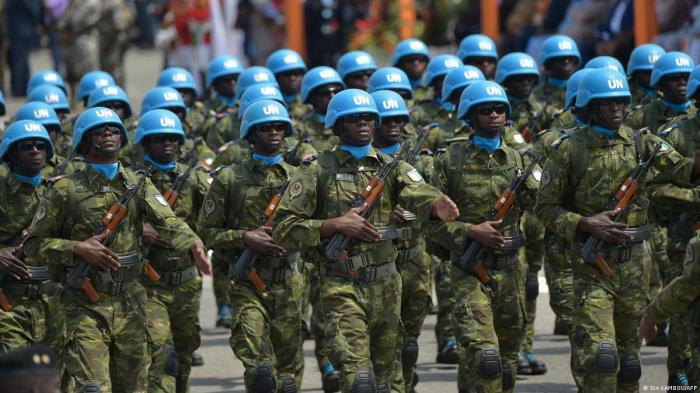
The United Nations plays a crucial role in international affairs, particularly in conflict resolution and governance. Its involvement in the Trump administration’s Gaza plan would have followed a well-established process, though the specific application depends on the nature of the plan and the UN’s existing mandates. Understanding this process is vital to assess the UN’s potential actions and the plan’s feasibility.
Typical UN Process for Approving Plans
The UN’s approval process for plans related to conflict resolution and governance is multifaceted, involving several stages and various bodies. It typically begins with a proposal submitted to the relevant UN bodies, followed by thorough review, negotiation, and ultimately, a vote. The complexity of the process often reflects the sensitivity of the issues at stake.The UN approval process usually involves the following stages:
- Submission and Initial Review: The plan, in this case the Trump administration’s proposal, would be formally submitted to the UN. The Secretary-General’s office would likely receive the initial document.
- Assessment by Relevant UN Bodies: The plan would be referred to the relevant UN bodies and agencies for detailed evaluation. These bodies would assess the plan’s alignment with international law, human rights principles, and existing UN resolutions.
- Consultations and Negotiations: Extensive consultations and negotiations would occur between the proposing parties (the US, in this case) and member states, particularly those with a vested interest in the region. This stage aims to address concerns, build consensus, and potentially modify the plan.
- Report and Recommendations: The relevant UN bodies would prepare reports and provide recommendations based on their assessment. These reports often highlight potential challenges, suggest modifications, and offer alternative approaches.
- Consideration by the Security Council or General Assembly: Depending on the nature of the plan and its implications for international peace and security, it would be considered by either the Security Council or the General Assembly. The Security Council has the authority to make binding decisions, while the General Assembly can issue recommendations.
- Voting and Resolution: A vote would be held on the plan, or on a modified version of it, in the relevant body. A majority vote is typically required for approval, though the specifics depend on the body and the type of resolution. The Security Council requires a majority vote and no veto from any of the five permanent members (China, France, Russia, the United Kingdom, and the United States).
- Implementation and Monitoring: If approved, the UN would likely play a role in implementing and monitoring the plan. This could involve deploying peacekeepers, providing humanitarian assistance, or facilitating governance reforms.
Specific UN Bodies Involved in Evaluating the Plan
Several UN bodies and agencies would likely be involved in evaluating the Trump administration’s plan for Gaza. Their specific roles would depend on their mandates and areas of expertise. Their assessment of the plan would be crucial in shaping the UN’s response.The following UN bodies and agencies are typically involved in such evaluations:
- The Security Council: The Security Council, with its primary responsibility for maintaining international peace and security, would have a significant role, particularly if the plan addressed security concerns or involved significant changes to the status quo.
- The General Assembly: The General Assembly, as the main deliberative, policymaking, and representative organ of the UN, could also be involved, especially if the plan involved broader governance or development aspects.
- The Office of the Secretary-General: The Secretary-General and their office would likely play a coordinating role, receiving the initial proposal and overseeing the process. They could also offer their own assessment and recommendations.
- UNRWA (United Nations Relief and Works Agency for Palestine Refugees in the Near East): UNRWA, responsible for providing assistance to Palestinian refugees, would be heavily involved, especially if the plan impacted refugee status, aid distribution, or the agency’s operations.
- UN Special Coordinator for the Middle East Peace Process (UNSCO): UNSCO, which coordinates UN activities related to the Israeli-Palestinian conflict, would be essential in evaluating the plan’s impact on the peace process and its feasibility.
- Human Rights Bodies (OHCHR, Human Rights Council): The Office of the High Commissioner for Human Rights (OHCHR) and the Human Rights Council would assess the plan’s compliance with international human rights law and its potential impact on human rights in Gaza.
- Specialized Agencies (UNDP, UNICEF, WHO): The United Nations Development Programme (UNDP), the United Nations Children’s Fund (UNICEF), and the World Health Organization (WHO), among others, could be involved, depending on the plan’s focus on development, humanitarian aid, or health issues.
Timeline of the UN’s Consideration of the Plan
Creating a precise timeline for the UN’s consideration of the Trump administration’s Gaza plan requires assumptions, as the actual timeline would depend on various factors. However, we can construct a hypothetical timeline based on typical UN procedures and the political context.The UN’s consideration of the plan might have followed a timeline like this:
- Initial Submission and Circulation (Weeks 1-2): The plan is formally submitted to the UN, likely to the Secretary-General’s office. It is then circulated to relevant UN bodies and agencies for initial review.
- Preliminary Assessment and Internal Discussions (Weeks 3-6): UN bodies begin their internal assessments, gathering information, and discussing the plan’s implications. Reports and preliminary analyses are prepared.
- Consultations with Member States (Weeks 7-12): Consultations and negotiations commence, primarily involving the US (as the proposing party) and key member states, including those with significant interest in the region (e.g., EU members, Arab states, Russia, and China).
- Report and Recommendations from UN Bodies (Weeks 13-16): The various UN bodies and agencies finalize their reports and recommendations, highlighting key concerns, potential challenges, and suggested modifications.
- Security Council or General Assembly Debate and Consideration (Weeks 17-20): The plan is formally presented to the Security Council or General Assembly, depending on the plan’s nature and scope. Debates and discussions take place.
- Amendments and Negotiations on a Resolution (Weeks 21-24): Negotiations focus on potential amendments to the plan or the draft resolution. Efforts are made to build consensus and address concerns raised by member states.
- Voting on the Resolution (Week 25 onwards): A vote is held on the resolution. The outcome depends on the level of support and whether any vetoes are cast in the Security Council.
The length of each stage could vary considerably. For example, extensive negotiations might extend the timeline. The political climate and the level of consensus among member states would significantly impact the process. The complexity of the issues and the level of scrutiny would also play a crucial role.
Reactions and Perspectives
The UN’s approval of the Trump administration’s Gaza security and governance plan sparked a variety of reactions from key stakeholders and international actors. These responses ranged from outright support to strong condemnation, reflecting the complex and deeply entrenched political landscape of the Israeli-Palestinian conflict. Understanding these diverse viewpoints is crucial to assessing the plan’s potential impact and feasibility.The plan’s reception varied significantly depending on the political affiliations and strategic interests of each group.
Different actors approached the plan with varying degrees of optimism, skepticism, and concern.
Stakeholders and Their Stances
The key stakeholders, including Israel, the Palestinian Authority, and Hamas, each offered distinct reactions to the UN’s approval. These reactions reflected their respective political goals, security concerns, and historical positions regarding the Gaza Strip and the broader Israeli-Palestinian conflict.
Israel’s Perspective: Israel’s response to the plan was generally supportive, viewing it as a potential step toward improving security and stability in the region. They emphasized the importance of demilitarizing Gaza and preventing the use of the territory for attacks against Israel.
- Israel likely saw the plan as aligning with its long-term security interests by addressing concerns about Hamas’s military capabilities and cross-border threats.
- They may have appreciated the plan’s focus on governance and economic development, hoping it would create a more stable environment conducive to peace.
- However, Israel may have had reservations regarding the plan’s specifics, such as the level of international involvement or the potential for concessions to the Palestinians.
Palestinian Authority’s Perspective: The Palestinian Authority (PA) likely expressed strong reservations or outright rejection of the plan, given its potential impact on Palestinian sovereignty and the political division between the PA and Hamas.
- The PA probably viewed the plan as undermining its authority and potentially strengthening Hamas’s control over Gaza.
- They may have argued that the plan failed to address the core issues of the conflict, such as the Israeli occupation and the status of Jerusalem.
- The PA may have emphasized the need for a comprehensive peace agreement that included a two-state solution and the establishment of a Palestinian state with its capital in East Jerusalem.
Hamas’s Perspective: Hamas’s reaction to the plan was almost certainly negative, as the plan directly impacted its control over the Gaza Strip and its military capabilities.
- Hamas likely viewed the plan as an attempt to weaken its power and undermine its resistance against Israel.
- They may have rejected any proposal that did not fully recognize their legitimacy and address their demands for the lifting of the blockade and improved living conditions for Gazans.
- Hamas may have used the plan as an opportunity to reinforce its position as the defender of Palestinian rights and interests, further solidifying its support base.
International Actors’ Views
International actors, including the United States, the European Union, and Arab nations, also offered varying perspectives on the plan. Their stances reflected their respective foreign policy objectives, diplomatic relations, and regional interests.
United States’ Perspective: The United States, under the Trump administration, was the primary proponent of the plan. They likely saw it as a way to address the security challenges in Gaza and promote stability in the region.
- The U.S. may have framed the plan as a humanitarian effort to improve the lives of Gazans and a strategic move to counter Iranian influence in the region.
- They may have emphasized the importance of cooperation between Israel, the PA, and international partners to implement the plan effectively.
- The U.S. likely believed the plan could contribute to a broader peace process, although its specific approach to the Israeli-Palestinian conflict was controversial.
European Union’s Perspective: The European Union (EU) likely approached the plan with caution, expressing concerns about its impact on the peace process and the humanitarian situation in Gaza.
- The EU may have stressed the importance of international law, the two-state solution, and the need for inclusive dialogue.
- They may have offered financial and technical assistance to support the plan’s implementation, provided it aligned with their principles.
- The EU may have sought to balance its support for the plan with its criticism of the Trump administration’s approach to the Israeli-Palestinian conflict.
Arab Nations’ Perspective: The reactions of Arab nations likely varied depending on their relationships with Israel, the PA, and other regional actors. Some Arab states may have supported the plan, viewing it as a way to promote stability and address the humanitarian crisis in Gaza. Others may have expressed reservations or outright opposition, concerned about the plan’s impact on Palestinian rights and the two-state solution.
- Countries with close ties to the United States may have been more inclined to support the plan.
- Others, particularly those with strong support for the Palestinian cause, may have been more critical.
- The overall regional context, including the evolving relationships between Arab states and Israel, would have significantly influenced their stances.
Concerns and Criticisms
Various parties raised concerns and criticisms regarding the plan. These included questions about its feasibility, its impact on Palestinian rights, and its potential to exacerbate tensions in the region.The primary concerns revolved around the following points:
- Feasibility of Implementation: Critics questioned whether the plan was realistic, given the political divisions between Israelis and Palestinians and the complexities of the security situation in Gaza. They raised concerns about the practical challenges of implementing the plan, such as securing the cooperation of all stakeholders and managing the flow of goods and people across borders.
- Impact on Palestinian Rights: Many parties expressed concerns that the plan would undermine Palestinian sovereignty and fail to address the core issues of the conflict, such as the Israeli occupation and the status of Jerusalem. Critics argued that the plan prioritized security over Palestinian rights and could further marginalize the Palestinian population.
- Potential for Exacerbating Tensions: Some observers warned that the plan could inadvertently escalate tensions in the region if not handled carefully. They expressed concerns that the plan could be seen as a unilateral attempt to impose a solution on the Palestinians and could lead to further violence.
Potential Impacts and Implications
The UN’s approval of the Trump administration’s Gaza security and governance plan carries significant implications for the region. The plan’s implementation could reshape the security landscape, humanitarian conditions, and political dynamics of the Gaza Strip, impacting the lives of Palestinians and the prospects for peace. These effects are complex and interconnected, and their ultimate consequences will depend on various factors, including the plan’s execution, the reactions of stakeholders, and the evolving regional context.
Impact on the Security Situation
The plan’s effect on Gaza’s security is a primary concern. The Trump administration’s plan aimed to address security challenges by strengthening border controls, enhancing intelligence gathering, and potentially disarming Hamas. However, the specific details and effectiveness of these measures are critical to determining their success.
- Increased Security Measures: The plan proposed measures to enhance security, potentially leading to a decrease in rocket attacks and cross-border violence. However, such measures could also lead to increased restrictions on movement and access for Gazans.
- Hamas’s Response: Hamas, the de facto governing body in Gaza, would likely react to the plan. This could involve either compliance, resistance, or a combination of both. Their response will significantly influence the security situation.
- Regional Instability: The plan’s implementation could impact the broader regional security. Tensions could rise if the plan is perceived as favoring one side or undermining the security of neighboring countries.
- Border Control: Stricter border controls, as envisioned in the plan, could lead to a reduction in the flow of weapons and other materials into Gaza, potentially decreasing the capacity of militant groups.
Implications for the Humanitarian Situation and the Lives of the Palestinian People
The humanitarian consequences of the plan are crucial, considering the already dire conditions in Gaza. The plan’s effects on access to essential resources, economic activity, and the overall quality of life for Palestinians need careful consideration.
- Access to Resources: The plan’s impact on access to food, medicine, and other essential supplies would be a key factor. Restrictions on imports and exports could exacerbate existing humanitarian challenges.
- Economic Activity: The plan’s economic implications, including its effect on trade, employment, and the overall economy of Gaza, are important. Any changes in these areas would directly affect the livelihoods of Palestinians.
- Movement and Access: Restrictions on the movement of people and goods, whether intended or unintended, would have a significant impact on daily life for Gazans, affecting access to healthcare, education, and family visits.
- Living Conditions: The plan could influence living conditions, which are already challenging in Gaza. This could include access to clean water, electricity, and sanitation.
Effects on the Political Landscape and the Prospects for Peace
The plan’s political implications are complex and far-reaching. The plan could reshape the balance of power, influence the prospects for reconciliation between Palestinian factions, and affect the broader peace process.
- Palestinian Unity: The plan could impact the prospects for Palestinian unity. The reactions of different Palestinian factions, including Hamas and Fatah, would determine the political landscape.
- International Involvement: The UN’s role in the plan’s implementation and the responses of other international actors would be crucial. International support or opposition could significantly shape the plan’s impact.
- Negotiations and Dialogue: The plan could either facilitate or hinder negotiations between Palestinians and Israelis. Its effect on the political climate could impact the prospects for a lasting peace agreement.
- Regional Dynamics: The plan’s success would be affected by the broader regional dynamics. The involvement of neighboring countries and their interests would also play a role.
Potential Scenarios
The following scenarios illustrate potential outcomes of the plan’s implementation. These are not exhaustive but provide a glimpse into the possible range of impacts.
- Scenario 1: Enhanced Security, Stagnant Humanitarian Conditions: The plan successfully reduces cross-border violence and enhances security measures. However, humanitarian conditions remain largely unchanged due to continued restrictions on movement and access, leading to widespread frustration among the population.
- Scenario 2: Increased Humanitarian Crisis, Limited Security Gains: The plan’s implementation leads to stricter border controls and restrictions on aid, resulting in a worsening humanitarian situation. Security gains are limited, as militant groups adapt to the new measures. This could trigger more unrest.
- Scenario 3: Positive Economic Impact, Gradual Improvement in Security: The plan facilitates increased economic activity, including greater access to goods and improved employment opportunities. Security improves gradually as a result of a more stable environment.
- Scenario 4: Political Stalemate, Continued Conflict: The plan is implemented, but the political situation remains deadlocked. Hamas rejects the plan, leading to continued conflict and political instability. The prospects for peace remain dim.
This scenario highlights the possibility of improved security without corresponding improvements in the lives of Palestinians, potentially exacerbating resentment and instability.
This scenario emphasizes the risk of unintended consequences, where security measures negatively impact the population and fail to achieve their intended goals.
This scenario represents a more optimistic outcome, where the plan’s economic benefits contribute to an overall improvement in the quality of life and stability.
This scenario highlights the potential for the plan to fail if it does not address the fundamental political issues and gain the support of key stakeholders.
Comparison with Previous Security and Governance Proposals
The Trump administration’s plan for Gaza, approved by the UN, isn’t operating in a vacuum. Understanding its potential impact requires a critical look at how it stacks up against past international efforts to tackle the complex challenges of security and governance in the region. These previous proposals, often driven by different actors and priorities, offer valuable points of comparison. Analyzing the similarities and differences helps to illuminate the strengths and weaknesses of the Trump plan, providing a more comprehensive understanding of its potential for success or failure.
Previous International Efforts
Numerous international initiatives have aimed to address the issues of security and governance in the Gaza Strip. These efforts, spearheaded by various entities like the Quartet (UN, US, EU, and Russia), individual nations, and international organizations, have varied in their scope, approach, and level of success.The focus has generally been on:
- Facilitating the reconstruction and economic development of Gaza.
- Strengthening the Palestinian Authority’s (PA) role in governance.
- Enhancing security through international monitoring and support for Palestinian security forces.
- Managing the border crossings to ensure the flow of goods and people while addressing security concerns.
These initiatives have often faced significant obstacles, including:
- The ongoing Israeli-Palestinian conflict.
- The political division between Hamas and Fatah.
- The complex security dynamics involving various armed groups.
- Limited international resources and sustained commitment.
Comparison Table of Proposals
Comparing the Trump administration’s plan with earlier initiatives highlights key differences in approach. The following table provides a simplified comparison of the Trump plan with two prominent previous proposals: the Quartet’s Roadmap for Peace and the 2005 Gaza Disengagement Plan. Note that the Trump plan is a complex document, and the following is a summarized comparison based on available information.
| Feature | Trump Administration Plan (as approved by the UN) | Quartet Roadmap for Peace | 2005 Gaza Disengagement Plan |
|---|---|---|---|
| Overall Goal | To stabilize Gaza and improve security, potentially through economic incentives and regional cooperation, while maintaining Israel’s security. | To achieve a two-state solution, with an independent Palestinian state living in peace and security alongside Israel. | To unilaterally disengage from Gaza, removing Israeli settlements and military presence, and to support the development of a viable Palestinian economy and security apparatus. |
| Security Approach | Emphasis on border security, potentially involving regional partners, and strengthening Palestinian security forces, with a focus on preventing attacks against Israel. | Phased approach: a ceasefire, followed by security cooperation and the dismantling of militant groups, then a final status agreement. | Withdrawal of Israeli forces, leaving security responsibilities with the Palestinian Authority. Focused on improving security capabilities of the PA. |
| Governance Approach | Potentially supporting a reformed Palestinian Authority, possibly involving a role for regional actors in governance, and focusing on improving living conditions. | Building Palestinian institutions and capacity for self-governance, including elections and a functioning civil society. | Transferring governance responsibilities to the Palestinian Authority, and supporting the development of Palestinian institutions. |
| Economic Approach | Likely emphasizing economic development through investment and regional cooperation, potentially involving economic incentives and infrastructure projects. | Promoting economic development and job creation, with international aid and investment. | Facilitating economic development and freedom of movement for Palestinians. Supporting infrastructure projects and international assistance. |
Strengths and Weaknesses Comparison
The Trump administration’s plan, when compared to prior proposals, presents both strengths and weaknesses.
- Strengths: Potentially leverages regional partnerships and economic incentives to address security and governance. The involvement of regional actors might provide new leverage and resources. The plan’s focus on border security could address a critical concern.
- Weaknesses: The plan’s success hinges on cooperation from all parties, including Hamas, which has historically been resistant to such plans. The plan may not fully address the underlying political issues driving the conflict. It may prioritize security over political solutions. The plan’s emphasis on economic incentives might not be sufficient to overcome deeply rooted political grievances.
The Quartet Roadmap, for instance, offered a comprehensive political framework, but its implementation was hindered by ongoing violence and lack of trust. The 2005 Disengagement Plan, while a unilateral initiative, focused on a specific geographic area and aimed at a more immediate, albeit limited, resolution of certain issues. The Trump plan appears to be focused on achieving short-term stability, while the long-term goal of a two-state solution may be indirectly addressed.
Challenges and Obstacles to Implementation
Implementing the Trump administration’s Gaza security and governance plan presents a complex web of challenges. These obstacles range from securing adequate funding and garnering the necessary political will to navigating the intricacies of international law and fostering cooperation among all relevant parties. Success hinges on overcoming these hurdles, and failure to do so could severely impede the plan’s execution and effectiveness.
Funding Challenges
Securing the financial resources needed to execute the plan represents a significant hurdle. The plan, which likely includes provisions for infrastructure development, security force training, and economic assistance, requires substantial investment.
- Resource Mobilization: The plan’s success depends on the ability to mobilize significant financial resources. This could involve contributions from various international donors, including the United States, European nations, and Gulf countries. Securing these funds can be a protracted process, often subject to political considerations and competing priorities. For example, similar projects in the past, like the reconstruction efforts following the 2014 Gaza war, faced significant funding gaps due to donor fatigue and shifting geopolitical interests.
- Transparency and Accountability: Donors will likely demand strict transparency and accountability measures to ensure funds are used effectively and do not fall into the wrong hands. Implementing these measures, especially in a politically sensitive environment like Gaza, can be challenging. This involves establishing robust financial monitoring systems and independent oversight mechanisms.
- Economic Sustainability: The plan must consider the long-term economic sustainability of any projects funded. Dependence on external funding can create vulnerabilities, as demonstrated by the fluctuating aid levels provided to the Palestinian territories over the years, impacting projects like water treatment plants or healthcare facilities.
Political Will and Cooperation
The plan’s success depends heavily on the political will of all involved parties, including the Israeli government, the Palestinian Authority, Hamas, and the international community. A lack of consensus or active opposition from any of these actors could significantly hinder implementation.
- Israeli-Palestinian Relations: The plan’s implementation is intertwined with the broader Israeli-Palestinian conflict. Any escalation of violence or deterioration in relations between the two sides could undermine the plan’s viability. The success of any security arrangements depends on mutual trust and cooperation, which has been historically difficult to achieve.
- Hamas’s Role: The involvement, or lack thereof, of Hamas, the de facto governing authority in Gaza, is critical. Hamas may have its own interests and concerns, and its cooperation is essential for any security and governance initiatives to succeed. Past attempts to engage Hamas in governance structures have faced numerous challenges, reflecting differing political agendas.
- International Support: The plan requires strong international backing. This includes political support from key players like the United States, the European Union, and the United Nations, as well as financial and technical assistance. Without broad international consensus, the plan may face legitimacy issues and be difficult to implement.
International Law and Legal Issues
The plan must adhere to international law, including the laws of war and human rights. Any actions that violate these principles could undermine the plan’s legitimacy and lead to legal challenges.
- Compliance with International Humanitarian Law: Any security measures implemented must comply with international humanitarian law, particularly regarding the protection of civilians and the conduct of hostilities. This includes ensuring proportionality and distinction in the use of force. Violations of these laws could trigger legal proceedings at the International Criminal Court (ICC).
- Human Rights Considerations: The plan must uphold human rights principles, including freedom of movement, freedom of expression, and access to basic services. Any restrictions on these rights must be justified and proportionate. The plan’s implementation should avoid actions that could be construed as collective punishment or discrimination.
- Sovereignty and Self-Determination: The plan’s design should respect Palestinian sovereignty and the right to self-determination. Any arrangements must be agreed upon by the relevant parties and not imposed unilaterally. The international community’s recognition of the plan’s legitimacy will be dependent on these factors.
Obstacles to Execution
Several practical issues could obstruct the plan’s execution, ranging from logistical challenges to security concerns.
- Logistical Challenges: Implementing any large-scale project in Gaza presents significant logistical hurdles. This includes dealing with border closures, restricted access to materials, and the need to coordinate with multiple authorities. The movement of goods and personnel into and out of Gaza has been a persistent challenge, impacting projects such as the construction of housing units.
- Security Concerns: The security situation in Gaza is volatile. Any security and governance plan must address potential threats from militant groups, including rocket attacks and armed clashes. Ensuring the safety of personnel involved in the implementation process is a major concern. The history of violence and instability in the region means that security protocols must be robust and adaptable.
- Coordination and Communication: Effective coordination and communication between all parties involved, including the United States, Israel, the Palestinian Authority, and international organizations, are essential. Failure to establish clear lines of communication and decision-making processes could lead to delays, misunderstandings, and inefficiencies. The lack of a unified approach has often undermined previous efforts.
Alternative Approaches and Solutions
Addressing the complex security and governance challenges in Gaza requires exploring alternatives beyond the Trump administration’s plan. These approaches necessitate a multi-faceted strategy that incorporates diplomacy, economic development, and civil society engagement, fostering a sustainable and peaceful environment. This section examines alternative strategies, the roles of international actors, and the feasibility of implementation.
Diplomacy and Reconciliation
A critical component of any alternative approach involves fostering dialogue and reconciliation between the involved parties. This requires a shift from solely focusing on security measures to addressing the underlying political issues.
- Facilitating Intra-Palestinian Unity: Supporting the reconciliation efforts between Hamas and Fatah is paramount. A unified Palestinian government is crucial for effective governance and international legitimacy. International actors, such as Egypt and Qatar, can play a mediating role to encourage dialogue and agreement on power-sharing and governance structures.
- Negotiating a Long-Term Ceasefire: Beyond short-term ceasefires, a comprehensive agreement that addresses the root causes of conflict is essential. This would involve negotiations between Israel and Hamas, mediated by international actors like the UN, Egypt, or other regional powers. The agreement should include provisions for the lifting of the blockade, the free movement of people and goods, and the demilitarization of Gaza.
- Supporting Confidence-Building Measures: Implementing confidence-building measures can improve the atmosphere and trust between parties. These could include joint projects in areas like environmental protection, cultural exchange programs, and the release of prisoners. Such measures can help to create a more positive environment for negotiations and reconciliation.
Economic Development and Infrastructure
Economic development is crucial for improving living conditions and reducing the appeal of conflict. A focus on infrastructure development and sustainable economic activities is necessary.
- Lifting the Blockade and Facilitating Trade: The economic blockade significantly hinders Gaza’s development. Easing restrictions on the movement of goods and people is essential. This includes allowing the import of construction materials and other essential goods, as well as facilitating trade with the outside world.
- Investing in Infrastructure: Rebuilding Gaza’s infrastructure, including housing, hospitals, schools, and water and sanitation systems, is a priority. International donors, in coordination with a unified Palestinian government, can provide financial and technical assistance for these projects. This will improve living conditions and create employment opportunities.
- Promoting Sustainable Economic Activities: Supporting the development of sustainable economic activities, such as agriculture, fishing, and tourism, can help create jobs and reduce reliance on external aid. This includes providing training, access to markets, and financial support for small and medium-sized enterprises.
Strengthening Governance and Civil Society
Effective governance and a strong civil society are essential for stability and long-term development. Empowering local institutions and fostering citizen participation are key.
- Supporting Democratic Governance: Supporting free and fair elections, strengthening the rule of law, and promoting transparency and accountability are crucial for good governance. International actors can provide technical assistance and support for electoral processes and capacity building within government institutions.
- Empowering Civil Society: Supporting civil society organizations that promote human rights, democracy, and social development is vital. These organizations can play a critical role in providing services, advocating for policy changes, and fostering a sense of community.
- Building Local Capacity: Investing in education and training programs can enhance the skills and knowledge of the Gazan population. This includes supporting vocational training, higher education, and leadership development programs.
International Actor Roles
Various international actors can play crucial roles in supporting alternative approaches, each leveraging their strengths and resources.
- The United Nations: The UN can play a central role in mediating peace talks, coordinating humanitarian aid, and providing technical assistance for governance and development. UN agencies, such as UNRWA, are already heavily involved in providing essential services. The UN can also convene international conferences to mobilize resources and support for Gaza.
- Regional Powers: Egypt, Qatar, and other regional powers can mediate between conflicting parties, facilitate dialogue, and provide financial support for reconstruction and development. They can also play a role in ensuring the security of borders and preventing the smuggling of weapons.
- European Union: The EU can provide significant financial assistance for reconstruction, development, and humanitarian aid. It can also support efforts to promote human rights and democracy and facilitate trade and investment.
- United States: While the US’s role is complex, it can facilitate dialogue, provide financial support, and support initiatives to promote peace and stability. The US can also work with other international actors to ensure the security of the region.
Feasibility and Effectiveness
The feasibility and effectiveness of these alternative strategies depend on several factors, including the commitment of the involved parties, the level of international support, and the evolving political landscape.
- Political Will: The success of these strategies depends on the willingness of all parties to engage in dialogue, compromise, and work towards a peaceful resolution. This includes both Israeli and Palestinian leaders, as well as Hamas and Fatah.
- International Cooperation: A coordinated international effort is crucial for providing financial support, technical assistance, and diplomatic backing. This requires cooperation among the UN, regional powers, the EU, and the US.
- Security Considerations: Addressing security concerns is essential for creating an environment conducive to peace. This includes ensuring the security of borders, preventing the smuggling of weapons, and addressing the threat of terrorism.
Visual Representation: Alternative Approaches
Here’s a descriptive illustration of alternative approaches, focusing on key elements. This visual representation can be a simplified diagram or infographic.
Central Element: A large, stylized circle representing “Sustainable Peace and Development in Gaza.”
Radiating Spokes (representing key strategies):
- Diplomacy and Reconciliation: Represented by interconnected figures holding hands, symbolizing dialogue and negotiation. Colors could be neutral tones like blues and greens to represent peace.
- Economic Development and Infrastructure: Illustrated by building blocks, a rising sun, and flowing water, depicting construction, economic growth, and access to resources. The color palette could include warm tones like oranges and yellows to symbolize prosperity.
- Strengthening Governance and Civil Society: Shown by a gavel (representing the rule of law), people participating in a town hall, and open books, symbolizing transparency, participation, and education. Colors used could be purples and yellows to represent knowledge and justice.
Interacting Elements:
- Arrows connecting each spoke to the central circle, indicating how each strategy contributes to the overall goal.
- Small icons representing international actors (UN, EU, Regional Powers) positioned around the spokes, illustrating their support and contributions.
Overall Impression: A visually balanced and hopeful representation, emphasizing interconnectedness and collaboration, with clear labels and minimal text to convey the core concepts quickly.
Final Conclusion
In conclusion, the UN’s approval of the Trump administration’s Gaza plan marks a pivotal moment, opening a new chapter in the ongoing efforts to stabilize the region. The plan’s success hinges on the cooperation of various parties, the management of potential obstacles, and a clear vision for the future. As the plan moves forward, its effects on security, humanitarian conditions, and the political landscape will undoubtedly be closely watched, shaping the lives of Palestinians and the prospects for peace.
General Inquiries
What is the main goal of the Trump administration’s plan for Gaza?
The primary goal is to improve security and establish a more effective governance structure within the Gaza Strip, aiming to stabilize the region and improve the lives of its residents.
Who is responsible for border security under the plan?
The specifics of border security enforcement would be determined by the plan, likely involving a combination of international monitoring and potentially new security forces, but details are subject to the plan’s specific clauses.
What are the potential economic benefits of the plan?
The plan could potentially lead to increased economic activity through easing border restrictions, facilitating trade, and attracting international investment, but this is contingent on security improvements and political cooperation.
How does this plan differ from previous proposals for Gaza?
The plan’s specific features, such as border control mechanisms and governance structures, are distinct from earlier proposals. Comparisons would be made, examining the strengths and weaknesses of each approach.
What are the biggest challenges to implementing the plan?
The primary challenges include securing the cooperation of all stakeholders, obtaining sufficient funding, and navigating complex political dynamics, particularly with Hamas and the Palestinian Authority.