
The tech world is buzzing as Elon Musk publicly labeled Jeff Bezos a “copycat” following reports of Bezos’s new $6.2 billion AI startup. This isn’t just a casual jab; it’s the latest chapter in a long-standing rivalry between two of the most influential figures in the industry. The accusation throws a spotlight on the competitive landscape of artificial intelligence, a field where innovation and dominance are fiercely contested.
This situation examines the context behind Musk’s claim, the specifics of Bezos’s reported AI venture, and the broader implications for the tech sector. It explores the core differences in their approaches to AI, from funding and talent acquisition to deployment and long-term visions. This includes comparing the AI strategies of Musk and Bezos, and their potential impacts on the future of technology.
Background: Elon Musk’s Accusation
Source: staticflickr.com
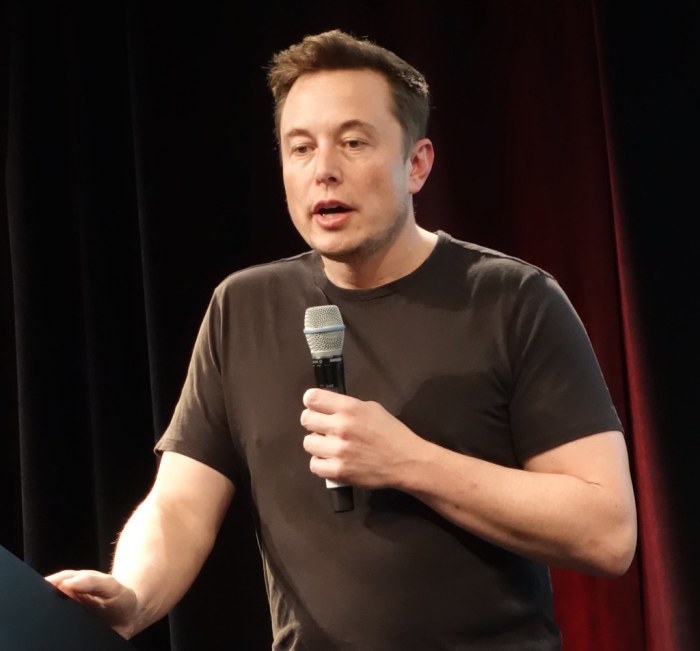
The reported launch of a $6.2 billion AI startup by Jeff Bezos has reignited the long-standing rivalry between him and Elon Musk. This development prompted Musk to publicly accuse Bezos of being a “copycat,” adding another layer to their already complex relationship, marked by competition in space exploration, electric vehicles, and now, artificial intelligence. The public statements and the history between the two figures provide crucial context to understand the dynamics behind the accusation.
Public Statements and Social Media Interactions
Musk’s accusation primarily surfaced on social media, specifically X (formerly Twitter). The exact timing and wording of Musk’s statements are important.
“Copycat,” Musk wrote on X, in response to news reports of Bezos’s AI venture.
This concise comment, though brief, encapsulated Musk’s perception of Bezos’s actions. Musk’s directness is typical of his social media presence, and this particular post immediately drew attention due to the history between the two billionaires. The use of the term “copycat” suggests that Musk believes Bezos is mimicking his initiatives in the AI space. The lack of detailed explanation, characteristic of social media interactions, left the interpretation open for speculation and further discussion.
The immediate reaction of the public and the media was significant, amplifying the impact of Musk’s statement and adding fuel to the ongoing narrative of rivalry.
Historical Rivalry Between Musk and Bezos
The rivalry between Elon Musk and Jeff Bezos extends back over two decades, fueled by their competitive ambitions in the technology sector. The competition has manifested in several key areas.
- Space Exploration: Both Musk’s SpaceX and Bezos’s Blue Origin have been major players in the commercial space race. Their competition has involved bidding for government contracts, developing reusable rockets, and aiming to send humans to space. For example, SpaceX’s Falcon 9 has achieved multiple successful launches and landings, demonstrating reusability. Blue Origin has also been working on its New Shepard suborbital vehicle and the larger New Glenn orbital rocket.
This competition extends to the development of launch infrastructure and the exploration of the Moon and Mars.
- Electric Vehicles: While Musk’s Tesla has become a leader in the electric vehicle market, Bezos, through Amazon’s investments, has also shown interest in the automotive industry. Amazon has invested heavily in Rivian, an electric vehicle manufacturer, and plans to purchase a large fleet of electric delivery vans.
- Business Strategies: There have been instances where their business strategies have seemed to intersect, leading to further tensions. Both have shown interest in areas such as satellite internet (Starlink by SpaceX and Project Kuiper by Amazon). This has created a direct competition for market share and technological dominance in providing internet access from space.
The rivalry between Musk and Bezos is not just about business; it reflects a difference in approach and personality. Musk is known for his bold, often unconventional, approach and frequent use of social media to communicate his views. Bezos, on the other hand, has generally maintained a more reserved public image, focusing on long-term strategic planning and operational efficiency. This difference in style has also contributed to the ongoing narrative of their competition.
The Reported AI Startup
The tech world is buzzing with reports of Jeff Bezos’s ambitious new venture into the artificial intelligence space. This move, if confirmed, signals a significant escalation in the ongoing competition among tech giants for dominance in the rapidly evolving AI landscape. Details are still emerging, but the reported plans suggest a substantial investment and a potentially transformative impact.
Stated Goals and Focus
The reported goals of Bezos’s AI startup center on developing advanced AI models. These models are intended to be versatile, capable of handling a wide range of tasks and applications.The focus of the startup is rumored to be on:
- Foundation Models: Developing large language models (LLMs) and other foundational AI models that can be used as the basis for a variety of applications. This approach mirrors the strategy of companies like OpenAI, which offers its models through an API for other developers to build upon.
- Specific Applications: Targeting specific areas where AI can make a significant impact. This could include areas like:
- E-commerce: Enhancing recommendation systems, improving customer service chatbots, and optimizing logistics.
- Cloud Computing: Integrating AI capabilities into AWS services to offer more intelligent and automated solutions to customers.
- Healthcare: Developing AI tools for diagnostics, drug discovery, and personalized medicine.
- Differentiation: The startup is expected to seek differentiation through unique approaches to model training, data acquisition, or specialized hardware optimization.
Timeline of Development
The timeline of the startup’s development is still largely unknown, but some key aspects are starting to surface.Here’s what is known so far:
- Initial Reports: News of the startup emerged in early 2024, with initial reports suggesting significant investment and recruitment efforts.
- Funding: The project is reportedly backed by substantial funding, potentially exceeding the previously mentioned $6.2 billion. This financial backing underscores the scale of the ambition.
- Team Building: The startup is likely in the process of assembling a team of top AI researchers, engineers, and product managers. This team will be crucial for the development and deployment of the AI models.
- Partnerships: While no official partnerships have been announced, it’s possible the startup will collaborate with existing companies to accelerate its progress and expand its reach. This is a common strategy in the AI industry.
Anticipated Impact on the Technology Industry
The emergence of Bezos’s AI startup has the potential to reshape the technology industry. Its impact could be felt across several areas.The expected impacts are:
- Increased Competition: The startup will intensify the competition among tech giants in the AI space. This will lead to more innovation, as companies strive to outperform each other.
- Accelerated Innovation: The influx of new resources and talent will likely accelerate the pace of AI innovation. New breakthroughs in model architectures, training techniques, and applications could emerge.
- Impact on Talent Acquisition: The startup’s efforts to recruit top AI talent could create a “brain drain” effect, making it more challenging for other companies to secure skilled personnel. This could affect the whole AI industry.
- New Applications and Services: The startup is likely to develop new AI-powered applications and services. This could create new markets and opportunities for businesses and consumers.
- Impact on AWS: As AWS is the leader in cloud computing, this AI startup could leverage its existing infrastructure and customer base to rapidly deploy and scale its AI models. This integration could create a significant competitive advantage.
Musk’s Perspective
Elon Musk’s “copycat” accusation towards Jeff Bezos stems from a complex interplay of competitive dynamics, strategic overlap, and established rivalry within the tech industry. This perception is likely fueled by the potential for Amazon’s AI venture to encroach on areas Musk has already invested heavily in, particularly within the realm of artificial general intelligence (AGI) and related applications.
Reasons for the “Copycat” Label
Musk’s justification for labeling Bezos’ AI startup a copycat likely hinges on several key areas of perceived strategic alignment and potential competition. These include:
- Overlap in AI Focus: Both Musk and Bezos are deeply invested in AI. Musk, through xAI and Tesla, focuses on AGI development, while Bezos, through Amazon, has been integrating AI into various aspects of its business, from e-commerce to cloud computing. If Bezos’ new venture targets similar goals, Musk might view it as a direct challenge.
- Resource Availability: Both companies possess vast resources. Amazon’s financial might and existing infrastructure, like AWS, give it a significant advantage in AI development, potentially allowing it to catch up quickly to initiatives like xAI. This rapid resource deployment could be seen as a form of copying if aimed at the same goals.
- Strategic Similarities: Both leaders have expressed interest in AI’s societal impact and its potential to revolutionize industries. A shared vision for AI’s future, coupled with similar strategic directions, could amplify the perception of copying, especially if Bezos’ venture mirrors Musk’s long-term ambitions.
Potential Overlap in Strategic Directions
The potential for overlap between Musk’s and Bezos’ AI ventures is considerable, particularly in areas like:
- AGI Development: While the exact scope of Bezos’ AI startup is unknown, if it aims for AGI, it directly competes with xAI. AGI is a long-term, high-stakes endeavor, and any duplication of effort could be viewed as a copycat strategy.
- AI-Driven Automation: Both companies have a vested interest in automating various processes. Tesla relies heavily on AI for autonomous driving and manufacturing, while Amazon uses AI for logistics, warehouse operations, and customer service. Overlap in these areas would be significant.
- AI for Space Exploration: Both have interests in space exploration. If either company plans to leverage AI for space-related tasks, such as robotic exploration or data analysis, this could be another point of competition.
Differentiation of Musk’s AI Initiatives
Musk’s AI initiatives, particularly xAI and Tesla’s AI, differentiate themselves through several key aspects:
- xAI’s Focus: xAI explicitly focuses on understanding the true nature of the universe. This ambitious goal sets it apart from more commercially oriented AI projects.
- Tesla’s Integration: Tesla’s AI is deeply integrated into its products, specifically its electric vehicles and autonomous driving technology. This close integration allows for rapid iteration and real-world testing.
- Public Statements and Transparency: Musk often communicates his AI goals and progress publicly, creating a distinct narrative around his ventures. This transparency contrasts with the more secretive approach often taken by other tech companies.
- Long-Term Vision: Musk’s AI efforts are often framed within a broader vision of humanity’s future, including space colonization and sustainable energy. This ambitious scope differentiates his work from more narrowly focused AI projects.
Comparative Analysis
The rivalry between Elon Musk and Jeff Bezos extends beyond space exploration and into the burgeoning field of artificial intelligence. Their contrasting approaches, rooted in their individual business philosophies and long-term ambitions, offer a fascinating study in how to build and deploy AI. This section analyzes their distinct strategies, highlighting their strengths, weaknesses, and visions for AI’s future.
AI Strategies: Contrasts and Comparisons
The approaches of Musk and Bezos to AI development differ significantly, reflecting their core business models and priorities. Examining these differences reveals crucial insights into their respective strengths and weaknesses.
- Funding: Bezos, through Amazon, has access to massive financial resources and consistently invests heavily in AI. Musk, while possessing considerable wealth through Tesla and SpaceX, often operates with a more focused approach, channeling resources strategically. Amazon’s investments in AI are often broader, supporting diverse applications across its e-commerce platform, cloud services (AWS), and various other ventures. In contrast, Musk’s AI investments are largely concentrated on specific goals like autonomous driving for Tesla and advancements in his AI ventures.
- Talent Acquisition: Amazon benefits from its vast scale and reputation, attracting a broad spectrum of AI talent, including researchers, engineers, and data scientists. Their recruitment efforts are global and aggressive. Musk, on the other hand, often recruits from a smaller pool, focusing on individuals who align with his specific vision and are drawn to the ambitious, sometimes controversial, nature of his projects.
Tesla, for example, often seeks engineers with experience in robotics and computer vision to improve its autonomous driving capabilities.
- Deployment: Amazon’s AI deployment is characterized by its broad integration across various services and products, from personalized recommendations on its e-commerce site to AI-powered voice assistants like Alexa. This approach prioritizes widespread application and user interaction. Musk, in contrast, focuses on AI deployment within Tesla vehicles, with the primary goal of achieving full self-driving capabilities. His deployment strategy is thus more targeted, emphasizing a specific, complex application.
Long-Term Visions for AI
The long-term visions of Musk and Bezos for AI’s role in the future reveal their distinct philosophies and priorities. These visions guide their strategies and shape their investments.
- Elon Musk’s Vision: Musk’s vision for AI is largely focused on existential risk mitigation and advancing human capabilities. He has repeatedly expressed concerns about the potential dangers of uncontrolled AI development and the need for safeguards. His companies, such as xAI, are focused on developing AI that is aligned with human values and safe. He envisions AI as a tool to solve complex problems, such as sustainable energy and space exploration, and ultimately, to ensure the survival of humanity.
For instance, his work on neural interfaces, through Neuralink, aims to merge human and artificial intelligence, potentially increasing human intelligence and enabling us to compete with advanced AI systems.
- Jeff Bezos’ Vision: Bezos, through Amazon, sees AI as a tool for enhancing efficiency, improving customer experience, and expanding market reach. His vision is focused on practical applications that drive business growth and create value for customers. Amazon leverages AI across its entire ecosystem, from supply chain optimization to personalized shopping experiences and cloud computing services. His long-term goal is to make AI an integral part of everyday life, improving productivity and convenience.
For example, the development of Amazon’s warehouse automation systems, powered by AI, demonstrates his commitment to using AI to streamline operations and enhance efficiency.
Industry Reactions
The tech world buzzed with commentary following Elon Musk’s “copycat” accusation against Jeff Bezos, and the rumored AI venture. Experts weighed in on the implications of this rivalry, analyzing the potential impact on innovation, competition, and the broader tech landscape. The reactions painted a picture of both excitement and skepticism, with a focus on the evolving dynamics of the AI race.
Expert Commentary on the Rivalry
Industry analysts and experts offered diverse perspectives on the situation. Some saw Musk’s comments as a strategic move to undermine a potential competitor, while others viewed it as a legitimate critique of Amazon’s approach. Several key themes emerged from these discussions:
- Competitive Landscape: Many analysts noted that the rivalry between Musk and Bezos, particularly in AI, would intensify competition. This could lead to a faster pace of innovation as both companies strive to gain a market advantage.
- Impact on Talent: The AI arms race is expected to influence the talent market. The competition for top AI engineers and researchers is already fierce, and this rivalry will likely exacerbate the situation, potentially driving up salaries and benefits.
- Investor Sentiment: The reactions of investors were also a point of discussion. Some expressed concern about the potential for wasteful spending and duplication of efforts. Others saw the rivalry as a positive sign, indicating a robust and dynamic market.
The Broader Tech Landscape: Competition and Innovation
The feud between Musk and Bezos, and the reported AI startup, have significant implications for the wider technology industry. This rivalry is accelerating the development and deployment of AI technologies. This increased competition is expected to benefit consumers through better products, services, and lower prices.
“Competition is the engine of innovation.”
The AI initiatives of major tech companies are also evolving, each with its unique strengths and strategies.
Comparative Analysis of AI Initiatives
The table below compares the AI initiatives of several tech giants, highlighting their key focus areas and strategic approaches. This provides a glimpse into the diverse strategies being employed in the AI race.
| Company | AI Focus | Key Technologies/Applications | Strategic Approach |
|---|---|---|---|
| Search, Cloud Computing, Healthcare, Self-Driving Cars | Large Language Models (LLMs) like LaMDA/PaLM, TensorFlow, Waymo | Focuses on fundamental AI research, integration across existing products, and strategic partnerships. | |
| Microsoft | Productivity, Cloud Computing, Gaming, Enterprise Solutions | Azure AI, OpenAI (partnership), GitHub Copilot, Xbox AI | Emphasizes integration of AI into its existing software and services, along with strategic investments and partnerships to advance AI capabilities. |
| Meta | Social Media, Metaverse, AR/VR | Large Language Models (LLMs) like LLaMA, AI-powered content recommendations, AR/VR development | Prioritizes AI to enhance user experiences, power its metaverse ambitions, and improve content moderation and personalization. |
| Amazon | E-commerce, Cloud Computing, Voice Assistants, Robotics | Alexa, AWS AI services, Amazon Robotics, personalized recommendations | Leverages AI to optimize its e-commerce operations, enhance cloud services, and develop consumer-facing AI products. |
Potential Implications
Source: postimg.cc
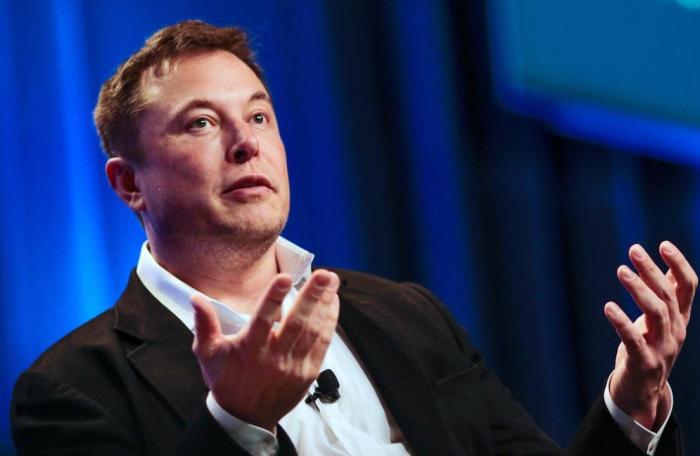
The rivalry between Elon Musk and Jeff Bezos, fueled by the reported AI startup launch, extends far beyond personal competition. It’s a clash that could reshape the AI landscape, influencing investment, technological advancements, and public perception of artificial intelligence. This competition, while potentially beneficial, also carries risks that could hinder progress.
Impact on the AI Market
The escalating rivalry between Musk and Bezos has the potential to significantly impact the AI market, affecting investment patterns and consumer attitudes. This section explores these specific effects.Investment trends are likely to shift as a result of the competition. Venture capitalists and other investors may be more inclined to back AI ventures that align with either Musk’s or Bezos’s vision.
- Investment may concentrate on specific areas, such as advanced robotics (Musk’s focus through Tesla) or cloud-based AI services (Bezos’s domain through AWS).
- The competition could drive up valuations of AI companies, particularly those seen as potential acquisitions or collaborators for either Musk or Bezos. This is in line with the basic economic principles of supply and demand, where increased interest from major players like Musk and Bezos can create greater demand for AI-related businesses, leading to higher valuations.
- Conversely, investors might become more cautious, concerned about the potential for market saturation or the risks associated with betting on a single “winner” in the AI race.
Consumer perception of AI could be significantly affected. The public narrative surrounding AI is already complex, encompassing both excitement and apprehension.
- Musk, with his outspoken views on AI safety and potential existential risks, might amplify public anxieties, particularly if his AI projects are perceived as struggling.
- Bezos, who often frames AI as a tool for economic growth and societal benefit, might try to foster a more positive and optimistic view.
- The nature of the competition, if framed as a race for technological dominance, could lead to a more polarized public view of AI, where some see it as a threat and others as a solution.
Effects on AI Development and Deployment
The competition between Musk and Bezos could profoundly influence the development and deployment of AI technologies across various sectors. This section explores how this rivalry could play out in specific industries.The rivalry could accelerate the pace of AI development. The pressure to innovate and gain a competitive edge might push both Musk and Bezos to invest heavily in research and development.
- This could lead to breakthroughs in areas such as natural language processing, computer vision, and machine learning.
- The competition might encourage the development of more specialized AI systems tailored to specific industry needs, leading to increased efficiency and productivity.
- This competitive environment could also foster a culture of rapid prototyping and experimentation, potentially leading to faster iterations and improvements in AI models and applications.
The deployment of AI technologies in various sectors is also likely to be affected. The strategic decisions made by Musk and Bezos could shape how AI is integrated into different industries.
- Musk, through Tesla, is likely to prioritize AI applications in autonomous vehicles and robotics, further advancing the capabilities of self-driving cars and automated manufacturing.
- Bezos, with AWS, will likely focus on providing AI-as-a-service solutions to businesses across a wide range of industries, driving the adoption of AI in areas such as e-commerce, healthcare, and finance.
- The competition could result in a “winner-takes-most” scenario in certain sectors, where the company with the superior AI capabilities gains a significant market advantage. For example, in the realm of e-commerce, Amazon’s AI-driven recommendation systems already provide a significant competitive edge. If Bezos continues to invest heavily in this area, the gap could widen, further solidifying Amazon’s market dominance.
A Hypothetical Scenario: Collaboration vs. Competition
Imagine a world where Elon Musk and Jeff Bezos, instead of competing, decided to collaborate on AI initiatives. The potential benefits could be enormous.In this scenario, they could pool their resources, expertise, and data to create a more comprehensive and impactful AI ecosystem.
- They could combine Musk’s expertise in robotics and hardware with Bezos’s cloud computing infrastructure and vast data sets. This synergy could lead to the development of AI systems that are both more advanced and more widely accessible.
- For example, imagine a joint venture between Tesla and AWS. Tesla could leverage AWS’s cloud computing power for training and deploying its autonomous driving AI models, significantly accelerating its progress. AWS could, in turn, gain access to valuable real-world data from Tesla’s vehicles, improving its own AI capabilities.
- The combined efforts could result in a more ethical and responsible approach to AI development. With a shared commitment to AI safety and societal impact, they could create industry standards and best practices that mitigate potential risks and ensure AI is used for the greater good.
This collaboration could have a transformative effect on the AI landscape. It could lead to faster innovation, more efficient resource allocation, and a more positive public perception of AI. While the competitive dynamic between Musk and Bezos can drive progress, a collaborative approach could unlock even greater potential.
Ending Remarks
Source: staticflickr.com
In conclusion, the clash between Musk and Bezos over AI underscores the high stakes of this technological frontier. While the “copycat” accusation adds fuel to their rivalry, it also highlights the rapid evolution of AI and the competitive drive fueling its advancement. The future of AI is still being written, and the choices made by these tech titans will significantly shape its trajectory, impacting not just the market but also the very fabric of our lives.
FAQ Guide
What exactly did Elon Musk accuse Jeff Bezos of copying?
Musk accused Bezos of launching an AI startup that mirrors initiatives already underway by Musk, particularly in the realm of AI development and its application.
How long has the rivalry between Musk and Bezos been going on?
The rivalry between Musk and Bezos has been ongoing for over a decade, marked by competition in space exploration (SpaceX vs. Blue Origin) and various business ventures.
What are the main goals of Jeff Bezos’ reported AI startup?
The specific goals haven’t been fully disclosed, but reports suggest a focus on advanced AI applications, likely including areas like natural language processing, machine learning, and potentially robotics.
How does this rivalry impact the broader tech industry?
The rivalry fosters competition and accelerates innovation. It also drives investment in AI, shapes industry standards, and influences consumer perception of AI technologies.
What are the potential consequences if Musk and Bezos collaborated instead of competing?
Collaboration could lead to faster breakthroughs, shared resources, and a more unified approach to addressing ethical and societal concerns related to AI.