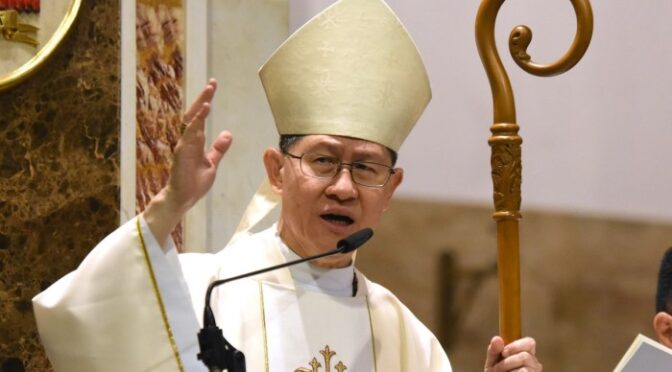
At the heart of the “Pilgrimage of Hope,” Cardinal Tagle delivers a powerful message, urging a shift away from fear-driven leadership. This event, designed to foster unity and inspiration, serves as a backdrop for a critical examination of leadership styles. Pilgrimages, steeped in history and cultural significance, provide a unique setting for Cardinal Tagle’s reflections on contemporary society.
The pilgrimage, with its focus on hope, offers a compelling counterpoint to the anxieties prevalent in today’s world. Cardinal Tagle’s address delves into the characteristics of fear-driven leadership, contrasting them with qualities of empathy, courage, and a commitment to the common good. The message resonates deeply, offering a framework for understanding and addressing the challenges of leadership in a complex world.
Contextualizing the Pilgrimage of Hope
The “Pilgrimage of Hope,” as the name suggests, is a significant event designed to foster unity, understanding, and spiritual renewal. It brings together people from diverse backgrounds to reflect on shared values and build bridges of hope in a world often marked by division and uncertainty. The primary purpose is to provide a space for participants to deepen their faith, engage in dialogue, and collectively seek a more hopeful future.
The intended audience is broad, encompassing individuals from various religious traditions, cultural backgrounds, and walks of life, with a particular emphasis on fostering interfaith dialogue and collaboration.
Historical and Cultural Significance of Pilgrimages
Pilgrimages have a rich history, serving as a powerful expression of faith and a means of spiritual transformation across cultures and religions. Throughout history, individuals and communities have undertaken pilgrimages to sacred sites, seeking connection with the divine, seeking healing, and reaffirming their beliefs.
- Ancient Roots: Pilgrimages predate Christianity, with examples in ancient Greece, where people traveled to Delphi to consult the Oracle, and in Hinduism, where pilgrimages to the Ganges River are common.
- Religious Significance: In Christianity, pilgrimages to the Holy Land, Rome, and other sites associated with Jesus and the saints have been central to religious practice for centuries. Islam emphasizes the Hajj, a pilgrimage to Mecca, as one of the five pillars of Islam.
- Cultural Impact: Pilgrimages often foster cultural exchange, as pilgrims from different regions interact and share experiences. They can also stimulate local economies, as communities along pilgrimage routes provide services and accommodations.
- Modern Relevance: Even in the modern era, pilgrimages continue to be relevant, offering a break from the routine, a chance for introspection, and a means of connecting with a larger community of believers. They often provide a powerful sense of purpose and belonging.
This “Pilgrimage of Hope” fits within this framework by offering a contemporary expression of this ancient practice. It provides an opportunity for individuals to engage in a spiritual journey, reflect on their values, and connect with others who share a commitment to hope and positive change.
Location and Setting of the “Pilgrimage of Hope”
The location and setting of the “Pilgrimage of Hope” are carefully chosen to reflect the event’s theme and facilitate its goals. The specific location is selected to offer a space conducive to reflection, dialogue, and communal activities. The setting is meant to be a place of significance.
The choice of location often reflects a commitment to:
- Accessibility: The location is typically easily accessible to a wide range of participants, considering factors like transportation and accommodation.
- Symbolism: The setting might have symbolic significance, perhaps being associated with peace, reconciliation, or historical events that resonate with the pilgrimage’s theme. For example, a pilgrimage focused on interfaith dialogue might be held in a city known for its diverse religious communities and a history of peaceful coexistence.
- Facilitation of Activities: The setting provides spaces for various activities, including prayer, meditation, workshops, and communal meals. This could involve open-air spaces, indoor halls, and quiet areas for personal reflection.
The setting’s relevance to the event’s theme is paramount. The location provides a backdrop that reinforces the message of hope, unity, and positive change, enhancing the overall experience for participants. The specific details of the location would be chosen to create an atmosphere that is welcoming, inspiring, and conducive to the spiritual and communal goals of the pilgrimage.
Cardinal Tagle’s Core Message
Cardinal Tagle’s warning against fear-driven leadership served as a central theme during the Pilgrimage of Hope. His message underscored the importance of leading with compassion, understanding, and a commitment to truth, especially in times of crisis and uncertainty. This section delves into the core tenets of his message, outlining the characteristics of fear-driven leadership and providing relevant examples.
Central Theme of the Warning
The central theme of Cardinal Tagle’s warning revolved around the detrimental effects of leadership motivated by fear. He cautioned against the tendency to make decisions based on anxieties, insecurities, and a desire to control rather than on principles of justice, empathy, and the common good. The pilgrimage itself, intended to foster hope and solidarity, served as a counterpoint to this type of leadership, advocating for a leadership style rooted in faith, trust, and a genuine concern for others.
This call to action was particularly relevant given the global challenges of the time, including political polarization, economic instability, and social divisions.
Characteristics of Fear-Driven Leadership
Cardinal Tagle identified several key characteristics that define fear-driven leadership. These traits often manifest in specific behaviors and decision-making processes.
- Authoritarianism and Control: Leaders driven by fear often seek to consolidate power and control all aspects of their domain. They may suppress dissent, limit freedom of expression, and centralize decision-making. This can be seen in situations where governments restrict media freedom or persecute political opponents.
- Lack of Transparency and Accountability: Fear-driven leaders tend to operate in secrecy, avoiding scrutiny and accountability. They may withhold information, manipulate data, and resist independent oversight. This can lead to corruption and abuse of power.
- Scapegoating and Blame: To deflect criticism and maintain their position, fear-driven leaders frequently resort to scapegoating, blaming external groups or individuals for problems. This can fuel prejudice, discrimination, and social division. For instance, during economic downturns, leaders might blame immigrants or minority groups for job losses.
- Division and Polarization: Fear-driven leaders often exploit existing divisions within society to maintain their power. They may use rhetoric that demonizes opponents, creates “us vs. them” mentalities, and fosters animosity. This can lead to increased social unrest and conflict.
- Suppression of Truth and Dissent: Such leaders often actively work to silence or discredit those who challenge their narratives. This can involve censorship, propaganda, and the persecution of journalists, activists, and other critical voices.
Manifestations of Fear-Driven Leadership
Fear-driven leadership can manifest in various situations and contexts, often with detrimental consequences.
- Political Instability: In countries experiencing political turmoil, fear-driven leaders might resort to undemocratic measures to maintain their grip on power, such as rigging elections or using violence against protesters. A historical example can be found in the rise of authoritarian regimes in the 20th century.
- Economic Crises: During economic downturns, fear-driven leaders might prioritize short-term gains over long-term stability, leading to policies that exacerbate inequality and harm vulnerable populations. The 2008 financial crisis saw instances of leaders focusing on bailing out financial institutions while neglecting the needs of ordinary citizens.
- Social Unrest: In times of social unrest, fear-driven leaders might respond with repression and violence, rather than addressing the root causes of the grievances. The response to the Black Lives Matter protests in some countries provides a recent example of this.
- Public Health Emergencies: During pandemics or other public health crises, fear-driven leaders might prioritize political considerations over public health, leading to inadequate responses and increased mortality. The handling of the COVID-19 pandemic by some governments provides examples of this.
Identifying the Alternative to Fear-Driven Leadership
Cardinal Tagle’s message in “Pilgrimage of Hope” directly confronts the detrimental effects of fear-driven leadership, offering a compelling vision for a more compassionate and effective approach. This alternative leadership model centers on empathy, collaboration, and a deep commitment to the common good, moving away from control and domination. It’s a call to build bridges rather than walls, fostering environments where individuals can thrive and contribute their unique talents.
Leadership Qualities Cardinal Tagle Promotes
Cardinal Tagle advocates for a leadership style characterized by several key qualities. These traits, when embraced, create a positive and empowering environment.
- Empathy and Compassion: Leaders should possess a deep understanding of others’ experiences and struggles, responding with kindness and a willingness to help. This involves actively listening to concerns and showing genuine care for the well-being of those they lead.
- Servant Leadership: The focus shifts from personal gain or power to serving the needs of others. Leaders prioritize the common good and empower those around them, fostering a sense of shared responsibility and purpose.
- Collaboration and Dialogue: Instead of dictating, leaders actively seek input and engage in open dialogue, valuing diverse perspectives and fostering a collaborative decision-making process. This approach builds trust and encourages innovation.
- Transparency and Integrity: Openness and honesty are paramount. Leaders are accountable for their actions and decisions, building trust through ethical conduct and clear communication.
- Courage and Hope: Leaders must possess the courage to make difficult decisions, even in the face of adversity, while maintaining a sense of hope and optimism, inspiring others to persevere.
Examples of Exemplary Leadership Principles
Several individuals, organizations, and movements exemplify the leadership principles Cardinal Tagle champions. These examples showcase the practical application and impact of the alternative leadership style.
- Pope Francis: Pope Francis’s papacy is often cited as an example of servant leadership. His emphasis on humility, reaching out to marginalized communities, and promoting dialogue across cultures and religions aligns directly with Cardinal Tagle’s message. He embodies the principle of leading by example.
- Doctors Without Borders (Médecins Sans Frontières): This international humanitarian organization exemplifies compassion and service. Its leaders and volunteers work tirelessly to provide medical care in conflict zones and areas affected by epidemics, demonstrating empathy and a commitment to alleviating suffering. Their actions highlight the importance of putting the needs of others first.
- The Grameen Bank (Muhammad Yunus): Founded by Muhammad Yunus, the Grameen Bank provides microloans to impoverished individuals, particularly women, enabling them to start small businesses and lift themselves out of poverty. This exemplifies servant leadership by empowering individuals and fostering economic opportunity, and demonstrating how a leader can create positive social change.
- Nelson Mandela: Mandela’s leadership during and after apartheid in South Africa is a powerful example of courage, forgiveness, and reconciliation. His commitment to dialogue, justice, and building a united nation, despite immense personal suffering, demonstrates the transformative power of compassionate leadership.
Potential Positive Outcomes of Embracing the Alternative Leadership Style
Adopting the alternative leadership style promoted by Cardinal Tagle can yield several positive outcomes, creating a more just, equitable, and flourishing society.
- Increased Trust and Cooperation: When leaders prioritize empathy and transparency, trust within organizations and communities increases. This leads to greater cooperation, improved communication, and a more positive work environment.
- Enhanced Innovation and Creativity: A collaborative environment that values diverse perspectives fosters innovation and creativity. When people feel safe to share ideas and take risks, new solutions and approaches emerge.
- Greater Social Cohesion: Leaders who prioritize the common good and address social inequalities contribute to greater social cohesion. This reduces conflict and promotes a sense of shared purpose.
- Improved Mental and Physical Well-being: Environments characterized by compassion and support have a positive impact on mental and physical health. When people feel valued and respected, they are more likely to thrive.
- Sustainable Development: Leadership focused on long-term sustainability and the well-being of future generations promotes responsible resource management and environmental stewardship.
Embracing this alternative leadership style is not merely a matter of management techniques; it’s a fundamental shift in values, emphasizing human dignity, compassion, and a commitment to the common good.
Impact and Relevance of the Message
Source: cbcpnews.net
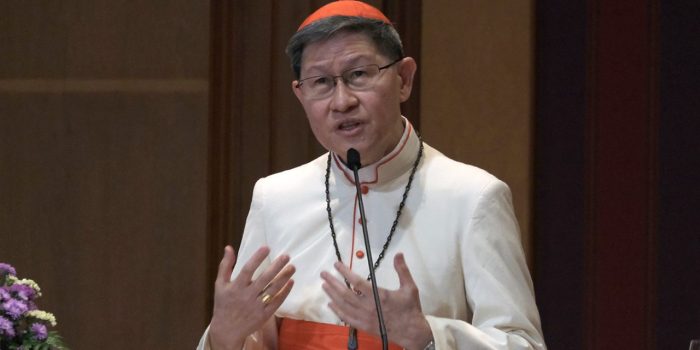
Cardinal Tagle’s message, delivered during the Pilgrimage of Hope, resonates deeply because it addresses a fundamental human need: the desire for trustworthy and compassionate leadership. This section explores the intended audience, the potential impacts of embracing the message, and a practical method for self-assessment.
Intended Audience and Relevance
The intended audience for Cardinal Tagle’s message is broad, encompassing anyone in a position of influence or authority, both within and beyond the religious sphere. This includes leaders in governments, corporations, educational institutions, families, and community organizations. The message is relevant to them because:
- It challenges the prevalent fear-driven leadership styles often characterized by control, intimidation, and a focus on self-preservation.
- It offers an alternative based on empathy, collaboration, and service, which can lead to more positive and sustainable outcomes.
- It provides a framework for building trust and fostering a sense of shared purpose, crucial for effective leadership in today’s complex world.
Potential Societal and Individual Impacts
If individuals heed Cardinal Tagle’s warning and embrace the alternative leadership style, the potential impacts are significant at both the societal and individual levels.
- Societal Impact: A shift away from fear-driven leadership could lead to increased trust in institutions, improved social cohesion, and more effective responses to global challenges. For example, governments that prioritize collaboration and empathy are more likely to successfully address issues like climate change and poverty.
- Individual Impact: Individuals led by empathetic leaders are more likely to feel valued, empowered, and motivated. This can result in increased job satisfaction, reduced stress, and a greater sense of belonging. The shift could also foster greater innovation and creativity as individuals feel safer to take risks and express their ideas.
Method for Assessing Leadership Style
To help individuals assess their own leadership style, here is a method using a self-assessment tool. The following table provides a framework for self-reflection.
| Characteristic | Fear-Driven Leadership | Alternative Leadership |
|---|---|---|
| Primary Motivation | Control, Self-preservation, Avoiding failure | Service, Collaboration, Achieving shared goals |
| Communication Style | Top-down, Directive, Intimidating | Open, Empathetic, Collaborative |
| Decision-Making Process | Centralized, Based on hierarchy, Risk-averse | Inclusive, Participatory, Risk-aware |
| Relationship with Team/Followers | Distrustful, Controlling, Demanding | Trusting, Supportive, Empowering |
| Response to Mistakes | Blame, Punishment, Concealment | Learning, Support, Transparency |
| Emphasis | Individual achievement, Performance metrics | Teamwork, Collective well-being, Shared values |
Examples of Fear-Driven Leadership in Modern Society
Cardinal Tagle’s warning against fear-driven leadership is particularly relevant in today’s world, where fear is often exploited to manipulate public opinion, justify actions, and maintain power. Understanding how fear manifests in leadership is crucial to recognizing and resisting its negative impacts. This section examines specific instances where fear-driven tactics are employed globally, analyzing their methods and consequences.
Use of Fear in Political Campaigns
Political campaigns frequently utilize fear to mobilize voters and undermine opponents. This often involves exaggerating threats or creating a sense of urgency.
- Immigration Policies: Some political leaders exploit anxieties about immigration by portraying immigrants as threats to national security, economic stability, or cultural identity. They may emphasize isolated incidents of crime or portray immigrants as a burden on social services. This fear-mongering can lead to stricter immigration policies, increased border security, and discriminatory practices.
- Economic Instability: Politicians might leverage economic anxieties, such as inflation or unemployment, by blaming specific groups or countries for these problems. They could promise to protect jobs by implementing protectionist trade policies or by scapegoating foreign competitors. This approach can foster nationalism and hinder international cooperation.
- National Security Threats: Leaders sometimes exaggerate the risk of terrorism or foreign interference to justify increased surveillance, military spending, and restrictions on civil liberties. This can lead to the erosion of democratic norms and the expansion of state power.
Fear-Mongering in Public Health Crises
Public health crises provide fertile ground for fear-driven leadership, as uncertainty and vulnerability are heightened.
- Misinformation and Conspiracy Theories: During the COVID-19 pandemic, some leaders and media outlets spread misinformation and conspiracy theories about the virus’s origins, severity, and treatments. This undermined public trust in scientific institutions and public health recommendations, leading to vaccine hesitancy and resistance to public health measures like mask mandates and social distancing.
- Blame and Scapegoating: Some leaders deflected responsibility for the pandemic’s spread by blaming specific groups or countries, such as China, for the virus’s emergence. This fueled xenophobia and hindered international cooperation in addressing the crisis.
- Overreach and Authoritarianism: In some instances, governments used the pandemic as a pretext to expand their powers, imposing lockdowns, restricting movement, and suppressing dissent. These measures, justified by the need to protect public health, often had significant negative impacts on human rights and democratic freedoms.
Fear in International Relations
Fear also plays a significant role in international relations, influencing foreign policy decisions and fueling conflicts.
- Arms Races: The perception of a threat from another country can trigger an arms race, as nations seek to enhance their military capabilities to deter potential adversaries. This can lead to increased military spending, heightened tensions, and the risk of accidental conflict. The Cold War is a prime example of this dynamic.
- Trade Wars: Fear of economic competition can lead to protectionist policies, such as tariffs and trade barriers. These measures, often justified as a means of protecting domestic industries and jobs, can disrupt global trade, harm economic growth, and increase the risk of international conflict.
- Proxy Wars: In some cases, fear of direct confrontation between major powers can lead to proxy wars, where countries support opposing sides in a conflict in another region. This allows them to pursue their strategic interests without directly engaging in combat, but it also prolongs conflicts and increases the risk of escalation.
Hypothetical Scenario:
A country facing economic hardship, fueled by rising inflation and unemployment, sees a surge in nationalist sentiment. A populist leader, exploiting public fear of job losses and foreign influence, promises to “make the country great again” by blaming immigrants for taking jobs and enacting protectionist trade policies. This rhetoric fuels social division, leads to discriminatory practices, and isolates the country internationally.
Economic conditions worsen due to trade wars and a decline in foreign investment.
Alternative Scenario:
Instead, a leader committed to Cardinal Tagle’s principles addresses the economic challenges by fostering unity and cooperation. They emphasize the need for education and job training to adapt to a changing economy, promote fair trade practices, and encourage international collaboration to address shared challenges. The country invests in its people, builds stronger relationships with its neighbors, and experiences sustainable economic growth and social cohesion.
The Role of Hope in Overcoming Fear
Cardinal Tagle’s message at the “Pilgrimage of Hope” directly confronts the corrosive influence of fear in leadership and society. He positions hope not just as a passive emotion, but as an active force, a powerful antidote to the paralyzing effects of fear-driven ideologies. Understanding how hope operates and how it can be cultivated is central to his call for a more compassionate and just world.
Hope as an Antidote to Fear
Cardinal Tagle’s message suggests that fear thrives in environments of uncertainty, isolation, and perceived scarcity. Hope, conversely, flourishes when individuals feel connected, empowered, and believe in the possibility of a better future. He emphasizes that hope isn’t simply optimism; it’s a belief in the inherent goodness of humanity and a commitment to working towards positive change, even in the face of adversity.
This active engagement with hope serves to dismantle the foundations upon which fear is built. The Cardinal suggests that by focusing on shared values, common goals, and mutual support, fear loses its grip, and individuals become more resilient and open to collaboration. He highlights the importance of empathy, understanding, and forgiveness as essential components of a hope-filled approach to life.
Cultivating Hope in Individuals and Others
Cultivating hope requires deliberate effort and a commitment to certain practices. Individuals can actively foster hope within themselves and in their communities through several key actions.
- Practicing Gratitude: Regularly acknowledging and appreciating the good things in one’s life, no matter how small, shifts focus away from negativity and fosters a sense of abundance. For example, keeping a gratitude journal or simply taking a few moments each day to reflect on positive experiences can be very effective.
- Connecting with Others: Building and nurturing relationships with family, friends, and community members combats isolation and provides a sense of belonging and support. Participating in social activities, volunteering, or simply reaching out to someone in need can significantly strengthen these connections.
- Seeking Meaning and Purpose: Identifying and pursuing activities that align with one’s values and beliefs provides a sense of direction and motivation. This could involve engaging in hobbies, pursuing educational opportunities, or working towards a personal or professional goal.
- Focusing on the Present: Practicing mindfulness and living in the present moment reduces anxiety about the future and regret about the past. This can involve meditation, deep breathing exercises, or simply paying attention to one’s surroundings.
- Embracing Resilience: Viewing challenges and setbacks as opportunities for growth and learning fosters a sense of agency and optimism. Developing a positive mindset and learning from failures are key components of resilience.
- Sharing Stories of Hope: Spreading narratives of resilience, overcoming challenges, and acts of kindness inspires and encourages others. This could be done through writing, speaking, or simply sharing personal experiences with others.
The “Pilgrimage of Hope” as a Promoter of Hope
The “Pilgrimage of Hope” itself is designed to be an embodiment of hope, promoting its cultivation and dissemination. It does this in several key ways:
- Fostering a Sense of Community: The pilgrimage brings together people from diverse backgrounds, creating a shared experience and fostering a sense of belonging. The act of journeying together, sharing meals, and participating in communal activities breaks down barriers and builds solidarity.
- Providing Opportunities for Dialogue: The event offers platforms for open and honest conversations about challenges and hopes, allowing participants to share their experiences and learn from one another. This could include workshops, panel discussions, and informal conversations.
- Celebrating Shared Values: The pilgrimage emphasizes values such as compassion, justice, and peace, providing a common ground for participants and reinforcing the belief in a better future. The focus on these values counters the divisive narratives often promoted by fear-driven ideologies.
- Offering Spiritual and Emotional Support: The event often incorporates religious or spiritual practices, providing comfort, inspiration, and a sense of connection to something larger than oneself. This could include prayer, meditation, or reflection on religious teachings.
- Inspiring Action and Advocacy: The pilgrimage encourages participants to take action in their communities and advocate for positive change. This could involve volunteering, supporting social justice initiatives, or speaking out against injustice.
- Promoting Global Solidarity: By bringing together people from different parts of the world, the pilgrimage fosters a sense of global citizenship and highlights the interconnectedness of humanity. This emphasizes the shared responsibility for building a more just and sustainable world.
Historical and Theological Perspectives
Source: vaticannews.va
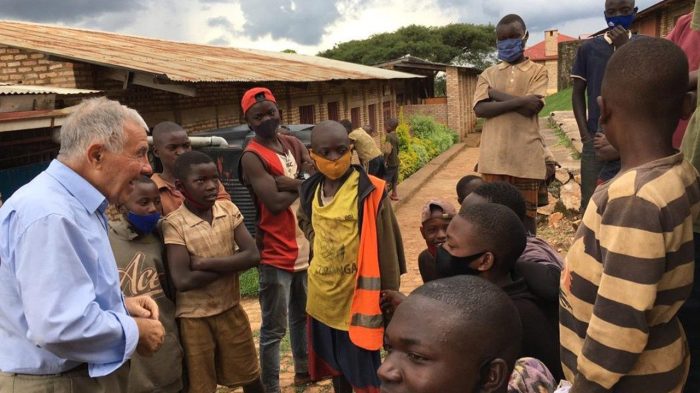
Cardinal Tagle’s call for leadership rooted in hope, rather than fear, resonates deeply with both historical precedents and theological foundations. Understanding these perspectives offers a richer appreciation of his message, highlighting the enduring relevance of compassionate leadership and the dangers of fear-mongering. Examining figures who embodied hope in the face of adversity, alongside the theological principles underpinning Cardinal Tagle’s vision, provides a comprehensive framework for understanding and applying his message.
Historical Examples of Hope-Driven Leadership
Throughout history, numerous leaders have demonstrated the power of hope and compassionate action to overcome fear and division. These individuals, often facing immense challenges, chose to inspire rather than intimidate, fostering unity and progress.
- Nelson Mandela: Faced with decades of imprisonment and systemic oppression under apartheid in South Africa, Mandela chose forgiveness and reconciliation over vengeance. His leadership, guided by hope for a unified and just society, led to the dismantling of apartheid and the establishment of a democratic South Africa. His actions proved that even in the face of deep-seated fear and hatred, hope and forgiveness could prevail.
- Abraham Lincoln: During the American Civil War, Lincoln navigated a nation fractured by conflict. His unwavering belief in the Union and his commitment to ending slavery, coupled with his ability to articulate a vision of a better future, kept the nation from collapsing. His Emancipation Proclamation and his leadership during the war demonstrated the power of hope to unite a divided people.
- Mahatma Gandhi: Gandhi’s nonviolent resistance movement against British rule in India was fueled by hope and a belief in the power of truth and love. He inspired millions to challenge oppression without resorting to violence, ultimately leading to India’s independence. His example demonstrated that even in the face of overwhelming power, hope can be a potent force for change.
Theological Underpinnings of Cardinal Tagle’s Message
Cardinal Tagle’s message is deeply rooted in Christian theology, drawing on core tenets of faith, hope, and love. His call for leadership driven by hope reflects these foundational principles.
- Theological Basis: At the heart of Christianity lies the belief in a God of hope, who offers redemption and new beginnings. This theological foundation provides a basis for challenging fear-driven leadership, which often prioritizes self-preservation and control over the well-being of others.
- Scriptural References: Numerous passages in the Bible support Cardinal Tagle’s message. For instance, Romans 15:13 states, “May the God of hope fill you with all joy and peace in believing, so that by the power of the Holy Spirit you may abound in hope.” This verse underscores the importance of hope as a source of strength and resilience.
- The Virtue of Hope: The theological virtue of hope, alongside faith and love, is central to Christian belief. Hope is not merely optimism; it is a confident expectation of God’s promises and a belief in the possibility of a better future, even in the face of suffering and adversity. This virtue encourages leaders to act with courage and compassion, even when faced with fear and uncertainty.
Contrasting Leadership Styles: Fear vs. Hope
The contrast between leadership driven by fear and leadership driven by hope is stark. The following table provides examples of how these contrasting styles manifest in practice, using historical examples to illustrate the point.
| Leader | Approach | Key Actions | Outcome |
|---|---|---|---|
| Adolf Hitler | Fear-Driven |
|
|
| Nelson Mandela | Hope-Driven |
|
|
Call to Action
Source: licas.news
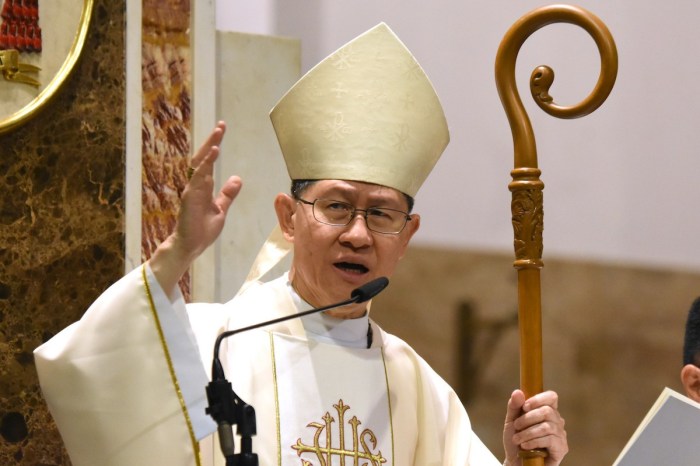
Cardinal Tagle’s message isn’t just a call for reflection; it’s a direct invitation to action. He urges individuals to actively cultivate hope and combat the fear-driven leadership he critiques. This requires a conscious effort to embody the principles of compassion, understanding, and collaboration in all aspects of life.
Actions Encouraged by Cardinal Tagle
Tagle’s call to action focuses on fostering a more hopeful and just world. This involves actively challenging fear-based narratives and promoting values that prioritize human dignity and well-being. He encourages a proactive approach to building communities and fostering positive change.
Promoting the Principles Discussed
To amplify the message, individuals can take several steps. This includes sharing the message with others and actively participating in creating a more compassionate and understanding society.
- Share the Message: Discuss the core ideas with friends, family, and colleagues. Share articles, videos, and discussions related to Cardinal Tagle’s message on social media and in personal conversations. This helps to broaden the reach and impact of the message.
- Engage in Dialogue: Initiate and participate in conversations about fear-driven leadership and its effects. Encourage open and honest discussions about the challenges facing communities and how to overcome them. Listening to diverse perspectives is crucial.
- Support Hopeful Initiatives: Identify and support organizations and initiatives that promote the values of compassion, justice, and human dignity. This could involve volunteering time, donating resources, or advocating for specific causes.
- Challenge Fear-Based Narratives: Actively question and counter narratives that promote fear, division, and prejudice. This includes being critical of information sources and promoting accurate and balanced reporting.
- Practice Empathy: Strive to understand the perspectives of others, especially those who are different from you. This involves actively listening, seeking to understand, and avoiding judgment.
- Promote Collaboration: Encourage cooperation and collaboration among individuals and groups. This involves working together to address common challenges and build stronger communities.
Applying the Message to Daily Life and Communities
The principles of Cardinal Tagle’s message can be applied in practical ways. This involves making conscious choices in everyday interactions and actively working to improve the communities.
- In Daily Interactions: Practice kindness and compassion in everyday interactions. Offer a helping hand to those in need, and strive to treat everyone with respect and dignity.
- In the Workplace: Promote a positive and supportive work environment. Encourage open communication, collaboration, and respect among colleagues. Challenge any instances of fear-based management or decision-making.
- In Local Communities: Volunteer time and resources to support local initiatives that address community needs. Participate in local government and advocate for policies that promote social justice and well-being.
- In Online Spaces: Engage in online discussions and debates in a respectful and constructive manner. Challenge misinformation and promote accurate information. Use social media to share positive messages and connect with others.
- In Decision-Making: Make decisions based on principles of compassion, justice, and fairness. Consider the impact of your decisions on others, especially those who are most vulnerable.
Ending Remarks
In conclusion, Cardinal Tagle’s message at the “Pilgrimage of Hope” provides a vital call to action. By identifying the dangers of fear-driven leadership and championing an alternative rooted in hope and compassion, he offers a path toward a more just and equitable society. The principles highlighted during the pilgrimage encourage individuals to embrace leadership styles that prioritize empathy, collaboration, and a commitment to positive change.
This message, more relevant than ever, invites us to cultivate hope and to actively counter the influence of fear in our communities and beyond.
Popular Questions
What is the primary purpose of the “Pilgrimage of Hope”?
The “Pilgrimage of Hope” aims to foster unity, inspire hope, and provide a platform for reflection on leadership and societal values.
Who is the intended audience for Cardinal Tagle’s message?
Cardinal Tagle’s message is intended for everyone, particularly leaders in all sectors of society, as well as individuals seeking to understand and improve their own leadership styles.
How can I assess whether my leadership style is fear-driven?
Consider whether you prioritize control over collaboration, rely on threats or intimidation, or avoid taking risks. Reflect on whether your decisions are based on the well-being of the people or your personal gains.
What practical steps can I take to cultivate hope?
Practice gratitude, focus on positive aspects, engage in acts of kindness, and seek out inspiring stories and role models.
How can I apply the message to my daily life?
Actively listen to others, promote empathy, challenge fear-based narratives, and make decisions that prioritize the common good. Encourage your community to practice the same.