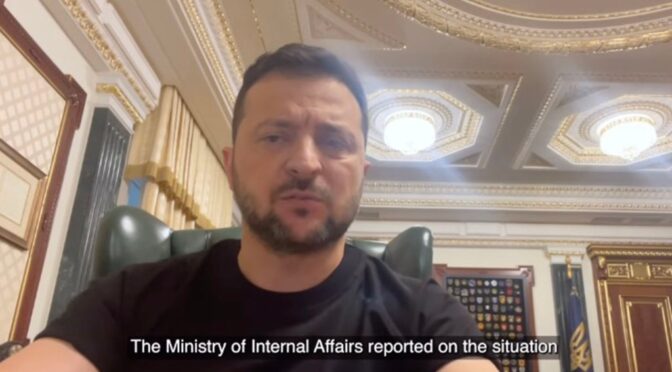
Reports of the resignation of Andriy Yermak, Chief of Staff to Ukrainian President Volodymyr Zelensky, have sent ripples through Ukrainian politics and international relations. This article delves into the initial reports, potential reasons behind the alleged departure, and the far-reaching implications for Ukraine’s governance, war effort, and relationships with its allies. We’ll explore the immediate reactions, Yermak’s significant role, and what this could mean for the future.
From financial market fluctuations to diplomatic maneuvering, Yermak’s potential exit touches upon numerous critical aspects of Ukraine’s current situation. This analysis examines the potential successors, public perceptions, media coverage, and possible long-term effects of this significant development. We’ll navigate the complexities of this news, providing a comprehensive understanding of the situation.
Yermak’s Resignation
Initial reports regarding Andriy Yermak’s alleged resignation from his position as Head of the Office of the President of Ukraine sparked significant international interest and speculation. The reports, if confirmed, would represent a major shift in the Ukrainian government during a critical period of the ongoing war.
Initial Reports of Yermak’s Resignation
The first reports of Yermak’s alleged resignation surfaced on social media and in some online news outlets. These reports lacked immediate official confirmation and were primarily based on anonymous sources within the Ukrainian government. The timeline of the reports began with a few unverified posts and articles, which quickly gained traction, prompting further inquiries from established media organizations. These organizations then attempted to verify the information through their own sources.
However, as the reports emerged, no official statements were made by the Ukrainian government.
Immediate Reactions to the Reports
The reports of Yermak’s resignation triggered a range of reactions, both domestically and internationally.
- Ukrainian Government Officials: Initially, there was a noticeable silence from the Ukrainian government. No official statements were released to confirm or deny the reports. This silence fueled further speculation and uncertainty. Later, some government officials, speaking anonymously to international media, dismissed the reports as “rumors” or “disinformation,” but did not provide concrete evidence to refute the claims.
- International Figures: International reactions varied. Some Western officials expressed concern and monitored the situation closely, recognizing the potential impact on Ukraine’s stability and its relationships with allies. Others, while acknowledging the reports, adopted a wait-and-see approach, pending official confirmation. The US State Department, for instance, stated that it was aware of the reports and was seeking clarification from Ukrainian officials.
Impact on Financial Markets and International Relations
The unconfirmed reports had the potential to influence both financial markets and international relations, given Yermak’s significant role in Ukrainian governance.
- Financial Markets: The initial impact on financial markets was relatively contained. However, depending on how the situation evolved, there was a risk of negative repercussions. Any significant change in leadership could lead to increased market volatility. This would have been particularly true if the reports indicated a broader political crisis or a shift in Ukraine’s policy direction.
- International Relations: The alleged resignation of Yermak could also affect Ukraine’s international relationships. Yermak played a central role in Ukraine’s diplomatic efforts, especially in negotiations with international partners and allies. His departure could have led to a period of uncertainty, potentially slowing down diplomatic initiatives.
“The stability of the Ukrainian government is crucial for maintaining international support.”
Yermak’s Role and Responsibilities
Andriy Yermak, as the Head of the Office of the President of Ukraine, held a position of significant influence within Volodymyr Zelenskyy’s administration. His role encompassed a wide range of responsibilities, effectively making him one of the most powerful figures in the Ukrainian government. This overview details his key responsibilities and influence.
Key Responsibilities and Influence
Yermak’s primary function was to manage and coordinate the activities of the Presidential Office. He acted as a key advisor to President Zelenskyy, shaping policy and strategy. He oversaw the implementation of presidential decrees and ensured the effective functioning of the government.
Decision-Making Areas
Yermak played a crucial role in several key areas of decision-making. He was heavily involved in foreign policy, particularly concerning relations with Western allies and negotiations with Russia. He also influenced domestic policy, including reforms and legislative initiatives. His influence extended to national security and defense matters, especially during the ongoing conflict.
Policy Initiatives
Yermak was involved in a number of key policy initiatives. These initiatives shaped Ukraine’s direction, particularly during the war.
- Foreign Policy Coordination: He was central to coordinating Ukraine’s relationships with international partners, including the United States, the European Union, and other allies. This involved high-level meetings, diplomatic efforts, and the securing of financial and military aid.
- Negotiations with Russia: Yermak led efforts to negotiate with Russia on various issues, including prisoner exchanges and potential peace talks. He often served as the primary point of contact for international mediators.
- Defense and Security Sector Reform: He played a role in advising on reforms within the Ukrainian defense and security sectors, aiming to improve their efficiency and effectiveness. This included oversight of military procurement and the development of defense strategies.
- Sanctions Implementation: Yermak was involved in coordinating the implementation of international sanctions against Russia, working with allies to ensure their effectiveness and to identify and address any loopholes.
- Economic Reforms and Recovery: He participated in discussions regarding economic reforms aimed at bolstering Ukraine’s economy and attracting foreign investment, particularly in the context of post-war recovery.
Possible Reasons for the Reported Resignation
The reported resignation of Andriy Yermak, the Head of the Office of the President of Ukraine, prompts speculation about the underlying motivations. While the exact reasons may remain undisclosed, several factors could have contributed to this potential decision. These include internal political dynamics, disagreements over policy, and personal considerations. Analyzing these potential drivers offers a more comprehensive understanding of the situation.
Political Pressures and Internal Dynamics
Political pressures and internal dynamics within the Ukrainian government could be significant factors. The ongoing war with Russia and the complex political landscape create a challenging environment.
- Maintaining Public Trust: High-profile officials, particularly those close to the President, can become targets of criticism, especially during wartime. Perceptions of corruption or inefficiency, whether substantiated or not, can erode public trust and put pressure on individuals to resign. For example, a scandal involving procurement or resource allocation could damage Yermak’s reputation and make his continued presence untenable.
- Internal Power Struggles: Competition for influence and control within the President’s office and the broader government is common. Other political figures or factions may have sought to undermine Yermak’s position. This could involve lobbying, media campaigns, or behind-the-scenes maneuvering to diminish his authority or force his departure.
- Changing Political Landscape: Shifts in the political environment, such as the potential for future elections or changes in international support, could influence decision-making. Yermak might have felt that his role was becoming less effective or that a change in leadership would be beneficial for the government’s overall strategy.
Policy Disagreements and Strategic Divergence
Policy disagreements and strategic divergences within the Ukrainian government could also contribute to the reported resignation. Different viewpoints on key issues can lead to friction and ultimately, departures.
- Differing Views on Negotiations: The ongoing war necessitates strategic decisions regarding negotiations with Russia and other international partners. Yermak, who has played a central role in these negotiations, may have held different views than President Zelensky or other key advisors regarding the terms of a potential peace deal or the optimal strategy for achieving it. For instance, he might have favored a more aggressive stance or a more conciliatory approach.
- Disagreements on Internal Reforms: The implementation of reforms, particularly those related to anti-corruption efforts and institutional modernization, is crucial for Ukraine’s future. Disagreements on the pace, scope, or implementation of these reforms could have created tensions. Yermak may have faced opposition from vested interests or from those who believed the reforms were too ambitious or poorly planned.
- Strategic Priorities: Differing views on the allocation of resources, military strategy, or the country’s long-term geopolitical orientation could also contribute to disagreements. For example, Yermak might have prioritized certain international partnerships or military strategies that clashed with the President’s vision.
Personal Factors and Considerations
Personal factors and considerations can also play a role in high-level resignations. The demanding nature of the role, combined with personal circumstances, can influence decisions.
- Burnout and Stress: The Head of the Office of the President of Ukraine holds a highly demanding and stressful position. The constant pressure of managing a country at war, coupled with long hours and intense scrutiny, can lead to burnout. Yermak might have decided that he needed to prioritize his health and well-being.
- Family Considerations: High-profile positions can place significant strain on family life. The constant demands of the job, the need for security, and the public attention can make it difficult to maintain a healthy work-life balance. Yermak may have felt that he needed to spend more time with his family or address personal issues.
- Seeking New Opportunities: While less likely in the context of an ongoing war, Yermak might have been considering new opportunities. He might have been offered a position in the private sector or an international organization, or he might have decided to pursue a different career path.
Impact on Ukrainian Governance
The potential departure of Andriy Yermak, as head of the Office of the President of Ukraine, could significantly reshape the landscape of Ukrainian governance. Yermak has been a central figure in coordinating the government’s response to the ongoing war, and his exit would inevitably create ripples throughout various sectors. The impact would be felt across internal coordination, the war effort, and the vital flow of international aid.
Coordination of Governmental Departments
Yermak’s role has been pivotal in streamlining communication and decision-making across different governmental departments. His departure would likely lead to a period of adjustment, potentially impacting efficiency.
- Centralized Coordination: Yermak has acted as a central hub, ensuring that various ministries and agencies operate in sync. His absence could lead to a less coordinated approach, with departments operating more independently. This could manifest in delays in implementing policies or a lack of unified strategy.
- Communication Challenges: Effective communication between the Office of the President, the Cabinet of Ministers, and other key bodies is crucial, especially during wartime. The transition to a new head could disrupt established communication channels, leading to misunderstandings and inefficiencies. For instance, if there’s a delay in relaying crucial information regarding military operations from the General Staff to the President’s Office due to communication breakdowns, it could have serious repercussions.
- Policy Implementation: Yermak’s office has played a significant role in shaping and implementing key policies related to defense, economy, and international relations. A change in leadership could lead to a review or modification of existing policies, causing uncertainty and potentially slowing down progress. A change in leadership could also delay critical reforms.
Impact on the War Effort and International Aid
Yermak’s departure could have considerable implications for the ongoing war effort and the flow of international aid. His influence extends to both areas, making his exit a pivotal event.
- War Effort Implications: Yermak has been heavily involved in coordinating military strategy and negotiations with international partners. His exit could introduce uncertainty into these crucial areas. A potential shift in leadership could lead to a reassessment of existing military strategies or delays in critical decision-making processes.
- International Aid and Diplomacy: Yermak has been instrumental in securing international aid and maintaining diplomatic relations with Ukraine’s allies. His departure could impact these relationships. Potential delays in aid disbursement or shifts in diplomatic strategies are possible outcomes. For example, if key allies perceive a lack of stability in the President’s Office, they might hesitate in committing to long-term financial assistance packages.
- Investor Confidence: The perception of stability within the Ukrainian government is crucial for maintaining investor confidence. Yermak’s exit could be interpreted as a sign of instability, potentially discouraging foreign investment. A decrease in foreign investment could hinder economic recovery efforts and make it harder for Ukraine to fund its war efforts.
International Implications
Source: nyt.com
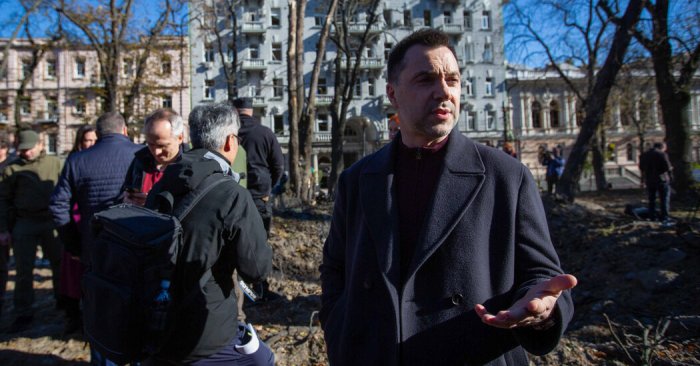
The potential resignation of Andriy Yermak, head of the Ukrainian President’s Office, carries significant international implications. His role as a key negotiator and strategist in Ukraine’s dealings with its allies and partners makes any change in his position a matter of concern for the global community. The impact extends to diplomatic efforts, military aid, and the overall perception of stability within the Ukrainian government.
Impact on Relations with Key Allies
Yermak’s departure could potentially affect Ukraine’s relationships with its primary allies. His close ties with leaders and officials in countries like the United States, the United Kingdom, and the European Union have been instrumental in securing support for Ukraine during the war. A change in personnel at such a high level can lead to uncertainty and potentially slow down or alter the flow of aid and diplomatic support.
- United States: The US has been a crucial provider of military and financial assistance to Ukraine. Yermak’s relationships with key figures in the US government have been vital in coordinating this support. His departure could necessitate a period of adjustment as new channels of communication and influence are established.
- European Union: The EU has provided significant financial and humanitarian aid to Ukraine. Yermak has been involved in negotiations related to Ukraine’s EU membership aspirations. A change in his position could impact the pace and direction of these discussions.
- United Kingdom: The UK has been a strong supporter of Ukraine, providing military assistance and diplomatic backing. Yermak has played a role in coordinating this support. His resignation could potentially lead to a reassessment of the UK’s strategy or a temporary pause in ongoing projects.
Potential Impact on Diplomatic Efforts
Yermak has been at the forefront of diplomatic efforts aimed at resolving the conflict with Russia. His involvement in peace negotiations, prisoner exchanges, and international forums has been critical. A change in leadership could disrupt these efforts.
“Any shift in the leadership of the President’s Office has the potential to introduce a period of uncertainty and re-evaluation in international diplomatic circles.”
- Peace Negotiations: Yermak’s involvement in any potential peace talks with Russia is a key aspect of any ongoing or future negotiations. His departure could lead to delays or a shift in strategy.
- International Forums: Yermak has represented Ukraine in various international forums. His absence could weaken Ukraine’s voice and influence in these discussions, especially regarding the war and its future.
- Coordination with Allies: Yermak has been instrumental in coordinating diplomatic efforts with Ukraine’s allies. His replacement may need time to build the same level of trust and familiarity.
Reactions from Different International Actors
The reactions from different international actors will likely vary based on their existing relationships with Ukraine and their strategic interests. The following table provides a comparison of potential reactions.
| International Actor | Potential Reaction | Reasons for Reaction | Possible Actions |
|---|---|---|---|
| United States | Concern and a potential period of reassessment. | Close strategic partnership with Ukraine; significant financial and military aid; strong interest in the outcome of the war. | Engage with the new leadership; reiterate support for Ukraine; potentially re-evaluate aid strategies. |
| European Union | Cautious observation and potential adjustments to policy. | Significant financial and humanitarian aid; commitment to Ukraine’s EU membership aspirations; concerns about stability. | Seek clarity from Ukrainian authorities; potentially adjust the pace of EU accession discussions; offer continued support. |
| Russia | Potential opportunity to exploit the situation. | Active aggressor in the war; seeks to destabilize the Ukrainian government; aims to weaken international support for Ukraine. | Attempt to sow discord among Ukraine’s allies; intensify information warfare; potentially escalate military actions. |
| United Kingdom | Continued support with potential adjustments to strategy. | Strong military and diplomatic support for Ukraine; close alliance with the US and EU; concerns about the war’s outcome. | Reiterate commitment to Ukraine; maintain military and financial assistance; potentially adjust strategic priorities based on the new leadership. |
Potential Successors and Their Profiles
Source: baykartech.com
The potential replacement for Andriy Yermak is a crucial consideration, given the significant role he has played in Ukrainian governance. The choice of a new head of the Presidential Office will likely shape the direction of the country’s policies, its relationship with international partners, and its ability to effectively manage the ongoing war with Russia. Several individuals could be considered for this prominent position, each bringing a different set of skills, experiences, and political perspectives to the table.
Potential Candidates for the Position
Identifying specific individuals as definitive candidates is challenging without official confirmation of Yermak’s resignation. However, based on their current roles, public profiles, and political connections, several figures could be considered potential successors. It is important to remember that these are speculations, and the actual choice will depend on various factors, including President Zelensky’s preferences and the evolving political landscape.
- Rustem Umerov: Currently serving as the Minister of Defence of Ukraine, Umerov has experience in both public service and the private sector. He has a background in finance and investment, having previously worked in the telecommunications industry. He also served as the head of the State Property Fund of Ukraine. His political affiliations are primarily with the Crimean Tatar community.
Policy Approach: Umerov’s focus might be on strengthening Ukraine’s defense capabilities and managing the war effort. His experience in the Ministry of Defence would likely see him prioritizing military aid and logistical support.
- Kyrylo Tymoshenko: Tymoshenko served as Deputy Head of the Office of the President under Yermak. He is known for his work in regional policy and infrastructure projects. His political affiliations are aligned with the Servant of the People party.
Policy Approach: If appointed, Tymoshenko might continue to focus on regional development and infrastructure projects, while ensuring the implementation of the President’s policies across different sectors.
- Mykhailo Podolyak: An advisor to the Head of the Office of the President, Podolyak is a prominent figure in Ukrainian media and communications. He is often seen representing the government in public statements and press conferences.
Policy Approach: Podolyak could emphasize public communication and information management. His focus might be on maintaining a unified narrative, countering Russian propaganda, and coordinating the government’s messaging strategy.
- Oleksiy Danilov: As the former Secretary of the National Security and Defense Council of Ukraine, Danilov has experience in national security and foreign policy.
Policy Approach: Danilov would likely focus on national security issues, coordinating the efforts of various security agencies, and strengthening Ukraine’s relationship with its international partners in the realm of defense and security.
Public Perception and Reactions
The reports of Andriy Yermak’s potential resignation sparked a flurry of reactions, both within Ukraine and internationally. The news was met with a mix of opinions, ranging from concern and uncertainty to cautious optimism and, in some quarters, outright celebration. The public’s response reflected the significant role Yermak played in Ukrainian politics, particularly during the ongoing war with Russia. The perception of his departure varied depending on individual political leanings, trust in the government, and access to information.
Reactions from Ukrainian Citizens
Ukrainian citizens reacted diversely to the reports. Public sentiment, often volatile due to the war’s impact, was largely shaped by individual experiences and perspectives.
- Supportive Reactions: Some Ukrainians expressed support for Yermak, viewing him as a crucial figure in maintaining international alliances and coordinating wartime efforts. These individuals often highlighted his role in negotiating prisoner exchanges and securing military aid.
- Critical Reactions: Other Ukrainians were critical, citing concerns about Yermak’s perceived influence and potential for overreach. Some expressed dissatisfaction with the pace of reforms or questioned the transparency of decision-making processes during the war.
- Neutral or Uncertain Reactions: Many Ukrainians remained uncertain, choosing to wait for confirmation or further developments before forming a definitive opinion. This group likely included individuals who were less engaged with political news or who were hesitant to express an opinion given the sensitive nature of the situation.
International Community’s Response
The international community also reacted with interest to the reports. Foreign governments and organizations closely monitor developments in Ukraine, especially those involving key figures in the government.
- Western Governments: Western governments, key allies of Ukraine, likely approached the news with caution. They would have been keen to understand the implications for Ukraine’s war effort and its relationship with the West. Diplomatic channels would have been activated to assess the situation and gather information.
- International Organizations: Organizations such as the United Nations and the European Union would have been closely monitoring the situation. Their concern would have centered on the potential impact on Ukraine’s stability and its ability to continue receiving international support.
- Media Outlets: International media outlets extensively covered the reports, providing a platform for various perspectives and analyzing the potential consequences of Yermak’s departure. This coverage helped shape global public opinion.
Examples of Public Commentary
Public commentary provided insights into the range of views on Yermak’s potential resignation.
- Social Media: Social media platforms became a battleground for opinions, with users sharing their thoughts, analyses, and speculations. Hashtags related to the event trended, reflecting the high level of public interest.
- News Articles and Commentaries: News articles and opinion pieces explored the potential ramifications of the resignation, with commentators offering varying perspectives on Yermak’s legacy and the future of Ukrainian politics.
- Political Analysts and Experts: Political analysts and experts provided their assessments, often based on their understanding of Ukrainian politics and international relations. Their analyses helped inform the public’s understanding of the situation.
Contrasting Opinions
The following blockquotes illustrate contrasting viewpoints:
“Yermak has been a pillar of strength, securing vital international support and navigating the complexities of the war. His departure would be a significant loss for Ukraine.” –
Pro-Government Supporter, via social media.*
“Yermak’s influence has become excessive. His resignation could signal a necessary step towards greater transparency and accountability within the government.” –
Opposition Politician, quoted in a news article.*
“I’m worried about what this means for our relations with the West. Will the new person be as effective in getting us the help we need?” –
Concerned Ukrainian Citizen, interviewed on television.*
“This is just a power struggle. The war is still going on, and these internal fights don’t help anyone.” –
Skeptical observer, posting on a forum.*
Historical Context: Previous Staff Changes
The potential departure of Andriy Yermak isn’t the first time Zelensky’s administration has seen significant personnel shifts. These changes reflect the dynamic nature of leadership during wartime and the constant need to adapt to evolving challenges. Understanding these past transitions provides crucial context for analyzing the current situation and its possible consequences.These changes, driven by a mix of political maneuvering, strategic adjustments, and sometimes, unfortunate circumstances, have consistently reshaped the Ukrainian government’s approach to domestic and international affairs.
Key Staff Departures and Their Context
Several high-profile figures have left Zelensky’s team since he assumed office. These changes offer insights into the internal dynamics of the government and its evolving priorities.
- Oleksandr Danyliuk:
Served as Secretary of the National Security and Defense Council (NSDC) from May to September 2019. Danyliuk was a key figure in national security strategy. His departure, reportedly due to disagreements over policy implementation and the pace of reforms, highlighted early tensions within the administration regarding the balance between rapid change and stability.
- Ivan Bakanov:
Initially the head of the Security Service of Ukraine (SBU), Bakanov was dismissed in July 2022. This occurred amidst a wave of dismissals targeting officials accused of collaboration with Russia and failures in national security. The dismissal of Bakanov and several regional SBU heads illustrated Zelensky’s commitment to rooting out internal threats, particularly in the face of ongoing war.
- Kyrylo Tymoshenko:
Deputy Head of the Office of the President, Tymoshenko resigned in January 2023. His responsibilities included regional policy and infrastructure projects. Tymoshenko’s departure followed corruption allegations related to the use of humanitarian aid and vehicles, signaling Zelensky’s resolve to address corruption and maintain public trust, even amongst key allies.
- Oleksiy Reznikov:
Minister of Defence, Reznikov was replaced in September 2023. This was part of a larger reshuffle aimed at improving the efficiency of the defence establishment and restoring public confidence in the face of corruption scandals. Reznikov’s departure, though also potentially linked to procurement issues, was seen as a strategic move to bring in new leadership.
Media Coverage and Disinformation
Source: nypost.com
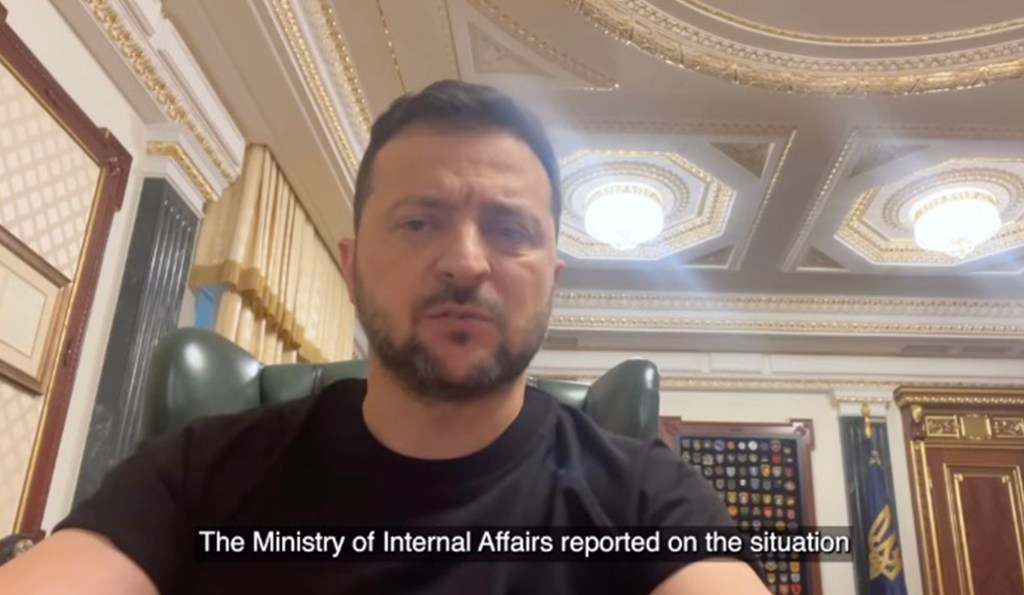
Reports of Andriy Yermak’s potential resignation, or any significant shift in a high-profile political position, are inevitably met with intense media scrutiny. The coverage varies widely, reflecting the diverse perspectives and agendas of different news organizations. Understanding this landscape is crucial to discerning the accuracy and potential biases within the reporting.
Coverage by Different Media Outlets
The way news outlets reported the Yermak resignation story provides insight into their editorial stances and target audiences.
- Ukrainian Media: Ukrainian media outlets, particularly those with close ties to the government, might present a more nuanced view. They could emphasize Yermak’s contributions and the potential stability of the government. Those with oppositional leanings could highlight perceived failures or internal conflicts.
- Western Media: Western media coverage could vary. Some outlets may focus on the war with Russia, assessing the impact of Yermak’s departure on Ukraine’s international relations and aid. Others might delve into internal politics, highlighting potential power struggles or corruption concerns.
- Russian Media: Russian state-controlled media is likely to portray the resignation as evidence of instability within the Ukrainian government, potentially linking it to Western influence or internal disagreements about the war.
- Independent Media: Independent media outlets, often operating with fewer resources but potentially greater journalistic freedom, might offer a more critical perspective, focusing on investigative reporting and holding the government accountable.
Potential Disinformation and Misinformation
The sensitive nature of the war and the high stakes involved create fertile ground for disinformation.
- Russian Propaganda: Russian sources could spread disinformation to destabilize the Ukrainian government. This could involve fabricated stories about Yermak’s actions, motivations, or relationships with Western officials.
- Social Media: Social media platforms are prone to the rapid spread of unverified information. False reports could quickly circulate, potentially causing public confusion or eroding trust in official sources.
- Deepfakes: Sophisticated technologies like deepfakes could be used to create videos or audio recordings that falsely depict Yermak making controversial statements, thus damaging his reputation or sowing discord.
Media Narratives and Biases
Different outlets framed the story in distinct ways, reflecting their editorial biases and preferred narratives.
- Pro-Government Outlets: These outlets would likely focus on the continuity of the government, emphasizing the smooth transition of power and highlighting the government’s commitment to the war effort. They may downplay any negative aspects of Yermak’s departure.
- Opposition-Leaning Outlets: These outlets might highlight any potential controversies surrounding Yermak, such as allegations of corruption or mismanagement. They could also focus on the potential for political infighting.
- International Media: International media may present a more balanced view, focusing on the broader geopolitical implications of the resignation, the impact on the war, and the international community’s response.
- Examples of Bias:
The
-New York Times* might focus on the international ramifications and Western support, while a Russian state-controlled media outlet would likely portray the event as a sign of weakness and internal conflict within the Ukrainian government.
Long-term Effects and Future Scenarios
The resignation of Andriy Yermak, a key figure in Ukrainian politics, has the potential to reshape the country’s trajectory, impacting both internal governance and its relationship with international partners. The long-term consequences are multifaceted, influencing everything from the war effort to the nation’s post-war recovery and its standing on the global stage. Understanding these potential shifts is crucial for anticipating future challenges and opportunities.
Impact on Ukrainian Politics and the War
Yermak’s departure creates a power vacuum, the extent of which depends on the successor’s capabilities and the existing political dynamics. The immediate effect could be a period of adjustment, potentially leading to delays in decision-making, particularly concerning military strategy and negotiations with international allies.
- Changes in War Strategy: A new chief of staff might prioritize different military approaches, potentially affecting the pace and direction of counteroffensives. For example, a successor might favor a more defensive posture, focusing on consolidating existing gains, or they could push for more aggressive actions, seeking to reclaim lost territories quickly. This shift could be influenced by the new leader’s personal military experience, political alliances, and strategic priorities.
- Negotiations with Russia: The individual in this role plays a significant part in any potential peace talks. A change could alter the negotiating positions and strategies. If the successor is perceived as more or less amenable to compromise, it could significantly impact the willingness of Russia to engage in meaningful discussions. A hard-liner might insist on stricter terms, while a more pragmatic individual might seek a quicker resolution.
- Internal Political Stability: The change in leadership could trigger shifts within the government, potentially leading to reshuffles in other key positions. This could create instability if the new chief of staff clashes with existing ministers or if factions within the government vie for influence. A stable and cohesive government is essential for maintaining public support and efficiently managing the war effort.
- Impact on International Aid: The level of trust and confidence that international partners have in the Ukrainian government is crucial for continued financial and military aid. A change in the leadership could either strengthen or weaken these relationships. If the new chief of staff is seen as reliable and effective, it might reassure allies. Conversely, a lack of experience or perceived corruption could jeopardize the flow of assistance.
Potential Future Scenarios
Several scenarios could unfold following Yermak’s departure, each with distinct implications for Ukraine’s future. These scenarios are based on a combination of factors, including the chosen successor, the ongoing war, and the international environment.
- Scenario 1: Consolidation and Continuity. In this scenario, a successor with a strong background in governance and a close relationship with President Zelenskyy takes over. The transition is smooth, with minimal disruption to existing policies. The new chief of staff maintains a consistent approach to the war, focusing on consolidating military gains and continuing diplomatic efforts. International support remains strong, and the Ukrainian government maintains its stability.
This is the most optimistic outcome, offering the best chance for continued progress.
- Scenario 2: Political Instability and Stalemate. This scenario involves a successor who struggles to gain the trust of key stakeholders. Political infighting increases, and decision-making becomes slow and inefficient. The war effort suffers due to internal disagreements and a lack of clear direction. International aid becomes strained as allies grow wary of the government’s stability. This outcome could lead to a protracted stalemate in the war and weaken Ukraine’s long-term prospects.
- Scenario 3: Radical Shift and Escalation. A more assertive or inexperienced successor could take over, leading to significant changes in military strategy and diplomatic approaches. This could involve a more aggressive stance in the war, potentially escalating the conflict. Such actions might attract greater international support but also risk provoking a stronger Russian response. This scenario presents a high-risk, high-reward situation.
Detailed Illustration: Visual Representation of Future Scenarios
To visually represent the potential future scenarios, consider a triptych image.* Panel 1: Consolidation and Continuity. This panel shows a vibrant, sunlit landscape. The Ukrainian flag is flying high above a modern city that is under construction. Military vehicles are present, but they are stationary, suggesting a focus on defense and stabilization. International leaders are seen in the background, smiling and shaking hands with Ukrainian officials, indicating strong support and cooperation.
The overall tone is optimistic and forward-looking.
Panel 2
Political Instability and Stalemate. This panel depicts a darkened, war-torn landscape. Buildings are damaged, and the sky is overcast. Military activity is intense, but the direction is unclear, and the advance is slow. Figures representing government officials are engaged in heated arguments, symbolizing internal divisions.
International aid is depicted as a trickle, with some key figures looking away, signaling a lack of confidence. The overall tone is one of uncertainty and struggle.
Panel 3
Radical Shift and Escalation. This panel portrays a dramatic, dynamic scene. Military vehicles are moving rapidly across a landscape, representing an aggressive military campaign. Explosions are visible, and the sky is filled with smoke. International figures are shown with a mix of expressions, some supportive, some concerned, indicating both increased aid and potential risks.
The overall tone is one of high stakes and rapid change.The triptych format allows for a clear contrast between the potential outcomes, emphasizing the critical choices and their respective consequences that lie ahead.
Final Wrap-Up
In conclusion, the reports of Yermak’s resignation present a complex situation with significant ramifications for Ukraine. From the initial shockwaves felt in financial markets to the potential reshuffling of power dynamics, the impact of this event is far-reaching. The potential successors, the war’s progress, and international relations all stand to be affected. Ultimately, the long-term effects remain to be seen, but this development marks a pivotal moment in Ukraine’s ongoing struggle.
Answers to Common Questions
Who is Andriy Yermak?
Andriy Yermak is the Chief of Staff to Ukrainian President Volodymyr Zelensky, holding a position of immense influence within the Ukrainian government, managing key policy decisions and coordinating various governmental departments.
What are the immediate impacts of his potential resignation?
Initial impacts could include fluctuations in Ukrainian financial markets, potential shifts in international relations, and uncertainties regarding the continuation of current policy initiatives.
What are the potential reasons behind the alleged resignation?
Possible reasons could range from political pressures and policy disagreements to personal factors, with specific events or circumstances potentially contributing to the decision.
How could Yermak’s departure affect the war effort?
His departure could impact the coordination of governmental departments involved in the war effort, potentially affecting international aid and the overall strategic direction.
Who are the potential successors to Yermak?
Potential candidates could include individuals with various backgrounds and political affiliations, each potentially bringing different policy approaches to the role.