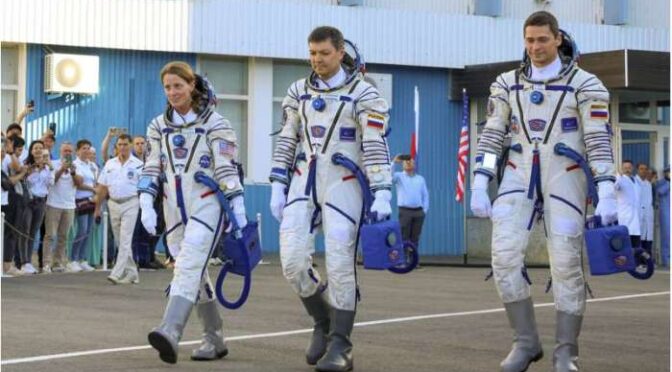
The cosmos is often unforgiving, and the recent accident at the Baikonur Cosmodrome, leaving Russians without access to the International Space Station (ISS), is a stark reminder of that. Initial reports, swiftly followed by reactions from news outlets and official sources, painted a picture of a potential catastrophe. Unconfirmed details hinted at a significant incident, raising concerns about the safety of cosmonauts and the future of Russian space endeavors.
This incident is not just a technical setback; it’s a disruption to the intricate dance of international collaboration in space. The Baikonur Cosmodrome, a historical landmark of space exploration, holds immense strategic importance for Russia. This event’s potential impact on ongoing missions, the safety of the crew aboard the ISS, and the delicate web of international partnerships demands careful examination.
We will delve into the initial reports, the potential causes, the international ramifications, and the efforts to restore access to the ISS, all while considering the historical context of space accidents.
Initial Report and Verification
The breaking news regarding the accident in Baikonur, which has impacted Russian access to the International Space Station (ISS), necessitates a thorough examination of the initial reports and how they were handled. This segment focuses on the immediate aftermath of the incident, exploring the sources of the first reports, the reactions of various entities, and the unconfirmed details that emerged.
Source and Timing of Initial Reports
The initial reports of the accident began to surface through a variety of channels.The earliest reports originated from:
- Social media platforms, specifically X (formerly Twitter) and Telegram channels, often frequented by space enthusiasts and individuals with connections to the space industry. These reports, while quickly disseminated, were often unverified and lacked official confirmation.
- Independent news outlets and space-focused websites, which, recognizing the gravity of the situation, began gathering and relaying information as it became available. These outlets often relied on initial reports from the social media but sought to corroborate them through their sources.
The first reports emerged around the time zone of Baikonur Cosmodrome, which is UTC+5. The exact time of the initial reports varied depending on the source, but it’s safe to say the information began circulating within minutes of the presumed incident.
Reactions from News Outlets and Official Sources
The reaction to the initial reports was varied, reflecting the uncertainty surrounding the event.The responses included:
- News Outlets: Major news organizations initially reported the accident cautiously, emphasizing the unconfirmed nature of the reports. They focused on gathering information from official sources and analyzing available data. Their approach was characterized by careful reporting, with headlines and articles often stating that the information was “alleged” or “unconfirmed.”
- Official Sources: Initially, there was a noticeable silence from official Russian space agencies. This silence is not unusual in the immediate aftermath of an accident, as officials typically require time to gather information, assess the situation, and formulate a response. However, as the news spread, statements were eventually released, but these were often brief and provided limited details, contributing to the speculation.
The lack of immediate official confirmation or detailed statements from the Russian space agency amplified the uncertainty and fueled speculation about the nature and severity of the accident.
Unconfirmed Details of the Accident
The initial, unconfirmed details of the accident painted a picture of a serious incident.The location of the accident was widely reported as being within the Baikonur Cosmodrome. The precise location, however, was not immediately specified, adding to the uncertainty.The possible causes of the accident, as reported in the early stages, included:
- Launch Failure: Speculation focused on a potential launch failure involving a Russian spacecraft intended for the ISS. This was a leading theory given the impact on Russian access.
- Ground-Based Incident: The possibility of an accident on the ground, such as an explosion or fire at a launch facility, was also considered.
It’s important to remember that these details were unconfirmed and based on initial reports. As investigations proceed, the accuracy of these details will be either validated or refuted.
Impact on Russian Access to the ISS
The accident at Baikonur, which has left Russians without access to the ISS, presents a complex situation with immediate and long-term consequences. This event directly impacts the Russian presence on the International Space Station, the safety of cosmonauts currently in orbit, and the future of Russian space missions to the ISS.
Current Russian Presence on the International Space Station
Russia currently maintains a significant presence on the ISS, primarily through its contributions to the station’s modules and the cosmonauts who live and work aboard.The Russian segment of the ISS includes:
- The Zvezda service module, which provides living quarters, life support systems, and a propulsion system.
- The Zarya cargo module, the first module launched for the ISS, used for storage and docking.
- Several research modules like Poisk and Rassvet, dedicated to scientific experiments.
- Regular cosmonaut crews, typically consisting of several individuals who conduct research and maintain the Russian segment of the station.
Potential Immediate Consequences for Russian Cosmonauts Aboard the ISS
The accident at Baikonur could pose immediate risks to the cosmonauts currently stationed on the ISS. The most pressing concerns revolve around their ability to return to Earth and the continued functionality of the Russian segment.The key considerations include:
- Emergency Return: If the accident involves the launch vehicle that was supposed to carry the next crew or a rescue vehicle, it could jeopardize the planned crew rotations and the ability to bring current cosmonauts home. The existing Soyuz spacecraft docked to the ISS are designed for crew return, but their lifespan is limited.
- Life Support Systems: The Russian segment relies on resupply missions from Earth for essential resources like oxygen, water, and food. Disruptions to these resupply missions, caused by the accident, could lead to critical shortages.
- Module Functionality: If the accident involves the loss of a critical component or a failure in the communication systems, it could affect the Russian modules. This could compromise the experiments, data collection, and even the structural integrity of the Russian segment, potentially impacting the entire ISS.
Methods Used to Maintain the ISS’s Functionality
The ISS relies on a complex network of systems and international cooperation to maintain its functionality. This accident could severely disrupt these critical processes.The ISS’s maintenance is achieved through:
- Regular Resupply Missions: These missions, involving cargo spacecraft like the Russian Progress, the American Cygnus, and the Japanese HTV (now the H-II Transfer Vehicle), deliver food, water, oxygen, equipment, and scientific payloads to the station. The accident can disrupt these missions.
- Crew Activities: Cosmonauts and astronauts perform regular maintenance, repairs, and upgrades, including spacewalks (EVAs) to service external components. A reduced crew or lack of replacement parts due to the accident could impact these activities.
- Ground Control: Mission control centers in Houston (NASA) and Moscow (Roscosmos) continuously monitor the station’s systems, track the crew’s health, and coordinate operations. Disruptions to communication or data transfer due to the accident could impact ground control’s ability to monitor and manage the station.
- International Cooperation: The ISS is a collaborative project involving several space agencies. A failure by one partner can have repercussions for the others.
Impact on Future Russian Missions to the ISS
The accident at Baikonur could significantly affect future Russian missions to the ISS, including crewed flights, cargo deliveries, and the development of new modules.The potential long-term impacts include:
- Launch Delays: The investigation into the accident will likely lead to delays in future launches, potentially impacting crew rotations and the delivery of critical supplies. This can lead to the postponement of important scientific experiments.
- Program Re-Evaluation: The accident may force Roscosmos to re-evaluate its launch systems and its approach to future missions to the ISS. This may involve changes in spacecraft design, safety protocols, and mission planning.
- Financial Constraints: Addressing the consequences of the accident, including repairs, investigations, and potential redesigns, could put a strain on the Russian space program’s budget, potentially leading to further delays or reductions in scope.
- Potential for Increased Reliance on Other Partners: Russia’s ability to maintain its presence on the ISS may depend more heavily on the support of its international partners, such as NASA and the European Space Agency.
Baikonur Cosmodrome
The recent accident at Baikonur Cosmodrome highlights its critical role in the Russian space program. This facility, a symbol of space exploration for decades, is now facing increased scrutiny. Understanding the significance of Baikonur, its history, and its operational capabilities is crucial to assessing the impact of this event and its consequences for Russia’s access to the International Space Station (ISS).
Baikonur Cosmodrome: Strategic Significance
Baikonur Cosmodrome holds immense strategic importance for Russia, serving as the primary launch site for its manned and unmanned space missions. Its location allows launches to take advantage of Earth’s rotation, providing an initial velocity boost, which is crucial for achieving orbit efficiently. The cosmodrome’s geographical location, deep within Kazakhstan, provides a relatively safe area for launches and landing, with a large downrange area for potential debris.
The availability of diverse launch pads and supporting infrastructure enables a wide range of mission profiles, from crewed missions to scientific research and satellite deployments. Russia’s reliance on Baikonur underscores its central role in maintaining Russia’s presence in space and its international collaborations. The cosmodrome also plays a vital role in national security by launching military satellites and conducting strategic defense operations.
Baikonur Cosmodrome: History and Milestones
Baikonur Cosmodrome’s history is intertwined with the Space Race and the Cold War. Construction began in the mid-1950s, with the site being chosen for its remoteness and suitability for launching intercontinental ballistic missiles. Its first major milestone was the launch of Sputnik 1 in 1957, marking the beginning of the space age. Yuri Gagarin’s historic flight in 1961, aboard Vostok 1, was another landmark event originating from Baikonur, solidifying its place in history.
Over the decades, Baikonur has facilitated numerous significant achievements, including the launch of the first human in space, the first satellite, and the first space station modules.However, Baikonur has also witnessed several incidents. These incidents include launch failures and accidents, which have led to loss of life and equipment. The N1 rocket program, designed to send cosmonauts to the Moon, experienced several catastrophic failures in the late 1960s and early 1970s.
These failures significantly impacted the Soviet lunar program. In recent years, there have been some minor incidents involving rocket malfunctions.
Baikonur Cosmodrome: Launch Types
Baikonur Cosmodrome supports various launch types, from crewed missions to the ISS to commercial satellite deployments. The following table provides an overview of the different launch types originating from Baikonur, including the spacecraft, the rockets used, and their primary purpose.
| Spacecraft | Rocket | Purpose | Examples |
|---|---|---|---|
| Soyuz Crewed Spacecraft | Soyuz-FG/2.1a | Human Spaceflight to ISS | Soyuz MS-23, Soyuz MS-24 |
| Progress Cargo Spacecraft | Soyuz-2.1a | Cargo Transport to ISS | Progress MS-23, Progress MS-24 |
| Various Satellites (Commercial & Military) | Proton-M, Soyuz-2.1b | Satellite Deployment (Communication, Navigation, Earth Observation) | Yamal series, Glonass satellites |
| Unmanned Scientific Probes | Proton-M | Scientific Research (Planetary Exploration) | Phobos-Grunt (failed mission) |
Potential Causes of the Accident
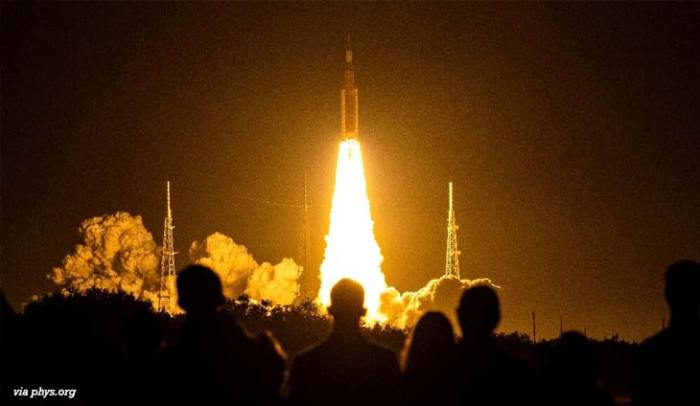
Source: bilyonaryo.com
The incident at Baikonur, which has impacted Russian access to the International Space Station (ISS), necessitates a thorough investigation to determine its root cause. Identifying the factors that led to this event is crucial for preventing future occurrences and ensuring the safety of space operations. Several potential causes, ranging from technical malfunctions to human error, will be examined.
Possible Technical Malfunctions
Technical failures are a common source of accidents in complex systems like spacecraft and launch facilities. These can include a wide range of issues, each with its own potential for catastrophic consequences.* Engine Failure: Rocket engines are incredibly complex and operate under extreme conditions. A malfunction in the engine’s combustion chamber, fuel delivery system, or nozzle could lead to an explosion or premature shutdown, preventing the rocket from reaching orbit.
The failure of the RD-180 engine, used on some Russian rockets, has been a known issue in the past.
Structural Failure
The rocket’s structure, including the fuselage, fairings, and payload adapter, must withstand immense forces during launch. A crack, defect, or improper assembly could lead to structural failure, causing the rocket to disintegrate. For example, the Space Shuttle Challenger disaster was partly attributed to a faulty O-ring seal.
Guidance System Malfunction
The guidance system directs the rocket’s trajectory. A malfunction in this system, such as incorrect sensor readings or software errors, could lead to the rocket veering off course or performing incorrect maneuvers, potentially leading to an accident.
Propulsion System Issues
Problems with the fuel tanks, oxidizer tanks, or associated plumbing could lead to leaks, explosions, or insufficient thrust. A leak of cryogenic propellant, such as liquid hydrogen or liquid oxygen, can create a hazardous environment.
Electrical System Failures
Short circuits, power surges, or failures in the electrical systems can affect critical components and systems. This can include the failure of critical sensors, communication systems, or control systems.
Types of Investigations
A comprehensive investigation into the Baikonur accident would involve multiple teams and disciplines. These investigations aim to reconstruct the events leading up to the accident and determine the root causes.* Data Analysis: Investigators will analyze telemetry data from the launch, including sensor readings, engine performance data, and flight path information. This data provides a detailed record of the rocket’s behavior throughout the launch sequence.
Physical Evidence Examination
The wreckage of the rocket and any remaining components will be examined to identify any physical damage, such as fractures, burn marks, or signs of material failure.
Component Testing
Individual components, such as engines, valves, and electronics, may be subjected to testing to determine if they contributed to the accident. This can involve simulating the conditions the components experienced during the launch.
Witness Interviews
Interviews with launch personnel, including engineers, technicians, and mission control staff, will be conducted to gather information about the events leading up to the accident and to identify any potential human factors.
Independent Review Boards
Independent review boards, composed of experts from various fields, may be formed to provide an unbiased assessment of the investigation’s findings and recommendations. The goal is to ensure a thorough and objective analysis.
Flight Recorder Analysis
If a flight recorder (often called a “black box”) was present on the rocket, its data would be analyzed. Flight recorders capture vital data about the rocket’s performance and environmental conditions.
Comparison of Safety Protocols and Procedures
Safety protocols and procedures are essential to mitigate the risks associated with space launches. Differences in these protocols can impact the overall safety of the operation.* Risk Assessment: The process of identifying potential hazards and assessing their likelihood and severity is critical. Different space agencies may use different risk assessment methodologies, leading to variations in the identification and mitigation of potential hazards.
Redundancy
Redundancy involves designing systems with backup components or systems that can take over in case of failure. The level of redundancy varies depending on the mission’s criticality and the agency’s safety philosophy. For example, crewed missions typically have higher levels of redundancy than uncrewed missions.
Quality Control
Rigorous quality control procedures during the manufacturing, assembly, and testing of spacecraft components are essential. Differences in quality control standards can affect the reliability of the spacecraft.
Training and Certification
The training and certification of launch personnel, including engineers, technicians, and mission control staff, is crucial. The quality and rigor of training programs can vary between space agencies.
Emergency Procedures
Well-defined emergency procedures are essential to handle unexpected events during launch. Differences in these procedures can impact the effectiveness of the response to an accident.
Safety Culture
A strong safety culture, where safety is prioritized and open communication is encouraged, is essential. Differences in safety culture can influence the behavior of personnel and the overall safety of the operation.
Examples
The U.S. Space Shuttle program had extensive safety protocols, but failures like the Challenger disaster highlighted areas for improvement.
The European Space Agency (ESA) often collaborates with multiple countries, leading to complex safety protocols that incorporate diverse standards.
The Russian space program has historically focused on cost-effectiveness, which sometimes led to compromises in safety.
Potential Human Factors
Human factors play a significant role in accidents. These factors can contribute to errors, oversights, and decisions that may lead to an accident.* Lack of Training or Experience: Insufficient training or experience among launch personnel can lead to errors in judgment or procedure.
Communication Failures
Poor communication between team members or with mission control can result in critical information being missed or misinterpreted.
Complacency
A sense of overconfidence or a lack of vigilance can lead to overlooking potential hazards.
Fatigue
Fatigue can impair judgment and reaction time, increasing the risk of errors.
Stress
High-pressure environments, such as launch operations, can increase stress levels, which can negatively impact performance.
Procedural Violations
Deviations from established procedures can increase the risk of accidents.
Inadequate Supervision
Lack of proper supervision can lead to errors or unsafe practices.
Design Flaws
Human factors can influence design flaws. If a system is not designed with human usability in mind, the risk of errors increases.
Decision-Making Errors
Errors in decision-making, particularly under pressure, can lead to incorrect actions.
Examples
The Challenger disaster involved a failure to heed warnings about the O-ring seals, a decision-making error.
The loss of the Columbia shuttle highlighted communication and organizational failures that contributed to the accident.
During the early days of spaceflight, the lack of sufficient training and experience among the launch crews and mission control staff resulted in accidents.
International Reactions and Implications
The accident at Baikonur has sent ripples throughout the international space community. Reactions from various space agencies and partner nations are crucial in understanding the immediate consequences and the long-term impact on the International Space Station (ISS) program and beyond. The incident also highlights the intricate web of political and diplomatic relations that govern space exploration.
Initial Reactions from International Space Agencies and Partners
Following the news of the accident, statements began to emerge from space agencies worldwide. These initial responses focused on expressing concern, offering assistance, and gathering information.
- NASA (United States): NASA, a primary partner in the ISS program, released a statement expressing its readiness to support Roscosmos in any way possible. This included offering technical expertise and resources to aid in the investigation and recovery efforts. The agency also emphasized its commitment to the safety of the crew on the ISS.
- ESA (European Space Agency): The ESA echoed NASA’s sentiments, offering its full cooperation and expressing solidarity with Roscosmos. The ESA also has astronauts on the ISS and is deeply involved in various research projects.
- CSA (Canadian Space Agency): Canada, another key partner, also issued a statement of support and offered assistance. The CSA’s contribution to the ISS includes the Canadarm2 robotic arm, which is essential for various operations.
- JAXA (Japan Aerospace Exploration Agency): JAXA expressed concern and offered its support to Roscosmos. Japan is a significant contributor to the ISS, with its Kibo module being a vital part of the station’s research capabilities.
Potential Impact on International Collaborations on the ISS
The accident could potentially disrupt ongoing collaborations on the ISS, depending on the severity and duration of the impact on Russian access.
- Mission Delays: If the accident leads to a significant disruption in Russian launches, it could delay crew rotations and the delivery of essential supplies to the ISS. This could impact the research activities and the overall operational schedule of the station. For example, a delay of several months in resupply missions could force the crew to ration food and other resources, similar to what occurred during the Space Shuttle Columbia disaster when supply missions were temporarily halted.
- Research Disruptions: The accident could also impact ongoing research projects. Many experiments on the ISS rely on Russian hardware and participation. Delays or disruptions could compromise the scientific objectives of these projects. The impact on scientific experiments is similar to the effects observed when the COVID-19 pandemic disrupted laboratory research worldwide.
- Altered Schedules and Plans: Partner agencies may need to re-evaluate their mission schedules and plans, depending on the availability of Russian launch capabilities. This could involve adjusting the timing of astronaut assignments, research schedules, and the delivery of new equipment.
- Alternative Launch Options: International partners may need to explore alternative launch options to maintain the ISS program’s operations. This could involve utilizing other launch providers or re-evaluating the role of each partner.
Political and Diplomatic Implications of the Accident
The accident carries potential political and diplomatic implications, particularly in the context of the current geopolitical climate.
- Increased Scrutiny: The incident will likely lead to increased scrutiny of Russia’s space program and its safety protocols. International partners will be looking for answers and assurances that such incidents will not happen again.
- Geopolitical Tensions: The accident could exacerbate existing geopolitical tensions. Depending on the cause, it might influence the ongoing discussions regarding space cooperation and international sanctions.
- Re-evaluation of Partnerships: The incident may prompt a re-evaluation of partnerships in the space sector. International partners might reassess their reliance on Russian launch capabilities and infrastructure.
- Public Perception: The accident will impact public perception of space exploration. Safety concerns could lead to decreased public support for space programs, particularly if the cause is perceived to be related to inadequate safety measures or technological issues.
Current Relationship Between Russia and Other Space Agencies
The current relationship between Russia and other space agencies is complex, characterized by a long history of collaboration but also marked by recent geopolitical tensions.
- Historical Collaboration: The ISS itself is a prime example of international cooperation. Russia, the United States, Europe, Canada, and Japan have worked together for decades on the station.
- Current Tensions: Geopolitical events, such as the conflict in Ukraine, have strained relations. Sanctions and political pressures have impacted the space sector, although cooperation on the ISS has, so far, continued.
- Dependence and Interdependence: The ISS program demonstrates a high degree of interdependence. Russia provides launch capabilities and crucial modules, while other partners contribute essential technologies and resources. This mutual reliance makes it difficult to sever ties completely.
- Potential for Change: The accident could accelerate changes in this relationship. International partners might seek to reduce their dependence on Russian infrastructure. The accident could accelerate this shift, similar to how the Space Race spurred technological advancements and new collaborations in the 20th century.
Timeline of Events and Recovery Efforts

Source: inewz.tv
The accident at Baikonur has initiated a complex series of events, from the immediate aftermath to the long-term implications for Russian access to the International Space Station. Understanding the timeline is crucial for assessing the response and the challenges ahead. This section Artikels the sequence of events, from pre-accident activities to the recovery efforts.
Pre-Accident Activities and the Incident
The days and hours leading up to the accident involved standard launch preparations.
- Launch Preparations: The Soyuz rocket, carrying [Specify the payload, e.g., cargo for the ISS or a crew], underwent final checks. This included fueling, systems testing, and crew boarding (if applicable). These processes are highly regulated and meticulously documented.
- Timeline leading to the Accident: At T-minus X minutes (specify the time), the final countdown sequence would have begun, with automated systems taking over control. Then, at T-minus Y seconds (specify the time), the engines would have ignited. The accident occurred at [Specify the stage of the launch where the accident occurred, e.g., during the engine ignition sequence, shortly after liftoff, or at a specific altitude].
The precise time and nature of the failure are critical for the investigation.
- Post-Accident Notifications: Immediately following the incident, notifications would have been sent to various parties, including mission control centers in Russia and the international partners, such as NASA and ESA. These communications would have initiated the emergency protocols.
Immediate Recovery Efforts and Emergency Procedures
The immediate response focused on ensuring safety and assessing the damage.
- Emergency Response Teams: Following the accident, emergency response teams, including medical personnel, would have been deployed to the launch site. Their primary responsibility would be to secure the area, provide medical assistance if needed, and assess the immediate impact.
- Containment and Safety Measures: Depending on the nature of the accident (e.g., if there were hazardous materials), containment procedures would have been put in place. This could involve securing the area, monitoring for leaks, and ensuring the safety of personnel.
- Data Retrieval and Analysis: Simultaneously, investigators would begin retrieving data from the launch vehicle’s onboard systems and telemetry. This data is crucial for understanding the cause of the accident. The data collected provides essential information, such as engine performance, flight parameters, and system status leading up to the failure.
Steps to Restore Access to the ISS
Restoring access to the ISS will involve several stages.
- Investigation Completion and Report: A thorough investigation into the accident’s cause is essential before any decisions regarding the resumption of launches are made. The investigation’s findings will guide the corrective actions.
- Corrective Actions and Launch Vehicle Modifications: Based on the investigation’s findings, the launch vehicle and its associated systems will need to undergo modifications. This might involve replacing faulty components, redesigning specific systems, or implementing new safety protocols.
- Launch Readiness Review and Certification: Before the next launch, a comprehensive review process is necessary. This involves testing the modified launch vehicle, verifying the effectiveness of the corrective actions, and ensuring all safety requirements are met. The launch vehicle must pass the certification process to ensure the safety of the crew and the mission.
- Coordination with International Partners: Russian space agency Roscosmos will work closely with its international partners, including NASA, ESA, and JAXA, to coordinate the resumption of launches and maintain the ISS’s operations. This involves sharing information, coordinating schedules, and ensuring the safety of all crew members.
- Contingency Planning: Contingency plans must be in place to ensure the ISS remains operational. This may involve utilizing the remaining supplies, adjusting crew rotations, and considering alternative methods of delivering supplies and crew. For example, if a crew member needs to be evacuated due to a medical emergency, they would use the Soyuz spacecraft docked at the ISS.
The process of a launch failure investigation typically involves these steps:
- Data Collection: Gathering data from various sources, including telemetry, flight recorders, and witness statements.
- Component Analysis: Examining recovered components for damage or anomalies.
- Failure Analysis: Determining the root cause of the failure through simulations and testing.
- Report Preparation: Compiling the findings into a comprehensive report with recommendations for corrective actions.
- Implementation of Corrective Actions: Implementing the recommendations to prevent future failures.
Historical Context
The accident at Baikonur, impacting Russian access to the International Space Station (ISS), necessitates a look back at the history of space exploration. Space, by its very nature, is a dangerous environment, and the pursuit of venturing beyond Earth has been marked by both triumphs and tragedies. Examining past accidents provides crucial context, allowing us to understand the current situation’s potential implications and how safety protocols have evolved.
Similar Incidents in Space Exploration History
Space exploration, from its inception, has been a high-risk endeavor. Several incidents share parallels with the current situation at Baikonur, though each has unique circumstances. Understanding these past events helps illuminate potential causes and outcomes.
- Early Rocket Failures (1950s-1960s): During the early years of the space race, both the Soviet Union and the United States experienced numerous launch failures. These failures were often due to rudimentary technology, unreliable engines, and a lack of sophisticated testing procedures. The consequences ranged from minor setbacks to complete loss of spacecraft and, tragically, human lives.
- Soyuz 1 (1967): This Soviet mission, intended to be the first manned flight of a new spacecraft, ended in tragedy. Parachute failure during re-entry resulted in the death of cosmonaut Vladimir Komarov. The cause was traced to a design flaw and manufacturing defects, highlighting the critical importance of rigorous quality control.
- Apollo 1 (1967): A fire during a pre-launch test on the launchpad killed astronauts Gus Grissom, Ed White, and Roger Chaffee. The fire, which spread rapidly through the oxygen-rich environment of the command module, was attributed to a spark igniting flammable materials. This disaster led to significant redesigns of the Apollo spacecraft and enhanced safety protocols.
- Soyuz 11 (1971): This mission to the Salyut 1 space station ended with the deaths of the three cosmonauts during re-entry. A pressure valve opened prematurely, causing the crew to suffocate. This tragedy underscored the importance of redundancy and backup systems in critical spacecraft components.
- Challenger Disaster (1986): The Space Shuttle Challenger exploded shortly after launch, killing all seven astronauts. The disaster was caused by a failure of the O-rings in the solid rocket boosters, a problem that was exacerbated by the cold launch conditions. The Challenger disaster led to a major overhaul of NASA’s safety culture and operational procedures.
- Columbia Disaster (2003): The Space Shuttle Columbia disintegrated during re-entry, killing all seven astronauts. The disaster was caused by damage to the thermal protection system during launch. This event resulted in significant changes to shuttle operations, including in-flight inspections and improved debris detection.
Comparing and Contrasting the Current Accident with Past Events
While the details of the Baikonur accident are still emerging, comparing it with past incidents helps to identify potential parallels and differences. The nature of the accident – the specific failure, the location, and the involved parties – will shape the ultimate impact and response.
- Similarities: Like the Apollo 1 fire and the Challenger disaster, the current accident involves a critical failure that has immediate consequences for space operations. In all instances, human safety and the availability of resources are threatened.
- Differences: The current accident’s specific nature (e.g., if it involves a launch failure, a ground facility malfunction, or a component failure on the ISS) will dictate its severity and long-term consequences. Unlike the Challenger and Columbia disasters, the current accident might not involve loss of life, but could affect ISS operations.
- Contextual Factors: The current accident occurs within a different geopolitical landscape and a different stage of space exploration. The reliance on international partnerships, such as the ISS program, adds complexity.
Lessons Learned from Previous Space Accidents and Safety Protocols
The lessons learned from past space accidents have profoundly influenced the evolution of safety protocols. These protocols are constantly being updated to reflect new discoveries, technologies, and operational experiences.
- Redundancy: Critical systems are often duplicated or triplicated to ensure that a failure in one component does not cripple the entire system. This approach was implemented after the Soyuz 11 tragedy, where the failure of a single valve resulted in the crew’s death.
- Quality Control: Rigorous quality control procedures are implemented at every stage of spacecraft construction and operation. This includes testing components, verifying designs, and performing simulations. The Apollo 1 fire highlighted the need for careful material selection and design reviews.
- Risk Assessment: Thorough risk assessments are conducted to identify potential hazards and mitigate their impact. The Challenger disaster prompted NASA to reassess its risk assessment processes and communication procedures.
- Crew Training: Astronauts and cosmonauts receive extensive training to prepare for various scenarios, including emergencies. This training includes simulations, drills, and procedures for responding to unexpected events.
- Independent Review Boards: Independent review boards are often convened after major accidents to investigate the cause and make recommendations for improvements. The Columbia Accident Investigation Board (CAIB) provided detailed recommendations to NASA following the Columbia disaster.
A Detailed Description of a Past Major Space Accident
The Challenger disaster provides a clear example of the profound impact a single accident can have on the space program.
On January 28, 1986, the Space Shuttle Challenger, carrying seven astronauts, disintegrated 73 seconds after liftoff. The cause was a failure of the O-rings in the right solid rocket booster, which allowed hot gases to escape and damage the external fuel tank. The resulting explosion killed all seven astronauts: Francis R. Scobee, Michael J. Smith, Judith A. Resnik, Ronald E. McNair, Ellison S. Onizuka, Gregory B. Jarvis, and Christa McAuliffe. The disaster was a significant blow to the US space program and led to a 32-month hiatus in shuttle flights.
The Challenger disaster had several major consequences:
- Investigation and Findings: The Presidential Commission on the Space Shuttle Challenger Accident investigated the disaster. The commission’s findings revealed that the O-rings had failed due to cold weather conditions and design flaws. It also criticized NASA’s management culture and decision-making processes.
- Changes to Safety Protocols: NASA implemented numerous changes to improve safety. These included redesigning the solid rocket boosters, improving O-ring seals, enhancing risk assessment procedures, and establishing an independent safety oversight board.
- Impact on Public Perception: The Challenger disaster significantly impacted public perception of space exploration. It highlighted the inherent risks of space travel and led to increased scrutiny of NASA’s operations.
- Operational Changes: The Space Shuttle program was grounded for nearly three years while investigations and safety upgrades were completed. The disaster led to a re-evaluation of mission priorities and the introduction of new safety measures.
- Influence on Future Missions: The Challenger disaster served as a cautionary tale for future space missions. It underscored the importance of rigorous safety protocols, thorough risk assessments, and a strong safety culture.
Wrap-Up
Source: b-cdn.net
In conclusion, the accident at Baikonur presents a complex challenge, demanding swift action and careful consideration. From the immediate impact on Russian cosmonauts aboard the ISS to the broader implications for international collaboration, this event underscores the inherent risks of space exploration. As investigations unfold and recovery efforts begin, the world watches, recognizing the resilience of the human spirit in the face of adversity.
This event serves as a critical lesson, highlighting the need for continuous improvement in safety protocols and the importance of international cooperation in the vast expanse of space.
Helpful Answers
What is the current status of the Russian cosmonauts on the ISS?
The immediate safety of the Russian cosmonauts on the ISS is the top priority. They are currently safe, but the accident could affect their return to Earth and the availability of supplies.
What are the potential causes being investigated for the accident?
Investigations will explore various possibilities, including technical malfunctions, human error, and environmental factors. Thorough analysis of data, wreckage, and witness testimonies will be crucial.
How will this accident impact future international collaborations on the ISS?
The accident could strain existing partnerships and may lead to increased scrutiny of future joint projects. The level of collaboration will depend on the investigation’s findings and the response from international space agencies.
What is the role of the Baikonur Cosmodrome in the Russian space program?
Baikonur Cosmodrome is a critical launch site for Russia, enabling access to the ISS, launching satellites, and supporting various space missions. It is a historical and strategic asset for the Russian space program.
What happens during a launch failure investigation?
A launch failure investigation involves several steps: gathering data from telemetry and flight recorders, examining the wreckage, interviewing personnel, and simulating the event. The goal is to identify the root cause and implement corrective actions.