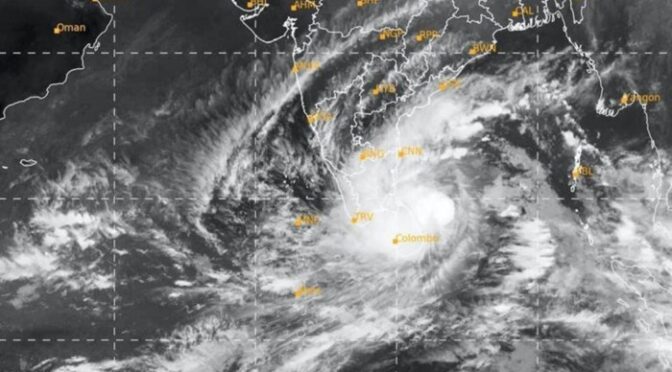
Sri Lanka grapples with a devastating crisis as landslides and floods force the closure of offices and schools, a grim reality underscored by the rising death toll, which has reached 56. The island nation is reeling from the impact of torrential rainfall, which has triggered widespread destruction and displacement. This unfolding disaster has brought daily life to a standstill in many areas, with communities facing severe challenges in the wake of the extreme weather events.
The hardest-hit regions are experiencing significant damage to infrastructure, including roads and bridges, further complicating rescue and relief efforts. The immediate aftermath has seen a scramble to provide aid to those affected, with authorities and international organizations working to address the urgent needs of displaced populations. The situation demands immediate attention to address the immediate impact of the disaster, but also to address the long-term recovery and rebuilding efforts required for Sri Lanka.
Overview of the Situation in Sri Lanka
Sri Lanka is currently grappling with a severe crisis, marked by devastating landslides and widespread flooding. This natural disaster has led to significant disruptions across the island nation, forcing authorities to close schools and government offices. The death toll continues to rise, underscoring the severity of the situation and the urgent need for humanitarian assistance.
Closure of Offices and Schools
The decision to close offices and schools reflects the government’s response to the immediate dangers posed by the landslides and floods. This measure aims to prioritize the safety of citizens and prevent further casualties.The closure has several key implications:
- Disruption of Daily Activities: The closure of schools and offices has significantly disrupted daily routines for families and individuals. Parents must arrange childcare, and businesses face operational challenges.
- Impact on Education: The closure of schools has halted educational activities, potentially impacting students’ learning progress. Alternative learning methods, such as online classes, might be considered to mitigate this impact.
- Operational Challenges: Government operations and essential services are also affected, which could slow down disaster relief efforts and the provision of aid.
Immediate Impact on Daily Life
The landslides and floods have profoundly impacted the lives of Sri Lankans, causing widespread damage and displacement. The immediate consequences are visible across various aspects of daily life.The impact can be seen in the following areas:
- Displacement and Loss of Homes: Many people have been displaced from their homes due to flooding and landslides, forcing them to seek shelter in temporary camps or with relatives. The loss of homes has left many families vulnerable and in need of immediate assistance.
- Damage to Infrastructure: Roads, bridges, and other critical infrastructure have been damaged, hindering access to affected areas and disrupting the delivery of essential supplies and services.
- Disruption of Essential Services: Power outages and disruptions to water supplies are widespread, further complicating the situation for affected communities. This is particularly critical in areas where sanitation and access to clean water are already limited.
- Economic Impact: The disaster is expected to have a significant economic impact, as businesses and agricultural activities are disrupted. The cost of recovery and reconstruction will be substantial.
Geographical Areas Most Affected
The impact of the landslides and floods has been unevenly distributed across Sri Lanka, with certain regions bearing the brunt of the disaster. Identifying the most affected areas is crucial for directing aid and rescue efforts effectively.The most affected areas are:
- Central Province: The mountainous terrain of the Central Province makes it particularly vulnerable to landslides. Heavy rainfall often triggers these events, leading to significant loss of life and property damage.
- Southern Province: Coastal areas in the Southern Province are susceptible to flooding due to heavy rainfall and overflowing rivers. This region is densely populated, increasing the number of people affected.
- Western Province: The Western Province, including the capital city of Colombo, has also experienced flooding, although the impact might be less severe than in other regions. Urban areas face unique challenges related to drainage and infrastructure.
- Sabaragamuwa Province: This province, known for its hilly terrain, is prone to both landslides and flooding. The combination of these hazards poses a significant risk to the local population.
The Rising Death Toll and Casualties
The situation in Sri Lanka continues to deteriorate as the death toll from landslides and floods climbs. The devastation wrought by the heavy rainfall has left a trail of destruction, impacting lives and infrastructure across the island nation. Understanding the factors contributing to the rising death toll, the types of injuries sustained, and the ongoing efforts to locate the missing is crucial to assessing the full impact of this disaster.
Factors Contributing to the Increasing Death Toll
Several interconnected factors have amplified the impact of the landslides and floods, leading to a tragic increase in the number of fatalities.
- Heavy Rainfall and Monsoon Season: Sri Lanka is currently experiencing its monsoon season, which brings intense and prolonged rainfall. The already saturated ground conditions make the land highly susceptible to landslides. The sheer volume of water overwhelms drainage systems, exacerbating flooding. For example, in 2017, a similar monsoon season caused widespread flooding and landslides, resulting in over 200 deaths.
- Deforestation and Land Degradation: Years of deforestation, particularly in the mountainous regions, have stripped away the natural protection offered by tree roots. This makes the soil more vulnerable to erosion and landslides during heavy rainfall. Areas with significant deforestation are disproportionately affected.
- Unsafe Housing and Infrastructure: Many homes in vulnerable areas are built on unstable slopes or in floodplains. Poor construction practices and a lack of proper infrastructure contribute to the collapse of buildings and increase the risk of casualties.
- Delayed Evacuation and Rescue Efforts: In some instances, the early warning systems may not have reached everyone in time, or evacuation efforts were hampered by blocked roads and communication breakdowns. This delay can prove fatal for those trapped by rapidly rising floodwaters or landslides.
Types of Injuries and Challenges in Treatment
The disaster has resulted in a variety of injuries, placing a significant strain on the healthcare system. The treatment of these injuries is further complicated by logistical challenges.
- Traumatic Injuries: Landslides and collapsing structures cause severe injuries such as broken bones, head trauma, and internal injuries. Many victims are buried under debris, leading to crush injuries and the potential for complications like compartment syndrome.
- Waterborne Diseases: Flooding often contaminates water sources, increasing the risk of waterborne diseases like cholera and typhoid. These illnesses can spread rapidly, especially in crowded evacuation centers.
- Drowning: Many deaths are directly attributed to drowning. Floodwaters can rise quickly, trapping people in their homes or sweeping them away.
- Limited Medical Resources: Hospitals and clinics are often overwhelmed by the influx of patients. The availability of medical supplies, including antibiotics, wound care materials, and equipment, can be limited. Access to affected areas is difficult, delaying the delivery of essential medical care.
Efforts to Identify and Account for the Missing
Search and rescue operations are underway to locate and identify those who are missing. This process is complex and requires a coordinated effort.
- Search and Rescue Teams: Military personnel, police, and volunteers are working tirelessly to search through the rubble and flooded areas. They use specialized equipment, such as search dogs and heavy machinery, to locate survivors and recover bodies.
- DNA Testing and Identification: In cases where bodies are severely damaged or unrecognizable, DNA testing is used to identify the deceased. This is a time-consuming process, requiring the collection of samples from family members and the analysis of genetic material.
- Family Support and Counseling: The loss of loved ones is a traumatic experience. Counseling services and support networks are being provided to families who have lost relatives. These services are crucial for helping people cope with grief and begin the healing process.
- Establishment of a Central Database: Authorities are creating a central database to compile information on the missing and the deceased. This database helps to coordinate efforts to identify victims, track down missing persons, and provide accurate information to families.
Causes of the Landslides and Floods
The devastating landslides and floods in Sri Lanka are a complex event stemming from a combination of meteorological, geological, and human factors. Understanding these contributing elements is crucial for mitigation efforts and preventing future disasters.
Meteorological Conditions Leading to Heavy Rainfall
The intense rainfall that triggered the landslides and floods was a result of several interacting weather patterns. These conditions created the perfect storm for disaster.The primary driver was the Southwest Monsoon, which typically brings heavy rainfall to Sri Lanka from May to September. However, this year, the monsoon was particularly active and intensified by:
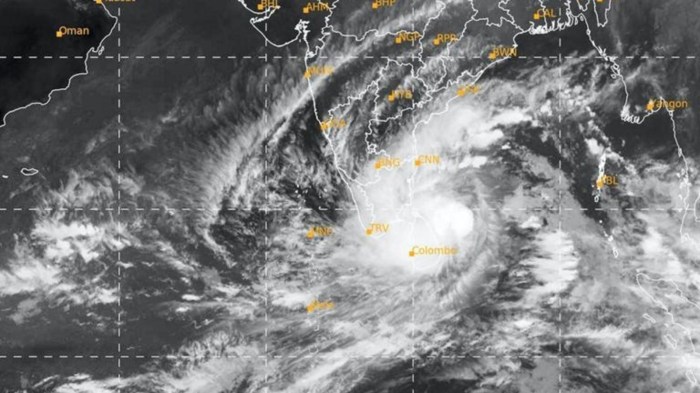
- Low-Pressure Systems: The development of low-pressure systems in the Bay of Bengal intensified the monsoon winds, drawing in moisture-laden air and leading to prolonged and heavy rainfall over the island. These systems acted like vacuum cleaners, pulling in the moisture.
- Convergence Zones: The convergence of winds from different directions over Sri Lanka further concentrated the rainfall. This is where air masses meet and rise, leading to cloud formation and precipitation.
- Orographic Lift: The mountainous terrain of Sri Lanka, particularly in the central highlands, played a significant role. As moist air masses encountered the mountains, they were forced to rise, cool, and condense, resulting in orographic rainfall, which is exceptionally heavy on the windward slopes.
Geological Factors Making the Region Susceptible to Landslides
Sri Lanka’s geological composition and topography significantly contributed to the landslide vulnerability. Several inherent characteristics made the central highlands particularly prone to these disasters.
- Steep Slopes: The central highlands are characterized by steep slopes, making them inherently unstable. The steeper the slope, the greater the force of gravity acting on the soil and rock, increasing the likelihood of landslides.
- Weathered Rock and Soil: The rocks in the region are often highly weathered, meaning they have been broken down over time by the elements. This makes them less cohesive and more susceptible to erosion and collapse. The soil, saturated with water, loses its ability to hold together.
- Fault Lines: The presence of geological fault lines can create zones of weakness in the rock formations, making them more prone to instability. These fault lines act as pathways for water to penetrate deeper into the ground, further weakening the rock structure.
- High Rainfall Intensity: The combination of high rainfall intensity and the geological characteristics creates a dangerous situation. The intense rainfall rapidly saturates the soil, reducing its strength and leading to landslides. The water acts as a lubricant, reducing friction and facilitating movement.
Human Activities Exacerbating Flooding and Landslides
Human activities have played a significant role in exacerbating the impacts of the floods and landslides. Several practices have increased the vulnerability of the region to these natural hazards.
- Deforestation: Deforestation for agriculture, logging, and infrastructure development has removed the protective cover of trees. This leads to increased soil erosion and reduced water absorption capacity, making the land more susceptible to landslides and increasing runoff, thus intensifying floods.
Deforestation can increase the rate of landslides by 30-50% in vulnerable areas.
- Unplanned Urbanization and Construction: Rapid and unplanned urbanization, including construction in vulnerable areas like steep slopes and floodplains, has increased the risk. Buildings can obstruct natural drainage patterns, increasing flood risk, and construction activities can destabilize slopes.
- Poor Land Management Practices: Inappropriate agricultural practices, such as terracing and cultivation on steep slopes without proper soil conservation measures, contribute to erosion and increase the risk of landslides.
- Mining and Quarrying: Mining and quarrying activities can destabilize slopes, especially when carried out unsustainably, and contribute to soil erosion and landslide risk. The removal of earth can alter the natural stability of the terrain.
Government Response and Relief Efforts
The Sri Lankan government faced immense pressure to respond swiftly and effectively to the devastating landslides and floods. Immediate actions were crucial to save lives, provide essential aid, and begin the long process of recovery. This section Artikels the government’s initial steps, the aid provided, and the challenges faced in delivering assistance to those affected.
Immediate Government Actions
Following the disaster, the government mobilized resources and personnel to address the crisis.The government’s immediate actions included:
- Declaring a state of emergency in affected areas, enabling faster deployment of resources and streamlining decision-making processes.
- Deploying the military and police to assist with search and rescue operations, providing security, and coordinating relief efforts.
- Establishing emergency operation centers to coordinate the response, assess the damage, and allocate resources efficiently.
- Closing schools and government offices in affected regions to allow for rescue and relief work.
- Issuing public warnings and advisories, including evacuation orders where necessary, to protect citizens from further danger.
Types of Aid Distributed
The government, along with international organizations and NGOs, worked to provide various forms of aid to the affected communities.The aid distributed encompassed a range of essential supplies and services:
- Food and Water: Providing clean drinking water, non-perishable food items, and cooked meals to those displaced and in need.
- Shelter: Setting up temporary shelters in schools, community centers, and other safe locations for those who had lost their homes. Tents and other temporary housing solutions were also provided.
- Medical Assistance: Deploying medical teams and providing medical supplies to treat injuries, prevent the spread of diseases, and offer psychological support.
- Clothing and Essential Supplies: Distributing clothing, blankets, hygiene kits, and other essential items to those who had lost their belongings.
- Financial Assistance: Providing financial aid to families to help them rebuild their lives and recover from the disaster. This included cash grants and support for repairing damaged homes.
Challenges Faced by Relief Workers
Relief workers encountered numerous obstacles in accessing and assisting those in need, hindering the effectiveness of aid delivery.The challenges included:
- Difficult Terrain: The landslides and floods caused significant damage to infrastructure, including roads and bridges, making it difficult to reach remote and affected areas.
- Communication Difficulties: Damage to communication networks hampered coordination efforts and made it difficult to assess the needs of affected communities.
- Logistical Hurdles: Transporting aid to affected areas was a major challenge, requiring the use of helicopters, boats, and other specialized equipment.
- Limited Resources: The scale of the disaster strained the available resources, including personnel, equipment, and funding.
- Coordination Issues: Coordinating the efforts of various organizations and agencies was complex, leading to delays and inefficiencies.
- Risk of Further Landslides: Continued rainfall and unstable ground conditions posed a risk of further landslides, endangering both relief workers and affected communities. For example, during the 2004 Indian Ocean tsunami, rescue workers faced similar dangers as aftershocks continued to threaten the safety of those involved in relief efforts.
Impact on Infrastructure and Essential Services
The devastating landslides and floods in Sri Lanka have caused widespread destruction, crippling the nation’s infrastructure and severely disrupting essential services. The impact extends beyond the immediate loss of life and property, creating long-term challenges for recovery and development. The damage has significantly hindered access to affected areas, complicating rescue efforts and the delivery of much-needed aid.
Damage to Transportation Infrastructure
The heavy rains and subsequent landslides have inflicted significant damage on Sri Lanka’s transportation network, isolating communities and impeding relief efforts. Roads and bridges have been washed away or rendered impassable, severely impacting the movement of goods and people.
- Roads: Numerous roads, including major highways and rural routes, have been damaged by landslides and floodwaters. Sections of the A1 highway, a vital link between Colombo and Kandy, have been blocked by debris, causing significant traffic delays. Many smaller roads in the affected regions are completely inaccessible, hindering access to remote villages.
- Bridges: Several bridges have collapsed or sustained significant damage, cutting off crucial transportation links. The collapse of a bridge in a particular area, for example, can isolate an entire town or region, making it difficult to deliver essential supplies and evacuate those in need.
- Railways: Railway lines have also been affected, with tracks being submerged or damaged by landslides. This disruption further complicates the transportation of goods and people.
Disruption to Essential Services
Essential services, crucial for the well-being of the population, have also been severely disrupted. This includes access to clean water, electricity, and communication networks.
- Water Supply: Floodwaters have contaminated water sources, including wells and reservoirs, leading to a shortage of clean drinking water. Damage to water treatment plants and distribution networks has further exacerbated the problem. This can lead to the spread of waterborne diseases.
- Electricity: Power outages are widespread, caused by damage to power lines, substations, and generating facilities. Restoring electricity is a priority, as it is essential for powering hospitals, communication systems, and other critical infrastructure.
- Communication: Communication networks, including mobile phone services and internet access, have been disrupted due to damage to infrastructure and power outages. This makes it difficult for people to contact emergency services and for authorities to coordinate relief efforts.
Estimated Damage Costs
Assessing the total cost of the damage is a complex undertaking, but initial estimates point to significant financial implications across various sectors. The following table provides a simplified overview of the estimated damage costs, noting that these figures are subject to change as assessments continue.
| Sector | Estimated Damage (USD) | Description | Impact |
|---|---|---|---|
| Transportation | $50 million – $100 million | Damage to roads, bridges, and railways. | Disruption of transportation networks, increased travel times, and higher logistics costs. |
| Water and Sanitation | $20 million – $40 million | Damage to water treatment plants, distribution networks, and sanitation facilities. | Increased risk of waterborne diseases, disruption of water supply, and sanitation problems. |
| Energy | $15 million – $30 million | Damage to power lines, substations, and generating facilities. | Power outages, disruption of essential services, and economic losses. |
| Housing and Property | $75 million – $150 million | Damage to homes, businesses, and other properties. | Displacement of people, loss of livelihoods, and economic losses. |
Displacement and Shelter for Affected Populations
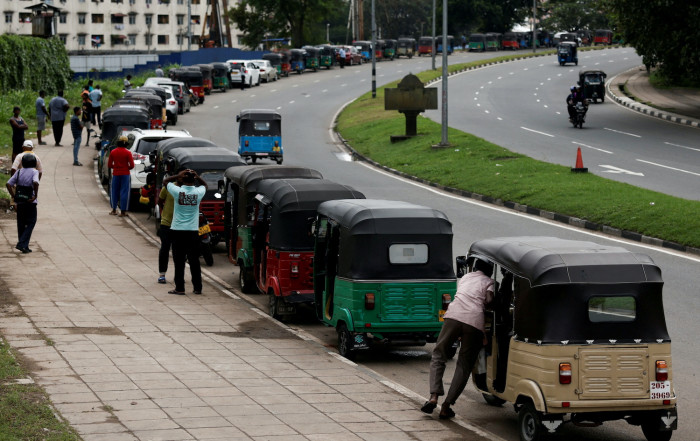
Source: bangkokpost.com
The devastating floods and landslides in Sri Lanka have forced thousands from their homes, creating a significant humanitarian crisis. Providing shelter, food, and medical assistance to those displaced is a critical undertaking, requiring immediate and sustained efforts from the government and aid organizations. This section details the extent of the displacement, the measures being taken to provide aid, and the challenges faced in managing the crisis.
Number of Displaced People
The number of people displaced by the recent floods and landslides is substantial, placing immense strain on resources and infrastructure. Accurate figures are essential for effective aid distribution.The exact number of displaced individuals fluctuates as rescue operations continue and more areas become accessible. However, preliminary reports from the Disaster Management Centre (DMC) indicate that tens of thousands of people have been displaced.
For example, in the wake of similar disasters in the past, such as the 2017 floods, the DMC recorded over 600,000 people displaced at the peak of the crisis. Given the widespread impact of the current disaster, the number is expected to be in the tens of thousands.
Measures for Shelter, Food, and Medical Assistance
Providing essential services to displaced populations is a priority. This involves establishing shelters, distributing food and water, and offering medical care.The government, with support from international and local organizations, is actively engaged in providing aid:
- Shelter: Temporary shelters have been established in schools, community centers, and religious institutions. These facilities provide a safe space for displaced individuals to reside.
- Food and Water: Food rations, clean drinking water, and essential supplies are being distributed to those in shelters and affected communities. Organizations like the World Food Programme (WFP) often provide crucial support, as they did during the 2004 tsunami, delivering essential food supplies to affected populations.
- Medical Assistance: Medical teams are deployed to provide immediate medical care, address injuries, and prevent the spread of diseases. This includes setting up mobile clinics and providing access to essential medications. During the 2017 floods, the Ministry of Health played a crucial role in providing medical assistance, including setting up field hospitals in affected areas.
Challenges of Managing Displacement Camps and Ensuring Safety and Hygiene
Managing displacement camps presents significant challenges, including ensuring safety, hygiene, and the overall well-being of the displaced population.Key challenges include:
- Overcrowding: Overcrowding in shelters can lead to the rapid spread of diseases. For instance, in the aftermath of the 2017 floods, overcrowding in some shelters led to outbreaks of waterborne illnesses.
- Sanitation and Hygiene: Inadequate sanitation facilities and hygiene practices increase the risk of disease outbreaks. The lack of proper toilets, waste disposal, and clean water supplies can quickly create health hazards.
- Security: Ensuring the safety of vulnerable populations, including women and children, is paramount. Camps must be secure to prevent exploitation and violence.
- Access to Essential Services: Providing access to essential services like healthcare, education, and psychosocial support can be difficult in crowded and under-resourced camps.
- Coordination: Effective coordination among various aid agencies and government bodies is crucial to ensure that resources are distributed efficiently and that needs are met promptly. During the 2004 tsunami, effective coordination between the government and international organizations played a vital role in providing aid.
International Aid and Support
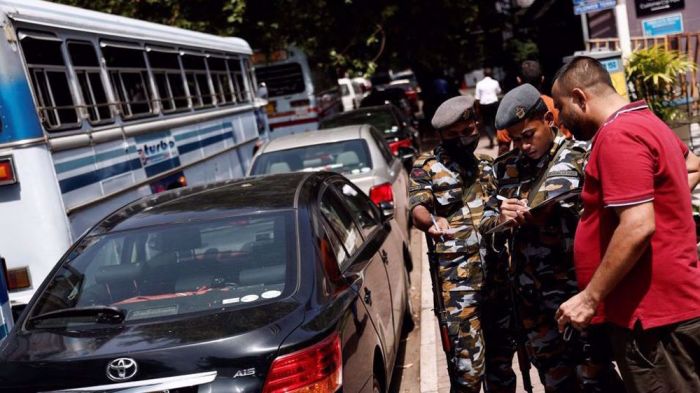
Source: presstv.ir
The severity of the landslides and floods in Sri Lanka has prompted a global response, with numerous international organizations and countries stepping in to offer assistance. This aid is crucial for providing immediate relief to those affected and supporting the long-term recovery efforts. The nature of this assistance varies, ranging from financial contributions to the provision of essential supplies and technical expertise.
Types of Assistance Offered
The international community has mobilized to provide a multi-faceted approach to support Sri Lanka.
- Financial Aid: Several countries and organizations are providing financial assistance to the Sri Lankan government to help fund relief operations, including the provision of food, shelter, and medical supplies.
- Humanitarian Supplies: Donations of essential items such as food, water, medicine, and shelter materials are being delivered to the affected areas. These supplies are vital for meeting the immediate needs of the displaced population.
- Technical Assistance: Experts in disaster relief, engineering, and healthcare are being deployed to Sri Lanka to provide technical support, assess the damage, and assist in the recovery efforts.
- Medical Support: Medical teams and supplies are being dispatched to treat the injured and prevent the spread of diseases. This includes providing mobile clinics and specialized medical equipment.
Specific Aid Packages and Organizations
Numerous organizations are actively involved in delivering aid to Sri Lanka. The following are examples of the aid being offered.
- United Nations Agencies: The UN agencies, including the World Food Programme (WFP), the United Nations Children’s Fund (UNICEF), and the World Health Organization (WHO), are actively involved in providing food, water, sanitation, and healthcare. For instance, the WFP is providing food assistance to affected families, while UNICEF is focusing on providing clean water and sanitation facilities.
- International Red Cross and Red Crescent Movement: The International Federation of Red Cross and Red Crescent Societies (IFRC) and local Red Cross and Red Crescent societies are providing emergency relief, including shelter, first aid, and psychosocial support. They are also involved in the distribution of essential supplies.
- Bilateral Aid: Several countries are providing direct aid to Sri Lanka. For example, India has dispatched relief supplies and medical teams, while other countries are providing financial assistance and in-kind donations.
“We stand in solidarity with the people of Sri Lanka during this difficult time. Our thoughts are with those who have lost loved ones and been affected by the devastating floods and landslides. We are committed to providing support to help Sri Lanka recover and rebuild.”
Long-Term Recovery and Reconstruction
Source: hindustantimes.com
The devastation caused by the landslides and floods in Sri Lanka necessitates a comprehensive long-term recovery and reconstruction plan. This involves not only rebuilding what was lost but also implementing strategies to mitigate future risks and address the economic fallout. This requires significant financial investment, international cooperation, and a commitment to sustainable development.
Rebuilding Infrastructure and Housing
The immediate focus will be on providing temporary shelter and essential services. However, the long-term goal is to rebuild infrastructure and housing to withstand future disasters.
Reconstruction efforts will need to be strategically planned, considering factors such as:
- Infrastructure Repair and Upgrades: This includes repairing and upgrading damaged roads, bridges, and public transportation systems. Infrastructure should be rebuilt to higher standards, incorporating disaster-resilient designs. For example, bridges can be constructed with reinforced concrete and elevated above the flood level, similar to the strategies employed after the 2004 Indian Ocean tsunami.
- Housing Reconstruction: Rebuilding homes for displaced families is crucial. This will involve providing financial assistance, building materials, and technical support. Housing should be built in safer locations, away from landslide-prone areas and floodplains. Designs can incorporate features like elevated foundations and reinforced structures, as seen in post-earthquake housing projects in Nepal.
- Public Buildings: Schools, hospitals, and government buildings also need to be repaired or rebuilt. These structures should be designed to serve as emergency shelters and equipped with disaster preparedness features, such as backup power generators and readily available supplies.
- Water and Sanitation: Restoring access to clean water and sanitation facilities is a priority. This involves repairing water treatment plants, laying new pipelines, and providing sanitation services. These systems should be designed to be resilient to future flooding, with elevated infrastructure and backup systems.
Strategies for Preventing Future Disasters
Preventing future disasters requires a multi-faceted approach, encompassing land-use planning, early warning systems, and environmental protection.
- Land-Use Planning and Zoning: Implementing stricter land-use regulations and zoning laws is essential. This includes identifying and restricting construction in high-risk areas, such as steep slopes and floodplains. Similar to the measures taken in Japan, where detailed hazard maps are used to guide land-use decisions, Sri Lanka can use these maps to prevent future construction in vulnerable areas.
- Early Warning Systems: Strengthening early warning systems is crucial. This involves installing advanced monitoring equipment, such as rain gauges and seismic sensors, and improving communication networks to disseminate warnings promptly. These systems can be integrated with community-based disaster preparedness programs, like the ones used in the Philippines, where communities are trained to respond to warnings effectively.
- Environmental Protection and Reforestation: Protecting and restoring natural ecosystems is vital. Reforestation efforts can help stabilize slopes and reduce the risk of landslides. Conservation of wetlands and mangroves can act as natural buffers against floods. This approach mirrors the efforts in Vietnam, where mangrove restoration has been used to protect coastal communities from storm surges.
- Community Education and Awareness: Educating communities about disaster risks and preparedness measures is essential. This includes conducting drills, providing training, and disseminating information on evacuation procedures. This strategy is similar to the approach used in Indonesia, where community-based disaster preparedness programs have significantly reduced casualties during natural disasters.
Long-Term Economic Consequences for Sri Lanka
The landslides and floods will have significant and lasting economic consequences for Sri Lanka.
- Damage to Agriculture: The agricultural sector, a significant contributor to the Sri Lankan economy, will suffer substantial losses. Flooding can destroy crops, damage irrigation systems, and disrupt agricultural supply chains. This is similar to the economic impact observed in Thailand after the 2011 floods, where the agricultural sector experienced significant losses.
- Impact on Tourism: The tourism industry, a major source of foreign exchange, may be affected. Damage to tourist infrastructure, such as hotels and roads, and negative publicity about the disaster could deter tourists. This effect can be observed in the aftermath of the 2004 tsunami, which severely impacted tourism in affected areas.
- Increased Public Debt: The government will incur significant debt to fund reconstruction and relief efforts. This could lead to increased public debt and potentially affect the country’s credit rating. Similar to the economic challenges faced by Haiti after the 2010 earthquake, Sri Lanka might struggle to manage its debt burden.
- Loss of Productivity: The displacement of people, damage to infrastructure, and disruption of essential services will lead to a loss of productivity. This could impact economic growth and hinder development. The long-term effects on the workforce and the economy mirror the impact of disasters in countries like Bangladesh, where flooding regularly disrupts economic activity.
- Increased Inflation: Supply chain disruptions and increased demand for goods and services can lead to inflationary pressures. The prices of essential commodities may increase, affecting the cost of living. This is similar to the inflation spikes observed in the aftermath of major disasters worldwide.
Environmental Impact
The recent landslides and floods in Sri Lanka have caused significant and widespread damage to the environment, impacting forests, water resources, and wildlife. The natural ecosystems, already under pressure from deforestation and climate change, have been further destabilized, leading to long-term consequences for the island nation. The destruction has not only caused immediate devastation but also poses serious challenges for the future, including potential for increased climate change effects and a reduction in biodiversity.
Impact on Forests, Water Resources, and Wildlife
The landslides and floods have resulted in considerable environmental degradation. This section provides an overview of the impact on forests, water resources, and wildlife.Forests:The heavy rainfall and subsequent landslides have caused significant deforestation. Trees have been uprooted, and forests have been buried under mud and debris. This destruction reduces the capacity of forests to absorb water, exacerbating the risk of future flooding.Water Resources:Water sources, including rivers, lakes, and reservoirs, have been contaminated by sediment, debris, and pollutants from the floods.
This contamination affects the availability of clean drinking water and disrupts aquatic ecosystems. The damage to water infrastructure, such as irrigation systems, further compounds the issue.Wildlife:The floods and landslides have displaced and killed wildlife. Animals have lost their habitats, and many have been swept away by floodwaters. This can lead to a decline in biodiversity and disrupt ecological balance. The impact on protected areas and endangered species is particularly concerning.
Examples of Environmental Damage Caused by Landslides and Floods
The severity of the environmental damage can be illustrated through specific examples.
- Deforestation and Soil Erosion: Landslides have stripped away vegetation, leading to significant soil erosion. In areas with steep slopes, this erosion can be particularly severe, contributing to further instability and impacting agricultural lands.
- Water Contamination: The floods have contaminated water sources with pollutants, including agricultural chemicals and waste from human settlements. This contamination poses a threat to human health and aquatic life. For instance, in the Kelani River basin, floodwaters carried significant amounts of industrial and domestic waste, affecting downstream communities.
- Habitat Destruction: The destruction of habitats is widespread, affecting both terrestrial and aquatic ecosystems. The floodwaters have submerged forests, destroying the habitats of various species, and landslides have buried forests, leading to loss of biodiversity.
- Damage to Protected Areas: Protected areas, such as national parks and wildlife sanctuaries, have also suffered damage. These areas are crucial for biodiversity conservation, and the damage to them can have long-lasting effects. The destruction of forests within these areas directly affects the wildlife that depends on them for survival.
Detailed Description for an Illustration Depicting the Environmental Damage
The illustration should vividly depict the environmental devastation caused by the landslides and floods. The central focus of the image is a ravaged landscape.The foreground shows a hillside scarred by a massive landslide. The land is a mixture of mud, uprooted trees, and scattered debris. The color palette is dominated by browns and grays, reflecting the mud and destruction. Large, broken tree trunks lie haphazardly, and smaller trees are buried or partially submerged.In the mid-ground, a river is shown, swollen and overflowing its banks.
The water is murky brown, carrying debris, including uprooted trees and other organic matter. The riverbanks are eroded, and houses and other structures are partially submerged or destroyed.The background reveals a forest, where sections of the trees have been uprooted or destroyed by landslides, showing large areas where vegetation is missing, leaving bare earth exposed. The sky is overcast, with dark, ominous clouds, suggesting ongoing rainfall and the potential for further damage.The illustration includes details to highlight specific impacts:
- A family of elephants trying to escape from the rising water.
- Birds are seen fleeing from their nests that are destroyed by the water.
- The river contains dead fish.
- People are trying to save what they can from their flooded homes.
The overall impression is one of widespread destruction, ecological damage, and the displacement of both humans and wildlife. The illustration serves as a visual representation of the comprehensive environmental impact of the natural disaster.
Community Resilience and Support
In times of crisis, the strength of a community often shines through. In Sri Lanka, despite the devastating impact of landslides and floods, local communities have demonstrated remarkable resilience, banding together to support each other and navigate the challenges. This section explores the various ways communities are providing assistance and fostering well-being during this difficult period.
Local Community Support Mechanisms
Communities across Sri Lanka have quickly mobilized to offer assistance to those affected by the landslides and floods. Neighbors are helping neighbors, and local organizations are coordinating efforts to provide essential support.
Community-Led Initiatives
Numerous community-led initiatives have sprung up to provide aid and assistance to those impacted by the disaster. These grassroots efforts are crucial in supplementing government and international relief efforts.
- Food and Water Distribution: Local residents are pooling resources to prepare and distribute meals, clean drinking water, and other essential supplies to affected families. This includes setting up temporary kitchens and coordinating distribution networks to reach those in need, especially those in remote areas. For instance, in some villages, women have organized cooking teams to provide hot meals daily.
- Search and Rescue Operations: Community members, often with limited equipment but unwavering determination, are actively involved in search and rescue operations, working alongside official emergency responders. They are familiar with the local terrain and can navigate areas inaccessible to larger vehicles.
- Shelter and Accommodation: Many families have opened their homes to displaced individuals, providing temporary shelter and a safe place to stay. Community centers, temples, and schools are also being utilized as temporary shelters, managed and supported by local volunteers.
- Donation Drives and Fundraising: Local organizations and community groups have organized donation drives to collect essential items like clothing, blankets, and medical supplies. Fundraising campaigns, both online and offline, are underway to gather financial resources to support relief efforts and long-term recovery.
- Psychological Support and Counseling: Recognizing the emotional toll of the disaster, community members, including trained volunteers and religious leaders, are providing emotional support and counseling to those traumatized by the events. This involves creating safe spaces for people to share their experiences and receive support.
Supporting Mental Health and Well-being
The emotional impact of a natural disaster can be profound. It is crucial to address the mental health needs of the affected population.
- Establishing Safe Spaces: Creating designated areas within shelters and community centers where individuals can find a sense of security and support. These spaces can offer a calming environment, free from the immediate pressures of the disaster.
- Providing Psychological First Aid: Training volunteers and community leaders in basic psychological first aid techniques to offer immediate emotional support to those in distress. This involves active listening, offering comfort, and connecting individuals with further resources if needed.
- Organizing Group Counseling Sessions: Facilitating group counseling sessions led by trained professionals or experienced community members to help individuals process their experiences and share their feelings in a supportive environment.
- Promoting Relaxation Techniques: Encouraging and teaching relaxation techniques, such as deep breathing exercises and meditation, to help individuals manage stress and anxiety. These techniques can be easily practiced and provide immediate relief.
- Supporting Children’s Well-being: Creating child-friendly spaces in shelters and community centers where children can play, learn, and receive emotional support. This may involve organizing activities like art therapy, storytelling, and play therapy to help children cope with trauma.
- Raising Awareness About Mental Health: Conducting awareness campaigns within communities to reduce the stigma associated with mental health issues and encourage people to seek help when needed. This can involve sharing information about mental health resources and promoting open conversations about mental well-being.
Epilogue
In conclusion, the situation in Sri Lanka paints a stark picture of the destructive power of nature and the resilience of its people. From the immediate impact on daily life to the complex challenges of recovery and reconstruction, the nation faces a long road ahead. The collaborative efforts of the government, international aid organizations, and local communities are critical to navigate this crisis, offering hope for a more secure future as the country rebuilds and works to mitigate the impact of future disasters.
Expert Answers
What areas in Sri Lanka are most affected by the floods and landslides?
The central and southwestern regions of Sri Lanka have been hit the hardest. Specific districts such as Ratnapura, Kegalle, and Kalutara have experienced significant devastation.
What is the main cause of the landslides and floods?
The primary cause is heavy and persistent rainfall, often exacerbated by the geological characteristics of the region, which is prone to landslides. Deforestation and human activities may also have contributed to the severity of the events.
How can I help the people of Sri Lanka?
You can help by donating to reputable aid organizations that are providing relief on the ground. These organizations often provide financial support and specific needs, such as food, water, and shelter. Be sure to research the organizations you choose to ensure your donation goes to legitimate relief efforts.
What are the long-term economic consequences for Sri Lanka?
The long-term economic consequences include damage to infrastructure, loss of agricultural production, and a potential decline in tourism. Rebuilding efforts will require significant investment, which may strain the country’s resources and economy.