
SGH launches neuroscience ICU to support critical cases, a significant development in Singapore’s healthcare landscape. This new intensive care unit is specifically designed to cater to patients with severe neurological conditions, offering specialized care and advanced technology. The launch signifies a commitment to improving outcomes for those facing life-threatening brain and nervous system issues.
The Neuroscience ICU aims to address the limitations of standard ICU setups when treating complex neurological cases. It will provide a dedicated environment equipped with cutting-edge monitoring systems, advanced medical equipment, and a highly trained multidisciplinary team. This specialized approach is expected to significantly improve patient survival rates and reduce long-term disabilities, ultimately enhancing the quality of life for those affected by critical neurological illnesses.
SGH’s New Neuroscience ICU
Singapore General Hospital (SGH) recently launched a dedicated Neuroscience Intensive Care Unit (ICU), marking a significant advancement in critical care for neurological conditions. This specialized unit is designed to provide comprehensive and intensive care for patients suffering from severe neurological illnesses and injuries. The establishment of this ICU reflects SGH’s commitment to enhancing its capabilities in managing complex neurological cases and improving patient outcomes.
Primary Purpose and Target Patient Population
The primary purpose of the Neuroscience ICU is to provide specialized, intensive care for patients with critical neurological conditions. This includes continuous monitoring, advanced treatments, and rapid intervention capabilities.The target patient population includes individuals suffering from a range of neurological emergencies:
- Stroke: Patients experiencing acute strokes, both ischemic and hemorrhagic, requiring immediate intervention and close monitoring. For instance, patients who have suffered a large vessel occlusion stroke may benefit from immediate intervention, such as thrombectomy, and require intensive post-procedure care in the ICU.
- Traumatic Brain Injury (TBI): Individuals with severe head injuries, including those with intracranial bleeding, swelling, or other complications.
- Severe Infections: Patients with severe neurological infections, such as meningitis or encephalitis, which can cause significant neurological damage and require intensive support.
- Neuromuscular Disorders: Patients experiencing acute exacerbations of neuromuscular disorders, such as myasthenia gravis or Guillain-Barré syndrome, leading to respiratory failure or other life-threatening complications.
- Post-Neurosurgical Patients: Individuals recovering from complex neurosurgical procedures, requiring close monitoring and management of potential complications. For example, patients who have undergone aneurysm clipping or tumor resection may require intensive post-operative care.
Significance for Critical Care in Singapore
The launch of the Neuroscience ICU at SGH holds significant implications for critical care in Singapore. This specialized unit enhances the hospital’s capacity to manage complex neurological cases and improve patient outcomes.The benefits include:
- Enhanced Expertise: The ICU is staffed by a multidisciplinary team of neurologists, neurosurgeons, intensivists, nurses, and other healthcare professionals with specialized expertise in managing neurological emergencies.
- Advanced Technology: The unit is equipped with state-of-the-art monitoring equipment, advanced imaging capabilities, and specialized treatment modalities to provide the highest level of care.
- Improved Outcomes: By providing rapid access to specialized care, the Neuroscience ICU aims to improve patient outcomes, reduce mortality rates, and enhance the quality of life for patients with severe neurological conditions. For example, timely intervention for stroke patients, facilitated by the ICU, can significantly reduce the risk of long-term disability.
- Research and Education: The ICU will serve as a platform for research and education, contributing to advancements in the understanding and treatment of neurological disorders. This will involve clinical trials, data analysis, and the training of future healthcare professionals.
Need for Specialized Neuroscience ICU
The establishment of a dedicated Neuroscience ICU addresses a critical gap in the treatment of patients with severe neurological conditions. Existing ICU setups, while providing general critical care, often lack the specialized resources and expertise required to effectively manage complex neurological cases. This dedicated unit offers a significant advancement in patient care, designed to improve outcomes for individuals suffering from critical brain and nervous system disorders.
Specific Neurological Conditions Requiring Specialized Critical Care
A range of neurological conditions necessitate specialized critical care due to their severity and the complexity of their management. These conditions often involve rapid deterioration, requiring immediate and intensive interventions.
- Severe Stroke: Both ischemic and hemorrhagic strokes can lead to significant neurological deficits. Patients often require continuous monitoring of vital signs, blood pressure control, and management of potential complications like cerebral edema and seizures.
- Traumatic Brain Injury (TBI): TBI can result from falls, accidents, or assaults. Critical care involves managing increased intracranial pressure (ICP), ensuring adequate cerebral perfusion, and preventing secondary brain injury.
- Subarachnoid Hemorrhage (SAH): SAH, often caused by a ruptured aneurysm, requires immediate intervention to control bleeding, prevent rebleeding, and manage complications like vasospasm.
- Status Epilepticus: Prolonged seizures (status epilepticus) can cause brain damage. Critical care involves prompt administration of anti-seizure medications and continuous EEG monitoring.
- Meningitis and Encephalitis: These infections can cause brain inflammation and neurological dysfunction. Treatment involves managing the infection, controlling inflammation, and supporting vital functions.
- Guillain-Barré Syndrome (GBS): Severe cases of GBS can lead to respiratory failure and require mechanical ventilation. Critical care focuses on respiratory support and managing complications.
- Myasthenia Gravis Crisis: A myasthenic crisis can cause severe muscle weakness, including respiratory muscle weakness, requiring mechanical ventilation and specialized medication management.
Limitations of Existing ICU Setups in Treating Complex Neurological Cases
Existing general ICU setups often face limitations in effectively managing complex neurological cases due to several factors. These limitations can compromise patient outcomes and necessitate the need for a dedicated neuroscience unit.
- Lack of Specialized Equipment: General ICUs may lack advanced monitoring equipment specifically designed for neurological patients, such as continuous ICP monitors, advanced EEG systems, and transcranial Doppler ultrasound.
- Insufficient Neurological Expertise: Staff in general ICUs may not have the specialized training and experience required to manage complex neurological conditions, interpret neurological data, and administer specialized treatments.
- Limited Availability of Neuro-Specialists: The availability of neurologists, neurosurgeons, and other neuro-specialists might be limited in general ICU settings, delaying critical interventions and consultations.
- Challenges in Implementing Neuro-Specific Protocols: General ICUs may not have established protocols for managing neurological emergencies, such as stroke codes, TBI protocols, and seizure management pathways.
- Difficulty in Providing Comprehensive Rehabilitation: The integration of early and intensive rehabilitation, crucial for neurological recovery, might be limited in general ICU settings.
Advantages of a Dedicated Neuroscience ICU in Improving Patient Outcomes
A dedicated Neuroscience ICU offers significant advantages in improving patient outcomes for individuals with critical neurological conditions. The specialized environment and expertise contribute to enhanced care and better recovery rates.
- Enhanced Monitoring and Diagnostic Capabilities: The unit is equipped with advanced monitoring tools, allowing for continuous assessment of neurological status, including ICP monitoring, continuous EEG, and cerebral blood flow monitoring.
- Specialized Expertise and Training: Staff, including nurses, physicians, and therapists, receive specialized training in neurocritical care, enabling them to provide expert care and implement evidence-based treatment protocols.
- Rapid Intervention and Treatment: The unit facilitates prompt and efficient intervention for neurological emergencies, such as stroke codes and seizure management, improving the chances of a positive outcome.
- Comprehensive Care and Rehabilitation: The unit integrates early and intensive rehabilitation programs, including physical, occupational, and speech therapy, to optimize recovery and functional outcomes.
- Improved Patient Outcomes: Studies have shown that dedicated Neuroscience ICUs are associated with reduced mortality rates, shorter hospital stays, and improved functional outcomes compared to general ICU settings. For example, a study published in the
-Journal of Neurosurgery* demonstrated a significant reduction in mortality rates for patients with severe TBI admitted to a dedicated neurocritical care unit. - Research and Innovation: A dedicated unit fosters research and innovation in neurocritical care, leading to advancements in treatment and improved patient outcomes.
Features and Capabilities of the Neuroscience ICU
The new Neuroscience ICU at SGH is equipped with cutting-edge technology and specialized infrastructure to provide the highest level of care for patients with critical neurological conditions. This ICU is designed to offer a comprehensive approach to patient care, focusing on advanced monitoring, rapid intervention, and a supportive environment tailored to the unique needs of neuroscience patients.
Advanced Medical Equipment and Technology
The Neuroscience ICU utilizes state-of-the-art medical equipment to ensure precise diagnosis, effective treatment, and continuous monitoring of patients’ conditions. This equipment plays a crucial role in providing timely interventions and improving patient outcomes.
- Advanced Imaging Systems: The ICU features readily accessible advanced imaging systems, including bedside CT scanners and MRI machines. These systems enable rapid assessment of brain injuries, strokes, and other neurological emergencies. For example, a bedside CT scanner allows for immediate detection of intracranial hemorrhage, facilitating prompt intervention.
- High-Fidelity Patient Monitors: These monitors provide real-time data on vital signs, including heart rate, blood pressure, respiratory rate, and oxygen saturation. They also track intracranial pressure (ICP), cerebral perfusion pressure (CPP), and other critical neurological parameters.
- Mechanical Ventilation and Respiratory Support: The ICU is equipped with advanced mechanical ventilators capable of providing various modes of respiratory support, including pressure-controlled ventilation, volume-controlled ventilation, and non-invasive ventilation. These ventilators are crucial for managing respiratory failure and supporting patients with impaired breathing.
- Specialized Infusion Pumps: These pumps deliver medications and fluids with precise control, ensuring accurate dosages and minimizing the risk of adverse effects. They are essential for administering critical medications, such as vasopressors, sedatives, and antiepileptic drugs.
- Neuro-Interventional Suite Access: Immediate access to a neuro-interventional suite allows for procedures like thrombectomy for stroke patients. This is crucial as time is of the essence in stroke treatment, and rapid intervention can significantly improve outcomes.
Specialized Monitoring Systems
The ICU employs specialized monitoring systems to continuously track neurological function, allowing for early detection of changes in a patient’s condition and timely intervention. These systems provide critical insights into brain activity and overall neurological health.
- Continuous Electroencephalogram (cEEG) Monitoring: cEEG monitoring is used to continuously record brain electrical activity, detecting seizures, and other abnormalities. This is particularly important for patients with traumatic brain injury, stroke, or other neurological conditions at risk of seizures. For instance, in patients with status epilepticus, continuous EEG monitoring is essential for guiding treatment and ensuring seizure control.
- Intracranial Pressure (ICP) Monitoring: ICP monitoring involves the insertion of a catheter into the brain to measure the pressure within the skull. This is crucial for managing patients with traumatic brain injury, stroke, or other conditions that can cause increased ICP, potentially leading to brain damage.
- Cerebral Blood Flow Monitoring: Advanced monitoring techniques, such as transcranial Doppler (TCD) and near-infrared spectroscopy (NIRS), are used to assess cerebral blood flow and oxygenation. This information helps clinicians identify areas of reduced blood flow and potential ischemia.
- Neurological Assessment Tools: Standardized neurological assessment tools, such as the Glasgow Coma Scale (GCS), are used to regularly assess patients’ level of consciousness and neurological function. This provides a consistent and objective measure of neurological status.
Infrastructure Designed for Neuroscience Patients
The physical environment and operational infrastructure of the Neuroscience ICU are specifically designed to support the unique needs of patients with neurological conditions. This includes features that promote patient safety, comfort, and optimal care.
- Private Patient Rooms: The ICU features private patient rooms to provide a quiet and controlled environment, minimizing sensory overload and promoting rest. This is particularly important for patients with brain injuries or altered mental status.
- Dedicated Nursing Staff: The ICU is staffed with a team of highly trained nurses specializing in neurological care. They have extensive experience in managing patients with complex neurological conditions and providing specialized care, such as seizure management and ICP monitoring.
- Multidisciplinary Team Approach: The ICU operates with a multidisciplinary team approach, involving neurologists, neurosurgeons, intensivists, nurses, respiratory therapists, physical therapists, occupational therapists, and speech therapists. This collaborative approach ensures that patients receive comprehensive and coordinated care.
- Advanced Infection Control Measures: Strict infection control protocols are implemented to minimize the risk of infections, which can be particularly detrimental to patients with neurological conditions. This includes hand hygiene protocols, environmental cleaning, and isolation precautions.
- Rehabilitation Services: The ICU provides access to early rehabilitation services, including physical therapy, occupational therapy, and speech therapy. This helps patients recover from neurological deficits and regain function as early as possible. For example, early mobilization of stroke patients has been shown to improve outcomes and reduce complications.
Medical Staff and Expertise

Source: dreamstime.com
The Neuroscience ICU at SGH is staffed by a highly specialized and dedicated multidisciplinary team. This team is essential for providing the complex, round-the-clock care required by patients with severe neurological conditions. The collaborative expertise of these professionals ensures that patients receive the best possible treatment and support.
Composition of the Multidisciplinary Team
A diverse group of medical professionals forms the core of the Neuroscience ICU team. Each member contributes unique skills and knowledge to patient care.
- Neurointensivists: These physicians are specifically trained in critical care medicine and neurology. They lead the medical team, overseeing patient management, making critical decisions, and coordinating care. They possess advanced expertise in managing neurological emergencies.
- Neurologists: Neurologists provide specialized expertise in diagnosing and treating neurological disorders. They consult on complex cases, interpret diagnostic tests, and develop treatment plans specific to the patient’s neurological condition.
- Neurosurgeons: When surgical intervention is necessary, neurosurgeons perform complex procedures and provide post-operative care. They are skilled in managing conditions such as brain tumors, aneurysms, and traumatic brain injuries.
- Critical Care Nurses: Registered nurses with specialized training in critical care and neuroscience provide 24/7 bedside care. They monitor vital signs, administer medications, and assist with complex procedures.
- Respiratory Therapists: Respiratory therapists manage patients’ breathing and ventilation, crucial for patients with neurological conditions that affect respiratory function.
- Physical Therapists: Physical therapists help patients regain strength, mobility, and function through targeted exercises and rehabilitation programs.
- Occupational Therapists: Occupational therapists assist patients in regaining the skills needed for daily living activities, such as eating, dressing, and personal hygiene.
- Speech Therapists: Speech therapists assess and treat communication and swallowing disorders, common complications after neurological injuries or illnesses.
- Pharmacists: Clinical pharmacists specializing in critical care and neurology ensure appropriate medication management, monitoring for drug interactions and adverse effects.
- Other Support Staff: The team also includes social workers, dietitians, and other support staff who contribute to the overall well-being of the patient and their families.
Specific Training and Expertise of Medical Professionals
The medical professionals in the Neuroscience ICU undergo rigorous training and possess specialized expertise. This ensures they are equipped to handle the complexities of neurological critical care.
- Neurointensivists: They complete fellowships in neurocritical care, often after completing residencies in either neurology or anesthesiology/critical care. This training equips them with the skills to manage the intricate needs of critically ill neurological patients. They are experts in advanced monitoring techniques, such as intracranial pressure monitoring and cerebral blood flow monitoring.
- Neurologists: They have completed a residency in neurology, followed by additional training or fellowships in areas such as stroke, epilepsy, or neuro-oncology. This advanced training allows them to accurately diagnose and manage complex neurological conditions.
- Neurosurgeons: Neurosurgeons complete residencies in neurosurgery, mastering complex surgical techniques for the brain and spine. They possess expertise in minimally invasive surgical procedures and advanced imaging interpretation.
- Critical Care Nurses: These nurses hold certifications in critical care nursing (CCRN) and often have advanced training in neuroscience nursing. They are proficient in managing complex equipment, recognizing subtle changes in neurological status, and providing compassionate care.
- Respiratory Therapists: Respiratory therapists are licensed professionals with expertise in mechanical ventilation and airway management. They are trained in managing respiratory complications and providing respiratory support to patients with neurological conditions.
- Physical, Occupational, and Speech Therapists: These therapists have specialized training in neurological rehabilitation, enabling them to provide individualized therapy programs to optimize patient recovery and function. They stay updated with the latest rehabilitation techniques and technologies.
- Pharmacists: Clinical pharmacists specializing in critical care and neurology are experts in medication management for patients with neurological conditions. They ensure appropriate drug selection, dosing, and monitoring for adverse effects.
Role of Nurses, Therapists, and Other Support Staff in Patient Care
Nurses, therapists, and support staff play a crucial role in providing holistic care within the Neuroscience ICU. Their contributions extend beyond direct medical treatment, encompassing patient comfort, rehabilitation, and family support.
- Nurses: Nurses are the primary caregivers, providing continuous monitoring, administering medications, and assisting with all aspects of patient care. They are responsible for assessing neurological status, managing complex equipment, and providing emotional support to patients and their families.
- Therapists (Physical, Occupational, and Speech): Therapists work collaboratively to develop and implement individualized rehabilitation plans. They help patients regain lost function, improve mobility, and enhance their ability to perform daily activities. Their interventions are critical for optimizing long-term outcomes.
- Respiratory Therapists: They are responsible for managing the patient’s respiratory function, including airway management, mechanical ventilation, and oxygen therapy. They work closely with physicians to ensure optimal respiratory support.
- Social Workers: Social workers provide emotional support to patients and their families. They assist with discharge planning, connect patients with community resources, and address any social or financial concerns.
- Dietitians: Dietitians assess patients’ nutritional needs and develop customized meal plans to support recovery. They ensure patients receive adequate nutrition, particularly important for patients with swallowing difficulties or altered metabolic needs.
- Other Support Staff: Other support staff, such as patient care assistants and administrative staff, contribute to the smooth operation of the ICU. They provide essential support services, ensuring a clean and organized environment.
Patient Care Protocols and Procedures
Source: dreamstime.com
The Neuroscience ICU at SGH prioritizes standardized, evidence-based protocols to ensure optimal care for patients experiencing acute neurological emergencies. These protocols guide the multidisciplinary team in providing timely and effective interventions, ultimately aiming to improve patient outcomes and minimize neurological damage. They are continuously updated based on the latest research and best practices in neurocritical care.
Specific Protocols for Managing Acute Neurological Emergencies
The ICU utilizes specific protocols tailored to different neurological emergencies. These protocols encompass the initial assessment, diagnostic investigations, and specific treatments.
- Stroke Management: Protocols for ischemic and hemorrhagic stroke focus on rapid diagnosis and intervention. For ischemic stroke, this includes timely administration of thrombolytics (if eligible) or mechanical thrombectomy. For hemorrhagic stroke, management involves blood pressure control, monitoring for complications like hydrocephalus, and potentially surgical intervention.
The ‘time is brain’ principle is paramount in stroke management, emphasizing the critical importance of swift action.
- Traumatic Brain Injury (TBI) Management: Protocols for TBI focus on maintaining adequate cerebral perfusion pressure (CPP), preventing secondary brain injury, and managing intracranial pressure (ICP). This involves close monitoring of vital signs, neurological status, and ICP, along with interventions such as sedation, osmotic therapy, and, in severe cases, decompressive craniectomy.
- Status Epilepticus Management: Protocols for status epilepticus emphasize rapid seizure cessation with intravenous antiepileptic drugs (AEDs). This may involve escalating treatments, including continuous EEG monitoring and the use of anesthetic agents.
- Intracranial Hemorrhage Management: This involves strict blood pressure control, monitoring for complications, and considering surgical intervention based on the location and size of the hemorrhage.
- Meningitis and Encephalitis Management: Protocols involve rapid diagnosis through lumbar puncture and initiation of appropriate antibiotic or antiviral therapy, along with supportive care.
Procedures Used to Diagnose and Treat Critical Neurological Conditions
A range of diagnostic and therapeutic procedures are available in the Neuroscience ICU to effectively manage critical neurological conditions. These procedures are performed by specialized staff, and the ICU is equipped with the necessary technology.
- Diagnostic Procedures:
- Computed Tomography (CT) and Magnetic Resonance Imaging (MRI): These imaging modalities are crucial for rapidly diagnosing stroke, TBI, intracranial hemorrhage, tumors, and other neurological conditions. CT scans are often used initially due to their speed and accessibility, while MRI provides more detailed information.
- Cerebral Angiography: This procedure visualizes the blood vessels in the brain, helping to diagnose aneurysms, arteriovenous malformations (AVMs), and other vascular abnormalities. It is also used for interventions like mechanical thrombectomy.
- Electroencephalography (EEG): Continuous EEG monitoring is used to detect and monitor seizures, assess brain activity in patients with altered mental status, and guide treatment.
- Lumbar Puncture: This procedure is performed to collect cerebrospinal fluid (CSF) for the diagnosis of meningitis, encephalitis, and other conditions.
- Intracranial Pressure (ICP) Monitoring: An ICP monitor is inserted to measure the pressure inside the skull, particularly in patients with TBI or other conditions that can cause increased ICP.
- Therapeutic Procedures:
- Thrombolysis and Mechanical Thrombectomy: These procedures are used to restore blood flow in ischemic stroke patients. Thrombolysis involves administering a clot-busting drug, while mechanical thrombectomy involves physically removing the clot.
- Decompressive Craniectomy: This surgical procedure is performed to reduce ICP in patients with severe TBI or stroke. A portion of the skull is removed to allow the brain to swell without being compressed.
- Placement of External Ventricular Drain (EVD): This procedure involves inserting a catheter into the ventricles of the brain to drain CSF and reduce ICP.
- Continuous Renal Replacement Therapy (CRRT): This therapy is used to support kidney function in patients with acute kidney injury.
- Vasoactive Medications: Used to control blood pressure and maintain adequate cerebral perfusion.
Typical Patient Journey Through the ICU: Flow Chart
The following flow chart Artikels the typical journey of a patient admitted to the Neuroscience ICU. This is a general representation, and individual patient pathways may vary based on their specific condition and treatment needs.
| Step | Action | Details |
|---|---|---|
| 1 | Emergency Department (ED) Arrival/Outside Hospital Transfer | Patient arrives at ED with neurological symptoms or transferred from another facility. Initial assessment and stabilization begin. |
| 2 | Initial Assessment & Stabilization | Rapid neurological assessment (e.g., Glasgow Coma Scale, NIH Stroke Scale), vital signs monitoring, airway management, and initial imaging (CT scan). |
| 3 | Diagnosis and Consultation | Neurologist/Neurosurgeon consultation, review of imaging and labs. Diagnosis established. |
| 4 | ICU Admission | Patient admitted to Neuroscience ICU. |
| 5 | Continuous Monitoring & Evaluation | Continuous monitoring of vital signs, neurological status, ICP (if applicable), and other relevant parameters. Frequent neurological assessments. |
| 6 | Interventions and Treatment | Implementation of treatment protocols based on the patient’s diagnosis (e.g., thrombolysis, surgery, medication management). |
| 7 | Repeat Imaging/Investigations | Repeat imaging (CT/MRI) and other investigations (EEG, etc.) as needed to assess response to treatment and detect complications. |
| 8 | Complication Management | Management of potential complications, such as infections, seizures, increased ICP, or respiratory failure. |
| 9 | Progress and Recovery | Monitoring of neurological improvement. Assessment of rehabilitation needs. |
| 10 | Discharge Planning | Planning for discharge to a step-down unit, rehabilitation facility, or home. Education for patients and families. |
Collaboration and Partnerships
The success of SGH’s Neuroscience ICU relies heavily on robust collaboration, both internally within SGH and externally with other institutions. These partnerships are crucial for providing comprehensive and cutting-edge care to patients with complex neurological conditions. Effective teamwork and knowledge sharing ultimately lead to improved patient outcomes.
Internal Departmental Collaboration
The Neuroscience ICU operates through seamless cooperation between various departments within SGH. This collaborative environment ensures that patients receive holistic and coordinated care.
- Neurology and Neurosurgery: The core of the ICU is formed by the close collaboration between neurology and neurosurgery. Neurologists and neurosurgeons work side-by-side to diagnose, treat, and manage patients. They regularly consult on cases, share expertise, and jointly develop treatment plans. This collaborative approach ensures that patients receive the best possible care, considering both medical and surgical perspectives.
- Anesthesiology and Critical Care: Anesthesiologists and critical care specialists play a vital role in the ICU, providing essential support for patients requiring ventilation, hemodynamic monitoring, and other life-sustaining interventions. They are experts in managing critical illnesses and ensuring patients are stable enough to undergo neurological assessments and interventions.
- Radiology: The radiology department provides crucial imaging services, including CT scans, MRI, and angiography, which are essential for diagnosing and monitoring neurological conditions. Radiologists work closely with neurologists and neurosurgeons to interpret images and provide timely information for treatment decisions.
- Pharmacy: The pharmacy department is critical in managing medications, including complex neurological drugs. Pharmacists are involved in medication reconciliation, dosing adjustments, and monitoring for potential drug interactions and side effects.
- Nursing: Nurses are the backbone of the ICU, providing 24/7 patient care. They are trained in neurological assessment, monitoring, and providing supportive care. They also play a vital role in communicating with physicians and other healthcare professionals to ensure the smooth operation of the ICU.
- Rehabilitation Services: Physical therapists, occupational therapists, and speech therapists are integral to the patient’s recovery process. They work with patients to regain lost function, improve mobility, and enhance their quality of life. Rehabilitation services begin early in the patient’s ICU stay to optimize recovery.
- Laboratory Services: Laboratory tests, such as blood tests and cerebrospinal fluid analysis, are crucial for diagnosing and monitoring neurological conditions. The laboratory staff works efficiently to provide timely and accurate results, supporting clinical decision-making.
External Partnerships and Collaborations
SGH’s Neuroscience ICU actively collaborates with external institutions and organizations to enhance patient care, research, and education.
- Academic Institutions: SGH partners with local and international universities and research institutions to conduct research, train medical professionals, and advance the understanding of neurological diseases. These collaborations allow the ICU to stay at the forefront of medical advancements.
- Specialized Referral Centers: SGH collaborates with specialized referral centers for specific neurological conditions or complex cases. This ensures that patients have access to the expertise and resources they need, even if those resources are not available within SGH. For example, SGH may partner with a specialized stroke center for patients requiring advanced stroke interventions.
- Community Healthcare Providers: The ICU collaborates with community healthcare providers, including general practitioners, to ensure seamless care coordination. This collaboration facilitates the transfer of patients to and from the ICU and ensures continuity of care after discharge.
- Patient Support Groups: SGH partners with patient support groups to provide patients and their families with emotional support, resources, and education. These groups offer a valuable network of support and help patients cope with the challenges of neurological conditions.
Enhancement of Care Through Collaboration
The collaborative efforts, both internal and external, significantly enhance the care provided in the Neuroscience ICU.
- Improved Diagnosis and Treatment: Collaboration among specialists allows for more accurate and timely diagnoses, leading to more effective treatment plans. For instance, the combined expertise of neurologists, neurosurgeons, and radiologists leads to faster and more accurate diagnoses of stroke, enabling rapid intervention.
- Enhanced Patient Safety: The close coordination between various departments, such as pharmacy and nursing, ensures that medications are administered safely and effectively, minimizing the risk of adverse events. Regular multidisciplinary rounds and team meetings contribute to improved communication and reduced medical errors.
- Access to Advanced Technologies and Expertise: Partnerships with external institutions provide access to cutting-edge technologies and specialized expertise. This ensures that patients benefit from the latest advancements in neurological care. An example is the collaboration with research institutions, allowing for access to clinical trials for novel therapies.
- Comprehensive and Holistic Care: The involvement of rehabilitation services, patient support groups, and other allied health professionals ensures that patients receive holistic care, addressing not only their medical needs but also their physical, emotional, and social well-being.
- Continuous Improvement and Innovation: Collaboration fosters a culture of continuous learning and improvement. Through research, education, and the sharing of best practices, the ICU strives to provide the highest quality of care and constantly innovate to improve patient outcomes.
Impact on Patient Outcomes
Source: northwell.edu
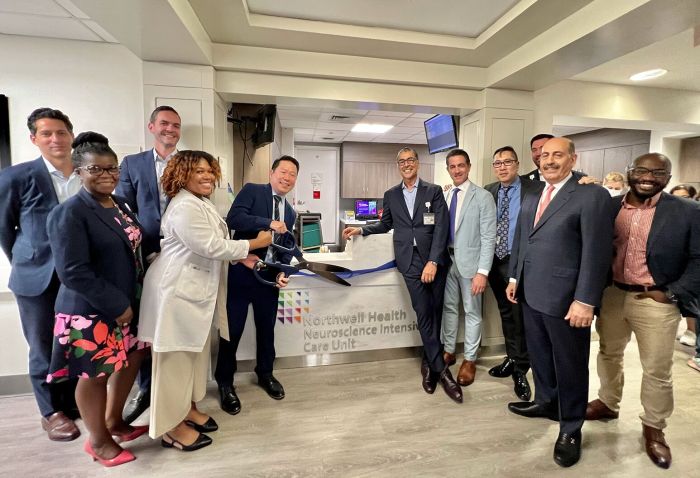
The establishment of SGH’s Neuroscience ICU is designed to significantly improve the care provided to patients with critical neurological conditions. This specialized unit focuses on optimizing patient outcomes by providing advanced medical interventions, dedicated expertise, and a comprehensive approach to recovery. The following sections will detail the expected improvements in patient survival, reduction of long-term disabilities, and enhancements in the overall quality of life for patients.
Expected Improvements in Patient Survival Rates
The Neuroscience ICU is specifically designed to improve patient survival rates through early and aggressive intervention. This involves the rapid diagnosis and treatment of neurological emergencies, such as stroke, traumatic brain injury, and severe infections.
- Early Intervention: The ICU’s focus on rapid response to neurological emergencies is crucial. For instance, in cases of acute ischemic stroke, the ability to administer thrombolytic therapy (clot-busting drugs) within the critical time window (usually within 4.5 hours of symptom onset) can dramatically improve survival chances.
Studies have shown that timely thrombolysis can increase the likelihood of survival without significant disability by up to 30%.
- Specialized Monitoring: Continuous monitoring of vital signs, intracranial pressure, and other neurological parameters allows for early detection of complications and prompt treatment. This proactive approach helps prevent secondary brain injury and other life-threatening conditions.
- Advanced Therapies: The ICU will offer access to advanced therapies, including mechanical ventilation, specialized neurosurgical interventions, and targeted drug therapies. These interventions are critical for stabilizing patients and preventing further neurological deterioration.
- Multidisciplinary Care: The collaborative approach, involving neurologists, neurosurgeons, intensivists, nurses, and other specialists, ensures that patients receive comprehensive care tailored to their specific needs. This integrated approach optimizes treatment strategies and improves overall outcomes.
Anticipated Benefits in Terms of Reducing Long-Term Disability
Beyond improving survival rates, the Neuroscience ICU aims to minimize the long-term disabilities that often result from severe neurological conditions. The ICU’s focus on rehabilitation, neuroprotection, and personalized care strategies plays a crucial role in achieving this goal.
- Neuroprotective Strategies: Implementing strategies to protect the brain from further damage is a key priority. This includes managing intracranial pressure, optimizing cerebral perfusion, and preventing secondary complications such as seizures and infections.
- Early Rehabilitation: Initiating physical, occupational, and speech therapy as early as possible is essential for promoting recovery. This helps to prevent muscle atrophy, maintain mobility, and improve cognitive function.
- Targeted Therapies: The ICU will offer advanced therapies aimed at minimizing neurological damage and promoting recovery. This may include the use of specific medications, such as those that can reduce brain swelling, and advanced neurosurgical techniques to remove blood clots or repair damaged brain tissue.
- Personalized Care Plans: Each patient will receive a customized care plan tailored to their specific condition and needs. This individualized approach ensures that the most appropriate therapies and support services are provided to maximize recovery potential.
How the ICU Aims to Improve the Quality of Life for Patients
The ultimate goal of the Neuroscience ICU is to improve the overall quality of life for patients. This involves not only enhancing survival and minimizing disability but also addressing the psychological, emotional, and social needs of patients and their families.
- Pain Management: Effective pain management is crucial for patient comfort and recovery. The ICU will utilize a variety of pain management strategies, including medications and non-pharmacological approaches, to ensure that patients are as comfortable as possible.
- Psychological Support: Recognizing the psychological impact of neurological conditions, the ICU will provide access to psychological support services. This includes counseling, support groups, and other resources to help patients and their families cope with the emotional challenges of their illness.
- Family Involvement: The ICU will encourage family involvement in patient care. This includes providing education and support to family members, allowing them to participate in care decisions, and creating a supportive environment for both patients and their loved ones.
- Transition Planning: The ICU will work with patients and their families to plan for their transition home or to a rehabilitation facility. This includes providing education, coordinating follow-up care, and connecting patients with community resources to support their ongoing recovery and well-being.
Research and Innovation
The establishment of SGH’s Neuroscience ICU represents a significant opportunity to advance research and innovation in neurological critical care. This dedicated facility, equipped with cutting-edge technology and staffed by specialized experts, provides an ideal environment for exploring new treatments, technologies, and approaches to improve patient outcomes. The focus is on translating scientific discoveries into tangible benefits for patients with critical neurological conditions.
Potential Areas of Study
The Neuroscience ICU opens doors for a wide range of research endeavors, focusing on improving understanding and treatment of neurological disorders. These studies aim to enhance the quality of care and develop new therapeutic strategies.
- Advanced Monitoring Techniques: Research into advanced monitoring techniques, such as continuous electroencephalogram (EEG) monitoring, cerebral blood flow measurements, and intracranial pressure monitoring, can help in early detection and management of neurological deterioration. These techniques provide real-time data to guide clinical decision-making.
- Neuroprotective Strategies: Investigating neuroprotective strategies, including the use of pharmacological agents and therapeutic hypothermia, is a key area of focus. The goal is to minimize brain injury and promote recovery following stroke, traumatic brain injury, and other neurological insults.
Therapeutic hypothermia, for example, has been shown to improve outcomes in some patients after cardiac arrest.
- Optimizing Ventilation Strategies: Research into optimal ventilation strategies for patients with neurological disorders is essential. This includes exploring the impact of different ventilation modes, tidal volumes, and oxygenation targets on cerebral blood flow and intracranial pressure.
- Novel Treatments for Stroke: Clinical trials evaluating novel treatments for acute ischemic stroke and hemorrhagic stroke are crucial. This includes exploring new thrombolytic agents, endovascular interventions, and strategies to prevent secondary complications.
- Biomarker Development: Identifying and validating biomarkers for early diagnosis, prognosis, and treatment response in neurological critical care is an important research area. Biomarkers can help in personalizing treatment approaches and improving patient outcomes.
Plans for Implementing New Treatments or Technologies
SGH’s Neuroscience ICU is committed to incorporating the latest advancements in neurological critical care. This commitment involves strategic planning and proactive implementation of new treatments and technologies to improve patient care.
- Integration of Artificial Intelligence (AI): The ICU plans to integrate AI-powered tools for data analysis and clinical decision support. AI can analyze vast amounts of patient data, including imaging scans, vital signs, and laboratory results, to identify patterns and predict patient outcomes.
- Telemedicine and Remote Monitoring: Telemedicine and remote monitoring technologies will be implemented to extend the reach of specialized neurological care. This allows for continuous monitoring of patients and consultation with specialists, even in remote locations.
- Development of Personalized Medicine Approaches: The ICU aims to develop personalized medicine approaches based on each patient’s unique genetic profile, disease characteristics, and response to treatment. This includes using genetic testing to identify patients who may benefit from specific therapies.
- Participation in Clinical Trials: The Neuroscience ICU will actively participate in clinical trials to evaluate the safety and efficacy of new treatments and technologies. This ensures that patients have access to the latest advancements in neurological care. For instance, the ICU could participate in a trial evaluating a new drug for acute ischemic stroke.
- Implementation of Advanced Imaging Technologies: The ICU will utilize advanced imaging technologies, such as advanced MRI techniques and cerebral blood flow imaging, to provide a more detailed understanding of brain injury and disease. These technologies can help in early diagnosis, treatment planning, and monitoring of treatment response.
Community Outreach and Education
SGH recognizes the importance of educating the public about neurological health and the services provided by the new Neuroscience ICU. A comprehensive community outreach program is being implemented to increase awareness, provide valuable information, and promote early intervention for neurological conditions. This initiative aims to empower individuals with knowledge, fostering proactive health management and reducing the burden of neurological diseases.
Public Education Initiatives
The following initiatives are planned to educate the public about neurological health and the new Neuroscience ICU:
- Public Health Seminars: SGH will host regular seminars open to the public, featuring neurologists and other healthcare professionals. These seminars will cover various topics, including common neurological conditions like stroke, epilepsy, and Parkinson’s disease, as well as the services offered by the Neuroscience ICU. The seminars will be designed to be accessible and informative, with opportunities for Q&A sessions to address specific concerns.
- Online Educational Resources: A dedicated section on the SGH website will be created to provide comprehensive information about neurological health. This will include articles, videos, infographics, and interactive tools covering various aspects of neurological conditions, treatment options, and preventive measures. The website will also feature information about the Neuroscience ICU, its capabilities, and how to access its services.
- Community Health Fairs: SGH will participate in community health fairs and events to raise awareness about neurological health and the new ICU. Booths will be set up to provide educational materials, answer questions, and offer basic health screenings. Neurologists and nurses will be present to interact with the public and provide personalized health advice.
- Partnerships with Schools and Universities: SGH will collaborate with schools and universities to offer educational programs on neurological health. This will include lectures, workshops, and educational materials tailored to different age groups. The programs will aim to promote brain health awareness among students and educators, as well as highlight career opportunities in neuroscience.
- Media Campaigns: SGH will launch media campaigns through various channels, including television, radio, and social media, to raise awareness about neurological conditions and the Neuroscience ICU. These campaigns will feature informative content, patient testimonials, and expert interviews to educate the public and encourage early detection and treatment.
- Support Group Initiatives: SGH will support the establishment and operation of support groups for patients and families affected by neurological conditions. These groups will provide a platform for sharing experiences, accessing emotional support, and learning about available resources. The Neuroscience ICU staff will actively participate in these groups, offering medical expertise and guidance.
Future Directions and Expansion
The Neuroscience ICU at SGH is not just a present-day solution; it’s designed with a forward-thinking approach. The goal is to evolve and adapt to the ever-changing landscape of neurological care, ensuring that patients receive the best possible treatment now and in the future. This commitment extends to potential expansions and enhancements that will further solidify the ICU’s position as a leader in neuroscience care.
Long-Term Vision for the Neuroscience ICU
The long-term vision centers around several key pillars. These are the core elements driving the future of the Neuroscience ICU.
- Advancing Specialized Care: The ICU aims to become a regional and potentially international referral center for complex neurological cases. This involves attracting top talent, investing in cutting-edge technologies, and establishing itself as a hub for innovation in neurocritical care.
- Promoting Research and Innovation: The vision includes a strong emphasis on research. The ICU will foster collaborations with research institutions, conduct clinical trials, and contribute to the development of new treatments and therapies. This commitment to innovation will help improve patient outcomes and advance the field of neuroscience.
- Enhancing Patient-Centered Care: The ICU will continually refine its patient care protocols to provide a holistic and patient-centered experience. This involves incorporating the latest evidence-based practices, providing comprehensive support services, and fostering a compassionate environment for patients and their families.
- Expanding Education and Training: The ICU will play a key role in training the next generation of neurocritical care specialists. This involves providing opportunities for medical students, residents, and fellows to gain hands-on experience and participate in cutting-edge research.
Potential for Future Expansion or Development
The potential for future expansion is significant. Several avenues are being explored to increase capacity and enhance the ICU’s capabilities.
- Increased Bed Capacity: Based on current projections and the increasing prevalence of neurological disorders, the ICU anticipates the need for additional beds. Plans are in place to expand the physical space to accommodate a larger number of patients, ensuring timely access to critical care services.
- Integration of Advanced Technologies: The ICU is committed to integrating the latest technological advancements. This includes incorporating state-of-the-art monitoring systems, advanced imaging capabilities, and robotic-assisted technologies to improve diagnostics and treatment.
- Development of Specialized Units: The future may include the development of specialized units within the ICU to cater to specific neurological conditions. For example, a dedicated stroke unit or a unit for patients with traumatic brain injuries could further enhance the level of care provided.
- Expansion of Support Services: The ICU will expand its support services to include additional rehabilitation programs, psychological support for patients and families, and access to a wider range of therapies.
ICU’s Layout and Design
The layout and design of the Neuroscience ICU are carefully considered to create an optimal environment for patient care and staff efficiency. The design prioritizes both functionality and patient well-being.
- Patient Rooms: Each patient room is designed to be spacious and equipped with advanced monitoring equipment, including bedside monitors that continuously track vital signs, neurological status, and other critical parameters. The rooms are designed to allow for easy access for medical staff, with ample space for equipment and procedures. Large windows allow for natural light, which is known to improve patient mood and recovery.
- Central Nursing Station: A central nursing station provides a central hub for nurses and other healthcare professionals to monitor patients, coordinate care, and respond to emergencies. The station is strategically located to provide clear visibility of all patient rooms. It is equipped with advanced communication systems to facilitate efficient teamwork.
- Isolation Rooms: Dedicated isolation rooms are available for patients with infectious diseases or those who require specific precautions. These rooms are designed to prevent the spread of infection and provide a safe environment for both patients and staff.
- Family Waiting Areas: Comfortable family waiting areas are provided to offer a supportive environment for families. These areas are designed to provide privacy and comfort, with amenities such as comfortable seating, Wi-Fi access, and access to refreshments.
- Imaging Suite: A dedicated imaging suite, potentially including a portable CT scanner or MRI, is integrated within the ICU. This allows for rapid and efficient diagnostic imaging without the need to transport critically ill patients, minimizing potential risks and delays.
- Therapy and Rehabilitation Area: A designated area for physical, occupational, and speech therapy is incorporated. This space includes equipment for early mobilization and rehabilitation, recognizing the importance of these therapies in neurological recovery.
- Staff Areas: Dedicated staff areas, including break rooms and consultation rooms, are designed to support the well-being of the medical team. These areas provide a space for rest, relaxation, and collaboration, promoting a positive work environment.
Final Review
In conclusion, the launch of SGH’s Neuroscience ICU marks a pivotal moment in Singapore’s critical care capabilities. By providing specialized expertise, advanced technology, and a collaborative approach to patient care, the ICU promises to improve outcomes for individuals battling severe neurological conditions. This initiative underscores SGH’s dedication to innovation, research, and community outreach, paving the way for future advancements in neurological healthcare and a brighter future for patients and their families.
Common Queries
What types of neurological conditions will the ICU treat?
The ICU will treat a wide range of critical neurological conditions, including stroke, severe traumatic brain injuries, brain hemorrhages, and complications from neurological surgeries. It will also manage patients with conditions like status epilepticus (prolonged seizures) and other life-threatening neurological emergencies.
What makes this ICU different from a regular ICU?
Unlike a general ICU, the Neuroscience ICU is specifically equipped with advanced monitoring systems that track brain activity and neurological function. It also has specialized medical equipment tailored for neurological needs, along with a team of doctors, nurses, and therapists with specific expertise in treating neurological conditions.
Who will be on the medical team in the ICU?
The team will include neurologists, neurosurgeons, critical care specialists, nurses with specialized training in neuroscience, respiratory therapists, physical therapists, occupational therapists, and speech therapists. This multidisciplinary team will work collaboratively to provide comprehensive care.
How will the ICU improve patient outcomes?
The ICU aims to improve patient outcomes by providing early and specialized interventions, continuous neurological monitoring, and a team of experts dedicated to managing complex neurological conditions. This approach will help to reduce complications, improve survival rates, and minimize long-term disability.
Will the ICU be involved in research?
Yes, the Neuroscience ICU will actively participate in research and innovation. This will involve studying new treatments, technologies, and approaches to improve patient care and outcomes in the field of neurological critical care.