The nonproliferation problem is a critical global concern, demanding our attention due to its complex nature and far-reaching consequences. It’s not just about preventing the spread of dangerous weapons; it’s about safeguarding international peace and security in an increasingly interconnected world. This exploration dives deep into the heart of this issue, examining its origins, the players involved, and the intricate web of treaties and agreements designed to keep these weapons out of the wrong hands.
We’ll unpack the core definition of nonproliferation, contrasting it with related concepts like arms control and disarmament. We’ll also trace the historical evolution of this challenge, from the dawn of the nuclear age to the present day. Furthermore, the role of international organizations, state and non-state actors, and the impact of technological advancements will be explored. The goal is to provide a comprehensive understanding of the nonproliferation problem, highlighting its complexities and the ongoing efforts to address it.
Defining the Nonproliferation Problem
The nonproliferation problem is a multifaceted challenge concerning the spread of nuclear weapons and other weapons of mass destruction (WMD), along with the means to deliver them. It is a critical issue for international security, as the proliferation of these weapons could dramatically increase the risk of conflict, regional instability, and potentially catastrophic consequences. Understanding the nuances of this problem, its goals, and its relationship to related concepts like arms control and disarmament is essential.
Defining Nonproliferation
Nonproliferation, at its core, refers to efforts to prevent the spread of nuclear weapons and other WMD, which include chemical and biological weapons, to states that do not already possess them. This also encompasses efforts to prevent the acquisition of these weapons by non-state actors, such as terrorist groups.The primary goals of nonproliferation efforts are:
- Preventing New Proliferators: This involves implementing measures to deny states the ability to acquire nuclear weapons, chemical weapons, or biological weapons. This is often achieved through a combination of international treaties, export controls, intelligence gathering, and diplomatic pressure.
- Reducing the Risk of Existing Weapons Use: This aims to minimize the likelihood that existing WMD will be used, whether intentionally or accidentally. This can be achieved through measures such as securing existing stockpiles, improving command and control systems, and promoting de-alerting of nuclear weapons.
- Strengthening International Norms: This involves reinforcing the global norm against the possession and use of WMD. This includes promoting the universality of nonproliferation treaties, such as the Treaty on the Non-Proliferation of Nuclear Weapons (NPT), and supporting international organizations that work to prevent proliferation.
Distinguishing Nonproliferation, Arms Control, and Disarmament
While closely related, nonproliferation, arms control, and disarmament are distinct but overlapping concepts. They each address different aspects of the WMD problem.
- Nonproliferation: As previously defined, this focuses on preventing the spread of WMD to new actors. It is a proactive approach aimed at stopping proliferation before it occurs.
- Arms Control: This involves agreements and measures to limit the development, production, stockpiling, or deployment of weapons. It often involves negotiating treaties and establishing verification mechanisms to ensure compliance. A key example is the Strategic Arms Reduction Treaty (START) and the New START treaty between the United States and Russia, which aimed to limit the number of deployed nuclear warheads. Arms control can be applied to conventional weapons as well.
- Disarmament: This is the process of reducing or eliminating existing weapons. This is a more ambitious goal than arms control, aiming for the actual reduction or elimination of WMD. A key example is the complete destruction of chemical weapons stockpiles under the Chemical Weapons Convention. Disarmament is often a long-term goal, sometimes involving stages of arms control along the way.
The relationship between these three concepts can be visualized as a spectrum. Nonproliferation acts as the first line of defense, preventing the problem from growing. Arms control then works to manage the existing problem, limiting the number and types of weapons. Disarmament is the ultimate goal, eliminating the threat altogether.
Historical Context of Nonproliferation
The nonproliferation problem didn’t emerge overnight; it’s a complex issue deeply rooted in the history of nuclear weapons. Understanding its origins and the evolution of international efforts to control these weapons is crucial to grasping the challenges we face today. The development and use of nuclear weapons, coupled with the Cold War’s tense atmosphere, laid the groundwork for the global nonproliferation regime we see now.
Origins of the Nonproliferation Problem
The nonproliferation problem’s genesis is directly tied to the first use of nuclear weapons. The atomic bombings of Hiroshima and Nagasaki in August 1945, demonstrated the devastating power of these weapons, instantly changing the landscape of warfare and international relations. This event initiated a nuclear arms race, raising immediate concerns about the spread of these weapons.The immediate aftermath of the bombings led to a global realization of the need to control these weapons.
The United States, initially the sole possessor of nuclear weapons, faced the prospect of other nations acquiring them. This fear, coupled with the escalating tensions of the Cold War, fueled the push for international agreements to prevent the spread of nuclear weapons. The creation of the United Nations in 1945 provided a forum to discuss these issues, but the path to concrete nonproliferation measures was long and arduous.
Evolution of International Treaties and Agreements
International treaties and agreements are the cornerstone of the nonproliferation regime. These agreements, negotiated and ratified by numerous countries, aim to prevent the spread of nuclear weapons and promote peaceful uses of nuclear energy. The following table summarizes some of the most important ones:
| Treaty Name | Date of Implementation | Key Provisions |
|---|---|---|
| Treaty on the Non-Proliferation of Nuclear Weapons (NPT) | March 5, 1970 |
|
| Treaty of Tlatelolco | April 25, 1969 |
|
| Strategic Arms Limitation Treaty (SALT I) | October 3, 1972 |
|
| Strategic Arms Reduction Treaty (START I) | July 31, 1991 |
|
| Comprehensive Nuclear-Test-Ban Treaty (CTBT) | Not yet in force |
|
These treaties, while not perfect, have played a significant role in limiting the spread of nuclear weapons. They provide a framework for international cooperation, verification, and sanctions. The success of these agreements depends on the commitment of all signatory nations.
Significant Events Shaping the Nonproliferation Landscape
Several significant events have dramatically shaped the nonproliferation landscape, highlighting the ongoing challenges and successes in controlling nuclear weapons. These events demonstrate the evolution of the problem and the constant need for adaptation and vigilance.
- The Soviet Union’s Nuclear Tests (1949): The Soviet Union’s successful testing of its first nuclear weapon shattered the U.S. monopoly and intensified the arms race, creating a more complex environment for nonproliferation efforts.
- The Cuban Missile Crisis (1962): The deployment of Soviet nuclear missiles in Cuba brought the world to the brink of nuclear war. This event underscored the dangers of nuclear proliferation and the importance of crisis management. It provided a powerful impetus for arms control negotiations and nonproliferation efforts.
- India’s Nuclear Test (1974): India’s “peaceful nuclear explosion” demonstrated the potential for dual-use technology (technology that can be used for both civilian and military purposes) and raised concerns about the spread of nuclear weapons technology.
- The Collapse of the Soviet Union (1991): The dissolution of the Soviet Union created new challenges for nonproliferation. It led to the potential for nuclear weapons and materials falling into the wrong hands and the need to secure nuclear arsenals in newly independent states.
- The Nuclear Tests by North Korea (2006, 2009, 2013, 2016, 2017): North Korea’s repeated nuclear tests have been a major challenge to the nonproliferation regime, prompting international sanctions and diplomatic efforts. These tests demonstrate the continued threat of proliferation and the difficulty of enforcing nonproliferation norms.
- The Iran Nuclear Deal (2015): The Joint Comprehensive Plan of Action (JCPOA), negotiated between Iran and several world powers, aimed to limit Iran’s nuclear program in exchange for sanctions relief. The withdrawal of the United States from the JCPOA in 2018, however, created new uncertainty and challenges for nonproliferation efforts.
These events demonstrate that the nonproliferation problem is dynamic and requires constant attention. The successes and failures of these efforts highlight the need for international cooperation, robust verification mechanisms, and a commitment to peaceful resolutions.
Actors Involved in Nonproliferation
Source: present5.com
Understanding who’s involved in nonproliferation is crucial to grasping the complexities of this global challenge. Various actors, from international bodies to individual states and even non-state groups, play distinct roles, driven by diverse motivations and interests. Their actions shape the nonproliferation landscape, impacting global security.
Roles of International Organizations in Nonproliferation
International organizations serve as vital pillars in the nonproliferation regime. They provide frameworks for cooperation, verification, and enforcement. These organizations have specific responsibilities, contributing to the overall effort to prevent the spread of weapons of mass destruction.
- The United Nations (UN): The UN, through its Security Council, plays a central role. The Security Council can impose sanctions, authorize inspections, and mandate enforcement actions against states that violate nonproliferation norms. Resolutions, such as 1540, address the threat of WMD proliferation to non-state actors. The UN also provides a platform for dialogue and negotiation among member states on nonproliferation issues.
- International Atomic Energy Agency (IAEA): The IAEA is the primary international organization responsible for verifying that nuclear materials are not diverted from peaceful uses to nuclear weapons programs. It implements safeguards agreements with states, conducts inspections, and monitors nuclear facilities. The IAEA also provides technical assistance to countries for the peaceful application of nuclear energy. The IAEA’s role is critical, as it is the world’s nuclear watchdog.
- Organization for the Prohibition of Chemical Weapons (OPCW): The OPCW implements the Chemical Weapons Convention (CWC). It verifies the destruction of chemical weapons stockpiles and the non-production of such weapons. The OPCW also investigates allegations of chemical weapons use and provides assistance to states that have been attacked with chemical weapons. The OPCW has overseen the destruction of significant quantities of chemical weapons.
- Comprehensive Nuclear-Test-Ban Treaty Organization (CTBTO): The CTBTO promotes the Comprehensive Nuclear-Test-Ban Treaty (CTBT). It operates a global monitoring system to detect nuclear explosions and provides a verification regime to ensure compliance with the treaty. The CTBTO’s work contributes to preventing the development and proliferation of nuclear weapons by prohibiting nuclear weapon test explosions.
Primary State and Non-State Actors in Proliferation
The proliferation of weapons of mass destruction involves a complex web of actors. These actors, both states and non-state entities, have different capabilities, motivations, and levels of involvement. Their actions can significantly impact global security.
- States: Several states have been involved in proliferation activities, either by acquiring or attempting to acquire WMDs. These include:
- States with existing nuclear weapons: The United States, Russia, the United Kingdom, France, and China are recognized nuclear weapon states under the Non-Proliferation Treaty (NPT). They have a responsibility to reduce their nuclear arsenals and prevent the spread of nuclear weapons.
- States that have pursued or acquired nuclear weapons outside the NPT framework: Examples include India, Pakistan, and North Korea. These states have either conducted nuclear weapons tests or are believed to possess nuclear weapons. Their actions have raised concerns about regional stability and the effectiveness of the nonproliferation regime.
- States that have violated nonproliferation agreements: Iran has been under scrutiny for its nuclear program, and its activities have led to international sanctions and diplomatic efforts to ensure compliance.
- Non-State Actors: Non-state actors can also play a role in proliferation, including:
- Terrorist organizations: Groups like al-Qaeda and ISIS have expressed interest in acquiring WMDs. Their access to these weapons could have devastating consequences. Securing nuclear or radiological materials is a major concern.
- Proliferation networks: These networks, often operating clandestinely, facilitate the transfer of WMD-related materials, technologies, and expertise. The A.Q. Khan network, for example, played a significant role in the proliferation of nuclear technology to several countries.
- Private companies and individuals: Companies and individuals involved in the production or trade of dual-use goods (items with both civilian and military applications) can inadvertently or deliberately contribute to proliferation efforts.
Motivations and Interests of Proliferation Actors
The motivations driving states and non-state actors to pursue WMDs vary. Understanding these motivations is critical for developing effective nonproliferation strategies. These motivations can be complex and intertwined, ranging from security concerns to prestige and economic interests.
- Security: States may seek WMDs to deter aggression, enhance their security, or gain a strategic advantage over their rivals. This is a primary driver for many states, particularly in regions with security concerns. The possession of nuclear weapons is often seen as a deterrent.
- Prestige and Status: Acquiring WMDs can enhance a state’s international standing and prestige. This is particularly relevant for states seeking to assert their regional or global influence. Nuclear weapons are often viewed as a symbol of power and modernity.
- Economic and Technological Development: In some cases, states may pursue WMD programs to advance their technological capabilities and stimulate economic growth. The development of nuclear programs can lead to advancements in other fields.
- Ideology: Certain non-state actors, driven by extremist ideologies, may seek WMDs to achieve their political or religious goals. These groups may see WMDs as a means to inflict mass casualties and destabilize their adversaries.
- Profit and Power: Proliferation networks and individuals may be motivated by financial gain or the desire to exert influence through the illicit trade of WMD-related materials and technologies.
Threats and Challenges to Nonproliferation
Source: ourworldindata.org
The nonproliferation regime faces a complex and evolving landscape of threats and challenges. These issues stem from a variety of actors, technological advancements, and shifting geopolitical dynamics, demanding continuous adaptation and vigilance to maintain the effectiveness of nonproliferation efforts. Understanding these threats and challenges is crucial for developing and implementing effective strategies to prevent the spread of weapons of mass destruction.
Major Current Threats to the Nonproliferation Regime
The nonproliferation regime is currently threatened by a number of actors and activities. Both state and non-state actors pose significant challenges to the global effort to prevent the spread of nuclear, chemical, and biological weapons.
- State Actors: Some states continue to pursue or possess weapons of mass destruction (WMDs), violating nonproliferation norms and treaties. These actions undermine the international community’s efforts to prevent proliferation and can trigger arms races.
- Non-State Actors: Terrorist groups and other non-state actors also pose a significant threat. They may seek to acquire WMDs or the materials needed to construct them, potentially using them for attacks. The possibility of these actors acquiring such weapons raises the stakes in international security.
- Proliferation Networks: Complex networks facilitate the transfer of sensitive technologies and materials. These networks, often involving multiple countries and actors, can be difficult to detect and disrupt, enabling the illicit spread of WMD-related items.
- Erosion of Treaties and Norms: The weakening of international treaties and norms, such as the Nuclear Non-Proliferation Treaty (NPT), further jeopardizes nonproliferation efforts. Violations, withdrawals, or challenges to these agreements can create a climate of uncertainty and distrust, making it more difficult to enforce nonproliferation standards.
Examples of Past and Present Proliferation Activities
Several examples illustrate the history and ongoing nature of proliferation activities. These cases demonstrate the challenges and consequences of the spread of WMDs.
- North Korea’s Nuclear Program: North Korea’s persistent pursuit of nuclear weapons has been a major challenge to the nonproliferation regime for decades. Despite international sanctions and diplomatic efforts, North Korea has conducted multiple nuclear tests and developed ballistic missiles capable of delivering nuclear warheads.
- Iran’s Nuclear Program: Iran’s nuclear program has raised serious concerns about its potential to develop nuclear weapons. While Iran has maintained that its program is for peaceful purposes, its enrichment activities and lack of transparency have led to international scrutiny and sanctions. The Joint Comprehensive Plan of Action (JCPOA), also known as the Iran nuclear deal, aimed to limit Iran’s nuclear program in exchange for sanctions relief.
- A.Q. Khan Network: The A.Q. Khan network, a clandestine network led by Pakistani scientist A.Q. Khan, was responsible for the illicit transfer of nuclear technology and expertise to several countries, including Libya, Iran, and North Korea. This network’s activities highlighted the dangers of proliferation networks and the need for stricter export controls.
- Chemical Weapons Use in Syria: The use of chemical weapons in the Syrian civil war demonstrated the continued threat of chemical weapons. Multiple reports have confirmed the use of chemical agents, such as sarin and chlorine, against civilians. This use is a violation of the Chemical Weapons Convention (CWC) and underscores the need for effective verification and enforcement mechanisms.
Challenges Posed by Technological Advancements to Nonproliferation Efforts
Technological advancements pose significant challenges to nonproliferation efforts, as they can make it easier to develop and acquire WMDs. These advancements include:
- Dual-Use Technologies: Many technologies have both civilian and military applications (dual-use). This makes it difficult to distinguish between legitimate activities and those that could be used for WMD development. Examples include advanced manufacturing, materials science, and artificial intelligence.
- Cybersecurity Threats: Cyberattacks can target nuclear facilities, research institutions, and supply chains, potentially leading to the theft of sensitive information, disruption of operations, or even sabotage.
- Advances in Enrichment Technologies: Improvements in uranium enrichment technologies, such as centrifuge technology, can make it easier and more efficient to produce fissile material for nuclear weapons. This can accelerate proliferation efforts and make it harder to detect clandestine activities.
- Development of New Weapons: The emergence of new types of weapons, such as hypersonic missiles and advanced biological weapons, poses challenges to existing arms control treaties and verification mechanisms. These weapons can be difficult to detect and track, making it harder to ensure compliance with nonproliferation agreements.
International Legal Framework and Treaties
Source: genevaenvironmentnetwork.org
The international legal framework plays a crucial role in establishing norms and obligations related to nonproliferation. These laws and agreements are the foundation for international cooperation, aiming to prevent the spread of weapons of mass destruction and regulate conventional arms. They provide a structure for verification, enforcement, and the peaceful use of technology.
Legal Basis for Nonproliferation
The legal basis for nonproliferation efforts is primarily rooted in international treaties and customary international law. These instruments define the scope of prohibited activities, establish verification mechanisms, and Artikel consequences for violations. The United Nations Security Council also plays a significant role, particularly through resolutions that address specific proliferation threats and impose sanctions. Key principles underpinning this legal framework include the sovereign right of states to develop peaceful uses of nuclear energy, the responsibility of states to prevent proliferation, and the importance of international cooperation.
Nuclear Non-Proliferation Treaty (NPT) Strengths and Weaknesses
The Nuclear Non-Proliferation Treaty (NPT), signed in 1968, is the cornerstone of the international nonproliferation regime. It aims to prevent the spread of nuclear weapons and weapons technology, promote cooperation in the peaceful uses of nuclear energy, and further the goal of achieving nuclear disarmament.The NPT has several strengths:
- It has near-universal membership, with 191 states parties, demonstrating broad international support for nonproliferation.
- It provides a framework for international cooperation in the peaceful uses of nuclear energy, including assistance to developing countries.
- It establishes a verification system through the International Atomic Energy Agency (IAEA) to monitor compliance with the treaty.
- It is credited with significantly slowing the spread of nuclear weapons.
However, the NPT also has weaknesses:
- The treaty’s effectiveness depends on the commitment of all states parties to abide by its provisions.
- The treaty’s Article VI, which calls for nuclear disarmament, has seen slow progress, leading to frustration among non-nuclear weapon states.
- The treaty does not cover non-state actors, such as terrorist groups, which could acquire nuclear materials.
- The withdrawal of states from the NPT, while permissible, poses a threat to the treaty’s integrity.
The NPT’s future depends on addressing these weaknesses and maintaining the commitment of all states to its goals.
Other Relevant Treaties and Agreements
Several other international treaties and agreements complement the NPT in addressing the threat of weapons proliferation. These agreements focus on biological, chemical, and conventional weapons, establishing prohibitions, verification mechanisms, and control regimes.The following table summarizes key treaties and agreements:
| Treaty Name | Scope | Key Provisions | Status of Adherence |
|---|---|---|---|
| Biological Weapons Convention (BWC) | Prohibits the development, production, stockpiling, or acquisition of biological weapons. | Prohibits biological weapons; promotes international cooperation in peaceful uses of biology; lacks a strong verification mechanism. | Nearly universal. 184 States Parties. |
| Chemical Weapons Convention (CWC) | Prohibits the development, production, stockpiling, or use of chemical weapons. | Prohibits chemical weapons; requires destruction of existing stockpiles; establishes a verification regime through the Organisation for the Prohibition of Chemical Weapons (OPCW). | Nearly universal. 193 States Parties. |
| Arms Trade Treaty (ATT) | Regulates the international trade in conventional arms. | Establishes international standards for the transfer of conventional arms; aims to prevent the diversion of arms to illicit markets. | 111 States Parties as of October 2023. |
| Comprehensive Nuclear-Test-Ban Treaty (CTBT) | Prohibits all nuclear weapon test explosions. | Prohibits nuclear weapon test explosions; establishes a global verification system. | 187 Signatories, but not yet in force because it lacks ratification by several key states. |
Verification and Enforcement Mechanisms
Ensuring that countries adhere to nonproliferation agreements is a complex undertaking. This requires a robust system of verification to detect any violations and effective enforcement mechanisms to address them. Without these, nonproliferation efforts would be significantly weakened, potentially leading to a world with more nuclear weapons and increased risk of their use.
Verification Methods for Compliance
Verification is the process of confirming that states are complying with their nonproliferation obligations. It involves a range of methods, designed to detect any activities that could lead to the development of nuclear weapons. These methods are constantly evolving to keep pace with technological advancements and evolving threats.
- On-site inspections: These are conducted by international inspectors, often from the IAEA, and involve visiting nuclear facilities to verify declared activities and look for undeclared ones. Inspectors examine documents, observe operations, and collect samples. The inspections can be routine or, in cases of suspicion, more intrusive. For example, the IAEA conducted extensive inspections in Iran to verify the nature of its nuclear program.
- Remote monitoring: This involves using surveillance technologies, such as cameras and sensors, to monitor nuclear facilities remotely. This allows for continuous monitoring of activities and provides early warning of potential violations. The IAEA uses this technology extensively.
- Analysis of environmental samples: Inspectors collect samples of air, water, and soil from nuclear facilities and their surroundings to detect traces of nuclear materials or activities. These samples are analyzed in laboratories to identify any undeclared nuclear activities. For instance, the IAEA used environmental sampling to detect the presence of highly enriched uranium in North Korea.
- Open-source intelligence: This involves gathering information from publicly available sources, such as media reports, satellite imagery, and scientific publications. This information can be used to identify potential proliferation activities or to corroborate information gathered through other verification methods. Satellite imagery is frequently used to monitor nuclear facilities.
- Information analysis: States are required to provide information to the IAEA, including declarations about nuclear materials and facilities. This information is analyzed to identify inconsistencies or anomalies that might indicate non-compliance.
The Role of the International Atomic Energy Agency (IAEA)
The IAEA plays a central role in verifying nonproliferation efforts. Its primary responsibility is to ensure that nuclear materials are not diverted from peaceful uses to nuclear weapons. The agency has a mandate to conduct inspections, monitor nuclear activities, and provide technical assistance to member states.
- Safeguards agreements: The IAEA implements safeguards agreements with states to verify their compliance with nonproliferation obligations. These agreements Artikel the rights and responsibilities of the IAEA and the state regarding inspections, information exchange, and other verification activities.
- Additional Protocol: The Additional Protocol to safeguards agreements significantly expands the IAEA’s verification authority. It allows for broader access to sites, including those that are not declared as nuclear facilities, and provides for more comprehensive information collection.
- Incident reporting and response: The IAEA has a role in responding to incidents involving nuclear materials, including the investigation of nuclear security events and the provision of assistance to states.
- Technical assistance: The IAEA provides technical assistance to states to help them meet their nonproliferation obligations, including training, equipment, and expert advice.
- Information sharing: The IAEA shares information with member states and the international community regarding its verification activities and any potential non-compliance.
Enforcement Mechanisms for Addressing Violations
When violations of nonproliferation norms are detected, a range of enforcement mechanisms can be employed. These mechanisms are designed to deter future violations and hold states accountable for their actions. The specific mechanisms used depend on the nature and severity of the violation.
- Diplomatic pressure: This involves using diplomatic channels to urge the violating state to comply with its obligations and address any concerns raised by the international community. This may involve bilateral or multilateral discussions, statements, and resolutions.
- Economic sanctions: These are measures designed to restrict a state’s access to financial resources, trade, or technology. Sanctions can be imposed by the United Nations Security Council or by individual states or groups of states. Examples include sanctions imposed on North Korea for its nuclear weapons program.
- Arms embargoes: These restrict the sale or transfer of arms to a violating state. Arms embargoes are often imposed by the UN Security Council.
- Suspension of rights and privileges: A state that violates nonproliferation obligations may have its rights and privileges under international treaties or organizations suspended. This could include losing voting rights in international bodies or being denied access to certain technologies.
- Military action: In extreme cases, where a state poses an imminent threat to international peace and security, military action may be considered. However, this is a measure of last resort and requires authorization from the UN Security Council.
Regional Nonproliferation Challenges
Regional nonproliferation challenges are complex and multifaceted, shaped by unique geopolitical dynamics, security concerns, and technological advancements. These challenges require tailored approaches that consider the specific threats and vulnerabilities within each region. The effectiveness of nonproliferation efforts often hinges on understanding the nuances of regional conflicts, power dynamics, and the motivations of state and non-state actors.
Nonproliferation Challenges in Asia
Asia faces significant nonproliferation challenges due to the presence of nuclear-armed states, ongoing territorial disputes, and the rapid development of advanced technologies. The region’s diverse security landscape, characterized by varying levels of trust and cooperation, complicates efforts to prevent the spread of weapons of mass destruction.
- The Korean Peninsula: North Korea’s nuclear weapons program remains a primary concern. Pyongyang has conducted multiple nuclear tests and developed ballistic missiles capable of delivering nuclear warheads. This has led to heightened tensions in the region and efforts by the international community to impose sanctions and negotiate denuclearization. The Six-Party Talks, involving North Korea, South Korea, China, Japan, Russia, and the United States, aimed to address the issue but have been largely unsuccessful.
The potential for miscalculation or escalation remains a serious threat.
- South Asia: The nuclear rivalry between India and Pakistan continues to be a major source of instability. Both countries possess nuclear weapons and have developed ballistic missile capabilities. Despite efforts to maintain a degree of strategic stability, tensions over Kashmir and other issues periodically flare up, raising concerns about the risk of nuclear conflict. The lack of robust verification mechanisms and the ongoing arms race exacerbate these concerns.
- China’s Role: China’s increasing military capabilities, including its nuclear arsenal, also influence the regional nonproliferation landscape. While China has committed to a no-first-use policy, its nuclear modernization program and growing influence in the region raise questions about its long-term strategic intentions and the potential for a nuclear arms race.
Nonproliferation Challenges in the Middle East
The Middle East is a volatile region with a history of conflicts, political instability, and the proliferation of weapons. Several countries in the region have sought to acquire nuclear weapons or have developed advanced missile programs, raising serious nonproliferation concerns.
- Iran’s Nuclear Program: Iran’s nuclear program has been a major source of international concern for decades. The Joint Comprehensive Plan of Action (JCPOA), also known as the Iran nuclear deal, aimed to limit Iran’s nuclear activities in exchange for sanctions relief. However, the deal’s future remains uncertain following the withdrawal of the United States in 2018 and Iran’s subsequent rollback of its commitments.
The potential for Iran to develop nuclear weapons, or to reach the capability to rapidly do so, remains a significant threat.
- Israel’s Nuclear Ambiguity: Israel is widely believed to possess nuclear weapons, although it neither confirms nor denies this. This policy of “nuclear ambiguity” has contributed to regional stability, but it also creates challenges for nonproliferation efforts, as it limits the ability of the international community to address the issue directly.
- Regional Conflicts and Proxy Wars: Ongoing conflicts and proxy wars, such as those in Yemen and Syria, have created an environment conducive to the proliferation of conventional weapons and the potential for the misuse of chemical weapons. The involvement of various state and non-state actors complicates efforts to control the spread of dangerous technologies.
Nonproliferation Challenges in Europe
Europe, while largely free of nuclear weapons, faces challenges related to the proliferation of conventional weapons, the potential for the misuse of dual-use technologies, and the security implications of the war in Ukraine.
- The War in Ukraine: The ongoing war in Ukraine has significantly altered the European security landscape. The use of chemical weapons, the potential for nuclear escalation, and the security of nuclear facilities are all major concerns. The conflict has also raised questions about the effectiveness of existing arms control treaties and the need for new approaches to address the threat of proliferation.
- Russia’s Nuclear Posture: Russia’s nuclear doctrine and its willingness to use nuclear threats to deter Western intervention in Ukraine have increased tensions. Russia’s modernization of its nuclear arsenal and its violations of arms control treaties also raise concerns.
- Conventional Arms Transfers: The proliferation of conventional weapons, including advanced military technologies, continues to be a challenge in Europe. Arms transfers to countries with questionable human rights records or involved in regional conflicts can exacerbate instability and increase the risk of proliferation.
Comparing and Contrasting Approaches to Regional Nonproliferation
Different regions have adopted varied approaches to address nonproliferation challenges, reflecting their unique security concerns and geopolitical dynamics.
- Multilateralism vs. Bilateralism: In Asia, the Six-Party Talks and other multilateral initiatives have been attempted to address the North Korean nuclear issue. However, these efforts have often been hampered by disagreements among the participating states. In contrast, bilateral negotiations, such as those between the United States and Iran, have played a more prominent role in addressing the Iranian nuclear program.
- Sanctions vs. Diplomacy: The use of sanctions has been a common tool to pressure countries to abandon their nuclear weapons programs or comply with nonproliferation norms. However, sanctions alone have often proven insufficient, and diplomatic engagement is often necessary to achieve meaningful progress. The Iran nuclear deal is an example of how diplomacy can be used to achieve nonproliferation goals.
- Arms Control Treaties: Arms control treaties, such as the Treaty on the Non-Proliferation of Nuclear Weapons (NPT), are essential for establishing norms and promoting nonproliferation. However, the effectiveness of these treaties depends on the commitment of states to comply with their obligations and the existence of robust verification mechanisms. The erosion of arms control treaties, such as the Intermediate-Range Nuclear Forces (INF) Treaty, has raised concerns about the future of nonproliferation efforts.
Proliferation Risks from Emerging Technologies
The rapid advancement of technology presents both opportunities and challenges for nonproliferation efforts. While these innovations can potentially enhance verification and monitoring capabilities, they also introduce new risks and complexities related to the acquisition and use of weapons of mass destruction. This section explores how specific emerging technologies, such as artificial intelligence and biotechnology, could impact nonproliferation.
Artificial Intelligence’s Impact on Nonproliferation
Artificial intelligence (AI) has the potential to significantly alter the landscape of nonproliferation. Its capabilities extend from improving detection and analysis to potentially creating new proliferation risks.
- Positive Impacts: AI can enhance nonproliferation efforts through various means.
- Enhanced Monitoring and Verification: AI can analyze vast amounts of data from satellite imagery, sensor networks, and open-source information to detect suspicious activities related to nuclear, chemical, or biological weapons programs. For example, AI algorithms can identify patterns indicative of clandestine enrichment activities by analyzing satellite imagery of nuclear facilities, potentially revealing previously undetected operations.
- Improved Data Analysis: AI can process and interpret complex scientific and technical data more efficiently than humans, assisting in the identification of dual-use technologies and materials that could be diverted for weapons purposes. This includes analyzing financial transactions, supply chains, and procurement patterns to flag potential proliferation risks.
- Automated Detection: AI-powered systems can automate the detection of violations of nonproliferation treaties and agreements. For example, AI can analyze communication patterns, detect anomalies in shipping manifests, and identify suspicious activities at research facilities.
- Negative Impacts: AI also introduces new risks that could undermine nonproliferation efforts.
- Autonomous Weapons Systems: The development of autonomous weapons systems (AWS) raises concerns about the potential for these systems to be used to launch attacks without human intervention, including against nuclear facilities or in scenarios that could escalate into nuclear conflict.
- Increased Accessibility of Weapons Design: AI can accelerate the design and development of weapons by providing advanced simulation and modeling capabilities. This could lower the barriers to entry for states or non-state actors seeking to acquire weapons of mass destruction.
- Information Warfare: AI can be used to generate sophisticated disinformation campaigns, which could undermine trust in verification systems, sow discord among international actors, and create confusion about proliferation activities. This could include using AI-generated deepfakes to impersonate officials or fabricate evidence of non-compliance.
- Cybersecurity Threats: AI can be employed to launch sophisticated cyberattacks against critical infrastructure, including nuclear facilities and command-and-control systems. This could potentially lead to the disruption or sabotage of nuclear materials or facilities.
Proliferation Risks from Biotechnology and Genetic Engineering
Advancements in biotechnology and genetic engineering present unique proliferation challenges. The dual-use nature of these technologies means they can be used for both beneficial and malicious purposes.
- Enhanced Capabilities: Biotechnology can enhance the lethality and accessibility of biological weapons.
- Development of Novel Pathogens: Genetic engineering techniques can be used to create new pathogens or modify existing ones to make them more virulent, resistant to treatment, or easier to spread. For instance, scientists could engineer viruses to evade existing vaccines or to target specific populations.
- Production of Toxins: Biotechnology allows for the efficient production of toxins, which can be used as biological weapons. This includes toxins derived from plants, animals, or microorganisms.
- Delivery Systems: Advances in biotechnology can improve the effectiveness of delivery systems for biological weapons, such as aerosolization techniques that allow pathogens to be spread over large areas.
- Accessibility and Dual-Use Nature: The increasing accessibility of biotechnology tools and knowledge exacerbates proliferation risks.
- Ease of Access: The cost of biotechnology equipment and the availability of online resources have made it easier for individuals and small groups to acquire the tools and knowledge needed to conduct biological research, including potentially malicious activities.
- Dual-Use Dilemma: Many biotechnology applications have legitimate civilian uses, making it difficult to distinguish between legitimate research and activities with proliferation potential. For example, gene editing technologies like CRISPR can be used for both medical advancements and to engineer biological weapons.
- Lack of International Regulations: The international regulatory framework for biotechnology is less developed than that for nuclear materials. This lack of robust oversight creates opportunities for misuse.
Hypothetical Scenario: Misuse of New Technology for Proliferation
Consider a hypothetical scenario involving the misuse of advanced gene-editing technology, coupled with AI, for proliferation purposes.A non-state actor, a terrorist group known for its sophisticated cyber capabilities and access to advanced technology, gains access to CRISPR gene-editing technology and AI-powered design software. Their objective is to create a biological weapon targeting a specific ethnic group. They utilize the AI software to design a modified virus, tailored to exploit genetic vulnerabilities unique to that group, enhancing its lethality.The AI, trained on vast datasets of genetic information and epidemiological models, designs a virus that is highly effective at infecting and causing severe illness in individuals with the targeted genetic markers.
The group then uses a network of front companies to acquire the necessary equipment, materials, and expertise, circumventing existing export controls and monitoring systems.The group produces the virus in a clandestine laboratory, concealed within a legitimate research facility. They then employ cyberattacks, leveraging their AI-driven capabilities to disrupt international monitoring systems and create diversions, making it difficult to detect their activities.
The group plans to release the virus in a crowded public space, with devastating consequences.This scenario highlights the dangers of the convergence of advanced technologies and the importance of strengthening international cooperation, improving export controls, and enhancing verification mechanisms to mitigate the risks of proliferation.
Diplomacy and Nonproliferation
Diplomacy is a critical tool in the global effort to prevent the spread of nuclear weapons and other weapons of mass destruction. It involves negotiations, dialogue, and cooperation between nations to address proliferation risks, build trust, and establish norms against the acquisition and use of these dangerous weapons. Effective diplomatic efforts can prevent proliferation by addressing the underlying drivers of proliferation, such as security concerns, political instability, and the desire for prestige.
Role of Diplomatic Efforts
Diplomacy plays a central role in preventing and countering proliferation. It provides the primary means for states to engage in dialogue, negotiate agreements, and build consensus on nonproliferation issues.Diplomatic efforts are vital for:
- Preventing Proliferation: Diplomacy can address the root causes of proliferation, such as security concerns, political instability, and the desire for prestige. Negotiations can lead to agreements that reduce the incentives for states to acquire weapons of mass destruction.
- Denuclearization: Diplomatic engagement is essential for persuading states to dismantle existing nuclear weapons programs. This involves complex negotiations, verification procedures, and security guarantees.
- Arms Control and Disarmament: Diplomacy facilitates the negotiation and implementation of arms control treaties and agreements that limit the production, testing, and deployment of weapons of mass destruction.
- Building Trust and Confidence: Diplomatic dialogue fosters trust and confidence between states, which is essential for cooperation on nonproliferation issues. Regular communication and transparency can help to reduce misperceptions and prevent conflicts.
- International Cooperation: Diplomacy enables international cooperation on nonproliferation efforts, including information sharing, intelligence gathering, and coordinated responses to proliferation threats.
Strategies in Nonproliferation Negotiations
Nonproliferation negotiations involve a variety of strategies employed to achieve desired outcomes. These strategies are often tailored to the specific context of the negotiation, the actors involved, and the nature of the proliferation concern.Here are some of the key strategies:
- Bilateral Negotiations: These involve direct talks between two states, often used to address specific proliferation concerns or to resolve disputes. An example is the Iran nuclear deal negotiations between Iran and the P5+1 (China, France, Germany, Russia, the United Kingdom, and the United States).
- Multilateral Negotiations: These involve multiple states, often under the auspices of international organizations like the United Nations. They are used to address broader nonproliferation issues, such as the negotiation of arms control treaties or the establishment of international norms.
- Coercive Diplomacy: This involves using threats or sanctions to pressure a state to change its behavior. This strategy can be used to deter proliferation or to compel a state to comply with nonproliferation obligations. For example, sanctions have been used against North Korea to curb its nuclear weapons program.
- Positive Incentives: These involve offering benefits, such as economic assistance, security guarantees, or diplomatic recognition, to encourage a state to forgo or dismantle its weapons of mass destruction programs.
- Verification and Enforcement: Negotiation often focuses on the specifics of verification mechanisms to ensure compliance with agreements, and on the consequences of non-compliance.
- Track II Diplomacy: This involves unofficial dialogue and engagement between non-governmental actors, such as academics, experts, and former officials. It can be used to build trust, explore new ideas, and lay the groundwork for official negotiations.
Diplomatic Approach to a Specific Proliferation Concern: The North Korean Nuclear Program
Addressing the North Korean nuclear program requires a comprehensive diplomatic approach that combines multiple strategies and engages various actors. The goal is to achieve the verifiable, irreversible denuclearization of North Korea.A potential diplomatic approach could involve the following elements:
- Multilateral Framework: Reviving and strengthening the Six-Party Talks (involving North Korea, South Korea, China, Japan, Russia, and the United States) as the primary forum for negotiations.
- Phased Approach: Implementing a phased approach to denuclearization, with reciprocal steps by both North Korea and the participating states. This could involve:
- Phase 1: North Korea freezes its nuclear and missile programs, allows inspections, and provides an initial declaration of its nuclear activities. In return, the participating states provide security guarantees and humanitarian assistance.
- Phase 2: North Korea dismantles its nuclear facilities and provides a complete and verifiable declaration of its nuclear programs. In return, the participating states lift sanctions and provide economic assistance.
- Phase 3: North Korea dismantles its remaining nuclear weapons and materials, and the participating states normalize relations.
- Verification and Monitoring: Establishing robust verification mechanisms to ensure that North Korea complies with its commitments. This would involve international inspectors, monitoring of nuclear facilities, and the ability to detect and respond to any violations.
- Security Assurances: Providing North Korea with credible security assurances, such as a non-aggression pact, to address its concerns about regime security.
- Sanctions and Pressure: Maintaining and, if necessary, strengthening sanctions to pressure North Korea to negotiate in good faith.
- Dialogue and Engagement: Maintaining open channels of communication with North Korea to facilitate dialogue and address any issues that arise.
- Regional Cooperation: Coordinating with regional partners, such as South Korea, Japan, and China, to ensure a united front and to maximize the effectiveness of diplomatic efforts.
Public Awareness and Education
Public awareness and education are critical pillars supporting nonproliferation efforts. Informed citizens are more likely to understand the threats posed by nuclear weapons and other weapons of mass destruction, and they’re more likely to support policies and actions aimed at preventing their spread. Education empowers individuals to critically evaluate information, challenge misinformation, and advocate for responsible global security practices. A well-informed public acts as a crucial check on government actions and can significantly influence international cooperation on nonproliferation issues.
Importance of Public Awareness and Education
Raising public awareness about nonproliferation is a multi-faceted endeavor that directly contributes to global security.
- Promoting Understanding of the Threat: Public education clarifies the dangers of nuclear weapons, chemical weapons, and biological weapons, fostering a shared understanding of the risks associated with their proliferation. This knowledge helps to dispel misconceptions and build a consensus around the need for preventative measures.
- Building Political Will: When citizens understand the importance of nonproliferation, they are more likely to support government policies and international agreements designed to prevent the spread of weapons of mass destruction. This public support strengthens the political will necessary for effective action.
- Countering Misinformation: Public awareness campaigns can combat disinformation and propaganda that might undermine nonproliferation efforts. By providing accurate and accessible information, educational initiatives help citizens make informed decisions and resist narratives that could weaken nonproliferation norms.
- Encouraging Responsible Behavior: Education can foster a sense of responsibility among scientists, engineers, and other professionals working in sensitive fields. This can encourage them to adhere to ethical guidelines and report any activities that could potentially contribute to proliferation.
- Supporting International Cooperation: A globally informed public is more likely to understand the importance of international cooperation in addressing the nonproliferation challenge. This understanding can help to build bridges between countries and support collaborative efforts to prevent the spread of weapons of mass destruction.
Successful Public Campaigns Related to Nonproliferation
Several public campaigns have effectively raised awareness and fostered support for nonproliferation efforts.
- The “Hiroshima and Nagasaki” Commemorations: Annual commemorations of the atomic bombings of Hiroshima and Nagasaki serve as powerful reminders of the devastating consequences of nuclear weapons. These events often include educational programs, public exhibitions, and peace marches, which reach a wide audience and emphasize the human cost of nuclear war. The emotional impact and historical significance of these events make them a potent tool for promoting nonproliferation.
- The “Global Zero” Campaign: This international movement, which began in 2008, aimed to build public support for the complete elimination of nuclear weapons. The campaign utilized a multi-pronged approach, including celebrity endorsements, online activism, and policy advocacy. By focusing on a clear, achievable goal, Global Zero successfully mobilized a significant number of individuals and organizations to support nonproliferation.
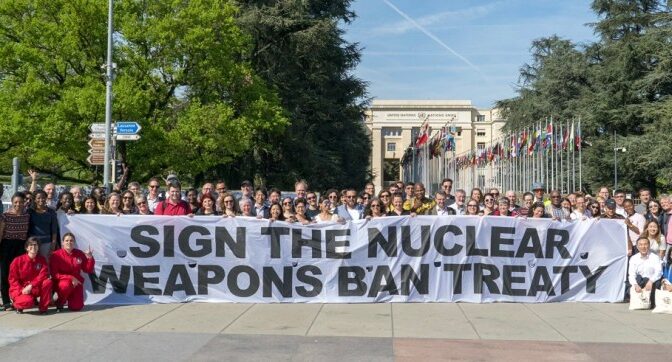
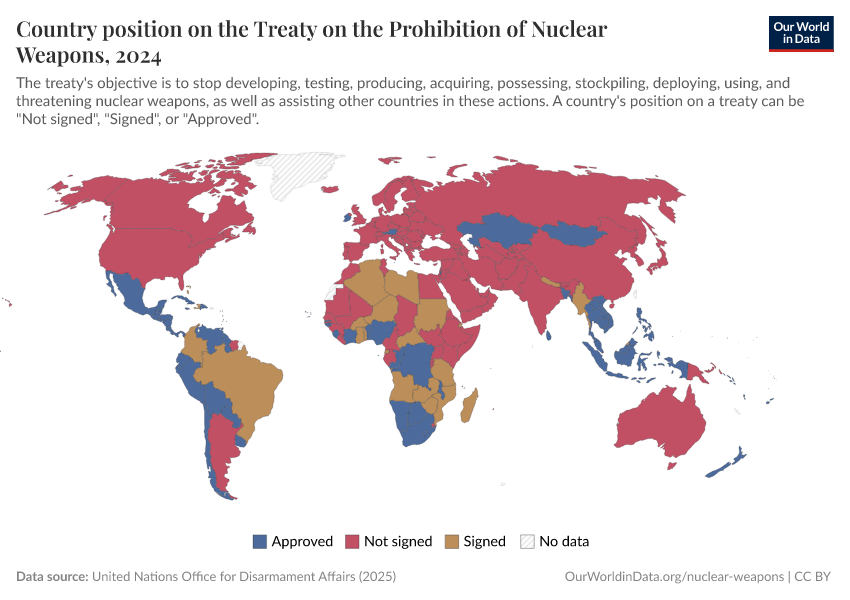
- The International Campaign to Abolish Nuclear Weapons (ICAN): ICAN is a coalition of non-governmental organizations that played a key role in advocating for the Treaty on the Prohibition of Nuclear Weapons (TPNW). ICAN’s public awareness efforts, including outreach to policymakers, media campaigns, and public events, helped to generate widespread support for the treaty, which was adopted by the United Nations in 2017. ICAN was awarded the Nobel Peace Prize in 2017 for its work.
- The “Pugwash Conferences on Science and World Affairs”: Founded in 1957, these conferences bring together scientists, scholars, and public figures to address global challenges, including nuclear proliferation. The Pugwash Conferences have provided a platform for experts to share their knowledge and expertise with the public and policymakers, contributing to informed debate and promoting dialogue on nonproliferation issues.
Plan for a Public Awareness Campaign on Proliferation Risks from Emerging Technologies
A public awareness campaign focused on the proliferation risks stemming from emerging technologies requires a strategic approach. This plan Artikels the key components of such a campaign.
- Define the Target Audience: Identify the specific groups that the campaign aims to reach. This could include policymakers, scientists, engineers, the general public, and students. Tailoring the messaging and delivery methods to each audience will increase the campaign’s effectiveness.
- Establish Clear Objectives: Define the specific goals of the campaign. For example, the campaign might aim to increase public understanding of the risks of artificial intelligence (AI) in weapons systems, or to promote support for international regulations on the use of emerging technologies.
- Develop Key Messages: Craft concise, compelling messages that clearly communicate the key risks and challenges. The messages should be accessible to a wide audience and avoid technical jargon. Focus on the potential consequences of misuse of emerging technologies.
For example: “Artificial intelligence can accelerate the arms race. We need international rules to prevent it.”
- Select Communication Channels: Choose the most effective channels to reach the target audience. This might include social media platforms, websites, educational materials, public service announcements, and partnerships with media outlets.
- Create Engaging Content: Develop a variety of content formats to capture the audience’s attention. This could include videos, infographics, interactive simulations, and articles. The content should be informative, visually appealing, and easily shareable.
- Build Partnerships: Collaborate with relevant organizations, such as universities, research institutions, and non-governmental organizations, to amplify the campaign’s reach and credibility.
- Launch and Promote the Campaign: Implement a comprehensive launch strategy, including press releases, social media campaigns, and events. Promote the campaign through all selected channels and monitor its progress.
- Evaluate and Adapt: Regularly assess the campaign’s impact and make adjustments as needed. Track key metrics, such as website traffic, social media engagement, and public awareness surveys, to measure the campaign’s effectiveness.
End of Discussion
In conclusion, the nonproliferation problem is a persistent challenge that requires constant vigilance, international cooperation, and a commitment to diplomacy. From the historical context to the modern threats posed by emerging technologies, the path to a safer world is paved with complex negotiations, robust verification mechanisms, and unwavering public awareness. By understanding the intricacies of nonproliferation, we can work together to build a future where the dangers of these weapons are minimized, and global security is strengthened for all.
Key Questions Answered
What is the difference between nonproliferation and arms control?
Nonproliferation aims to prevent the spread of weapons, while arms control seeks to limit the development, production, stockpiling, or deployment of existing weapons.
Why is the Nuclear Non-Proliferation Treaty (NPT) so important?
The NPT is crucial because it’s the cornerstone of the nonproliferation regime, preventing the spread of nuclear weapons and promoting peaceful uses of nuclear energy.
What are the biggest challenges to nonproliferation today?
Some major challenges include the proliferation of advanced technologies, the actions of rogue states and non-state actors, and the difficulty of verifying compliance with agreements.
How does the International Atomic Energy Agency (IAEA) work?
The IAEA is the world’s nuclear inspector. It monitors nuclear facilities, verifies the peaceful use of nuclear materials, and helps countries develop nuclear energy safely.
What can individuals do to support nonproliferation efforts?
Individuals can stay informed about the issue, support organizations working on nonproliferation, and advocate for policies that promote peace and security.