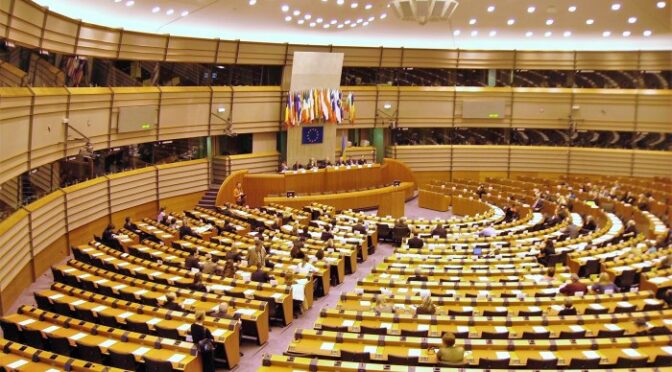
Parliament moves right, a phrase that sparks curiosity and debate, signifies a significant shift in the ideological direction of a governing body. This phenomenon isn’t a simple, monolithic event but a complex interplay of political forces, public sentiment, and global influences. Understanding this shift requires a deep dive into the factors that drive it, the policy areas it impacts, and the consequences it brings.
From economic reforms to social policy changes and international relations, a “move right” can reshape a nation’s landscape. This analysis will explore the various interpretations of this trend, examining the internal and external pressures that fuel it, and the diverse reactions it provokes. We’ll delve into historical examples and comparative analyses to gain a comprehensive understanding of this critical political phenomenon.
Defining “Parliament Moves Right”
The phrase “Parliament Moves Right” describes a shift in the political leaning of a parliament or legislative body towards conservative or right-wing ideologies. This shift can manifest in various ways, impacting policy, legislation, and the overall political landscape. Understanding this concept requires examining its interpretations across different political systems and the specific policy and societal changes that characterize such a move.
Interpretations Across Political Systems
The interpretation of “Parliament Moves Right” varies depending on the specific political system in question. What constitutes a rightward shift in one country might be considered moderate in another. Factors such as the existing political spectrum, the historical context, and the cultural norms of a nation influence how this phenomenon is perceived.In countries with a strong tradition of social democracy, such as many Western European nations, a “move right” could involve:
- Cuts to social welfare programs.
- Deregulation of industries.
- Increased emphasis on fiscal conservatism.
In countries with a historically more conservative political landscape, such as the United States, a “move right” might entail:
- Increased focus on tax cuts for corporations and high-income earners.
- Appointments of conservative judges.
- Stricter immigration policies.
In parliamentary systems, like the United Kingdom, a “move right” often results from shifts in party leadership or electoral successes for conservative parties, leading to changes in the composition of the government and the direction of policy. In contrast, in presidential systems, such as the United States, a “move right” might occur through the election of a conservative president and their appointments to key positions.
Economic Policy Changes
A “move right” frequently leads to specific economic policy changes that reflect conservative principles. These policies typically prioritize free markets, reduced government intervention, and fiscal responsibility. Here are some examples:
- Tax Cuts: Lowering income tax rates, corporate tax rates, and capital gains taxes is a common strategy. The rationale is that these cuts stimulate economic growth by encouraging investment and creating jobs. An example of this is the 2017 Tax Cuts and Jobs Act in the United States, which significantly reduced corporate tax rates.
- Deregulation: Reducing or eliminating government regulations on businesses and industries is another hallmark of a rightward shift. This can include environmental regulations, labor laws, and financial regulations. The goal is to reduce the burden on businesses and promote competition. For example, deregulation of the financial industry in the lead-up to the 2008 financial crisis is often cited as a consequence of right-leaning policies.
- Privatization: Transferring ownership of state-owned enterprises or services to the private sector is a frequent policy. This can include utilities, transportation, and healthcare. The argument is that private companies are more efficient and provide better services. The privatization of British Telecom in the 1980s is a well-known example.
- Reduced Social Spending: Cuts to social welfare programs, such as unemployment benefits, food stamps, and public housing, are often implemented. The aim is to reduce government spending and balance the budget. Austerity measures in Greece following the 2008 financial crisis, which involved cuts to social programs, are an example of this.
Social and Cultural Shifts
A “Parliament Moves Right” trend often accompanies significant social and cultural shifts, reflecting a broader conservative agenda. These shifts can affect various aspects of society, including social values, cultural norms, and the role of government in social issues.
- Emphasis on Traditional Values: There is often an increased emphasis on traditional family values, religious beliefs, and national identity. This can lead to policies that promote these values, such as restrictions on abortion or same-sex marriage. The rise of conservative movements in various countries, such as the “culture wars” in the United States, reflects this trend.
- Stricter Immigration Policies: Conservative governments often favor stricter immigration policies, including increased border security, stricter visa requirements, and limits on immigration. The argument is that these policies protect national security and preserve cultural identity. The implementation of stricter immigration laws in the United Kingdom following Brexit is an example.
- Increased Law and Order: A “move right” can lead to policies that prioritize law and order, such as increased funding for law enforcement, stricter sentencing guidelines, and tougher penalties for crime. This can result in a shift in focus from rehabilitation to punishment. The “war on drugs” in the United States, which led to increased incarceration rates, is an example.
- Skepticism of Multiculturalism: There may be increased skepticism of multiculturalism and a focus on national unity and integration. This can manifest in policies that promote assimilation and limit the recognition of minority cultures. Debates surrounding integration policies in European countries, such as France, reflect this.
Factors Influencing the Shift
Understanding the factors that contribute to a parliament’s shift to the right is crucial for analyzing political trends and predicting future directions. This shift isn’t a singular event but a complex process influenced by a variety of internal and external pressures. These factors can work in isolation or, more commonly, in combination, leading to a noticeable change in a party’s policies and overall ideological stance.
Internal Party Dynamics
Internal factors play a significant role in shaping a political party’s trajectory. These factors involve the interplay of different factions, leadership decisions, and the evolving values within the party itself.
- Leadership Changes: A change in leadership can significantly impact a party’s direction. A new leader, especially one with more conservative views, might steer the party further to the right. For example, the election of Margaret Thatcher as leader of the Conservative Party in the UK in 1975 marked a decisive move towards a more right-wing, free-market approach. This shift was characterized by policies like privatization and reduced trade union power.
- Factionalism: Political parties often contain different factions, representing diverse ideological viewpoints. The balance of power between these factions can determine the party’s overall direction. If a more conservative faction gains influence, the party is likely to shift rightward.
- Changes in Membership and Voter Base: The composition of a party’s membership and voter base can influence its policies. If a party’s base becomes more conservative, either through demographic shifts or strategic recruitment, the party might adopt more right-leaning policies to retain or expand its support.
- Ideological Drift: Over time, a party’s core ideology can evolve. This “drift” can be influenced by various factors, including the changing social and economic landscape. For instance, a social democratic party might gradually adopt more market-oriented policies if it believes such policies are necessary for economic growth and competitiveness.
The Influence of Public Opinion
Public opinion is a powerful force that can significantly shape a parliament’s ideological direction. Politicians are often responsive to public sentiment, adjusting their policies to align with prevailing views to maintain popularity and electoral success.
- Shifting Public Attitudes: Changes in public attitudes on social and economic issues can prompt a shift to the right. For instance, if public concern about immigration increases, a party might adopt stricter immigration policies. This responsiveness to public opinion is often driven by the desire to secure votes and maintain political relevance.
- Media Influence: Media coverage can play a significant role in shaping public opinion. If the media consistently portrays certain issues in a way that favors conservative viewpoints, it can contribute to a rightward shift in public sentiment.
- Polling Data: Political parties closely monitor polling data to gauge public opinion. Polling results can influence policy decisions and messaging. If polls indicate a growing support for conservative policies, a party might adjust its platform accordingly.
- Specific Examples:
- In the United States, the rise of the Tea Party movement in the late 2000s and early 2010s, which advocated for lower taxes, reduced government spending, and limited government intervention, influenced the Republican Party’s platform and rhetoric, pushing it further to the right.
- In several European countries, rising concerns about immigration and national identity have led to the rise of right-wing populist parties and a shift in mainstream parties’ policies towards stricter border controls and more restrictive immigration laws.
External Pressures
External pressures, such as economic crises and global events, can also significantly influence a parliament’s ideological direction, often pushing it towards the right. These pressures create an environment where conservative policies may seem more appealing.
- Economic Crises: Economic downturns often lead to calls for fiscal conservatism and austerity measures. During an economic crisis, a parliament might adopt policies like tax cuts, reduced government spending, and deregulation to stimulate economic growth. The 2008 financial crisis, for example, led to austerity measures in many European countries, contributing to a shift towards more conservative policies.
- Global Events: Global events, such as wars, terrorist attacks, or pandemics, can create a sense of national insecurity, leading to a shift towards more conservative policies related to national security, immigration, and law and order.
- Geopolitical Shifts: Changes in the global balance of power can also influence a parliament’s ideological direction. For example, the rise of China as a global power has led to a greater focus on national security and economic competitiveness in many Western countries, often resulting in policies that align with right-leaning viewpoints.
- International Pressure: External pressure from international organizations or other countries can influence a parliament’s direction. For example, pressure from the International Monetary Fund (IMF) to implement austerity measures can push a parliament towards more conservative economic policies.
Policy Areas Affected
When a parliament shifts to the right, it often signifies a broader ideological change impacting various policy domains. This transformation usually involves alterations in fiscal, social, and foreign policy, reflecting a preference for conservative principles. The extent and nature of these changes depend on factors such as the specific political context, the strength of the right-wing coalition, and the prevailing economic conditions.
Fiscal Policy Changes
Fiscal policy undergoes significant modifications when a parliament moves right. These changes typically aim to reduce government spending, lower taxes, and promote free-market principles. The following table illustrates the shifts in fiscal policy and their potential impacts.
| Policy Area | Before (Typically) | After (Typically) | Impact |
|---|---|---|---|
| Taxation | Higher taxes, progressive tax system, higher corporate taxes. | Lower taxes, tax cuts for corporations and high-income earners, flat tax proposals. | Potential for increased investment and economic growth (supply-side economics), but also risks of increased income inequality and reduced government revenue.
|
| Government Spending | Higher government spending on social programs, infrastructure, and potentially higher levels of government debt. | Cuts in social programs (e.g., welfare, unemployment benefits), reduced government spending on infrastructure, efforts to balance the budget or reduce debt. | Potential for reduced government debt and lower taxes in the long run. However, risks of reduced social safety nets, cuts to essential services, and economic slowdown. |
| Regulation | More regulations on businesses, environmental protections, and consumer protection laws. | Deregulation, reduced environmental protections, less stringent consumer protection. | Potential for increased business investment and economic growth, but risks of environmental damage, worker exploitation, and increased risk to consumers. |
| Trade | Protectionist policies, tariffs, and trade barriers. | Free trade agreements, reduced tariffs, and open markets. | Potential for increased trade and economic growth, but risks of job losses in some sectors and increased competition. |
Social Policy Changes
A shift to the right often leads to alterations in social policy, generally reflecting conservative values. These changes may focus on issues such as family values, immigration, and law and order.
- Family Values: Legislation may be introduced or strengthened to promote traditional family structures. This can involve policies supporting marriage, promoting abstinence education, and limiting access to abortion services. For example, in the United States, states with more conservative legislatures have enacted stricter abortion laws, including mandatory waiting periods and restrictions on abortion providers.
- Immigration: Right-wing governments frequently implement stricter immigration policies. These can include increased border security, stricter requirements for citizenship, and reduced access to social services for immigrants. The UK’s “hostile environment” policy, which aimed to make life difficult for undocumented immigrants, is an example.
- Law and Order: Right-leaning parliaments often favor tougher criminal justice policies. This may involve increased funding for law enforcement, longer prison sentences, and a focus on punishment rather than rehabilitation. Australia, under conservative governments, has increased funding for police forces and implemented “tough on crime” measures.
- Education: There might be a shift towards school choice, charter schools, and a focus on traditional curricula. This can include policies supporting vouchers for private schools and emphasizing standardized testing.
Foreign Policy Approaches
Foreign policy approaches also tend to change when a parliament moves right. The focus often shifts towards national interests, assertive diplomacy, and a strong military.
- Nationalism: A right-wing government often prioritizes national interests and sovereignty. This can involve a more assertive stance in international relations, a focus on protecting national borders, and a skepticism towards international organizations. The Brexit movement, driven by right-wing sentiments, is a prime example of prioritizing national sovereignty.
- Military Strength: Increased military spending and a focus on strengthening the armed forces are common. This may involve acquiring new weapons systems, increasing troop numbers, and engaging in military interventions to protect national interests or combat perceived threats. The increase in military spending by many NATO countries in response to the perceived threat from Russia is a current example.
- Alliances: Right-wing governments may seek to strengthen alliances with countries that share similar ideological values. This could involve prioritizing relationships with conservative governments and potentially distancing themselves from countries with different political views. The close relationship between the Trump administration in the United States and the Israeli government is an example.
- Trade and Diplomacy: There can be a shift towards bilateral trade agreements and a more assertive diplomatic approach. This may involve prioritizing trade deals that benefit the national economy and being willing to take a tougher stance in negotiations with other countries.
The Role of Political Parties
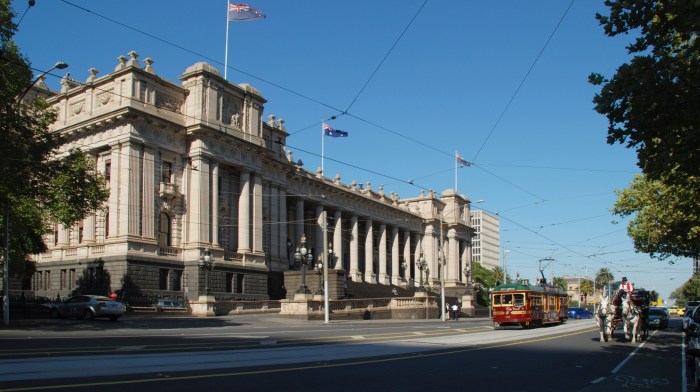
Source: wikimedia.org
Political parties are the engines driving parliamentary shifts, acting as key players in the “move right” trend. Their leadership, internal dynamics, and strategic choices significantly shape policy outcomes. Examining how different parties navigate this shift reveals the complex interplay of ideology, power, and electoral strategy.
Leadership Influence on the Rightward Shift
The decisions and actions of party leaders directly influence the direction of policy. A leader’s ideological stance, communication style, and ability to build consensus within the party are crucial factors.Consider the example of the Conservative Party in the United Kingdom under Margaret Thatcher. Her strong leadership, coupled with a clear commitment to free-market economics and limited government, drove a significant rightward shift in British politics.
Thatcher’s influence manifested in:
- Privatization of state-owned industries, such as British Telecom and British Gas.
- Deregulation of financial markets, exemplified by the “Big Bang” in 1986.
- Tax cuts, particularly for higher earners.
Thatcher’s ability to articulate her vision and maintain party discipline allowed her to implement policies that dramatically altered the economic and social landscape of the UK.
Comparing and Contrasting Party Strategies
Different political parties employ distinct strategies to achieve a rightward shift, reflecting their specific ideologies and electoral contexts. These strategies often involve changes in messaging, coalition building, and policy priorities.The strategies of two contrasting parties can illustrate this point:
- Conservative Parties: Typically focus on fiscal conservatism, emphasizing lower taxes, reduced government spending, and a balanced budget. They often appeal to traditional values and national security concerns. A key strategy is to frame themselves as responsible managers of the economy, contrasting their approach with what they portray as the reckless spending of left-leaning parties. For example, in the United States, the Republican Party has consistently advocated for tax cuts and reduced regulation.
- Populist Right-Wing Parties: Often capitalize on anti-immigrant sentiment and nationalistic rhetoric. They may advocate for stricter border controls, increased law and order, and a rejection of globalism. These parties frequently use social media and rallies to mobilize support and bypass traditional media channels. The success of the National Rally (formerly the National Front) in France, led by Marine Le Pen, is a prime example.
The party’s focus on national identity and immigration control has resonated with a significant portion of the electorate, leading to increased electoral support.
These diverse strategies highlight the multifaceted nature of the “move right” trend, as parties tailor their approaches to suit their particular goals and target demographics.
Internal Party Dynamics and the “Move Right” Movement
Internal party dynamics, including factionalism and debates, play a crucial role in shaping the direction of a “move right” movement. The interplay between different wings of the party, the influence of interest groups, and the leadership’s ability to manage internal dissent are all significant.
- Factionalism: Parties often contain different factions with varying degrees of conservatism. The “move right” trend can be accelerated when a more conservative faction gains influence or control.
- Debates: Internal debates can shape policy. For instance, within a center-right party, debates may center on the extent of tax cuts or the level of social spending. The outcomes of these debates often reflect the prevailing ideological balance within the party.
- Interest Groups: The influence of interest groups, such as business lobbies or religious organizations, can push parties towards more conservative policies.
The dynamics within the Republican Party in the United States offer a relevant example. The rise of the Tea Party movement, with its emphasis on limited government and fiscal conservatism, exerted significant pressure on the party. This internal dynamic pushed the party further to the right, influencing policy positions on issues like taxation, healthcare, and environmental regulation. This pressure led to shifts in party platforms and increased emphasis on conservative principles.
Public Perception and Reaction
The public’s understanding and response to a parliament’s rightward shift are crucial for shaping the political landscape. How this shift is presented and interpreted can significantly influence public opinion, voter behavior, and the overall stability of the political system. Understanding the strategies used to frame this narrative, the role of the media, and the diverse reactions from different segments of the population is essential for a comprehensive analysis.
Framing the Narrative: Political Actors’ Strategies
Political actors employ various tactics to shape public perception of a parliament’s move to the right. These strategies aim to either legitimize the shift, downplay its significance, or portray it in a positive light, depending on the actors’ goals and the prevailing political climate.
- Emphasizing National Security: Politicians often frame right-leaning policies, such as stricter immigration laws or increased military spending, as essential for protecting national security. This can resonate with voters concerned about threats, both real and perceived. For example, following a terrorist attack, a government might introduce legislation that expands surveillance powers, justifying it as necessary to prevent future incidents.
- Highlighting Economic Stability: Right-leaning parties frequently emphasize fiscal responsibility, tax cuts, and deregulation as pathways to economic growth and stability. They may argue that these policies will create jobs, attract investment, and ultimately benefit all citizens. An example would be a government promoting tax cuts for corporations, claiming it will stimulate the economy and lead to higher wages, even if evidence supporting this is limited.
- Appealing to Traditional Values: Conservative parties often tap into traditional values related to family, religion, and social order. They might advocate for policies that reinforce these values, such as restrictions on abortion or same-sex marriage, presenting them as a defense of the established way of life. This can be particularly effective in mobilizing certain segments of the electorate.
- Demonizing Opposition: Political actors frequently portray opposing parties and ideologies as radical, extreme, or out of touch with the mainstream. They might use negative campaigning, focusing on the perceived weaknesses or failures of their opponents to discredit their policies and appeal to voters’ fears. This is often seen in the use of terms like “socialist” or “liberal elite” to describe opponents.
- Controlling the Language: Using specific terminology and carefully crafted phrases is a key strategy. For instance, policies that limit social welfare programs might be described as “welfare reform” to suggest improvements, rather than cuts. Likewise, policies seen as potentially authoritarian may be presented as necessary to “restore order.”
Media Portrayal of Ideological Shifts
The media plays a critical role in shaping public perception of a parliament’s rightward shift. The way in which news outlets report on these changes can either amplify or mitigate the impact on public opinion. Media bias, ownership structures, and editorial choices all contribute to the narrative that is presented.
- Bias in Reporting: Media outlets can exhibit bias in various ways, including selective reporting (covering certain stories while ignoring others), framing (presenting information in a way that favors a particular viewpoint), and tone (using language that is either positive or negative towards a political shift). A right-leaning media outlet, for example, might emphasize the economic benefits of tax cuts while downplaying potential negative impacts on social services.
- Ownership and Influence: Media ownership structures can influence the portrayal of political shifts. Media conglomerates with vested interests may promote narratives that align with their business or ideological goals. For example, a media company owned by a corporation that benefits from deregulation might consistently portray it positively.
- Sensationalism and Simplification: Media outlets sometimes oversimplify complex political issues to make them more accessible to a wider audience. This can lead to a lack of nuance and a focus on soundbites and personalities rather than a thorough analysis of the underlying policies. This can often be seen in the coverage of controversial legislation.
- Echo Chambers and Filter Bubbles: The rise of social media and online news has created echo chambers where individuals are primarily exposed to information that confirms their existing beliefs. This can reinforce existing biases and make it more difficult for people to understand opposing viewpoints. Algorithms often prioritize content that users are likely to engage with, further exacerbating this problem.
- Role of Pundits and Commentators: Pundits and commentators can significantly influence public perception. Their opinions, often presented as objective analysis, can shape how audiences interpret events. If the majority of commentators on a news channel are supportive of a rightward shift, it can normalize the shift and make it appear less controversial.
Public Reactions to a Rightward Shift
The public’s reaction to a parliament’s rightward shift is rarely uniform. Diverse segments of the population react in different ways, influenced by their own values, beliefs, and experiences. These reactions can range from enthusiastic support to strong opposition, and everything in between.
Supporters: “Finally, we have a government that’s willing to stand up for our values and protect our borders. This is exactly what we need to get our country back on track.”
Critics: “This is a dangerous move. These policies will hurt the most vulnerable members of society and undermine our democracy. We must resist this at all costs.”
Moderates: “While I may not agree with everything, I understand the need for some of these changes. We need to find a balance between economic growth and social justice.”
Economically Anxious: “I’m worried about my job and my family’s future. I hope these changes will lead to a better economy, but I’m also concerned about the potential consequences.”
Socially Conservative: “I am pleased to see the government taking a stand on issues like family values and religious freedom. It’s time we returned to the principles that made our nation great.”
Minority Groups: “These policies make me feel unsafe and unwelcome. I fear for my rights and the future of my community. This is a step backwards for equality.”
Young Voters: “I am concerned about the direction the country is heading. I feel like my generation’s future is being jeopardized by these outdated policies.”
Historical Context and Comparative Analysis
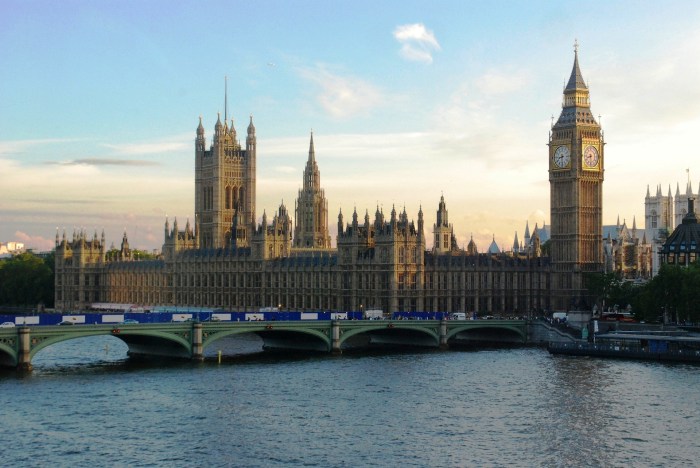
Source: publicdomainpictures.net
Understanding the “parliament moves right” phenomenon requires examining its historical precedents and comparing its manifestations across different countries. This analysis helps to identify common drivers, varying consequences, and the influence of international events on this political trend.
Comparative Analysis of “Parliament Moves Right” in Two Countries
Comparing the shift to the right in the parliaments of the United Kingdom and France reveals both similarities and differences in the causes and consequences.The United Kingdom, particularly after the 2010 general election, saw a significant rightward shift. The Conservative Party, either alone or in coalition, implemented austerity measures, emphasizing fiscal conservatism. This was largely a response to the 2008 financial crisis and a desire to reduce the national debt.
The consequences included:
- Increased social inequality due to cuts in social welfare programs.
- Brexit, a pivotal event driven by rising nationalism and concerns over immigration.
- A decline in the influence of the Labour Party, initially.
France, under leaders like Nicolas Sarkozy, and later with the rise of the Rassemblement National (National Rally), also experienced a rightward drift. The causes were multifaceted:
- Economic stagnation and high unemployment rates.
- Concerns over immigration and national identity.
- A weakening of traditional left-wing parties.
The consequences included:
- Increased support for right-wing and far-right parties.
- Debates about national identity and secularism (laïcité).
- A shift in public discourse towards more conservative values.
While both countries experienced a move right, the specific drivers and policy outcomes varied. The UK’s shift was heavily influenced by economic factors and the desire for fiscal responsibility, while France’s was more driven by social and cultural anxieties.
Historical Instances of Societal Changes Following a “Move Right” Shift
Several historical examples illustrate how a rightward shift in parliament can lead to significant societal changes.The rise of Margaret Thatcher in the UK in 1979, representing a significant shift to the right, led to:
- Privatization of key industries (e.g., British Telecom, British Gas).
- Deregulation of the financial sector (the “Big Bang”).
- Increased focus on individual responsibility and market-based solutions.
These policies, although intended to stimulate economic growth, also led to increased social inequality and the decline of traditional industries.In the United States, the Reagan presidency (1981-1989), another example of a “move right” trend, brought about:
- Tax cuts, particularly for the wealthy, based on supply-side economics.
- Increased military spending and a more assertive foreign policy.
- A shift in the Supreme Court towards a more conservative judicial philosophy.
These changes had long-lasting effects on the American economy, social fabric, and global influence.These examples show how rightward shifts in parliament can lead to substantial transformations in economic policies, social values, and the role of the state.
Impact of International Events on the “Move Right” Trend
International events often play a crucial role in shaping and accelerating “move right” trends.The 2008 financial crisis, for example, had a profound impact.
The economic downturn led to a loss of faith in established institutions and fueled populist sentiments, creating an environment in which right-wing parties could thrive by offering alternative solutions.
The rise of populist movements in Europe, partly a consequence of the financial crisis, is a prime example.The migration crisis of 2015-2016 also significantly influenced political dynamics. The influx of refugees into Europe created anxieties about national identity and security, which right-wing parties exploited to gain support. This led to:
- Increased border controls.
- Stricter immigration policies.
- A rise in anti-immigrant sentiment.
The COVID-19 pandemic further exacerbated these trends. Governments’ responses to the pandemic, including lockdowns and economic interventions, led to debates about individual liberties and the role of the state. These debates often aligned with existing ideological divides, reinforcing the rightward shift in many countries.
Consequences of the Shift
The movement of a parliament towards the right can trigger a cascade of effects, impacting a nation’s economy, social fabric, and its standing on the global stage. These consequences are often complex and multifaceted, requiring careful consideration of various factors to understand their full scope.
Economic Impacts
A rightward shift in parliament often brings about economic policies that can have both positive and negative repercussions. These policies frequently prioritize market liberalization, reduced government spending, and tax cuts, but their actual impact can vary depending on the specific context and implementation.
- Changes in Taxation: Right-leaning governments often implement tax cuts, particularly for corporations and high-income earners. The theoretical aim is to stimulate economic activity through increased investment and job creation.
The Laffer Curve, a theoretical concept, suggests that reducing tax rates can increase tax revenue by encouraging economic activity.
However, the actual outcome is debated. Some argue that tax cuts primarily benefit the wealthy, exacerbating income inequality, while others believe that the resulting economic growth benefits everyone.
- Deregulation: Right-wing policies frequently involve deregulation, aiming to reduce burdens on businesses and encourage competition. This can lead to innovation and lower prices for consumers. However, deregulation can also lead to environmental degradation, worker exploitation, and financial instability if not carefully managed.
- Fiscal Austerity: Right-leaning governments often prioritize fiscal responsibility, which can lead to cuts in government spending on social programs, infrastructure, and public services. While proponents argue that this reduces government debt and promotes long-term economic stability, critics contend that it can lead to job losses, reduced social safety nets, and slower economic growth.
- Trade Policies: Right-wing parties may favor protectionist trade policies, such as tariffs and quotas, to protect domestic industries. This can lead to higher prices for consumers and retaliatory measures from other countries, potentially harming international trade. Conversely, they may also pursue free trade agreements, which can increase trade and economic growth but may also lead to job losses in certain sectors.
Social Impacts
A shift to the right can significantly affect the social landscape of a nation, influencing everything from social welfare programs to cultural norms. These impacts are often felt most acutely by marginalized groups.
- Social Welfare: Right-leaning governments frequently advocate for reforms to social welfare programs, often involving cuts in benefits and stricter eligibility requirements. This can lead to increased poverty and hardship for vulnerable populations.
- Immigration Policies: Right-wing parties often favor stricter immigration policies, including tighter border controls and restrictions on immigration. This can lead to social tensions and discrimination against immigrants.
- Social Conservatism: A rightward shift may be accompanied by a resurgence of social conservatism, leading to restrictions on abortion rights, LGBTQ+ rights, and other social issues.
- Cultural Shifts: Right-wing governments may promote nationalist ideologies, which can lead to a focus on national identity and traditional values. This can sometimes result in intolerance towards minority groups and cultural diversity.
Influence on International Relations and Global Dynamics
A parliament’s move to the right can reshape a nation’s foreign policy and its role in the global arena. This shift often involves changes in alliances, approaches to international cooperation, and the handling of global challenges.
- Changes in Alliances: Right-wing governments may seek to strengthen alliances with countries that share similar ideological views, potentially at the expense of relationships with other nations. For example, a rightward shift might lead to closer ties with conservative governments in other countries.
- International Cooperation: A move to the right can lead to a more skeptical approach to international cooperation and multilateral institutions, such as the United Nations or the European Union. This may involve reduced contributions to international organizations or a reluctance to participate in global agreements.
- Trade and Diplomacy: Right-wing governments may adopt more assertive trade and diplomatic strategies. This can involve a more confrontational approach to trade negotiations and a greater emphasis on national interests in foreign policy.
- Defense and Security: Right-leaning parties often prioritize defense spending and a strong military. This can lead to increased military involvement in international conflicts and a more hawkish approach to foreign policy.
- Global Challenges: A shift to the right can affect how a country addresses global challenges like climate change, human rights, and global health crises. For example, a right-wing government might be less willing to commit to international agreements on climate change or human rights.
Last Word
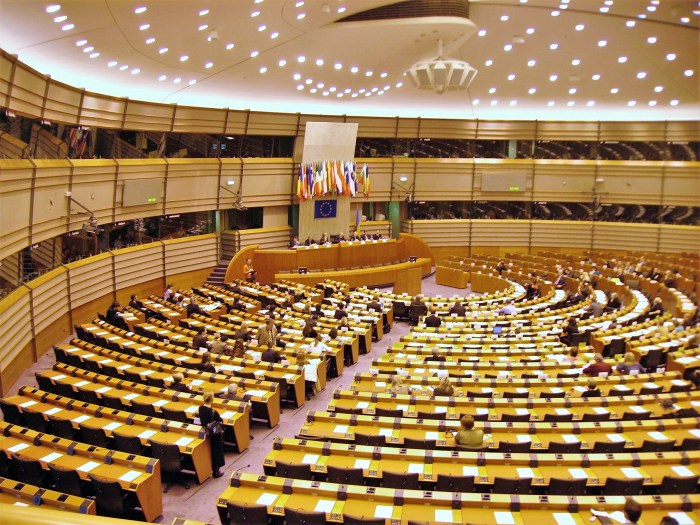
Source: wikimedia.org
In conclusion, the movement of a parliament to the right is a multifaceted issue with profound implications. We’ve explored the driving forces, policy impacts, and varied reactions to this shift, from economic consequences to changes in international relations. Understanding the dynamics of this political phenomenon is crucial for citizens, policymakers, and observers alike, as it shapes the present and future of societies worldwide.
By analyzing historical trends and comparative examples, we can better anticipate the consequences and navigate the complexities of this ongoing evolution.
Questions Often Asked
What exactly does “right” mean in this context?
In this context, “right” typically refers to policies that favor free markets, limited government intervention, individual responsibility, and traditional social values. However, the specific interpretation can vary across different countries and political systems.
How long does it take for a “move right” to become apparent?
The timeframe can vary. Some shifts are gradual, unfolding over years through incremental policy changes. Others can be more abrupt, triggered by significant events or electoral realignments. The speed of the shift depends on the political context and the specific issues at play.
Are “move right” shifts always negative?
Whether a “move right” is viewed as positive or negative depends on one’s political perspective and values. Supporters might argue that it leads to economic growth, individual liberty, and stronger social order. Critics may point to increased inequality, reduced social safety nets, and erosion of certain rights.
What role do media outlets play in these shifts?
Media outlets significantly influence public perception. They can frame the narrative surrounding a “move right” by emphasizing certain aspects of policies, providing specific angles, and choosing which voices to amplify. This can shape public opinion and reactions to the shift.
Can a “move right” trend be reversed?
Yes, political trends are not permanent. Shifts can be reversed due to changes in public opinion, economic conditions, or electoral outcomes. A shift to the right can be followed by a shift back towards the center or left, creating a dynamic political landscape.